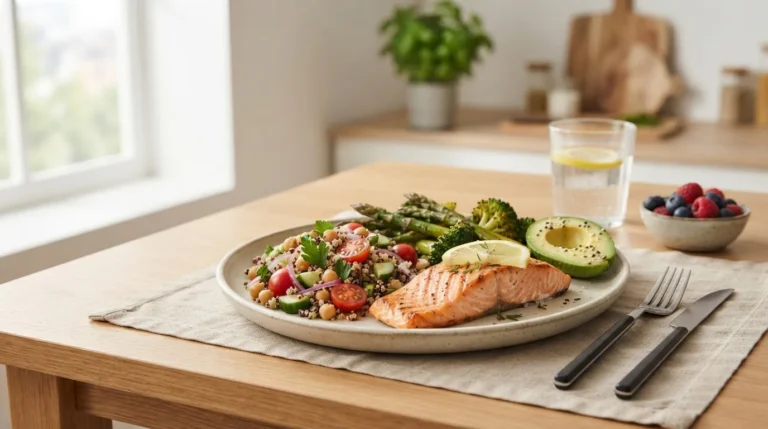

Meal plans are your roadmap to consistent, nourishing eating—designed to simplify choices, reduce stress, and support long-term health. This expert guide shows how to build and maintain sustainable meal plans that prioritize balanced meals, nutrient-dense foods, and real-life practicality.
What Are Meal Plans and Why Are They Important?
What are meal plans? At their core, meal plans are pre-arranged schedules of what to eat across meals and snacks for a day, week, or longer. They range from simple grocery lists and dinner rotations to detailed calorie- and macronutrient-structured plans. The goal is consistent intake of quality foods that meet individual nutrition needs and lifestyle constraints.
Meal plans matter because they convert nutrition knowledge into daily practice. Think of nutrient balance as building blocks: a plan stacks the right blocks (proteins, healthy fats, whole grains, fruits, and vegetables) at predictable intervals so the body gets what it needs. Practical benefits include:
- Predictability and reduced decision fatigue—less time deciding “what’s for dinner.”
- Improved nutritional quality through consistent inclusion of nutrient-dense foods.
- Better budget and grocery efficiency by buying and using items in planned ways.
- Support for health outcomes like blood glucose control, heart health, and weight maintenance when aligned with evidence-based guidelines.
Example: A working parent builds a weekly plan that includes three 30-minute dinners, two batch-cook lunches, and protein-rich breakfasts—cutting takeout spending by 40% and improving family vegetable intake. According to a 2021 behavioral nutrition study, structured meal planning increases fruit and vegetable consumption by measurable amounts in routine settings (source type: peer-reviewed study).
Meal plans can be flexible tools for many goals: improving overall health, managing chronic conditions, supporting athletic training, or instilling healthy family routines. If you’re new to meal planning, start simple: plan dinner for three nights, prep ingredients once, and build from there.
Next, we’ll break down the essential elements that make a meal plan truly healthy and resilient.
Key Components of a Healthy Meal Plan
-
Balanced macronutrients
Every healthy plan includes appropriate amounts of macronutrients: proteins, carbohydrates, and fats. Macronutrients provide energy and support body functions. A common starting ratio for general health is approximately 25–35% calories from protein, 45–55% from carbohydrates, and 20–35% from fats, adjusted for personal needs and activity levels (source type: Academy of Nutrition and Dietetics guidance).
-
Micronutrient adequacy
Micronutrients—vitamins and minerals—are essential for metabolic processes, immunity, and bone health. Ensure frequent inclusion of colorful fruits and vegetables, legumes, nuts, seeds, dairy or fortified alternatives, and whole grains to cover common micronutrient needs like vitamin D, calcium, iron, and potassium.
-
Nutrient-dense foods
Nutrient-dense foods supply high levels of vitamins, minerals, fiber, and other beneficial compounds for relatively few calories. Prioritize whole foods: leafy greens, berries, beans, oily fish, yogurt, whole grains, and nuts.
-
Portion control
Portion control helps align calorie intake with goals. Use visual cues—palm-sized protein portions, a cupped hand for carbs, a thumb for fats—or measuring tools. Portion control is not about strict restriction; it’s about reasonable amounts to satisfy hunger and nutrient needs without excess.
what should I be eating everyday explains daily portion and nutrient priorities in more detail.
-
Meal timing and distribution
How you distribute calories across the day can affect hunger, energy, and performance. Aim for regular intervals that match your routine—whether three meals or smaller, more frequent meals. For most adults, spreading protein across meals (e.g., 20–30 g per meal) supports muscle maintenance (source type: clinical nutrition review).
-
Food variety and rotation
Variety reduces nutrient gaps and keeps meals interesting. Rotate proteins, grains, and vegetables across the week. Aim to include multiple colors on your plate—this often correlates with broader micronutrient coverage.
-
Hydration
Hydration supports digestion, appetite regulation, and metabolic health. Include plain water, unsweetened beverages, and water-rich foods. Note: beverages with added sugars add calories without nutrient benefits and should be limited.
-
Practical meal prep strategies
Healthy plans include realistic prep approaches: batch cooking, pre-chopped vegetables, and make-ahead breakfasts. Use durable storage containers and a consistent labeling system to avoid food waste.
-
Accommodation of preferences and restrictions
Plans must fit dietary preferences, cultural foods, allergies, and medical needs. A flexible framework allows substitutions and respects enjoyment—key to sustainable eating habits.
-
Behavioral supports and tracking
Goals-setting, simple tracking (notes or an app), and weekly reflection foster adherence. Small wins—packing lunches, prepping grains, or adding one vegetable daily—build momentum.
nutrition education can deepen your understanding of nutrient roles and food choices.
With these components in place, let’s walk through a practical, step-by-step method to prepare a meal plan.
How to Prepare a Meal Plan: Step-by-Step Guide
How to prepare a meal plan practically involves assessing needs, choosing recipes, scheduling, shopping, and prepping. Below is a repeatable methodology you can adapt weekly.
-
Step 1 — Define your purpose and constraints
Decide primary goals: improved health, weight maintenance, reduced grocery costs, or simpler weeknights. Note constraints—time, budget, equipment, and dietary restrictions. Clear goals inform calorie and macronutrient targets and meal complexity.
-
Step 2 — Calculate baseline needs
Estimate calorie needs using validated equations or consult a professional. For macronutrient allocation, start with ranges (protein 15–35% of calories; fat 20–35%; carbohydrates 45–65%) and adjust for activity, age, or medical needs (source type: Dietary Guidelines summary). If you want individualized targets, ask a registered professional or use a reputable online tool.
nutritionist online services can streamline personalized calculations and meal choices.
-
Step 3 — Audit your kitchen and schedule
Check what staples you already own—grains, canned beans, spices, frozen vegetables. Review your weekly schedule to find optimal cooking windows (e.g., Sunday afternoon batch-cook, or 20-minute nightly prep). Align meal complexity to available time.
-
Step 4 — Choose core recipes and templates
Create templates for breakfast, lunch, dinner, and snacks. Examples:
- Breakfast: Overnight oats or yogurt bowl + fruit + nuts
- Lunch: Grain + protein + vegetable + vinaigrette
- Dinner: One-pan protein + two vegetables
- Snack: Fruit, hummus + veggies, or a handful of nuts
Use the templates to quickly swap ingredients based on grocery availability and preferences.
-
Step 5 — Build a weekly menu grid
On paper or in an app, map breakfasts, lunches, dinners, and snacks across seven days. Prioritize meals that reuse ingredients to reduce waste and simplify shopping. Reserve one or two flexible “leftover” meals.
weight loss meal delivery is an option for weeks when time is extremely limited.
-
Step 6 — Create a grocery list organized by store sections
Group items by produce, proteins, refrigerated, frozen, pantry. Add quantities and planned recipes to minimize impulse buys. Consider seasonal produce for cost savings and flavor.
-
Step 7 — Shop strategically
Shop with a list, buy store brands for staples, and select frozen vegetables if fresh is overpriced or spoils quickly. Read labels to avoid added sugars and excess sodium; understanding the nutrition facts label helps here.
nutrition facts label training speeds smarter choices at the store.
-
Step 8 — Meal prep and batch-cook
Divide prep into tasks: cook grains, roast a tray of vegetables, portion proteins, and chop raw salad vegetables. Use reliable containers with airtight lids and freeze portions you won’t eat within 3–4 days.
Tools and techniques: slow cookers, instant pots, sheet-pan dinners, and compartmentalized containers. Label containers with date and contents.
-
Step 9 — Implement simple swaps and substitutions
Substitute grains (quinoa for rice), proteins (tofu for chicken), or fats (avocado for oil) to accommodate preferences or budget. Maintain macronutrient balance via portion adjustments.
-
Step 10 — Track, reflect, and iterate
At week’s end, note what worked: recipes you’d repeat, wasteful purchases, and scheduling friction. Small refinements make meal plans easier and more enjoyable over time.
nutrition goals examples can help you set realistic, measurable targets.
Additional actionable tips:
- Use one “theme night” per week (e.g., Taco Tuesday) to lower decision fatigue.
- Prep ingredient components, not entire meals, for variety and freshness.
- Leverage apps or a simple spreadsheet to save favorite weekly plans for reuse.
Next, explore practical tips that make healthy meal planning fit any lifestyle.
Healthy Meal Planning Tips for Every Lifestyle
Healthy meal planning tips focus on realistic steps that match time, budget, and taste. Below are adaptable tips across common lifestyles.
- Busy professionals: Batch-cook proteins and grains on weekends; assemble salads and bowls in mason jars for grab-and-go lunches. Consider weekend freezes for emergency meals.
- Students: Choose one-pot or microwave-friendly meals, double recipes for leftovers, and use frozen veggies for convenience and cost savings. See our nutrition articles for students for targeted ideas.
- Families with kids: Offer deconstructed plates to allow choice—baked chicken pieces, roasted sweet potatoes, and a veggie tray. Rotate family favorites, introduce one new food weekly, and involve kids in prep.
- Budget-conscious shoppers: Plan around sales, buy seasonal produce, choose canned legumes and frozen fruit, and repurpose leftovers creatively.
- Time-limited cooks: Emphasize quick-cooking proteins (eggs, canned tuna), sheet-pan meals, and pre-washed greens. Consider occasional weight loss meal delivery or healthy ready-made options on busy weeks.
- Those with dietary restrictions: Build an allergy-friendly pantry with safe staples, and plan substitutions ahead of time (e.g., gluten-free grains). Food safety and cross-contact awareness are crucial.
Other general tips:
- Set realistic goals—small, achievable changes compound over time.
- Batch pre-made snacks (cut vegetables, labeled hummus cups, portioned nuts) to avoid impulse choices.
- Use a weekly theme or cuisine rotation to reduce planning time and encourage variety.
- Practice sustainable meal planning by using seasonal produce, minimizing single-use plastics, and freezing surplus food to reduce waste.
- Pair meal planning with clear nutrition goals—see nutrition goals examples to create measurable targets and stay motivated.
nutrition facts label knowledge speeds healthier grocery decisions.
Below are concrete meal ideas you can plug directly into your weekly plan.
Examples of Balanced and Healthiest Meals to Include in Your Plan
Balanced and healthiest meals combine protein, fiber-rich carbohydrates, healthy fats, and vegetables. Use the examples below as templates and adjust portions to personal energy needs.
| Meal | Description | Why it’s balanced |
|---|---|---|
| Greek Yogurt Breakfast Bowl | Plain Greek yogurt, mixed berries, a tablespoon of chia seeds, and a sprinkle of granola. | Protein from yogurt, fiber and antioxidants from berries and chia, healthy carbs from granola. |
| Quinoa & Black Bean Bowl | Quinoa, black beans, roasted sweet potatoes, avocado, and salsa. | Complete plant-based protein mix, complex carbs, healthy fats, fiber, vitamins. |
| Salmon Sheet-Pan Dinner | Roasted salmon, broccoli, and red peppers with a lemon-olive oil dressing. | Omega-3 fats, protein, plentiful vitamins and phytonutrients from colorful vegetables. |
| Chicken Stir-Fry | Stir-fried chicken breast, mixed vegetables, and brown rice with low-sodium soy sauce. | Lean protein, fiber, whole grain carbohydrate, and vegetables deliver broad micronutrients. |
| Lentil Soup & Whole Grain Bread | Hearty lentil and vegetable soup with a side of whole-grain toast. | Plant protein, fiber-rich legumes, complex carbs, and substantial micronutrients. |
| Veggie Omelet with Sliced Fruit | Two-egg omelet with spinach, tomatoes, and mushrooms; side of apple slices. | High-quality protein, vegetables for micronutrients, fruit for fiber and vitamins. |
Sample day (moderate activity):
- Breakfast: Yogurt bowl (above)
- Snack: Banana + handful of almonds
- Lunch: Quinoa & black bean bowl
- Snack: Carrot sticks + hummus
- Dinner: Salmon sheet-pan dinner
For readers interested in structured sample menus, refer to our example 7-day menu templates. 7 day diet menu to lose weight provides a concrete example you can adapt for balanced intake.
Even with these examples, planners encounter predictable obstacles—let’s address those and how to overcome them.
Common Meal Planning Challenges and How to Overcome Them
Below are frequent problems and pragmatic solutions—presented in a problem-solution format to support immediate fixes.
-
Problem: Lack of time to cook
Solution: Use batch-cooking, one-pan dinners, and time-saving tools (pressure cooker, air fryer). Schedule a single 90-minute cook session on weekends to prepare core ingredients.
-
Problem: Boredom with meals
Solution: Rotate cuisines weekly (Mexican, Mediterranean, Asian), use different herbs and spices, or pick a “new recipe” slot each week to keep variety high.
-
Problem: Food waste
Solution: Plan meals that reuse ingredients, freeze portions you won’t eat, and follow FIFO (first in, first out) for perishables. Keep a “use this first” bin in your fridge.
-
Problem: Difficulty sticking to plan
Solution: Make the plan flexible—allow scheduled treats and impromptu meals. Behavioral nudges like pre-packed lunches and visible meal components increase adherence.
-
Problem: Confusion about nutrient adequacy
Solution: Use simple templates that ensure vegetables, protein, whole grains, and healthy fats at each main meal. For tailored needs, consult a professional or online resources.
nutrition dietitian consultations offer personalized assessment and adjustments.
-
Problem: Special dietary needs (allergies, medical)
Solution: Focus on safe substitutes and meal templates built from allowed foods; coordinate with healthcare providers for medical diets and use reliable food labeling to avoid cross-contact.
When comparing meal plans, different popular approaches exist—here’s a practical comparison to help you choose what aligns with your values and goals.
What Is the Best Meal Plan? Exploring Popular Approaches
There’s no single best meal plan for everyone. Below is a comparison of widely used approaches with pros and cons to help you decide based on preferences and evidence.
| Plan | Key Features | Pros | Cons |
|---|---|---|---|
| Mediterranean | Plant-forward, olive oil, fish, whole grains, fruits, vegetables | Backed by evidence for heart and longevity benefits; flexible and flavorful. | May be higher in fat; portion control still matters for calorie balance. |
| DASH | Emphasis on low sodium, fruits, vegetables, lean proteins, whole grains | Strong evidence for reducing blood pressure (source type: clinical guidelines). | May require adjustment for those needing higher energy or specific macros. |
| Plant-Based | Minimizes animal foods; focuses on legumes, grains, vegetables | Good for environmental sustainability and some health outcomes when well-planned. | Requires planning to ensure adequate B12, iron, and complete proteins for some individuals. |
| Low-Carb | Reduced carbohydrates, increased protein and fat | Effective for short-term weight loss and blood glucose control in some populations. | Long-term adherence can be challenging; balance of micronutrients may need monitoring. |
| Personalized Nutrition | Tailored to genetics, biomarkers, and preferences | Highly individualized and potentially more effective for specific health goals. | Requires professional input and may be costlier and more complex to manage. |
Use evidence-based frameworks like MyPlate and DASH as starting points, and adapt to personal taste, culture, and goals. For deeper science-based comparison, see resources at the US Department of Agriculture and the Academy of Nutrition and Dietetics below.
External resources:
To understand why these frameworks work, let’s look at the science behind nutrition and meal planning.
Nutrition and Meal Planning: How Science Supports Healthy Eating
Nutrition and meal planning rests on decades of research linking dietary patterns to health outcomes. Evidence shows that focusing on whole foods, balanced macronutrients, and regular meal patterns improves multiple markers of health.
Key scientific supports:
- Dietary patterns: Longitudinal and randomized studies find that Mediterranean-style diets reduce cardiovascular events and mortality risk (source type: meta-analysis of cohort studies).
- Protein distribution: Clinical nutrition reviews suggest distributing protein across meals supports muscle protein synthesis, particularly in older adults (source type: clinical review, 2020s).
- Fiber and chronic disease: High dietary fiber intake correlates with lower risk of type 2 diabetes and colorectal cancer in population studies (source type: epidemiological reviews).
- Sodium reduction: DASH trials and other controlled studies show sodium reduction and increased potassium improve blood pressure outcomes (source type: clinical trial).
Practical takeaways from nutrition science:
- Prioritize dietary patterns over single nutrients. Patterns rich in plants, lean proteins, and whole grains reliably support health.
- Include sufficient protein across meals to support satiety and muscle maintenance—about 20–30 g per meal is a commonly cited target for many adults (source type: clinical guidance).
- Use whole-food carbohydrate sources (fruits, legumes, whole grains) to improve glycemic response and fiber intake.
- Limit ultra-processed foods and added sugars, which are linked to weight gain and poorer cardiometabolic outcomes in cohort studies (source type: prospective cohort data).
Supplements: While meal planning should prioritize food-first approaches, targeted supplements may help in certain cases (e.g., vitamin D deficiency, B12 for strict plant-based diets). For guidance on supplementation, see our related overview on what supplements should I take and consult a healthcare professional before starting supplements.
For age-specific or population-specific advice—teens, students, older adults—refer to specialized resources like our nutrition and teens article and the nutrition articles for students.
National Institutes of Health houses studies that further explore diet–disease relationships and emerging nutrition science.
Remember, population-level research guides practical recommendations, but individual responses vary. For tailored evaluation, consult a registered professional. nutrition dietitian services provide personalized assessment and meal plan adjustments.
Below is a concise recap and call to action to get started.
Final note and disclaimer: Meal plans are general guidance and do not replace medical advice. Individual conditions (e.g., diabetes, kidney disease) require professional supervision. If you have a medical condition or severe allergies, consult your healthcare provider or a registered dietitian.
Frequently Asked Questions
What are meal plans and how do they benefit my health?
Meal plans are pre-arranged schedules of meals and snacks designed to ensure nutrient balance and consistency. They reduce decision fatigue, improve dietary quality through nutrient-dense foods, support budget-friendly shopping, and can improve health markers when aligned with evidence-based guidelines.
How do meal plans differ from fad diets?
Meal plans focus on consistent, balanced eating patterns tailored to individual needs and sustainability, while fad diets often promise quick results, restrict food groups, and lack long-term evidence. Meal plans emphasize nutrient adequacy and behavior change rather than short-term fixes.
How can I create a meal plan that fits my personal dietary needs?
Start by defining goals, calculating baseline calorie/macronutrient needs, auditing your schedule and pantry, selecting adaptable recipes, building a weekly menu, shopping with an organized list, and prepping ingredients. For tailored plans, consult a registered dietitian.
What are some healthy meal planning tips for busy people?
Batch-cook staples, use one-pan or slow-cooker recipes, pre-portion snacks, theme weekly meals (e.g., “stir-fry night”), and keep frozen vegetables on hand. Reserve a quick, healthy backup meal for exceptionally busy days.
How long does it take to see benefits from following a meal plan?
Short-term benefits—better energy and reduced food stress—can appear within days to weeks; measurable changes in body composition or clinical markers typically emerge over weeks to months, depending on goals and adherence (source type: clinical nutrition studies).
What should I do if I struggle to stick to my meal plan?
Make the plan more flexible: schedule treats, simplify recipes, batch-prep components, set small weekly goals, and track progress. Adjust portions and preferences rather than abandoning the plan to improve long-term adherence.
Are meal plans safe for people with food allergies or intolerances?
Yes—meal plans can be customized to avoid allergens and ensure safe substitutions. Work with a registered dietitian or allergist to design plans that meet nutrient needs while minimizing cross-contact and ensuring food safety.
How do I know if my meal plan provides all necessary nutrients?
Use templates that include vegetables, fruits, lean proteins, whole grains, and healthy fats across meals, and track variety over a week. For concerns or specific nutrient testing, consult a healthcare professional or registered dietitian for assessment.