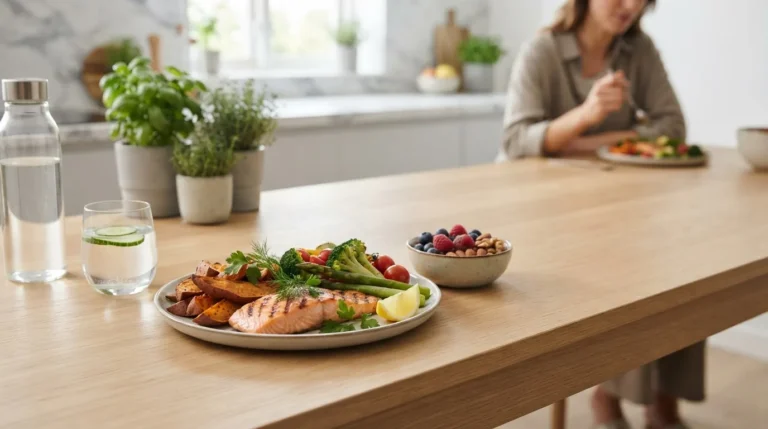

healthy diet for female starts with practical habits that match a woman’s unique nutritional needs across life stages — from iron to bone health. This guide gives science-backed food choices, eating light diet strategies, and daily practices you can use now to boost energy, balance hormones, and protect long-term health.
Understanding a Healthy Diet for Females
A healthy diet for females is a balanced approach that supplies adequate energy, essential macronutrients, and targeted micronutrients while supporting hormonal balance, bone health, and mental well-being. Women face distinct nutritional demands through menstrual years, pregnancy, postpartum, and perimenopause; a well-constructed eating pattern recognizes those phases and adjusts food quality and timing accordingly.
At its core, balanced nutrition for women means getting the right mix of macronutrients — protein, fats, and carbohydrates — plus key vitamins and minerals such as iron, calcium, folate, and vitamin D in amounts matched to age, activity, and reproductive status. Lifestyle factors like sleep, stress, and exercise change metabolic needs; combining dietary choices with consistent routines makes an actionable plan.
Daily essentials often include nutrient-dense meals that prioritize whole foods over processed items, fiber for digestion, and hydration to maintain energy. To get a clearer picture of daily essentials, see our detailed guide on what should I be eating everyday.
what should i be eating everyday
Practical principles include portion control, meal timing to stabilize blood sugar, and mindful eating to prevent emotional or stress-driven patterns. Across this article you’ll find step-by-step meal planning walkthroughs, label-reading tips, and sample menus tailored to typical female needs.
Individual needs vary: women who are pregnant, breastfeeding, managing chronic conditions, or on medications should consult a clinician before making major dietary changes. This guide emphasizes sustainable nutrition and lifestyle changes rather than short-lived or extreme diets.
Transition: With a shared understanding of what a balanced eating pattern looks like, the next section breaks down the specific nutrients women need and why they matter.
Key Nutrients Women Need and Why They Matter
Women commonly need targeted attention to several micronutrients due to menstrual blood loss, bone density concerns, and reproductive health. Below are the essential nutrients, their roles, recommended food sources, and practical ways to include them.
- Iron — Role: iron carries oxygen in hemoglobin; deficiency causes fatigue, poor concentration, and reduced exercise tolerance. Women of reproductive age are at higher risk due to monthly blood loss. Sources: lean red meat, poultry, fish, lentils, beans, tofu, fortified cereals, and dark leafy greens. Pair plant iron (non-heme) with vitamin C (citrus, bell peppers) to enhance absorption. According to a 2023 review in a medical journal, targeted dietary strategies significantly reduce iron-deficiency symptoms in non-pregnant women (source type: peer-reviewed study).
- Calcium — Role: critical for bone mineralization and nerve signaling. Women are more prone to osteoporosis later in life; building bone earlier is protective. Sources: dairy (milk, yogurt, cheese), fortified plant milks, canned sardines with bones, tofu set with calcium, and leafy greens (kale, bok choy). Supplementation may be considered if dietary intake is low; discuss with a clinician.
- Folate (Vitamin B9) — Role: important for DNA synthesis and critical in early pregnancy to prevent neural tube defects. Sources: dark leafy greens, legumes, fortified grains, and citrus. Women planning pregnancy should prioritize folate-rich foods and follow medical guidance on supplements.
- Vitamin D — Role: supports calcium absorption, immune function, and mood regulation. Many adults have insufficient vitamin D due to limited sun exposure. Sources: fatty fish (salmon, mackerel), fortified milk or plant milks, egg yolks; supplements are commonly used. According to a 2024 industry report, vitamin D insufficiency remains common among women in higher latitudes (source type: industry report).
- Protein — Role: rebuilds tissues, supports muscle mass, and stabilizes blood sugar and energy. Women need steady protein across meals — aim for 20–30 g per meal for satiety and muscle maintenance. Sources: lean meats, poultry, fish, dairy, eggs, legumes, tofu, tempeh, and protein-rich grains like quinoa.
- Healthy fats (Omega-3 fatty acids) — Role: support brain health, reduce inflammation, and aid hormonal production. Sources: fatty fish (salmon, sardines), flaxseeds, chia seeds, walnuts, and algae-based supplements. Include 1–2 servings of fatty fish weekly or plant omega sources daily.
- Fiber — Role: supports digestion, steadies blood sugar, contributes to heart health, and helps maintain healthy weight. Sources: whole grains, beans, lentils, fruits, vegetables, nuts, and seeds. Aim for 25–30 g daily as a general target.
- Magnesium — Role: involved in energy production, sleep regulation, and muscle relaxation. Sources: nuts, seeds, legumes, whole grains, and leafy greens.
- Antioxidant vitamins (Vitamins C & E) and polyphenols — Role: neutralize free radicals, lower inflammation, and support skin and cardiovascular health. Sources: berries, citrus, colorful vegetables, nuts, and green tea.
Supplements can fill gaps when diet alone falls short. For guidance on targeted supplements, consult our page on what supplements should I take to understand evidence-based options and safe dosing.
what supplements should I take
Common deficiencies in women include iron and vitamin D; folate shortfalls are critical during reproductive years. Lab testing and a registered clinician or dietitian can confirm needs before starting supplements. According to the Academy of Nutrition and Dietetics, personalized assessment is the best route to avoid unnecessary supplementation (source type: professional organization guidance).
Transition: With these nutrients in mind, the next section lists specific foods to prioritize that deliver multiple benefits for women’s health.
Best Foods for Women to Include in a Healthy Diet
Choose nutrient dense meals by prioritizing whole foods that pack multiple vitamins, minerals, and protective compounds. Below are top food groups and specific items with benefits and simple ways to use them.
-
Berries (blueberries, strawberries, raspberries) — Why: high in antioxidants, fiber, and vitamin C; support brain health and inflammation reduction. How to use: add to yogurt, oats, or smoothies; freeze for quick snacks. Learn how to read a nutrition facts label to choose lower-sugar packaged berry products and preserves.
nutrition facts label - Leafy greens (spinach, kale, Swiss chard) — Why: rich in folate, calcium (bioavailable in some greens), magnesium, and phytonutrients. How to use: salads, quick sautés with garlic and olive oil, or blended into smoothies.
- Fatty fish (salmon, sardines, mackerel) — Why: concentrated omega-3s, vitamin D, and high-quality protein for heart and brain health. How to use: baked, pan-seared, or canned (sardines) as a salad topper.
- Legumes (lentils, chickpeas, beans) — Why: plant protein, iron, fiber, and folate make legumes excellent staples for energy and gut health. How to use: soups, stews, salads, mashed chickpea spreads.
- Nuts and seeds (almonds, walnuts, chia, flax) — Why: healthy fats, magnesium, fiber, and plant-based omega-3s; support hormone synthesis and satiety. How to use: sprinkle on oatmeal, use as a nut butter, or add to salads.
- Greek yogurt and fermented dairy — Why: calcium, protein, and probiotics for gut health; protein supports muscle and mood. How to use: breakfast bowls, dips, and dressings.
- Eggs — Why: complete protein, choline for brain health, and vitamin D in yolks. How to use: boiled for snacks, scrambled with vegetables, or added to grain bowls.
- Whole grains (quinoa, oats, brown rice) — Why: fiber, B-vitamins, and steady energy release. How to use: swap refined grains for whole grains in meals for longer satiety.
- Colorful vegetables (bell peppers, carrots, squash) — Why: provide beta-carotene, vitamin C, and antioxidants that reduce inflammation and support skin and immune function. How to use: roast, steam, or add raw to meals.
- Sardines and canned fish (for calcium and omega-3s) — Why: often overlooked, canned fish supplies calcium when eaten with bones and provides affordable omega-3s. How to use: pair with whole-grain crackers or salads.
- Dark chocolate (70% cocoa+) — Why: polyphenols and antioxidants in moderation can support heart health and mood; choose low-sugar options. How to use: a small square as an after-dinner treat.
Reading labels helps select the best packaged items — focus on ingredient lists, added sugars, and sodium. For a step-by-step label reading walkthrough focused on female nutrition priorities (iron content, calcium, added sugars), see the nutrition facts guidance linked above.
Transition: Choosing the right foods is only part of eating well; the next section outlines principles for an eating light diet that supports weight management and consistent energy.
Principles of Eating Light Diet for Women
“Eating light diet” emphasizes nutrient density, moderate calories, and meal composition that feels satisfying without heaviness. For women aiming for sustainable health rather than quick fixes, this approach supports metabolic health and steady energy levels.
- Prioritize volume with low-calorie density: fill half your plate with non-starchy vegetables (leafy greens, cucumbers, peppers) to increase satiety with fewer calories.
- Balance macronutrients per meal: include protein, fiber-rich carbs, and healthy fats to stabilize blood sugar and control cravings.
- Control portions using simple cues: a palm-sized protein portion, fist-sized complex carbs, and two cupped hands of vegetables per meal helps with portion control without calorie counting.
- Mindful meal timing: eat at regular intervals (every 3–4 hours) to avoid extreme hunger and overeating; include a protein-rich snack if needed between meals.
- Choose gentle cooking methods: steaming, poaching, grilling, and roasting preserve nutrients compared with deep-frying and excessive char.
- Limit high-calorie condiments: use herbs, lemon, vinegar, and small amounts of healthy fats instead of heavy dressings.
- Include satisfying low-calorie snacks: Greek yogurt with berries, a small handful of nuts, or vegetable sticks with hummus can curb hunger without overeating.
- Practice mindful eating: slow down, put utensils down between bites, and check hunger/fullness on a 1–10 scale to prevent mindless consumption.
- Plan for social situations: prioritize portion control and choose lighter options first so you can enjoy treats without derailing the day.
For women aiming to get fit and lean, an eating light diet can be an effective strategy that pairs sustainable calorie control with adequate protein and resistance training to preserve lean mass.
Transition: Practical meal planning turns these principles into daily habits — the following section gives step-by-step planning tips and sample meals.
Meal Planning Tips for Sustained Female Health
Meal planning makes a healthy diet for female-focused goals sustainable. Use this step-by-step plan and the sample meals to simplify grocery shopping, reduce decision fatigue, and keep nutrients consistent across the week.
Step-by-step meal planning walkthrough
- Set goals — Define priorities (energy, menstrual health, muscle tone, pregnancy planning). Goals change food focus (e.g., iron-rich vs. extra protein).
- Choose a weekly framework — Aim for balanced breakfasts, two protein-forward lunches, 3–4 vegetable-centric dinners, and planned snacks.
- Build a grocery list — Base it on templates: proteins, vegetables, whole grains, fruits, dairy/alternatives, nuts/seeds, healthy fats, and staple spices/herbs.
- Batch cook wisely — Roast a tray of vegetables, cook a large grain pot (quinoa, brown rice), and prepare two proteins (baked salmon, roasted chickpeas) to mix-and-match through the week.
- Portion for convenience — Use reusable containers for single-meal portions; label with dates to rotate and consume fresh items first.
- Track briefly — Use an app (MyFitnessPal, Cronometer) to monitor macro balance for a week to learn patterns — then rely less on tracking and more on internal cues.
- Adjust and repeat — Review weekly: energy, digestion, cravings, and menstrual symptoms; tweak food quantities or timing accordingly.
Sample meals for a day designed for a moderately active woman seeking balanced nutrition:
- Breakfast: Greek yogurt, mixed berries, 1 tbsp chia, and a small handful of almonds (protein + omega-3s + antioxidants).
- Morning snack: An apple with 1 tbsp peanut butter (fiber + protein).
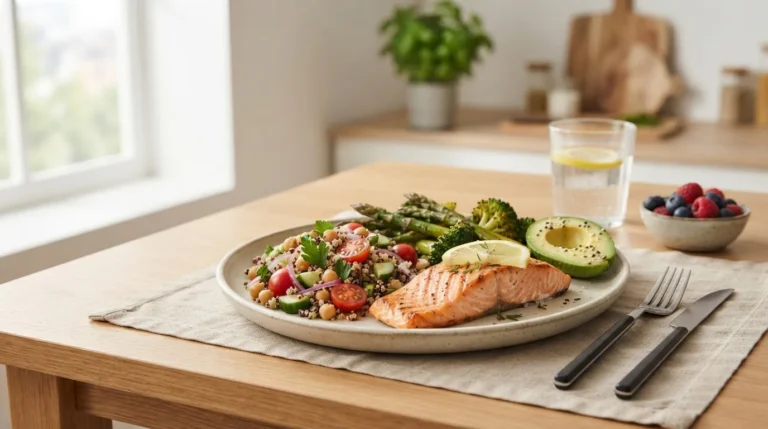
- Lunch: Quinoa salad with roasted chickpeas, spinach, cherry tomatoes, cucumber, and lemon-tahini dressing (fiber, folate, plant protein).
- Afternoon snack: Carrot sticks with hummus or a hard-boiled egg (sustained energy).
- Dinner: Baked salmon, steamed broccoli, and a small sweet potato (omega-3s, calcium-rich veg, complex carb).
- Evening: Chamomile tea or warm milk if desired; dark chocolate (one square) occasionally for enjoyment.
For women seeking convenience alongside healthy eating, weight loss meal delivery services can complement your dietary efforts by providing portioned, nutrient-focused meals that simplify planning and support consistency.
Case study (anecdote of experience): Anna, 32, switched to weekly prep including canned salmon, pre-washed greens, and portioned legumes. Within six weeks she reported higher morning energy and fewer afternoon cravings. This practical example shows how small planning changes deliver measurable improvements in daily function.
Transition: Food and planning interact with lifestyle factors — the next section explains how sleep, stress, and hydration amplify or limit dietary benefits.
Lifestyle Factors That Enhance a Healthy Diet for Women
Diet does not act alone. Sleep quality, stress management, hydration, and physical activity determine how effectively your body uses nutrients and maintains energy.
Hydration and its impact on metabolism
Water supports digestion, nutrient transport, and temperature regulation. Mild dehydration reduces cognitive performance and can be mistaken for hunger, leading to overeating. Aim for regular intake throughout the day, with additional fluids during exercise or hot weather. For some women, including a source of electrolytes after intense activity helps recovery.
Sleep and metabolism
Poor sleep disrupts appetite hormones (ghrelin and leptin), increasing cravings for high-calorie foods and impairing glucose regulation. Prioritize 7–9 hours of consistent sleep to support energy, hormone balance, and weight management.
Stress and nutrition
Chronic stress elevates cortisol, which can increase appetite and central fat storage. Stress-reduction tools — mindfulness, moderate exercise, and social support — help prevent stress-driven eating. Nutrition plays a role too: stable blood sugar from balanced meals reduces mood-based cravings.
Physical activity and nutrient timing
Combine resistance training with adequate protein to preserve lean mass. Meal timing around exercise — a light carbohydrate + protein snack 1–2 hours prior and protein within 1 hour after resistance workouts — supports recovery and muscle synthesis.
Impact on mental health and energy
Diets rich in omega-3s, folate, B-vitamins, and antioxidants correlate with lower rates of depressive symptoms in population studies. Regular meals, adequate protein, and hydration also stabilize mood and cognitive performance. According to the American Heart Association, a diet rich in vegetables, fruits, whole grains, and fish supports cardiovascular and brain health (source type: professional organization guidance).
Transition: Even with good intentions, women face obstacles in maintaining healthy diets; the next section tackles common challenges with practical solutions.
Common Challenges Women Face with Diet and How to Overcome Them
- Challenge: Emotional or stress eating — Solution: create a non-food coping toolkit (walk, call a friend, journaling), schedule balanced meals and protein-rich snacks to reduce reactive hunger, and practice mindful pauses before indulgent choices.
- Challenge: Nutrient deficiencies despite “eating healthy” — Solution: track intake for a week with an app (Cronometer) to identify gaps, get targeted blood tests (iron, vitamin D, B12), and consult a clinician or registered dietitian for personalized plans.
- Challenge: Social eating and events — Solution: eat a balanced snack before events, choose lighter appetizers first, and prioritize protein/veg on your plate. When hosting, offer healthy options so you control availability.
- Challenge: Cravings — Solution: ensure meals include protein and fiber, identify emotional triggers, swap high-sugar items for fruit or dark chocolate, and allow planned treats to avoid deprivation.
- Challenge: Inconsistent routines (work, school, travel) — Solution: keep portable snacks (nuts, shelf-stable tuna, protein bars with short ingredient lists), use batch-cooked grains and proteins, and plan simple, adaptable meals.
- Challenge: Time constraints for cooking — Solution: simplify with one-pot meals, slow cooker or instant pot recipes, and consider nutritious meal services or grocery-prep windows to reduce daily cooking stress.
- Challenge: Misinformation and fad diets — Solution: stick to evidence-based resources and avoid extreme restrictions that promise rapid results; consult a registered professional for tailored advice.
Practical short tips: keep a small notebook of go-to recipes, set calendar reminders for grocery shopping and prep, and periodically reassess goals every 6–8 weeks to maintain motivation and relevance.
Transition: For reliable, evidence-based information and professional help, the next section lists trusted resources and services.
Reliable Healthy Diet Resources for Females
Accessing reputable resources helps cut through conflicting claims. Below are curated resources and professional services that support evidence-based choices.
-
nutrition and teens article — Guidance tailored to adolescent female needs (calcium, iron, healthy growth). -
nutrition articles for students — Quick, budget-friendly meal and snack ideas for student lifestyles. -
nutrition dietitian — In-person registered dietitians provide assessment, meal plans, and lab-based guidance. -
nutritionist online — Remote consultations for flexible scheduling and personalized plans. -
nutrition education — Courses and guides to build foundational knowledge and interpret research.
Authoritative external sources to bookmark:
- Dietary Guidelines for Americans (government dietary guidelines) — evidence-based recommendations for healthy patterns.
- American Heart Association healthy eating (professional organization) — heart-focused nutrition frameworks and tips.
- Peer-reviewed nutrition research (example: review on iron status and women’s health) — primary studies and systematic reviews to inform targeted decisions.
Transition: To wrap up, the final section summarizes practical takeaways and next steps you can implement this week.
Conclusion
A sustainable healthy diet for female centers on balanced macronutrients, targeted micronutrients (iron, calcium, folate, vitamin D), regular meal timing, and lifestyle habits that support digestion, sleep, and stress management. Prioritize nutrient-dense foods like berries, leafy greens, legumes, fatty fish, nuts, and whole grains, use meal planning to reduce friction, and consult professionals when needed. Start with one habit this week — add a vegetable to every meal or swap a refined grain for a whole grain — and build from there for lasting health and energy.
Call to action: Try a simple 7-day tracking experiment (note meals, energy, and mood) and use that insight to make one evidence-based change; if you need personalized support, consider speaking with a registered nutrition dietitian or a nutritionist online service.
nutrition dietitian
nutritionist online
Frequently Asked Questions
What is a healthy diet for female nutrition?
A healthy diet for female nutrition includes balanced macronutrients (protein, fats, carbs), sufficient iron, calcium, folate and vitamin D, fiber, and hydration. It emphasizes whole foods, regular meals, and portion control aligned with age, activity and reproductive status to support energy, hormones and bone health.
How does a healthy diet for females differ from general diets?
Female-focused diets prioritize iron (due to menstrual loss), calcium and vitamin D for bone health, folate during reproductive years, and steady protein for hormonal and metabolic balance. Meal timing and nutrient density are tailored to menstrual cycles, pregnancy plans, or perimenopausal needs.
What are the best foods for women to eat daily?
Daily choices should include leafy greens, berries, fatty fish or plant-based omega sources, legumes, nuts and seeds, whole grains, dairy or fortified alternatives, and lean protein. These deliver iron, calcium, omega-3s, fiber and antioxidants for energy, bone and heart health.
How can women start eating a light diet without feeling hungry?
Eat larger volumes of low-calorie vegetables, include protein and healthy fats at every meal, spread meals every 3–4 hours, and choose fiber-rich carbs. These strategies increase satiety while lowering calorie density so you feel fuller longer on lighter meals.
How long does it take to see benefits from a healthy diet for females?
Short-term benefits (better energy, improved digestion) often appear within 2–6 weeks; measurable changes in iron status, weight, or bone health can take months. Consistency and appropriate testing guide realistic expectations for each goal.
What should I do if I have trouble sticking to a healthy diet?
Start with small, specific changes, plan simple meals, keep healthy snacks handy, address stress and sleep, and use accountability like meal prep or checking in with a friend or dietitian. Gradual changes beat perfection for long-term adherence.
Are online nutritionists reliable resources for female diet advice?
Many registered professionals offer reliable remote services; verify credentials (RD or registered nutritionist), look for evidence-based approaches, and choose providers who request medical history and offer personalized plans rather than one-size-fits-all advice.
How can I ensure my diet meets all my nutritional needs as a woman?
Consume a variety of whole foods across food groups, monitor iron and vitamin D intake, use blood tests to check deficiencies, consider targeted supplements with clinician support, and consult a registered dietitian for personalized assessment and meal planning.