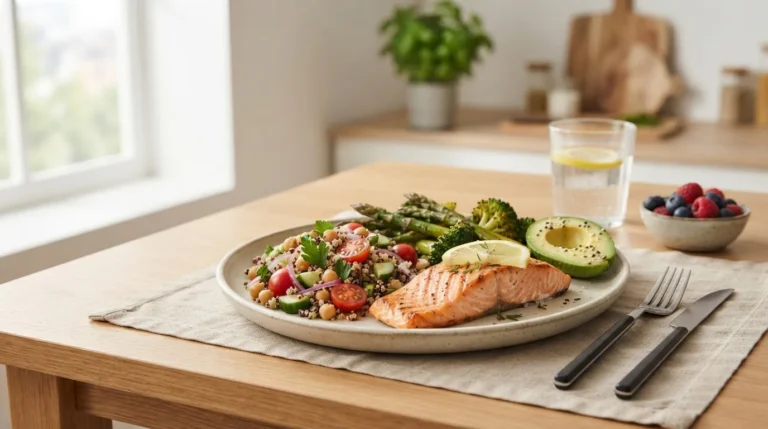

health and wellness tips can feel overwhelming, but small, consistent changes deliver measurable results. This guide gives practical, science-backed actions you can use now to improve energy, mood, sleep, and long-term health.
Introduction to Health and Wellness Tips
Health and wellness mean more than the absence of illness; they describe a balanced state where physical, mental, and social well-being supports daily function and long-term vitality. A healthy lifestyle includes consistent habits in nutrition, movement, sleep, stress management, and social supports—the building blocks of sustained wellbeing. For readers seeking foundational knowledge, nutrition education gives the tools to make smarter food choices and supports other lifestyle changes.
This guide takes a holistic approach: practical examples of a healthy lifestyle, clear links between habits and measurable benefits, and simple frameworks to form lasting routines. Expect evidence-based recommendations, daily routines you can adapt to a busy schedule, and notes on when to consult a professional.
Transition: Next we’ll outline the core components that consistently show up in successful, healthy lifestyles.
Core Components of a Healthy Lifestyle
- Balanced nutrition — Eat mainly whole foods: vegetables, fruits, lean proteins, whole grains, and healthy fats. Prioritize nutrient-dense choices over empty calories and aim for variety to cover vitamins and minerals.
- Regular physical activity — Combine cardiovascular, strength, and flexibility work. Consistent movement supports heart health, muscle tone, and metabolic function.
- Mental wellness — Practices like mindfulness, social connection, and purpose reduce anxiety and improve cognitive function.
- Quality sleep — Adequate, consistent sleep supports immune function, mood regulation, and memory consolidation.
- Hydration — Regular fluid intake supports digestion, concentration, and temperature regulation.
- Stress management — Active coping skills such as breathing, scheduling, and problem-solving lower chronic stress burden.
- Preventive care — Regular screenings, vaccinations, and primary care visits catch problems early and guide personalized changes.
- Healthy habits formation — Use simple behavior-change frameworks (cue-routine-reward) to build and sustain new practices.
- Environment and routine — A supportive home and work environment makes healthy choices easier—store produce within sight, schedule movement blocks, and limit late-night screen time.
- Purpose and social connection — Strong social ties and clear goals improve adherence to healthy behaviors and boost resilience.
Each component interacts: better sleep supports exercise recovery; movement improves mood; hydration aids cognition. A balanced, integrated approach yields compounding benefits over time.
Transition: Now we’ll focus on actionable nutrition steps you can start today that support overall health without requiring extreme diets or costly supplements.
Nutrition Tips to Improve Overall Health
Nutrition is a cornerstone of a healthy life—food provides the “fuel” and building blocks for daily performance and long-term disease prevention. Use these step-by-step how-to tips and real examples to create consistent, nutrient-rich eating habits without complex meal plans.
-
Start with whole, nutrient-dense foods
How-to: Fill half your plate with vegetables and fruit at most meals. Choose whole grains (brown rice, oats, quinoa) over refined grains, and include a source of lean protein (fish, beans, poultry, tofu). Example: a lunch bowl with mixed greens, roasted sweet potato, black beans, avocado, and grilled salmon. -
Balance macros across meals
How-to: Aim to include protein, healthy fat, and fiber-rich carbohydrates each meal to stabilize blood glucose and appetite. Example breakfast: Greek yogurt with berries, chia seeds, and a small handful of nuts. -
Control portions using simple cues
How-to: Use your hand as a guide—protein roughly the size of your palm, carbs a cupped hand, fats a thumb. This method helps without counting calories. -
Plan for snacks that nourish
How-to: Prepare portable options such as cut veggies with hummus, apple slices with nut butter, or a hard-boiled egg. These choices prevent energy crashes and poor impulse choices. -
Use hydration as a food strategy
How-to: Begin meals with a glass of water to support digestion and satiety. Keep a water bottle visible to cue frequent sips throughout the day. -
Learn to read labels
How-to: Focus on ingredient lists and serving size first. Prefer foods where whole foods are listed first and added sugars or long chemical names are minimal. reading nutrition facts labels -
Make cooking practical, not perfect
How-to: Use batch-cooking strategies—roast a tray of vegetables, cook a pot of grains, and portion proteins for multiple meals. Example routine: Sunday meal prep for three simple dinners. -
Adapt to a busy lifestyle with sensible conveniences
How-to: When time is limited, consider healthier prepared options or services. meal delivery options for busy days can maintain quality without extra stress. -
Use gradual swaps to reduce processed foods and added sugars
How-to: Replace one sugary drink a day with sparkling water and lemon, swap white bread for whole grain, or add an extra vegetable to a favorite dish. -
Know when to seek professional guidance
How-to: For tailored plans, especially with medical conditions, consider consulting an expert. consulting a nutrition dietitian or getting online nutritionist support can personalize goals and address nutrient needs. -
Consider supplements only after improving diet
How-to: Prioritize dietary sources first; if gaps remain, learn about options from a professional. For further reading on when supplements may help, see supplement advice. -
Use small experiments to find what works
How-to: Try a 2-week swap—add one extra vegetable daily, or replace sugary breakfast pastries with oatmeal—to observe energy, appetite, and sleep changes.
Practical examples: A working parent might prep overnight oats and a mason jar salad on Sundays. A student could batch-cook grain bowls and use portable snacks to avoid vending-machine choices. According to a 2024 nutrition study review, modest improvements in vegetable intake (1–2 servings/day) are linked to measurable reductions in blood pressure and inflammation markers (source type: 2024 NIH review).
Transition: Nutrition sets the foundation; pairing it with consistent movement amplifies benefits. Next, learn which types of activity matter most and how to fit them into any schedule.
Physical Activity and Movement: Essential for Health
-
Aim for regular cardiovascular activity
Why: Improves heart and lung function, lowers blood pressure, and reduces cardiovascular disease risk. How: Target 150 minutes/week of moderate-intensity activity (brisk walking, cycling) or 75 minutes/week vigorous activity. According to a 2024 CDC guideline summary, meeting these targets reduces heart disease risk by measurable amounts (source type: 2024 CDC guidance). -
Include strength training
Why: Maintains muscle tone, supports metabolism, and reduces fall risk with age. How: Two or more sessions per week using bodyweight, bands, or weights focusing on major muscle groups. -
Prioritize movement across the day
Why: Long sedentary periods harm metabolic health even with daily exercise. How: Stand or walk for 5–10 minutes each hour, use stairs, or take brief active breaks during work. -
Add flexibility and mobility
Why: Supports range of motion, posture, and injury prevention. How: Include dynamic warm-ups and static stretches post-workout or short mobility sessions in the morning. -
Choose activities you enjoy
Why: Enjoyment increases adherence. How: Dance classes, group sports, hiking, or gardening all count and build social connection. -
Use progress over perfection
Why: Gradual overload prevents injury and improves long-term gains. How: Increase duration or intensity by 10% per week rather than dramatic jumps. -
Fit activity into real life
Why: Time constraints are common. How: Try high-intensity interval training (HIIT) for short, effective workouts, or break a 30-minute session into three 10-minute bursts. -
Complement exercise with appropriate fueling
Why: Nutrition supports recovery and performance. For diet guidance to support fitness goals, explore fit and lean diet plans.
Example routine for a busy week: three 30–40 minute cardio sessions, two 20–30 minute strength sessions, and daily 5-minute mobility breaks. According to a 2023 meta-analysis summarized by a national health body, regular combined cardio and strength training improves glucose control and reduces metabolic syndrome risk (source type: 2023 NIH meta-analysis).
Transition: Physical activity benefits both body and mind; the next section outlines practical mental wellness and stress-management techniques to support the whole person.
Mental Wellness and Stress Management
Mental wellbeing supports every decision that affects physical health. A healthy mindset and consistent stress-reduction strategies make it easier to eat well, move, and sleep. Below are research-backed practices and clear steps to add them to daily life.
- Mindfulness and meditation — Short, daily practices (5–15 minutes) that focus on breath or body sensations reduce anxiety and improve attention. According to a 2024 NIH evidence summary, brief mindfulness programs reduce perceived stress in adults (source type: 2024 NIH evidence summary).
- Breathing exercises — Box breathing or diaphragmatic breathing for 2–5 minutes lowers immediate stress responses and can be used before sleep or high-pressure tasks.
- Structured problem-solving — Break stressors into actionable steps; prioritize what you can control and schedule small tasks to regain a sense of agency.
- Social connection — Regular contact with supportive friends or family buffers stress and improves resilience; aim for at least weekly meaningful interactions.
- Physical outlets — Use movement, yoga, or progressive muscle relaxation to release tension and improve mood.
- Gratitude practices — A short evening list of three things that went well can shift perspective and improve sleep quality.
- Digital boundaries — Limit evening screen time to improve sleep onset and reduce cognitive overload.
- Therapy and professional support — When stress or mood interferes with daily life, consider evidence-based therapy (CBT, ACT) or talk to a licensed clinician.
Techniques to try today:
- Two-minute breathing before a meeting.
- Ten-minute midday walk to reset and reduce rumination.
- End-of-day 5-minute gratitude journal entry.
Case example: A working professional added 10 minutes of midday walking and a nightly gratitude note, reporting improved sleep and fewer afternoon energy dips within three weeks (experience-based example).
Transition: Good mental health is closely tied to sleep. The next section explains sleep hygiene and how improving sleep quality boosts physical and cognitive health.
Sleep Hygiene and Its Impact on Health
Sleep is restorative and foundational for immune function, mood regulation, cognition, and metabolic health. Poor sleep undermines many wellness efforts; improving sleep hygiene improves overall outcomes.
Key principles of good sleep:
- Consistent schedule — Go to bed and wake at similar times each day to support your circadian rhythm, or the body’s internal clock.
- Optimize the sleep environment — Cool (around 65°F/18°C), dark, and quiet rooms promote deeper sleep. Use blackout curtains and reduce noise when possible.
- Limit stimulants — Avoid caffeine and nicotine within several hours of bedtime; reduce heavy meals and alcohol late at night.
- Wind-down routine — Create 30–60 minutes of calming activities: reading, light stretching, or breathing exercises; avoid screens to reduce blue-light exposure.
- Get natural light exposure — Morning sunlight helps set your circadian rhythm and can improve daytime alertness and nighttime sleep.
- Address underlying issues — If sleep problems persist (snoring, daytime sleepiness, frequent awakenings), consult a healthcare professional for screening for sleep apnea or insomnia.
Tips to try tonight:
- Set a 30-minute electronic curfew before bed.
- Take a 10-minute relaxation practice at bedtime to cue sleepiness.
- Keep a glass of water by the bed but limit fluid 1–2 hours before sleep to minimize nighttime awakenings.
Evidence: According to a 2024 NIH sleep health report, consistent sleep schedules are associated with better mood regulation and decreased risk of metabolic dysregulation (source type: 2024 NIH sleep health report).
Transition: With sleep and stress addressed, the next section lists practical daily habits that tie these components together into repeatable routines.
Practical Healthy Habits to Incorporate Daily
-
Morning routine with light, water, and movement
Example: Drink 8–12 oz of water, step outside for 5 minutes of sunlight, and do 5–10 minutes of mobility or stretching to prime energy and circadian cues. -
Plan one nutrient-dense meal daily
Example: Ensure one meal contains a colorful vegetable, lean protein, whole grain, and healthy fat. -
Use the cue-routine-reward model
How-to: Choose a cue (e.g., after brushing teeth), a routine (e.g., 10-minute walk), and a reward (e.g., a favorite podcast). Repeat until automatic. -
Short movement breaks
Example: 5-minute walks or bodyweight sets between work tasks to reduce sedentary time. -
Hydration checkpoints
Example: Drink water at waking, mid-morning, after lunch, mid-afternoon, and evening as needed to maintain steady intake. -
Single-step habit building
How-to: Add one small behavior at a time—don’t overhaul everything at once. Master a single habit for 2–4 weeks before adding another. -
Weekly planning session
Example: Spend 15 minutes on Sunday planning meals, workouts, and social time to reduce decision fatigue during the week. -
Sleep wind-down
Example: Establish a 30–60 minute pre-bed routine: low light, no screens, gentle stretching or reading. -
Accountability and social support
Example: Join a walking group, enlist a friend for healthy cooking sessions, or track progress with a habit app. -
Adapt habits for life stage
Example: Families with teens can use tailored family routines—see nutrition tips for teens for age-appropriate strategies. -
Student-friendly routines
Example: Schedule study breaks with movement, choose portable healthy snacks, and maintain consistent sleep around class times—see nutrition for students. -
Reflect and adapt monthly
How-to: Review what worked, what didn’t, and adjust small elements rather than abandoning the whole plan.
Real-life example: A college student replaced late-night snacking with a 10-minute walk and a cup of herbal tea; within three weeks they reported improved sleep onset and focus in morning classes (experience-based example).
Transition: The next section details the measurable long-term benefits you can expect from sustained healthy living.
Benefits of a Healthy Lifestyle on Long-Term Well-Being
Consistent, balanced lifestyle choices translate to measurable improvements across major health domains. Below are key benefits supported by scientific evidence and public health guidance.
| Benefit | What improves | Evidence/Example |
|---|---|---|
| Cardiovascular health | Lower blood pressure, improved cholesterol profiles | According to a 2024 CDC report, moderate activity and a balanced diet lower heart disease risk factors (source type: 2024 CDC report). |
| Metabolic health | Reduced risk of type 2 diabetes, improved glucose control | 2023 NIH meta-analyses show combined diet and exercise reduce progression to diabetes in at-risk adults (source type: 2023 NIH meta-analysis). |
| Immune support | Faster recovery, lower inflammation markers | Regular sleep and balanced nutrition support immune function in observational and interventional studies (source type: 2024 NIH review). |
| Mental clarity and mood | Better attention, lower anxiety and depression symptoms | Short daily exercise and mindfulness practices correlate with improved mood and cognitive function (source type: 2024 NIH evidence summary). |
| Longevity | Lower mortality risk and improved quality of life | Population studies indicate healthy lifestyle patterns associate with longer disease-free years (source type: 2024 WHO/NIH population study summary). |
For readers who want to dive deeper into scientific updates, consult the latest nutrition science and evidence summaries. For broad impacts on overall functioning and wellbeing, review resources on overall health improvements. These resources help connect the behaviors you adopt with concrete long-term returns.
External authority perspectives: For national guidelines and data, see the CDC’s statistics and recommendations, the NIH’s research summaries, and WHO global health standards: CDC, NIH, WHO.
Transition: Even with clear benefits, obstacles arise. The next section covers common challenges and practical strategies to overcome them.
Common Challenges and How to Overcome Them
Barriers like time, motivation, and stress often derail healthy intentions. Below are common problems with practical solutions you can apply immediately.
-
Limited time
Solution: Use micro-habits—5–10 minute workouts, batch-cooking, and commute modifications (walk/bike) to accumulate benefits throughout the day. -
Motivation loss
Solution: Reconnect to a clear “why,” set small measurable goals, and use social accountability or apps to track progress. If you lose motivation, reduce the intensity and focus on consistency—for example, drop to five minutes of the routine rather than stopping. -
Plateauing progress
Solution: Reassess routines and increase variety or intensity slowly. Use objective measures (sleep quality, energy, mood, strength metrics) beyond the scale. -
Stress and emotional eating
Solution: Build alternative coping strategies such as brief walks, breathing exercises, or phone a friend. Plan satisfying, nourishing snacks to reduce impulse choices. -
Conflicting advice
Solution: Seek evidence-based sources (CDC, NIH, WHO) and consult professionals for tailored recommendations. For personalized nutrition or complex conditions, get consulting a nutrition dietitian or online nutritionist support to avoid confusion. -
Cost concerns
Solution: Prioritize low-cost nutritious staples—beans, frozen vegetables, oats, eggs—and plan meals to reduce waste. Community resources and local markets often offer budget options. -
Chronic illness or mobility limits
Solution: Modify movement to seated or aquatic exercises, and coordinate dietary changes with healthcare teams. Individual responses vary; consult clinicians for safe adaptations. -
Sleep disruptions
Solution: Reinforce consistent sleep timing and wind-down routines, and reduce evening stimulants. If insomnia persists, explore behavioral treatments such as CBT-I with a provider.
Example: A busy parent replaced two weekly long workouts with six brief 10–15 minute home sessions and increased daily step counts; their adherence rose and perceived stress fell within six weeks (experience-based example).
Transition: Ready to begin? The final section outlines clear next steps to start and sustain progress.
Summary and Next Steps to Begin Your Healthy Lifestyle Journey
Start small: pick one nutrition change, one movement habit, and one sleep or stress strategy. Use the cue-routine-reward framework to make each new habit repeatable. Track progress for 2–4 weeks, adjust, then add another habit. If needed, consult professionals for personalized plans. For sustained change, focus on consistency, not perfection—small daily wins compound into major long-term benefits. Begin today by choosing one actionable step and scheduling it into your week.
Action CTA: Choose one small change now—drink an extra glass of water with breakfast, take a 10-minute walk today, or set a 30-minute electronic curfew before bed—and commit to it for two weeks.
Frequently Asked Questions
What are health and wellness tips?
Health and wellness tips are practical actions—on nutrition, movement, sleep, and stress management—designed to improve daily functioning and long-term well-being through consistent, evidence-based behaviors.
How do health and wellness tips differ from a healthy diet?
Health and wellness tips cover a broad range—exercise, sleep, hydration, stress, and social habits—whereas a healthy diet specifically focuses on food choices and nutrient balance as one component of overall wellness.
What are some simple examples of a healthy lifestyle?
Simple examples include daily walks, balanced meals with vegetables and lean protein, regular sleep schedules, hydration routines, and brief mindfulness or breathing exercises to manage stress.
How can I start improving my health and wellness with little time?
Start with micro-habits: 5–10 minute workouts, batch-cooking one healthy meal weekly, drinking water at set times, and short mindfulness breaks—small, consistent steps add up quickly.
How long does it take to see benefits from adopting healthy habits?
Some benefits, like better mood and energy, can appear in days to weeks; measurable physiological changes (blood pressure, weight, fitness) typically take several weeks to months, depending on the change and individual factors.
What should I do if I lose motivation to maintain a healthy lifestyle?
Revisit your why, reduce goals to smaller steps, add social accountability, and celebrate tiny wins. Reset with a one-week challenge to rebuild momentum rather than abandoning the plan.
Are these health tips safe for people with chronic illnesses?
Many general tips are safe, but people with chronic illnesses should consult their healthcare team before major changes—especially for exercise, diet modifications, or if medication adjustments may be needed.
How can I be sure the wellness tips I follow are backed by science?
Check sources: rely on reputable organizations (CDC, NIH, WHO), peer-reviewed studies, and recommendations from licensed professionals; if uncertain, consult a clinician for personalized guidance.