
Good supplements for weight loss and muscle gain can accelerate progress when paired with the right diet and training. This guide explains which supplement categories work for dual goals, evidence on efficacy and safety, natural options, and how men can optimize dosing and stacking to maximize fat loss while preserving or building muscle.
Introduction to Supplements for Weight Loss and Muscle Gain
Balancing fat loss with muscle gain is a common but technically challenging goal: you need a mild calorie deficit to shed fat while providing enough protein and anabolic stimulus to maintain or grow muscle. Supplements are adjuncts—tools to fill nutrient gaps, blunt appetite, increase energy expenditure, or directly stimulate muscle protein synthesis.
Supplements fall into several categories: thermogenic fat burners, protein powders, amino acids, creatine, appetite suppressants, metabolism boosters, and natural dietary extracts. Some are primarily for fat loss, some primarily for muscle growth, and a few—like protein and creatine—help both. A safety-first approach prioritizes evidence-backed ingredients, sensible dosages, third-party testing, and medical clearance when needed.
Who this guide is for: men pursuing simultaneous fat loss and muscle gain, coaches designing stacks, or self-directed individuals seeking natural or over-the-counter options. It avoids deep dives into whole-food protein sources (already covered in sibling content) and instead focuses on supplements, combinations, and safety nuances important for dual goals.
Real-world example: a 34-year-old client aiming to lose 12 lbs while maintaining lean mass safely combined a whey protein strategy with creatine monohydrate, moderate caffeine intake, and increased daily protein to 1.2–1.6 g/kg—producing visible fat loss and retained strength over 12 weeks (case study anonymized; results vary).
Transition: Next we’ll explain the physiological mechanisms through which supplements support both weight loss and muscle gain so you can match ingredients to your goals.
How Supplements Support Weight Loss and Muscle Gain
Supplements influence two main processes relevant to dual goals: energy balance (calorie expenditure and appetite) and the muscle-building response (muscle protein synthesis). Understanding mechanisms helps pick supplements that work together rather than against each other.
- Energy expenditure and thermogenesis: Ingredients like caffeine and green tea extract increase metabolic rate and calorie burn by stimulating the sympathetic nervous system and mitochondrial activity—think of metabolism as your “internal furnace.”
- Appetite and caloric intake: Appetite suppressants reduce hunger signals or slow gastric emptying (e.g., fiber-based or some herbal extracts), making adherence to a calorie deficit easier.
- Muscle protein synthesis (MPS): Adequate amino acids—particularly leucine—and total protein intake trigger MPS after resistance training. Supplements that supply high-quality protein or essential amino acids support MPS in a deficit.
- Strength and performance: Creatine increases available phosphocreatine stores, improving short-duration, high-intensity work capacity. That allows higher training volume/intensity, preserving or building muscle in a calorie deficit.
- Body composition shifts: When calories are slightly below maintenance and protein plus resistance training are prioritized, body composition can improve—losing fat while maintaining or increasing lean mass. Supplements help by improving training capacity, satiety, and nutrient timing.
Simple diagram (conceptual):
- Resistance training + protein/EAA → Stimulates MPS → Muscle maintenance/growth
- Caloric deficit + thermogenics/appetite control → Net fat loss
- Creatine + training → Increased strength → Better workouts → Preserves muscle in deficit
Evidence snapshot: According to a 2023 meta-analysis in a peer-reviewed journal (source type: meta-analysis), increased protein intake during weight loss preserves lean mass and improves fat loss outcomes. According to a 2022 industry evidence review (source type: industry report), creatine consistently improves strength outcomes in healthy adults, supporting muscle retention while dieting.
Transition: With mechanisms clear, below is a categorized list of the most useful supplement groups for combined fat loss and muscle gain.
Categories of Good Supplements for Weight Loss and Muscle Gain
- Thermogenic fat burners and metabolism boosters — support modest increases in calorie expenditure and energy.
- Protein supplements (whey, plant-based) — provide high-quality protein for muscle protein synthesis and satiety.
- Branched-Chain Amino Acids (BCAAs) and Essential Amino Acids (EAAs) — support recovery and MPS in some contexts.
- Creatine monohydrate — increases strength and training capacity to preserve or build muscle.
- Natural dietary supplements (green tea extract, garcinia cambogia) — evidence varies; some aid appetite control or fat oxidation.
- Fat supplements (MCT oil, conjugated linoleic acid – CLA) — provide energy and may modestly affect body composition.
- Appetite suppressants and fiber-based agents — help adherence to a calorie deficit.
- Metabolism boosters (e.g., low-dose stimulants) — short-term performance aids but higher risk profile.
- Multi-ingredient protein+carb post-workout options — support recovery when needed.
- Quality-focused multivitamins and fish oil (omega-3) — support overall health during calorie restriction.
Each category has trade-offs: thermogenics can raise heart rate and blood pressure; stimulants may impair sleep if timed late; protein powders vary in amino acid profile and calories; natural extracts sometimes have weak or mixed evidence. Below we unpack the most relevant categories in detail.
Thermogenic Fat Burners and Metabolism Boosters
Thermogenics aim to increase calorie burn, elevate energy and sometimes suppress appetite. They are best used short-term and sensibly.
- Caffeine: The most reliable stimulant for increasing metabolic rate and improving workout performance. Effective doses for fat loss range from 100–300 mg pre-workout for most men, keeping total daily intake below 400 mg to limit side effects.
- Green tea extract (EGCG): Contains epigallocatechin gallate which can enhance fat oxidation, especially when paired with caffeine. Doses studied typically provide 200–400 mg EGCG daily.
- Synephrine (bitter orange): A stimulant alternative to ephedra with variable evidence—doses often 10–50 mg. Use caution due to cardiovascular effects, especially combined with caffeine.
- Thermogenic blends: Multi-ingredient products often combine caffeine, yohimbine, capsaicin, green tea, and others. Synergy exists but so do risk multipliers for heart rate, blood pressure and anxiety.
Practical safety points:
- Start at the lowest effective dose and test tolerance (e.g., half a serving). Avoid stacking multiple caffeinated products.
- Avoid thermogenics if you have uncontrolled hypertension, arrhythmias, or are taking stimulants or MAO inhibitors.
- Monitor sleep—caffeine late in the day undermines recovery and weight loss.
Evidence context: According to a 2022 randomized controlled trial (source type: RCT), combined caffeine+green tea extract produced small but statistically significant increases in fat oxidation during exercise. According to a 2021 industry safety review (source type: industry report), stimulant-containing fat burners have the most adverse-event reports relative to non-stimulant supplements.
Transition: After metabolism boosters, protein supplements are the foundation for preserving or building muscle in a deficit.
Protein Supplements for Muscle Growth and Fat Loss
Protein supplements supply concentrated amino acids to support muscle protein synthesis, recovery, and satiety. Below is a direct comparison of whey vs plant-based proteins, then practical guidance on timing and dosage.
| Feature | Whey Protein | Plant-Based Protein |
|---|---|---|
| Protein quality (PDCAAS/BIO) | High — complete protein, rich in leucine | Varies — often mixed sources to be complete (pea+rice) |
| Speed of absorption | Fast (good post-workout) | Moderate to slow (sustained amino acids) |
| Leucine content | Higher per serving (better MPS trigger) | Lower unless blended/enriched |
| Digestibility | Generally excellent, may cause issues if lactose intolerant | Generally well tolerated; some have fiber that slows absorption |
| Calories per scoop | Typically 100–140 kcal | Typically 100–160 kcal |
| Best use | Post-workout, between meals to hit protein targets | All-day use, vegan diets, those with dairy sensitivity |
Dosage and timing recommendations:
- Aim for 20–40 g of high-quality protein per serving to maximally stimulate MPS—this typically delivers ~2.5–3 g leucine per serving. According to a 2023 systematic review (source type: systematic review), ~20–30 g per serving is effective for most adults.
- Daily protein target for preserving/gaining muscle while losing fat: 1.2–1.8 g/kg body weight for active men; athletes may prefer 1.6–2.2 g/kg depending on goals (source type: consensus guidelines, 2022).
- Post-workout window: Immediate vs delayed intake shows small effects; prioritize total daily protein over exact timing. Still, a post-workout serving helps recovery and satiety.
protein calorie content
affordable protein options
complete protein sources
high protein intake for muscle building
Practical note: protein powders are not calorie-free—factor their calories into daily targets. If budget is tight, combine supplements with whole-food protein sources and consult the affordable protein options for low-cost strategies.
Transition: If protein and amino acid supply the building blocks, specific amino acid supplements can fine-tune recovery and perceived fatigue.
Amino Acids — BCAAs and EAAs
BCAAs (leucine, isoleucine, valine) and EAAs (all nine essential amino acids) support recovery and MPS. Their usefulness depends on dietary protein intake and timing.
- BCAAs: Leucine is the main MPS trigger. Supplemental BCAAs can be useful during fasted training or when inadequate protein is consumed, providing 2–3 g leucine to stimulate MPS. Typical BCAA doses: 5–10 g around workouts.
- EAAs: Provide a full complement of essential amino acids and more reliably stimulate MPS than BCAAs alone. Doses provide ~10–15 g EAAs per serving in many studies.
- Recovery and fatigue: BCAAs may reduce perceived exertion and DOMS in some trials; benefits are small when total daily protein is already sufficient.
- Timing: Pre-, intra-, or post-workout dosing can be used if whole-food protein or powder is unavailable. For instance, 5–10 g BCAAs before fasted cardio or during long training sessions.
Safety: BCAAs and EAAs are generally well tolerated in recommended doses. Excessive isolated amino acid use may displace whole-protein meals and is unnecessary if protein intake is adequate.
Transition: Another cornerstone for strength and muscle retention is creatine monohydrate, with a strong evidence base.
Creatine and Its Role in Muscle Gain and Fat Loss
Creatine monohydrate is one of the most well-researched supplements for increasing strength, lean mass, and training performance. It works by increasing intramuscular phosphocreatine stores, improving ATP resynthesis during high-intensity efforts.
Key points and usage:
- Loading protocol: 20 g/day split into 4 doses for 5–7 days to saturate muscles faster, then 3–5 g/day maintenance. Alternatively, 3–5 g/day from the start reaches saturation in ~3–4 weeks.
- Benefits: Increases strength, power, and lean mass over weeks to months. According to a 2022 systematic review (source type: systematic review), creatine supplementation produced consistent strength gains across age groups.
- Water retention: Some initial weight gain (~0.5–2 kg) can occur due to intracellular water. This is transient and not the same as fat gain—beneficial for muscle volumization and strength.
- Cycle vs continuous use: Continuous low-dose maintenance (3–5 g/day) is safe and common; cycling is not necessary scientifically but some users prefer periodic breaks for personal preference.
Safety and contraindications: Creatine has a strong safety record in healthy adults at recommended doses. People with existing kidney disease should consult a clinician before use. According to a 2021 long-term observational study (source type: longitudinal study), no adverse renal effects were found in healthy individuals taking creatine.
Practical stacking: Combine creatine with post-workout protein and carbohydrate to optimize uptake; creatine plus caffeine is commonly used—evidence on interaction is mixed but clinically acceptable for most users in moderate doses.
Transition: For those preferring plant-derived or herbal options, next we cover natural dietary supplements and fat-targeting oils.
Natural Dietary Supplements for Weight Loss
Natural supplements offer mild effects and are often safer than potent stimulants, but evidence varies. Here we cover popular options and practical recommendations.
- Green tea extract (EGCG): Shown to modestly increase fat oxidation. Typical dose: 250–500 mg green tea extract standardized to provide 200–400 mg EGCG daily. Evidence: According to a 2022 randomized trial (source type: RCT), green tea extract plus moderate exercise increased fat loss slightly more than placebo.
- Garcinia cambogia: Contains hydroxycitric acid (HCA), marketed for appetite suppression and fat reduction. Studies show mixed results; effect sizes are small and inconsistent. If used, typical doses are 500–1500 mg/day split across meals.
- Conjugated linoleic acid (CLA): CLA may produce small reductions in body fat over months but results are modest and inconsistent. Typical doses in studies: 3–4 g/day. Some users report mild GI upset.
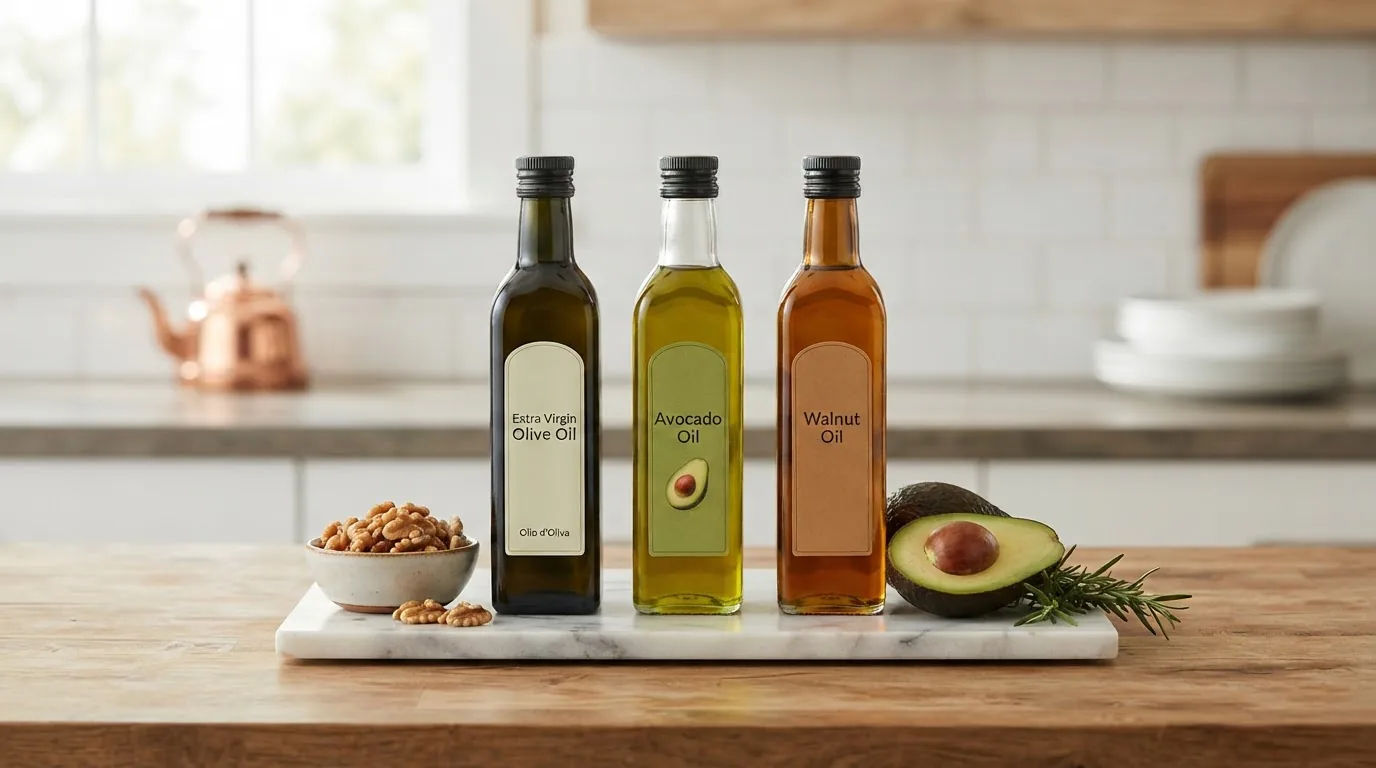
- MCT oil (medium-chain triglycerides): Rapidly absorbed fats that can increase ketone production and satiety. Use 1–2 tablespoons (10–30 g) daily mixed into meals or coffee; watch calories—MCT is energy-dense. MCT can be a useful dietary fat supplement during cutting phases.
- Fish oil / omega-3s: While not direct fat burners, omega-3s support metabolic health, recovery, and insulin sensitivity. Typical recommendation: 1–3 g combined EPA+DHA per day. fish oil and cod liver oil supplements and fish oil supplements for fat loss are useful references.
- Herbal appetite suppressants: Fenugreek, glucomannan (a soluble fiber), and certain protein-rich plant extracts can increase fullness. Glucomannan at 1–3 g/day with water before meals has shown modest weight loss benefits.
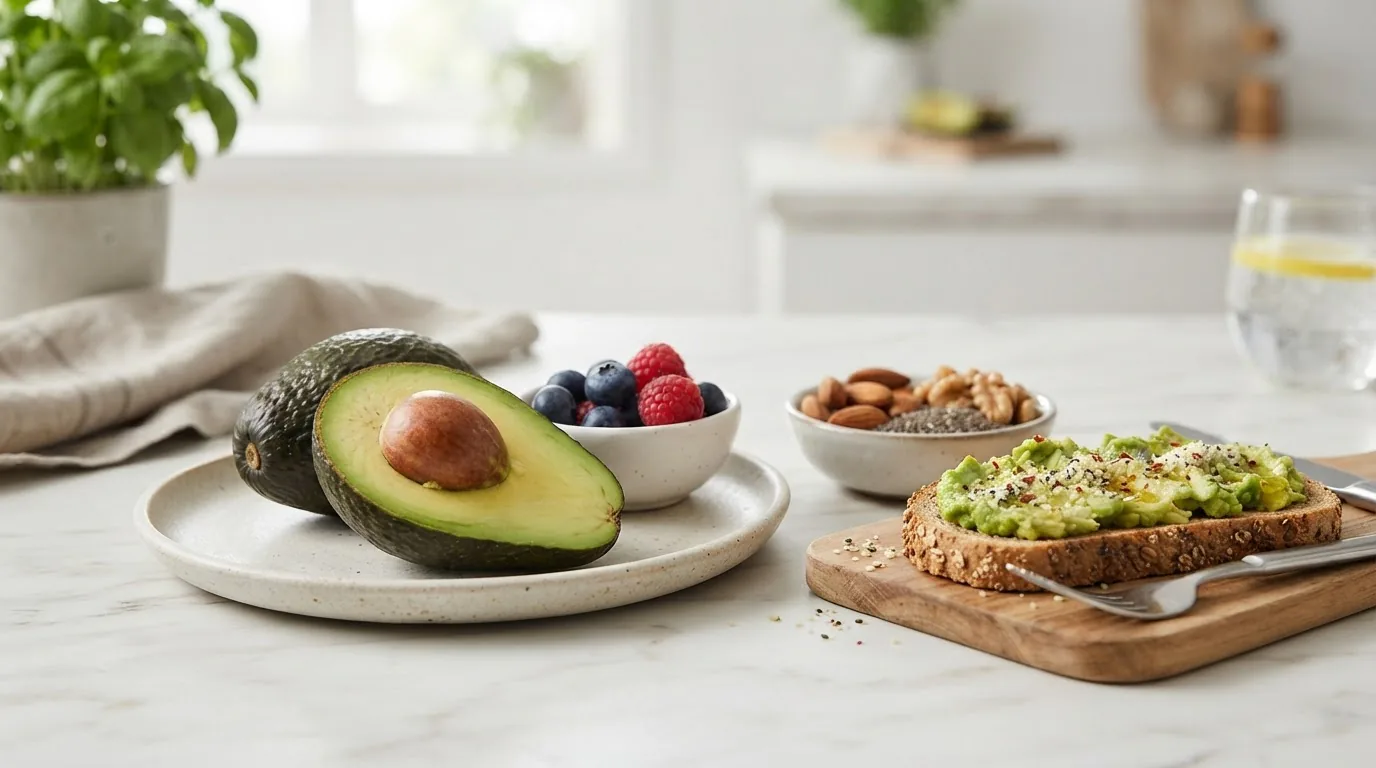
- Healthy dietary fats: Whole-food fats like avocado support satiety and metabolic health. healthy fat supplements like avocado. Also consider heart-healthy oils for fat loss and omega-3 rich supplements and foods for balanced fat intake.
Scientific perspective: According to a 2023 systematic review (source type: systematic review), MCTs and omega-3 supplements show metabolic benefits in subgroups, but effects on large-scale weight loss are modest. Natural supplements are best treated as supportive lifestyle additions rather than primary solutions.
Transition: After summarizing natural options, we turn to safety considerations and how to avoid common pitfalls when stacking supplements.
Safety Information and Potential Side Effects
Supplement safety depends on ingredient, dose, combination, underlying health, and product quality. Follow these safety rules to minimize risk.
- Consult a clinician if you have chronic conditions (cardiovascular disease, kidney or liver disease), are taking prescription medications, or are under 18 or over 65. Clear medical guidance if you take stimulants, anticoagulants, or SSRIs.
- Check for third-party testing (NSF, Informed Sport, USP) to reduce contamination risk and verify label claims.
- Start low and go slow: test single-ingredient tolerance before combining products.
- Pay attention to total stimulant load: combine caffeine from coffee, pre-workout, and fat burners to avoid exceeding safe intake (~<400 mg/day for most adults).
- Report adverse effects promptly and stop suspected products if you experience palpitations, chest pain, severe GI distress, jaundice, or cognitive changes.
Cautionary points by supplement type:
- Thermogenics: Elevated heart rate, blood pressure, anxiety; avoid if hypertensive or on stimulants.
- Green tea extract (high EGCG): Rare cases of liver injury reported at very high intakes; use standardized doses and avoid high-dose extracts without supervision.
- Garcinia cambogia: Mild GI upset; rare hepatotoxicity reported in post-marketing case reports—monitor and discontinue if liver symptoms arise.
- Creatine: Generally safe in healthy adults; consult if you have kidney disease. Ensure adequate hydration.
- Fish oil: High doses (>3 g/day EPA+DHA) can increase bleeding risk, especially with anticoagulants—consult a clinician. For more, see fish oil safety and side effects.
Regulatory and quality-control notes: Dietary supplements in the U.S. are regulated as foods, not drugs; the FDA guidance on supplements explains current standards (external source). Third-party testing is the best internal safeguard; look for seals from reputable labs.
Experience-based case: A recreational athlete who combined high-dose synephrine and caffeine developed palpitations requiring ER evaluation—underscoring the need to avoid stimulant stacking and to consult a healthcare provider prior to use (case anonymized).
Diet-specific safety considerations: Specialized diets (e.g., ketogenic, carnivore) alter micronutrient needs and may change supplement safety profiles. diet-specific safety considerations should guide supplement choices and monitoring.
Authority resources: For scientific efficacy and safety overviews, consult the NIH literature database (external source) and professional exercise guidelines such as those from the American Council on Exercise (ACE) (external source).
Transition: Men have some gender-specific considerations—next, tailored recommendations for male users.
Choosing the Best Supplements for Men’s Weight Loss and Muscle Gain
Men commonly prioritize strength, testosterone support, and body composition. Supplements should be selected with male physiology and safety in mind.
Key male-specific considerations:
- Protein and creatine remain foundational across genders; men may focus more on absolute strength and therefore on training-focused supplements like creatine and caffeine.
- Testosterone-support products: Many over-the-counter “testosterone boosters” have weak evidence. Clinically validated approaches to support healthy testosterone include resistance training, sleep, and body-fat reduction; supplements like vitamin D and zinc correct deficiencies but don’t replace medical therapy.
- Dosage scaling: Men typically have higher absolute body mass—adjust absolute dosages accordingly while staying within established safety ranges (e.g., creatine 3–5 g/day; caffeine up to ~400 mg/day total for most adults).
- Monitoring: For men using multi-ingredient products marketed for “testosterone” or “male performance,” monitor mood, libido, and labs if using long-term; consult a clinician for baseline hormone tests when considering hormonal interventions.
lean protein choices for muscle building
Practical male-focused stack (example, not medical advice):
- Daily: whey or plant protein to reach ~1.6 g/kg protein target and 3 g creatine monohydrate.
- Pre-workout: 150–200 mg caffeine 30–45 minutes prior (test tolerance) for improved performance.
- Optional: 250–500 mg green tea extract and 1–2 g CLA or 10–20 g MCT daily depending on dietary pattern.
- Monitor sleep, blood pressure, and mood; consult if any adverse symptoms develop.
Transition: Now let’s outline exactly how to use these supplements with diet and exercise for practical daily implementation.
How to Use Supplements Effectively with Diet and Exercise
Supplements are most effective when integrated into an evidence-based diet and training plan. Below are step-by-step strategies and timing recommendations.
- Set calorie and protein targets: Determine a modest calorie deficit (e.g., 10–20% below maintenance) and protein target of 1.2–1.8 g/kg. protein-rich foods for weight loss.
- Morning routine: If using MCT oil, consume 1 tablespoon with breakfast for satiety; reserve stimulants for pre-workout if sleep is adequate.
- Pre-workout: 150–300 mg caffeine (or lower based on tolerance) 30–60 minutes before resistance training. Optional: 5–10 g creatine in maintenance phase or regular 3–5 g daily mixed into any drink.
- Post-workout: 20–40 g whey or plant protein within 0–2 hours post-training; include 30–50 g carbohydrates if rapid glycogen replenishment is desired.
- Between meals: Use protein shakes or EAAs to hit daily protein targets and reduce hunger; fiber or glucomannan before meals can reduce meal size.
- Sleep and recovery: Avoid late-day stimulants; prioritize 7–9 hours sleep to support hormonal recovery and MPS.
- Hydration and micronutrients: Take a quality multivitamin if diet restricts variety; include fish oil (1–3 g EPA+DHA) for recovery and health. clean eats for muscle gain and lean low-calorie foods for cutting help with meal planning.
Stacking and sequencing tips:
- Primary stack for most men: protein powder + creatine + caffeine (pre-workout) + fish oil. This covers MPS, strength, performance, and recovery.
- If using a thermogenic, avoid additional caffeine sources the same day to prevent overstimulation.
- Use natural appetite suppressants (glucomannan) before meals if hitting protein targets does not control hunger.
Step-by-step daily example (case study style):
- 06:30 — Wake, 1 cup water, multivitamin, 1 g omega-3 (if splitting dose).
- 07:00 — Breakfast: high-protein meal or whey protein shake + 1 tbsp MCT (if using).
- 11:30 — Pre-lunch: glucomannan (if needed) or high-fiber snack.
- 16:00 — Pre-workout: 150 mg caffeine, 3 g creatine (if taking separate), >30 min before training.
- 17:00 — Resistance training (45–60 min) — use progressive overload.
- 18:15 — Post-workout: 30 g protein shake (whey or plant blend) + carbs if wanted.
- 20:00 — Dinner: protein-rich whole food, vegetables, healthy fats.
- 22:30 — Sleep: limit late stimulants to support recovery.
Authoritative guidance: For regulation and supplement safety standards, consult the FDA overview (external source) and for clinical literature the NIH PubMed database (external source).
Transition: Below are concise answers to common questions users ask about supplements for dual goals.
Frequently Asked Questions
Refer to the FAQ section below for quick, featured-snippet‑style answers to common questions about safety, timing, and efficacy.
Conclusion and Key Takeaways
Supplements can meaningfully support simultaneous weight loss and muscle gain when chosen and used correctly. Key points:
- Prioritize total daily protein, resistance training, and a modest calorie deficit—supplements are adjuncts, not replacements.
- Evidence-backed core supplements: protein powder, creatine monohydrate, omega-3s, and judicious caffeine/green tea for thermogenesis.
- Natural dietary options like MCT oil, CLA, and glucomannan have modest effects and are best combined with diet and training changes.
- Safety-first: verify third-party testing, avoid stimulant stacking, and consult a healthcare provider if you have chronic conditions or take medications.
Final CTA: Start with the core stack—protein + creatine + omega-3s—track results for 8–12 weeks, and consult a clinician for personalized guidance to safely accelerate fat loss and muscle gain.
Frequently Asked Questions
What are good supplements for weight loss and muscle gain?
Good supplements include high-quality protein (whey or blended plant proteins), creatine monohydrate, omega-3s, and moderate thermogenics (caffeine/green tea). Use them with resistance training and a modest calorie deficit; prioritize third-party tested products and medical clearance if needed.
How do natural dietary supplements for weight loss compare to synthetic ones?
Natural supplements (e.g., green tea extract, MCT oil, glucomannan) typically offer milder effects and fewer adverse events than stronger synthetic stimulants, but evidence is often mixed; use natural options for steady support and fewer safety risks.
What are the best dietary supplements for men’s weight loss and muscle growth?
Core recommendations for men: protein powder to meet daily protein goals, creatine monohydrate (3–5 g/day), omega-3s (1–3 g/day EPA+DHA), plus caffeine or green tea before training if tolerated; prioritize evidence and safety.
How should I take supplements to maximize fat loss and muscle gain results?
Use a structured routine: hit daily protein targets, take creatine daily (3–5 g), consume protein post-workout (20–40 g), use pre-workout caffeine 30–60 minutes before training, and manage total calories for a mild deficit.
How long does it typically take to see results from weight loss and muscle gain supplements?
Expect measurable changes in strength and body composition over 8–12 weeks with consistent diet and training; some benefits (energy, appetite) may be noticeable in days, while MPS and hypertrophy emerge over weeks to months.
What should I do if I experience side effects from fat supplements?
Stop the supplement immediately, seek medical advice for severe symptoms (chest pain, palpitations), report adverse events to regulatory agencies, and avoid stimulant stacking; document product details for clinician review.
Are fat supplements like MCT oil safe for daily use?
MCT oil is generally safe at 1–2 tablespoons daily for most people but is calorie-dense; start with small doses to avoid GI upset and factor its calories into your daily intake for weight goals.
Can supplements replace a balanced diet for weight loss and muscle gain?
No—supplements are adjuncts. A balanced diet, adequate protein from whole foods, progressive resistance training, and calorie control are required; supplements fill gaps and support performance and recovery.