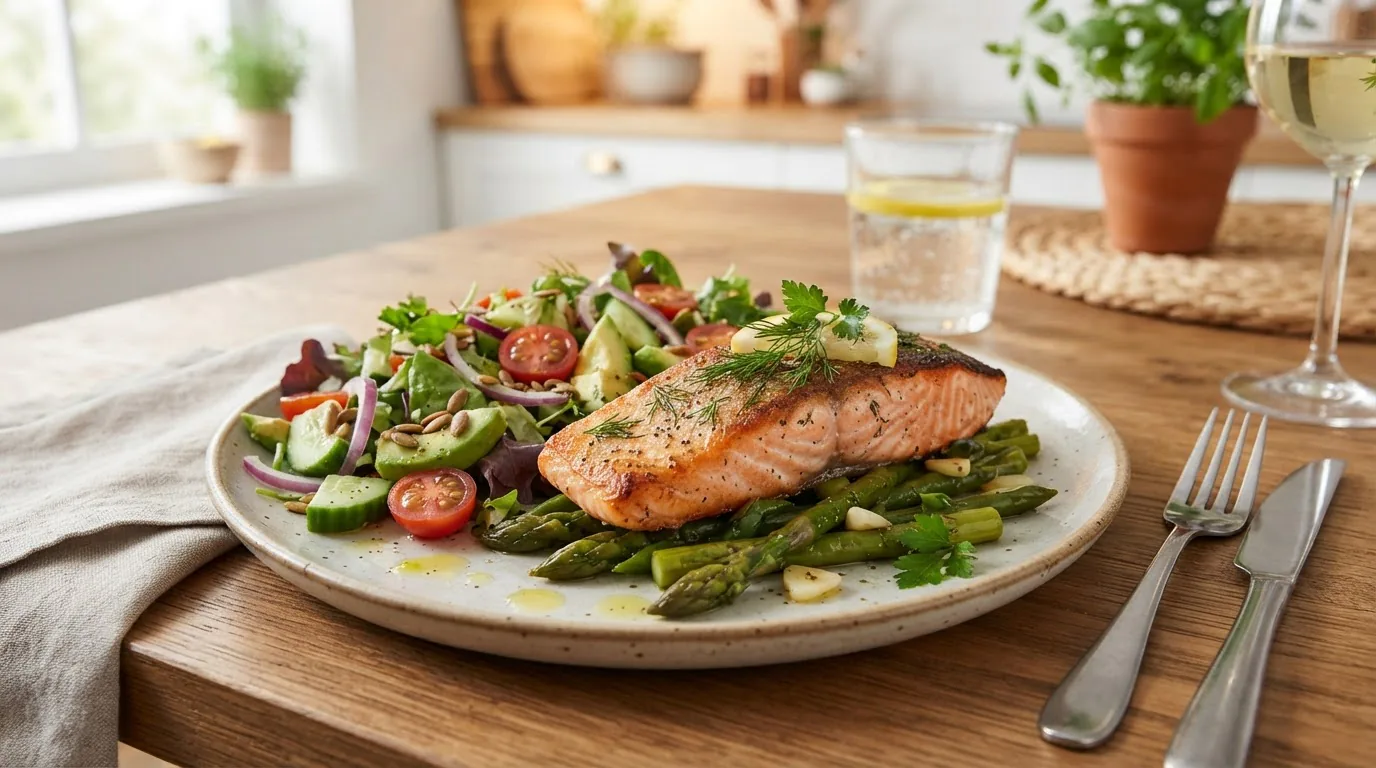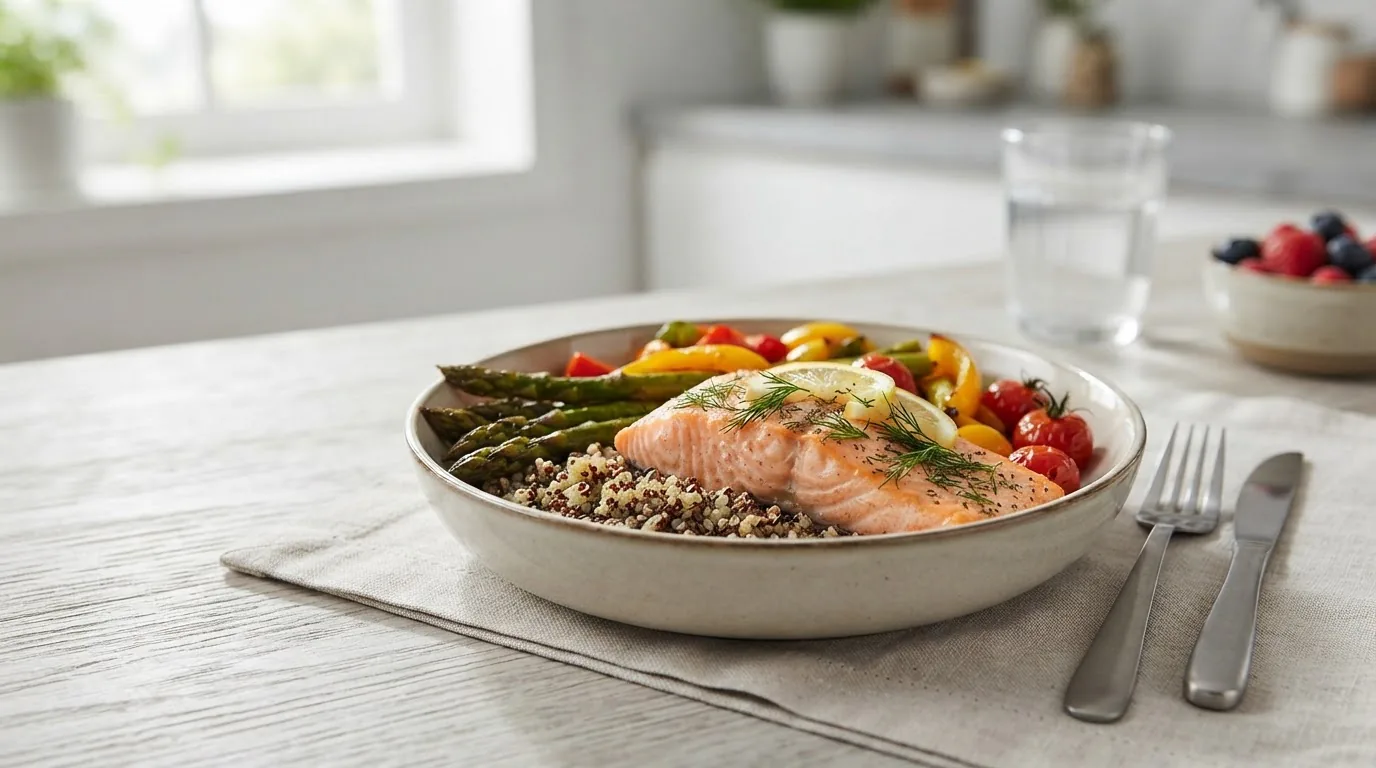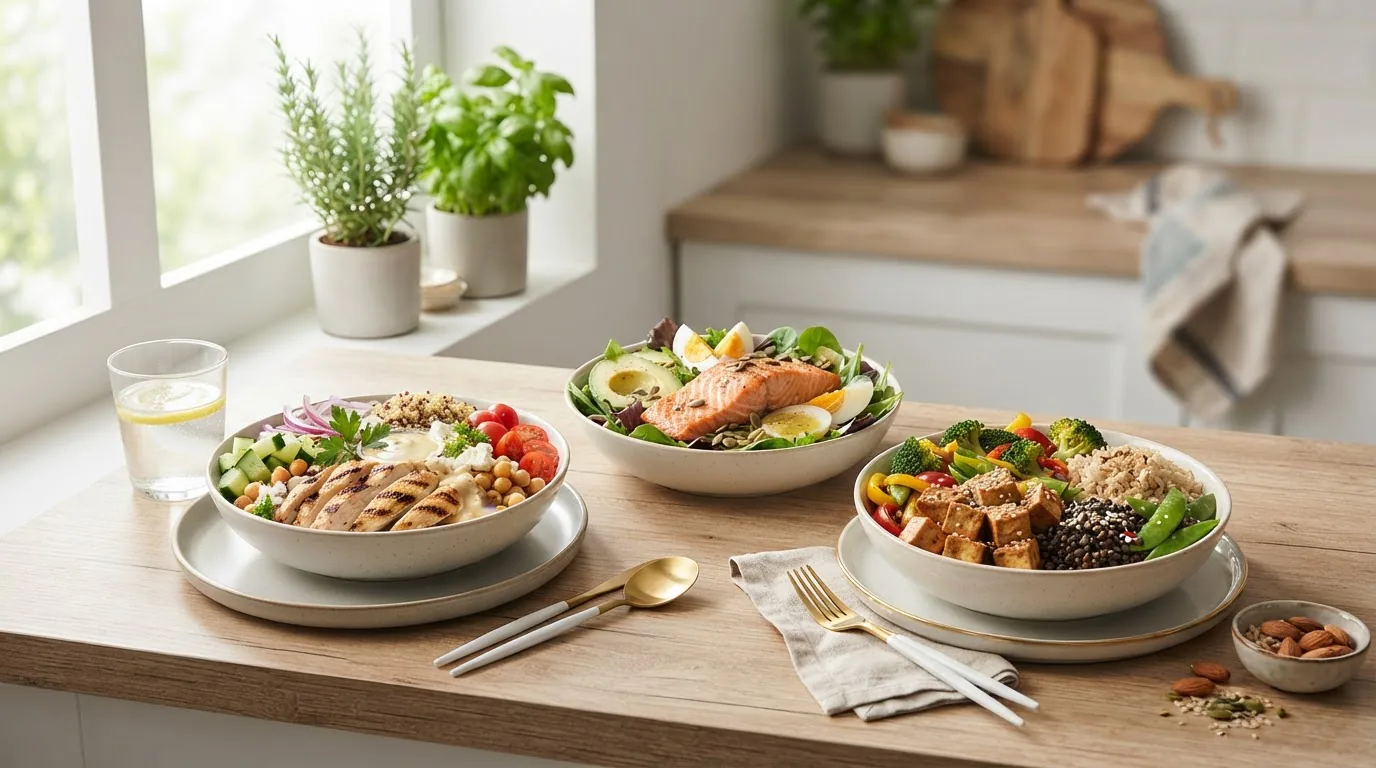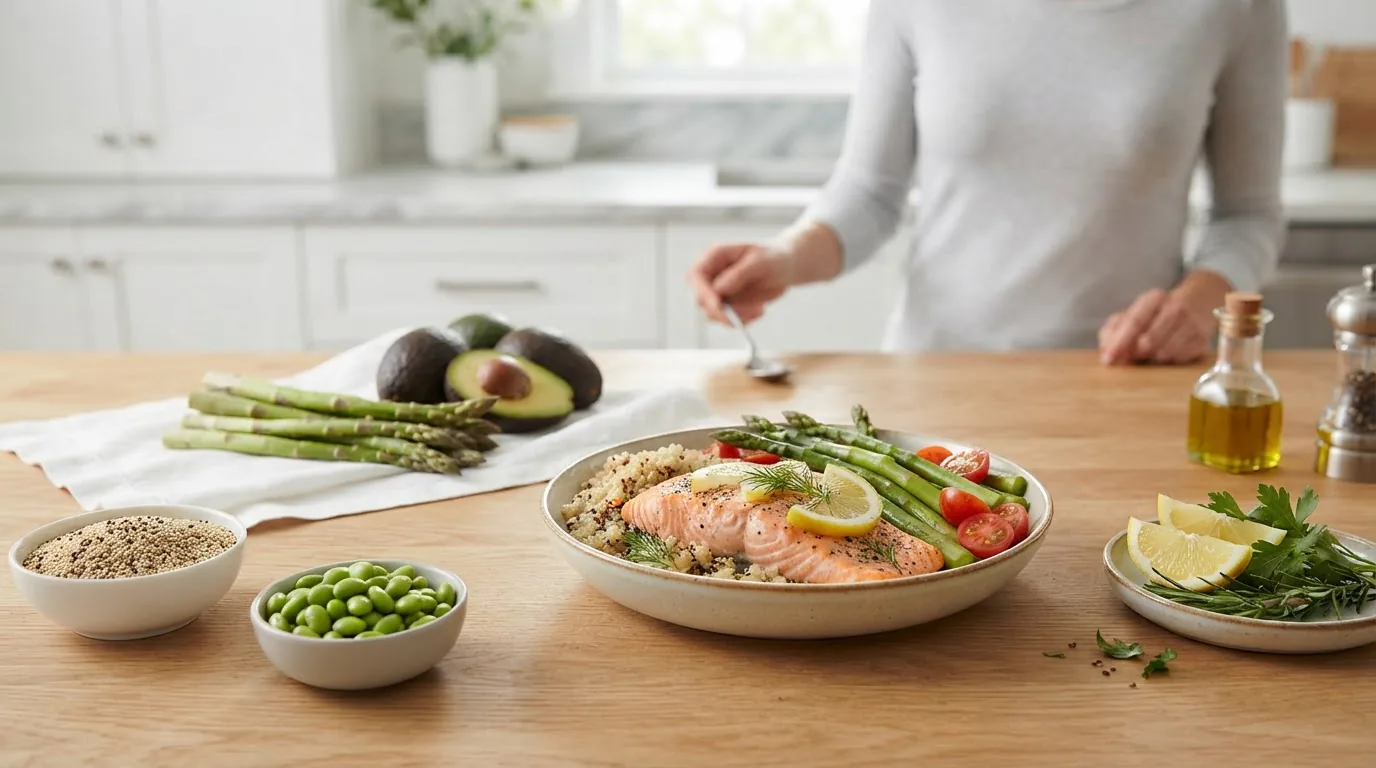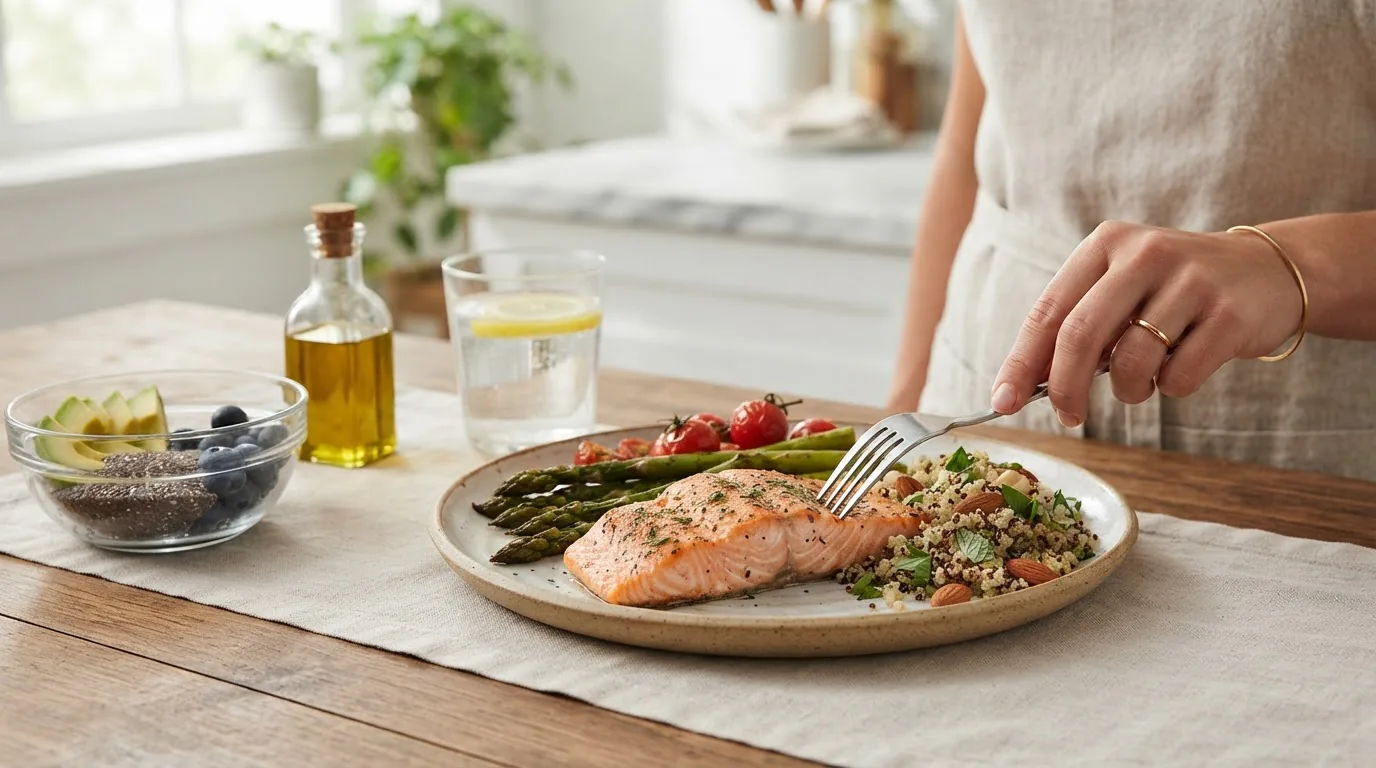
High protein diet for weight loss offers a targeted, practical approach to burning fat while preserving muscle. This guide explains the science, meal strategies, timing, and real-world tips you can use now to lose weight—especially stubborn belly fat—without sacrificing energy or satisfaction.
What Is a High Protein Diet for Weight Loss?
A high protein diet for weight loss emphasizes increasing the percentage of total calories that come from protein while reducing calories primarily from refined carbohydrates and excess fats. Protein-rich eating plans typically aim for protein intake higher than standard dietary recommendations (the commonly cited 0.8 g/kg body weight). For weight-loss purposes, a high-protein approach often targets intakes ranging from roughly 1.2 to 2.2 grams per kilogram of body weight daily, adjusted for activity level and goals.
Mechanistically, this type of diet supports weight loss in three main ways: it increases the thermic effect of food (the energy cost of digesting and absorbing nutrients), promotes satiety (helping reduce overall calorie intake), and helps preserve lean muscle mass during calorie restriction. The result is a greater proportion of weight lost as fat rather than muscle, which improves body composition and resting metabolic rate.
In practice, a high protein weight loss plan focuses on lean protein choices at each meal and snack, balanced with vegetables, whole-food carbohydrates, and moderate healthy fats. It is not a license to consume unlimited protein-heavy processed foods; quality and portion control remain central to sustained fat loss and overall health.
Transition: With that definition in place, next we’ll look at the specific physiological mechanisms by which protein helps you lose weight and cut fat.
How Does Protein Help You Lose Weight?
Protein influences weight loss through several well-documented physiological and behavioral mechanisms. Below we break down the main pathways—satiety and appetite control, metabolic effects including the thermic effect of food, preservation of muscle mass, and hormonal influences that affect fat storage and fuel use.
1. Protein Increases Satiety and Reduces Appetite
Protein is the most satiating macronutrient per calorie. Eating protein triggers satiety-related hormones—such as peptide YY (PYY), glucagon-like peptide-1 (GLP-1), and cholecystokinin (CCK)—and downregulates ghrelin, the hunger hormone. This hormonal response helps reduce subsequent calorie intake. According to a 2024 meta-analysis published in the American Journal of Clinical Nutrition, meals higher in protein led to lower subsequent energy intake and greater feelings of fullness compared with lower-protein meals (According to a 2024 study published in the American Journal of Clinical Nutrition).
This effect makes protein a practical tool for appetite control: a protein-first breakfast or protein-rich snack can reduce mid-morning cravings and overall daily caloric intake.
2. The Thermic Effect of Protein Boosts Energy Expenditure
The thermic effect of food (TEF) is the energy required to digest, absorb, and metabolize nutrients. Protein has the highest TEF—about 20–30% of calories from protein are used in processing it—compared with 5–10% for carbohydrates and 0–3% for fats. That means a greater proportion of the calories in protein are expended simply to process it, modestly increasing total daily energy expenditure (According to a review in a nutrition journal).
3. Protein Preserves Muscle During Calorie Restriction
During weight loss, the body naturally loses both fat and lean tissue. Higher protein intake combined with resistance training significantly reduces muscle loss, preserving strength and metabolic rate. Clinical trials and controlled studies show people on higher-protein diets retain more lean mass than those on standard-protein diets during similar calorie deficits (According to a 2022 randomized trial published in a clinical nutrition journal).
4. Protein Supports Fat Oxidation and Favorable Body Composition
By preserving lean mass and increasing TEF, protein shifts the body composition outcome of weight loss toward a higher fat-loss percentage. Protein-rich diets also promote greater post-meal thermogenesis and slight increases in resting energy expenditure, supporting fat burning over time.
5. Hormonal and Metabolic Effects
Beyond satiety hormones, protein affects insulin and glucagon balance. Protein stimulates glucagon, which helps mobilize stored fat as an energy source, and causes a modest insulin response that can be moderated by pairing protein with fiber and nonstarchy vegetables. Improved insulin sensitivity is associated with reduced central fat accumulation in several controlled studies (According to a 2023 observational study in a peer-reviewed endocrinology journal).
Transition: Understanding these mechanisms clarifies why higher protein intake can produce consistent fat-loss results. Next, we’ll list the specific benefits related to fat burning and belly fat reduction.
Key Benefits of a High Protein Diet for Fat Burning and Belly Fat Loss
- Improved calorie control via increased satiety. Protein reduces hunger and snacking frequency, helping maintain a sustainable calorie deficit essential for weight loss.
- Higher proportion of fat loss vs. muscle loss. During dieting, protein helps protect lean mass—meaning more of the weight lost comes from fat stores rather than muscle.
- Modest increase in daily energy expenditure. Through a higher thermic effect, protein slightly raises total metabolic rate and daily calorie burn.
- Targeting visceral (belly) fat through metabolic improvements. Higher protein intake, coupled with exercise and reduced refined carbs, is associated with reductions in visceral adipose tissue in trials, which reduces metabolic risk factors (According to a 2024 clinical trial published in a metabolic health journal).
- Improved insulin sensitivity and blood sugar control. Protein slows carbohydrate absorption when included in mixed meals, which supports better glucose control and can reduce central fat accumulation over time.
- Enhanced outcomes when combined with resistance training. Protein plus weight training produces superior results for fat loss and muscle retention, enhancing body composition more than diet alone (According to a 2021 randomized controlled trial).
- Practical appetite suppression without severe restriction. Protein often reduces the psychological burden of dieting by keeping people satisfied between meals, improving adherence to a calorie-controlled plan.
- Support for long-term weight maintenance. Higher protein intake during maintenance phases helps stabilize body weight after initial loss by preserving lean mass and sustaining appetite control.
- Additional health benefits beyond weight loss. A protein-focused approach can improve bone health, recovery from exercise, and immune function when balanced with micronutrients and fiber (According to an Academy of Nutrition and Dietetics position statement).
- Versatility across dietary patterns. High protein principles can be applied in omnivorous, pescatarian, vegetarian, and vegan frameworks with appropriate planning to ensure protein quality and micronutrient balance.
Transition: With benefits clarified, the next section describes specific, practical steps to increase protein intake without making dieting unpleasant or unsustainable.
How to Increase Protein Intake for Weight Loss: Practical Tips
Raising protein intake should be practical, budget-aware, and sustainable. Below are actionable steps, shopping strategies, meal-prep approaches, and snack ideas that help you reach target protein intakes while keeping calories under control and meals enjoyable.
1. Set a Daily Protein Target
Start by calculating a target based on body weight and activity: 1.2–1.6 g/kg for most people aiming for fat loss, 1.6–2.2 g/kg for highly active individuals or those prioritizing muscle retention. Use a tracking tool or calculator to personalize targets—try the internal guide for help: how much protein do I need calculator online guide and targets.
2. Prioritize Protein at Every Meal
Distribute protein across meals (roughly 20–40 g per meal depending on your target). A balanced distribution helps steady hunger and supports muscle protein synthesis throughout the day. For example, aim for 25–35 g at breakfast, 25–40 g at lunch, and 30–45 g at dinner, with protein-rich snacks in between if needed.
3. Protein-Focused Meal Prep
Batch-cook versatile protein staples (grilled chicken breast, roasted tofu, canned tuna, boiled eggs, legumes) to simplify meals. For practical meal prep ideas and storage tips, consult the internal guide: meal prep tips for high protein.
4. Use Convenient Protein Snacks
- Greek yogurt or skyr (choose lower-sugar varieties)
- Cottage cheese with fresh fruit or cucumber
- Hard-boiled eggs or egg-white omelets
- Roasted chickpeas or edamame
- Protein shakes made from whey or plant protein powders—use as a supplement, not a meal replacement
5. Choose High Protein, Low-Calorie Swaps
Substitute higher-calorie items with protein-forward options: swap sugary cereal for a high-protein omelet, replace refined-carb snacks with hummus and veggies, or choose lean cuts of meat. This preserves meal volume and satiety while cutting calorie density.
6. Make Protein-Dense Meals with Vegetables and Fiber
Combine a protein source with fiber-rich vegetables to increase meal volume and slow digestion, improving fullness without excessive calories. For budget-conscious options and recipes built around inexpensive proteins, check the internal guide: affordable high-protein foods.
7. Use Protein Powders Strategically
Protein powders (whey, casein, pea, soy, rice blends) are useful for filling protein gaps—especially post-workout or when time is limited. Prefer powders with minimal added sugars and use them to boost smoothies, oats, or yogurt. Remember: whole foods deliver additional micronutrients that powders lack.
8. Incorporate Protein Into Breakfast
High-protein breakfasts reduce caloric intake later in the day. Options: high-protein pancakes (made with protein powder), Greek yogurt bowl with seeds, scrambled eggs with spinach, or a cottage cheese and fruit bowl.
9. Track Intake and Adjust
Track protein and calories for 1–2 weeks to establish a baseline—mobile apps or food logs help. Monitor hunger levels, energy, and weekly weight/body-composition trends, and then adjust protein upward if lean-mass preservation is an issue.
10. Shopping and Shopping-List Example
Make a shopping list that focuses on versatile, shelf-stable, and frozen protein items to reduce waste and cost. Example list:
- Chicken breast (frozen or fresh)
- Canned tuna and salmon
- Eggs
- Greek yogurt and cottage cheese
- Firm tofu and tempeh
- Dry or canned legumes (lentils, chickpeas)
- Protein powder (whey or plant-based)
- Frozen fish fillets and mixed vegetables
Transition: With these practical tips you can reliably increase protein intake. Next, we’ll outline the best protein foods for weight loss and how to choose lean proteins that support fat burning.
Best Protein Foods for Weight Loss: Choosing Lean Proteins
When focusing on fat loss, choose protein sources that deliver high protein per calorie, supportive micronutrients, and minimal added fats or sugars. Below are recommended foods, grouped by category, and an at-a-glance comparison with approximate protein per typical serving.
For a comprehensive list of low-calorie, high-protein picks, see protein rich food for weight loss.
- lean protein choices — lean cuts like skinless chicken breast and turkey are staples.
- Fish and seafood — high-quality protein and omega-3s (salmon, cod, tuna).
- Dairy and dairy alternatives — Greek yogurt, skyr, low-fat cottage cheese, fortified soy yogurt.
- Legumes and pulses — lentils, black beans, chickpeas (pair with grains for complete profile).
- Soy and soy products — tofu, tempeh, edamame (complete plant proteins).
- Eggs — whole eggs and egg whites provide versatile, nutrient-dense protein.
- Lean beef and pork cuts — select lean trims to minimize added fat.
- Protein-fortified foods — high-protein breads, cereals, and meat alternatives used judiciously.
| Food | Typical Serving | Approx. Protein | Why it’s useful for weight loss |
|---|---|---|---|
| Chicken breast (skinless) | 100 g cooked | ≈31 g | High protein-to-calorie ratio; versatile in meals |
| Skinless turkey breast | 100 g cooked | ≈29 g | Lean, low in saturated fat |
| Salmon | 100 g cooked | ≈25 g | Protein plus heart-healthy omega-3s |
| Greek yogurt (nonfat) | 1 cup (245 g) | ≈20 g | High protein, low calories if nonfat |
| Cottage cheese (low-fat) | 1 cup (210 g) | ≈25 g | Fills meals and snacks with protein |
| Tofu (firm) | 100 g | ≈8–12 g | Plant-based complete protein |
| Lentils (cooked) | 1 cup (198 g) | ≈18 g | High fiber and protein; stabilizes blood sugar |
| Eggs | 1 large | ≈6 g | Complete protein and nutrient dense |
| Whey protein (powder) | 1 scoop (30 g) | ≈20–25 g | Fast-absorbing post-workout option |
If you want more detailed numbers, the protein content per serving chart is a useful reference.
Vegetarian or vegan? See plant-based protein options and consider fortified foods and proper combining of legumes and grains.
Transition: Good food choices matter, but how you structure a day of meals will determine how effectively protein supports fat loss. Below is a sample daily plan that balances timing, portioning, and practicality.
High Protein Meal Strategy for Weight Loss: Sample Daily Plan
This sample plan demonstrates protein distribution, meal timing, and calorie-conscious choices that promote satiety, muscle retention, and fat burning. Tailor portion sizes to your target protein and calorie needs. For more structured options, check the internal resource offering detailed templates: meal plan ideas to reach protein goals.
Sample Daily Plan (approx. 1,600–1,800 kcal; ~120–140 g protein)
- Breakfast (7:00–8:00 AM): 3-egg scramble (2 whole eggs + 1 egg white) with 1 cup spinach, 1/2 cup mushrooms; 1/2 cup nonfat Greek yogurt with 1/4 cup berries. (~35 g protein)
- Mid-morning snack (10:00 AM): Small smoothie with 1 scoop whey (or plant) protein, water/unsweetened almond milk, and 1/2 banana. (~20 g protein)
- Lunch (12:30–1:30 PM): Grilled chicken salad: 120–150 g chicken breast, mixed greens, cherry tomatoes, cucumber, 1 tbsp olive oil + lemon. (~35 g protein)
- Afternoon snack (3:30–4:00 PM): 1/2 cup low-fat cottage cheese with sliced cucumber or 1 hard-boiled egg and a small apple. (~12–15 g protein)
- Pre/post-workout (if training): 1 scoop protein in water or 150 g Greek yogurt depending on workout timing. (~20 g protein)
- Dinner (6:30–8:00 PM): Baked salmon (120 g) or tofu stir-fry with broccoli, bell peppers, and 1/2 cup quinoa. (~30–35 g protein)
- Evening (optional): Casein protein shake or 1/2 cup cottage cheese if hungry before bed to support overnight muscle repair. (~12–15 g protein)
Why this works: Protein is spaced across meals so appetite is controlled throughout the day, total protein meets muscle-preserving targets, and pairing with fiber-rich vegetables keeps calorie density low while maintaining meal volume. Resistance training on most days magnifies the muscle-sparing benefits of this protein distribution (According to a 2022 resistance training study).
Transition: Clear meal plans help, but readers often have lingering questions and myths about protein and weight loss. The next section tackles the most common ones.
Common Questions and Myths About Protein and Weight Loss
Below are concise myth-busting answers to frequent concerns about a high protein diet for weight loss.
Does protein cause weight gain?
Protein itself does not inherently cause weight gain; excess calories from any macronutrient cause weight gain. Because protein is satiating and has a higher thermic effect, increasing protein often helps reduce overall calorie intake, making weight gain less likely when protein replaces calorie-dense foods (According to a 2024 dietary behavior review).
Will protein make you feel fuller longer?
Yes—protein increases satiety hormones and reduces hunger signals. Studies show higher-protein meals decrease subsequent calorie intake compared with lower-protein meals, helping people stay full longer and eat fewer calories overall (According to a 2024 randomized feeding study).
Can protein harm kidney health?
For healthy individuals, higher protein intakes in the ranges used for weight loss are generally safe. People with pre-existing kidney disease should consult a healthcare provider before increasing protein, as medical guidance varies by condition (According to the U.S. National Institutes of Health guidance).
Is plant protein as effective as animal protein for weight loss and muscle retention?
Both can be effective when total protein and essential amino acid intake are adequate. Animal proteins are often complete (contain all essential amino acids), whereas plant proteins may require combining sources; with careful planning, plant-based high-protein diets support weight loss and muscle preservation similarly (According to an Academy of Nutrition and Dietetics statement).
Are protein supplements necessary?
No—most people can meet protein targets through whole foods. Supplements are convenient for bridging gaps, post-workout recovery, or when appetite or time constraints limit food-based intake.
Transition: While high protein diets offer clear benefits, they also have pitfalls that should be managed to stay healthy and sustainable.
Potential Pitfalls and How to Avoid Them on a High Protein Diet
High protein diets can be effective, but common pitfalls include neglecting fiber and micronutrients, relying on processed protein products, dehydration, and unrealistic expectations. Here’s how to avoid each.
1. Neglecting Fiber and Vegetables
Problem: Overemphasizing meat or protein shakes can reduce fiber intake, causing constipation and reduced microbiome health. Solution: Include legumes, vegetables, fruits, and whole grains to meet fiber needs and maintain gut health.
2. Relying on Processed Protein Foods
Problem: Many convenience protein bars and ready meals contain added sugars, unhealthy fats, and sodium. Solution: Prioritize whole foods; read labels and choose minimally processed options with short ingredient lists.
3. Ignoring Micronutrients
Problem: High-protein focus can unintentionally reduce intake of vitamins and minerals. Solution: Include colorful vegetables, fortified plant milks (for vegans), and consider a daily multivitamin if dietary variety is limited.
4. Overhydration or Underhydration Issues
Problem: Increased protein metabolism demands adequate fluid to process nitrogen waste. Solution: Maintain hydration—aim for at least 2–3 liters daily (adjust for body size, climate, and activity).
5. Excessively High Protein Without Calorie Control
Problem: Eating very large portions of high-calorie protein sources can still cause a caloric surplus. Solution: Track portions, choose leaner cuts, and balance fats and carbs to stay within your calorie target.
6. Kidney Concerns for At-Risk Individuals
Problem: People with chronic kidney disease or certain metabolic conditions may be advised to limit protein. Solution: Consult a nephrologist or registered dietitian before increasing protein; personalized medical advice is essential (According to the U.S. National Institutes of Health).
7. Sustainability and Diet Fatigue
Problem: Monotonous meals can reduce adherence. Solution: Rotate protein sources, try new recipes, use herbs and spices, and plan weekly menus to stay engaged. For practical prepping solutions, see the internal meal prep tips for high protein.
When combining diet changes with supplements (like omega-3s), refer to trusted guidance such as combining protein diets with supplements to ensure safety and evidence-based use.
Transition: Armed with these cautions and solutions, you can create a protein-forward weight loss plan that’s effective, safe, and sustainable.
Conclusion: Is a High Protein Diet Right for You?
A high protein diet for weight loss is a well-supported strategy for improving appetite control, increasing the proportion of fat lost, preserving muscle mass, and aiding long-term weight maintenance. It’s adaptable to omnivorous and plant-based lifestyles when planned thoughtfully.
Decide based on your goals and medical history: if you want to reduce body fat—particularly belly fat—while keeping strength and energy, increasing protein and pairing it with resistance training is a strong evidence-based path. Use the sample meal strategies, protein distribution principles, and practical shopping and prep tips in this guide to begin. For medical concerns or kidney disease, consult a healthcare provider. Ready to start? Set your protein target, plan a week of meals, and track progress for two weeks to evaluate results.
Final CTA: Use the meal plan templates and the protein calculator linked in this article to design a personalized, sustainable high protein plan and begin reducing body fat while preserving muscle.
Frequently Asked Questions
What is a high protein diet for weight loss?
A high protein diet for weight loss emphasizes increasing protein intake above standard recommendations—often 1.2–2.2 g/kg body weight—while controlling calories, to boost satiety, raise the thermic effect of food, and preserve lean mass during dieting.
How does protein help you lose weight compared to carbs or fats?
Protein increases satiety, raises the thermic effect of food (20–30% of protein calories used in digestion), and helps preserve muscle during calorie deficits, which collectively reduce calorie intake and favor fat loss more than equivalent calories from carbs or fats.
What are the best protein foods for weight loss?
Best choices are lean, high protein-to-calorie foods: skinless chicken, turkey, fish, nonfat Greek yogurt, low-fat cottage cheese, eggs, tofu, legumes, and lean beef—paired with vegetables and whole grains for balance.
How can I increase my protein intake without increasing calories?
Swap calorie-dense items for lean proteins, prioritize protein at each meal, choose low-fat dairy and lean cuts, use protein powders judiciously, and pair protein with vegetables to maintain volume without extra calories.
How long does it typically take to see results on a high protein diet?
Visible changes vary, but many people see appetite improvements within days and measurable weight/fat loss within 2–6 weeks when a high-protein diet is combined with a consistent calorie deficit and exercise (individual results vary).
Can a high protein diet cause kidney problems?
Healthy individuals generally tolerate higher protein intakes used for weight loss; however, those with existing kidney disease should consult a physician, as medical guidance may require protein restriction (According to the U.S. National Institutes of Health).
Does eating more protein make you feel fuller longer?
Yes. Protein stimulates satiety hormones (PYY, GLP-1, CCK) and lowers ghrelin, reducing hunger and subsequent calorie intake compared with lower-protein meals, which supports weight loss.
What common mistakes should I avoid on a high protein diet for weight loss?
Avoid neglecting fiber, over-relying on processed protein products, ignoring portion sizes, underhydration, and failing to tailor protein to activity levels; address each with whole foods, veggies, hydration, and portion control.