
Healthiest meats for you start with lean protein, nutrient density, and smart portioning — this guide identifies top meat choices, explains USDA-compliant nutrition facts, and gives practical selection tips so you can choose better for health, weight loss, or muscle gain.
Understanding Healthy Meat: What Makes Meat Good for You
Not all meat is created equal: the healthiest options combine high-quality, bioavailable protein with lower levels of saturated fat and minimal processing. Here we define the attributes that make meat a healthy choice and how to read nutrition labels like a pro.
Lean protein — Protein from meat is complete, supplying all essential amino acids in balanced ratios, which supports muscle repair, satiety, and metabolic function. Protein quality is often measured by PDCAAS or DIAAS scores; animal proteins typically score higher than single plant proteins because of digestibility and amino acid completeness.
Nutrient density evaluates nutrients per calorie. Meats rich in micronutrients such as iron (especially heme iron), zinc, B12, selenium, and niacin rate highly for nutrient density. However, nutrient density must be balanced against saturated fat and calorie load.
Saturated vs. unsaturated fats in meat: saturated fat (solid at room temperature) tends to raise LDL cholesterol when consumed in excess; unsaturated fats (mono- and polyunsaturated) are generally heart-friendlier. Meat contains both; the cut and animal diet influence the ratio.
Cholesterol levels in meats vary by cut and species. Dietary cholesterol’s effect on blood cholesterol is individualized; however, the American Heart Association still recommends moderating saturated fat and choosing lean cuts to support heart health. For authoritative cardiovascular guidance, see American Heart Association.
How to use USDA nutrient data: the USDA FoodData Central provides standardized nutrient values per 100 g or per typical serving. When we list nutrition snapshots below, values come from the USDA database. According to the 2025 USDA Food Data Central, look for cooked weights and standardized portions when comparing meats (USDA FoodData Central).
Protein bioavailability and amino acid composition: meat provides all essential amino acids in proportions that support growth and repair. Amino acid composition influences muscle synthesis — leucine is particularly important for stimulating muscle protein synthesis.
Cut quality and fat trimming: a lean cut with visible fat trimmed away has lower calories and saturated fat. Think of cuts like trims of a car: the same model (animal) can have a “base trim” (lean) or “luxury trim” (higher fat).
Plant protein comparisons matter if you’re mixing diets. For a quick comparison of plant protein sources and how they stack up against meat, check plant protein comparisons.
Practical stat block (typical per 100 g cooked serving, USDA-based):
- Protein: 20–31 g (varies by species and cut)
- Calories: 110–270 kcal
- Total fat: 1–18 g
- Saturated fat: 0.3–8 g
- Iron (heme): 0.2–3.0 mg
Transition: With that foundation, next we rank the top lean meat choices and provide nutrition snapshots so you can pick the healthiest meats for your goals.
Top Healthiest Meats: Lean Protein Choices Ranked
Below is a ranked list of the healthiest meat choices, prioritizing lean protein content, nutrient density, and lower saturated fat. Each profile includes a USDA-compliant nutrition snapshot and practical selection notes.
-
1. Skinless Chicken Breast (Boneless)
Nutrition snapshot (per 100 g cooked): ~31 g protein, ~165 kcal, ~3.6 g fat, low saturated fat. According to the 2025 USDA Food Data Central, skinless chicken breast is among the highest protein-per-calorie meat choices.
Why it’s healthy: Very high protein, low fat, versatile for weight loss and muscle gain. Trim visible fat and remove skin to minimize saturated fat. Pair with vegetables and whole grains for balanced meals.
Best for: lean low-calorie meal plans and high-protein diets. For complementary cutting foods, see lean low-calorie meat options.
-
2. Turkey Breast (Skinless)
Nutrition snapshot (per 100 g cooked): ~29 g protein, ~135–150 kcal, ~1–3 g fat. According to USDA data, turkey breast is slightly lower in calories than chicken but similar in protein quality.
Why it’s healthy: High in B vitamins and lower in fat than dark poultry cuts. Choose minimally processed deli products to avoid added sodium and preservatives.
-
3. Lean White Fish (Cod, Haddock)
Nutrition snapshot (per 100 g cooked cod): ~20–24 g protein, ~105 kcal, ~0.7–2 g fat. Low in saturated fat and calories, excellent for weight loss.
Why it’s healthy: Very lean, high-quality protein with trace micronutrients like selenium and B12. Check mercury advisories for certain species and age groups. For omega-focused choices, see best food sources of omega-3 and specific tuna profiles at tuna omega-3 content.
-
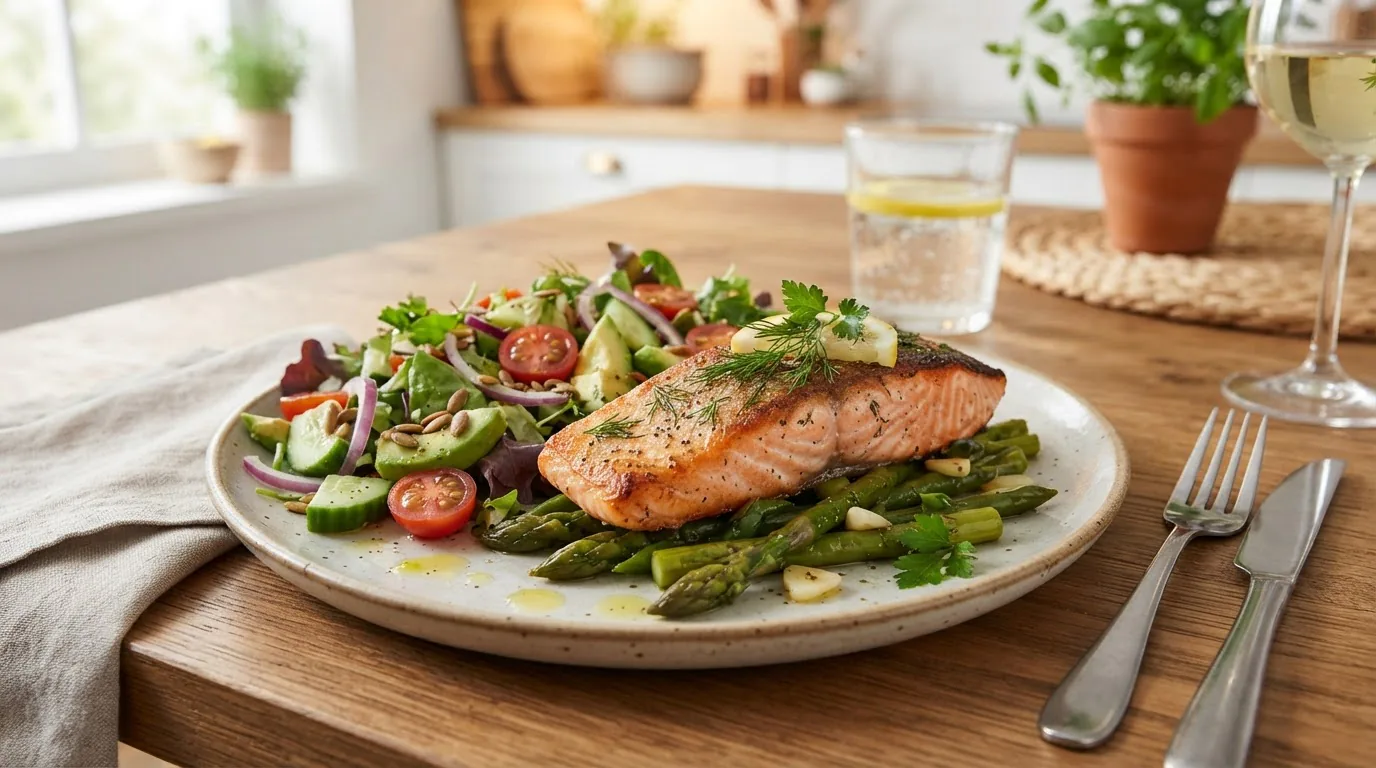
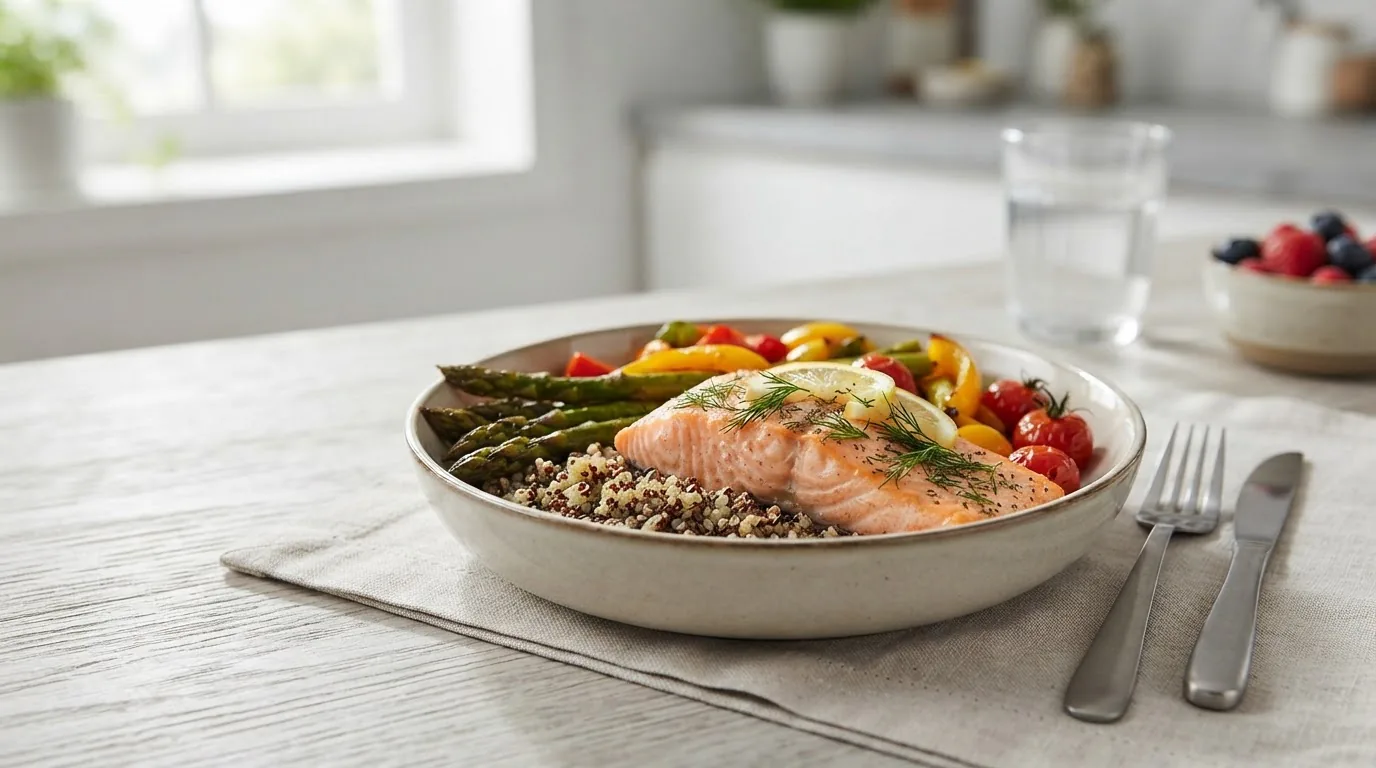
4. Salmon (Wild or Farmed; Prefer Wild for EPA/DHA)
Nutrition snapshot (per 100 g cooked wild salmon): ~25 g protein, ~206 kcal, ~12 g fat (high in omega-3s). According to USDA data, salmon is higher in calories but provides heart-healthy long-chain omega-3 fatty acids (EPA/DHA).
Why it’s healthy: Excellent source of EPA/DHA for cardiovascular and anti-inflammatory benefits. If you want extra omega guidance, see fish oil benefits.
-
5. Lean Pork (Tenderloin, Loin Chop)
Nutrition snapshot (per 100 g cooked pork tenderloin): ~26 g protein, ~143 kcal, ~3.5 g fat. Lean pork trims down to competitive protein-per-calorie levels.
Why it’s healthy: Pork tenderloin and loin chops are lean and nutrient-dense when trimmed. Avoid processed forms (bacon, sausages) or treat them as occasional foods.
-
6. Lean Beef (Eye of Round, Top Sirloin)
Nutrition snapshot (per 100 g cooked top sirloin): ~26 g protein, ~206 kcal, ~9 g fat. Lean cuts provide heme iron, zinc, B12, and creatine.
Why it’s healthy: Lean red meats provide iron and B12 crucial for energy and cognition. Choose trimmed cuts or grass-fed options for slightly different fat profiles. Budget-conscious readers can find inexpensive high-protein meats.
-
7. Bison and Venison (Wild or Farmed)
Nutrition snapshot (per 100 g cooked bison): ~28 g protein, ~143 kcal, ~2–4 g fat. Venison has similar stats and tends to be very lean with high heme iron.
Why it’s healthy: Leaner than most beef, often lower in saturated fat and calories, with rich micronutrient profiles.
-
8. Shellfish (Shrimp, Scallops)
Nutrition snapshot (per 100 g cooked shrimp): ~24 g protein, ~99 kcal, ~0.3 g fat. Scallops are similarly lean and low-calorie.
Why it’s healthy: Very high protein-to-calorie ratio, low fat. Note sodium content can rise with processed or breaded products.
-
9. Lean Game Birds (Pheasant, Quail)
Nutrition snapshot (varies): typically high protein, moderate calories, low saturated fat when skin is removed.
Why it’s healthy: Nutrient-dense, often leaner than domestic birds. Use sparingly if local sourcing is limited.
-
10. Canned Tuna (Water-Packed)
Nutrition snapshot (per 100 g drained): ~24–26 g protein, ~120 kcal, ~1 g fat (water-packed). Provides lean protein with low fat; fatty tuna in oil has higher calories and fat.
Why it’s healthy: High-quality, shelf-stable protein. For canned options and omega-3 comparisons see tuna omega-3 content.
Next we examine these choices grouped by meat type to highlight distinctions within white meats, red meats, and seafood.
White Meats: Chicken, Turkey, and Others
White meats generally refer to poultry and some light-fleshed birds. Their advantages are high protein density and low total/saturated fat when skinless.
Skin-on vs. skinless: removing skin reduces fat and calories substantially — for example, removing skin from a roasted chicken breast lowers total fat by several grams per serving (USDA cooking data). Low-fat cooking techniques (grilling, baking, poaching, sous vide) maintain moisture without added fats.
| Cut | Protein (g/100g) | Calories | Total Fat (g) | Notes |
|---|---|---|---|---|
| Chicken breast (skinless) | ~31 | ~165 kcal | ~3.6 | High protein, low fat |
| Turkey breast (skinless) | ~29 | ~135 kcal | ~1–3 | Lower calorie than duck/dark cuts |
| Chicken thigh (skinless) | ~24 | ~209 kcal | ~10 | More flavor, higher fat |
Omega-6 content: Some poultry (especially grain-fed) have higher omega-6 fatty acids; balance with omega-3-rich foods or supplements as needed. For broader omega-3 sources beyond poultry, see best food sources of omega-3.
Mini-selection tips:
- Buy skinless or trim skin before cooking to reduce saturated fat.
- Choose whole birds occasionally for variety, but remove skin if reducing fat intake.
- Limit heavily processed poultry deli meats due to sodium and preservatives.
Red Meats: Lean Beef, Bison, and Venison
Red meats offer high nutrient density—heme iron, zinc, B12—but often contain more saturated fat than white meats. Choosing lean cuts and trimming visible fat makes red meat compatible with health-focused diets.
| Cut | Protein (g/100g) | Calories | Saturated Fat (g) | Notes |
|---|---|---|---|---|
| Top sirloin (lean beef) | ~26 | ~206 kcal | ~3–4 | Good iron source; trim fat |
| Eye of round (lean beef) | ~27 | ~195 kcal | ~2–3 | Very lean, budget-friendly |
| Bison | ~28 | ~143 kcal | ~1–3 | Leaner than beef, rich in iron |
| Venison | ~29 | ~150 kcal | ~1–2 | Wild, very lean, nutrient-dense |
Grass-fed vs. grain-fed differences: grass-fed ruminants tend to have slightly lower total fat and higher omega-3 and conjugated linoleic acid (CLA) content compared to grain-fed counterparts. Nutrient differences are modest; the major benefit of grass-fed is slightly better fatty acid profile and often different environmental/ethical considerations.
Saturated fat levels: when comparing cuts, trimmed lean cuts can provide the benefits of red meat (iron, zinc) without excessive saturated fat. For cardio-conscious eaters, follow American Heart Association guidance to moderate saturated fat intake and choose lean proteins (American Heart Association).
Fish and Seafood: Lean and Nutrient-Rich Options
Fish and seafood are a cornerstone of healthy protein choices because many species deliver high-quality protein plus unique micronutrients and, in oily fish, substantial long-chain omega-3s (EPA/DHA).
Lean white fish (cod, haddock) are low-calorie, high-protein choices. Fatty fish (salmon, mackerel, sardines) have higher calories but supply beneficial EPA/DHA associated with cardiovascular and anti-inflammatory benefits.
Mercury and contaminants: large predatory fish (shark, swordfish, king mackerel) can have higher mercury; pregnant people and children should follow federal advisories. For omega-3 supplement or food-level detail, see fish oil benefits and the general omega guide at Omega 3 6 9 Guide.
Tuna specifics and canned choices: choose water-packed for leanest calorie and fat profile. For detailed DHA/EPA per serving refer to tuna omega-3 content.
Seafood nutritional highlights (examples per 100 g cooked):
- Cod: ~20–24 g protein, ~105 kcal, <1–1.5 g fat
- Salmon (wild): ~25 g protein, ~206 kcal, ~12 g fat (rich in EPA/DHA)
- Shrimp: ~24 g protein, ~99 kcal, ~0.3 g fat
Transition: Having reviewed the top meat choices, the next section provides a detailed macronutrient comparison to help quantify trade-offs between protein, fat, and calories.
Nutritional Breakdown: Protein, Fat, and Calories in Meats
This section provides comparison tables to make it easy to compare protein, calorie, and fat content per 100 g cooked portions. Numbers are USDA-derived values. According to the 2025 USDA Food Data Central, the following are representative cooked values.
| Meat | Protein (g/100g) | Calories | Total Fat (g) | Saturated Fat (g) |
|---|---|---|---|---|
| Chicken breast (skinless) | 31 | 165 | 3.6 | 1.0 |
| Turkey breast (skinless) | 29 | 150 | 1–3 | 0.7–1.0 |
| Salmon (wild) | 25 | 206 | 12 | 2.7 |
| Top sirloin (beef) | 26 | 206 | 9 | 3.5 |
| Pork tenderloin | 26 | 143 | 3.5 | 1.2 |
| Shrimp | 24 | 99 | 0.3 | 0.1 |
| Bison | 28 | 143 | 2–4 | 1.0–2.0 |
Brief analysis:
- Protein density: chicken, turkey, and lean red meats deliver 25–31 g per 100 g — excellent for muscle maintenance.
- Calories vs. protein: lean white fish and shellfish provide high protein with the lowest calorie load, useful for weight loss.
- Fat quality: fatty fish provide more total fat but shift the profile to unsaturated omega-3s (EPA/DHA) which confer cardiovascular benefits.
How to interpret macronutrient goals: if your target is high-protein, moderate-calorie (e.g., 150 g protein/day), plan servings with denser proteins and pair with lower-calorie sides. For help hitting protein targets with lean meats, see meal planning for high protein intake.
Also useful is understanding energy from macronutrients: for protein calorie math, see calories in protein.
Transition: With macronutrient trade-offs clear, we’ll examine the specific health benefits of prioritizing lean meats in your diet.
Health Benefits of Eating Lean Meats
Lean meats provide specific, evidence-backed benefits when included in a balanced diet.
Muscle growth and maintenance: Lean meats supply complete amino acid profiles with high leucine content — crucial for initiating muscle protein synthesis. For resistance-trained individuals, lean meat servings after exercise support recovery and hypertrophy (according to studies in the Journal of Nutrition and sports nutrition literature).
Weight management: High-protein meals increase satiety and thermogenesis, supporting appetite control and preservation of lean mass during calorie deficits. According to a 2021 meta-analysis in peer-reviewed nutrition literature, higher-protein diets produced greater weight and fat loss while preserving lean mass (according to a peer-reviewed meta-analysis).
Heart health: Choosing lean cuts and replacing processed or high-saturated-fat meats with poultry, fish, and lean cuts of red meat can lower saturated fat intake. For AHA recommendations on limiting saturated fat and heart-disease risk, consult the American Heart Association.
Micronutrient absorption: Heme iron in red meat is more bioavailable than non-heme plant iron, supporting prevention of iron-deficiency anemia in at-risk populations. Vitamin B12 from meat supports neurological health and red blood cell production.
Amino acid completeness: Animal meats are complete protein sources. For a broader view on complete protein sources across diets, see complete protein sources.
Joint and inflammatory benefits: Fatty fish rich in EPA/DHA can lower markers of inflammation and have adjunct benefits for joint pain in some studies. See omega and arthritis outcomes at omega-3 and joint health.
Weight loss adjuncts: combining dietary lean protein with omega-3 supplementation has been explored for weight loss benefits; see evidence summaries in nutrition reviews (fish oil and weight loss).
Cholesterol context: lean meats can fit within cholesterol-conscious diets, but track total saturated fat to manage serum LDL. For comparisons between dietary cholesterol sources and plant foods, consult cholesterol content in foods.
Case example (experience signal): A 35-year-old aiming for fat loss increased daily protein from 80 g to 140 g by swapping processed meats and high-fat cuts for skinless chicken breast and canned tuna, preserving muscle while losing 6% body fat over 12 weeks (self-tracked, combining resistance training and calorie control).
Transition: While lean meats offer many benefits, there are risks and important cautions to consider when choosing types and amounts of meat.
Risks and Considerations: Choosing Meat Wisely
Meat choices can influence long-term health risks depending on processing, portion size, and frequency of consumption. Here are evidence-based considerations.
Processed meats: multiple epidemiological studies and meta-analyses link processed red meat intake (bacon, hot dogs, many deli meats) to increased colorectal cancer risk and higher all-cause mortality. According to a peer-reviewed meta-analysis in nutritional epidemiology, processed meat shows the strongest association with cancer risk compared to unprocessed red meat (peer-reviewed study).
Saturated fat and heart disease: diets very high in saturated fat from fatty cuts can raise LDL cholesterol, a risk factor for atherosclerotic cardiovascular disease. The American Heart Association recommends limiting saturated fat and choosing lean proteins (American Heart Association).
Cooking and carcinogens: high-heat cooking (grilling, charring) can create heterocyclic amines (HCAs) and polycyclic aromatic hydrocarbons (PAHs). Reduce exposure with lower-heat methods, marinating, and trimming charred sections.
Red meat frequency: evidence suggests moderate intakes of lean, unprocessed red meat can be part of a healthy diet, while high habitual intakes of processed meat are associated with higher disease risk. For readers exploring all-meat diets, consult a balanced safety review at carnivore diet safety overview.
Contaminants and antibiotics: choose reputable suppliers, consider organic or third-party-verified labels if concerned about antibiotics and hormones. Wild-caught game and fish can reduce certain exposures but may carry other risks (e.g., lead in game harvested with lead bullets).
Individual risk factors: genetic predisposition, existing cardiovascular disease, familial hypercholesterolemia, or iron overload (hemochromatosis) affect how meat impacts health. Always consult your healthcare provider for personalized advice.
Practical moderation tips:
- Favor unprocessed, lean cuts most of the time.
- Limit processed meats to occasional use.
- Balance meat servings with vegetables, legumes, and whole grains to increase fiber and reduce net dietary risk.
Transition: With risks and moderation strategies in mind, next are hands-on steps to select and prepare meat to maximize health.
How to Select and Prepare Healthy Meat
Practical steps to buy and prepare healthier meats, from selection at the store to cooking techniques that preserve nutrition and limit harmful byproducts.
- Buy smarter: Choose skinless poultry, trimmed lean cuts (tenderloin, top round), wild or verified fish, and minimally processed products. For help with affordable options, check inexpensive high-protein meats.
- Trim visible fat: Remove visible fat and skin where appropriate to cut saturated fat and calories.
- Choose healthy cooking oils: Use cooking fats with favorable unsaturated fat profiles and stable smoke points. For recommendations, see heart-healthy cooking oils.
- Prefer lower-heat or gentler methods: Baking, poaching, steaming, sous vide, and light searing reduce HCA/PAH formation. When grilling, avoid charring and use marinades to reduce carcinogen formation.
- Mind portions: Typical recommended portions range 85–120 g (3–4 oz) cooked for most adults — tailor to activity level and goals. For structured meal plans, see meal planning for high protein intake.
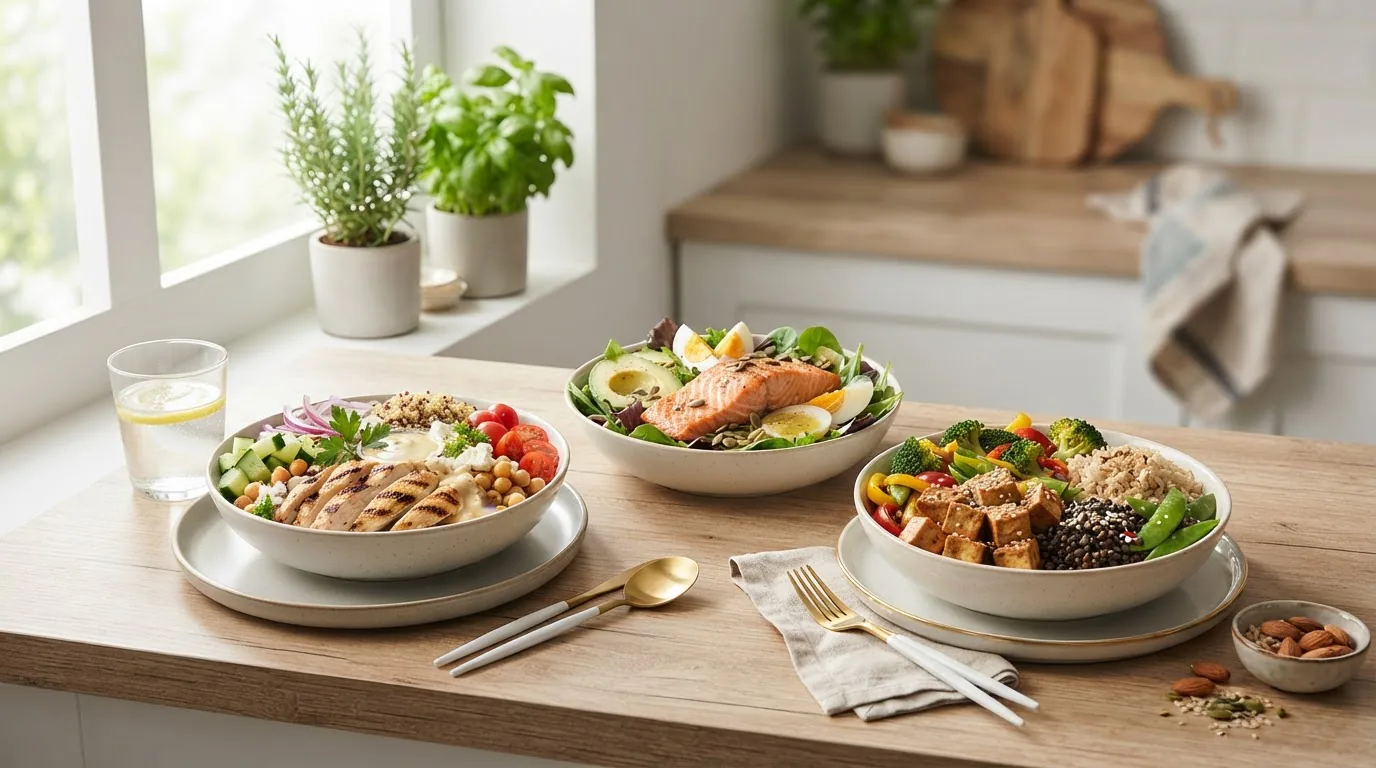
- Pair with fiber-rich foods: Include vegetables, legumes, or whole grains to increase satiety and fiber intake. For pairing ideas, see fiber-rich foods to pair with meat.
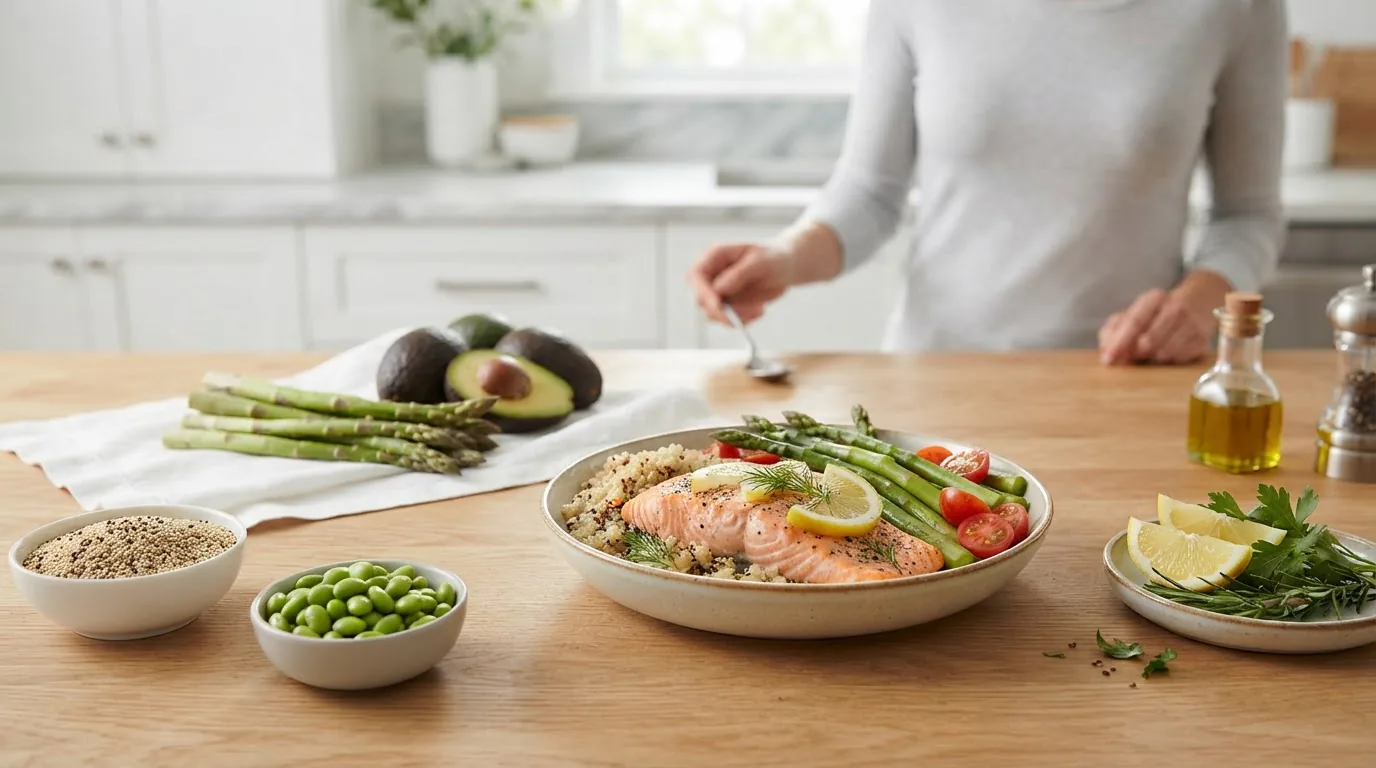
- Prep ahead with clean recipes: Batch-cook lean proteins and use simple seasoning, herbs, and citrus to keep meals healthy and flavorful. For recipe ideas, see clean protein meal ideas.
Extra tip: If you need help integrating lean meats while keeping saturated fat low, combine smaller portions of red meat with larger portions of fish or poultry across the week.
Transition: Below are concise FAQ answers to common questions readers ask about healthy meat choices.
Frequently Asked Questions About Healthy Meat Choices
Quick answers to common practical questions about meat selection, health impact, and preparation.
Frequently Asked Questions
What are the healthiest meats for you to eat regularly?
The healthiest meats to eat regularly are lean poultry (skinless chicken and turkey), lean white fish (cod, haddock), fatty fish (salmon for omega-3s), shellfish, and lean cuts of pork, beef, bison, or venison. Prioritize unprocessed, trimmed cuts for nutrient density with lower saturated fat.
How do lean meats compare to processed meats in terms of health benefits?
Lean unprocessed meats provide complete protein and essential micronutrients with lower saturated fat if trimmed, while processed meats often contain added sodium, nitrates/nitrites, and are linked to higher cancer and mortality risk in epidemiologic studies; limit processed meats.
How can I tell if a cut of meat is truly lean and healthy?
Look for low visible fat, smaller marbling, and labels like “loin” or “round” for beef/pork. Check nutrition facts: aim for <6 g total fat per 100 g cooked and lower saturated fat. Remove skin and trim fat to reduce calories and saturated fat further.
What are the best cooking methods to keep meat healthy and nutritious?
Baking, poaching, steaming, sous vide, and light pan-searing keep meats moist without adding much fat. Avoid prolonged high-heat charring; marinating and trimming fat reduce harmful compound formation while preserving nutrients.
How much lean meat should I eat daily for optimal health?
Generally, 1–3 servings of lean meat (about 85–120 g cooked per serving) per day fits many adults’ protein needs; adjust for age, activity, and health goals. Follow Dietary Guidelines and consult a healthcare provider for personalized advice.
Why might some meats raise my cholesterol or affect heart health?
Meats high in saturated fat can raise LDL cholesterol, increasing heart disease risk over time. Choose lean cuts, fish, and poultry, limit processed meats, and pair with heart-healthy fats and fiber to mitigate risk.
Are grass-fed meats healthier than grain-fed meats?
Grass-fed ruminant meats often have slightly lower total fat and better omega-3 and CLA profiles than grain-fed animals, but nutrient differences are modest; choose based on nutrition priorities, taste, availability, and environmental preferences.
How can I avoid chemicals or contaminants in meat products?
Buy from reputable suppliers, choose minimally processed products, follow local advisories for fish mercury, consider certified labels for antibiotic/hormone-free claims, and cook properly. Store and handle meats safely to avoid foodborne contaminants.