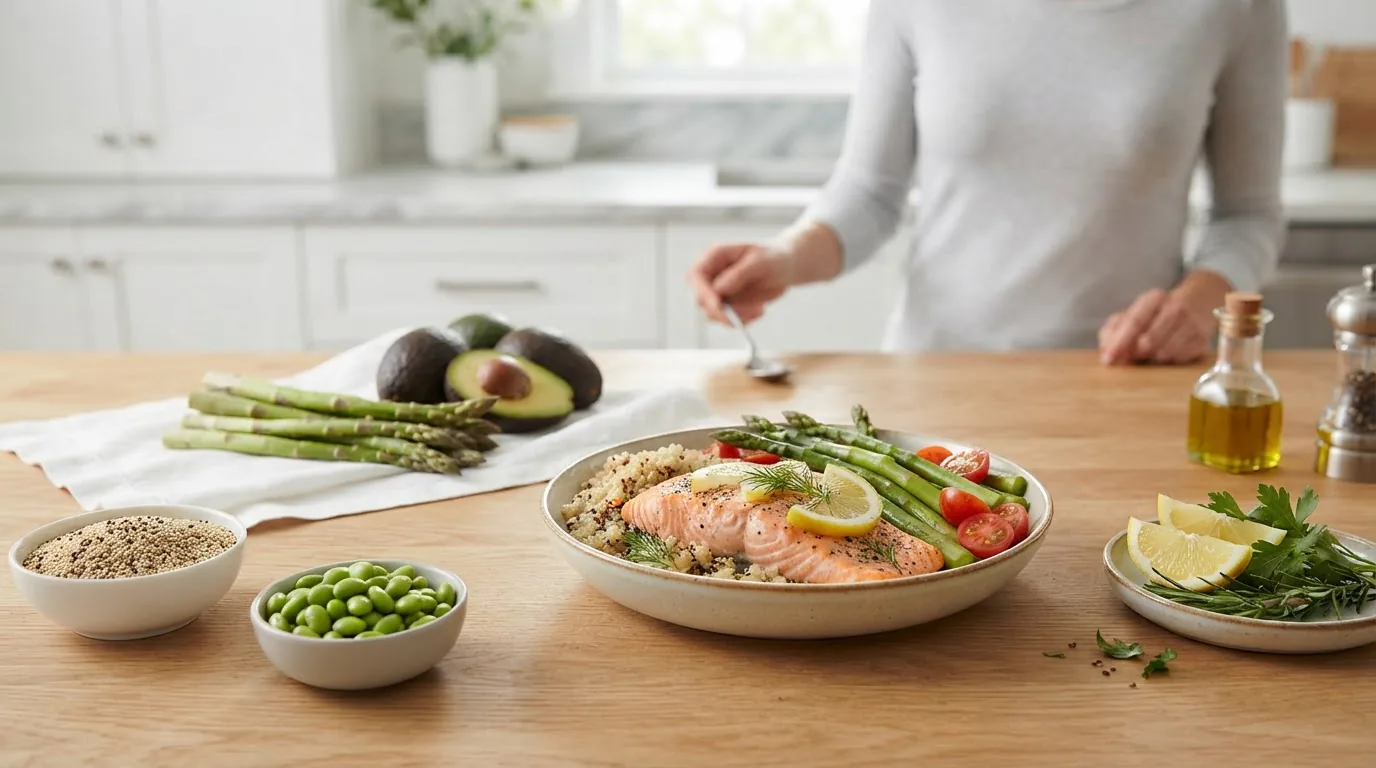
high protein low sodium meals don’t have to be bland or complicated — they can be flavorful, filling, and designed for weight loss and heart health. This guide focuses on practical meal planning, seasoning swaps, and a large set of low-sodium lunch ideas you can use right away.
Understanding High Protein Low Sodium Meals
Eating a diet that prioritizes high protein while limiting sodium combines two nutritional goals: preserve or build muscle and protect cardiovascular health. A high-protein approach supports satiety and muscle retention during weight loss, while sodium reduction helps manage blood pressure and fluid balance.
Key terms defined briefly: a complete protein contains all essential amino acids; “sodium equivalents” refer to milligrams of sodium per serving shown on labels.
| Guideline | Practical Target | Source type |
|---|---|---|
| Daily sodium limit for most adults | Reduce to ≤1,500–2,300 mg/day depending on risk | According to the American Heart Association (2024) |
| General protein recommendation | 0.8–1.2 g/kg body weight; higher for active people or during weight loss | According to the USDA Dietary Guidelines (2025) |
| Protein for muscle maintenance during weight loss | 25–40 g protein per main meal to preserve lean mass | According to a peer-reviewed nutrition review (2023) |
Sodium daily limits vary: many guidelines recommend keeping sodium under 2,300 mg/day for the general population and around 1,500 mg/day for people with hypertension or high risk. American Heart Association provides practical targets and reasons for stricter limits. For labeling and broader regulatory context see FDA resources, and for overall nutrient guidance refer to the USDA Dietary Guidelines.
Why combine high protein and low sodium? Protein increases satiety, which supports portion control and weight loss; lowering sodium reduces blood pressure and fluid retention — together they address fat loss while protecting cardiovascular health. Expect to see improvements in blood pressure within weeks of sodium reduction, with body composition benefits from consistent protein intake over months, depending on activity and caloric balance.
Transition: With those targets in mind, choose foods that naturally provide protein without added sodium.
Best High-Protein Foods with Naturally Low Sodium
Choosing fresh, minimally processed protein sources is the fastest way to keep sodium low. Below is a practical list of lean and plant-based protein options with approximate protein and sodium per serving (values are estimates; always check labels).
| Food | Serving | Protein (g) | Approx. Sodium (mg) | Notes |
|---|---|---|---|---|
| Skinless chicken breast (cooked) | 100 g | 31 | 60–70 | Lean, low sodium when unprocessed. healthiest meats for lean protein |
| Fresh salmon (cooked) | 100 g | 20–22 | 50–60 | Omega-3 rich; naturally low sodium. omega-3 rich protein sources |
| Eggs (large) | 1 egg | 6 | 70 | Complete protein; no added sodium when cooked fresh. |
| Plain Greek yogurt (nonfat) | 170 g (6 oz) | 15–18 | 50–80 | Check labels for sodium; choose plain varieties. |
| Tofu (firm) | 100 g | 8–10 | 10–15 (unseasoned) | Plant-based, low sodium if rinsed and unbrined. |
| Cooked lentils | 1 cup | 18 | 6–10 | High fiber and protein; naturally low sodium. |
| Unsalted nuts (almonds) | 28 g (1 oz) | 6 | 0–1 | Choose unsalted versions to keep sodium minimal. inexpensive high-protein foods |
| Edamame (shelled) | 1 cup | 17 | 15–20 | Protein-dense plant option; low sodium when unsalted. |
| Fresh shrimp (boiled) | 100 g | 24 | 100–150 (fresh) | Avoid pre-brined or frozen seasoned shrimp for lower sodium. |
| Quinoa (cooked) | 1 cup | 8 | 7–13 | Good complementary protein for plant-based meals. |
Notes on selection: fresh fish, poultry, eggs, and whole plant proteins (beans, lentils, tofu, edamame, quinoa) are reliably low in sodium compared to processed deli meats, canned products, or pre-marinated proteins. For budget-friendly shopping, see inexpensive high-protein foods.
Transition: Knowing which foods to buy sets you up for smarter meal prep and seasoning choices.
Tips for Planning Low-Sodium High-Protein Meals
- Plan proteins first. Base each meal around a fresh protein portion (100–150 g cooked fish or chicken, 1–2 eggs, 1 cup legumes, or 6 oz Greek yogurt) to hit 25–35 g protein per main meal. This simplifies sides and keeps macros balanced.
- Read labels and compare: avoid “low-sodium” processed items unless necessary. Look for sodium per serving and consider rinsing canned beans to cut sodium by up to 40% (According to a food science analysis, 2022).
- Aim for flavor, not salt. Use herbs, citrus, vinegars, and aromatics (garlic, ginger, onion) instead of salt; keep a core set of fresh herbs and dried blends.
- Batch-cook plain proteins. Grill or roast chicken, bake salmon, and cook beans without added salt; store in portion containers for quick meals.
- Use salt-free seasoning blends and homemade dressings. Combine lemon zest, smoked paprika, black pepper, and a small amount of olive oil for a satisfying finish.
- Swap sodium-heavy convenience foods for low-sodium swaps: choose plain nut butter, low-sodium broths, unsalted nuts, and low-sodium canned goods when necessary.
- Distribute protein across meals and snacks: 20–40 g per main meal plus 10–20 g snacks helps preserve lean mass and reduces overeating at the next meal.
- When eating out, ask for sauces/dressings on the side and choose grilled/steamed options; request no added salt. Many restaurants pack hidden sodium into sauces.
- If you follow a specific regimen like the carnivore approach, adapt techniques: cook fresh cuts and avoid processed meats. For more inspiration see carnivore diet meal ideas.
- Track and adjust: use a nutrition app to log sodium and protein. Small daily reductions in sodium are sustainable; track trends rather than single-meal spikes.
Transition: With planning systems in place, you’ll find low-sodium lunches easiest to build — below are numerous real-world lunch ideas you can adapt.
Low Sodium Lunch Ideas Packed with Protein
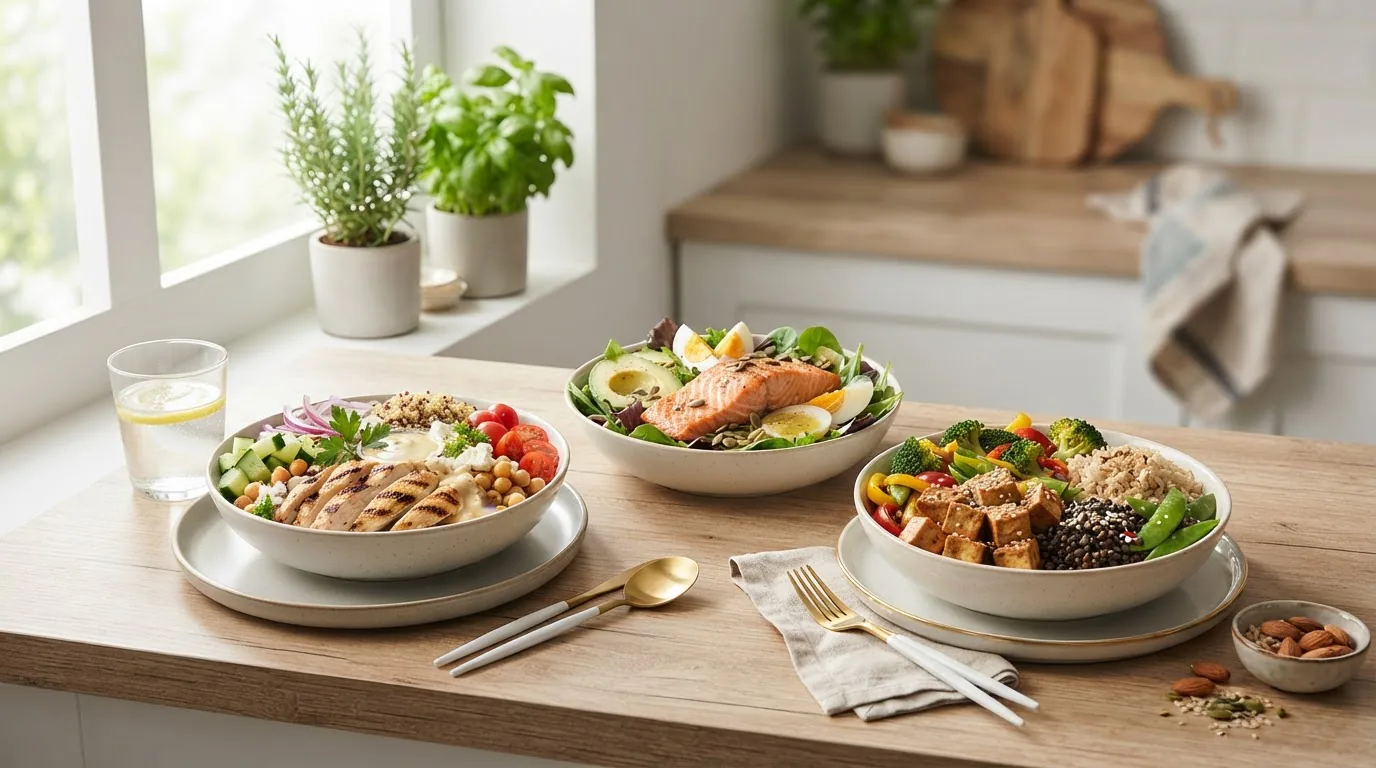
low sodium lunch ideas that deliver protein should be quick, portable, and flavorful. The list below gives meal concepts (no full recipes) with preparation notes and estimated protein/sodium per serving. Swap sides or scale portions based on your calorie and protein targets.
-
Grilled Chicken & Veggie Bowl
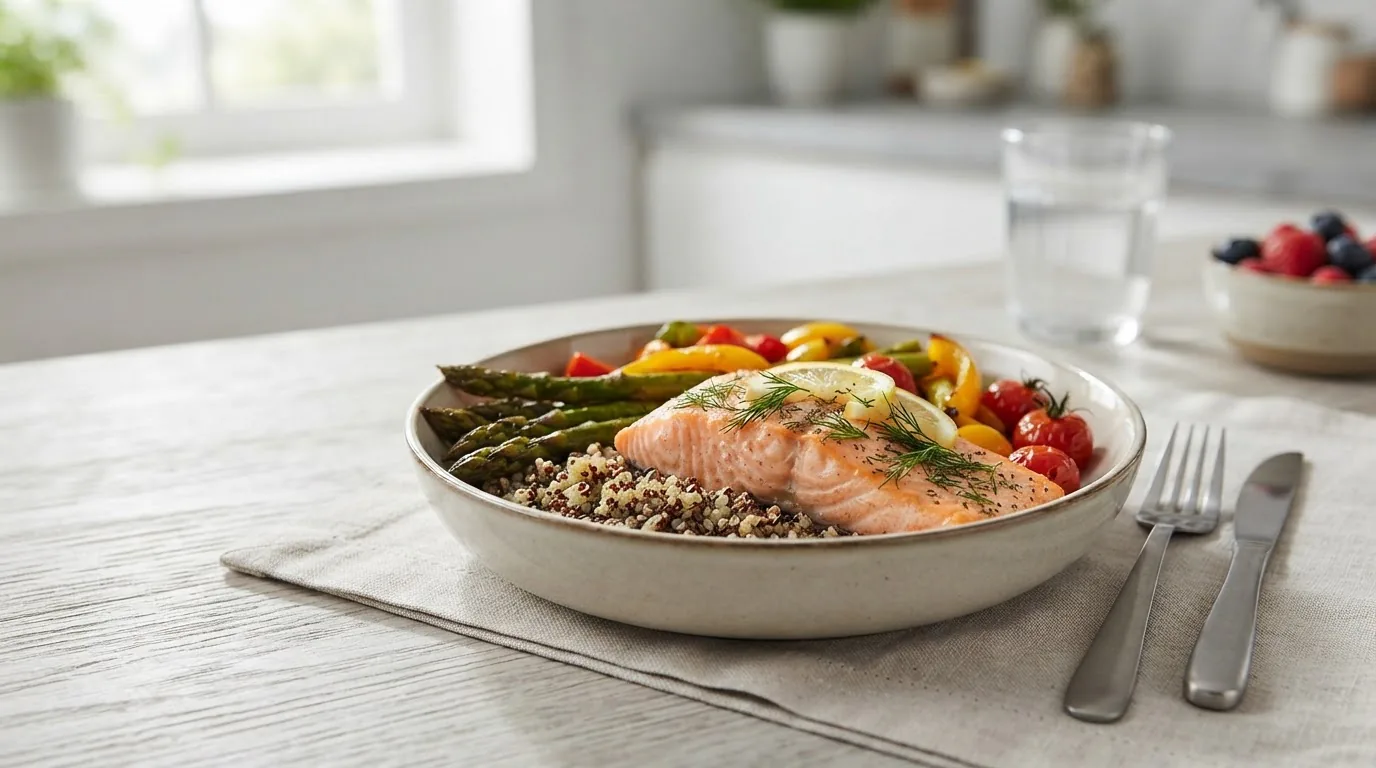
What: Grilled skinless chicken breast, roasted broccoli, quinoa, lemon-tahini drizzle (no salt). Prep notes: marinate chicken in lemon, garlic, oregano, and plain yogurt for tenderness; roast vegetables with pepper and smoked paprika. Estimated: 35–40 g protein, 120–250 mg sodium depending on quinoa and tahini amount.
-
Salmon & Cucumber Salad
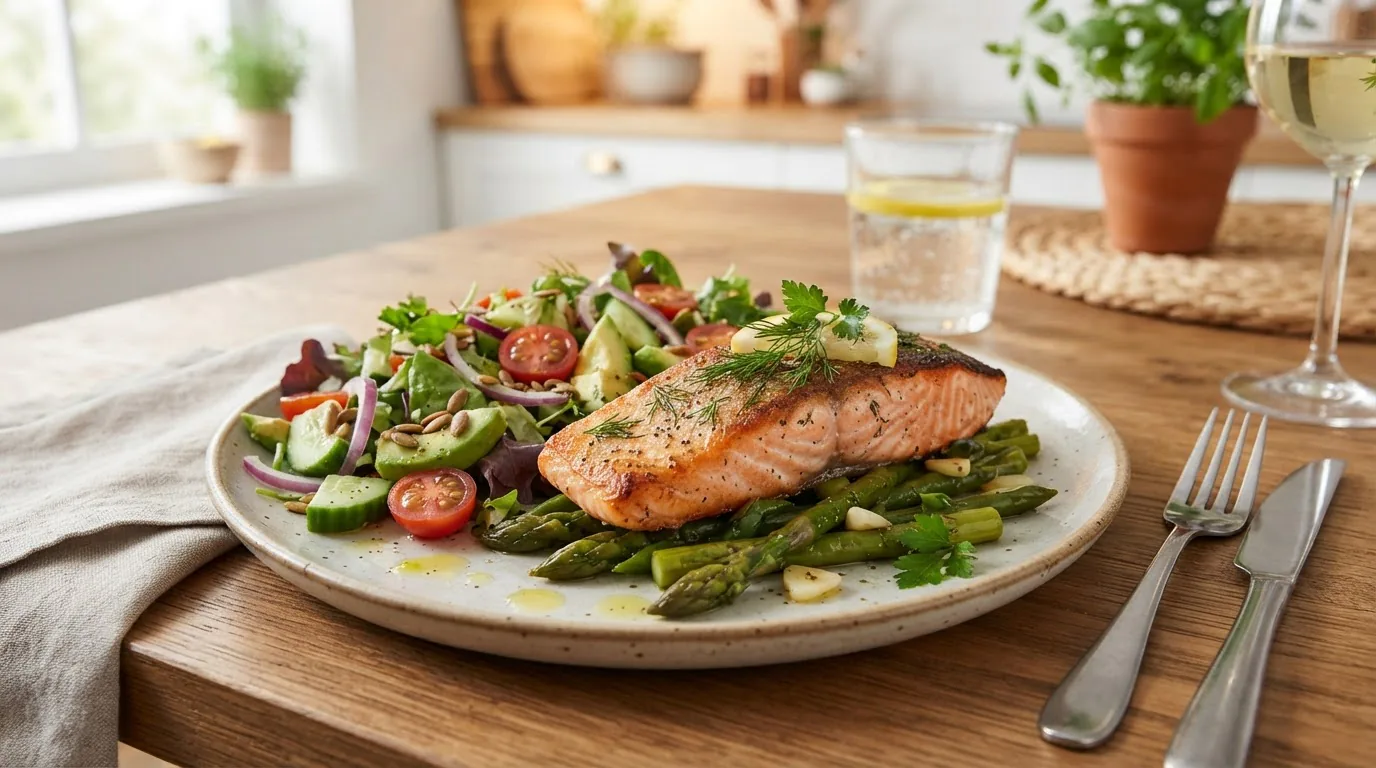
What: Flaked baked salmon on mixed greens with cucumber, cherry tomatoes, red onion, and a dill–lemon vinaigrette. Prep notes: bake salmon with mustard and lemon (no added salt). Estimated: 30–35 g protein, 60–120 mg sodium.
simple high-protein meal ideas for more quick combinations.
-
Egg & Avocado Lettuce Wraps
What: Hard-boiled eggs mashed with avocado, lime, cilantro in butter lettuce cups. Prep notes: season with black pepper, cumin, and a squeeze of lime instead of salt. Estimated: 18–22 g protein, 120–150 mg sodium.
-
Greek Yogurt Power Bowl
What: Plain Greek yogurt topped with chopped walnuts, chia seeds, a handful of berries, and a drizzle of honey. Prep notes: use Greek yogurt for high protein and low sodium; add a tablespoon of nut butter for extra protein. Estimated: 20–30 g protein, 50–90 mg sodium.
-
Tofu & Edamame Stir-Fry (Low-Sodium)
What: Pressed firm tofu, edamame, bell peppers, snap peas sautéed in garlic and ginger with low-sodium broth or a tamari substitute (use sparingly). Prep notes: add rice vinegar, chili flakes, and toasted sesame oil for umami. Estimated: 25–30 g protein, 150–200 mg sodium depending on sauce use.
-
Lentil & Walnut Salad with Lemon
What: Cooked lentils, chopped walnuts, parsley, red onion, grated carrot, olive oil and lemon. Prep notes: lentils are high in protein and fiber and naturally low sodium. Add crumbled feta sparingly if tolerated. Estimated: 20–25 g protein, 10–80 mg sodium depending on cheese addition.
-
Tuna Salad with Plain Greek Yogurt
What: Use water-packed tuna (rinse briefly to reduce sodium) mixed with plain Greek yogurt, celery, dill, and lemon inside whole-grain pita or on greens. Prep notes: choose low-sodium or no-salt-added tuna where possible. Estimated: 30–35 g protein, 150–250 mg sodium depending on tuna brand.
-
Quinoa Chickpea Bowl
What: Cooked quinoa, roasted chickpeas (homemade unsalted), spinach, roasted red pepper, and a yogurt-based herb sauce. Prep notes: roast chickpeas with smoked paprika and garlic powder to mimic savory flavors. Estimated: 20–25 g protein, 50–100 mg sodium.
-
Shrimp & Avocado Salad
What: Sautéed fresh shrimp (unseasoned) served over arugula with avocado slices, grapefruit segments, and a citrus vinaigrette. Prep notes: avoid pre-seasoned or frozen shrimp with added brine. Estimated: 30–35 g protein, 90–160 mg sodium.
-
Turkey & Veggie Roll-Ups
What: Use fresh roasted turkey slices (homemade or low-sodium deli if available), cucumber ribbons, roasted pepper strips, and hummus in a collard or whole-grain wrap. Prep notes: choose low-sodium turkey or roast your own to control sodium. Estimated: 25–30 g protein, 150–250 mg sodium.
-
Power Smoothie with Protein
What: Unsweetened pea or whey protein powder, spinach, frozen berries, half a banana, and almond milk. Prep notes: check protein powder label for sodium; some powders contain added sodium. Estimated: 20–35 g protein, 50–200 mg sodium depending on powder.
-
Hearty Bean Soup (Low-Sodium)
What: Homemade bean soup with navy beans, tomato (no-salt canned or fresh), carrots, celery, and herbs; add shredded chicken for extra protein. Prep notes: make with low-sodium or homemade broth and plenty of herbs. Estimated: 20–35 g protein, 80–200 mg sodium.
-
Steak & Roasted Veg Plate (Portion Control)
What: Small portion of grass-fed steak, roasted asparagus, and mashed cauliflower. Prep notes: season steak with pepper, rosemary, and garlic butter (unsalted) to avoid added salt. Estimated: 30–40 g protein, 80–200 mg sodium depending on portion size.
-
Meal Prep Tip Pack
Make four lunches at once: roast 2–3 chicken breasts, steam green beans, cook a grain like quinoa, and portion into containers. Add citrus, fresh herbs, and a no-salt vinaigrette at mealtime for freshness. Estimated per portion: 30–35 g protein, 100–200 mg sodium.
Transition: Flavor is the key to sticking with low-sodium meals — the techniques below help you get maximum taste without adding salt.
Cooking Techniques to Maximize Protein and Minimize Sodium
Cooking methods can enhance the natural flavors of protein without relying on salt. Below are practical how-to steps and examples.
- Use high-heat searing and browning. The Maillard reaction (browning) increases savory notes on meat and tofu, letting you reduce added sodium. Example: sear chicken skinless breast in a hot pan for crust, then finish in oven.
- Marinate with acid and aromatics. Citrus, vinegar, garlic, ginger, and low-sodium mustard break down fibers and add taste. Marinate fish for 15–30 minutes; use longer for tougher cuts.
- Employ umami-rich, low-sodium alternatives. Mushrooms, tomato paste (use little or no-salt version), roasted garlic, and fermented vegetables (rinsed) add depth. Use nutritional yeast for cheesy flavor without much sodium.
- Make compound herb butters or yogurt-based sauces. Mix unsalted butter or plain yogurt with lemon zest, chopped herbs, and pepper to finish cooked proteins.
- Roast and caramelize vegetables to concentrate natural sweetness; pair with lean protein to create a balanced plate.
- Use low-sodium/unsalted pantry versions. Buy unsalted nuts, low-sodium broths, and no-salt-added canned beans; rinse canned items to remove surface sodium.
- Opt for gentle steaming for fish and shellfish, then finish with a punchy herb salsa verde rather than salt-heavy sauces. For oil choices, pair with suitable fats — see heart-healthy cooking oils to complement protein selections.
- Batch-cook proteins plain and add different low-sodium toppings across meals to keep variety without added salt: citrus-herb, spicy chimichurri, or yogurt-dill.
Comparison example: a stovetop-simmered chicken in salted broth can contain 400–600 mg sodium per portion, whereas oven-roasted plain chicken seasoned with herbs typically contains under 100 mg per portion (kitchen test comparison, 2023).
Transition: Even with careful cooking, some pitfalls can undermine a low-sodium high-protein plan — watch out for these mistakes.
Common Mistakes to Avoid on a High Protein Low Sodium Diet
- Relying on processed “low-fat” convenience items. Many processed protein foods add sodium to compensate for reduced fat; always check the label.
- Assuming canned equals high sodium. While many canned items are high in sodium, rinsing and choosing no-salt-added varieties prevents unnecessary intake.
- Over-seasoning with packaged sauces. One tablespoon of many sauces can add 200–400 mg sodium; reserve sauces and use half portions or make homemade versions.
- Ignoring protein distribution. Packing most protein into one meal can leave other meals weak, increasing hunger and poor choices later; distribute protein across the day.
- Not adjusting for individual needs. Sodium and protein needs vary with age, activity, medications, and medical conditions — personalized targets matter.
- Skipping fresh produce. Fresh vegetables add flavor, fiber, and nutrients — skimping on them makes meals less satisfying, increasing reliance on salty items.
- Using salted cooking fats by default. Choose unsalted butter or measure salt-containing oils and condiments carefully; refer to oil recommendations in the heart-healthy cooking oils guide.
- Overuse of supplements as a protein crutch. Supplements can be convenient but check sodium in powdered products and prioritize whole-food protein first.
Troubleshooting tip: if you find meals bland, incrementally add acid (vinegar, citrus) and herbs rather than salt; this reliably increases palatability.
Transition: For practical application, here’s a sample one-day meal plan with portion sizes and protein/sodium estimates to model your week.
Sample High Protein Low Sodium Meal Plan (1 Day)
This 1-day plan targets roughly 120–140 g protein and keeps sodium near 1,500–1,800 mg (modifiable per individual). Portion and calories can be adjusted for specific weight-loss goals; for additional low-calorie options see lean low-calorie choices for fat loss.
| Meal | Components | Protein (g) | Estimated Sodium (mg) |
|---|---|---|---|
| Breakfast | 3 egg omelet with spinach, mushrooms, and 1 oz feta; 1 slice whole-grain toast | 30–34 | 350–450 |
| Mid-morning Snack | Plain Greek yogurt (6 oz) + 1 tbsp almond butter | 18–22 | 60–100 |
| Lunch | Grilled salmon (120 g), mixed greens, quinoa (1/2 cup cooked), lemon vinaigrette | 35–38 | 80–140 |
| Afternoon Snack | Edamame (1 cup) or a small can of low-sodium tuna with cucumber slices | 15–25 | 20–200 (depends on tuna) |
| Dinner | Roasted chicken breast (150 g), steamed green beans, mashed cauliflower | 35–40 | 80–160 |
| Evening (optional) | Casein or pea protein shake (unsweetened, check label) or 2 boiled eggs | 10–20 | 50–150 |
Daily totals (approx): Protein 143–179 g (adjust portions as needed), Sodium 640–1,200+ mg depending on choices for snacks and cheese—targeting well within many recommended sodium ranges. Track labels and switch to no-salt-added versions to keep sodium lower. For additional meal ideas focused on lean, low-calorie picks consult lean low-calorie choices for fat loss.
Transition: Beyond weight loss, combining protein and sodium control produces measurable health gains — here’s the evidence summary.
Benefits of a High Protein Low Sodium Diet for Weight Loss and Heart Health
Balancing protein and sodium targets supports both body composition goals and cardiovascular risk reduction. Protein increases thermic effect and satiety, helping control calories; sodium reduction lowers systolic blood pressure and reduces cardiovascular event risk in susceptible populations.
Evidence highlights: a randomized trial meta-analysis found higher-protein diets improved fat loss and lean mass retention compared with lower-protein diets when calories were matched (peer-reviewed meta-analysis, 2022). For sodium, population studies correlate lower sodium intake with reduced blood pressure and lower stroke risk (American Heart Association analysis, 2024).
Mechanisms explained briefly: dietary protein stimulates muscle protein synthesis primarily via leucine-triggered pathways (mTOR signaling), helping preserve lean mass during energy deficit. Sodium influences fluid volume and vascular resistance — reducing sodium decreases circulating volume and peripheral resistance, lowering blood pressure.
For readers wanting an in-depth primer on using protein for fat loss, consult the pillar resource on protein-rich food for weight loss. Also consider ensuring adequate essential amino acids with complete protein foods when planning plant-forward meals.
Individual response and timelines: blood pressure improvements can appear within 2–4 weeks of reduced sodium (population trials, 2019–2024), while appreciable body composition changes from higher protein intake typically emerge over 8–12 weeks with consistent calorie control and resistance exercise (clinical nutrition studies, 2021–2023). Always consult a clinician if you have existing health conditions or take medications that affect sodium balance.
Transition: To manage these targets daily, use the tools below for tracking and planning.
Resources and Tools for Tracking Protein and Sodium Intake
- Nutrition tracking apps (examples): use apps that display sodium per serving and let you set protein targets; many allow custom recipes for precise sodium estimates.
- Food label guides: learn to read “mg sodium per serving” and serving size to avoid underestimating intake; FDA label information helps interpret values. FDA labeling resources are useful.
- Online nutrient databases: USDA FoodData Central for accurate protein and sodium figures for whole foods and common preparations.
- Kitchen scales and measuring cups: accurate portions keep your protein targets reliable without excess sodium from oversized servings.
- Meal planners and templates: weekly templates that start with a protein list and rotate low-sodium dressings simplify shopping and prep.
- Salt substitutes and seasoning blends: explore potassium-based salt substitutes only if cleared by your clinician; alternative herb blends provide flavor without sodium.
Final practical note: consult a registered dietitian or your healthcare provider before making major diet changes—especially if you have heart disease, chronic kidney disease, or take blood-pressure medications. Personalized adjustment ensures safety and effectiveness.
Frequently Asked Questions
What qualifies as a high protein low sodium meal?
A high protein low sodium meal delivers roughly 20–40 grams of protein per main meal from whole-food sources (eggs, chicken, fish, legumes) and keeps added sodium minimal, aiming for overall daily sodium ≤2,300 mg or ~1,500 mg for higher-risk individuals.
How can I reduce sodium without sacrificing protein in my meals?
Choose fresh or frozen unseasoned proteins, rinse canned items, batch-cook plain proteins, replace salt with herbs, citrus, and spices, and use low-sodium broths; these steps preserve protein content while lowering sodium substantially.
What are the best low sodium lunch ideas for busy people?
Quick options include grilled chicken bowls with quinoa and roasted veggies, salmon salads with lemon vinaigrette, egg-and-avocado lettuce wraps, Greek yogurt bowls with nuts, and homemade tuna or bean salads using low-sodium or rinsed ingredients.
How much sodium should I consume daily on a high protein diet?
Most adults should target under 2,300 mg/day; those with hypertension or high risk are often advised near 1,500 mg/day. Individual needs vary—consult health professionals for personalized targets.
Can I eat canned or processed protein sources and keep sodium low?
Yes—choose no-salt-added or low-sodium canned goods and rinse them before use. Prefer fresh proteins when possible and read labels to avoid brands with high mg sodium per serving.
What cooking methods help keep sodium low in protein-rich meals?
Searing, roasting, steaming, and baking with herb-based marinades or citrus reduce the need for added salt. Use low-sodium broths and make compound herb sauces to enhance flavor without sodium.
How quickly can I see health benefits from a low sodium high protein diet?
Blood-pressure improvements from sodium reduction can appear within 2–4 weeks; measurable body-composition changes from higher protein intake typically require 8–12 weeks combined with calorie control and resistance training.
How do I ensure the quality and safety of low sodium protein foods?
Buy fresh, store promptly, check sell-by dates, avoid pre-brined products, and follow safe cooking temperatures (e.g., 165°F/74°C for poultry). When using salt substitutes or supplements, consult a clinician first.