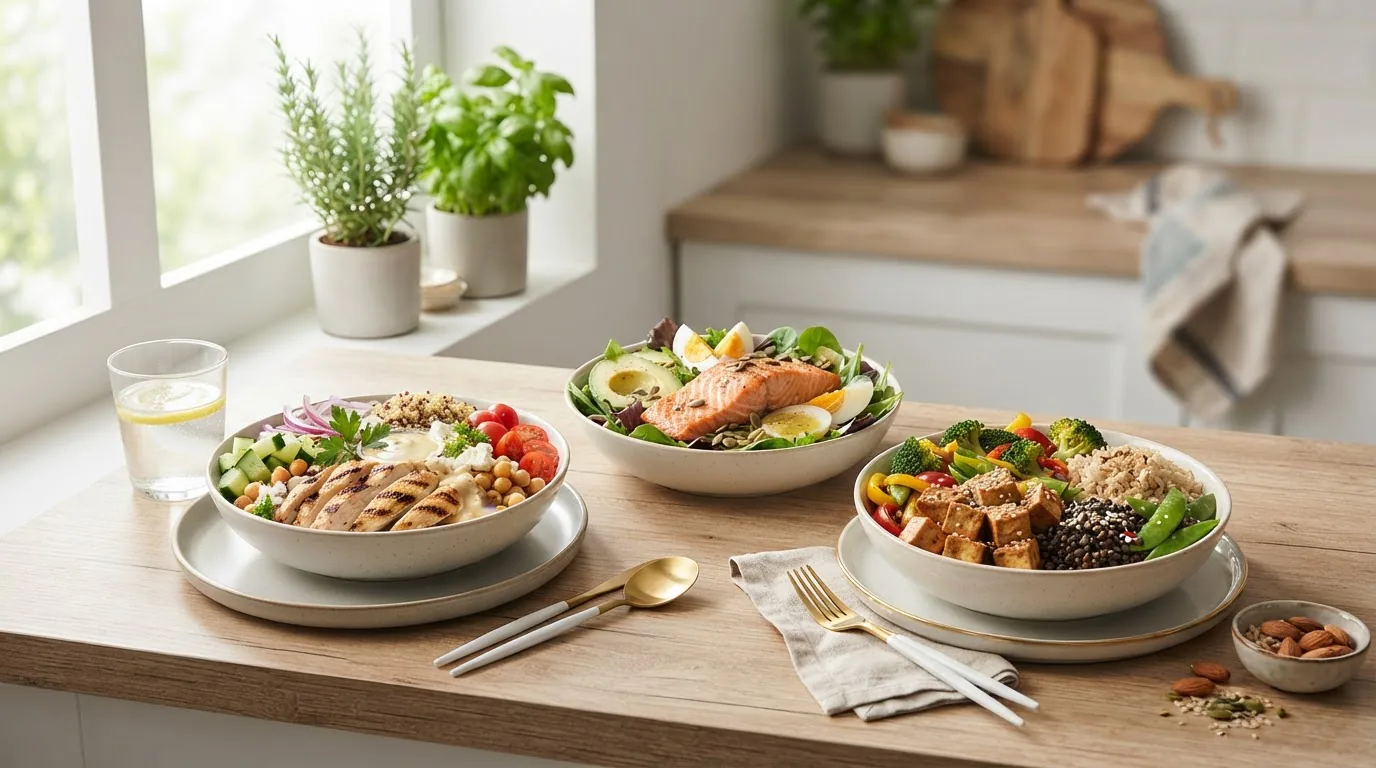
High protein lunch ideas that are quick, portable, and nutrient-dense keep your energy steady and curb afternoon cravings — perfect for busy workdays and on-the-go schedules. This guide walks you through practical foods, easy recipes, meal-prep strategies, and diet-specific swaps so you can pack satisfying, protein-packed lunches every day.
Why Choose High Protein Lunches?
High-protein lunches fuel recovery, sustain energy, and increase fullness between meals. Compared with carbohydrate-heavy or low-protein lunches, meals with concentrated protein help preserve lean mass during weight loss, support muscle recovery after morning workouts, and reduce mid-afternoon snacking by delivering longer-lasting satiety benefits. These effects stem from protein’s role in muscle protein synthesis and its influence on appetite-regulating hormones.
For many working adults, a midday meal that balances protein with fiber and healthy fats stabilizes energy and cognitive performance through the afternoon. Protein slows gastric emptying, moderates post-meal blood glucose spikes, and increases peptide YY and GLP-1 hormones tied to fullness — mechanisms explored in clinical nutrition literature. For example, according to a 2022 peer-reviewed study in The Journal of Nutrition, higher-protein meals increased satiety and reduced energy intake at later meals in controlled trials.
If your goal is fat loss, reach for lean low-calorie protein foods — they provide the same muscle-preserving benefits without excess calories. lean low-calorie protein foods are smart midday choices for calorie-controlled plans. For a deeper guide to tailoring protein for weight loss, check our pillar on protein rich food for weight loss.
Practical takeaway: aim for 20–40 grams of protein at lunch for most active adults to support satiety and muscle maintenance; individual needs vary by body size and goals. According to a 2024 industry report from the USDA, typical protein portions in lunch meals range widely, so planning helps hit targets consistently.
Transition: Now that you understand why protein matters at midday, let’s explore the best lunch-suitable protein foods to include in your rotation.
Top High Protein Lunch Foods to Include
Choose foods that fit your schedule, kitchen access, and dietary preferences. Below are practical high-protein options optimized for lunchtime meals, with notes on serving size and combination ideas. This list focuses on lunch-suitable choices rather than exhaustive meat or complete-protein lists covered in other guides.
- Cooked lean poultry — Chicken breast or turkey breast: ~25–30 g protein per 3–4 oz cooked. Versatile for salads, wraps, or grain bowls. Pair with fiber-rich greens and a small portion of healthy fat to increase satiety.
- Eggs and egg-based dishes — 1 large egg ≈ 6 g protein. Hard-boiled eggs are portable and excellent in lunchboxes or atop salads; egg salads made with Greek yogurt are higher-protein swaps for mayo.
- Fish and seafood — Tuna, salmon, shrimp: 20–25 g protein per 3–4 oz cooked. Fatty fish add omega-3s for heart and brain benefits; canned tuna or salmon offers convenience for work lunches.
- Lean pork cuts — Tenderloin or lean ham: 20–25 g protein per 3–4 oz cooked. Good in sandwiches or paired with roasted vegetables.
- Low-fat dairy — Greek yogurt, skyr, cottage cheese: 15–20 g protein per cup. Use as bases for bowls, dressings, or add-ins to fruit and nuts for a balanced lunch.
- Legumes — Lentils, chickpeas, black beans: 8–18 g protein per cooked cup depending on type. Combine legumes with grains (e.g., rice, quinoa) or cheese to approach complete amino acid profiles.
- Tofu and tempeh — Tofu (10–20 g per serving), tempeh (~15–20 g per 3–4 oz). Work-friendly when baked, pan-seared, or crumbled into salads and wraps for vegetarian lunches.
- Edamame and soy snacks — Shelled edamame: ~17 g per cup. Convenient, shelf-stable frozen or steamed quick-prep options for protein-rich sides.
- Lean ground meats — Ground turkey or lean beef (90/10 to 93/7): 20–25 g protein per 3–4 oz. Use in lettuce wraps, quick tacos, or grain bowls.
- Protein-rich grains — Quinoa (~8 g per cooked cup) and farro: add to salads and bowls to boost meal protein when combined with beans or dairy.
- Protein bars and ready-to-eat items — Choose options with real-food ingredients and 10–20 g protein; watch added sugar and sodium. These are handy backups for truly on-the-go lunches.
- Nuts and seeds — Almonds, pumpkin seeds: 5–8 g protein per ounce. Use as toppers for salads or in homemade trail mixes paired with dried fruit for energy and healthy fats.
Budget options: for inexpensive high-protein foods like canned tuna, eggs, canned beans, and Greek yogurt, you can build many cost-effective lunches. inexpensive high-protein foods are especially useful when prepping weekly lunches.
For more detail on animal protein nutrition, cooking methods, and lean cuts suitable for lunch, see our guide on lean protein choices. And if you want complete amino acid options for balanced meals, check the complete protein sources guide.
Transition: With these staples in mind, the next section offers concrete, quick recipes and packing tips you can use for work and travel days.
Quick and Easy High Protein Lunch Ideas for Work and On-the-Go
Below are 30 grab-and-go or short-prep lunch ideas separated by format (salads, bowls, sandwiches, snacks) with quick recipes and packing tips that work for busy schedules. Many are meal-prep friendly and scale well for weekly batches. These are chosen to maximize protein while keeping prep time low.
- Greek chicken salad jar — Layer chopped cooked chicken breast (3–4 oz), cherry tomatoes, cucumber, olives, red onion, and ½ cup feta in a mason jar. Add dressing of olive oil and lemon at the bottom or pack separately. Tip: shake into a lunch container before eating for fresh crunch. (30–35 g protein)
- Tuna and white bean salad — Mix canned tuna (in water, drained) with ½ cup canned cannellini beans, parsley, lemon, olive oil, salt, and pepper. Serve over baby spinach or in whole-grain pita. Portable, no reheating needed. (25–30 g protein)
- Egg and avocado toast box — Two hard-boiled eggs, 1 slice whole-grain bread or rice cakes, ¼ avocado, cherry tomatoes. Assemble at lunch so avocado doesn’t brown. Tip: pre-slice avocado and store with lime juice. (20–25 g protein)
- Tempeh and quinoa bowl — Pan-sear cubed tempeh with soy sauce and chili, serve over ¾ cup quinoa and roasted broccoli. Reheat briefly or eat cold. (25–30 g protein)
- Turkey, apple & cheddar roll-ups — Roll deli turkey slices around apple strips and a thin slice of sharp cheddar. Add raw baby carrots or snap peas. Keep wraps chilled. (20–25 g protein)
- Salmon mason jar bowl — Flake canned or cooked salmon over mixed greens with edamame, cucumber, and a dollop of Greek yogurt-dill dressing. Omega-3s boost this portable protein lunch. (25–30 g protein)
- Chickpea tuna-style salad (vegan option) — Mash chickpeas with vegan mayo, mustard, celery, and nutritional yeast; serve on whole-grain bread or lettuce wraps. Great cold and portable. (12–15 g protein)
- Beef and sweet potato meal box — Sliced lean flank steak (3–4 oz), roasted sweet potato cubes, and sautéed greens. Use a thermos if you prefer warm lunches. (30–35 g protein)
- Greek yogurt parfait with nuts — Cup of full-fat or low-fat Greek yogurt, 2 tbsp chopped nuts, 2 tbsp chia seeds, and berries. Quick, high-protein, and satisfying. (20–25 g protein)
- Spicy black bean and quinoa salad — Black beans, cooked quinoa, corn, cilantro, lime, and diced bell pepper. Add shredded rotisserie chicken if you want extra protein. (15–30 g protein depending on additions)
- Shrimp & avocado salad — Chilled cooked shrimp over mixed greens with avocado and vinaigrette. Quick-cooking shrimp can be prepared in minutes. (20–25 g protein)
- Cottage cheese and fruit bowl — 1 cup low-fat cottage cheese topped with pineapple or cherries and a sprinkle of flaxseed. Portable and low-prep. (25–30 g protein)
- Turkey chili in a thermos — Make a lean turkey chili with beans and veggies. Portion into thermoses for hot lunches that last. Freeze individual portions for quick defrosting. (25–35 g protein)
- Tofu stir-fry box — Firm tofu cubes tossed with teriyaki, snap peas, and brown rice. Reheat in microwave-safe containers. (20–25 g protein)
- Protein pancake sandwich — Two high-protein pancakes (using protein powder or oat-based batter) with cottage cheese and sliced turkey or nut butter for a savory-sweet combo. Pack stacked with parchment. (25–30 g protein)
- Sardine avocado toast — Canned sardines on whole-grain toast with smashed avocado and lemon. Sardines bring protein plus omega-3s. (20–25 g protein)
- Chicken shawarma bowl — Sliced spiced chicken, tabbouleh or couscous, pickled veggies, and tzatziki. Assemble in a bowl or jar for convenient lunches. (30–35 g protein)
- Lentil and feta salad — Cooked lentils, chopped cucumber, tomatoes, and crumbled feta with olive oil and lemon. Vegetarian but filling. (18–22 g protein)
- Steak & arugula flatbread — Thin-sliced steak on a whole-grain flatbread with arugula, shaved Parmesan, and a drizzle of olive oil. Quick to assemble from leftovers. (30–35 g protein)
- Salami and cheese picnic box — Choose lower-sodium salami, sliced cheese, whole-grain crackers, olives, and sliced bell pepper. No reheating required; watch portion sizes. (20–30 g protein)
- Edamame and shrimp cold noodle salad — Brown rice noodles, shelled edamame, cold cooked shrimp, and sesame-ginger dressing. Pack chilled. (25–30 g protein)
- Peanut butter and whey smoothie — Whey or plant protein powder, peanut butter, banana, and milk (or plant milk) blended for a liquid lunch. Take in spill-proof bottle. (25–40 g protein)
- Quinoa & turkey stuffed peppers — Bell peppers baked with quinoa, ground turkey, tomatoes, and spices. Make ahead and heat or eat chilled. (25–30 g protein)
- BBQ chicken lettuce wraps — Shredded rotisserie chicken tossed in BBQ sauce, wrapped in romaine leaves with slaw. Minimal dishes, high satisfaction. (25–30 g protein)
- Smoked salmon cucumber bites — Smoked salmon with herbed cream cheese on cucumber rounds. Elegant, portable, and quick. (12–18 g protein)
- Soy-ginger tempeh sandwich — Sautéed tempeh strips, pickled carrots, and greens on whole-grain bread or in a wrap. Satisfying plant-based lunch. (20–25 g protein)
- Protein-packed grain bowl — Mix farro or barley with roasted chickpeas, feta, spinach, and chopped chicken or tofu. Use mason jars for on-the-go packing. (25–35 g protein)
- Asian-style chicken salad with peanuts — Shredded chicken, napa cabbage, scallions, edamame, and crushed peanuts with a lime-sesame dressing. Crunchy and protein-rich. (30–35 g protein)
- Mediterranean chickpea tuna bowl — Tuna and chickpeas with cucumber, tomato, parsley, and olive oil. Serve over greens or whole grains. (30–35 g protein)
- Cold roast beef and horseradish roll — Thin roast beef with horseradish yogurt and arugula on whole-grain roll. Keep chilled until ready to eat. (25–30 g protein)
Tips for packing and portability:
- Use insulated containers or thermoses to keep hot foods hot and chilled packs for cold items.
- Prep elements separately (protein, veg, sauce) to maintain texture; dress salads at lunchtime or keep dressing in a small container.
- Choose microwave-safe meal-prep containers if reheating at work; glass containers are microwave and oven safe and durable.
- Keep condiments and crunchy toppings in small containers to add just before eating and avoid sogginess.
- For truly grab-and-go days, pack a high-protein snack (e.g., Greek yogurt, protein bar, hard-boiled eggs) as a backup.
For more simple high-protein meals and clean-eating recipes to rotate into your work week, see our collection of simple high-protein meals.
Transition: Good lunches start with a plan — next we’ll cover meal-prep strategies to save time and ensure consistent protein intake.
Protein Meal Prep Lunch Strategies
Meal prep reduces decision fatigue and helps you meet protein and macro targets reliably. Below are step-by-step strategies and practical tips for batching, portioning, storing, and balancing macros for lunchtime meals.
1. Plan weekly protein targets
Start by estimating how much protein you want per lunch (commonly 20–40 g). Use portion guides or calculators if needed — for energy planning and cost, check calorie data and the calories per gram of protein. According to a 2024 USDA report, understanding caloric contribution helps avoid unintentional surplus when adding fats and carbs.
2. Batch cook two to three proteins
- Choose 2–3 protein sources (e.g., chicken breast, lentils, and tofu) and cook in bulk on Sunday or twice weekly.
- Season simply so you can vary flavors across meals (e.g., neutral salt and pepper for one batch, spice rub for another).
3. Pre-portion into lunch containers
Use consistent containers for portion control. Aim for one container per day with protein, a fibrous vegetable, a complex carb (if desired), and a small healthy fat. Label with date and rotate cooked batches every 3–4 days unless frozen.
4. Storage and freezer-friendly tips
- Refrigerate cooked proteins for up to 3–4 days; use airtight containers to preserve freshness. According to a 2024 USDA food safety guideline, most cooked proteins remain safe refrigerated for this timeframe.
- Freeze individual portions of soups, chilis, and cooked grains up to 3 months. Thaw in the refrigerator overnight or use a microwave defrost setting.
- Keep dressings and perishable crunchy toppings separate until lunchtime to avoid sogginess.
5. Macro balancing and recalculation
When prepping, target macros for the whole meal: protein (20–40 g), carbs (20–60 g depending on goals), and fats (10–25 g). Use simple tracking tools or our easy high protein meal prep resource for templates and container sizing. According to a 2023 registered dietitian guideline from the Academy of Nutrition and Dietetics, balancing macronutrients at meals supports appetite control and nutrient adequacy.
6. Labeling and rotation system
Label containers with cook dates and use a rotation system: consume within 3–4 days, freeze extras. Keep one “emergency” jar in the freezer for busy weeks — a soup, chili, or grain bowl works well.
7. Quick reheating and freshness hacks
- Add a splash of water when reheating grains to restore moisture, or microwave with a damp paper towel to maintain texture.
- Fresh herbs and a squeeze of lemon added after reheating brighten flavors without extra calories.
- For lunch at work, consider an insulated meal bag with an ice pack to keep cold items safe until midday.
For calculators, container sizing, and a step-by-step prep checklist, consult our detailed easy high protein meal prep page. Also remember that calories and macros change based on ingredients — track with reliable sources like the USDA FoodData Central when precision is needed.
Transition: Meal prep is flexible across diets. Next, see how to adapt high-protein lunches for different dietary preferences.
High Protein Lunch Ideas for Different Diet Preferences
Below are grouped lunch ideas and swaps to meet vegetarian, vegan, low-carb, gluten-free, paleo, and carnivore preferences. Choose from quick swaps and sample meals specifically tailored to each approach.
| Diet Preference | Protein Targets per Lunch | Lunch Ideas / Swaps |
|---|---|---|
| Vegetarian | 20–35 g | Greek yogurt & walnut bowl; lentil & feta salad; tofu stir-fry; cottage cheese with fruit. See vegetarian high protein lunches for recipes. |
| Vegan | 20–35 g (combine sources) | Tempeh quinoa bowl; chickpea “tuna” salad; edamame and veggie grain bowl. Combine legumes + grains for complete profiles; consult our vegan protein sources. |
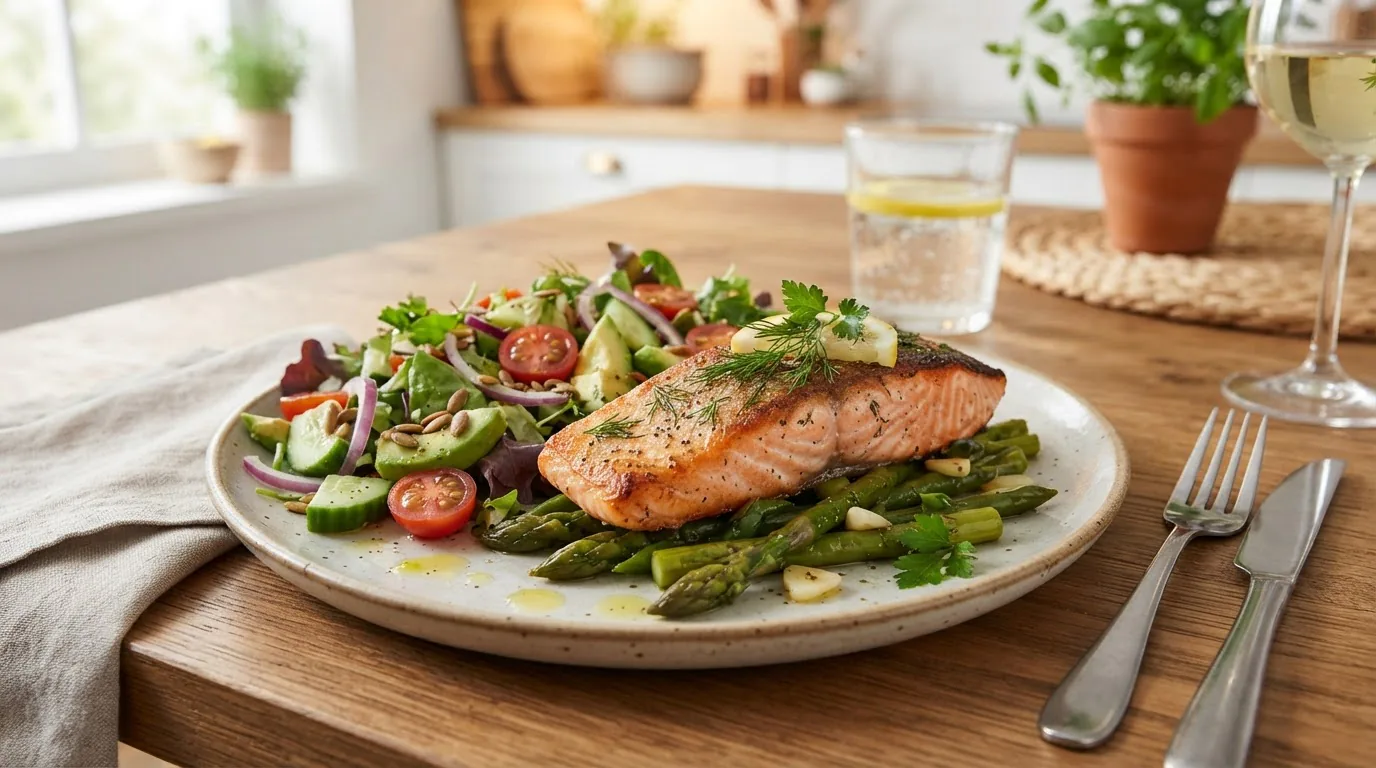
| Low-Carb / Keto | 20–40 g (higher fat) | Salmon & avocado salad; steak and greens; egg and bacon salad; smoked salmon cucumber bites. Prioritize healthy fats—olive oil or avocado—and non-starchy vegetables. |
| Gluten-Free | 20–35 g | Grilled chicken with roasted veggies; tuna salad on gluten-free crackers; quinoa bowls; Greek yogurt parfait. Watch processed sauces for hidden gluten. |
| Paleo | 25–40 g | Grilled fish or chicken with sweet potato and greens; egg frittata muffin cups; meat and vegetable skewers. Avoid legumes and dairy if strictly paleo. |
| Carnivore / Animal-based | 30–60 g (varies) | Sliced roast beef and bone broth; tuna steak with ghee; pork tenderloin and eggs. For curated options, see carnivore diet meal ideas. |
Notes on adjustments:
- Vegetarians can meet protein targets by combining dairy, eggs, legumes, and soy; add nuts or seeds to boost protein and fats.
- Vegan lunches require pairing incomplete proteins (e.g., legumes + grains) or using fortified plant-based protein products to approach complete amino acid profiles; see our vegan protein chart for portioning.
- Low-carb or keto plans rely on higher fat pairings and reduced grain portions — prioritize omega-3 sources and monounsaturated fats for heart health.
For more vegetarian-specific recipes, check the vegetarian high protein lunches. For vegan portioning and label guidance, see the vegan protein sources.
Transition: Pairing the right fats with your protein amplifies fullness and nutrient absorption — next we explore healthy fat pairings that work at lunch.
Healthy Fats to Pair with High Protein for Lunch
Pairing protein with healthy fats improves meal satisfaction and helps absorb fat-soluble vitamins. Focus on monounsaturated and omega-3 fats, which support heart health and inflammation control. Examples include avocado, nuts, seeds, extra virgin olive oil, and fatty fish like salmon and sardines.
Practical pairings:
- Avocado with chicken or tuna salad adds 7–10 g healthy fats and creamy texture — see our guide about avocado fiber and effects for details. do avocados have fiber.
- Extra virgin olive oil drizzled on grain bowls or salads complements Greek yogurt or egg-based lunches; for oil choices and heart benefits consult our heart-healthy cooking oils.
- Fatty fish like salmon or sardines pair with leafy greens and whole grains for omega-3-rich lunches; read about omega benefits in our omega-3 rich foods.
- Nuts and seeds sprinkled on yogurt or salads add crunch and monounsaturated fats; portion control (1 oz) keeps calories reasonable.
Choose oils low in polyunsaturated oxidization for cooking (e.g., extra virgin olive oil) and reserve delicate oils (flaxseed) for cold applications. For an evidence-based overview, consult the Academy of Nutrition and Dietetics and our internal oil guides. According to a 2023 review in a registered dietitian association publication, pairing healthy fats with protein improves meal satisfaction and can support metabolic health when calories are controlled.
Transition: To make weekly planning easy, below is a sample seven-day high-protein lunch plan with quick recipe summaries and portion cues.
Sample Weekly High Protein Lunch Meal Plan with Recipes
This 7-day plan focuses on diversity of protein sources, portability for work, and balanced macros. Portions assume an average adult aiming for ~25–35 g protein per lunch; adjust up or down for your goals. Each day includes a brief recipe, approximate protein, and practical prep tip. Swap in leftovers or repeat favorites as needed.
-
Monday — Greek Chicken Mason Jar (30–35 g)
Recipe: Layer 3–4 oz grilled chicken, ½ cup cooked farro, cucumber, cherry tomatoes, olives, and ¼ cup feta. Dress with olive oil & lemon. Prep tip: Cook chicken and farro in batch Sunday; assemble jars morning-of or night before.
-
Tuesday — Tuna & White Bean Salad (25–30 g)
Recipe: Mix 1 can tuna (drained) with ½ cup cannellini beans, parsley, lemon, 1 tsp olive oil. Serve over baby spinach with whole-grain crackers. Prep tip: Use canned tuna for same-day convenience; pack dressing separate to keep leaves crisp.
-
Wednesday — Tempeh Quinoa Bowl (25 g)
Recipe: Pan-sear 4 oz tempeh cubes in soy-ginger, serve over ¾ cup quinoa with roasted broccoli. Prep tip: Roast vegetables and cook quinoa in bulk; reheat at work or eat cold.
-
Thursday — Salmon & Avocado Salad (30 g)
Recipe: Flake 4 oz cooked salmon or 1 can salmon, toss with mixed greens, ¼ avocado, edamame, and lemon-tahini dressing. Prep tip: Use canned salmon for no-cook days; add fresh herbs at lunchtime.
-
Friday — Turkey Chili (30–35 g)
Recipe: Lean turkey, black beans, diced tomatoes, onion, and spices simmered into chili. Portion into thermoses for hot lunches. Prep tip: Make large batch; freeze single portions for later weeks.
-
Saturday — Cottage Cheese Fruit Bowl + Hard-Boiled Eggs (25 g)
Recipe: 1 cup low-fat cottage cheese with berries and 1 oz almonds; add two hard-boiled eggs on side for extra protein. Prep tip: Hard-boil eggs in advance and refrigerate for easy assembly.
-
Sunday — Steak & Sweet Potato Box (35 g)
Recipe: Thinly sliced leftover flank steak (4 oz), roasted sweet potato cubes, and arugula. Prep tip: Cook steak medium-rare and slice thin for portable boxes that reheat quickly.
Snack pairings and dessert options:
- Greek yogurt with a tablespoon of nut butter (10–15 g protein)
- Protein bar (10–20 g) — choose low-sugar options
- Edamame cup (17 g) with sea salt
Tips for calorie control and diversity:
- Rotate protein sources to avoid palate fatigue — include poultry, seafood, legumes, and dairy across the week.
- Use herbs, vinegars, citrus, and spice blends to vary flavors without adding excessive calories.
- For precise energy targets, reference the USDA or use the protein chart and calorie databases.
Transition: Beyond planning and recipes, optimizing absorption and satiety enhances the benefits of your high-protein lunch.
Tips for Maximizing Protein Absorption and Satiety at Lunch
To get the most from lunchtime protein, combine strategies that support digestion, amino acid availability, and fullness. First, pair protein with fiber-rich vegetables and a source of healthy fat to slow gastric emptying and prolong satiety. Second, distribute protein evenly across meals; research suggests spreading daily protein helps muscle protein synthesis.
Actionable tips:
- Include 20–40 g protein per meal for most adults aiming to support muscle or satiety goals; adjust based on body size and activity level.
- Consume some carbohydrates with protein after a morning workout to support glycogen replacement and recovery when applicable.
- Stay hydrated; water and fluids with meals support digestion and reduce confusion between thirst and hunger.
- Chew slowly and focus on mindful eating when time allows; slower eating increases fullness cues and reduces overeating.
According to a 2022 randomized trial in The Journal of Nutrition, distributing protein evenly across meals increased daily muscle protein synthesis compared with skewed intake patterns. Always tailor protein timing to your daily schedule and training times for best results.
Transition: While protein lunches offer many benefits, some common mistakes can limit effectiveness — avoid these pitfalls next.
Common Mistakes to Avoid with Protein Lunches
- Relying heavily on processed meats — Frequent use of high-sodium, highly processed meats increases sodium and preservative exposure; prioritize minimally processed proteins and rotate choices.
- Neglecting fiber and vegetables — Protein alone won’t sustain fullness optimally; missing fiber from vegetables or whole grains reduces satiety and digestive benefits.
- Overloading on fats or calories — High-fat dressings and large portions of nuts can quickly add calories; measure and portion fats to align with goals.
- Poor portioning and inconsistent meal timing — Skipping lunch or irregular timing may increase late-afternoon overeating; aim for consistent meal windows and realistic portions.
- Not varying protein sources — Eating the same protein daily can cause nutrient gaps and taste fatigue; rotate plant and animal sources for a broader nutrient profile.
- Ignoring food safety — Leaving cooked proteins at room temperature too long or keeping food beyond recommended refrigerator windows risks spoilage; follow storage guidance from USDA food safety resources.
- Skipping healthy fats — Skipping fats can make meals less satisfying; small amounts of avocado, olive oil, or nuts help sustain fullness and aid nutrient absorption.
Address boredom: Use spice blends, citrus, fresh herbs, and simple swaps (e.g., swap plain Greek yogurt for tzatziki) to keep lunches interesting without extra prep time. If you have allergies or medical conditions, modify foods appropriately and consult a registered dietitian or physician.
Final takeaway: Consistent, protein-focused lunches that include fiber and healthy fats will support satiety, performance, and body-composition goals while being practical for busy lifestyles.
Conclusion: High-protein lunches are a practical, evidence-backed strategy to control appetite, support muscle maintenance, and keep energy stable during busy workdays. Start small: pick 2–3 favorite recipes from this guide, batch-cook proteins once or twice weekly, and use portable containers so you always have a protein-packed option on hand. For more templates, macro guides, and recipes, explore our meal-prep resources and protein charts to customize plans for your goals.
Ready to build a week of lunches you’ll actually eat? Start by prepping one protein and one vegetable today — then scale up. Try a 7-day plan from this guide, swap in fresh flavors, and see how consistent protein at lunch changes your afternoon energy and cravings.
Frequently Asked Questions
What are the best high protein lunch ideas for weight loss?
Best high-protein lunches for weight loss pair lean protein (20–40 g) with fiber and modest healthy fats — examples: grilled chicken salad with quinoa, tuna and white bean salad, or Greek yogurt with berries and nuts. These meals increase satiety and reduce overall daily calorie intake.
How do high protein lunches differ from regular lunches?
High-protein lunches prioritize 20–40 g of protein per serving and include fiber and healthy fats, whereas regular lunches may be higher in refined carbs and lower in protein. Higher protein enhances satiety, reduces snacking, and supports muscle maintenance throughout the day.
How can I prepare a quick high protein lunch on the go?
Quick on-the-go protein lunches: hard-boiled eggs with whole-grain toast, canned tuna with crackers, Greek yogurt parfait, or a protein smoothie. Prep components in advance, use insulated containers, and pack dressings separately to keep textures fresh.
What are some easy healthy protein lunch recipes for work?
Work-friendly recipes include chicken mason jar salads, tuna and white bean salad, tempeh quinoa bowls, turkey chili in a thermos, and cottage cheese with fruit and nuts. These require minimal reheating and are portable for busy schedules.
How long does meal prepping high protein lunches last in the fridge?
Cooked high-protein meals typically last 3–4 days refrigerated in airtight containers per USDA guidance. Soups and chilis can be frozen up to 3 months; thaw overnight in the fridge before reheating for safety and quality.
What should I do if my high protein lunch feels bland or boring?
Rotate spices, add fresh herbs, use citrus juice or vinegar-based dressings, and vary textures with crunchy seeds or roasted vegetables. Small changes like a spice rub or herb garnish refresh meals without extra prep time.
Are all high protein lunch foods equally healthy?
No. Whole-food protein sources (lean meats, fish, dairy, legumes, tofu) provide vitamins and minerals with fewer additives. Processed protein foods can be higher in sodium, preservatives, and added sugar; choose minimally processed options for better health.
How can I ensure my protein lunch choices fit a vegan diet?
Combine legumes, whole grains, tofu/tempeh, edamame, and fortified plant-based protein products to reach 20–35 g protein per lunch. Pair complementary proteins (e.g., beans + rice) for complete amino acid profiles and use nutritional charts for portioning.