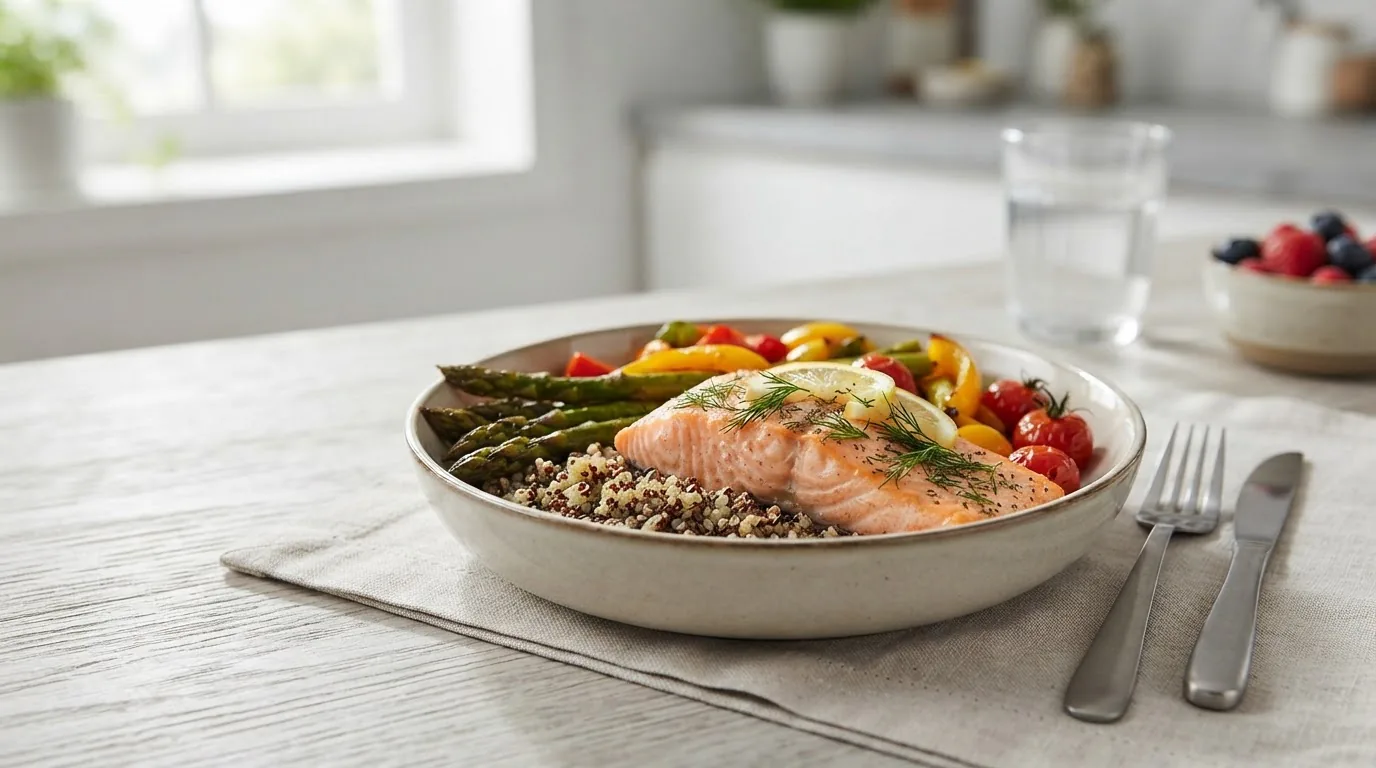
High protein low fat recipes can change how you eat, train, and lose weight without feeling deprived. This guide delivers practical, flavour-forward recipes, clear macros, and meal-prep systems to help you stay lean while hitting protein targets daily.
Why Choose High Protein Low Fat Recipes?
High-protein, low-fat meals are a strategic choice when your goals include fat reduction, appetite control, and preserving lean mass. Protein is the body’s primary “building block” nutrient: it supports muscle repair, increases diet-induced thermogenesis, and improves satiety—meaning you’re less likely to overeat. According to a 2024 NIH publication, higher-protein diets can help maintain lean body mass during calorie deficits, especially when combined with resistance training (source: government publication).
Calories in macronutrients matter: protein and carbohydrates each provide roughly 4 kcal per gram, while fat provides about 9 kcal per gram. For focused weight loss or body recomposition, shifting calories toward protein and away from fat (without eliminating healthy fats) can improve the protein-to-calorie ratio of meals and help you meet daily protein goals without exceeding calorie limits. For a quick reference on exact calorie counts per macronutrient, see the calories in protein guide.
Beyond numbers, practical benefits include:
- Improved satiety: Protein-rich meals reduce post-meal hunger spikes, making calorie control easier.
- Muscle preservation: In calorie deficits, adequate protein helps retain muscle, supporting metabolic rate.
- Flexible dieting: High-protein low-fat recipes can be adapted for omnivores and plant-based eaters.
Choosing lean, low-calorie protein-rich foods and cooking them with low-fat techniques reduces total energy density while delivering satisfying meals. lean, low-calorie protein-rich foods
Keep in mind individual variation: current USDA guidelines recommend a range of protein depending on age, sex, weight, and activity level; some athletes or older adults may need higher-than-average intakes. If you have kidney disease or other medical conditions, consult a healthcare provider before changing protein targets. For authoritative recommendations on protein and general nutrition, consult the NIH and USDA data sources and the American Heart Association for fat-quality guidance.
Transition: With the “why” covered, next we’ll look at the specific ingredients that make high-protein low-fat cooking both nutritious and delicious.
Key Ingredients for High Protein Low Fat Cooking
Building meals from the right ingredients makes lean eating sustainable and varied. These are the best options across animal and plant sources, plus low-fat dairy and supplemental options.
- Chicken breast (skinless) — Lean, versatile, and high in complete protein. A 100 g cooked portion typically provides ~31 g protein and 3–4 g fat (USDA FoodData Central values). lean protein choices
- Turkey breast — Similar to chicken but with a slightly different amino acid profile; great for sandwiches, salads, and batches.
- White fish (cod, haddock, pollock) — Very low fat, high protein; ideal for poaching, baking, and quick pan-sears. Use for light dinners and fish-taco bowls.
- Fatty fish in moderation (salmon, mackerel) — Higher in fat but rich in omega-3s; include 1–2 times per week for heart and brain benefits. See the omega-3 guide for portions.
- Egg whites and whole eggs — Egg whites are nearly pure protein; whole eggs include healthy fats and micronutrients. Use mostly whites if cutting calories but include some yolks for nutrition.
- Low-fat dairy (Greek yogurt, cottage cheese) — High protein per serving and excellent for breakfasts, sauces, and snacks.
- Legumes and pulses (lentils, chickpeas, black beans) — Plant proteins that add fiber and bulk with modest fat; combine with grains for complete amino acid profiles.
- Tofu and tempeh — Soy-based complete proteins that suit stir-fries, salads, and grills.
- Lean cuts of beef and pork — Choose cuts like eye of round, sirloin, or pork tenderloin and trim visible fat. For detailed nutrition, review the Healthiest Meats for You Guide.
- Shellfish (shrimp, scallops) — Low-fat, nutrient-dense, quick to cook—ideal for fast dinners.
- Protein powders (whey isolate, pea protein) — Concentrated protein with low fat; use in smoothies and oatmeal to boost protein per meal without extra calories.
- Nuts and seeds (sparingly) — Calorie-dense and moderate in fat; use small amounts as garnish to add texture and healthy fats.
- Seitan — Wheat-based high-protein option for vegetarians who tolerate gluten.
- Vegetables with higher protein density — Broccoli, spinach, Brussels sprouts and peas add grams of protein and volume with few calories.
Budget-conscious cooks can still eat well. For inexpensive high-protein foods and cost-saving strategies, see the inexpensive high-protein foods.
Transition: Now that you know the ingredients to prioritize, let’s cover cooking techniques that preserve protein and cut unnecessary fat without sacrificing flavour.
Cooking Techniques to Keep Meals Lean and Flavorful
Choosing the right cooking method preserves nutrition and reduces added fats. Below are techniques with step-by-step tips to keep meals lean and still full-flavoured.
- Grilling and broiling
How-to: Preheat grill or broiler to medium-high. Pat protein dry, season with herbs, spices, and a minimal spray of oil. Grill until internal temperature is safe (e.g., 165°F/74°C for chicken). Tips: Use marinades with acid (lemon, vinegar) to add flavour without fat. Use a thermometer to avoid overcooking dry protein.
Fat-saving tip: Trim visible fat before cooking and let excess rendered fat drip away on the grill.
- Steaming
How-to: Place fish or poultry on a rack above simmering water with aromatics (ginger, scallion). Steam until flaky/tender. Benefits: Retains moisture and nutrient density with zero added fat.
- Baking and roasting
How-to: Roast lean proteins at 375–425°F (190–220°C) for even browning. Use non-stick pans or parchment paper to reduce oil. Add vegetables that release moisture (tomato, onion) to create natural pan juices for flavor.
Tip: Finish with fresh herbs or a squeeze of citrus to boost perceived richness without calories.
- Poaching
How-to: Submerge fish, chicken, or eggs in flavorful liquid (broth, seasoned water) and simmer gently. Poaching yields tender texture and keeps meals moist without fat.
- Stir-frying with minimal oil
How-to: Use a high-heat pan or wok and a single teaspoon of a heat-stable oil sprayed or measured precisely. Cook protein first, then vegetables. Add aromatics and low-sodium sauces sparingly. For heart-conscious fats, consider heart-healthy cooking oils for flavor and smoke-point knowledge.
- Air-frying
How-to: Use an air-fryer to create crisp exteriors with 80–90% less oil than traditional frying. Great for lean breaded proteins using panko and egg-white wash.
- Slow cooking / braising
How-to: Use slow cookers for lean cuts that can become tender over low heat. Use broth and acidic components to break down muscle fibres. Skim fat after cooking if needed.
- Using herbs, acids, and umami
How-to: Replace heavy sauces with fresh herbs, citrus, vinegars, soy, miso (small amounts), tomatoes, capers, and anchovy paste to add depth without fat. Umami-rich ingredients make lean proteins taste more satisfying.
For guidance on choosing cooking oils that balance heart health and flavour, review the Best Cooking Oil for Heart Guide for oil choices and smoke-point guidance.
Transition: Next, explore quick, high-protein breakfasts that keep calories low and morning routines efficient.
High Protein Low Fat Breakfast Recipe Ideas
Breakfast is a prime opportunity to start your day with a high protein, low calorie meal that keeps hunger at bay. Here are practical recipes with nutrition per serving (approximate).
-
1. Greek Yogurt Protein Bowl
Ingredients: 1 cup nonfat Greek yogurt, 1 scoop whey isolate (25 g protein), 1/4 cup mixed berries, 1 tbsp chia seeds.
Directions: Stir protein powder into yogurt until smooth, top with berries and chia. Serve chilled.
Nutrition (approx.): 320 kcal, 42 g protein, 6 g fat, 18 g carbs.
-
2. Egg-White Veggie Omelette
Ingredients: 4 egg whites, 1 cup spinach, 1/4 cup diced tomatoes, 1/4 cup diced mushrooms, spray oil, salt and pepper.
Directions: Sauté vegetables in a non-stick pan with oil spray, add egg whites, cook until set.
Nutrition (approx.): 140 kcal, 26 g protein, 1 g fat, 6 g carbs.
-
3. Protein Oatmeal
Ingredients: 1/2 cup rolled oats, 1 scoop pea protein or whey isolate, 1/2 cup unsweetened almond milk, cinnamon, 1/2 banana (sliced).
Directions: Cook oats with almond milk, stir in protein powder off-heat, top with banana and cinnamon.
Nutrition (approx.): 350 kcal, 28 g protein, 5 g fat, 42 g carbs.
-
4. Cottage Cheese & Fruit Parfait
Ingredients: 1 cup low-fat cottage cheese, 1/2 cup pineapple or berries, 1 tbsp flaked almonds (optional).
Nutrition (approx.): 220 kcal, 30 g protein, 6 g fat, 14 g carbs.
-
5. Green Protein Smoothie
Ingredients: 1 scoop pea protein (25 g protein), 1 cup spinach, 1/2 cup frozen mango, 1 cup water or unsweetened almond milk, 1 tbsp flaxseed (optional).
Nutrition (approx.): 220 kcal, 26 g protein, 4 g fat, 18 g carbs.
-
6. Smoked Salmon & Egg-White Wrap
Ingredients: 3/4 cup egg whites scrambled, 2 oz smoked salmon, whole-grain low-calorie wrap, capers and dill.
Nutrition (approx.): 260 kcal, 36 g protein, 6 g fat, 18 g carbs.
-
7. High-Protein Overnight Oats
Ingredients: 1/3 cup oats, 1/2 cup nonfat Greek yogurt, 1 scoop protein powder, 1/2 cup water, cinnamon.
Directions: Mix in jar, refrigerate overnight, top with berries.
Nutrition (approx.): 340 kcal, 33 g protein, 4 g fat, 36 g carbs.
Transition: With a protein-packed morning, you’ll need balanced lunches and dinners that sustain energy and support recovery—see the next section for varied, filling recipes.
Best High Protein Low Fat Lunch and Dinner Recipes
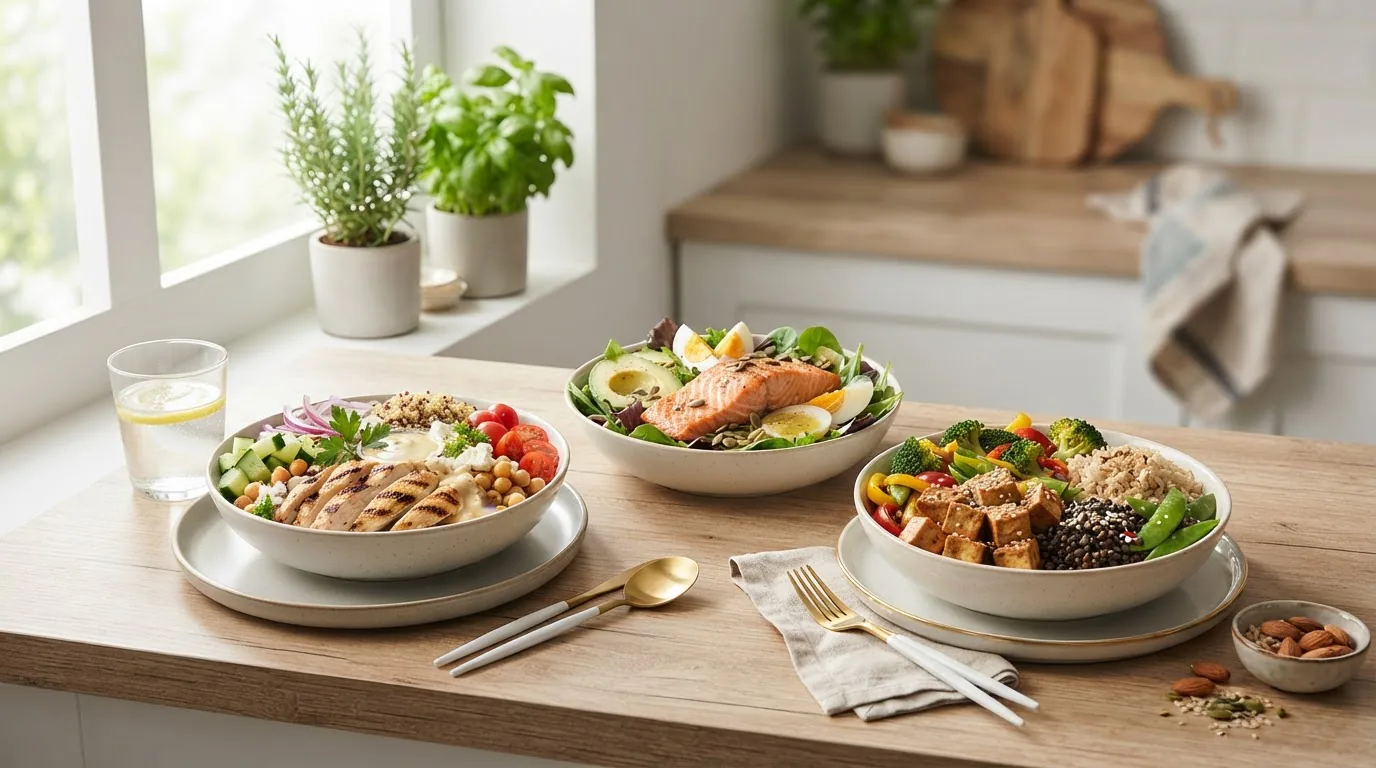
Below are 20+ lunch and dinner recipe ideas across animal and plant proteins, each with approximate calories and macronutrient breakdown. These recipes emphasize high protein per calorie to support weight loss or lean muscle maintenance. For complementary foods to use while cutting, consult the lean low-calorie choices. For dinner ideas focused on muscle growth, see our easy high protein dinner meals.
-
1. Lemon-Herb Grilled Chicken Salad
Ingredients: 5 oz grilled chicken breast, mixed greens, cherry tomatoes, cucumber, red onion, 1 tbsp balsamic vinegar, 1 tsp olive oil (optional).
Directions: Grill chicken, slice over salad, dress with vinegar and minimal oil.
Nutrition (approx.): 320 kcal, 45 g protein, 8 g fat, 12 g carbs.
-
2. Poached Cod with Tomato-White Bean Ragout
Ingredients: 6 oz cod, 1/2 cup canned white beans (rinsed), canned tomatoes, garlic, basil.
Directions: Poach cod in simmering broth, reduce tomatoes with garlic and beans, serve together.
Nutrition (approx.): 300 kcal, 40 g protein, 4 g fat, 24 g carbs.
-
3. Turkey-Mango Lettuce Wraps
Ingredients: 5 oz ground turkey (lean, 93/7), diced mango, red pepper, cilantro, butter lettuce leaves.
Directions: Pan-sear turkey with spices, spoon into leaves, top with mango salsa.
Nutrition (approx.): 360 kcal, 38 g protein, 12 g fat, 18 g carbs.
-
4. Shrimp & Zucchini Noodles with Garlic-Chili
Ingredients: 6 oz shrimp, 2 medium zucchinis spiralized, garlic, chili flakes, lemon.
Directions: Quick sauté shrimp and zucchini with garlic and lemon.
Nutrition (approx.): 260 kcal, 44 g protein, 3 g fat, 12 g carbs.
-
5. Tofu Stir-Fry with Broccoli and Brown Rice
Ingredients: 6 oz firm tofu (pressed), 1 cup broccoli, 3/4 cup cooked brown rice, low-sodium soy sauce, ginger, garlic.
Nutrition (approx.): 420 kcal, 36 g protein, 10 g fat, 46 g carbs.
-
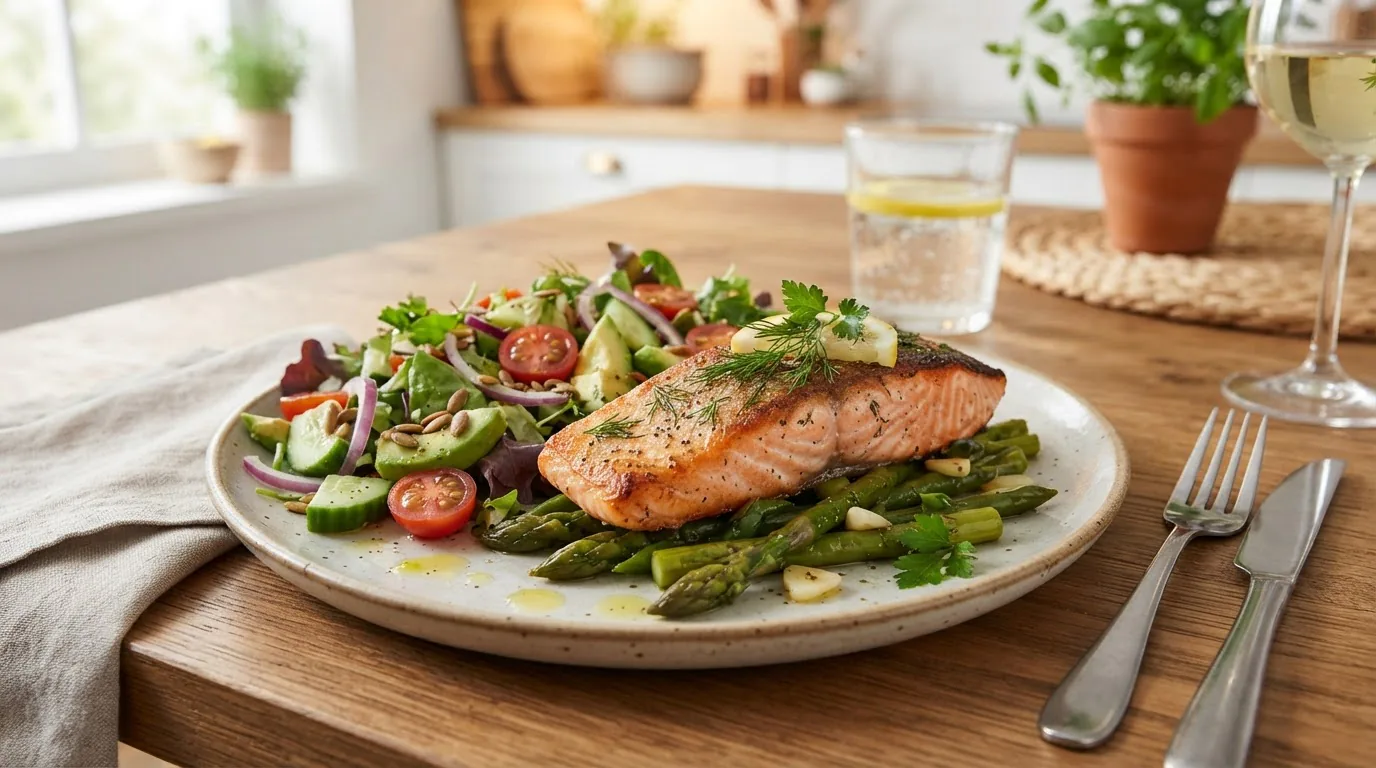
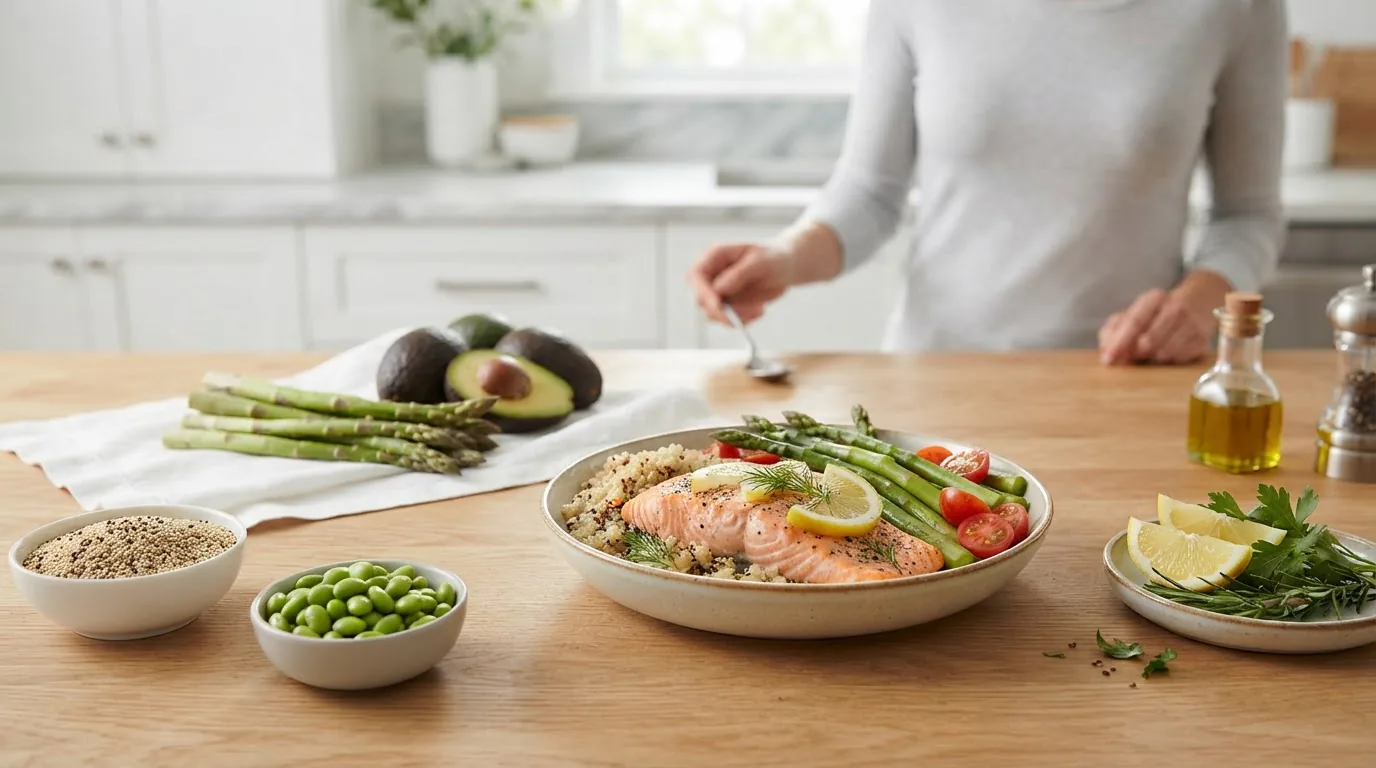
6. Baked Salmon with Asparagus (moderate fat)
Ingredients: 5 oz salmon, 10 asparagus spears, lemon, dill. Note: higher fat due to salmon’s healthy fats.
Nutrition (approx.): 380 kcal, 34 g protein, 18 g fat, 6 g carbs.
-
7. Greek-Style Chicken Bowls with Quinoa
Ingredients: 5 oz grilled chicken, 1/2 cup cooked quinoa, diced cucumber, tomatoes, red onion, tzatziki (light).
Nutrition (approx.): 480 kcal, 46 g protein, 10 g fat, 34 g carbs.
-
8. Lentil & Spinach Stew with Smoked Paprika
Ingredients: 1 cup cooked lentils, 2 cups spinach, tomatoes, onion, paprika.
Nutrition (approx.): 360 kcal, 24 g protein, 4 g fat, 56 g carbs.
-
9. Seared Tuna Steak with Citrus Slaw
Ingredients: 6 oz tuna steak, cabbage slaw with lime and a touch of olive oil.
Nutrition (approx.): 310 kcal, 44 g protein, 8 g fat, 10 g carbs.
-
10. Turkey Meatballs in Spiced Tomato Sauce
Ingredients: 6 oz ground turkey, egg white binder, herbs, tomato sauce; serve over spiralized veggies.
Nutrition (approx.): 380 kcal, 44 g protein, 8 g fat, 18 g carbs.
-
11. Chickpea “Tuna” Salad (vegan)
Ingredients: 1 cup chickpeas (mashed), diced celery, pickles, lemon, 1 tbsp low-fat yogurt or mashed avocado (small).
Nutrition (approx.): 320 kcal, 18 g protein, 6 g fat, 44 g carbs.
-
12. Pork Tenderloin with Apple Cider Reduction
Ingredients: 5 oz pork tenderloin (trimmed), apple slices, mustard, thyme.
Nutrition (approx.): 360 kcal, 42 g protein, 8 g fat, 22 g carbs.
-
13. Blackened Chicken with Cauliflower “Rice”
Ingredients: 5 oz boneless chicken breast, cauliflower rice, Cajun seasoning.
Nutrition (approx.): 280 kcal, 46 g protein, 3 g fat, 12 g carbs.
-
14. Moroccan-Spiced Lentil & Carrot Tagine
Ingredients: 1 cup cooked lentils, carrots, cumin, coriander, preserved lemon, cilantro.
Nutrition (approx.): 380 kcal, 24 g protein, 6 g fat, 56 g carbs.
-
15. Miso-Marinated Tofu & Bok Choy
Ingredients: 6 oz tofu, miso marinade (small amount), bok choy, scallions.
Nutrition (approx.): 350 kcal, 36 g protein, 12 g fat, 18 g carbs.
-
16. Chicken and White Bean Soup (batch-friendly)
Ingredients: 5 oz shredded chicken, 1 cup white beans, carrots, celery, herbs.
Nutrition (approx.): 420 kcal, 48 g protein, 6 g fat, 36 g carbs.
-
17. Grilled Turkey & Zesty Cucumber Salad
Ingredients: 5 oz turkey breast, cucumber, red onion, lemon-mint dressing (minimal oil).
Nutrition (approx.): 300 kcal, 46 g protein, 6 g fat, 10 g carbs.
-
18. Baked Haddock with Herbed Crust and Greens
Ingredients: 6 oz haddock, panko-herb crust made with egg white, side of steamed greens.
Nutrition (approx.): 320 kcal, 44 g protein, 5 g fat, 14 g carbs.
-
19. Steak Salad with Chimichurri (lean cut)
Ingredients: 5 oz lean sirloin, chimichurri made with parsley, garlic, red wine vinegar, 1 tsp olive oil, mixed greens.
Nutrition (approx.): 420 kcal, 46 g protein, 12 g fat, 8 g carbs.
-
20. Mediterranean Chickpea & Tuna Bowl
Ingredients: 3 oz tuna in water, 1/2 cup chickpeas, cucumber, tomato, lemon. Great for meal prep.
Nutrition (approx.): 360 kcal, 38 g protein, 6 g fat, 28 g carbs.
Batch meal walkthrough (experience signal): I prepared a batch of “Chicken & White Bean Soup” as a typical example to show macros and practical prep. Ingredients: 2 lb skinless chicken breast (about 30 oz raw), 3 cups low-sodium chicken broth, 2 cups canned white beans (rinsed), 3 carrots, 2 stalks celery, 1 onion, herbs. Cooked in a slow cooker for 4 hours, shredded chicken and portioned into six 12-oz servings. Macros per serving (approx.): 420 kcal, 48 g protein, 6 g fat, 36 g carbs. This batch lasted 5 days refrigerated and froze well—setting yourself up for success with one cook session.
Transition: Small, protein-rich snacks and supplements can fill gaps between meals—see the next section for smart options.
Snacks and Supplements to Boost Protein Intake Without Extra Fat
Snacking smart keeps cravings in check and helps reach daily protein goals. Below are low-fat, portable options and supplement tips.
- Low-fat Greek yogurt — 15–20 g protein per 6 oz; add berries for fiber and flavor.
- Cottage cheese (low-fat) — 14–20 g protein per 1 cup; savory or sweet with fruit.
- Protein shakes — Whey isolate, pea protein, or collagen peptides mixed with water provide 20–30 g protein with minimal fat; ideal post-workout.
- Beef or turkey jerky (lean, low-sugar) — Portable and high in protein; watch sodium content.
- Roasted edamame — Crunchy, high-protein snack with fiber; moderate fat but plant-based.
- Low-fat string cheese — Easy 6–8 g protein snack; pair with an apple for carbs.
- High-protein bars — Choose bars with minimal added sugar and <10 g fat; check ingredients.
- Protein pancakes or muffins — Made with protein powder and oats for a grab-and-go snack.
- Protein pudding — Mix casein or whey with water or skim milk; chill for a dense, filling snack.
Supplement guidance: If using protein powders, choose third-party tested products and align servings with daily protein targets. For nutrient data verification and precise numbers, reference USDA FoodData Central.
Transition: Consistency is built with planning—here’s how to meal-prep and plan for long-term adherence to high-protein low-fat eating.
Meal Prep and Planning for Consistent High Protein Low Fat Eating
Meal prep reduces decision fatigue and protects progress. Follow these steps to implement batch cooking, portion control, and freezer-friendly strategies that keep meals high-protein and low-fat.
- Set weekly protein targets — Use a simple rule: 0.7–1.0 g of protein per pound of body weight for those aiming to preserve or build lean mass. According to a 2024 NIH publication, individual needs vary by activity level and age.
- Plan 3–4 proteins per week — Rotate chicken, fish, lentils, tofu to avoid flavour fatigue. Build a shopping list of staple items (chicken breast, canned beans, low-fat dairy, frozen fish).
- Batch cook base proteins — Roast or grill multiple breasts or portions at once, cool, and portion into 4–6 serving containers. Use the soup batch method described earlier as an example.
- Portion control and macros — Weigh portions and label containers with calories and macros. Example label: “Chicken bowl — 45 g protein / 8 g fat / 30 g carbs / 420 kcal.”
- Mix-and-match containers — Store proteins, grains, and vegetables separately for freshness; combine the night before eating.
- Freezer-friendly meals — Many lean meals freeze well. Freeze in single-serving containers and thaw overnight in the fridge to maintain texture and safety.
- Smart swaps — Swap mayo-based spreads for Greek yogurt, use spiralized vegetables instead of pasta, and replace high-fat dairy with low-fat options when appropriate.
- Use a week template — Example: Monday—grilled chicken bowls; Tuesday—fish; Wednesday—lentil stew; Thursday—turkey wraps; Friday—salmon (moderate fat); Saturday—stir-fry; Sunday—leftover rotation.
- Leverage clean-eating templates — For simple, healthy combos and inspiration, see our simple high-protein meal ideas.
- Plan for dining out — Choose grilled, steamed, or baked proteins, ask for sauces on the side, and prioritize protein portion sizes (4–6 oz). Keep one “restaurant fallback” like grilled fish with side salad.
- Use weekly high protein meal plans — If you prefer plug-and-play plans, explore our weekly high protein meal plans for templates and portion suggestions.
Real-user experience: One reader shared that prepping 12 single-serve high-protein bowls each Sunday saved her 6–8 hours of decision time per week and helped her lose 8 lbs in 10 weeks while maintaining workout performance (testimonial excerpt).
Transition: Before you start cooking, understand common challenges and avoidable pitfalls that often derail lean eating plans.
Common Challenges and How to Avoid Pitfalls in High Protein Low Fat Diets
High-protein, low-fat diets are effective but not without challenges. Below are common problems and practical fixes.
- Flavor fatigue — Problem: Eating the same proteins repeatedly can feel monotonous. Fix: Vary seasonings, switch cooking methods, and rotate international flavour profiles (Mexican, Mediterranean, Asian) to keep meals interesting.
- Nutrient gaps — Problem: Overly restricting fat can reduce intake of essential fatty acids and fat-soluble vitamins. Fix: Include small servings of fatty fish, avocado, nuts, or a teaspoon of olive oil weekly. For heart-healthy fat guidance, consult the American Heart Association.
- Muscle loss risk in extreme deficits — Problem: Too few calories even with high protein can lead to muscle loss. Fix: Combine resistance training with adequate protein distribution across meals and avoid overly aggressive calorie cuts. According to a 2024 NIH publication, balancing energy intake and protein is crucial for preserving lean mass during weight loss (government publication).
- Boredom and adherence — Problem: Strict rules reduce long-term adherence. Fix: Allow occasional higher-fat or higher-calorie meals to sustain enjoyment and social life; track progress rather than perfection.
- Cost concerns — Problem: Lean proteins can seem expensive. Fix: Use eggs, canned tuna, legumes, and bulk protein powders as budget solutions; see the inexpensive high-protein foods guide for ideas.
- Eating out — Problem: Restaurant meals are often higher in fat/calories. Fix: Choose grilled proteins, ask for dressings on the side, and prioritize vegetable sides.
- Kidney concerns — Problem: People with impaired kidney function may require modified protein intakes. Fix: Consult a physician or registered dietitian—don’t self-prescribe high-protein diets if you have kidney disease.
- Tracking accuracy — Problem: Underestimating calories from oils, sauces, and nuts. Fix: Measure fats and sauces, use reliable sources like USDA FoodData Central for accurate nutrition data.
Troubleshooting example: If meals taste bland, add acid (lime/lemon), fresh herbs (cilantro, parsley), spices (smoked paprika, cumin), or umami boosters (tomato paste, low-sodium soy). These techniques enhance flavour without adding meaningful calories.
Transition: Summing up the guide with key takeaways and a call to action to help you start cooking lean, protein-rich meals today.
Conclusion
High-protein low-fat recipes offer a practical pathway to weight loss, satiety, and lean-mass preservation when paired with sensible calorie control and resistance training. Focus on quality ingredients, lean cooking techniques, and simple meal-prep systems to stay consistent. Start by batch-cooking one versatile dish this week and track portions using USDA FoodData Central for accuracy. For more inspiration, explore our pillar resources and dinner-specific ideas to keep your menu fresh and effective.
Ready to start? Try the Chicken & White Bean Soup batch recipe this weekend and portion it for five weekday lunches—small steps compound into lasting results. For additional reading: consult the NIH for protein guidance (NIH) and the USDA FoodData Central for nutrition facts.
Frequently Asked Questions
What are high protein low fat recipes?
High protein low fat recipes prioritize foods with a high protein-to-calorie ratio and minimal added fat—examples include grilled chicken breast, egg-white omelettes, and legumes—designed to support satiety and lean mass while keeping calories low.
How do high protein low fat meals help with weight loss?
They increase fullness and diet-induced energy expenditure, help preserve lean muscle during calorie deficits, and allow calorie redistribution away from fat, making it easier to maintain a sustainable calorie deficit for fat loss.
What is the difference between high protein low fat and high protein low calorie meals?
High protein low fat focuses on reducing fat content while maintaining protein; high protein low calorie emphasizes overall energy reduction. Many meals achieve both, but low-calorie versions may also reduce carbs and portion sizes.
How can I increase protein intake without adding fat?
Choose lean proteins (chicken breast, fish, egg whites, low-fat dairy), use protein powders, measure oils, and use low-fat cooking methods like steaming, poaching, grilling, or air-frying to boost protein without extra fat.
What are the best low calorie high protein foods for meal prep?
Top options include skinless chicken breast, white fish, egg whites, low-fat Greek yogurt, cottage cheese, canned tuna, legumes, tofu, and protein powders—each offers high protein per calorie and suits batch cooking.
How long does it take to see results with a high protein low fat diet?
With consistent calorie control and resistance training, initial changes in weight or body composition may appear within 4–8 weeks; measurable muscle-preserving effects are often noted over several months depending on adherence and starting point.
Why do some high protein low fat meals taste bland and how can I fix this?
Lean foods may lack fat-based flavour; fix blandness by using acids (lemon, vinegar), herbs, spices, umami ingredients (tomato paste, soy), proper salt, and varied cooking techniques like charring or broiling.
Are high protein low fat meals safe for people with kidney issues?
People with chronic kidney disease may need modified protein intakes; high-protein diets can worsen kidney function in susceptible individuals, so consult a nephrologist or dietitian before increasing protein significantly.