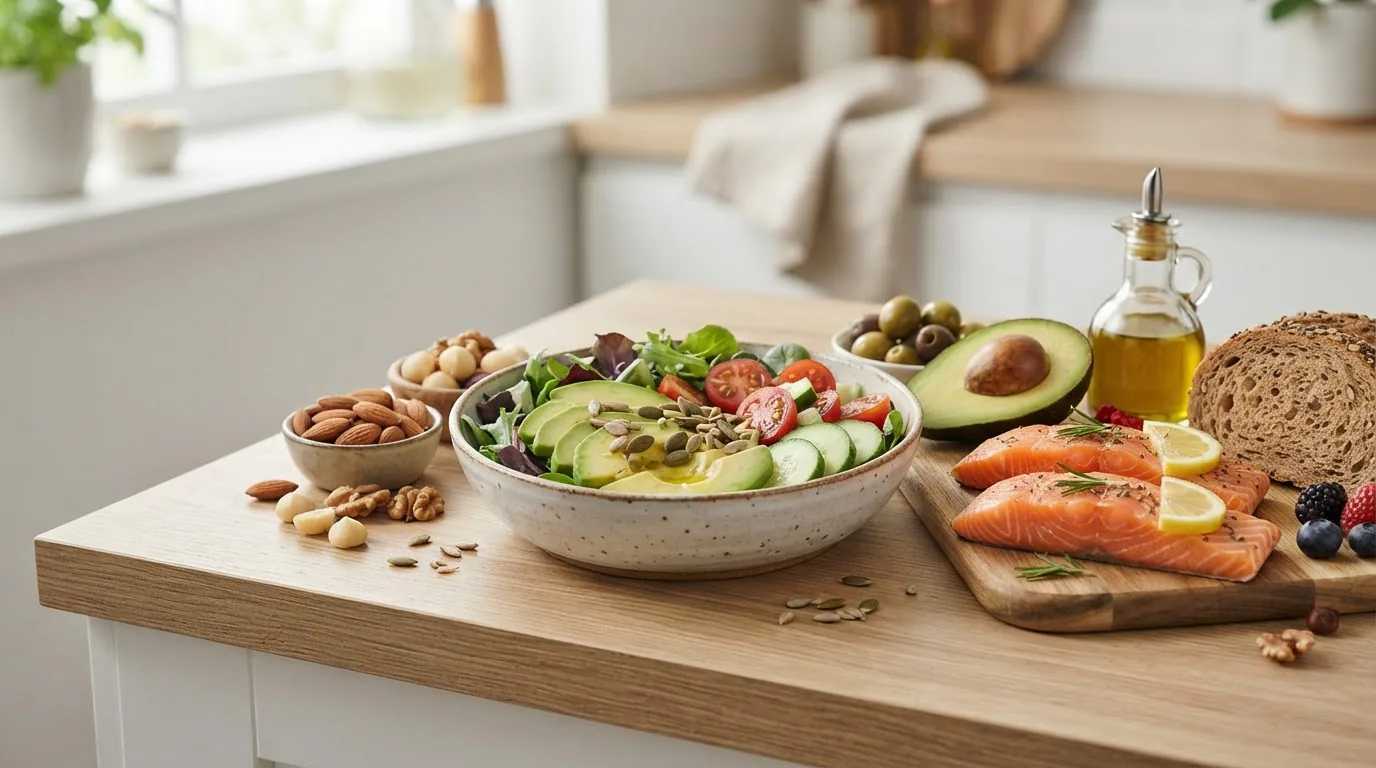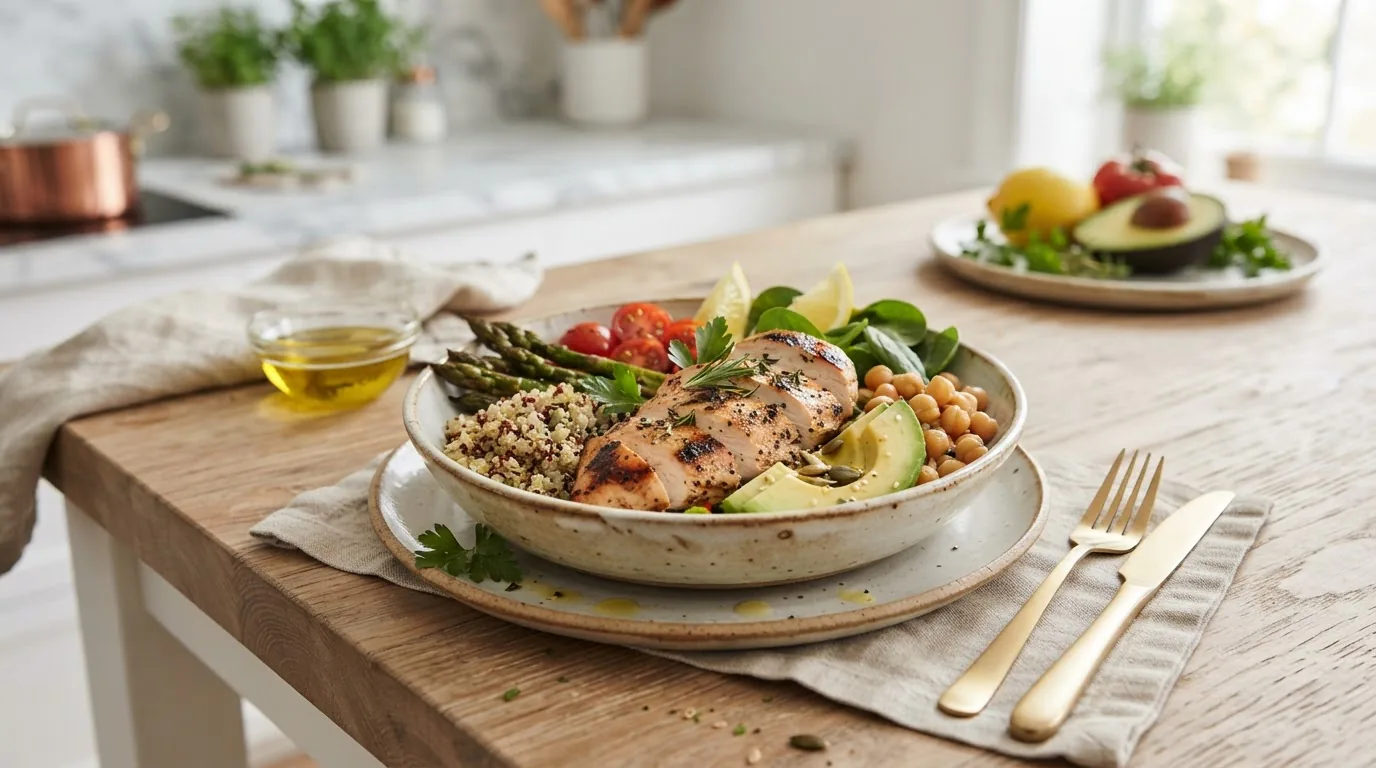
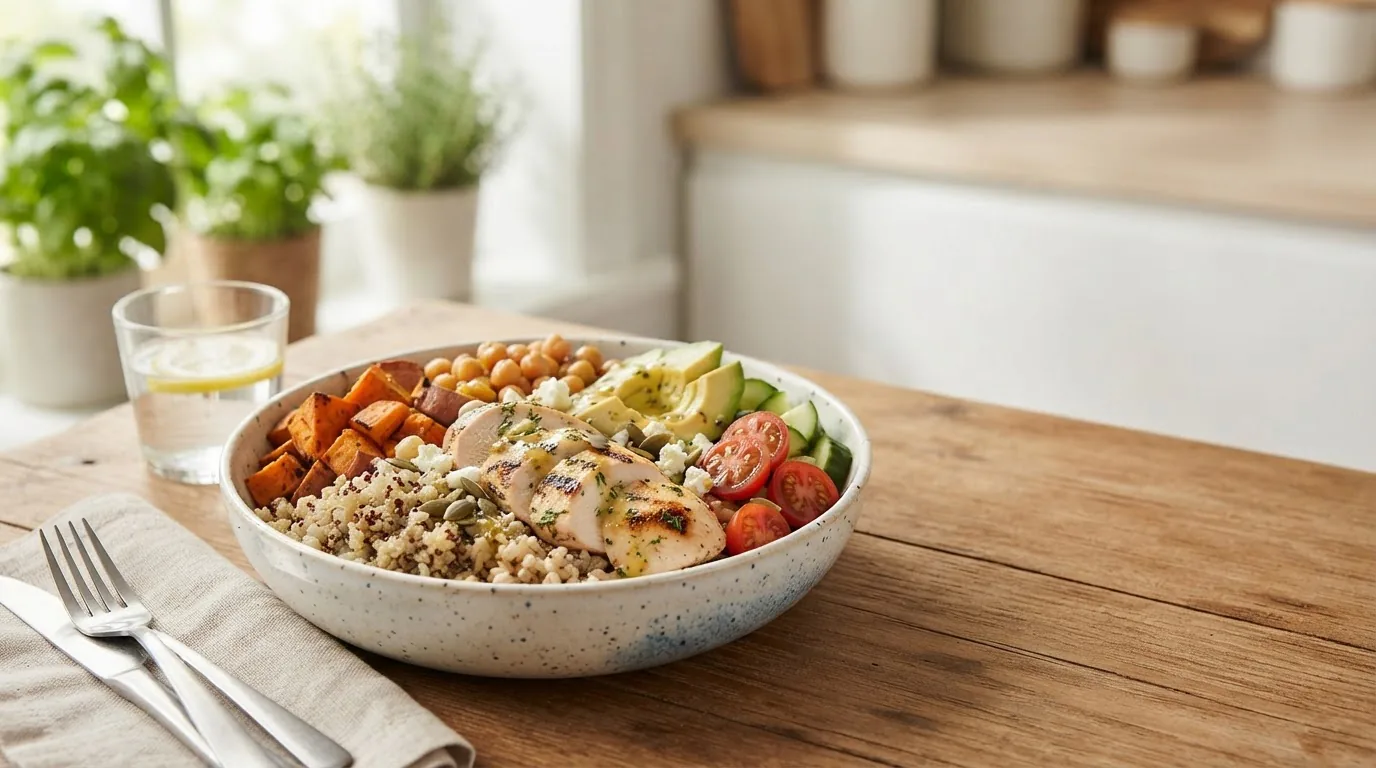
High carb meals can be the foundation of sustained energy, improved workout performance, and muscle growth when paired with adequate protein. This guide walks through how to plan balanced high-carb, high-protein meals with practical portioning, nutrient timing, and meal-prep strategies you can use immediately.
Understanding High Carb Meals and Their Role in Nutrition
High carb meals focus on providing a larger proportion of total calories from carbohydrates compared with lower-carb plans. Carbohydrates are the body’s primary quick fuel source; they break down into glucose, which powers brain function, day-to-day activity, and high-intensity exercise through glycolysis and mitochondrial oxidation — key parts of energy metabolism. Complex carbohydrates in particular deliver steady glucose release and come with fiber, vitamins, and minerals that support overall health.
Complex carbs — starchy whole grains, legumes, and starchy vegetables — digest more slowly than refined carbs because they contain fiber and intact cell structures. That slower digestion moderates blood sugar responses and provides longer-lasting energy for workouts and daily activity. The difference between simple and complex carbs matters when you’re planning meals around performance and recovery: simple carbs can be useful for quick pre- or intra-workout energy, while complex carbs better support satiety and steady energy between sessions.
Physiologically, carbohydrate availability influences glycogen stores in muscle and liver. Glycogen is the stored form of glucose, and higher carbohydrate intake refills glycogen after training — a central principle for athletes and anyone doing repeated bouts of high-intensity work. Muscle glycogen availability also impacts the body’s ability to synthesize new muscle proteins after resistance exercise because it supports training intensity and recovery processes.
When combined with protein, carbohydrates do more than supply energy: they stimulate insulin release, which helps shuttle amino acids into muscle cells to support repair and growth (this is part of the carb-protein synergy discussed later). That synergy matters for nutrient timing: consuming both carbs and protein in the immediate post-workout window (roughly 30–90 minutes) accelerates glycogen resynthesis and optimizes muscle recovery for most trainees, according to sports nutrition research.
Glycemic index (GI) and glycemic load (GL) are useful tools for planning high carb meals. GI ranks carbohydrate sources by their impact on blood glucose; GL adjusts GI for a typical portion size. For sustained energy and better appetite control, favor lower-GI complex carbohydrates (e.g., steel-cut oats, quinoa, lentils) for main meals and consider moderate- to high-GI carbs (e.g., white rice, ripe banana) strategically around intense workouts where rapid glycogen replenishment is desired.
Macronutrient balance is the practical part of translating these concepts into meals. A balanced high-carb meal doesn’t mean low protein or fat — it means prioritizing carbohydrates while integrating lean proteins and healthy fats at appropriate ratios to support goals like muscle gain, weight maintenance, or endurance performance. Typical high-carb planning might place carbs at 45–65% of calories, with protein at 20–30% and fat at 15–30%, adjusted for individual energy needs.
Complex carbohydrates are also nutrient-dense: whole grains and legumes provide B vitamins, iron, magnesium, and phytonutrients, while starchy vegetables add potassium and vitamin C — nutrients that support metabolic pathways involved in energy production and recovery. Many people undervalue carbs’ micronutrient contributions when they reduce carbs; a planned high-carb approach preserves these benefits.
Finally, personalizing carbohydrate intake is essential. Active adults, endurance athletes, and people doing high-volume resistance training will typically require higher carbohydrate intakes than sedentary individuals. Athletic schedules, body composition goals, metabolic health, and personal tolerance to certain carbs (e.g., FODMAP sensitivity) all shape precise meal choices. With this context, next we’ll define what a focused high-carb, high-protein meal looks like and why it’s useful.
Transition: Now that you understand how carbohydrates function in the body, let’s explore what makes a meal simultaneously high in carbs and protein and the benefits to performance and health.
What Are High Carb High Protein Meals? Benefits and Considerations
High carb high protein meals combine substantial carbohydrate portions with meaningful protein servings in the same eating occasion. The design supports two primary functions: fueling activity with carbs and supplying the amino acids necessary for tissue repair and muscle protein synthesis. Practically, these meals help sustain training intensity during workouts and enhance recovery afterwards.
- Benefits:
- Improved glycogen replenishment: Carbs restore muscle glycogen; pairing with protein speeds recovery after intense exercise (supported by sports nutrition research — peer-reviewed review).
- Enhanced muscle repair: Protein supplies essential amino acids; combined with carbs, insulin-mediated amino acid uptake into muscle improves net protein balance.
- Better workout performance: Adequate carbs sustain high-intensity training and allow you to train harder and more frequently.
- Balanced satiety and nutrient intake: Complex carbs + protein + healthy fats create meals that keep you full and nutrient-replete.
- Flexible for goals: By adjusting portion sizes and macronutrient ratios, these meals can be used for bulking, maintenance, or targeted fat loss.
Considerations include energy balance (total calories vs. goals), glycemic response, and digestive tolerance. For people tracking macronutrients, understanding protein calorie contribution helps: calories in protein gives context on how protein affects total meal calories and satiety.
When planning these meals, aim for at least 20–40 g of protein per serving for most adults to maximally stimulate muscle protein synthesis post-exercise, with some evidence suggesting higher absolute intakes (up to 0.4–0.55 g/kg per meal) depending on individual body mass and training goals (sports nutrition literature supports this guideline — peer-reviewed source). Carbohydrate amounts will vary with activity level: endurance athletes may need 6–10 g/kg/day spread across meals, while recreational trainees require less. The key is matching carbs to activity and using protein to support recovery.
Another practical point: not all proteins are created equal. Complete proteins (providing all essential amino acids) like lean meats, dairy, eggs, and soy are efficient for muscle repair. Plant-based proteins may require combining sources (e.g., rice + beans) or increased portion sizes to reach comparable essential amino acid profiles. Cost and availability influence choices too; for budget-conscious plans, consider affordable sources without sacrificing quality — affordable high-protein foods.
Health and metabolic considerations matter: people with insulin resistance or metabolic disease may need more attention to carbohydrate type and timing. For generally healthy adults, following USDA guidance on balanced diets ensures micro- and macronutrient adequacy — the USDA publishes updated dietary recommendations and nutrient data that help shape carb-focused meal planning (see Dietary Guidelines for Americans). According to a 2025 USDA report, emphasizing whole grains and legumes improves fiber intake and supports metabolic health (source: 2025 USDA report).
Transition: With the “why” and “how much” set, the next section highlights top carbohydrate choices to use in high-carb meals.
Top Complex Carbohydrate Foods for High Carb Meals
- Quinoa — 1 cup cooked: ~39 g carbs, 5–6 g protein, complete amino acid profile among plant grains. Low to moderate GI, excellent for salads and bowls. Recommended by USDA as a whole grain option.
- Steel-cut oats — 1 cup cooked: ~27 g carbs, 5–6 g protein, high in soluble fiber (beta-glucan) that supports glycemic control and satiety.
- Brown rice — 1 cup cooked: ~45 g carbs, 5 g protein, medium GI; versatile base for bowls and post-workout meals when paired with lean protein.
- Sweet potato — medium: ~24 g carbs, 2 g protein, rich in vitamin A (beta-carotene) and potassium; moderate GI depending on preparation.
- Whole wheat pasta — 1 cup cooked: ~37 g carbs, 7–8 g protein, higher fiber than refined pasta; good for carb-loading or hearty meals.
- Lentils — 1 cup cooked: ~40 g carbs, 18 g protein, high fiber and low GI; excellent combined with grains for complementary amino acids.
- Chickpeas — 1 cup cooked: ~45 g carbs, 15 g protein, high fiber and micronutrients (iron, folate); use in salads, stews, and spreads.
- Black beans — 1 cup cooked: ~40 g carbs, 15 g protein, rich in resistant starch and fiber for gut health and steady energy.
- Whole grain bread — 1 slice: ~12–15 g carbs, 3–4 g protein; choose intact-ingredient varieties with seed and grain blends for more fiber.
- Corn (fresh or frozen) — 1 cup: ~31 g carbs, 3–4 g protein, provides resistant starch when cooled (e.g., in salads), which lowers glycemic load.
- Banana (ripe or slightly underripe) — medium: ~27 g carbs, 1–2 g protein; convenient pre- or post-workout carb source. Riper bananas have higher GI; underripe offer more resistant starch.
- Barley — 1 cup cooked: ~44 g carbs, 3–4 g protein, very high in soluble fiber and low GI, great for stews and bowls for long-lasting energy.
- Bulgur — 1 cup cooked: ~34 g carbs, 6 g protein, quick-cooking whole grain with a low to medium GI suitable for salads and pilafs.
- Butternut squash — 1 cup roasted: ~22 g carbs, 1–2 g protein, micronutrient-dense and lower GI than many starchy sides.
- Quinoa flakes or sprouted grains — lower GI and sometimes higher micronutrient bioavailability; use in porridges and baked goods.
All of these complex carbohydrate options provide fiber and micronutrients that help keep meals balanced. When choosing carbs, prefer whole forms over refined, and consider glycemic impact relative to your activity timing. For example, lower-GI options suit morning or mid-day meals for sustained focus, while higher-GI choices can be useful immediately after intense sessions to replenish glycogen quickly.
From an official standpoint, the USDA recommends that at least half of all grains consumed be whole grains; integrating items like quinoa, brown rice, oats, and barley helps you meet that criterion and raises fiber intake (source: Dietary Guidelines for Americans, 2025).
Transition: With reliable carbohydrate bases identified, let’s pair them with the best lean protein sources to round out high-carb meals.
Best Lean Protein Sources to Pair in High Carb Meals
- Chicken breast — 100 g cooked: ~31 g protein, low fat. Meal pairing tip: slice over brown rice and roasted vegetables with a drizzle of olive oil for a balanced bowl. lean protein choices
- Turkey (ground or breast) — 100 g cooked: ~29 g protein, low fat. Tip: mix into whole wheat pasta or quinoa dishes for higher protein density.
- White fish (cod, tilapia) — 100 g cooked: ~20–24 g protein, very low fat. Pair with sweet potato and green veggies for a digestible, post-workout meal.
- Salmon — 100 g cooked: ~22–25 g protein, rich in omega-3s. Use in rice bowls or with barley for nutrient-dense high-carb plates. omega-3 rich foods
- Eggs — large egg: ~6 g protein, high biological value. Combine with oats or toast in breakfast bowls for sustained energy.
- Greek yogurt (nonfat or low-fat) — 1 cup: ~20 g protein, pairs well with oats, fruit, and nuts for balanced breakfasts or snacks.
- Tofu (firm) — 100 g: ~8–12 g protein (varies by firmness), complete plant-based protein if made with calcium sulfate. Pair with noodles or rice and stir-fried veg for balanced plant-forward meals.
- Tempeh — 100 g: ~19 g protein, fermented soybean product with a firm texture; great in grain bowls or stews.
- Lean beef (sirloin, top round) — 100 g cooked: ~26–31 g protein, moderate iron content. Use sparingly in high-carb meals if managing saturated fat.
- Cottage cheese — 1 cup low-fat: ~25 g protein; mix with fruit and whole-grain crackers for a simple combo.
- Shellfish (shrimp, scallops) — 100 g cooked: ~20 g protein, low fat; quick-cooking option for pasta, rice, and veggie bowls.
- Seitan — 100 g: ~25 g protein, wheat-based meat substitute useful in stir-fries and wraps for plant-forward plans.
- Edamame — 1 cup cooked: ~17 g protein, high in fiber; use in salads and grain bowls.
- Lean dairy (skim milk) — 1 cup: ~8 g protein; use in smoothies with oats and fruit for on-the-go meals.
- Protein powders (whey, casein, plant blends) — 20–30 g protein per scoop; convenient for meeting protein targets in carb-rich shakes post-workout.
When selecting proteins, prioritize bioavailability and essential amino acid content for muscle recovery. For more detail on meat options and their nutritional profiles, consult the guide to Healthiest Meats for You — lean protein choices. If budget is a concern, refer to resources on affordable high-protein foods for inexpensive, effective pairings.
Pairing tip: aim for 20–40 g protein per main meal and 0.25–0.4 g/kg per meal for active adults; combine with 1–2 servings of a complex carbohydrate (serving sizes depend on calorie needs) and a small portion of healthy fat to improve nutrient absorption and satisfaction.
Transition: With primary protein and carbohydrate choices mapped out, integrating healthy fats enhances nutrient absorption and satiety — covered next.
Incorporating Healthy Fats into High Carb High Protein Meals
Healthy fats play an important role in balanced high-carb, high-protein meals. Fats slow gastric emptying, which can smooth blood sugar responses and increase meal satisfaction. They also aid absorption of fat-soluble vitamins (A, D, E, K) found in many carbohydrate-rich vegetables and grains. Prioritize monounsaturated and polyunsaturated fats (including omega-3s) over saturated and trans fats for cardiovascular health.
Examples of practical fat inclusions:
- Extra-virgin olive oil — 1 tbsp: ~14 g fat, predominantly monounsaturated; ideal for dressings and finishing grain bowls. For cooking oil choices, see heart-healthy cooking oils.
- Avocado — 1/2 medium: ~10–12 g fat, mostly monounsaturated; excellent mashed on toast with eggs and whole-grain bread.
- Nuts and seeds (almonds, walnuts, chia) — small handful: provide monounsaturated and omega-3 precursors; great sprinkled over yogurts, salads, and grain bowls.
- Fatty fish (salmon, mackerel) — provides EPA and DHA omega-3s; pair with rice or potatoes for nutrient-dense, anti-inflammatory meals. For more on omega sources, consult omega-3 rich foods.
- Olive oil-based dressings or tahini — add flavor and healthy fats without excess saturated fat.
American Heart Association guidance recommends focusing on unsaturated fats and limiting saturated fat to less than 6–10% of daily calories for people at risk of heart disease; swapping saturated fats for oils like olive, canola, or high-oleic sunflower improves lipid profiles (source: American Heart Association).
Practical examples: add a tablespoon of olive oil to a quinoa and chickpea bowl, top oatmeal with a tablespoon of nut butter, or include a small serving of salmon with a baked sweet potato. These small fat additions preserve the meal’s high-carb focus while improving nutrient absorption and satiety.
Transition: Next we’ll outline step-by-step strategies to plan balanced high-carb, high-protein meals tailored to different goals, including portion sizes and meal timing.
Planning Balanced High Carb, High Protein Meals: Strategies and Tips
Planning meals that are both high in carbohydrates and protein becomes straightforward with a system. Below are step-by-step strategies and practical tips you can apply when designing daily menus for energy, muscle recovery, or body composition goals.
1. Establish caloric and macronutrient targets
- Determine total daily calories based on goal (maintenance, deficit, surplus). Use validated calculators or consult a registered dietitian for personalized targets.
- Set macro ranges: a typical framework for high-carb plans:
- Carbs: 45–65% of calories (adjust up for endurance athletes)
- Protein: 20–30% of calories (or 1.2–2.0 g/kg/day for active adults)
- Fat: 15–30% of calories
- Distribute macros across 3–5 meals depending on preference and schedule; aim for consistent protein per meal to support muscle protein synthesis.
2. Use simple plate ratios for everyday meals
- Athlete/High-energy day: 50% carbs / 30% protein / 20% fat — e.g., bowl with 1.5–2 cups cooked grains, 6–8 oz lean protein, 1 tbsp oil + vegetables.
- Maintenance/Everyday energy: 40–50% carbs / 25–30% protein / 20–30% fat — adjust grain portions to 1 cup cooked and protein ~4–6 oz.
- Fat-loss with performance: keep carbs but reduce portions slightly and prioritize low-calorie, high-protein additions — see lean low-calorie food options and the pillar on protein-rich foods for weight loss.
3. Prioritize food quality and nutrient density
- Choose whole grains, legumes, starchy vegetables, and fruit for carbohydrate sources to ensure fiber and micronutrients.
- Include lean, complete proteins (or combinations for plant-based diets) to meet essential amino acid needs.
- Incorporate healthy fats sparingly to improve absorption and meal satisfaction.
4. Plan around training: nutrient timing
- Pre-workout (1–3 hours): moderate carbs + small protein to fuel performance (e.g., banana + Greek yogurt or toast with peanut butter and turkey).
- Post-workout (30–90 minutes): higher carb with 20–40 g protein to restore glycogen and support muscle protein synthesis. Sports nutrition research suggests combining carbs and protein in this window maximizes recovery — see peer-reviewed evidence.
- Evening meals: if not training late, prioritize complex carbs and protein with moderate fats for recovery overnight.
5. Portion control and practical metrics
- Use hand-based portions for quick estimation: fist = ~1 cup carbs; palm = ~3–4 oz protein; thumb = ~1 tbsp fat.
- Scale portions to body size and activity. An athlete weighing 75 kg might target 6–8 g carbs/kg/day on heavy training days (450–600 g carbs) divided across meals, while a recreational lifter at 75 kg may need 3–5 g/kg/day.
- Track for short periods to calibrate portions to your goals; adjust weekly based on performance and body-composition trends.
6. Meal-prep strategies for consistency
- Batch-cook staples: whole grains, roasted sweet potatoes, legumes, and lean proteins like grilled chicken or baked tofu.
- Pre-portion meals in containers with carb, protein, fat, and veg to control calories and ensure nutrient balance.
- Use dressings and condiments separately to avoid hidden calories, and label containers with reheating instructions for safety and convenience.
- Rotate templates (e.g., grain bowl, pasta + protein, rice + fish) to avoid meal monotony and ensure variety.
7. Adjust for special considerations
- Vegetarian or vegan plans: combine legumes and whole grains for complete amino acid profiles; consider fortified foods or supplements for B12 and iron.
- Budget constraints: prioritize nutrient-per-dollar staples such as oats, lentils, frozen vegetables, canned tuna, and eggs — see affordable high-protein foods.
- Digestive sensitivities: choose lower-FODMAP or easily digestible carbs around workouts if you experience GI distress.
8. Sample meal-prep day walkthrough (experience signal)
Case example for a 75-kg active adult seeking muscle gain with a daily intake of ~2,800 kcal (approx. 55% carbs, 25% protein, 20% fat):
- Breakfast: Steel-cut oats (1 cup cooked) with 1 scoop whey (25 g protein), 1 banana, 1 tbsp almond butter.
- Mid-morning snack: Greek yogurt (1 cup) with berries and a small handful of granola.
- Lunch (pre-workout): Quinoa bowl (1.5 cups cooked) with 6 oz grilled chicken, roasted sweet potato cubes, mixed greens, 1 tbsp olive oil dressing.
- Post-workout: Smoothie with 1 cup skim milk, 1 scoop protein, 1 cup frozen mango, and 1/2 cup oats.
- Dinner: Brown rice (1–1.5 cups cooked) with salmon (6 oz), steamed broccoli, and 1/2 avocado.
- Evening snack (optional): Cottage cheese with sliced peach.
Meal-prep tip: cook grains and proteins in bulk on two weekly prep days; freeze portions for later to maintain variety and food safety. Case studies show athletes who plan and prep meals consistently recover faster and adhere to training nutrition protocols better (source: sports nutrition case-study reviews, 2023–2025).
Transition: With planning tools in hand, the next section provides concrete sample meal plans tailored to different goals so you can replicate or customize them.
Sample High Carb High Protein Meal Plans for Different Goals
Below are three sample daily meal plans (calorie and macro estimates) tailored to common goals: endurance athlete (high-volume training), everyday energy/maintenance, and fat loss with muscle retention. Use portion swaps to scale for body size and activity. For additional easy meal ideas combining carbs and protein, see clean high-protein meal ideas.
| Plan | Calories (approx.) | Carbs | Protein | Fat | Sample Meals (high-level) |
|---|---|---|---|---|---|
| Athlete (Carb-Heavy Training) | 3,500 kcal | 55–60% (~480 g) | 20–25% (~175–220 g) | 20–25% (~78–97 g) | Oats+protein breakfast, large quinoa/chicken lunch, rice+pasta+lean beef dinners, snacks: smoothies, bananas, rice cakes with peanut butter |
| Everyday Energy (Maintenance) | 2,400 kcal | 50% (~300 g) | 25% (~150 g) | 25% (~67 g) | Oat bowl with Greek yogurt, lunch bowl (brown rice + salmon + veg), dinner (sweet potato + turkey + salad), snacks: cottage cheese, fruit |
| Fat Loss, Muscle Retention | 1,900–2,100 kcal | 45% (~215–235 g) | 30–35% (~143–183 g) | 20–25% (~42–58 g) | Smaller carb portions timed around workouts, lean proteins (chicken/turkey/tofu), high-fiber veg, careful fat portions, snacks: Greek yogurt, edamame |
How to customize: scale grain servings by 1/2 cup increments, add or subtract 2–4 oz protein portions, and adjust fats by tablespoons. For fat-loss plans, prioritize lean protein and lower-calorie dense carbs (e.g., extra veg, smaller grain portions). For athletes, increase portions and include rapid-recovery carbs post-session (white rice, fruit) to speed glycogen resynthesis.
Transition: While these plans offer frameworks, avoid common planning mistakes that undermine results — covered next.
Common Mistakes and How to Avoid Them in High Carb Meal Planning
Being aware of frequent errors helps you refine plans faster. Below are common pitfalls and practical solutions.
- Mistake: Overeating carbs because they’re “allowed” — leads to calorie surplus. Fix: Track portions for a week, use plate ratios, and adjust carbs to total calorie goals.
- Mistake: Ignoring fats — leads to poor satiety and micronutrient absorption. Fix: Add small portions of healthy fats (1 tbsp oil, 1/4 avocado, or a small handful of nuts).
- Mistake: Relying on refined carbs only — causes energy crashes and nutrient gaps. Fix: Favor whole grains, legumes, and starchy vegetables; use higher-GI carbs strategically around workouts.
- Mistake: Skipping protein distribution — hinders muscle protein synthesis. Fix: Aim for 20–40 g protein per meal across the day.
- Mistake: Meal monotony and boredom — decreases adherence. Fix: Rotate grains and proteins weekly, try new recipes or international bowl templates.
- Mistake: Not adapting for individual tolerance (GI issues, allergies). Fix: Test foods around workouts, reduce FODMAPs if necessary, and consult a registered dietitian for persistent issues.
Transition: To wrap up, below are concise FAQs addressing common practical questions about high-carb meals paired with protein.
Conclusion
Planned high carb meals that include ample protein and healthy fats provide fuel for performance, efficient recovery, and flexible tools for body-composition goals. Use whole grains, legumes, starchy vegetables, lean proteins, and small amounts of healthy fats; time carbs and protein around training for best results; and employ simple portioning and meal-prep systems to sustain habits. Start by defining your calorie and macro targets, batch-cooking staples, and testing the timing that fits your schedule. For personalized targets or medical concerns, consult a registered dietitian or healthcare professional.
Ready to put this into practice? Try prepping one grain, one protein, and two vegetable options today and assemble three different bowls for the week — then adjust portions to meet your goals. For more targeted low-calorie protein ideas that complement these high-carb meals, explore our guide on protein-rich foods for weight loss.
Frequently Asked Questions
What are high carb meals and why are they important?
High carb meals emphasize carbohydrates as the primary calorie source to supply glucose for energy, refill glycogen stores, and support high-intensity exercise. They’re important for athletes and active adults because carbs sustain performance and, when paired with protein, enhance recovery and muscle repair.
How do high carb high protein meals compare to low carb meals for muscle building?
High-carb, high-protein meals provide the glucose needed for intense training plus amino acids for muscle repair, often supporting greater training volume than low-carb plans. Low-carb approaches may limit glycogen and performance, making high-carb meals preferable for most muscle-building programs.
What are the best carbohydrates to include in a high carb meal?
Best carbs are complex sources like quinoa, brown rice, steel-cut oats, legumes, barley, and starchy vegetables. These offer fiber, micronutrients, and steady glucose release; higher-GI carbs can be used strategically around workouts for rapid glycogen recovery.
How can I plan high carb meals that also meet my protein needs?
Start with calorie and macro targets, then structure meals with 20–40 g protein each and appropriate carb servings (1–2 cups cooked grains or equivalents). Use lean proteins, whole grains, and batch-cook staples to assemble balanced meals quickly.
How long does it take to see results from eating high carb, high protein meals?
Performance improvements (energy, training capacity) can appear within days to weeks; measurable muscle or body-composition changes typically require 6–12 weeks with consistent training and caloric control, according to sports nutrition case studies.
What should I do if I feel bloated after eating high carb meals?
Assess portion sizes, carbohydrate types (reduce high-FODMAP foods), and eating speed. Try smaller, more frequent meals, choose lower-FODMAP carbs, and monitor fiber increases gradually. Consult a healthcare professional for persistent GI symptoms.
Are all carbs in high carb meals equally healthy or should I choose specific types?
No; choose whole, minimally processed carbs (whole grains, legumes, starchy vegetables) for fiber and micronutrients. Reserve refined, high-GI carbs for strategic timing around workouts rather than daily staples for best health outcomes.
How do I ensure quality and safety when preparing high carb, high protein meals?
Follow safe cooking temperatures for proteins, cool and store cooked foods promptly, use airtight containers, and consume refrigerated meals within 3–4 days or freeze portions. Label containers and reheat thoroughly before eating.