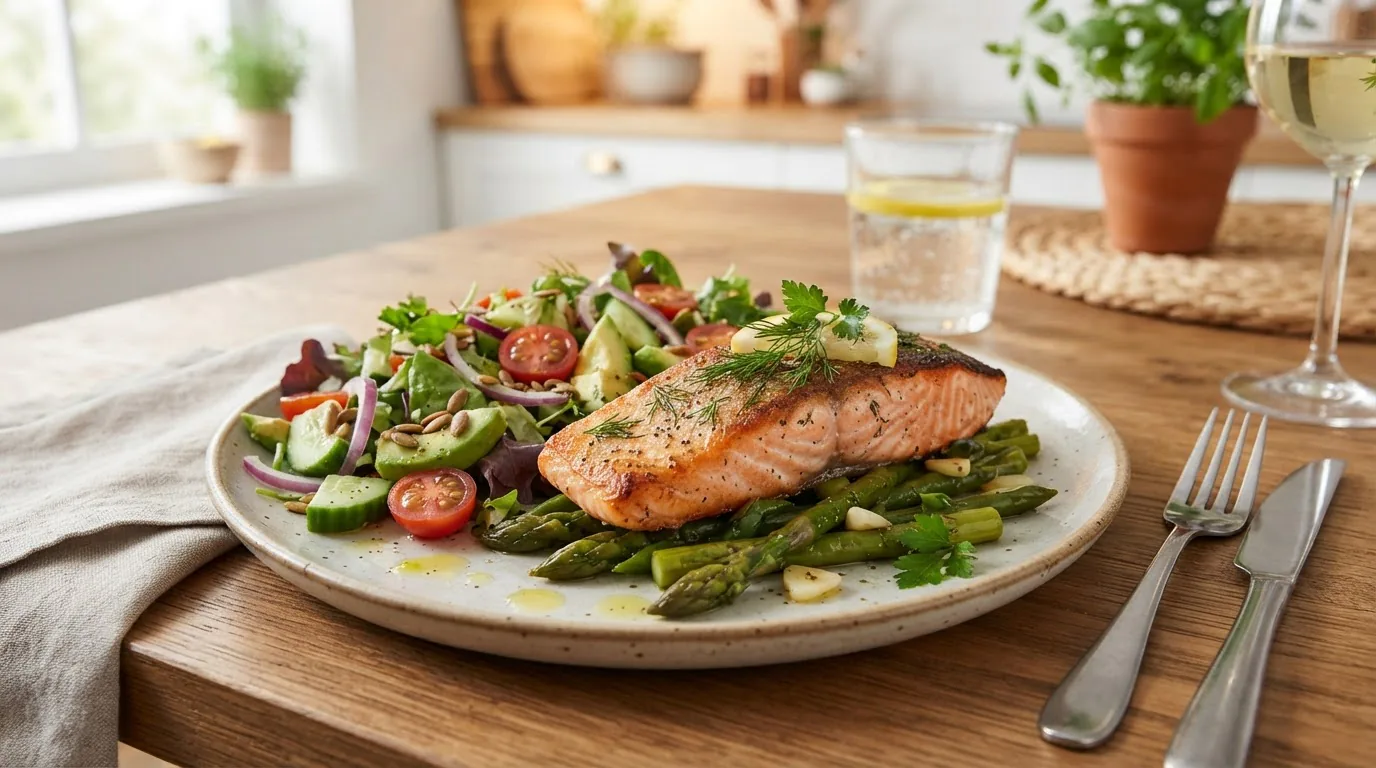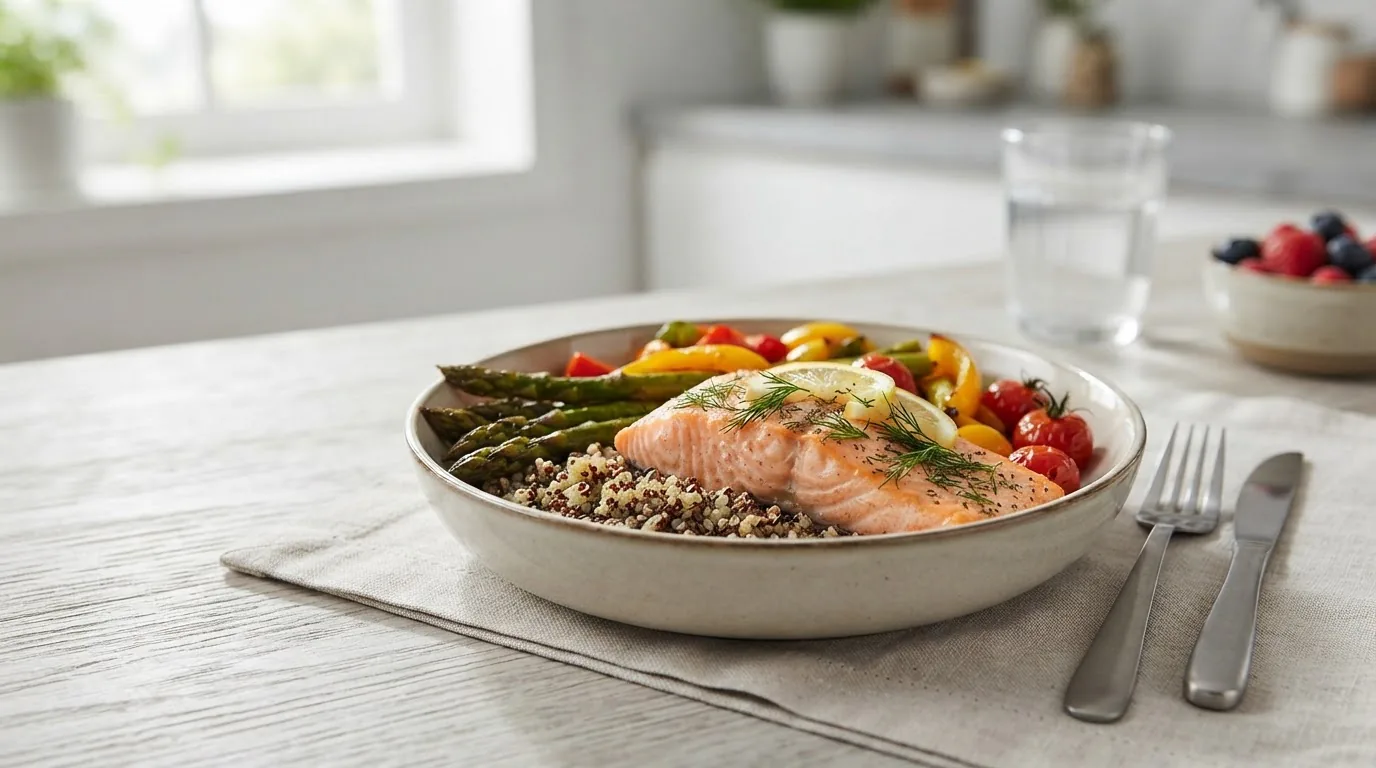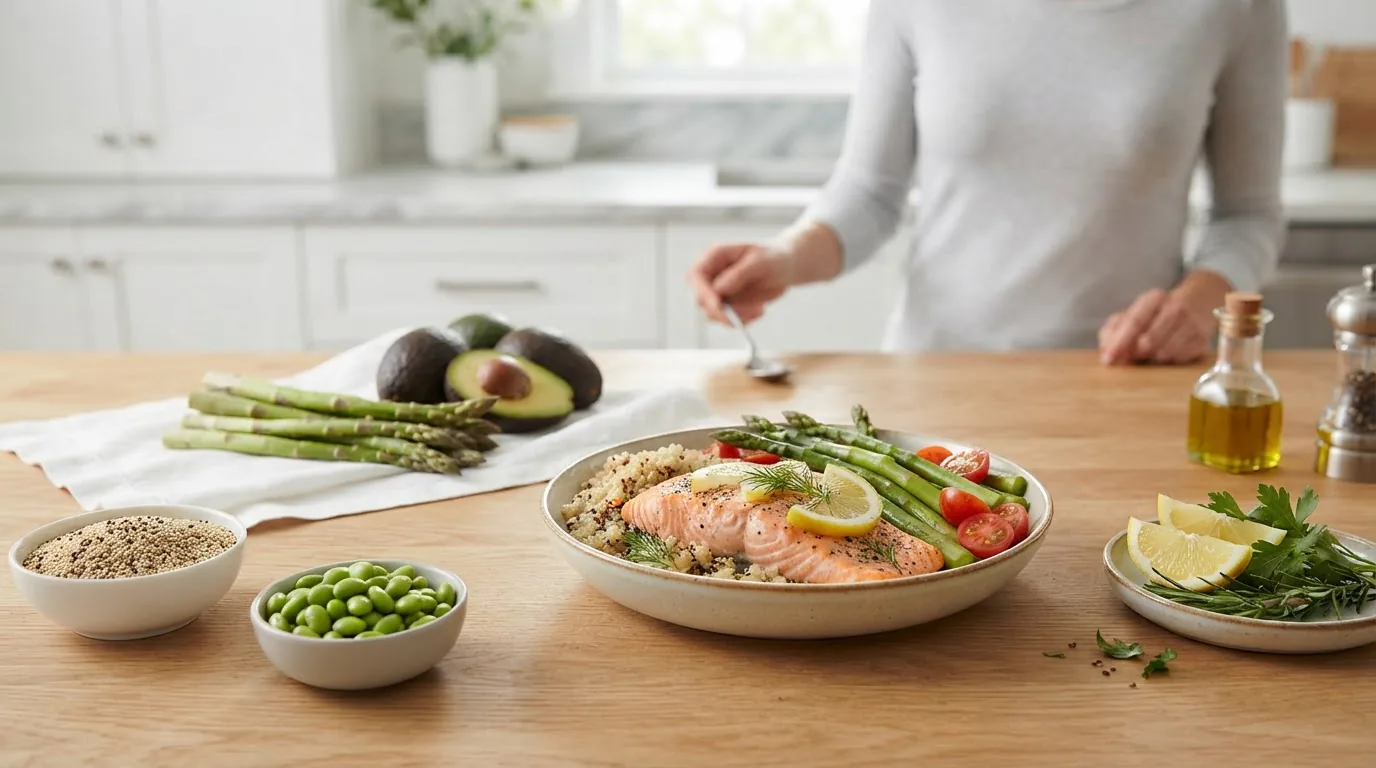

Healthy fats power cells, support hormones, and make meals satisfying — but which ones should you eat, how much, and how do they fit into a weight-loss plan? This guide explains the types of fats, lists food sources, highlights health benefits, and gives practical serving tips so you can include good fats confidently.
Understanding Healthy Fats
Fats in the diet perform three big jobs: provide concentrated energy, carry fat-soluble vitamins (A, D, E, K), and supply essential fatty acids that the body cannot make. On the plate and in the body, fats appear as different chemical types — the main categories are monounsaturated fats, polyunsaturated fats (including omega-3 and omega-6 fatty acids), saturated fats, and artificial trans fats. Unsaturated fats (mono- and polyunsaturated) are widely considered “healthy fats” because they tend to support heart and metabolic health when they replace refined carbohydrates and trans fats.
Below is a simple comparison table illustrating key features and dietary roles of each fat type to clarify how they differ in structure, food sources, and health implications.
| Fat Type | Structure / Example | Common Food Sources | Health Notes |
|---|---|---|---|
| Monounsaturated fats | Single double bond; oleic acid | Olive oil, avocados, most nuts (almonds, cashews) | Linked to improved cholesterol profile and vascular function |
| Polyunsaturated fats | Multiple double bonds; includes omega-3 & omega-6 | Fatty fish, flaxseeds, walnuts, soybean oil | Essential fatty acids; omega-3s reduce inflammation and support heart/brain health |
| Saturated fats | No double bonds; stearic/palmitic acids | Butter, lard, coconut oil, fatty cuts of meat | Raise LDL cholesterol in many people; recommended in moderation per guidelines |
| Trans fats | Industrial hydrogenation or some ruminant sources | Partially hydrogenated oils, some processed baked goods | Associated with higher heart disease risk; avoid industrial trans fats |
How fats behave in the body depends on their chemical structure: saturated fats pack tightly and are more solid at room temperature; unsaturated fats have bends in their chains that affect how they’re used by cells. The body stores excess calories from fats as adipose tissue, but dietary quality matters more than simply fat versus no fat — the right fats can support metabolism, satiety, and nutrient absorption.
Transition: With that foundation, let’s break down the specific healthy fats to prioritize and where to find them.
Types of Healthy Fats to Eat
Focus your diet on unsaturated fats — both monounsaturated fats and polyunsaturated fats — because they supply essential fatty acids and favorable effects on heart and metabolic markers. Below is an ordered list of the healthy fat types to include, with short descriptions and practical examples.
-
Monounsaturated fats (MUFAs)
Why: MUFAs help lower LDL (bad) cholesterol and may improve insulin sensitivity. They’re stable for many cooking methods and add richness without excessive saturated fat.
- Foods: olive oil, avocados, olives, almonds, cashews, peanuts, macadamia nuts.
- How to use: drizzle extra-virgin olive oil on vegetables or use mashed avocado as a spread.
heart-healthy cooking oils are rich in MUFAs and recommended for most home cooks.
-
Omega-3 polyunsaturated fatty acids (n-3 PUFAs)
Why: Omega-3s (EPA, DHA, ALA) reduce inflammation, support heart and brain health, and are linked to improved triglyceride levels.
- Foods: fatty fish (salmon, mackerel, sardines, trout), chia, flaxseed, walnuts, algae oil.
- Tip: Aim for at least two servings of oily fish per week or consider supplements if dietary intake is low.
best omega-3 fat sources list provides serving specifics and EPA/DHA estimates for common foods.
-
Omega-6 polyunsaturated fatty acids
Why: Omega-6s (like linoleic acid) are essential and abundant in vegetable oils and nuts. Balanced intake with omega-3s matters more than eliminating omega-6s entirely.
- Foods: soybean oil, corn oil, sunflower seeds, walnuts.
- Balance tip: Reduce ultra-processed foods and choose whole-food omega-6 sources alongside omega-3s to maintain a healthier ratio.
-
Plant-based sources of mixed unsaturated fats
Why: Whole plant foods combine MUFAs, PUFAs, fiber, and micronutrients — delivering broad health benefits beyond fat alone.
- Foods: avocados, olives, nuts, seeds (flax, chia, hemp), soy products.
- Use: Snack on a small handful of nuts, add ground flax to yogurt, or use tahini in dressings.
-
Fatty fish and marine oils
Why: Fatty fish provide DHA and EPA in bioavailable forms; cod liver oil and fish oil supplements can fill gaps for those with low fish intake.
- Foods/supplements: salmon, sardines, mackerel, anchovies; see research on cod liver oil and fish oil benefits.
cod liver oil and fish oil benefits explain dosing, safety, and timing considerations.
-
Small amounts of saturated fats
Why: Saturated fats aren’t the first choice for heart health but can be included modestly as part of an overall diet that emphasizes unsaturated fats.
- Foods: modest portions of dairy, coconut in recipes, and fattier animal cuts if chosen sparingly.
- Practical rule: prioritize unsaturated fats and keep saturated fat to recommended limits from authoritative sources.
-
Avoid industrial trans fats
Why: Artificial trans fats increase heart disease risk and are best avoided entirely. Check labels for “partially hydrogenated oils.”
- Foods to avoid: some commercially baked goods, fried fast food, and margarine with hydrogenated oils.
Transition: With the types outlined, next is a thorough, categorized list of healthy fat foods you can shop for and include in meals daily.
Comprehensive List of Healthy Fat Foods
This categorized list groups high-quality fat sources with nutritional highlights so you can pick options that match flavor, budget, or dietary patterns (vegetarian, pescatarian, omnivore).
Nuts (handful portions)
- Almonds (1 oz / ~23 nuts): high in MUFAs, vitamin E, magnesium; ~14 g fat, 6 g protein. Good for snacking or almond butter on toast.
- Walnuts (1 oz / ~14 halves): rich in ALA omega-3; ~18 g fat. Add to oatmeal or salads for texture and omega-3 boost.
- Cashews, pistachios, hazelnuts: provide MUFAs and minerals; mindful portion control advised for calorie-dense nuts.
Do Nuts Have Protein Guide covers protein and fat balance in nuts.
Seeds
- Flaxseeds (1 tbsp ground): ALA omega-3, fiber; add to smoothies or yogurt.
- Chia seeds (1 tbsp): ALA, fiber, gel-forming for satiety; use in puddings or as an egg substitute.
- Hemp seeds: balanced omega-6:omega-3, plant protein, vitamin E.
Oils and Fats (use wisely)
- Extra-virgin olive oil: high in MUFAs and polyphenols; great for dressings and low-heat cooking.
- Avocado oil: high smoke point and MUFAs — good for higher-heat cooking.
- Canola oil and soybean oil: sources of PUFAs, including omega-6; useful but prioritize whole-food sources of fats where possible.
- Coconut oil: largely saturated fat; use sparingly in flavor-specific recipes.
Best Cooking Oil for Heart Guide: Heart-Healthy Options summarizes oils by heart-health metrics and smoke point.
Fatty Fish & Seafood
- Salmon (3.5 oz / 100 g): ~10–13 g fat, rich in EPA/DHA; supports cardiovascular and brain health.
- Mackerel, sardines, herring: high omega-3 content per serving; affordable options for weekly rotation.
- Tuna (choose canned in water for lower calories): moderate omega-3; check mercury advisories for vulnerable groups.
Does Tuna Have Omega 3 Guide gives serving-by-serving DHA and EPA values.
Dairy & Eggs (choose low-fat or full-fat depending on goals)
- Greek yogurt (full-fat): provides MUFAs and saturated fat, plus protein and calcium. Use plain, add fruit and nuts.
- Cheese: calorie-dense; small portions can boost meal satisfaction. Opt for portion control if weight loss is a goal.
- Egg yolks: rich in phospholipids and fat-soluble vitamins; include whole eggs in balanced meals unless clinically advised otherwise.
Plant Foods with Notable Fats
- Avocado: versatile source of MUFAs and fiber; ~15 g fat per medium avocado, mostly MUFAs.
- Soybeans and tofu: provide PUFAs, MUFAs, and plant protein; suitable for vegetarian diets.
- Olives: small servings provide MUFAs and antioxidants as snacks or additions to salads.
High-Fat Snacks (smart choices)
- Small handful of nuts + piece of fruit: balances fats, fiber, and carbs for steady energy.
- Greek yogurt with ground flaxseed and berries: protein, omega-3 ALA, and probiotics.
- Hummus with raw veggies: tahini and olive oil add healthy fats; veggies add fiber and volume.
Convenient Sources & Supplements
- Fish oils and algal DHA supplements: useful when dietary fish intake is low; review safety and dosage guidance in dedicated resources.
- Nut butters (almond, peanut, tahini): energy-dense, nutrient-rich — watch portions (1–2 tbsp per serving).
How Long Does It Take for Fish Oil to Work Guide and Timing discusses onset of effects and expected timelines.
Nutritional highlights: many of the items above provide not only fats but also other nutrients—vitamin E from nuts and oils, iodine and vitamin D from fish, fiber from seeds and avocados. Choosing whole-food sources tends to deliver the widest nutrient range and better satiety than processed fat-rich products.
Transition: Now that you know what to eat, let’s look at the measurable benefits of prioritizing these fats.
Benefits of Healthy Fats
Consistent inclusion of quality unsaturated fats offers multiple health benefits. Below are evidence-informed advantages with supporting context and summary bullets for quick reference.
Cardiovascular benefits — Replacing saturated and trans fats with MUFAs and PUFAs can lower LDL cholesterol and reduce cardiovascular risk factors. For example, Mediterranean-style diets rich in olive oil and nuts are associated with lower rates of heart disease: according to a 2018 randomized trial published in a peer-reviewed journal, a Mediterranean diet supplemented with extra-virgin olive oil or nuts reduced major cardiovascular events in high-risk adults (peer-reviewed clinical trial).
- Improved lipid profile: MUFAs and omega-3 PUFAs can lower triglycerides and positively influence HDL and LDL particle size.
- Inflammation modulation: omega-3 fatty acids (EPA/DHA) have anti-inflammatory effects that benefit heart disease, some autoimmune conditions, and possibly mood regulation.
- Guideline reinforcement: American Heart Association recommendations on healthy fats emphasize replacing saturated fats with unsaturated fats to reduce CVD risk.
Brain and cognitive health — DHA is a structural component of brain tissue. Observational studies link higher omega-3 intakes to better cognitive outcomes with age (observational cohort studies).
Weight management and satiety — Including moderate amounts of healthy fats increases meal satisfaction and slows gastric emptying, which can help reduce overall calorie intake. Randomized and controlled feeding studies show that meals containing fat produce greater satiety than low-fat meals with similar calories (controlled feeding studies).
- Satiety and calorie control: meals with MUFAs and PUFAs can reduce mid-meal snacking and improve adherence to calorie goals.
- Metabolic flexibility: unsaturated fats in place of refined carbs may support better insulin sensitivity in some people (meta-analyses of dietary interventions).
Micronutrient absorption and hormone production — Fat is necessary for absorption of vitamins A, D, E, and K. Fats also support hormone synthesis and cell membrane integrity.
Muscle and performance — Fats supply long-lasting energy for low-to-moderate intensity activity and contribute to recovery when included with adequate protein. For calorie-aware athletes, the right mix of fats preserves performance without excess calorie intake.
Calorie context — Remember that fat provides 9 kcal per gram, more than protein or carbohydrate. For a clear breakdown of energy density and comparisons, see resources on the calorie content of fats.
calorie content of fats helps compare energy density between macronutrients and plan portions accordingly.
Caveats and evidence framing: while many studies support unsaturated fats’ benefits, outcomes depend on replacement foods (unsaturated fats replacing refined carbs or trans fats yields benefits; replacing whole-food carbs with excess saturated fat does not). For official intake guidance and risk thresholds, consult authoritative resources such as the FDA guidelines on dietary fats and nutrition fact sheets from the NIH for fatty acids and dietary recommendations.
Summary bullets — Key health benefits of prioritizing healthy fats:
- Better cholesterol profile and reduced cardiovascular risk when replacing saturated and trans fats with unsaturated fats (clinical and population studies).
- Lower triglycerides and reduced systemic inflammation with increased omega-3 intake (clinical trials and meta-analyses).
- Improved meal satisfaction and adherence to calorie goals supporting weight loss efforts (controlled feeding studies).
- Essential for absorption of fat-soluble vitamins and structural functions in cells and hormones (biochemical reviews).
Transition: Given these benefits, how do healthy fats specifically help with weight loss? The next section explains practical strategies and myth-busting for weight management.
Healthy Fats for Weight Loss: What to Know
Fats can support weight loss when used intelligently. The key principle is energy balance: to lose weight you need a sustained calorie deficit. However, the composition of those calories influences hunger, adherence, metabolic health, and body composition. Including moderate amounts of healthy fats—especially MUFAs and omega-3s—can improve satiety, preserve lean mass when paired with adequate protein, and make meals more sustainable.
Actionable strategies:
- Prioritize unsaturated fats over saturated and trans fats: choose olive oil, nuts, avocado, and fatty fish instead of processed snacks and high-saturated-fat fast foods.
- Control portions of energy-dense fats: measure oils and nut servings, aim for 1–2 tbsp of oil or 1 oz of nuts per serving as a starting point.
- Combine fats with fiber and protein: blending healthy fats with lean protein and fiber-rich carbs slows digestion and reduces overall calorie intake — pairing fats with lean protein choices optimizes satiety and muscle preservation. protein-rich foods for weight loss
Myths vs. Facts
- Myth: “All fats make you fat.” Fact: Calories matter, but fats are not inherently fattening; unsaturated fats can improve satiety and support weight loss when calories are controlled (meta-analyses of dietary patterns).
- Myth: “Low-fat diets are always best for weight loss.” Fact: Low-fat diets can work, but many people find moderate-fat, higher-protein diets easier to stick to. Quality of fats and replacement foods determine outcomes (randomized trials comparing macronutrient compositions).
- Myth: “You should avoid all carbs with fats.” Fact: Balanced meals combining healthy fats, whole grains, and vegetables often lead to better long-term adherence and nutrient intake.
High-fat snacks that support weight loss (portion-controlled):
- 10–12 almonds + an apple — about 150–200 kcal, combines fat, fiber, and a little protein.
- Greek yogurt (3/4 cup) with 1 tbsp ground flaxseed and berries — protein, ALA omega-3, and antioxidants.
- Half an avocado on whole-grain toast (thinly-sliced) — MUFAs and fiber to reduce later snacking.
Practical evidence-based tips:
- Track portions and total calories for 1–2 weeks to understand how fats fit into your intake (use apps or meal planners).
- Substitute rather than add: replace refined carbs or processed snacks with whole-food fat options rather than simply adding fats to your current diet.
- Monitor biomarkers: for those with elevated LDL or triglycerides, tailor fat sources and total intake with a clinician or dietitian; individualized adjustments can optimize both weight and cardiometabolic health.
lean low-calorie choices combined with healthy fats can create satisfying meals that support fat loss.
Transition: Next, practical serving tips and meal ideas will help you apply these principles day-to-day.
Serving Tips and How to Include Healthy Fats in Your Diet
Practical inclusion of healthy fats focuses on portion control, food pairing, cooking methods, and simple meal templates. These steps help integrate fats without overshooting calorie goals while maximizing satisfaction and nutrition.
How to Read Labels and Choose Quality Fats
- Look for “0 g trans fat” but also check the ingredients list for “partially hydrogenated oils” (avoid these).
- Compare serving sizes and total fat per serving; remember that 1 gram of fat = 9 calories.
- Prefer oils labeled “extra-virgin” for cold uses (salads/dips) because they retain antioxidants; for high-heat cooking, choose oils with higher smoke points like avocado oil.
Portion guidelines
- Oils: 1 tablespoon (about 14 g) = ~120–130 kcal — use measuring spoons instead of “eyeballing.”
- Nuts/seeds: 1 ounce (approx. a small handful) = ~160–200 kcal depending on type — pre-portion into snack bags.
- Avocado: half a medium avocado per serving provides ~10–12 g fat and good fiber; blends well into meals.
Meal and snack ideas
- Breakfast: Greek yogurt with berries, 1 tbsp ground flax, and 10 almonds; or whole-grain toast with mashed avocado and an egg.
- Lunch: Mixed greens, grilled salmon, mixed seeds, olive oil-lemon dressing — balance fat, protein, and fiber.
- Dinner: Stir-fry with tofu or lean chicken, a splash of avocado oil, lots of non-starchy vegetables, and a side of quinoa.
- Snack: Hummus and raw veggies, or a small apple with 1 tbsp peanut butter.
lean protein choices pair well with healthy fats for balanced meals.
Combining fats with proteins and carbs
Meals that combine fats with high-quality protein and fiber-rich carbs slow digestion and maintain energy. For everyday planning, aim for a palm-sized protein portion, a fist-sized vegetable portion, and a thumb-sized fat portion (approx. 1 tbsp oil or 1 oz nuts) per meal as a simple visual heuristic.
cost-effective sources of protein and fats help budget-friendly meal planning — canned fish, eggs, and frozen vegetables are often economical.
simple high-protein meals that include healthy fats can be assembled quickly for lunches or post-workout dinners.
complete protein foods such as dairy, eggs, and fish pair naturally with healthy fats to provide balanced amino acid and fat profiles.
Special diets and considerations
- Plant-based: focus on walnuts, flax, chia, hemp, avocado, and algal DHA for omega-3s.
- Low-carb/ketogenic: prioritize MUFAs and omega-3s, but monitor saturated fat intake and consult guidance for long-term safety.
carnivore diet meal ideas should consider how animal fats affect lipid profiles and satiety; professional monitoring is recommended.
Budget and convenience strategies
- Buy frozen fatty fish (salmon, mackerel) or canned oily fish (sardines, salmon) for lower cost.
- Purchase bulk nuts and portion them into single-serving bags to prevent overeating.
cost-effective sources of protein and fats offers tips for saving money while keeping quality high.
Transition: Finally, let’s answer common questions and clear up misconceptions people often have about dietary fats.
Common Questions and Misconceptions About Healthy Fats
Below are concise answers to common doubts and troubleshooting tips for selecting and using fats.
Are all fats necessary in the diet?
Some fats are essential — specifically linoleic acid (omega-6) and alpha-linolenic acid (ALA, an omega-3). While the body can synthesize many fat types, these essential fatty acids must come from food.
Does polyunsaturated fat equal healthy?
Not always; polyunsaturated fats include both omega-3s and omega-6s. Whole-food PUFA sources (fish, flax, walnuts) are beneficial. Overconsumption of processed omega-6 heavy oils without omega-3 balance can be less favorable for inflammation markers.
Is saturated fat always bad?
Saturated fat can raise LDL cholesterol in many people, so major health organizations recommend moderation. Some saturated-fat-rich foods (e.g., dairy) may have neutral or mixed effects depending on the overall dietary context.
How can I tell if food fats are high quality?
Prefer minimally processed foods, check for “partially hydrogenated” on ingredient lists, choose extra-virgin oils for dressings, and opt for wild or sustainably sourced fatty fish when possible. Freshness and packaging (dark glass for oils) also preserve quality.
What if I get digestive issues after increasing fats?
Increase fats gradually, split portions across a meal, and ensure adequate fiber. Significant or persistent gastrointestinal symptoms warrant discussion with a healthcare professional to rule out conditions like gallbladder disease or pancreatic issues.
How much fat should be in a balanced diet?
Many guidelines recommend 20–35% of daily calories from fat for most adults, emphasizing unsaturated sources and minimal trans fats. Individual needs vary by activity level, goals, and medical history.
Transition: Now for a concise wrap-up of the most actionable points.
Conclusion
Choose unsaturated fats — especially monounsaturated and omega-3 polyunsaturated fats — as primary dietary fats. Use portion control, pair fats with lean proteins and fiber-rich carbs, and favor whole-food sources like avocados, nuts, seeds, fatty fish, and extra-virgin olive oil. For weight loss, replace refined carbs or processed snacks with healthy fats rather than simply adding fats to your existing diet. Monitor calories, personalize choices based on health markers, and consult authoritative guidance when needed.
Ready to start? Try swapping your daily spread for mashed avocado or drizzling olive oil on a salad for one week and track changes in satiety and meal satisfaction. For recipe ideas and protein pairings, explore the linked guides throughout this article to build balanced, delicious meals.
Frequently Asked Questions
What exactly are healthy fats and why do they matter?
Healthy fats are mainly unsaturated fats (monounsaturated and polyunsaturated) that support heart, brain, and cellular health, carry fat-soluble vitamins, and improve satiety. Replacing saturated and trans fats with unsaturated fats tends to lower cardiovascular risk and support metabolic health.
What foods have the highest amount of healthy fats?
Top sources include fatty fish (salmon, mackerel), extra-virgin olive oil, avocados, nuts (almonds, walnuts), and seeds (flax, chia). These foods provide MUFAs and PUFAs, including omega-3s, while offering micronutrients and fiber in whole-food forms.
How do monounsaturated fats differ from polyunsaturated fats?
Monounsaturated fats (MUFAs) have one double bond and improve cholesterol profiles; polyunsaturated fats (PUFAs) have multiple double bonds and include essential omega-3 and omega-6 fatty acids, which modulate inflammation and cell function.
How can I include healthy fats in my daily diet in balanced portions?
Use portion control: 1 tbsp oil (~120 kcal), 1 oz nuts (~160–200 kcal), half an avocado. Pair fats with protein and fiber at meals for satiety: e.g., salmon salad with olive oil dressing or Greek yogurt with flax and nuts.
Are all fats good for weight loss or should some be avoided?
Not all fats are equal: prioritize unsaturated fats (MUFAs, PUFAs) and avoid industrial trans fats. Healthy fats can support weight loss when replacing refined carbs or processed snacks and when calories are controlled.
How long does it take to see health benefits from eating more healthy fats?
Some benefits like improved satiety and modest triglyceride changes can appear within weeks; improvements in cholesterol or inflammatory markers may take several months. Timelines vary by individual and the dietary changes made (clinical and observational data).
How do I know if the fats in my food are of good quality and safe?
Choose minimally processed foods, avoid “partially hydrogenated” ingredients, prefer extra-virgin oils for cold uses, and store oils away from light/heat. For fish, follow advisories on mercury and select sustainably sourced options.
What should I do if I experience digestive issues after increasing healthy fats?
Increase fats gradually, split them across meals, add fiber, and monitor symptoms. If significant or persistent gastrointestinal issues occur, consult a healthcare provider to rule out gallbladder, pancreatic, or malabsorption conditions.