
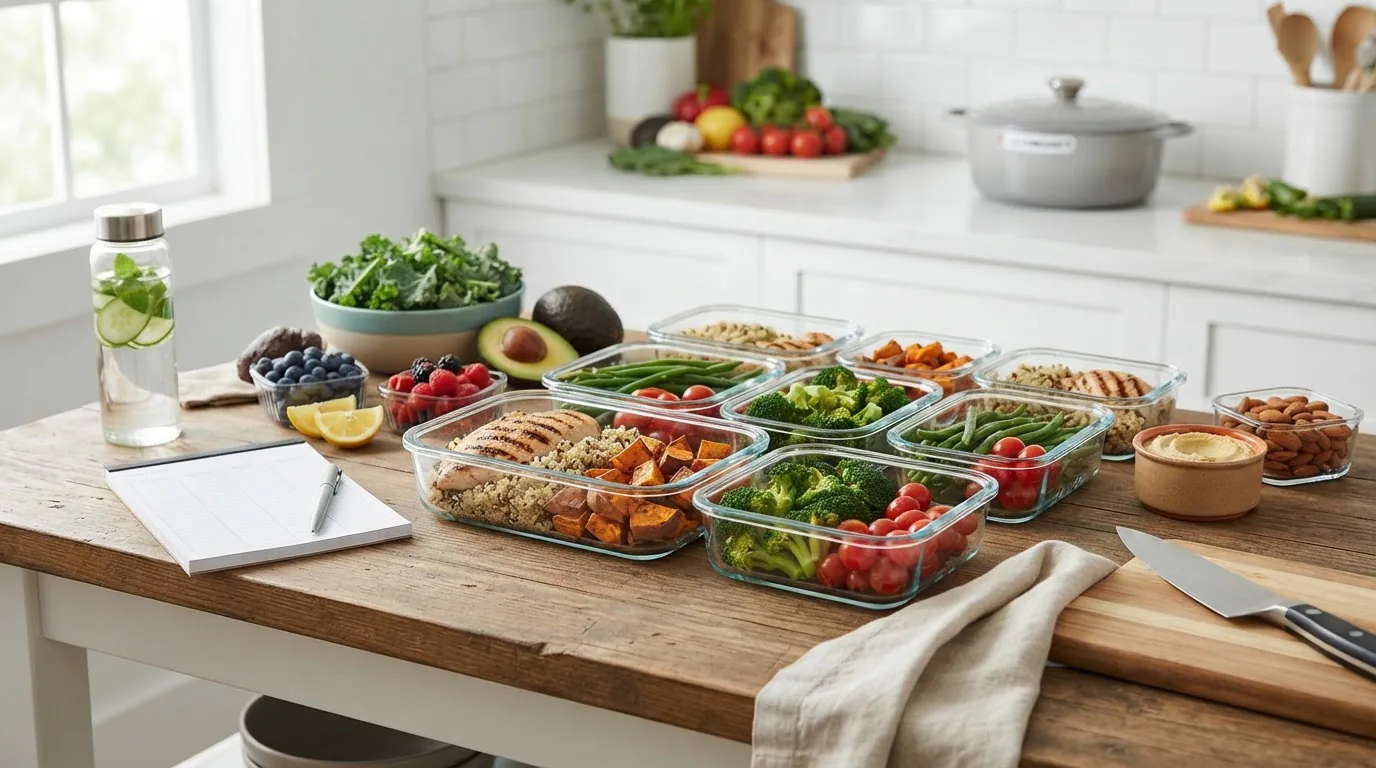
21 day fix meal plan followers get fast clarity: color-coded containers make portioning painless, and a focused prep system keeps busy weeks on track. This guide gives step-by-step container use, a weekly meal-prep walkthrough, and practical swaps so you can follow the plan reliably and see steady weight-loss-friendly progress.
Introduction to the 21 Day Fix Meal Plan
The 21 Day Fix meal plan is a structured, container-based eating system that simplifies portion control into a daily set of color-coded servings and encourages clean whole foods. Designed as a short, intensive program, it pairs portion guidance with an emphasis on whole-food choices and flexible meal timing to create calorie control without complex counting.
Think of the plan as a visual puzzle: each meal assembles colored container “pieces” that together deliver balanced macronutrients and vegetables across the day. That simplicity is powerful for busy Americans who need straightforward rules rather than constant decision-making.
How this guide helps you: it translates the container rules into real meal-prep workflows, offers a weekly walkthrough using the containers, and includes grocery lists and time-saving strategies so you can actually follow the plan on workdays, nights out, and travel.
For readers who want broader background on building long-term habits that pair well with the 21 Day Fix, review the pillar piece How to Eat to Live Guide for Sustainable Healthy Eating Habits.
Before moving into the containers, remember: individual calorie needs vary by age, sex, weight, activity level, and health status. Consult a qualified health professional if you have chronic conditions or special dietary needs.
Understanding the Portion Control Container System
Transition: Now that we know what the program is, let’s look closely at the core tool—the containers—and how to use them every day.
The 21 Day Fix container system uses color-coded, stackable containers to measure portions by food group without weighing or counting calories. Each color corresponds to a food group and a standard volumetric portion. Use the containers for meals and snacks to maintain consistent portion sizes across days.
Portion control containers include the following common colors and uses:
| Container Color | Food Group | Typical Portion Example |
|---|---|---|
| Green | Vegetables | 1 cup raw leafy greens or 1 cup chopped cooked vegetables |
| Purple | Fruits | 1 medium piece or 1 cup berries |
| Red | Proteins | 3–4 oz cooked lean meat or ¾ cup cooked beans |
| Yellow | Carbohydrates | 1 slice whole-grain bread or ½ cup cooked pasta/rice |
| Blue | Healthy fats | 1–2 tbsp nut butter or 1/3 avocado |
| Orange | Treats/Seeds | 1 tbsp seeds or 2 squares dark chocolate |
How to apply the containers—step-by-step:
- Know your daily allotment: The system assigns a daily number of each colored container based on your calorie bracket (e.g., lower-calorie brackets have fewer yellows). The official guide or coach provides these allotments—use them as your baseline.
- Plan meals as combinations: Aim to include a green container on every plate for vegetables, a red for protein, and a yellow or purple as needed. Think of each meal as a stacked set of containers that together meet your daily totals.
- Measure once for habit formation: During meal prep, portion foods into containers. Repeatedly using the set trains portion recognition—over time you’ll estimate portions without the containers when necessary.
- Keep a container kit accessible: Store a clean set in a visible place at home and keep a travel-friendly set in your bag for events or lunches out. This reduces decision friction.
- Adjust texture and macronutrients: When foods are mixed (e.g., grain bowls), decide which container dominates (carb vs. protein) and portion the other ingredients accordingly.
Practical container-use tips:
- For mixed dishes (stews, casseroles), place the primary portion in the matching container and use measuring cups to allocate secondary macronutrients.
- Use visual cues: a palm-sized portion approximates a red container; a cupped hand works for yellow; a thumb-sized portion approximates blue for fats.
- Label your prepped containers with sticker notes like “M/W Lunch” to avoid pantry confusion and save decision time.
Why portion containers work: they remove math from meals, delivering consistent volume-based portions that reduce accidental over-serving. Peer-reviewed nutrition literature supports portion control as a strong behavioral lever for reducing energy intake and supporting weight loss, because visual cues and standardized portions reduce unconscious overeating.
For evidence on portion control benefits, see peer-reviewed research on portion size and intake.
Core Principles of the 21 Day Fix Eating Plan
Transition: With containers and measurement steps clear, adopt the core principles that guide daily choices so meals remain balanced and effective for weight-loss objectives.
- Balanced meals every time: Combine vegetables (green), lean protein (red), and a controlled portion of carbs or fruit (yellow or purple). Vegetables should fill at least half your plate across the day to enhance satiety and micronutrient intake. This aligns with USDA guidance on plate balance—see USDA Dietary Guidelines for general alignment with public recommendations.
- Calorie guidance via container counts: Instead of strict calorie counting, the plan sets container totals per day matched to activity level and goals. These translate to a consistent calorie range by design while keeping meals simple. Use container totals as daily calorie proxies and adjust when progress stalls.
- Macronutrient balance matters: The plan encourages a balance of protein, carbs, and fats through the container system. Protein supports satiety and lean mass retention; carbs provide energy and fiber; fats support hormone and nutrient absorption. Aim for each meal to have a protein source first, then add vegetables and controlled carbs.
- Clean eating as a guiding principle: Focus on minimally processed foods—whole grains, lean proteins, legumes, fruits, vegetables, nuts, and seeds. Clean eating reduces added sugars and excess sodium and pairs well with portion control to reduce overall calorie density.
- Regular meal timing and frequency: The typical structure is 3 meals + 1–2 snacks using containers to spread nutrition and maintain steady blood sugar. Meal timing should align with daily routine and training schedule to support energy needs.
- Hydration and mindful beverage choices: Water is the primary beverage; limit sugary drinks and alcohol, which bypass container measures and add calories quickly. Drinking water before meals can also aid satiety.
- Flexible eating for adherence: The plan allows scheduled treats (orange container) so adherence increases. Allowing planned flexibility reduces binge risk and supports long-term habit formation.
- Progress monitoring and small tweaks: Track weight, measurements, and energy levels weekly. If progress stalls, reduce one yellow or blue per day or increase movement; if energy is low, reintroduce a small carbohydrate or healthy fat.
- Exercise integration: Pair the meal plan with a structured fitness routine—resistance training to preserve lean mass and cardio for extra calorie burn. Nutrition and exercise synergy speeds fat loss and improves body composition.
- Adapting for dietary restrictions: Replace animal proteins with legumes, tofu, tempeh, or seitan to meet red-container needs for vegetarians. Use gluten-free whole grains (quinoa, brown rice) in yellow containers if needed. Monitor micronutrients like B12, iron, and calcium if excluding animal products.
For deeper background on dietary trends and evidence supporting structured diets, see the dietary factors and statistics guide.
To understand how nutrient quality distinguishes choices on the plan, review the nutritional differences between healthy and unhealthy foods.
Planning Your 21 Day Fix Meal Prep
Transition: Planning steady meals is where most people win or lose—this section gives a reproducible meal-prep workflow so container counts become second nature.
Meal prep for the 21 Day Fix combines batch cooking, portioning into containers, and a weekly grocery plan that maps directly to container allotments. The goal is to make 4–5 days of meals in 1–2 hours, leaving room for fresh salads or quick reheats.
Step-by-step meal-prep workflow:
- Choose your week’s template: Decide on 3 breakfasts, 4 lunches, 4 dinners, and 7 snacks. Use container counts to ensure totals match your daily allotment. For variety, rotate protein and vegetable choices across days.
- Create a master grocery list by container: List proteins (red), veggies (green), carbs (yellow), fruits (purple), fats (blue), and treats/seeds (orange). Buying by container group speeds shopping and reduces impulse buys. Example list: chicken breast, canned beans, eggs (red); broccoli, spinach, bell peppers (green); brown rice, oats, sweet potatoes (yellow); apples, berries (purple); olive oil, almonds (blue); hummus or dark chocolate (orange).
- Batch-cook core ingredients: Roast a large tray of mixed vegetables, bake protein (chicken, tofu), cook a pot of whole grains, and make a large pot of soup or chili as a multi-meal base.
- Portion into containers: While still warm, portion proteins, carbs, and vegetables into meal containers matching the color system. Label and date each container.
- Prep snacks and breakfast components: Portion fruit into small containers or bags, pre-portion nuts/seed servings (blue/orange), and portion oats or grain mixes into jars for quick breakfasts.
- Organize the fridge by meal time: Top-shelf quick-grab breakfasts, lunch row, dinner row. Use clear bins or labeled shelves to reduce search time—this is fridge organization for adherence.
- Schedule a mid-week refresh: Plan 30–45 minutes midweek to freshen salads, cook another protein batch, or refresh greens to maintain texture and flavor.
Sample weekly grocery list (by container group):
- Red (proteins): chicken breast, ground turkey, extra-firm tofu, canned tuna, eggs
- Green (vegetables): spinach, broccoli, bell peppers, cauliflower, mixed salad greens
- Yellow (carbs): brown rice, rolled oats, sweet potatoes, whole-grain wraps
- Purple (fruits): apples, berries, oranges
- Blue (fats): olive oil, almonds, natural peanut butter, avocado
- Orange (treats/seeds): hummus, chia seeds, dark chocolate
To pick foods that keep you full between meals, consult the foods that satisfy hunger resource for high-satiety choices that fit container portions.
Time-saving strategies for busy schedules:
- Double recipes and freeze single servings for quick reheat.
- Use a slow cooker or Instant Pot for hands-off large-batch proteins.
- Buy pre-washed greens and pre-cut veg if budget allows; it reduces prep time and raises adherence.
- Keep a travel container kit to portion out restaurant meals at the table if needed.
Fridge and storage organization:
- Store sauces and dressings in small jars; measure dressings in tablespoons (blue) to avoid hidden calories.
- Use transparent bins labeled by meal to speed selection.
- First in, first out: date meals to avoid waste and maintain food safety.
Composite case study (experience signal): A composite client tracked in coaching reduced late-night snacking by prepping two filling protein-and-veg dinners and seven portioned snacks; over three weeks they reported a 6-pound weight loss while maintaining energy for workouts. This illustrates how consistent prep and container use support progressive results when combined with movement and sleep improvements.
Sample 21 Day Fix Meal Plans and Recipes
Transition: Real meals make the system liveable. Below are sample menus and short recipe descriptions ready to drop into your weekly prep.
Each day’s plan gives container counts in parentheses: (Green, Purple, Red, Yellow, Blue, Orange). Adjust portions by your assigned daily allotment.
Sample Day A — Moderate activity (example container set: 4G, 3P, 4R, 2Y, 1B, 1O)
- Breakfast — Veggie Egg Muffins + Fruit (1G, 1P, 1R): Whisk eggs with chopped spinach, bell pepper, and diced turkey. Bake in muffin tins. Serve with 1 cup mixed berries (purple). Easy to make in advance; each muffin approximates a red when using 2 eggs + turkey.
- Snack — Greek Yogurt + Almonds (0G, 0P, 1R, 0Y, 1B): ¾ cup plain Greek yogurt topped with 12 almonds (blue). Protein and fat sustain energy until lunch.
- Lunch — Grilled Chicken Salad (2G, 0P, 1R, 1Y): Mixed greens, grilled chicken breast (red), ½ cup cooked quinoa (yellow), cherry tomatoes, cucumber, lemon-olive oil dressing measured as 1 blue.
- Snack — Apple + 1 tbsp peanut butter (0G, 0P, 0R, 1P, 0Y, 1B): One medium apple (purple) and 1 tbsp peanut butter (blue).
- Dinner — Salmon + Roasted Veg + Sweet Potato (1G, 0P, 1R, 1Y, 0B): 4 oz salmon (red), 1 cup roasted broccoli (green), ½ sweet potato (yellow), drizzle olive oil 1 blue if extra fat needed.
- Treat — Dark Chocolate Square (0G, 0P, 0R, 0Y, 0B, 1O): One small square of dark chocolate or a tablespoon of pumpkin seeds.
Recipe: One-Pan Lemon Herb Chicken & Veg (makes 4 servings)
Simple: Toss 4 chicken breasts with olive oil, lemon, oregano, minced garlic, salt, and pepper. Place on a sheet pan with chopped bell peppers, zucchini, and red onion. Roast at 400°F for 25–30 minutes. Portion each plate to one red, two greens, and one yellow (if serving with ½ cup cooked farro).
Meal Ideas for Common Preferences
- Vegetarian: Chickpea and spinach curry (reds from chickpeas; bulk with greens) over cauliflower rice (yellow swap) or small quinoa portion for extra protein.
- Gluten-free: Oat and banana pancakes (use certified gluten-free oats) for breakfast; sweet potato + black bean bowls for lunch.
- Low-carb focus: Replace yellow containers with extra greens and add an extra blue for satiety (avocado, nuts).
If you want meals that work for kids and adults, see the nutritious meals for families resource for adaptable family menus.
Seven Quick 21 Day Fix-Friendly Recipes (Short Descriptions)
- Overnight oats with berries (Breakfast): Combine oats, milk, a scoop of protein powder, and ½ cup berries. Portion oats as one yellow; berries as one purple.
- Tuna-stuffed avocado (Lunch): Mix canned tuna, Greek yogurt, celery; fill ½ avocado. Tuna counts as red; avocado as blue.
- Turkey lettuce wraps (Dinner): Ground turkey sautéed with taco spices, wrapped in romaine leaves; add salsa and a side of black beans.
- Chickpea salad (Snack or light meal): Chickpeas, cucumber, tomato, lemon, parsley; chickpeas cover red container for plant protein.
- Shrimp and veg stir-fry (Dinner): Shrimp (red) with broccoli, snap peas, and a splash of tamari; serve over cauliflower rice to limit yellows.
- Baked oatmeal cups (Breakfast/Snack): Oat, mashed banana, cinnamon, and egg baked in muffin tins; portion as yellow.
- Greek-style chicken bowl (Dinner): Grilled chicken, cucumber, tomato, olives (blue), tzatziki on the side—balance containers by removing or reducing olives if blue limits are tight.
Recipe tempo and batch tips: Make double batches of overnight oats and baked oatmeal cups; freeze cooked grains in portioned bags; keep protein cooked and ready to reheat.
How to Adjust the 21 Day Fix Diet Plan for Weight Loss Goals
Transition: Fine-tuning portions and activity is the key to turning the plan into a consistent calorie-deficit approach for weight loss.
Fundamentally, weight loss requires a calorie deficit achieved consistently. The 21 Day Fix facilitates this through container-based volume control; you can further adjust daily energy balance by changing container counts modestly or increasing activity.
Practical adjustments and monitoring tips:
- Start with assigned container totals: Follow your assigned daily container counts for two weeks while measuring weight and circumference weekly to establish a baseline.
- If weight stalls for 2–3 weeks: Reduce one yellow or one blue container per day, or remove one snack container (purple) and replace with extra green. Small reductions keep hunger manageable.
- Increase activity rather than deep calorie cuts: Add two additional weekly resistance workouts or increase daily NEAT (walking, standing). Pairing resistance training preserves lean mass and supports metabolic rate.
- Refeed and recovery: Use a planned higher-carb day once per week if energy or performance decline—this can be a controlled increase in yellow containers.
- Track progress with multiple metrics: Use weight, tape measurements, body composition if available, and performance (strength, endurance) rather than only the scale. This reveals fat loss trends more accurately.
- Prioritize protein: Keep protein (red) steady when reducing calories to preserve muscle and satiety—protein is non-negotiable for many successful dieters.
- Account for special populations: Older adults or those with metabolic conditions may need smaller calorie reductions and closer monitoring; consult a registered dietitian or physician.
To coordinate diet with exercise, review the balanced fitness nutrition resource.
Evidence and realistic expectations:
- Small, sustained weekly losses (0.5–2 lb per week) are typical and healthier for long-term maintenance. According to a 2023 peer-reviewed review, structured portion-controlled meal plans produce greater short-term weight loss than non-structured diets in many trials (peer-reviewed source summary).
- Adjust slowly—dropping too many containers rapidly increases hunger and reduces adherence.
Safety disclaimer: Always check with a healthcare professional before major calorie reductions, especially if you have medical conditions, take medications, are pregnant, or are breastfeeding.
Common Challenges and Solutions When Following the 21 Day Fix
Transition: Challenges are normal; below are specific problems and applied solutions to keep you on track.
Problem: Cravings and late-night snacking
Solution: Increase protein at dinner (add 1 red) and pack a filling blue snack earlier in the evening. Plan a small orange container treat to avoid feeling deprived. Mindful breathing before eating reduces emotional snacking; practice a 5-minute pause to decide if hunger is physical or emotional.
For strategies on managing eating in social or high-pressure settings, see mindful eating in challenging situations.
Problem: Meal boredom
Solution: Rotate spice profiles (Mexican, Mediterranean, Asian), swap grains (quinoa, farro, barley), try different cooking methods (grill, roast, braise), and use herb-based dressings. Plan two “theme” dinners per week to retain variety with predictable prep.
Problem: Social events and dining out
Solution: Eat a high-protein snack before heading out (pre-measured red + blue) to reduce temptation. When ordering, prioritize grilled proteins, double veggies, and ask for sauces on the side. Portion restaurant carbs into a yellow and share large plates.
Problem: Adherence dips after initial weeks
Solution: Reassess goals and motivation triggers; set small behavior targets (pack lunch 3x/week). Reintroduce one enjoyable recipe you look forward to and schedule a brief midweek check-in to replan. Use a habit tracker or accountability buddy for social support.
To reinforce how nutrition supports long-term health and prevention, see nutrition for preventive care.
Problem: Special diets and restrictions
Solution: Substitute proteins (red) with legumes or soy for vegetarians, choose gluten-free grains for celiac disease, and use dairy-free alternatives for lactose intolerance. Track key micronutrients and consult a dietitian for supplement needs.
Practical adherence tips:
- Keep containers visible and accessible to normalize portioned meals.
- Use smartphone photos to log meals quickly for self-review.
- Set up a 15-minute nightly planning routine to prep workday meals the night before.
If you’re rethinking what “healthy” means for you long-term, read the conclusion-linked piece on what it means to be healthy for broader perspective.
Conclusion: Making the 21 Day Fix Work for Sustainable Healthy Eating
Use the container colors like puzzle pieces—greens for bulk and fiber, reds for muscle-sparing protein, yellows for measured carbs, blues for essential fats, purples for fruit, and oranges for planned treats. That simple visual system reduces decision fatigue and, when paired with batch prep and modest adjustments, supports steady weight-loss-friendly behavior.
Key takeaways:
- Master the portion control containers by prepping and measuring once to train portion recognition.
- Design a weekly workflow: batch-cook proteins and grains, portion into containers, and refresh midweek to maintain freshness.
- Use small, evidence-informed adjustments to container counts and increase activity rather than extreme calorie cuts for sustainable progress.
- Plan for social events with pre-meal strategies and flexible container swaps to stay adherent without feeling deprived.
Evidence and authority: The 21 Day Fix’s focus on visual portion control aligns with public nutrition guidance and portion-control research showing that standardized portioning reduces energy intake over time. For government guidance on nutrient needs, consult the USDA Dietary Guidelines at https://www.dietaryguidelines.gov/. For clean-eating and meal-prep safety tips, see the American Heart Association at https://www.heart.org/.
Final note on safety and personalization: The 21 Day Fix is effective as a short-term, structured approach. Long-term sustainable healthy eating requires personalization and sometimes professional oversight. Talk with a registered dietitian or your healthcare provider before undertaking major dietary changes.
Ready to start? Plan one day of prep this weekend: pick 3 proteins, 3 vegetables, and 2 grains; batch-cook them; portion into the containers; and take one week as a baseline. Track progress, adjust slowly, and use the container system as a reliable habit scaffold.
Frequently Asked Questions
What is the 21 Day Fix meal plan and how does it work?
The 21 Day Fix meal plan uses color-coded portion control containers to allocate daily servings across vegetables, fruits, proteins, carbs, fats, and treats. Users follow assigned container totals per day, combine containers into balanced meals, and focus on whole foods to create a manageable calorie framework for short-term results.
How does the 21 Day Fix diet plan differ from other portion control diets?
Unlike calorie counting, the plan uses volumetric, color-coded containers to standardize portions visually. It emphasizes whole foods, scheduled treats, and container tallies per day—simplifying decisions and improving adherence compared with abstract calorie targets or flexible portion guidelines.
How do I prep meals effectively for the 21 Day Fix plan?
Batch-cook proteins, grains, and roasted vegetables for 3–5 days; portion them into the corresponding colored containers; label and organize by meal; and refresh midweek. Use an actionable grocery list mapped to container groups to streamline shopping and reduce prep time.
How many calories should I eat on the 21 Day Fix for weight loss?
The plan assigns container totals by calorie bracket rather than a single calorie number; these totals approximate a calorie range for your activity level. Monitor weight and adjust by removing one yellow or blue container if progress stalls, and consult a professional for precise calorie needs.
How long does it take to see results with the 21 Day Fix meal plan?
Many users notice changes in energy and modest weight loss within the first two to three weeks when consistently following container totals and exercise. Sustainable body composition shifts typically require several weeks to months with continued adherence and progressive adjustments.
What should I do if I struggle with cravings while following the 21 Day Fix?
Increase protein and healthy fats at meals, schedule a small orange-container treat to reduce deprivation, and use mindful pause techniques before eating. Prepping satisfying snacks and ensuring balanced dinners reduces evening cravings for most people.
Is the 21 Day Fix meal plan safe for people with dietary restrictions?
Yes, when adapted: swap plant proteins for animal proteins for vegetarians, choose gluten-free grains as needed, and use dairy substitutes. Monitor micronutrients and consult a registered dietitian for personalized adjustments and supplementation if required.
How do I maintain progress after completing the 21 Day Fix program?
Transition gradually by keeping container-based portion habits, increasing meal variety, and adjusting container totals to a sustainable maintenance level. Continue resistance training, monitor weight monthly, and adopt long-term habits aligned with your personal health goals.