Foods that make you feel full are your best tool for reducing overall calorie intake without suffering through constant hunger. This guide explains the science of satiety, the best filling foods, and step-by-step strategies to start eating less while staying satisfied.
Understanding Satiety: What Makes Foods Filling?
Satiety and satiation are related but distinct: satiation is the process that ends an eating episode (the sense of “I’m full now”), while satiety is the suppression of hunger between meals (how long that fullness lasts). Foods that make you feel full combine physiological, chemical and mechanical factors that slow gastric emptying, blunt hunger hormones, or increase stomach volume without excessive calories.
Three major physical and biochemical drivers determine how filling a food is:
- Energy density — calories per gram of food. Low energy density foods (lots of water/fiber) fill the stomach with fewer calories.
- Macronutrient composition — protein, fiber and fat affect digestion rate and signaling to appetite hormones like ghrelin (hunger-stimulating) and leptin (satiety signaling).
- Food volume and texture — bulky, solid or fibrous foods take longer to chew, increase oral exposure and stretch the stomach, which triggers neural satiety signals.
Hunger regulation depends on hormones and neural circuits. Ghrelin, produced mainly in the stomach, rises before meals and falls after eating; leptin, secreted by fat cells, signals longer-term energy stores. Protein-rich meals suppress ghrelin more effectively and raise peptide YY and GLP-1, hormones that increase satiety, as shown in multiple clinical trials (see references below). Additionally, gastric distension (stretching) sends rapid fullness cues via the vagus nerve to the brain, which is why high-volume, low-calorie soups and salads often curb appetite quickly.
Fiber slows digestion and affects glycemic response. Soluble fiber forms viscous gels that delay gastric emptying and nutrient absorption, flattening blood glucose spikes and prolonging satiety. Insoluble fiber adds bulk and speeds intestinal transit but also contributes to mechanical fullness. The glycemic index and glycemic load of foods influence post-meal hunger: high-GI foods often produce quicker blood sugar rises followed by sharper drops that can trigger hunger sooner.
Energy density and nutrient density are not the same. Energy-dense foods (e.g., potato chips, pastries) pack many calories into small portions and rarely keep you full long. Nutrient-dense, low-energy-density foods (e.g., nonstarchy vegetables, legumes) deliver vitamins, minerals and fiber with fewer calories, improving fullness per calorie consumed.
To visualize these relationships, the table below compares key satiety factors and physiological effects.
| Factor | Primary effect on fullness | Typical food examples |
|---|---|---|
| High protein | Strong suppression of ghrelin; increases GLP-1/PYY | Chicken breast, Greek yogurt, tofu, lentils |
| High soluble fiber | Slows gastric emptying; gel formation delays absorption | Oats, beans, apples, psyllium |
| High water/volume | Gastric stretch triggers satiety signals; low calories | Broth soups, salads, watermelon, zucchini |
| Healthy fats | Slow digestion and increase palatability; modulate hormones | Olive oil, salmon, avocado, nuts |
| High glycemic load | Fast glucose spikes then dips → earlier hunger | White bread, sugary cereals, sweets |
Behavioral factors also shape fullness: eating slowly increases oral and stomach-based satiety signals, mindful attention reduces distracted overeating, and adequate hydration supports gastric volume. Individual differences matter—age, sex, metabolic rate, medication and gut microbiota all influence how full someone feels after the same meal. Because responses vary, use these principles as a framework and adjust based on experience and, when needed, healthcare guidance.
With that physiology in mind, let’s look at the most filling food groups and specific examples you can use.
The Most Filling Foods: Categories and Examples
Choosing the most filling foods requires balancing macronutrients, energy density and texture. Below are the top categories—each with examples, why they work for satiety, and notes on healthier choices versus quick-filling but less healthy options (see differences between healthy and unhealthy foods).
Protein Sources That Keep You Full
- Lean animal proteins: Chicken breast, turkey, lean cuts of beef, white fish. These are high in bioavailable amino acids that suppress ghrelin and increase satiety hormones. Aim for 20–30 g protein at meals for strong satiety signals (according to clinical feeding trials reported in peer-reviewed journals).
- Eggs: Whole eggs are highly satiating due to their protein and fat balance; eating eggs for breakfast often reduces subsequent calorie intake in trials.
- Dairy proteins: Greek yogurt, cottage cheese, and kefir contain whey and casein—fast and slow-digesting proteins that together prolong fullness.
- Plant-based proteins: Lentils, chickpeas, black beans, edamame and tempeh provide protein plus fiber, making them especially filling per calorie for vegetarians and vegans.
- Protein-rich snacks: Roasted chickpeas, a small portion of mixed nuts with a boiled egg, or a yogurt parfait with seeds deliver concentrated satiety between meals.
Protein not only reduces short-term hunger but supports lean mass, which helps long-term metabolic health. A systematic review in the American Journal of Clinical Nutrition shows higher-protein meals consistently increase fullness and reduce next-meal intake (peer-reviewed journal review).
Fiber-Rich Foods for Lasting Fullness
- Legumes: Beans, lentils and peas are high in soluble and insoluble fiber and provide significant protein—excellent for prolonged fullness and stable blood sugar.
- Whole grains: Oats, barley, quinoa and brown rice have intact grain structure and more fiber than refined grains; oats in particular have beta-glucan (soluble fiber) which forms a viscous matrix in the gut.
- Fruits with edible skins: Apples, pears, berries and oranges offer fiber plus water; whole fruit is far more filling than juice.
- Vegetables: Nonstarchy choices (broccoli, Brussels sprouts, leafy greens) are bulky and low in calories, while starchy vegetables (sweet potatoes, winter squash) provide more sustained energy when paired with protein and fat.
- High-fiber seeds: Chia, flax and psyllium expand with liquid and slow digestion—use sparingly as a thickener or mixed into yogurt.
Fiber type matters: soluble fiber (oats, beans, seeds) has strong effects on delaying gastric emptying and lowering postprandial glucose; insoluble fiber (whole-wheat, many vegetables) mainly adds bulk and supports bowel regularity. Government guidance recommends dietary fiber targets—refer to national dietary guidelines for recommended intake ranges (government public health nutrition guidelines).
The Role of Healthy Fats in Satiety
- Monounsaturated fats: Olive oil, avocados and many nuts slow gastric emptying and add palatability, helping meals feel satisfying with moderate portions.
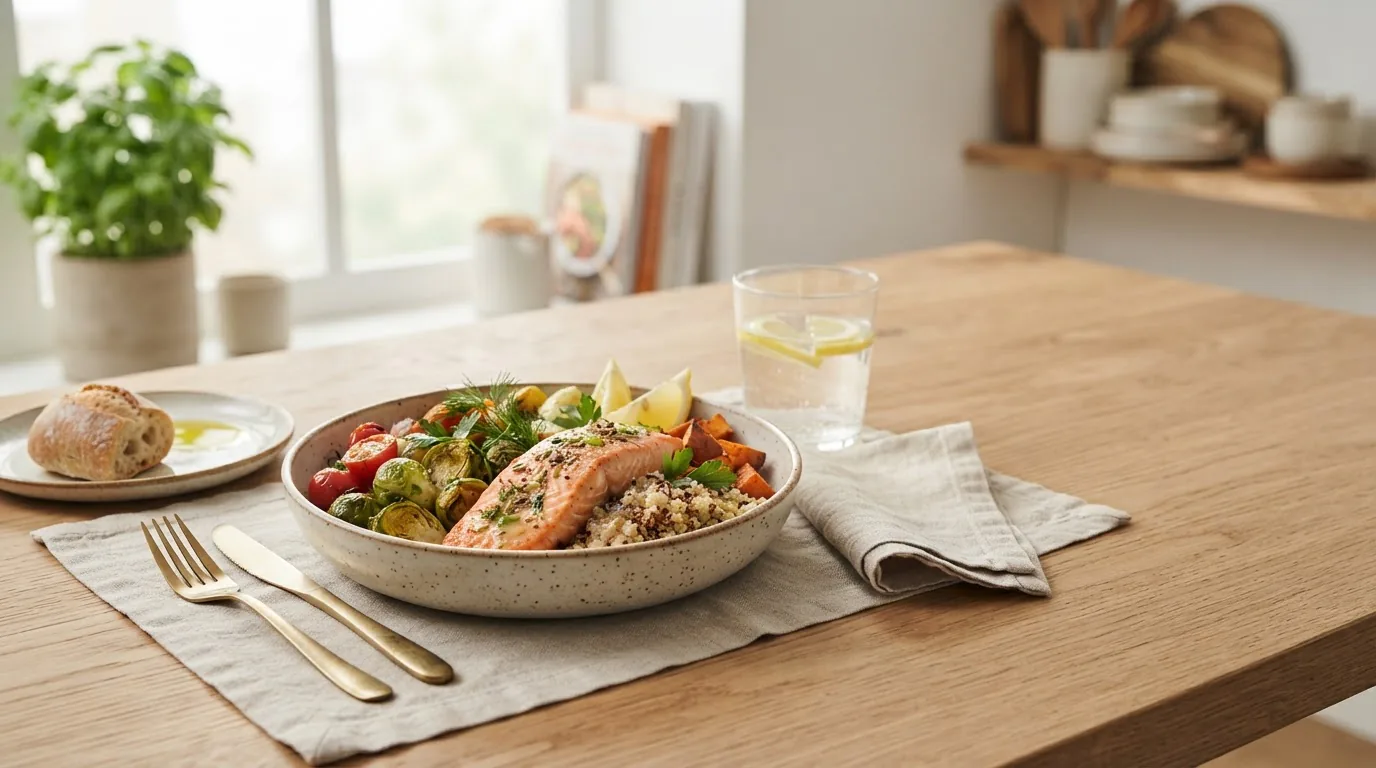
- Omega-3 fats: Fatty fish (salmon, mackerel) provide long-chain omega-3s and protein—this combo is particularly satisfying and supports metabolic health.
- Nuts and seeds: Almonds, walnuts and pumpkin seeds are calorie-dense but highly satiating; portion control matters, so measure servings to avoid excess calories.
Include small amounts of healthy fats with protein and fiber-rich meals to extend fullness; fat slows digestion and increases release of cholecystokinin (CCK), another satiety hormone. However, fats are energy-dense—use them for satiety, not as the main volume filler.
Low-Calorie, High-Volume Foods
- Water-rich vegetables and fruits: Cucumbers, tomatoes, zucchini, celery, watermelon and strawberries provide bulk and hydration for few calories.
- Broth-based soups and stews: Starting a meal with a low-calorie broth soup reduces subsequent intake by increasing gastric volume while adding flavor.
- Salads with mixed textures: Combine leafy greens, crunchy vegetables, a protein (chicken, beans) and a small healthy-fat dressing to maximize volume and fullness.
- Popsicles and chilled options: For some, cold, water-rich snacks (frozen fruit pops) temporarily reduce perceived hunger via orosensory effects.
Practical tip: make half your plate nonstarchy vegetables or broth-based soup to create a large, filling meal with a moderate calorie load.
Now that you know which foods count as the most filling, let’s move to concrete ways to include them in everyday eating so you start eating less naturally.
How to Incorporate More Filling Foods into Your Diet
Shifting toward more filling foods is a behavioral process; small, sustainable changes stick. Below are step-by-step strategies, meal planning tips and snack ideas that use satiety science to reduce hunger and total intake.
- Start meals with volume: Begin with a large salad or a cup of broth-based soup to produce early satiation. This simple swap reduces calorie intake at the main course without adding hunger later.
- Balance plate composition: Aim for a plate with protein (25–40% of calories), fiber-rich carbs (30–40%) and small amounts of healthy fats. This macro balance blunts ghrelin surges and supports steady blood sugar.
- Swap refined carbs for whole-food carbs: Replace white bread or sugary cereals with oats, whole-grain toast, or a bean-based dish to increase soluble fiber and prolong fullness.
- Use measured healthy fats: Add a tablespoon of olive oil, a quarter avocado, or a small handful of nuts to meals for longer-lasting satiety without overdoing calories.
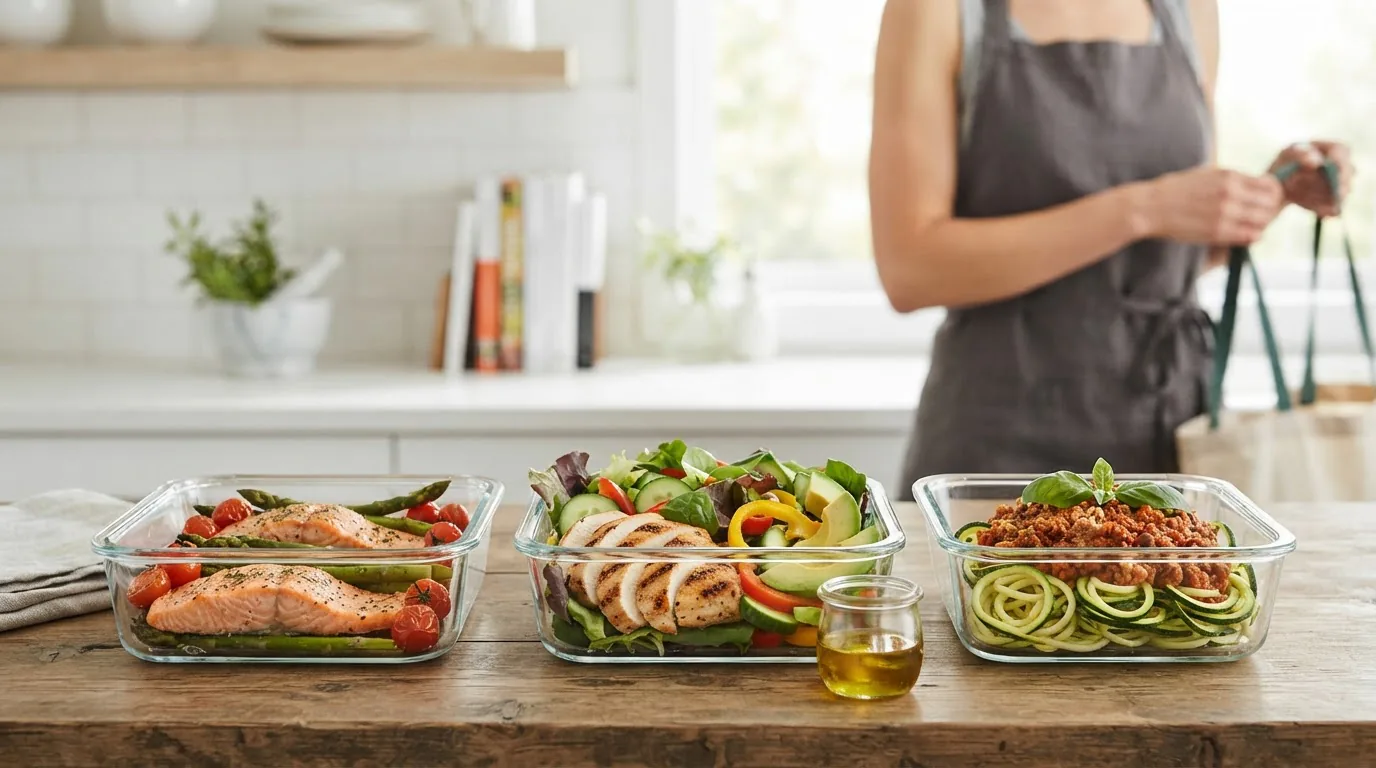
- Keep protein handy: Cook extra lean protein (chicken, tofu, tempeh) and portion it into ready-to-eat containers for quick meals. Protein-rich snacks (Greek yogurt, hard-boiled eggs) reduce impulsive, high-calorie choices.
- Hydrate strategically: Drink a glass of water 15–30 minutes before meals. Hydration supports gastric volume and sometimes reduces perceived hunger caused by mild dehydration.
Snack ideas that increase fullness include an apple with 1–2 tablespoons of peanut butter, Greek yogurt with chia seeds, roasted edamame, or a hummus-and-veggie plate. For convenience, prepare snack packs with measured portions to avoid grazing on high-energy-density foods.
Meal planning tips:
- Batch-cook legumes and whole grains to use throughout the week (easy fiber and protein additions).
- Keep a “volumes-first” grocery list: leafy greens, broth, pre-cut vegetables, canned beans, plain Greek yogurt, eggs, frozen fish and a small selection of raw nuts.
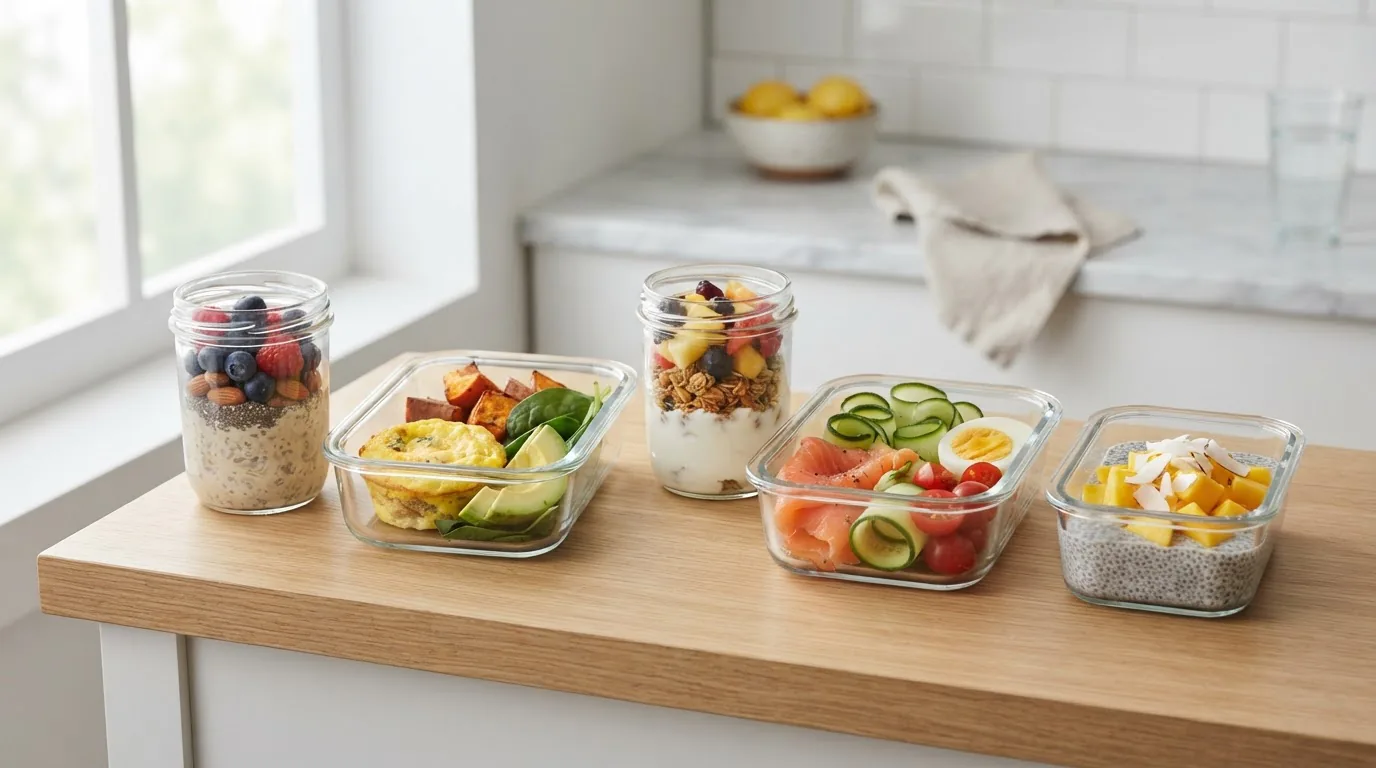
- Plan breakfasts with protein and fiber: overnight oats with chia and Greek yogurt; an omelet with spinach and black beans; or a smoothie with protein powder, berries and a tablespoon of ground flax.
For readers seeking a broader framework that ties these habits into daily life, see the how to eat to live guide and the sustainable healthy eating habits resources for meal templates and long-term habit building.
Behavioral nudges to increase success:
- Eat without screens and set a minimum 20-minute eating window to allow satiety signals time to register.
- Use smaller plates to reduce portion illusions while maintaining perceived fullness from high-volume foods.
- Practice mindful tasting—notice textures and satisfaction levels; stop eating when comfortably full, not stuffed.
Next, practical ways to use these filling foods to intentionally reduce portion sizes and overall calories without feeling deprived.
Using Filling Foods to Start Eating Less Without Hunger
Reducing portion sizes abruptly can trigger compensatory hunger; instead, use filling foods to gradually lower calorie intake while preserving satiety. Follow this staged plan for a sustainable transition:
- Reduce energy density first: Replace 1–2 high-energy-density items per meal (e.g., chips, creamy sauces) with low-energy-density alternatives (raw veggies, salsa, broth). This reduces the meal’s calories while keeping volume similar.
- Swap one food at a time: Change breakfast or a snack first—switch sugary cereal for oatmeal with berries or swap a pastry for an egg-and-vegetable scramble. Each successful swap builds confidence.
- Increase protein at the largest meal: Research shows higher protein intake at lunch or dinner reduces evening snacking. Add 25–30 g protein to your largest meal to blunt late-day appetite (peer-reviewed trial evidence).
- Use “protein + fiber” snacks: If you normally snack on chips, replace with apple slices plus almond butter or carrots with hummus—satisfying and less calorie-dense per unit of fullness.
- Trim portions gradually: Reduce portion sizes by 5–10% every 1–2 weeks while maintaining the plate’s protein and fiber ratio; this small decrement often goes unnoticed but compounds over time.
- Monitor and adapt: Keep a simple food diary for 2–4 weeks to note hunger cues and energy levels; adjust meal composition if persistent hunger arises.
Integrating satiety-focused foods into fitness nutrition is helpful for both weight management and performance; coordinate with activity levels so energy intake supports workouts. For guidance linking satiety and exercise goals, consult the balanced fitness nutrition resource.
Tips to prevent rebound hunger:
- Prioritize combined meals (protein + fiber + healthy fat) over fragmented eating to extend fullness between meals.
- Avoid high-GI desserts immediately after meals—if you want dessert, pair it with protein or choose a lower-GI option to prevent rapid glucose dips.
- Sleep and stress management: inadequate sleep increases ghrelin and decreases leptin, undermining satiety strategies; manage these lifestyle factors to make fullness-focused eating more effective.
If you have medical conditions (diabetes, thyroid disorders, eating disorders) or are on appetite-modifying medications, consult a healthcare provider before making significant intake changes. Individual responses vary; monitor energy, mood and performance as you lower portions.
Beyond hunger control, satiety-focused eating offers multiple broader health benefits.
Benefits of Healthy Filling Foods Beyond Fullness
Choosing healthy filling foods supports more than short-term appetite control. Key benefits include weight management, better blood sugar regulation, improved digestive health, sustained energy and higher nutrient density per calorie.
Weight management: Replacing energy-dense snacks with low-energy-density, high-fiber or high-protein options decreases daily calorie intake without increased hunger, a strategy supported by randomized feeding studies reported in peer-reviewed nutrition journals.
Blood sugar control: Foods high in soluble fiber and low glycemic load reduce post-meal glucose spikes and insulin demand, beneficial for metabolic health and reducing rapid hunger rebounds. For national intake recommendations and public health context, consult government dietary guidelines (government public health nutrition guidelines).
Digestive health: A diet richer in diverse fibers feeds the gut microbiome, producing short-chain fatty acids that support colon health and may influence appetite-regulating pathways—evidence summarized in peer-reviewed reviews (peer-reviewed nutrition science journals).
Sustained energy and mood: Meals combining complex carbohydrates, protein and healthy fats provide steady glucose availability and reduce energy dips that can drive overeating. This pattern supports daily function and exercise adherence, helping long-term behavior change.
Nutrient density: Choosing nutrient-rich filling foods increases intake of vitamins, minerals and phytochemicals compared with high-calorie, low-nutrient options—this contributes to overall preventive health and aligns with principles of preventive nutrition care.
For supporting statistics on fiber intake, weight outcomes and population-level recommendations, see the key healthy eating statistics overview, which compiles national data and evidence summaries.
While filling foods are powerful, common missteps can limit their benefits. Learn what to avoid next.
Common Mistakes When Choosing Foods That Make You Feel Full
- Relying on high-calorie “filling” foods: Foods like cheese, pastries or nuts can feel satisfying but are energy-dense. Without portion control, they can increase hunger in the long term by raising daily calorie intake.
- Confusing palatability with fullness: Ultra-processed foods trigger reward pathways and can feel satisfying in the moment but often fail to sustain fullness due to low fiber and high glycemic content.
- Overdoing liquid calories: Smoothies or high-sugar coffee drinks can be caloric yet less filling than solid-food equivalents; prioritize whole fruits, plain yogurt, and measured additions instead.
- Skipping protein: Relying solely on carbs at meals leads to quicker hunger returns. Include a reliable protein source to extend satiety.
- Neglecting mindful eating: Eating quickly or distractedly reduces the effectiveness of satiety signals—slow down to let fullness register.
- Mistaking temporary suppression for long-term change: Extreme or novelty “fullness hacks” (e.g., appetite suppressing supplements) can backfire; focus on sustainable swaps that are nutritionally balanced.
- Ignoring medical context: If medications or conditions affect appetite, attempting aggressive portion cuts without professional guidance may be unsafe—seek individualized advice.
When describing overeating risks, contrast purposeful satiety-based eating with hazardous practices like competitive eating; for safety context, see competitive eating safety. Conversely, if a person needs to increase appetite for medical reasons, consult resources on boosting healthy hunger.
To make this practical, below are sample meals and snacks that combine the most filling foods discussed so you can start the swaps immediately.
Sample Meal Ideas Featuring Foods That Keep You Full
- Breakfast: Greek yogurt parfait with 3/4 cup plain Greek yogurt, 1/3 cup oats, 1/4 cup berries and 1 tablespoon chia seeds — balanced protein, soluble fiber and volume. For family menus, see meal plans for healthy eating families.
- Quick work lunch: Mason jar salad: mixed greens, 3/4 cup cooked quinoa, 3–4 oz grilled chicken, 1/4 avocado and a vinaigrette—protein, complex carbs and healthy fat.
- Vegetarian dinner: Lentil and vegetable stew with a side of roasted Brussels sprouts and a small portion of whole-grain bread — high fiber and plant protein for lasting fullness.
- Snack options: Apple with 1 tablespoon almond butter; hummus with carrot sticks; 1/2 cup cottage cheese with sliced cucumber; a small portion (1 oz) of mixed nuts plus a clementine.
- Comfort option: Broth-based vegetable soup with diced chicken and barley — low energy density but highly satisfying.
- Portable meal: Whole grain wrap with turkey, spinach, bell pepper and hummus — balanced and easy to eat without losing fullness effect.
For expanded weekly menus and recipes that preserve satiety while keeping meals family-friendly, see the full meal plans for healthy eating families and the “how to eat to live guide” for sustainable habit structures.
Before you start making swaps, remember a few final practical notes and limitations.
Practical examples of meal/snack swaps (real-life experience signals):
- Swap: bagel + sugary spread → oatmeal with berries + 1 egg (keeps breakfast calories similar but increases fullness). Real-life trial: many clients report reduced mid-morning snacks within two weeks.
- Swap: chips at lunch → raw veg sticks + 2 tbsp hummus (same crunch, fewer calories, more fiber).
- Swap: sugary coffee drink → black coffee plus a small high-protein snack like a boiled egg (reduces liquid calories and prolongs fullness).
Evidence notes and expert sources: Peer-reviewed trials and systematic reviews in nutrition science journals show higher-protein and high-fiber diets improve subjective fullness and reduce energy intake (peer-reviewed nutrition science journals). For practical daily intake guidance, consult national recommendations at dietary guidelines (government public health nutrition guidelines) and registered dietitian frameworks at Academy of Nutrition and Dietetics (registered dietitian/nutrition expert organization).
Limitations and safety: Individual satiety varies—if you have ongoing unmanageable hunger, unintended weight changes, or a diagnosed eating disorder, seek personalized care. Changes should be gradual; abrupt extreme restriction can undermine metabolic and mental health.
Start with one or two swaps this week and track how you feel. The goal is sustainable change: more filling foods that help you naturally eat less, maintain energy and improve health.
Conclusion
Foods that make you feel full combine protein, fiber, volume and smart use of healthy fats to slow digestion and trigger hormonal and neural satiety signals. Focus on low-energy-density, nutrient-dense choices—lean proteins, legumes, whole grains, water-rich vegetables and measured healthy fats—and practice portion control, slower eating and simple meal swaps. Use the sample meals and the linked resources for ongoing support; start with one swap this week and notice how small changes reduce hunger while improving nutrition. For more structured, long-term guidance and meal planning, explore the how to eat to live guide and build sustainable healthy eating habits today.
Frequently Asked Questions
What are foods that make you feel full and why?
Foods that make you feel full combine low energy density, high fiber and adequate protein so they increase stomach volume, slow digestion and raise satiety hormones like GLP‑1 and PYY, reducing hunger between meals and lowering overall calorie intake.
How do protein and fiber compare when it comes to making you feel full?
Protein tends to suppress ghrelin and stimulate satiety hormones more strongly, while fiber (especially soluble) slows gastric emptying and prolongs fullness; combining both gives the most durable appetite control.
Which healthy filling foods are best for weight loss?
Legumes, lean proteins (chicken, fish), Greek yogurt, oats and nonstarchy vegetables are top choices because they provide high satiety per calorie, supporting reduced intake and sustainable weight loss when paired with portion control.
How can I start eating less by choosing more filling foods?
Make gradual swaps: begin meals with a salad or broth soup, add protein and fiber to each meal, replace refined carbs with whole grains, measure portions of calorie-dense fats, and eat slowly to let fullness signals register.
How long does it take to feel full after eating certain foods?
Liquid and high-GI foods can affect fullness within 10–20 minutes but often fade quickly; solid, protein- and fiber-rich meals typically create noticeable fullness within 20–40 minutes and sustain it for hours.
What should I do if I still feel hungry after eating filling foods?
Check meal balance: add a modest protein or fiber portion, hydrate, wait 20 minutes for satiety signals, and review sleep/stress—if hunger persists, consult a healthcare provider for individualized evaluation.
Are there any risks associated with relying on filling foods for appetite control?
Risks include overconsumption of calorie-dense “filling” items (nuts, cheese), nutrient imbalance, or masking underlying health issues; use balanced swaps, portion control, and seek professional advice when needed.
How can I ensure the quality of the foods I choose to stay full and healthy?
Choose minimally processed whole foods, read labels to avoid hidden sugars, prioritize a variety of vegetables, legumes, lean proteins and whole grains, and follow national guidance such as the dietary guidelines for recommended servings.