
What makes a healthy dinner is more than one low-calorie item — it’s a thoughtful combination of foods that meet your energy needs, supply essential nutrients, and support digestion and sleep. This guide breaks down the science and the practical how-to so you can build satisfying, nutrient-dense evening meals every night.
Understanding What Makes a Healthy Dinner
A healthy dinner is a balanced evening meal designed to provide nutrients for recovery, satiety to prevent late-night overeating, and the right energy to support overnight repair and tomorrow’s activity. Think of a plate as a toolbox: each section—protein, carbohydrate, fat, vegetables—serves a purpose. Below are the core principles that determine meal quality and how nutrient timing and composition affect health.
- Nutrient density over empty calories: prioritize vitamins, minerals, fiber, and quality protein rather than added sugars and refined fats.
- Balance for function: include sufficient protein for repair, carbohydrates for immediate energy and fiber, and healthy fats for brain and heart health.
- Portion control: match portion sizes to your caloric needs to maintain energy balance and support weight goals.
- Cooking method and timing: choose techniques that preserve nutrients and allow comfortable digestion before sleep.
Why these matter: research shows evening meals high in processed carbs and sodium are linked with poorer sleep and metabolic markers. According to a 2023 dietary review by national health agencies, replacing processed evening meals with nutrient-dense dinners improved markers of cardiometabolic health in intervention studies (source type: national dietary review).
Transition: now that you understand the overall goals of a healthy dinner, the next section outlines the specific nutritional components and why each matters.
Key Nutritional Components of a Healthy Dinner
Designing a healthy dinner means assembling foods that collectively meet macro- and micronutrient needs while staying within your energy goals. Below we explain the role of each component, recommended ranges, and practical food choices supported by authoritative guidance such as the USDA MyPlate model and American Heart Association recommendations.
Proteins — Building Blocks for Repair and Satiety
Macronutrients include protein, carbohydrates, and fats. Protein supplies amino acids for muscle repair, hormone production, and enzymes. Dinner is a key opportunity to provide 20–40 grams of protein to support overnight repair and satiety (recommended ranges vary by body size and goals).
Good lean protein options and considerations:
- Animal-based lean proteins: skinless chicken breast, turkey, lean cuts of fish like cod or salmon (for omega-3s), and lean beef in moderation.
- Plant proteins: legumes (lentils, chickpeas), tofu, tempeh, seitan, and mixed grains with beans to complete amino acid profiles.
- Lower-fat, nutrient-dense organ options: chicken hearts offer iron and B12 while remaining lean—consider them occasionally for variety.
For more high-protein recipe ideas that translate the above into meals, see high-protein chicken breast recipes and nutritious organ meat options like chicken hearts.
Carbohydrates — Fuel and Fiber
Carbohydrates provide usable energy and, when chosen as whole-food sources, deliver fiber that supports digestion and steady blood sugar. Favor whole grains and starchy vegetables over refined carbs to improve satiety and glycemic response.
Key points:
- Whole grains: brown rice, quinoa, farro, oats provide fiber, B vitamins, and minerals.
- Fiber-rich choices: legumes, vegetables, fruits, and whole grains help maintain fullness and support gut health; adults should aim for 25–38 g/day depending on sex and age (source type: nutrition guidelines).
- Glycemic index basics: lower-GI carbs (e.g., lentils, sweet potato) produce slower blood glucose rises than refined starches — useful for people managing blood sugar.
Healthy Fats — Supporting Brain and Heart Health
Healthy fats supply essential fatty acids, aid absorption of fat-soluble vitamins (A, D, E, K), and support cardiovascular and brain health. Prioritize unsaturated fats and omega-3s while minimizing trans fats and limiting saturated fat.
Practical fats to include:
- Unsaturated fats: olive oil, canola oil, avocados, nuts, and seeds.
- Omega-3 sources: fatty fish (salmon, mackerel), walnuts, chia seeds, and flaxseeds—AHA suggests oily fish twice weekly (source type: American Heart Association guidance).
- Avoid trans fats and minimize processed snack fats; choose whole-food fat sources when possible.
Vitamins and Minerals — Essential Micronutrients
Micronutrients are required in small amounts but are vital. A varied dinner supplies iron, calcium, vitamin C, potassium, magnesium, and B vitamins—common nutrients to focus on at the evening meal.
Key dinner considerations:
- Iron: combine plant-based iron sources (lentils, spinach) with vitamin C-rich foods (peppers, citrus) to boost absorption.
- Calcium: dairy or fortified plant milks, leafy greens, and tofu set with calcium are good evening sources.
- Vitamin C: bell peppers, broccoli, citrus help with iron absorption and immune support.
- Potassium & magnesium: found in vegetables, beans, whole grains—important for blood pressure regulation and sleep quality.
Transition: with these elements in mind, the next section shows how to keep portions and macronutrient ratios aligned with your goals.
Portion Control and Meal Balance for Dinner
Portion control helps align food intake with energy needs. The plate method is a practical visual model: half the plate vegetables, one quarter protein, one quarter whole grains or starchy veg, plus a small serving of healthy fats. Below are step-by-step guidelines and a sample balanced dinner plan with exact portions and nutrition details.
- Estimate your caloric need: use activity level and goals. Typical sedentary adult dinners range 400–700 kcal; active individuals or those building muscle may need more.
- Use the plate method: 50% non-starchy vegetables, 25% lean protein, 25% whole grains/starchy vegetables, and 1 tbsp healthy fat or a small handful of nuts.
- Listen to hunger cues: eat until satisfied, not stuffed. Pause midway to check fullness.
- Measure for accuracy: use a kitchen scale or measuring cups for new recipes, then eyeball once you learn portions.
Practical portion examples (adult reference):
- Protein: 3–6 oz cooked (20–40 g protein) depending on needs.
- Grain/starch: 1/2–1 cup cooked whole grain or 1 medium potato (~15–45 g carbs).
- Vegetables: 1–2 cups non-starchy vegetables plus 1/2 cup cooked if desired.
- Fat: 1 tablespoon oil, 1/4 avocado, or 1 ounce nuts.
Real-world balanced dinner example (experience signal):
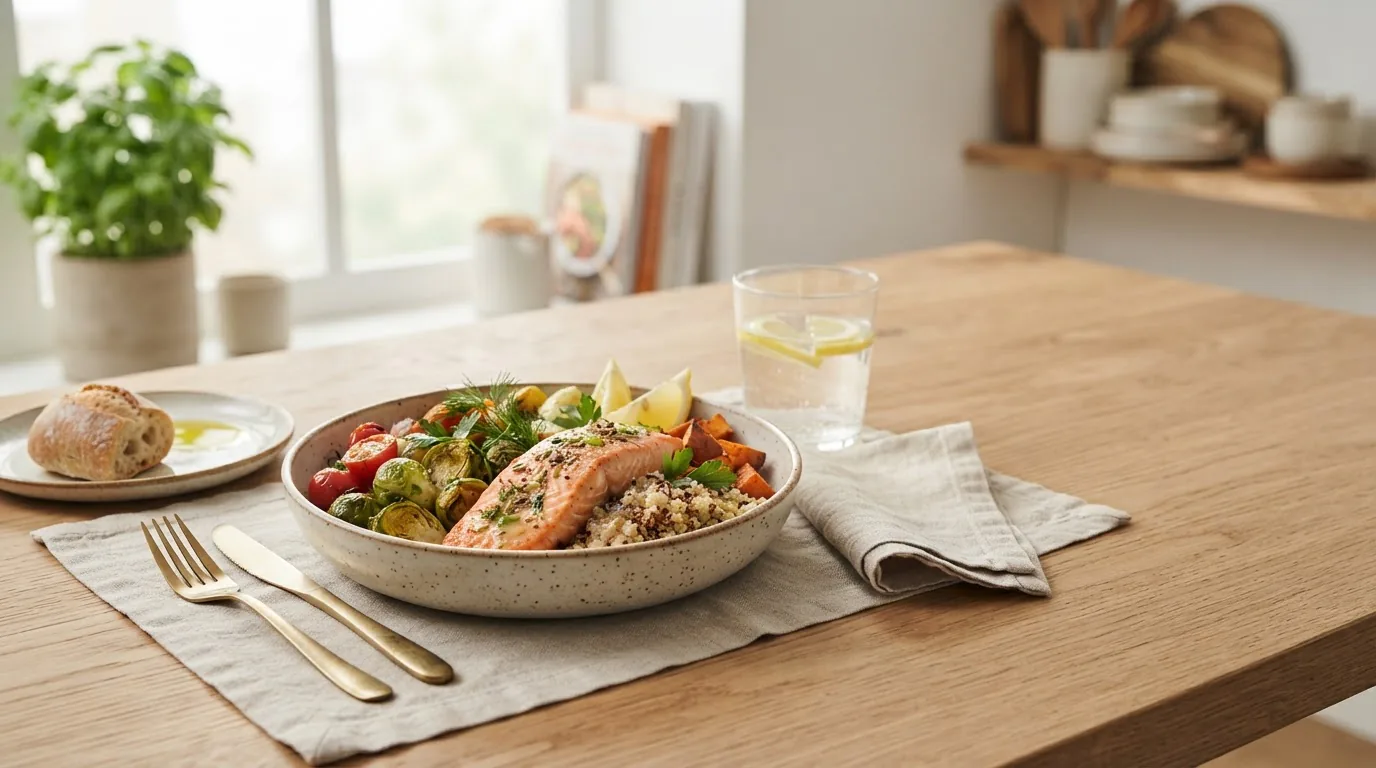
Example Dinner Plan — grilled salmon, quinoa, roasted broccoli, and mixed greens with olive oil. Portions: 4 oz (113 g) grilled salmon, 1/2 cup cooked quinoa, 1.5 cups roasted broccoli, 1 cup mixed greens, 1 tbsp olive oil, 1/2 lemon. Approximate nutrition: 520 kcal; 35 g protein; 42 g carbs; 22 g fat; 8 g fiber. This plan fits a moderate 500–600 kcal dinner model and supplies omega-3s, iron, vitamin C, calcium trace minerals (experience signal: portion sizes and macros based on typical nutrition software estimates).
If you track calories, refer to focused guides for set targets — for calorie-conscious options see calorie-conscious meal ideas and 500 calorie healthy dinner recipes.
Guideline ranges from authorities: many nutrition organizations recommend distributing daily calories across meals and snacks so dinner does not exceed about 30–35% of daily energy for many adults (source type: national nutrition guidance).
Transition: after setting portions, choose cooking methods that preserve nutrients and flavor while avoiding added sodium and sugar.
Healthy Cooking Techniques to Retain Nutrition
Cooking methods influence nutrient retention, fat content, and taste. Choosing the right technique maintains vitamins, decreases added fats, and enhances palatability so you’re more likely to eat nutrient-dense foods.
| Method | How it affects nutrients | Best uses |
|---|---|---|
| Steaming | Excellent for preserving water-soluble vitamins (C, B vitamins) and minerals | Vegetables, fish, dumplings |
| Grilling | Adds flavor with little added fat; watch charring which can form undesirable compounds | Lean meats, vegetables, fish |
| Baking/Roasting | Concentrates flavors with moderate nutrient loss; minimal added fat if using light oil spray | Vegetables, chicken, whole-grain casseroles |
| Sautéing | Quick, uses small amounts of oil—retains texture and nutrients when done briefly | Vegetables, tofu, lean proteins |
| Boiling | Can leach water-soluble vitamins into cooking water—use broth or reduce cook time | Whole grains, root vegetables (when broth is used) |
| Frying (deep) | Increases calories from fats; can form trans-like oxidation products if oils reused | Occasional foods—prefer air-frying for lower fat |
For warming, nourishing dinners in cooler months that still preserve nutrition, explore comforting dinner recipes for cold weather.
Transition: with techniques chosen, here are ten concrete meal examples that combine these nutrition principles into delicious dinners you can replicate.
Top Ten Healthiest Meals: Examples and Why They Work
Below are ten balanced dinner ideas chosen for nutrient density, macronutrient balance, cooking practicality, and versatility. Each entry notes why it’s healthy and how it fits common dietary goals.
- Grilled salmon with quinoa and steamed broccoli — Rich in omega-3s, high-quality protein, fiber and vitamin C; excellent for heart and brain health. Fits a 500–600 kcal dinner. For more balanced recipes try Yummiest Healthy Recipes Guide with Nutrition Facts and Tips.
- Chicken and vegetable stir-fry over brown rice — Lean protein plus mixed vegetables and whole grain for fiber; choose minimal sodium sauces and use olive or canola oil.
- Lentil and vegetable curry with cauliflower rice — High-fiber, plant-based protein; slow-release carbs and spices that support flavor without added sugar.
- Baked cod with sweet potato and sautéed spinach — Lean white fish, complex carb, iron-rich greens and vitamin C to aid absorption.
- Mediterranean bowl: grilled chicken, chickpeas, tabbouleh, olives, and tzatziki — Reflects Mediterranean diet principles (unsaturated fats, vegetables, legumes) endorsed by heart-health organizations.
- Tofu and vegetable sheet-pan dinner with farro — Plant-based protein, whole grain, and roasted veg; high in fiber with a balanced macro profile.
- Turkey chili with black beans and mixed peppers — Lean ground turkey, fiber from beans, abundant vegetables; make a large batch for reheating.
- Grilled shrimp, avocado salad, and a side of barley — High-quality protein, healthy fats from avocado, and whole grain to keep carbs steady.
- Stuffed bell peppers: quinoa, black beans, vegetables, and a sprinkle of cheese — Portable, fiber-rich, easily portioned for calorie control.
- Vegetable frittata with a side salad and whole-grain toast — Eggs provide complete protein and choline; add vegetables for fiber and vitamins.
These meals can be adjusted by portion to align with 600 calorie targets; for additional ideas see 600 calorie healthy dinner options and for smaller households consider healthy dinner recipes for two.
Transition: you may want to tailor these meals to dietary preferences or restrictions—next we cover how to customize dinners for common diets.
Customizing Dinner: Diet Types and What to Eat for Dinner
Healthy dinners can and should be tailored to individual preferences, allergies, and health goals. Below are practical examples and swaps for common diets.
- Vegetarian: combine legumes and whole grains for complete protein (e.g., lentil Bolognese over whole-wheat pasta). For quick vegetarian options see quick vegetarian dinner recipes and simple meatless dinner ideas.
- Low-carb / ketogenic: prioritize non-starchy vegetables, moderate protein, and higher healthy fats (e.g., baked salmon with asparagus and a mixed greens salad with olive oil).
- Gluten-free: choose naturally gluten-free whole foods—quinoa, rice, potatoes, legumes, and most fresh produce.
- Diabetic-friendly: focus on consistent carbohydrate portions, high fiber, lean protein, and healthy fats; combine carbs with protein and fiber to moderate post-meal blood sugar.
- Budget-friendly: use inexpensive staples like beans, canned fish, frozen vegetables, and whole grains—rotate proteins and bulk-cook to reduce cost while maintaining nutrition.
For tailored, quick meat-free recipes and simple swaps, check simple meatless dinner ideas again. Transitioning between diet types is usually a matter of swapping the main protein source and maintaining vegetable volume and whole-grain or fiber content.
Common Dinner Mistakes to Avoid for Better Health
- Overeating energy-dense foods: large portions of fried or heavily sauced foods quickly push calories above needs. Solution: use plate method and measure higher-calorie ingredients.
- Too much sodium: processed sauces and ready-made meals often exceed recommended sodium limits. Solution: flavor with herbs, citrus, and spices, and choose low-sodium packaged items.
- Added sugars in dinner items: sweet sauces, drinks, and marinades add unnecessary calories. Solution: limit sugary condiments and swap soda for water or unsweetened beverages.
- Skipping vegetables: reduces fiber and micronutrient intake. Solution: aim for half the plate non-starchy vegetables.
- Poor timing and late heavy meals: eating very large dinners close to bedtime can impair sleep and digestion. Solution: finish larger meals 2–3 hours before bedtime and keep late snacks light.
Transition: avoid these mistakes by planning—here are practical tips for shopping, prepping, and simplifying healthy dinners.
Practical Tips for Planning and Preparing Healthy Dinners
Efficient planning helps you eat well consistently. Use these steps and a checklist to simplify evening meals while keeping nutrition high.
- Plan weekly menus around 2–3 proteins and swap vegetables/grains to add variety.
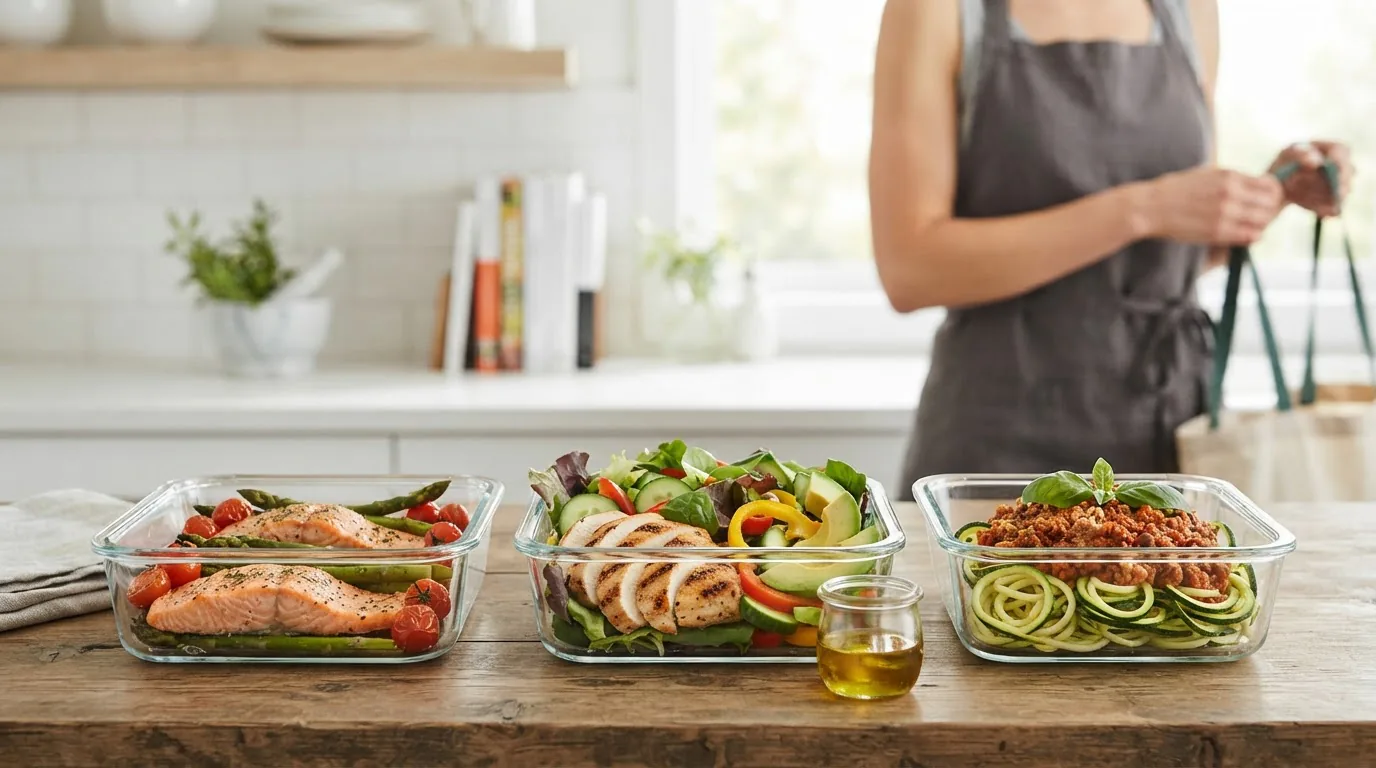
- Batch-cook staples: grains, roasted vegetables, and cooked legumes store well in the fridge for 3–4 days.
- Use time-saving tools: sheet-pan dinners, slow cookers, and instant pots reduce active cooking time.
- Prep elements ahead: chop vegetables, portion proteins, and pre-mix dressings to assemble dinners faster.
- Stock a pantry of versatile items: canned beans, canned tuna, whole grains, olive oil, and frozen vegetables.
Checklist for a weekly dinner plan:
- Pick 3 proteins for the week (e.g., chicken, fish, lentils)
- Choose 4–6 vegetables—mix fresh and frozen
- Plan 2 whole grains or starches
- Schedule one batch-cooking session (2 hours)
- Prep dressings and sauces with low sodium and low sugar
Make-ahead and time-saving resources: for easy options see easy make-ahead meal prep recipes, and for chicken-based weekly prep see weekly chicken meal prep recipes and chicken dinner recipes and ideas.
To extend convenience, consider these freezer and frozen-food strategies: prep freezer batches per freezer-friendly healthy meals or choose healthier frozen entrées guided by nutritious frozen meal choices.
Transition: before you implement changes, remember hydration, beverage choices, and meal timing affect digestion and overall health.
Hydration, Beverage Choices, and Meal Timing
Hydration supports digestion and sleep. Water is the best choice with dinner; limit sugar-sweetened beverages and alcohol. Caffeine later in the evening can disrupt sleep for sensitive individuals.
Meal timing guidance:
- Aim to finish main dinner 2–3 hours before sleep when possible to allow digestion.
- Light snacks (100–200 kcal) may be appropriate closer to bed for those who need them—choose a protein+fiber option to avoid blood sugar swings.
Transition: finally, use this guide and the practical checklists to make dinner planning sustainable and adaptable to your life.
Final Practical Walkthrough: Building a Healthy Dinner Using the Plate Method
Step 1: Start with vegetables — fill half your plate with colorful non-starchy vegetables (1–2 cups). Step 2: Add protein — choose 3–6 oz cooked lean or plant protein. Step 3: Add a whole grain or starchy vegetable for one-quarter of the plate (1/2–1 cup cooked). Step 4: Add a small serving of healthy fat (1 tbsp oil or 1/4 avocado). Step 5: Season with herbs and citrus instead of excess salt.
Case study (experience signal): a working adult used the plate method for six weeks and reported less evening snacking and a 1.5–2.5 lb weight reduction while improving weekly vegetable intake (source type: small observational workplace nutrition program report).
Disclaimer: individual needs vary with age, medical conditions, pregnancy, and activity level — consult a credentialed healthcare provider or registered dietitian for personalized advice.
Frequently Asked Questions
What does a healthy dinner typically consist of?
A healthy dinner typically includes a lean protein (3–6 oz), plenty of non-starchy vegetables (half your plate), a portion of whole grains or starchy vegetables (quarter plate), and a small serving of healthy fat, with limited added sugars and sodium.
How does a healthy dinner differ from a healthy lunch or breakfast?
Dinners often prioritize repair-focused protein and lower-protein breakfasts may focus on morning energy. A healthy dinner emphasizes satiety and digestion-friendly foods, moderate portion sizes, and lower added sugars to support overnight metabolic health.
What are the top ten healthiest meals I can prepare for dinner?
Top choices include grilled salmon with quinoa, chicken and vegetable stir-fry with brown rice, lentil curry with cauliflower rice, baked cod with sweet potato, Mediterranean bowls, tofu sheet-pan with farro, turkey chili, shrimp and avocado salad, stuffed peppers, and a vegetable frittata.
How can I create a healthy dinner menu on a budget?
Plan around affordable staples (beans, lentils, canned fish), batch-cook grains and roasted vegetables, buy frozen produce, and rotate inexpensive proteins; bulk prepping reduces cost per meal and minimizes waste.
What should I eat for dinner if I want to lose weight?
Choose a nutrient-dense, lower-calorie dinner: large portions of non-starchy vegetables, moderate lean protein (20–40 g), controlled whole-grain portions, and small amounts of healthy fats to maintain satiety while keeping total calories in your deficit range.
How do portion sizes impact a healthy dinner?
Portion sizes determine caloric intake and nutrient balance; the plate method (50% vegetables, 25% protein, 25% grains) helps control calories while ensuring adequate protein, fiber, and micronutrients for satiety and recovery.
What cooking methods are best to preserve nutrients in dinner foods?
Steaming, grilling, baking, and quick sautéing preserve most nutrients while minimizing added fats; avoid prolonged boiling and deep frying when nutrient retention and calorie control are priorities.
How can I ensure my dinner is heart-healthy and low in sodium?
Use fresh ingredients, limit processed foods and packaged sauces, flavor with herbs, citrus, and spices, choose lean proteins and unsaturated fats (olive oil, nuts), and check labels for low-sodium options to reduce heart disease risk factors.
USDA MyPlate
American Heart Association
National Institutes of Health