600 calorie dinner ideas that actually satisfy and support nutrition goals are easier to build than you think — whether you want high-protein, vegetarian, or quick-prep meals. This guide gives practical planning strategies, balanced recipes, and tools to plan dinners that average about 600 calories while maximizing nutrient density and satiety.
Understanding a 600 Calorie Dinner: Nutrition and Benefits
A 600 calorie dinner is a moderate-sized evening meal that can fit into many daily calorie budgets while providing enough food to promote fullness and recovery after a day of activity. The goal is to balance macronutrients — protein, carbohydrates, and fats — and prioritize nutrient-dense foods so those 600 calories deliver vitamins, minerals, fiber, and satisfying volume.
For broader meal ideas and nutrition context beyond calorie targets, see Yummiest Healthy Recipes Guide with Nutrition Facts and Tips.
Why 600 calories? For many adults on a 1,800–2,400 calorie daily plan, a 600 calorie dinner represents a sensible portion of evening intake: enough to be satisfying but small enough to leave room for other meals and snacks. The exact daily needs vary by age, sex, activity level, and health goals; consult a professional for personalized targets.
- Typical adult dinner target: ~25–35% of daily calories — for a 2,000 kcal plan, 500–700 kcal is common (According to a 2024 USDA report on dietary patterns).
- Protein target at dinner: ~25–40 g helps satiety and muscle repair (Based on recommendations summarized by the Academy of Nutrition and Dietetics, 2023).
- Volume helps fullness: high-fiber vegetables and broth-based sauces increase satiety per calorie (According to a 2022 peer-reviewed nutrition study on calorie density).
Key nutrition principles to maximize those 600 calories:
- Prioritize protein: Aim for ~25–40 g of protein from lean meats, fish, legumes, tofu, dairy, or eggs to support satiety and muscle maintenance.
- Choose nutrient-dense carbs: Whole grains, starchy vegetables, and fruit supply fiber and micronutrients rather than empty calories.
- Add healthy fats: 1–2 tablespoons of olive oil, a handful of nuts, or a quarter of an avocado provides flavor and micronutrients without excessive calories.
- Keep volume high with vegetables: Non-starchy vegetables are low-calorie but high-volume and nutrient-dense; they stretch meals and reduce the temptation to overeat.
Low-calorie cooking methods — grilling, steaming, baking, roasting, and quick sautéing with minimal oil — preserve nutrients and flavor while reducing excess fat. Practice portion control with a kitchen scale or measuring cups to keep recipes near the 600 calorie mark. For heart-healthy pattern alignment, consider DASH diet principles such as reducing sodium and emphasizing fruits, vegetables, and lean proteins, which complement calorie control (American Heart Association guidance, 2024).
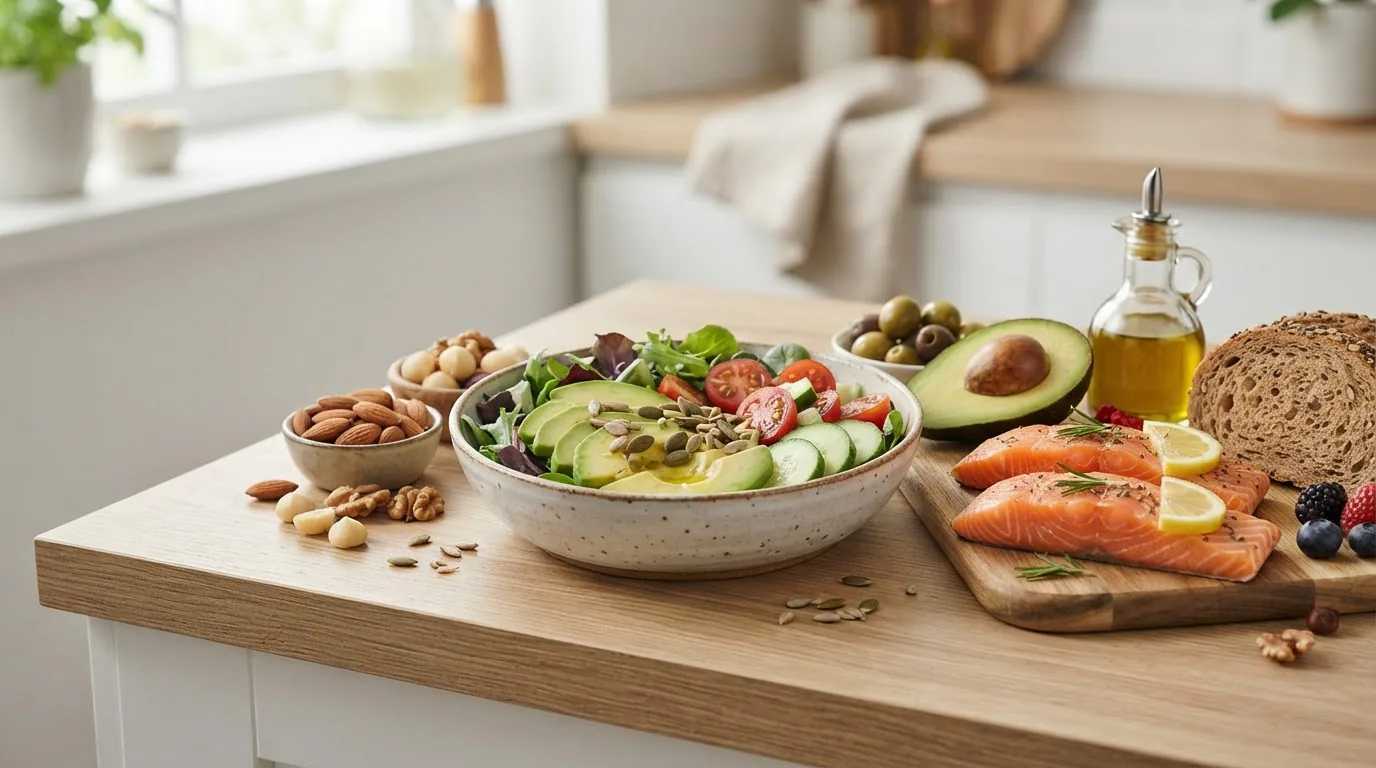
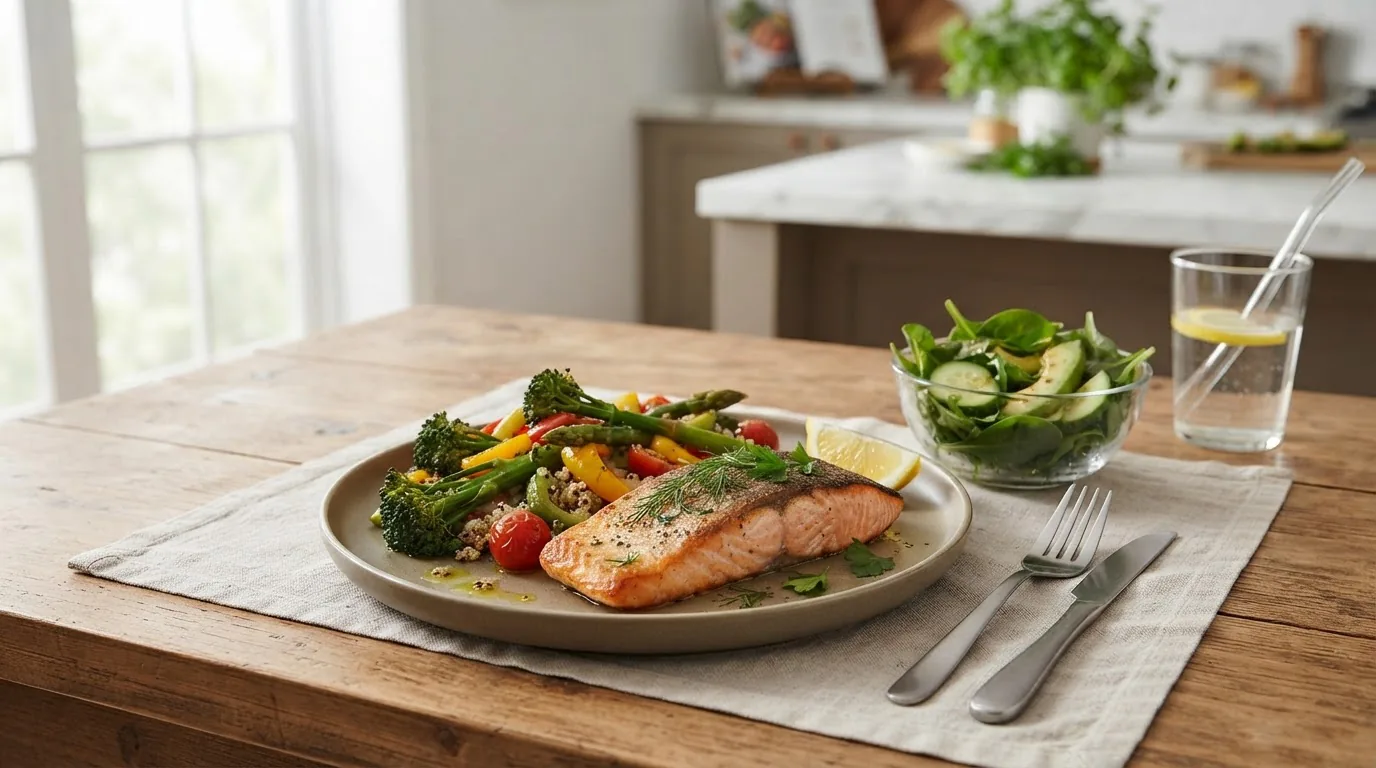
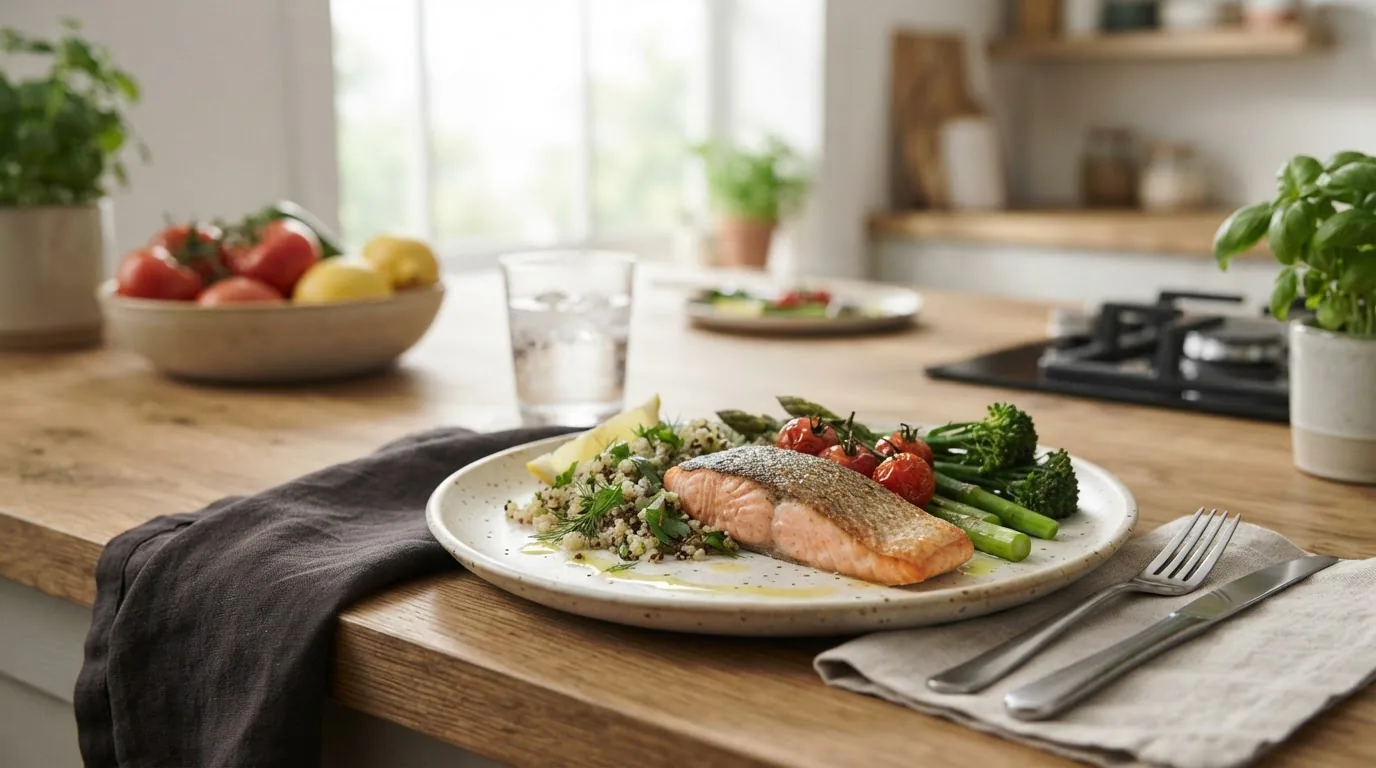
Real-world example: a typical 600 calorie dinner plate could look like 4 oz grilled salmon (≈240 kcal), 1 cup cooked quinoa (≈220 kcal), and 2 cups mixed steamed vegetables with 1 tsp olive oil (≈140 kcal) — balanced protein, carbs, fats, and plenty of fiber for fullness.
How to Plan a 600 Calorie Dinner: Practical Tips and Strategies
Transitioning from understanding to planning, use step-by-step strategies to design dinners that hit your calorie target while staying nutritious and satisfying.
-
Set your macronutrient targets for the meal
Common balanced targets for a 600 calorie dinner: 30–35% protein (45–55 g), 40–50% carbohydrates (60–75 g), 20–30% fat (13–20 g). Adjust for preference or a low-carb approach. Use those percentages to guide portion sizes and ingredient choices.
-
Build plates with a simple formula
Use this easy method: 1/3 plate lean protein, 1/3 plate whole grain or starchy veg, 1/3 plate non-starchy vegetables. Add 1 serving of healthy fat if needed. This visual portioning helps keep calories near 600 without weighing everything every time.
-
Use calorie counting techniques
Track by food labels, recipe calculators, or apps. For packaged items, follow the nutrition label; for whole foods, use a trusted database. When cooking, weigh raw protein and grains to convert to cooked portions. For accuracy, learn to convert raw grams to cooked yields (many recipe calculators show this).
-
Portion control strategies
- Measure staples (rice, pasta, oils) with measuring cups or a digital kitchen scale.
- Use smaller dinner plates to visually improve satiety.
- Pre-portion sauces and dressings into small containers to avoid accidental overpouring.
-
Smart ingredient swaps for calorie savings
Swap heavy cream for plain Greek yogurt in sauces, choose cauliflower rice for lower-carb volume, use cooking sprays instead of pouring oil, and opt for lean cuts of meat or skinless poultry. These swaps cut calories while preserving flavor.
-
Leverage meal prep for consistency
Batch-cook proteins, grains, and vegetables so you can assemble 600 calorie dinners quickly. For meal-prep workflows and batch-cooking systems, see meal prep tips.
-
Pick low-calorie cooking methods
Grilling, steaming, baking, roasting, and air-frying minimize added fat. For crisp texture without excess oil, try air-frying vegetables or baking with a light spray of oil plus spices.
-
Plan for special occasions and dining out
When eating out, order grilled proteins, request sauces on the side, and split appetizers or desserts. For restaurant swap ideas, aim to cut 150–250 calories by moderating sauces and sides (see next sections for example substitutions).
-
Use budget-friendly ingredients when needed
If you want to keep costs down while hitting nutrition goals, include affordable staples like canned beans, frozen vegetables, eggs, and seasonal produce. For ideas on economical ingredients, check budget-friendly healthy foods.
-
Track and tweak
Keep a simple log for a week: write the recipe, estimate calories, and note fullness level 1–2 hours after eating. Use that feedback to adjust portion size, macro split, or fiber content to improve satiety.
Practical how-to steps for creating a 600 calorie dinner in under 30 minutes:
- Choose a protein (120–250 kcal): 3–4 oz cooked chicken breast, firm tofu, or canned tuna.
- Add a whole-grain or starchy component (150–250 kcal): 3/4–1 cup cooked quinoa or brown rice, or one medium sweet potato.
- Load non-starchy vegetables (0–100 kcal): 2+ cups mixed greens, broccoli, peppers, or zucchini.
- Finish with a fat (40–150 kcal): 1 tbsp olive oil, 1/4 avocado, or 2 tbsp hummus.
- Taste and season — use herbs, citrus, or vinegar instead of heavy sauces.
By following these planning steps you can build a variety of dinners that reliably hit ~600 calories while staying nutrient-dense and filling.
20 Healthy 600 Calorie Dinner Recipes to Try Tonight
Below are 20 balanced dinner recipes tailored to around 600 calories per serving. Each includes ingredients, an approximate calorie count, and practical cooking notes — pick omnivore, vegetarian, quick-prep, or meal-prep options depending on your evening needs. Many of these use low-calorie cooking methods like grilling, steaming, or baking.
1. Grilled Lemon-Herb Salmon with Quinoa and Broccoli
Ingredients: 4 oz salmon fillet, 1 tsp olive oil, lemon zest and herbs, 3/4 cup cooked quinoa, 2 cups steamed broccoli, salt & pepper.
Calories: ≈600 kcal (salmon 240, quinoa 220, broccoli + oil 140)
Cooking notes: Grill salmon with lemon and fresh herbs; steam broccoli until tender. Flake salmon over quinoa and drizzle 1 tsp olive oil for added flavor and healthy fats.
2. Chicken Stir-Fry with Brown Rice and Mixed Veg
Ingredients: 4 oz skinless chicken breast (sliced), 1 tsp sesame oil, 1 cup mixed bell peppers & snap peas, 1/2 cup sliced mushrooms, 1 cup cooked brown rice, 2 tbsp low-sodium soy sauce, garlic, ginger.
Calories: ≈600 kcal (chicken 180, rice 215, veg + sauce + oil 205)
Cooking notes: Stir-fry quickly over high heat using 1 tsp oil, add soy sauce on the end. Use extra vegetables for volume without many calories.
3. Turkey Taco Bowl with Black Beans and Salsa
Ingredients: 4 oz lean ground turkey (cooked with taco spices), 1/2 cup black beans, 3/4 cup cooked brown rice, 1 cup romaine, 1/4 avocado, 2 tbsp fresh salsa.
Calories: ≈600 kcal (turkey 180, beans 110, rice 215, avocado + salsa 95)
Cooking notes: Brown turkey with cumin and chili powder. Assemble bowl and top with salsa and avocado. Swap cauliflower rice for lower carbs.
4. Baked Cod with Roasted Sweet Potatoes and Green Beans
Ingredients: 5 oz cod fillet, 1 tsp olive oil for cod, 1 medium sweet potato (roasted), 1.5 cups roasted green beans, lemon and herbs.
Calories: ≈600 kcal (cod 140, sweet potato 130, green beans + oil 120, side grain or small salad adds remaining calories)
Cooking notes: Bake cod with lemon and herbs. Roast sweet potatoes and green beans on a sheet pan with minimal oil. Add a small mixed-green side if needed to reach 600 kcal.
5. Chickpea, Spinach & Tomato Curry with Basmati Rice (Vegetarian)
Ingredients: 1 cup canned chickpeas (drained), 1 cup tomatoes, 2 cups spinach, 1/2 cup light coconut milk, curry spices, 3/4 cup cooked basmati rice, 1 tsp olive oil.
Calories: ≈600 kcal (chickpeas 200, rice 215, coconut milk + oil + veg 185)
Cooking notes: Sauté spices, add tomatoes and chickpeas, stir in spinach and light coconut milk. Serve over rice. High fiber, plant protein, and warming spices.
6. Shrimp and Veggie Stir-Fry with Cauliflower Rice (Quick)
Ingredients: 5 oz shrimp, 2 cups mixed stir-fry vegetables, 1 cup cauliflower rice, 1 tbsp low-sodium teriyaki sauce, 1 tsp sesame oil.
Calories: ≈600 kcal (shrimp 150, veg + sauce 150, cauliflower rice 50, add 1/4 cup cooked quinoa to reach 600 kcal)
Cooking notes: Use frozen cauliflower rice for speed. Quick-sear shrimp and toss with vegetables. Add a small portion of cooked quinoa for extra carbs and calories.
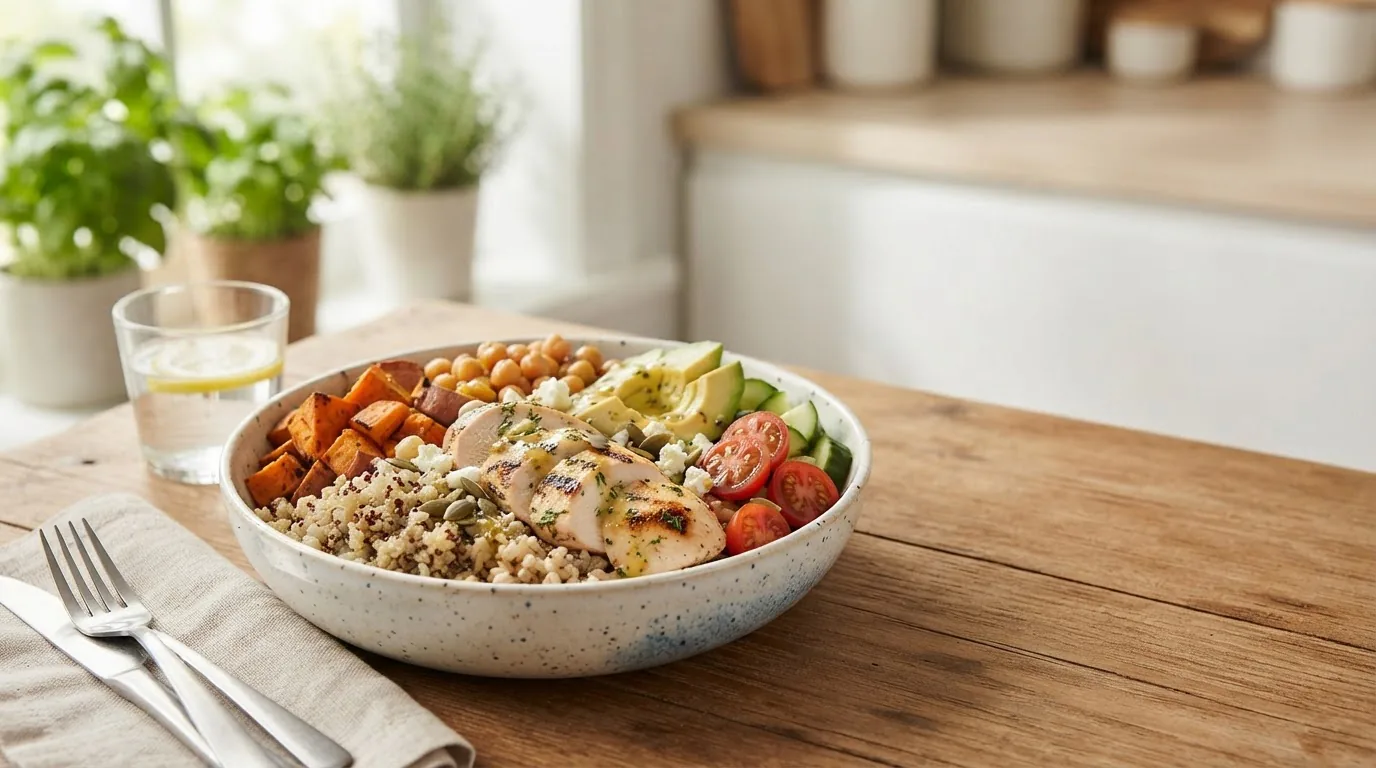
7. Mediterranean Chicken Salad with Farro
Ingredients: 4 oz grilled chicken, 1/2 cup cooked farro, 2 cups mixed greens, cherry tomatoes, cucumber, 1 tbsp feta, 1 tbsp olive oil + lemon dressing.
Calories: ≈600 kcal (chicken 180, farro 200, dressing + veg 220)
Cooking notes: Cook farro ahead for meal prep. Assemble salad and keep dressing separate until serving for freshness and calorie control.
8. Lentil Bolognese over Spaghetti Squash (Vegetarian, Meal-Prep Friendly)
Ingredients: 1 cup cooked lentils in tomato sauce, 1 medium roasted spaghetti squash, 1 tbsp grated Parmesan (optional), Italian herbs.
Calories: ≈600 kcal (lentil bolognese 350, spaghetti squash 100, cheese and olive oil 150)
Cooking notes: Lentil bolognese reheats well. Roast a whole spaghetti squash and portion across meals for a quick assembly.
9. Steak, Roasted Brussels Sprouts, and Mashed Cauliflower
Ingredients: 3.5 oz lean sirloin, 2 cups roasted Brussels sprouts (light oil), 1 cup mashed cauliflower with 1 tbsp olive oil, garlic.
Calories: ≈600 kcal (steak 230, Brussels sprouts 170, mashed cauliflower + oil 200)
Cooking notes: Trim visible fat from steak and use high-heat searing for flavor without extra oil. Roast sprouts until caramelized.
10. Tofu Soba Noodle Bowl with Sesame-Ginger Dressing (Vegetarian)
Ingredients: 4 oz firm tofu (pan-seared), 1 cup cooked soba noodles, 1 cup steamed bok choy, 1 tbsp sesame-ginger dressing, scallions.
Calories: ≈600 kcal (tofu 120, soba 300, veggies + dressing 180)
Cooking notes: Press tofu to remove water for better browning. Keep dressing to 1 tbsp to control calories; add rice vinegar and chili for extra flavor without calories.
11. Baked Chicken Thigh with Barley Salad and Roasted Carrots
Ingredients: 1 medium skinless chicken thigh, 3/4 cup cooked barley, 1 cup roasted carrots, 1 tsp olive oil, lemon-herb dressing.
Calories: ≈600 kcal (chicken 200, barley 210, carrots + oil 190)
Cooking notes: Chicken thighs are flavorful and forgiving; remove skin for lower calories. Barley adds chew and fiber for fullness.
12. Pesto Shrimp with Zucchini Noodles and Cherry Tomatoes
Ingredients: 5 oz shrimp, 2 cups spiralized zucchini, 1/2 cup cherry tomatoes, 1 tbsp basil pesto, 1 tsp olive oil.
Calories: ≈600 kcal (shrimp 150, zucchini & tomatoes 80, pesto + olive oil + 1/2 cup cooked pasta or small baked potato to reach 600 kcal = 370)
Cooking notes: If zucchini noodles alone are too low in calories for your target, add a small portion of cooked whole-grain pasta or a roasted baby potato.
13. Black Bean & Sweet Potato Enchiladas (Vegetarian)
Ingredients: 1 medium sweet potato (mashed), 3/4 cup black beans, 2 small corn tortillas, 1/2 cup enchilada sauce, 1 tbsp shredded cheese.
Calories: ≈600 kcal (sweet potato 130, black beans 110, tortillas + sauce + cheese 360)
Cooking notes: Assemble and bake; this recipe reheats well for meal prep. Use low-sodium enchilada sauce for lower sodium content.
14. Pan-Seared Pork Tenderloin with Apple-Cabbage Slaw
Ingredients: 4 oz pork tenderloin, 1 cup shredded cabbage, 1/2 apple (sliced), 1 tsp olive oil for slaw, 3/4 cup cooked wild rice.
Calories: ≈600 kcal (pork 200, rice 215, slaw + dressing 185)
Cooking notes: Sear pork for flavor; let rest before slicing. Toss slaw in lemon and a touch of olive oil to keep dressing light.
15. Salmon Cakes with Greek Yogurt Dill Sauce and Salad
Ingredients: 4 oz canned or cooked salmon, 1/2 cup mashed potato or small sweet potato, 1 tbsp breadcrumbs, 2 cups mixed salad greens, 2 tbsp plain Greek yogurt dill sauce.
Calories: ≈600 kcal (salmon cakes + potato 300, salad + dressing 150, 1/2 cup cooked quinoa or small roll 150)
Cooking notes: Pan-sear cakes in a nonstick pan with minimal oil. Use Greek yogurt sauce instead of mayo-based dressings.
16. Moroccan-Spiced Chickpea Stew with Couscous (Vegetarian, Quick)
Ingredients: 1 cup chickpea-tomato stew with spices, 3/4 cup whole-wheat couscous, handful fresh herbs, lemon wedge.
Calories: ≈600 kcal (stew 350, couscous 220, herbs 30)
Cooking notes: Instant couscous makes this a fast weeknight option. Add roasted eggplant or peppers for extra volume.
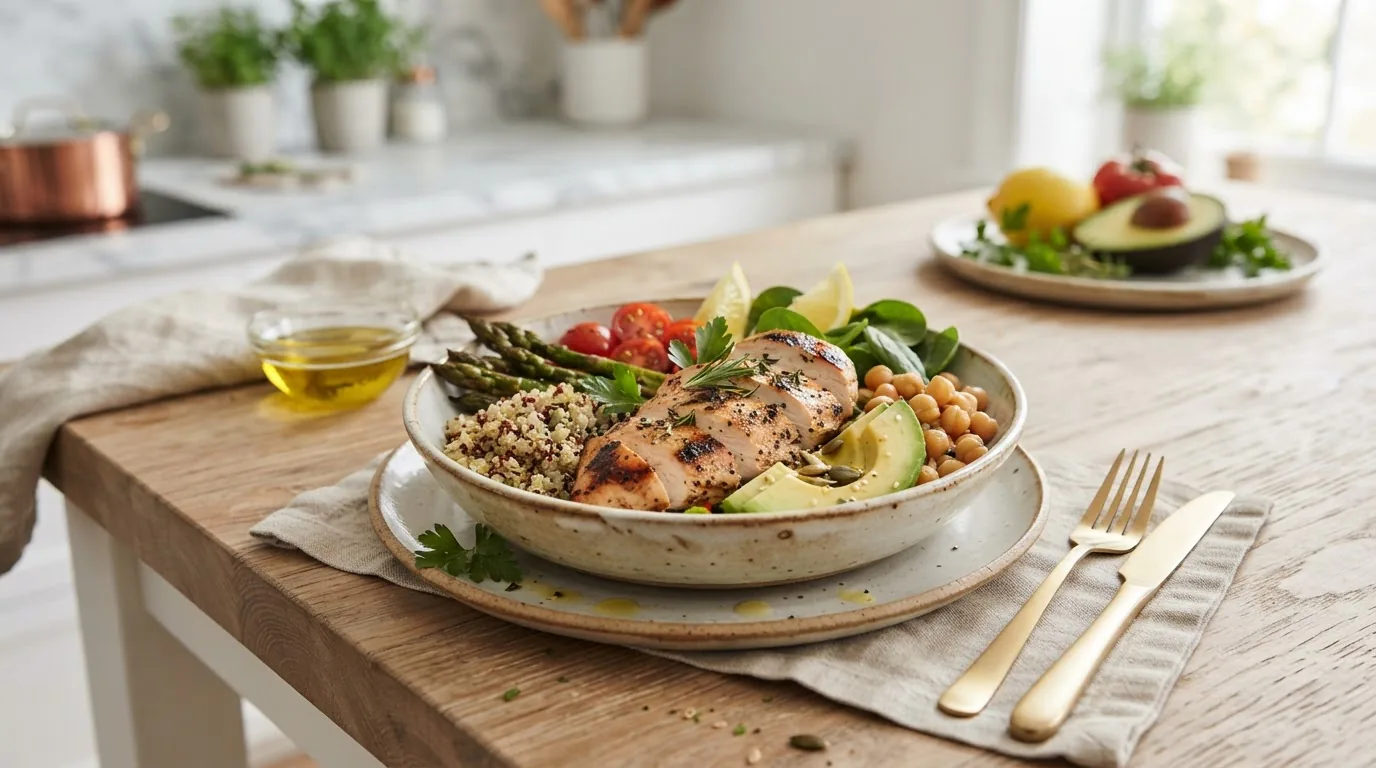
17. One-Pan Lemon Garlic Chicken with Asparagus and New Potatoes
Ingredients: 4 oz chicken breast, 1 cup roasted new potatoes, 1.5 cups roasted asparagus, 1 tsp olive oil, lemon & garlic seasoning.
Calories: ≈600 kcal (chicken 180, potatoes 250, asparagus + oil 170)
Cooking notes: Roast everything on a single sheet pan for easy cleanup; slice chicken thinly to spread protein across the plate.
18. Greek-Style Baked Falafel Bowl with Tzatziki (Vegetarian)
Ingredients: 3 medium baked falafel patties, 1 cup cooked bulgur or quinoa, 1 cup chopped cucumber & tomato salad, 2 tbsp tzatziki.
Calories: ≈600 kcal (falafel 300, grain 220, salad + tzatziki 80)
Cooking notes: Bake falafel rather than frying to cut calories. Use low-fat tzatziki or reduced-olive-oil dressing if needed.
19. Miso-Glazed Salmon Bowl with Edamame and Brown Rice
Ingredients: 4 oz salmon with light miso glaze, 1/2 cup shelled edamame, 3/4 cup cooked brown rice, steamed bok choy, sesame seeds.
Calories: ≈600 kcal (salmon + glaze 260, rice 215, edamame + veg 125)
Cooking notes: Glaze salmon sparingly; miso adds umami so smaller serving satisfies. Edamame adds plant protein for balance.
20. Veggie-Packed Frittata with Small Potato & Side Salad (Vegetarian, Quick)
Ingredients: 3 large eggs, 1 cup mixed sautéed vegetables (spinach, peppers, onions), 1 medium roasted potato (small), 1 cup side salad with 1 tsp olive oil.
Calories: ≈600 kcal (eggs 210, vegetables 100, potato 220, salad + oil 70)
Cooking notes: Frittata is a fast, high-protein option. Bake or pan-sear and finish under the broiler. Great for meal-prep leftovers.
Many of these recipes adapt easily across dietary needs — increase vegetables for volume, add a small grain serving for extra carbs, or swap proteins for vegetarian alternatives while keeping calories near 600.
Need faster family-friendly ideas? See easy weeknight dinner recipes for related inspiration.
Cooking for a small household? Many recipes here scale well and pair with simple healthy dinner recipes for two.
Customizing Your 600 Calorie Dinner for Dietary Preferences
Transitioning from recipe ideas to personalization, this section shows simple ingredient swaps and adaptations to fit vegetarian, low-carb, gluten-free, and dairy-free needs while maintaining a ~600 calorie target.
General swap strategy: replace protein one-for-one by calorie and protein content, and adjust carbohydrate or fat portions to keep total calories consistent. Below are practical swaps and an at-a-glance comparison table.
- Vegetarian swaps: Replace 4 oz cooked chicken (~180 kcal, 30 g protein) with 1 cup cooked lentils (~230 kcal, 18 g protein) plus an extra 1/3 cup quinoa to reach similar calories and complete amino profiles. For low-fat options, use tofu or tempeh.
- Low-carb swaps: Replace rice or pasta with cauliflower rice, extra non-starchy vegetables, or shirataki noodles; increase protein portion slightly to preserve satiety.
- Gluten-free swaps: Use quinoa, brown rice, or certified gluten-free pasta instead of wheat-based grains; choose gluten-free sauces.
- Dairy-free swaps: Substitute plain dairy yogurt with coconut or soy yogurt in sauces; use nutritional yeast for cheesy flavor without dairy.
| Dietary Need | Typical Swap | Effect on Calories | Notes |
|---|---|---|---|
| Vegetarian | Chicken → Lentils + Quinoa | Similar to slightly higher → adjust grain | Boosts fiber; add complementary grains for complete protein |
| Low-Carb | Rice → Cauliflower rice | Decrease → add extra veg or healthy fat | Keep calorie target by increasing protein or adding nuts/avocado |
| Gluten-Free | Wheat pasta → Quinoa/Brown rice | Similar | Choose whole grains for added fiber |
| Dairy-Free | Greek yogurt → Soy/Coconut yogurt | Similar, check sugar in alternatives | Use plain, unsweetened varieties |
For budget-conscious vegetarian substitutions and low-cost protein swaps, see vegetarian budget meal ideas.
Example customizations (real-life kitchen walkthroughs):
- To make the Grilled Lemon-Herb Salmon bowl vegetarian: swap salmon for a 1-cup chickpea salad dressed in lemon-yogurt, and add 1/4 cup toasted walnuts for omega-3s — total remains ~600 kcal.
- To reduce carbs in the Turkey Taco Bowl: replace brown rice with 1 cup mixed greens and increase turkey to 5 oz to keep protein high; add a small serving of corn for texture to reach ~600 kcal.
Special diet considerations: if you have diabetes, kidney disease, or other medical conditions, adjust protein, sodium, and potassium after consulting a registered dietitian or healthcare provider. This guide is informational; personalized medical advice is beyond its scope.
Common Mistakes to Avoid When Preparing 600 Calorie Dinners
Even with the best intentions, small errors can push a dinner well above 600 calories or reduce its nutrient quality. Avoid these common pitfalls:
- Ignoring hidden calories — sauces, dressings, oils, and nuts add calories quickly. Measure dressings and oils with a teaspoon rather than pouring freely.
- Oversized portions — eyeballing portions often results in oversized servings of grains or proteins. Use a kitchen scale to learn real portion sizes.
- Relying on sugary sauces — sweet glazes can add 100–200 calories per serving; use citrus, vinegar, or herbs to boost flavor without excess sugar.
- Low nutrient density — filling up on refined carbs with little fiber or protein will leave you hungrier. Prioritize vegetables and lean proteins.
- Inaccurate calorie tracking — estimating cooked vs. raw weights incorrectly skews calorie totals. Use a reliable recipe calculator or app and check USDA/nutrition-label values for accuracy.
- Not adjusting for cooking losses — meat loses water weight when cooked; weigh raw and use conversion or weigh cooked portions for consistency.
- Forgetting meal timing and satiety — very late large meals can disrupt sleep and digestion; if dinner timing is late, consider lighter dinners or splitting the meal into a small snack earlier and the main at dinner.
Tools and Resources for Tracking and Managing 600 Calorie Dinners
Transition from mistakes to practical tools: use these resources and kitchen tools to make 600 calorie dinners accurate and repeatable.
- Digital kitchen scale — Weigh proteins, grains, and portions to the nearest gram for accurate calorie tracking. Use it when following recipes or portioning leftovers.
- Measuring cups and spoons — Essential for oils, dressings, and grains; measuring 1 tbsp of oil rather than estimating can save 100+ calories.
- Calorie tracker apps and recipe calculators — Apps like MyFitnessPal or Cronometer (use trusted databases) help log meals and calculate recipe calories precisely. Enter ingredient weights rather than volume for best results.
- Nutrition labels and USDA database — For packaged foods, rely on the nutrition label. For whole foods, consult the USDA database or official guidance; see USDA for authoritative nutrient data and guidelines.
- Meal planning and grocery list apps — Tools that support batch cooking, shopping lists, and portioned recipes help maintain consistency across the week. For meal-prep workflows, review practical guides like the meal prep tips.
- Kitchen timer and oven thermometer — Avoid overcooking or needing extra fat for dryness; accurate cooking improves texture and reduces reliance on calorie-dense sauces.
- Portion control containers — Use reusable containers with known volume to pack 600 calorie dinners for portability and consistency in meal-prep.
- Reference guides for balanced eating — For heart-healthy and balanced meal patterns, consult the American Heart Association for recommendations on fats and sodium (American Heart Association) and the Academy of Nutrition and Dietetics for evidence-based planning (Academy of Nutrition and Dietetics).
- Healthy breakfast and lunch complements — If you’re aiming for balanced daily intake, pair your 600 calorie dinner with nutritious mornings and lunches; check healthy breakfast ideas and healthy lunch ideas to round out your day.
Usage tips: when logging meals, save custom recipes in your app to reuse accurate calorie totals; weigh leftovers and subtract from the batch total to track each portion precisely.
Frequently Asked Questions
Below are concise answers to common questions about 600 calorie dinners, including tracking, safety, and meal timing.
Key takeaways: A well-planned 600 calorie dinner can be satisfying, nutrient-dense, and flexible across dietary preferences. Focus on lean protein, fiber-rich vegetables, and controlled portions of healthy fats and whole grains. Use kitchen tools, recipe calculators, and meal-prep workflows to keep dinners accurate and repeatable. Start with one or two recipes from this guide, track calories for a week, and adjust until the meals suit your hunger, schedule, and goals.
If you want more recipe ideas and nutrition facts, explore our broader collection and try building a week of 600 calorie dinners using the meal-prep tips above. For personalized advice, consult a registered dietitian or healthcare provider, especially if you have specific health conditions.
Frequently Asked Questions
What counts as a 600 calorie dinner?
A 600 calorie dinner is any evening meal where the summed calories of all components equal approximately 600 kcal — typically a balanced plate with lean protein (25–35% of calories), whole grains or starchy vegetables (40–50%), and healthy fats plus vegetables. Measure portions and use a recipe calculator for accuracy.
How does a 600 calorie dinner compare to higher or lower calorie dinners?
A 600 calorie dinner is moderate: lower-calorie dinners (<500 kcal) may leave some people hungry, while higher-calorie dinners (>700 kcal) might crowd daily calorie budgets. The best choice depends on total daily needs, activity level, and meal timing; adjust other meals accordingly to balance intake.
Can I lose weight by eating 600 calories for dinner every night?
Weight loss depends on total daily calorie balance, not a single meal. If a 600 calorie dinner helps you stay in a sustainable daily calorie deficit, it can support weight loss. Monitor overall intake and physical activity, and consult a healthcare professional for personalized plans.
How do I easily track calories for my dinner meals?
Use a digital kitchen scale, measure ingredients, and log items in a reputable calorie-tracking app or recipe calculator. Save custom recipes and weigh cooked portions; use nutrition labels and USDA database values for reference and consistency.
How long does it take to prepare a 600 calorie dinner?
Preparation time varies: many quick 600 calorie dinners take 15–30 minutes (stir-fries, bowls, frittatas). Batch cooking proteins and grains ahead reduces evening prep to assembly or reheating, often under 10 minutes for reheated meal-prep portions.
What are common mistakes when trying to stick to a 600 calorie dinner?
Common mistakes include overlooking hidden calories in sauces and oils, estimating oversized portions, undercounting cooked vs. raw weights, and choosing low-nutrient, calorie-dense foods. Measure oils and dressings and prioritize vegetables and protein to avoid these pitfalls.
Are 600 calorie dinners safe for people with certain health conditions?
Safety depends on individual health conditions. People with diabetes, kidney disease, or other medical issues should tailor macronutrients and sodium with professional guidance. This guide is informational; consult your healthcare provider before making major diet changes.
How can I make my 600 calorie dinner more satisfying without adding calories?
Increase satiety by boosting fiber and volume with non-starchy vegetables, add lean protein to 25–40 g, use high-umami seasonings (miso, citrus, herbs), and include protein-rich sides like edamame or Greek yogurt to feel fuller without raising calories significantly.