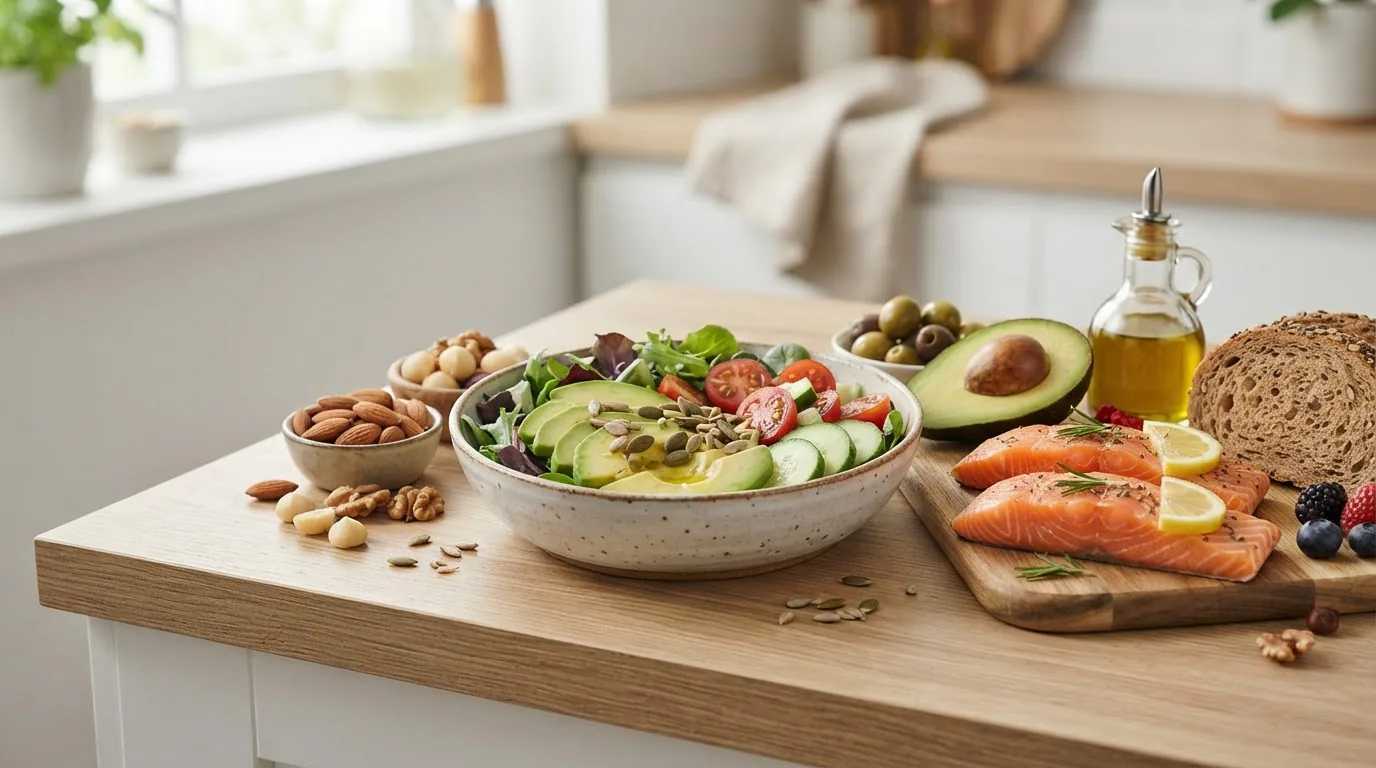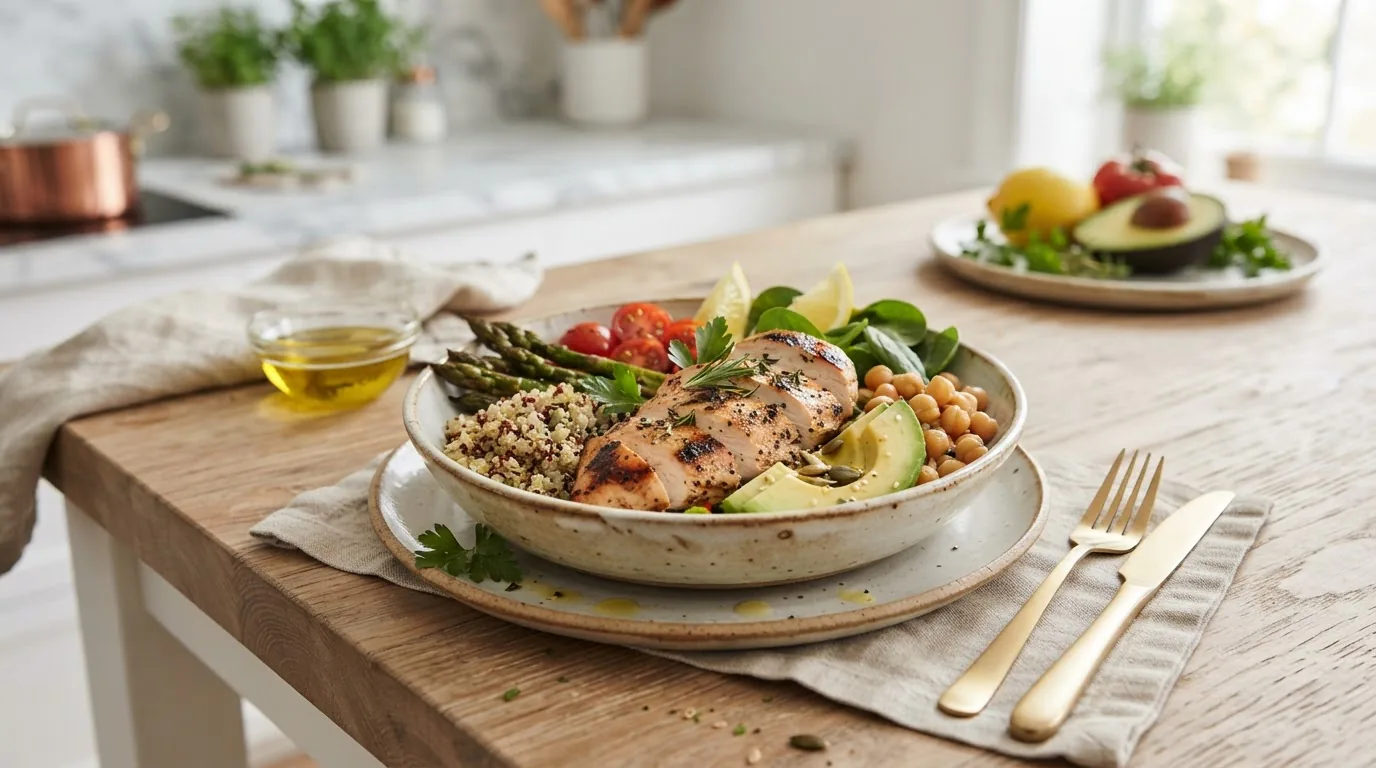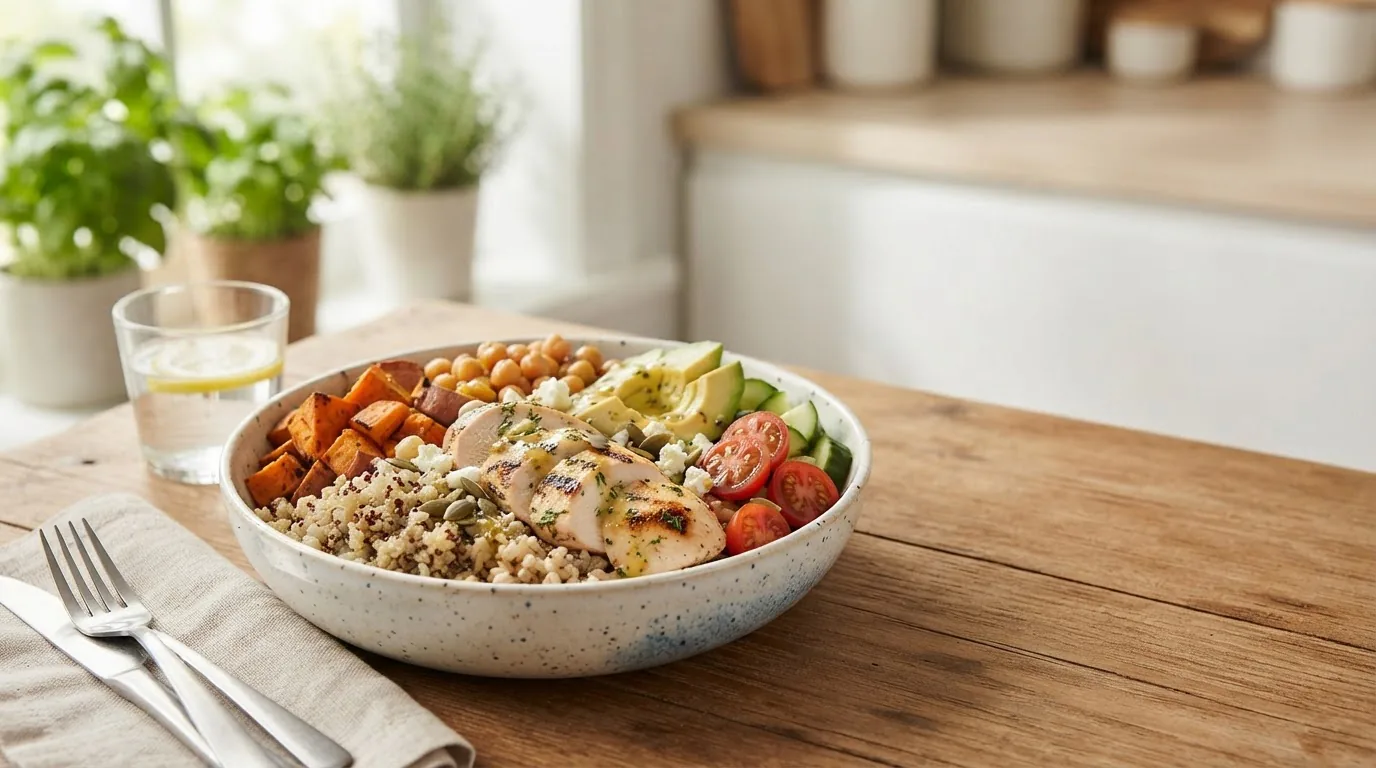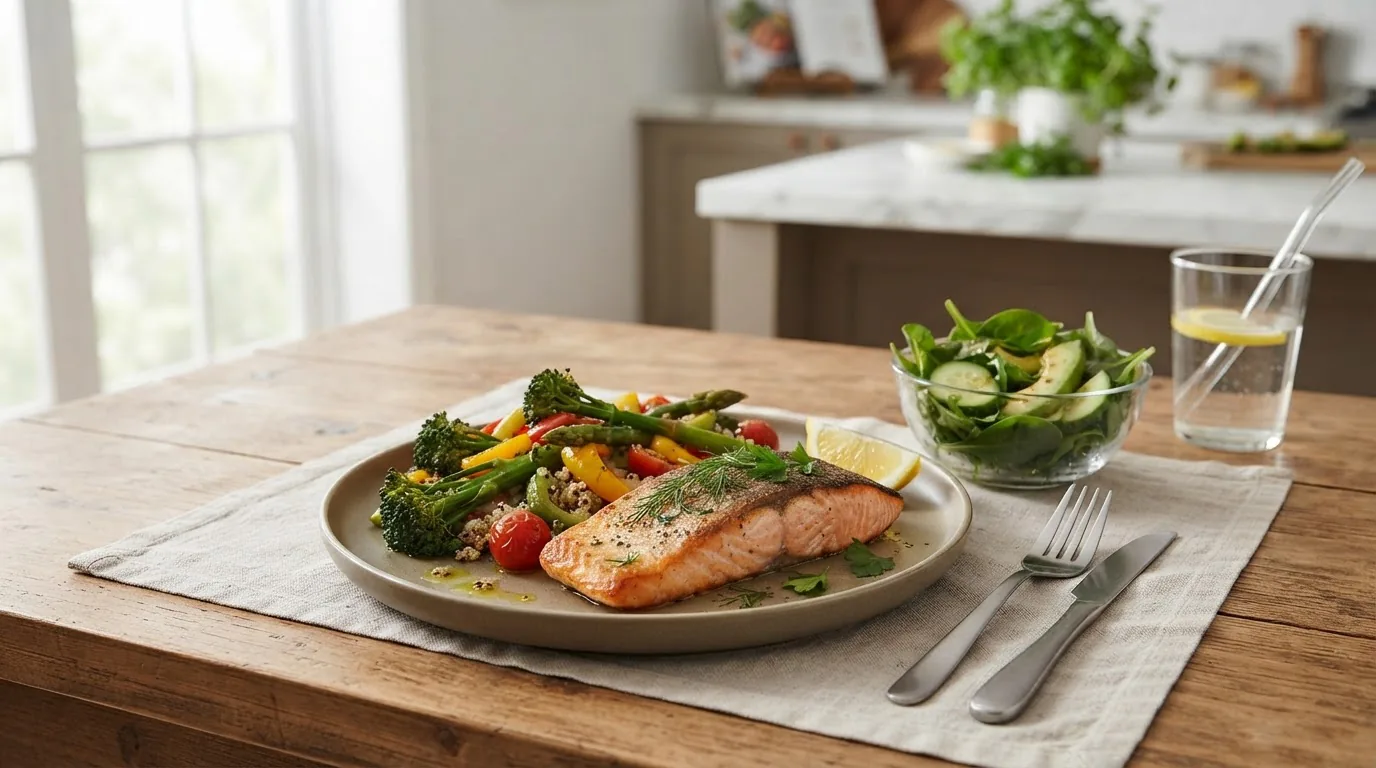
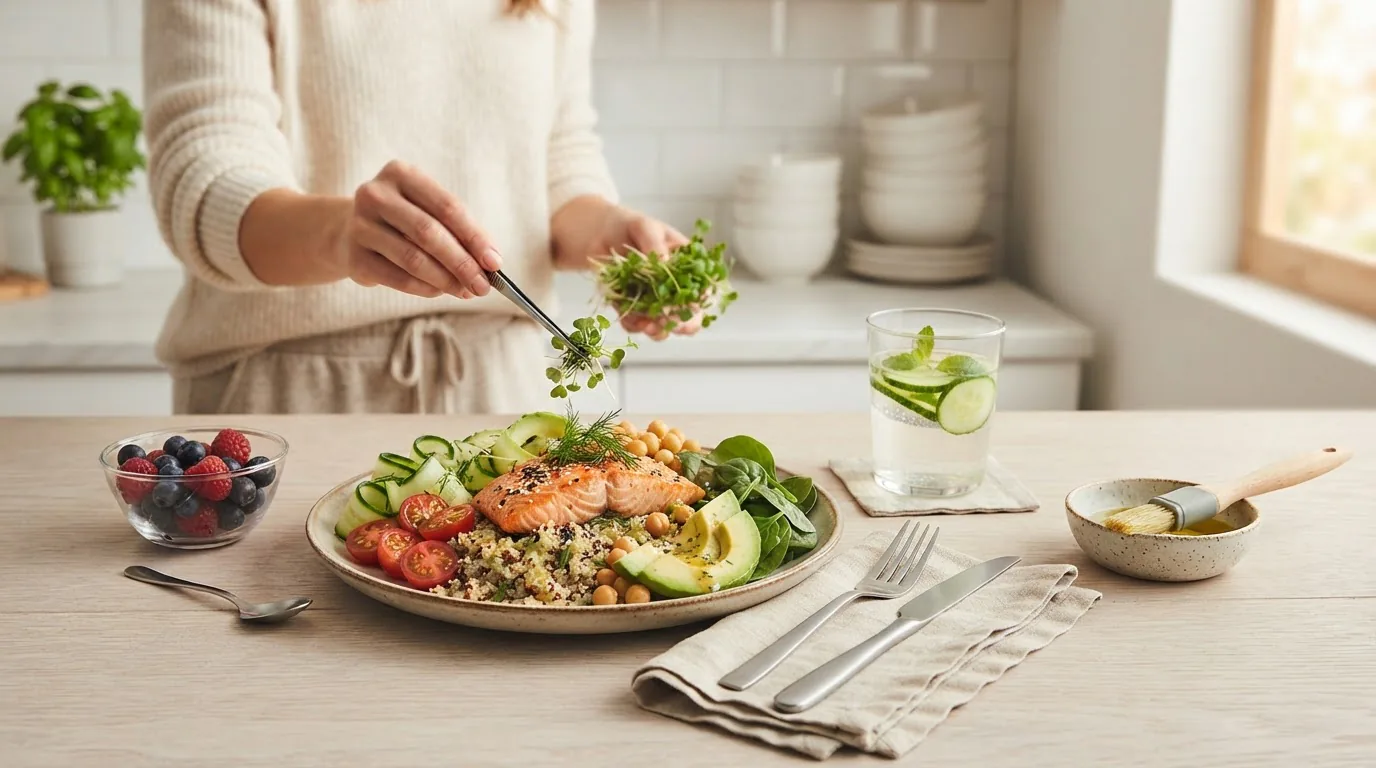
Yummiest healthy recipes can transform weeknight dinners, family lunches, and fitness-focused meals without sacrificing flavor. This guide delivers a large, diverse collection of delicious, nutritious recipes with clear nutrition facts and practical cooking tips so you can cook confidently and eat well.
Introduction to Yummiest Healthy Recipes
Whether you want a quick weekday breakfast, a hearty family dinner, or a fancy healthy meal for guests, understanding what makes a recipe both “yummy” and “healthy” is the first step. Great healthy meals combine whole-food ingredients, balanced macronutrients, satisfying flavor profiles, and cooking methods that preserve nutrients while maximizing taste. In this guide, you’ll find recipes that use whole grains, legumes, lean proteins, colorful vegetables, and fresh herbs—ingredients that form the backbone of essential recipes for health.
Healthy dishes don’t have to be bland or complicated. By leaning into seasoning, contrast (crisp vs. tender), and appropriate cooking techniques—like roasting to deepen flavor or steaming to preserve vitamins—you can make nutritious food something the whole household looks forward to. This guide also prioritizes transparency: every featured recipe includes nutrition facts so you know calories, macros, fiber, sodium, and key micronutrients at a glance.
For a full reference and to bookmark this resource, return to the Yummiest Healthy Recipes Guide with Nutrition Facts and Tips.
Transitioning from why these meals matter to how to read their nutrition facts will help you choose the best recipes for your goals.
Understanding Nutrition Facts for Healthy Recipes
Nutrition facts give you a snapshot of what a meal delivers: calories, macronutrients (protein, fat, carbohydrates), fiber, sodium, and often some micronutrients like vitamin C, vitamin A, calcium, and iron. Learning to interpret these labels empowers you to assemble balanced meals and compare recipes beyond simple calorie counts.
Key terms to know:
- Calories: energy the body gets from the food. Use them as part of daily intake planning.
- Macros: protein, fats, and carbohydrates—each plays unique roles (protein for repair and satiety, carbs for energy, fats for hormone function and flavor).
- Fiber: slows digestion, supports gut health, and increases meal volume for fullness.
- Sodium: essential but often overconsumed; watch for high-sodium sauces and processed foods.
When evaluating a recipe’s nutrition facts, consider meal balance: a healthy meal typically has a good protein portion, fiber-rich carbohydrates (whole grains, legumes, vegetables), healthy fats, and moderate sodium. For guidance on overall dietary patterns, consult official resources like the Dietary Guidelines for Americans (USDA)—a government resource summarizing recommended patterns (source: government guideline document).
Example stat blocks below show how to read a recipe label and compare two recipe versions (classic vs. improved):
| Sample Label | Classic Pasta with Chicken (per serving) | Improved Whole-Grain Pasta with Veggies (per serving) |
|---|---|---|
| Calories | 680 kcal | 520 kcal |
| Protein | 32 g | 30 g |
| Carbs | 68 g | 58 g |
| Fat | 20 g | 14 g |
| Fiber | 4 g | 10 g |
| Sodium | 920 mg | 560 mg |
This comparison shows that swapping refined pasta for whole-grain and adding vegetables can improve fiber while lowering overall calories and sodium—important trade-offs beyond just calories. Use nutrition facts to judge how a recipe fits your needs (e.g., a fitness-focused runner may prioritize higher carbs; someone watching blood pressure may de-prioritize sodium).
How to estimate micronutrients: many recipe calculators now include vitamin and mineral estimates. Look for vitamin C (indicator of vegetable content), iron (important for active people), and calcium (bone health). According to a 2024 USDA nutrient database summary, including a daily variety of fruits and vegetables significantly increases intake of multiple micronutrients (source: USDA nutrient database summary).
Quick tips for comparing nutrition facts:
- Always compare serving sizes—many recipes list two servings but may be eaten as one.
- Check fiber and protein first for satiety; these cut down snacking and support fullness.
- Assess sodium and added sugar—lower is generally better for long-term health.
Next, we’ll explore the many types of healthy meals you can make and their benefits so you can pick the right meals for different occasions.
Types of Healthy Meals: Variety and Benefits
-
Healthy breakfasts — Benefits: sets metabolic tone, improves concentration.
Description: Oats with fruit and nuts, Greek yogurt parfait, savory egg-and-vegetable scrambles. These meals blend protein and fiber to stabilize blood sugar. For meal-prep friendly options, check guides on breakfast planning for busy mornings.
-
Healthy lunches for work or school — Benefits: sustained energy, reduced afternoon cravings.
Description: Grain bowls with legumes, salads with roasted vegetables and lean protein, whole-grain wraps. For make-ahead strategies see the easy lunch meal prep guide.
-
Healthy hearty dinner — Benefits: family satisfaction, nutrient-dense evening meal.
Description: Baked salmon with quinoa and asparagus, turkey chili with beans, veggie-packed stir-fries. For couple-sized servings, see healthy dinner recipes for two.
-
Light dinners and low-calorie meals — Benefits: easier digestion before bed, weight-control support.
Description: High-volume salads, brothy soups, steamed fish and vegetables. If you track calories, resources like the 400 calorie meals guide, 500 calorie meals guide, and 600 calorie dinner guide provide helpful examples.
-
Vegetarian and meatless meals — Benefits: high fiber, lower saturated fat, diverse plant nutrients.
Description: Lentil stews, chickpea curries, tofu-and-vegetable bowls. For quick for-two vegetarian ideas see quick vegetarian dinner recipes and for broader meatless options check meatless dinner ideas.
-
Fitness recipes — Benefits: supports performance, recovery, and muscle protein synthesis.
Description: Protein-forward meals like grilled chicken with sweet potatoes, salmon and brown rice, or tempeh bowls for plant-based athletes. For focused protein recipes, see the healthy chicken breast recipes guide.
-
Heart-healthy meals — Benefits: lower cholesterol and blood-pressure support.
Description: Meals emphasizing vegetables, legumes, whole grains, lean proteins, and healthy fats (olive oil, fatty fish). These echo USDA dietary patterns and Academy of Nutrition and Dietetics recommendations (source: professional nutrition organization guidance).
-
High-volume, low-calorie meals — Benefits: great for weight control and satiety.
Description: Big salads, vegetable soups, stir-fries with lots of non-starchy vegetables. For low-cal ideas, consult the low calorie high volume meals guide.
-
Healthy American food recipes — Benefits: comfort-food nostalgia with improved nutrition.
Description: Lean turkey meatloaf, baked mac-and-cheese made with whole-grain pasta and cauliflower, grilled fish tacos with slaw. For a collection of reinvented classics, see the healthy American dishes guide.
-
Fancy healthy meals — Benefits: celebratory, shows guests healthy food can impress.
Description: Herb-crusted halibut, quinoa-stuffed peppers with pomegranate and pistachios, roasted cauliflower steak with chimichurri. For warm-season comfort, try the cold weather meals guide for cozy, nutritious options.
-
Organ-meat and nutrient-dense options — Benefits: high in micronutrients like iron and B12.
Description: Dishes using chicken heart, liver, or other organ meats can be nutrient-dense when prepared carefully. Adventurous cooks can read the chicken heart recipe guide for technique and safety tips.
Variety matters—rotating meal types supports a broader nutrient intake and keeps eating enjoyable.
Transitioning to actionable meals, the next section presents the top ten yummiest healthy recipes with detailed nutrition facts and cooking tips.
Top Ten Yummiest Healthy Recipes with Nutrition Facts
This curated list focuses on flavor-first healthy meals across meal types. Each recipe includes a concise ingredients overview, nutrition facts per serving, and quick cooking tips so you can make them confidently.
-
1. Lemon-Herb Grilled Salmon Bowl
Ingredients overview: 4 oz salmon, 1/2 cup cooked quinoa, mixed greens, cherry tomatoes, cucumber, 1 tbsp olive oil, lemon, fresh dill.
Nutrient Per serving Calories 460 kcal Protein 33 g Carbs 34 g Fat 20 g Fiber 6 g Sodium 240 mg Cooking tip: Grill skin-on salmon over medium-high heat 4–5 minutes per side for crisp skin; squeeze lemon just before serving to brighten flavor and preserve omega-3s.
-
2. Chickpea & Spinach Curry (One-Pot)
Ingredients overview: canned chickpeas, fresh spinach, diced tomatoes, onion, garlic, ginger, curry powder, light coconut milk.
Nutrient Per serving Calories 370 kcal Protein 16 g Carbs 46 g Fat 12 g Fiber 12 g Sodium 520 mg Cooking tip: Sauté spices in oil for 30–45 seconds before adding liquids to bloom flavors; add spinach at the end to keep texture and vitamins.
-
3. Greek Yogurt Chicken Salad Wrap
Ingredients overview: shredded chicken breast, plain Greek yogurt, diced apples, celery, walnuts, romaine or whole-grain wrap.
Nutrient Per serving (wrap) Calories 410 kcal Protein 36 g Carbs 28 g Fat 16 g Fiber 4 g Sodium 480 mg Cooking tip: Use rotisserie or leftover poached chicken to save time. For more high-protein chicken options, see the healthy chicken breast recipes guide. Also explore yummy chicken lunch ideas for variations.
-
4. Black Bean & Sweet Potato Tacos
Ingredients overview: roasted sweet potato cubes, black beans, corn tortillas, avocado, cabbage slaw, lime, cilantro.
Nutrient Per 2 tacos Calories 420 kcal Protein 12 g Carbs 62 g Fat 14 g Fiber 10 g Sodium 360 mg Cooking tip: Roast sweet potatoes at high heat (425°F / 220°C) with smoked paprika for caramelization and smoky depth; add a squeeze of lime to balance sweetness.
-
5. Mediterranean Quinoa Salad with Feta
Ingredients overview: cooked quinoa, cucumber, tomatoes, kalamata olives, feta (light), parsley, lemon-olive oil dressing.
Nutrient Per serving Calories 380 kcal Protein 10 g Carbs 42 g Fat 18 g Fiber 6 g Sodium 460 mg Cooking tip: Rinse quinoa well to remove bitterness. Toast dry quinoa for 1–2 minutes before boiling to deepen flavor.
-
6. Turkey & Veggie Stuffed Peppers
Ingredients overview: lean ground turkey, brown rice, diced vegetables, tomato sauce, spices, bell peppers.
Nutrient Per stuffed pepper Calories 330 kcal Protein 28 g Carbs 30 g Fat 10 g Fiber 5 g Sodium 390 mg Cooking tip: Precook the turkey mixture to remove excess moisture then fill peppers to avoid sogginess; finish under the broiler for a golden top.
-
7. Shrimp & Broccoli Stir-Fry with Brown Rice
Ingredients overview: shrimp, broccoli florets, garlic, ginger, low-sodium soy sauce, sesame oil, brown rice.
Nutrient Per serving Calories 420 kcal Protein 30 g Carbs 48 g Fat 10 g Fiber 5 g Sodium 520 mg Cooking tip: Cook shrimp briefly (2–3 minutes) to avoid rubberiness; steam or blanch broccoli first for bright color and consistent texture.
-
8. Lentil Bolognese over Zucchini Noodles
Ingredients overview: brown or green lentils, crushed tomatoes, garlic, onions, carrots, zucchini spirals as the base.
Nutrient Per serving Calories 350 kcal Protein 18 g Carbs 54 g Fat 6 g Fiber 14 g Sodium 420 mg Cooking tip: Simmer lentils until tender but not mushy; use tomato paste to deepen umami without added salt.
-
9. Baked Chicken Thighs with Roasted Root Vegetables
Ingredients overview: skin-on chicken thighs (trimmed), mixed root vegetables (carrot, parsnip, beet), rosemary, olive oil.
Nutrient Per serving Calories 520 kcal Protein 36 g Carbs 34 g Fat 22 g Fiber 6 g Sodium 300 mg Cooking tip: Roast veggies at 425°F/220°C to caramelize; place chicken on top of vegetables so juices flavor them. For more chicken meal planning strategies, see chicken meal prep ideas.
-
10. Berry-Oat Overnight Parfait (Breakfast)
Ingredients overview: rolled oats, low-fat milk or plant milk, mixed berries, chia seeds, plain Greek yogurt.
Nutrient Per serving Calories 320 kcal Protein 15 g Carbs 48 g Fat 8 g Fiber 9 g Sodium 120 mg Cooking tip: Assemble jars the night before; overnight refrigeration allows chia seeds and oats to thicken naturally for a creamy texture.
Each recipe’s nutrition facts are approximations; adjust portions or ingredients to match individual needs. If you need more make-ahead options, check the freezer meal prep guide.
Transitioning from recipes to practical kitchen strategies, the next section offers tips for cooking nutritious food at home.
Tips for Cooking Nutritious Food at Home
Cooking nutritious food at home combines technique, planning, and smart ingredient swaps. Below are practical steps and tips that work for busy households, fitness enthusiasts, and home cooks aiming to eat well without fuss.
-
Plan with purpose
Create a weekly plan that balances meal types (protein, vegetables, whole grains). Use grocery lists to avoid impulse purchases and batch-cook staples like brown rice, roasted vegetables, and grilled chicken.
For step-by-step make-ahead ideas, see the easy lunch meal prep guide.
-
Invest in a few key kitchen tools
Good tools speed healthy cooking: a sharp chef’s knife, a heavy skillet, sheet pans, a steamer basket, a good blender, and airtight containers for storage.
-
Use healthy cooking techniques
Prefer steaming, roasting, grilling, sautéing in small amounts of healthy oil, and braising. These methods preserve nutrients and add texture. For example, steaming maintains vitamin C in many vegetables while roasting concentrates flavor via caramelization.
-
Swap smartly
Substitute Greek yogurt for mayo, whole-grain pasta for refined, and mashed avocado for butter where it makes sense. These swaps often add fiber or reduce saturated fat without much flavor loss.
-
Season for satisfaction
Use herbs, citrus, vinegars, and spices to make flavor-front meals. Salt enhances flavor but can be balanced by acid (lemon, vinegar) and umami (tomato paste, mushrooms).
-
Control portions without feeling deprived
Plate meals with half vegetables, a quarter lean protein, and a quarter whole grains or starchy vegetables. This visual method helps with portion control while keeping plates satisfying.
-
Batch-cook and freeze
Cook grains, beans, and sauces in volume; freeze single portions to speed dinners. See the freezer meal prep guide for safe storage tips.
-
Shop seasonally and on a budget
Seasonal produce is cheaper and more nutrient-rich. For budget strategies, explore the how to eat healthy on a budget guide.
-
Read and use nutrition facts labels
When shopping, compare serving sizes and look for fiber and protein—two nutrients that improve satiety. Be wary of added sugars and high sodium in pre-made sauces and dressings.
-
Adapt recipes for family preferences
Make small changes: swap a vegetable for one your kids like, use milder spices, or serve sauces on the side. Building family acceptance often requires repeated exposure to new foods with familiar seasonings.
For chicken-focused planning that simplifies weeknight dinners, see the chicken meal prep ideas. For broader tips on budgeting while eating healthfully, check the how to eat healthy on a budget.
Transitioning to web resources: knowing how to evaluate healthy recipe websites helps you find trustworthy, useful recipes and nutrition facts online.
How to Use Healthy Recipe Websites Effectively
Healthy recipe websites are invaluable, but the quality varies. Use these strategies to find reliable recipes and accurate nutrition information:
- Prioritize websites that display clear nutrition facts per serving and list exact portion sizes.
- Look for author credentials or editorial review—sites that cite nutrition professionals or dietitians are more trustworthy.
- Check sources for nutrition claims—reliable articles often link to government databases or peer-reviewed research.
- Use filters for dietary needs, but be cautious: not all “low-sodium” or “low-carb” tags are standardized.
- Compare recipe nutrition facts using your own serving sizes; many sites offer calculators or integrated nutrition panels.
- Read comments—home cooks often report helpful tweaks and real-world portion experiences.
When choosing frozen or packaged options for convenience, learn how to vet them:
- Compare serving sizes and ingredients lists.
- Favor whole-food ingredients, lower sodium, and higher fiber content.
- For guidance on selecting high-quality frozen meals, review the choosing nutritious frozen foods resource.
Use a mix of trusted sites, government databases, and reputable nutrition organizations to cross-check nutrition facts. For official guidance on healthy patterns, consult the Dietary Guidelines for Americans (government guideline document) and the Academy of Nutrition and Dietetics (professional association) for practical recommendations and meal planning tools.
Next, we’ll explore how to make healthy dishes feel fancy while staying nutritious.
Fancy Healthy Meals: Balancing Taste and Nutrition
“Fancy” doesn’t mean complicated or unhealthy—it’s about presentation, layering flavors, and using a few high-quality ingredients to create an impressive plate. Fancy healthy meals can make celebrations and date nights special without sacrificing nutrition.
Examples and tips:
- Herb-Crusted Halibut with Lemon Beurre Blanc (lightened) — Use reduced butter and finish with a bright citrus emulsion. Serve with roasted asparagus and a small portion of wild rice. Garnish with microgreens for a restaurant feel.
- Beet Carpaccio with Goat Cheese and Toasted Pistachios — Thinly slice beets, drizzle with a reduced balsamic glaze, and add a sprinkle of feta or goat cheese. The dish is visually striking and packed with micronutrients.
- Seared Tuna with Sesame-Ginger Glaze — Use a small amount of glaze, sear tuna to rare for texture contrast, and serve atop a bed of shaved cucumber and radish salad.
Plating tips to elevate healthy foods for home:
- Use white or neutral plates to make colors pop.
- Balance height and contrast—stack components or use garnishes like fresh herbs.
- Finish with a bright acid (lemon, vinegar) right before serving to wake up flavors.
- Integrate textures: crunchy (nuts, seeds), creamy (purees, yogurts), and crisp (roasted vegetables).
For seasonal, comforting fancy dishes ideal for colder months, consult the cold weather meals guide.
Next, we’ll cover how fitness-minded eaters can incorporate recipes into training plans.
Incorporating Fitness Recipes into Your Diet
Fitness-friendly meals prioritize adequate protein, timing of carbohydrates around workouts, and balanced micronutrients to support recovery. Here’s how to adapt the recipes above for training goals and body-composition aims.
Protein targets: For muscle maintenance or gain, athletes often aim for ~1.2–2.0 g/kg body weight daily (source: peer-reviewed sports nutrition consensus). Spread protein across meals—target 20–40 g per main meal to stimulate muscle protein synthesis.
Meal timing examples:
- Pre-workout (60–90 minutes before): moderate carbs + low-moderate protein (e.g., banana with Greek yogurt).
- Post-workout (within 1 hour): higher-protein meal with carbs to replenish glycogen (e.g., grilled salmon bowl with quinoa).
Example fitness meals from our top-ten list:
- Lemon-Herb Grilled Salmon Bowl — ideal post-resistance workout for protein and omega-3s.
- Greek Yogurt Chicken Salad Wrap — portable post-cardio meal with lean protein.
- Berry-Oat Overnight Parfait — a solid pre- or post-workout option when boosted with a scoop of protein powder.
For specialized high-protein chicken recipes that are easy to scale, see the healthy chicken breast recipes guide.
Nutrition notes for athletes:
- Prioritize iron and vitamin D if training intensely—these nutrients support performance; incorporate spinach, lean red meats (or organ meats for iron density; see chicken heart recipe guide), and fortified foods.
- Hydration matters—include electrolyte-rich options like coconut water or salted broths after heavy sweating.
- Monitor total energy intake; under-fueling impairs training adaptation.
Transitioning to wrap up: we’ll summarize how to make healthy eating both enjoyable and sustainable.
Conclusion: Making Healthy Eating Enjoyable and Sustainable
Healthy eating flourishes when flavor, convenience, and nutrition align. The best strategy is a flexible approach: rotate the healthy dishes and meal types above, use cooking techniques that preserve nutrients and boost flavor, and rely on nutrition facts to make informed choices. Small habits—batch-cooking staples, seasoning intentionally, and choosing whole-food swaps—build long-term change. Try one new recipe from this guide each week and adapt portions to your goals. Consult a registered dietitian or healthcare provider for personalized guidance, especially if you have medical conditions or specific performance goals.
Ready to cook flavorful, nutrient-packed meals? Bookmark this guide and start with one recipe tonight—your taste buds and health will thank you.
Frequently Asked Questions
What are the yummiest healthy recipes I can easily cook at home?
Start with simple, flavor-forward recipes like lemon-herb grilled salmon, chickpea curry, and Greek yogurt chicken wraps—each combines whole grains, lean protein, and vegetables for balanced nutrition and quick prep.
How do healthy recipes differ from regular recipes?
Healthy recipes prioritize whole ingredients, balanced macros, higher fiber, and lower added sugars or sodium—while regular recipes may rely on processed ingredients, added fats, and refined carbs that increase calories without nutrients.
What is the best way to read nutrition facts on recipes?
Compare serving sizes first, then evaluate calories, protein, fiber, and sodium. Prioritize protein and fiber for satiety and check sodium and added sugars to limit excess intake.
How can I cook nutritious food that tastes great?
Use techniques like roasting, grilling, and sautéing; season with herbs, citrus, and spices; combine textures and contrast (creamy vs. crunchy) to enhance flavor without extra calories.
How long does it take to prepare healthy meals with detailed nutrition info?
Many balanced meals take 20–45 minutes. Overnight or batch-prep options like overnight oats, sheet-pan dinners, and cooked grains reduce daily cooking to 10–15 minutes.
What should I do if my healthy dish doesn’t taste flavorful?
Add acid (lemon or vinegar), a pinch of salt, fresh herbs, or a small amount of umami-rich ingredient (tomato paste, soy sauce) to brighten and deepen flavors without excess calories.
How can I be sure the healthy meals I cook meet quality nutrition standards?
Check recipe nutrition facts for protein, fiber, and sodium; cross-reference with trusted sources like the USDA and Academy of Nutrition and Dietetics; adjust portions to meet personal needs.
What types of healthy meals are best for fitness and muscle gain?
Meals high in lean protein (chicken, fish, legumes), moderate carbs around workouts (quinoa, sweet potato), and healthy fats support recovery and muscle synthesis when total daily protein targets are met.