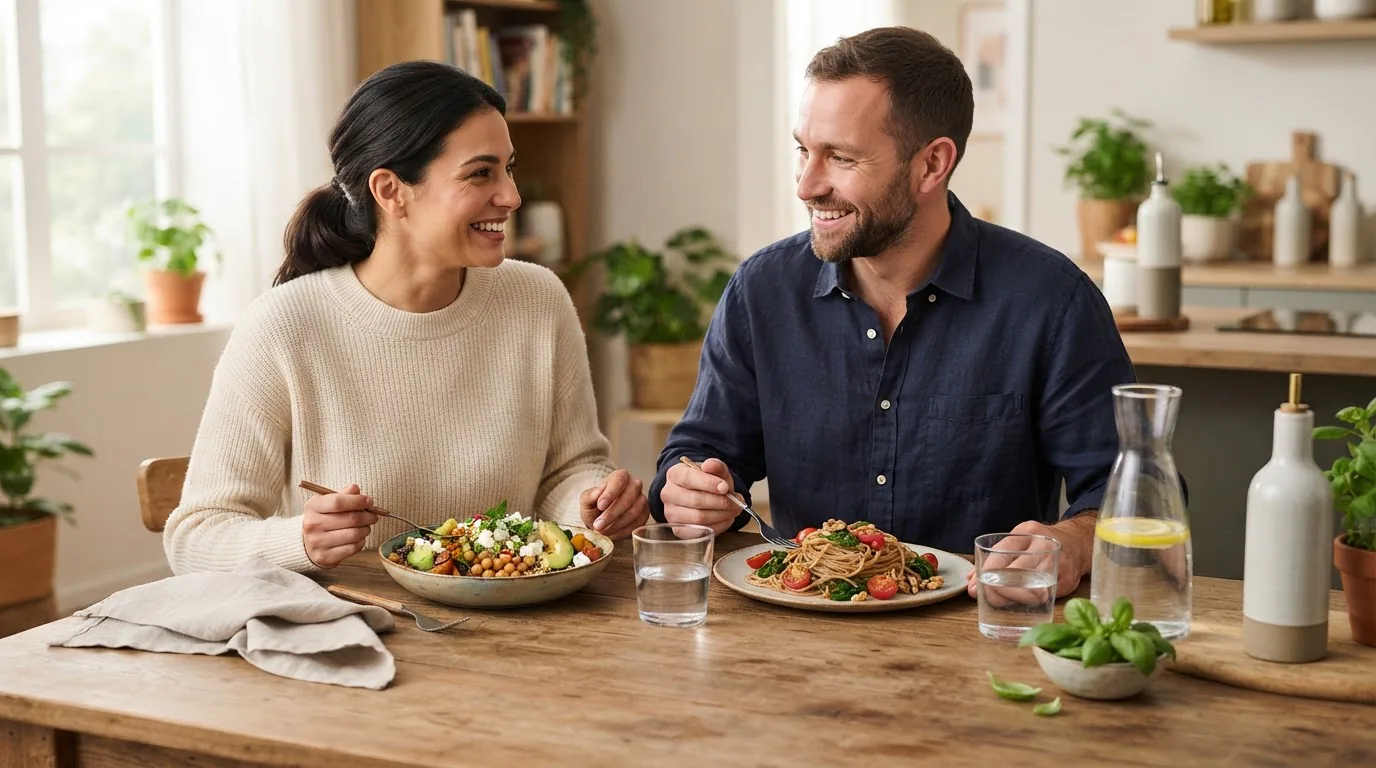
5 quick vegetarian dinner recipes for two that are fast, flavorful, and designed to minimize dishes—perfect for busy weeknights or low-effort date nights. Each recipe here is portioned for two, emphasizes plant-based protein, and includes swaps, time-saving hacks, and nutritional highlights so you can cook confidently tonight.
Introduction to Quick Vegetarian Dinners for Two
Looking for easy vegetarian dinners that come together quickly and still feel balanced? This guide focuses on practical, time-saving vegetarian meals for two people—meals that use common pantry staples and simple techniques like one-pan sautés, sheet-pan roasting, and quick simmering. You’ll find clear ingredient lists scaled for two, step-by-step instructions that minimize prep time, and tips to keep cleanup low while ensuring a nutritious plate.
These recipes serve two and are ideal for couples, roommates, or anyone cooking for a household of two. If you want broader recipe resources with nutrition facts and extra tips, check out the comprehensive collection in the
Yummiest Healthy Recipes Guide with Nutrition Facts and Tips
—that resource pairs well with the quick dinners below if you’re planning meals for a week or tracking macros.
Why Choose Vegetarian Dinners for Two?
Vegetarian dinners offer a balance of nutrients when planned well and can be quicker to prepare than multi-protein meals because many plant-based proteins cook fast or come pre-cooked from the pantry (e.g., canned beans). Benefits include increased fiber, a variety of vitamins and minerals from vegetables, and flexibility in portion control for couples or two-person households.
Portioning for two helps reduce waste and makes it easier to control calories and macronutrient balance at each meal. According to the 2024 Dietary Guidelines for Americans government resource, emphasizing vegetables, legumes, whole grains, and lean proteins supports heart and metabolic health when combined with overall balanced intake (source: government nutrition guidance, 2024).
Plant proteins like lentils, chickpeas, tofu, and black beans provide essential amino acids and fiber. A review in a peer-reviewed journal showed that diets higher in plant-based foods are associated with improved cardiovascular markers (source: peer-reviewed nutrition study, 2020). For heart-healthy, DASH-style eating patterns that can include vegetarian meals, you can explore more about DASH diet meal plans to adapt those principles to two-person menus.
Finally, vegetarian dinners can be budget-friendly and quick—especially when you keep pantry staples on hand and pick seasonal vegetables to maximize flavor and nutrition.
How to Prepare Quick Vegetarian Dinners for Two
Efficient cooking for two is about mise en place, smart tool choices, and batch-friendly ingredients. Below are practical steps and shortcuts I use in my kitchen to cut active time and cleanup without sacrificing flavor.
- Plan 15-minute mise en place: Before you heat anything, rinse and chop vegetables, drain canned beans, and measure spices. A 10–15 minute prep window saves time later and prevents burned food.
- Use one-pan methods when possible: A skillet or sheet pan reduces dishes and speeds cooking. Reserve a small pot for grains if needed.
- Par-cook or use quick-cooking grains: Instant brown rice or quick-cook quinoa cut time dramatically. Alternatively, pre-cook rice/grains once per week and refrigerate for fast assembly.
- Embrace canned and frozen vegetables: Canned beans, fire-roasted tomatoes, and frozen greens are nutritious and reduce chopping time.
- Layer flavors early: Sauté aromatics (onion, garlic, ginger) first, then build with spices and acid to create depth quickly.
Recommended basic toolset for speed:
| Tool | Best for | Cleanup |
|---|---|---|
| Large nonstick skillet | Sautés/stir-fries for 2 | Low |
| Medium pot with lid | Rice/steaming/simmering stews | Moderate |
| Baking sheet | Roasting vegetables or sheet-pan dinners | Low |
| Chef’s knife & cutting board | Fast prep | Moderate |
When you choose quick methods, you trade some complexity for speed. One-pan cooking reduces flavor layering options but gains convenience; finishing a sauce with fresh herbs or a squeeze of lemon restores brightness with almost zero extra time. For more money-saving ingredient ideas that fit quick cooking, check out budget-friendly healthy foods.
Follow these step-by-step shortcuts during cook time:
- Heat skillet while chopping—hot pans cut total time.
- Sauté aromatics on medium-high for 2–3 minutes to unlock flavor quickly.
- Add denser vegetables first (carrots, sweet potato), then softer veg or greens toward the end.
- Use lid briefly to steam and finish cooking in mixed dishes, then uncover to reduce excess moisture.
- Finish with acid (lemon/vinegar) and an herb to brighten; season to taste after cooling slightly.
For more inspiration tailored specifically for two people, see the collection of dinner ideas for two.
5 Quick Vegetarian Dinner Recipes for Two
These five recipes were chosen to provide variety in flavor profiles, cooking techniques, and protein sources—beans, lentils, tofu, and legumes—so you get balanced meals that are fast and satisfying. For more cost-conscious options that overlap with these recipes, see budget-friendly vegetarian meals and for extra weeknight flexibility check out easy weeknight recipes.
1. Chickpea and Spinach Curry with Brown Rice
Intro: A cozy, fragrant curry that’s both quick and filling—canned chickpeas and baby spinach cut prep time while still packing fiber and protein. This one-pan-ish recipe uses a pot for rice and a skillet for curry to keep cleanup minimal.
Ingredients (serves 2):
- 1 cup dry quick-cook brown rice (or 1 cup cooked brown rice)
- 1 tbsp vegetable oil or ghee
- 1 small onion, finely chopped
- 2 garlic cloves, minced
- 1 tbsp grated ginger (or 1 tsp ground ginger)
- 1 tbsp curry powder or 1 tsp garam masala + 1 tsp curry powder
- 1 can (14 oz) diced tomatoes, undrained
- 1 can (15 oz) chickpeas, drained and rinsed
- 4 cups baby spinach (about 4 oz) or 1 package frozen spinach, thawed
- 1/3 cup light coconut milk or plain yogurt (optional for creaminess)
- Salt and pepper to taste; red pepper flakes to taste
- Lime wedges and chopped cilantro to serve
Instructions (quick prep emphasis):
- Start rice: Cook quick brown rice per package instructions (about 15–20 minutes). Keep covered off heat until ready.
- Sauté aromatics: In a large skillet, heat oil over medium-high. Add onion and cook 3–4 minutes until translucent. Add garlic and ginger; cook 30 seconds.
- Add spices: Stir in curry powder; toast 30 seconds to release aroma.
- Build curry: Add diced tomatoes and chickpeas. Simmer 5–7 minutes until slightly reduced. Mash a few chickpeas with the back of a spoon for texture.
- Add greens & finish: Stir in spinach to wilt (2 minutes) and coconut milk or yogurt if using. Season with salt, pepper, and red pepper flakes.
- Serve: Spoon over brown rice, top with lime and cilantro.
Substitutions/variations:
- Use canned or frozen brown rice to save time. Swap spinach for kale (add earlier) or collards.
- Make it oil-free by dry-sautéing onion in 1–2 tbsp water.
- Swap chickpeas for cooked lentils for a softer texture.
Nutritional highlights (approx. per serving): ~520 kcal, 18–20 g protein, 12–15 g fiber, 18–20 g fat (with coconut milk). Chickpeas provide plant-based protein and fiber; brown rice adds whole-grain carbs for sustained energy.
Anecdote: When short on time, I often microwave pre-cooked rice and stir the curry directly into the pan with rice to finish—one less pot and it tastes great.
2. Quick Black Bean Tacos with Avocado Salsa
Intro: A 20-minute handheld dinner that’s loaded with protein and healthy fats. Canned black beans and a quick avocado-tomato salsa make this a fast, satisfying meal for two.
Ingredients (serves 2 — 3 tacos each):
- 6 small corn or whole-wheat tortillas
- 1 tbsp olive oil
- 1/2 red onion, thinly sliced
- 1 can (15 oz) black beans, drained and rinsed
- 1 tsp ground cumin, 1/2 tsp smoked paprika, pinch salt
- 1 ripe avocado, diced
- 1 small tomato, diced
- 1 tbsp lime juice, 1 tbsp chopped cilantro
- Optional: crumbled queso fresco or plain yogurt dollop
Instructions (fast method):
- Make salsa: Toss avocado, tomato, lime juice, cilantro, and pinch salt in a small bowl; set aside.
- Warm beans: Heat oil in a skillet over medium, add onion and cook 2 minutes. Add black beans and spices; cook 3–4 minutes, smashing some beans for texture.
- Warm tortillas: Wrap tortillas in a damp towel and microwave 20–30 seconds or heat on a dry skillet until pliable.
- Assemble tacos: Divide beans among tortillas, top with avocado salsa and optional cheese or yogurt.
Substitutions/variations:
- Swap black beans for pinto or chickpeas. Use lime crema (yogurt + lime) instead of cheese for dairy-free creaminess.
- Top with quick pickled red onion (slice thin, toss in 1 tbsp vinegar) for brightness—slice and toss while beans cook.
Nutritional highlights (approx. per 3-taco serving): ~480 kcal, 18–22 g protein, 14–16 g fiber, 18–22 g fat (from avocado). Black beans are an excellent source of plant protein and fiber, promoting satiety and steady blood sugar.
Pro tip: Toast tortillas directly over a gas flame for charred flavor in under a minute per side; it adds restaurant-style depth with no extra ingredients.
3. One-Pan Mediterranean Vegetable Pasta
Intro: A skillet-based pasta that cooks vegetables and pasta together for minimal cleanup and maximum flavor—think olives, cherry tomatoes, garlic, and a hearty dose of white beans for protein.
Ingredients (serves 2):
- 6 oz whole-wheat spaghetti or short pasta
- 1 tbsp olive oil
- 2 cloves garlic, thinly sliced
- 1 cup cherry tomatoes, halved
- 1 small zucchini, sliced
- 1/2 cup pitted olives, halved
- 1 can (15 oz) cannellini beans, drained and rinsed
- 2 cups vegetable broth (or water)
- 1/4 cup crumbled feta (optional) and fresh basil
Instructions:
- In a large skillet, heat oil over medium. Add garlic and cook 30 seconds.
- Add tomatoes, zucchini, olives, beans, pasta, and broth. Bring to a simmer and cook, stirring occasionally, until pasta is al dente and liquid has mostly absorbed (8–10 minutes for short pasta, 10–12 for spaghetti).
- Toss with feta and basil; season with salt and pepper.
Substitutions/variations:
- Use chickpeas instead of cannellini beans. Substitute spinach instead of zucchini—add near the end to wilt.
- Make vegan by skipping feta or using a plant-based alternative.
Nutritional highlights (approx. per serving): ~620 kcal, 22–25 g protein, 10–12 g fiber. Beans and whole-grain pasta balance carbohydrates and protein for a sustaining meal.
Kitchen-tested tip: Stirring a few times during cooking prevents pasta from sticking and ensures even absorption of broth. If the pan dries too quickly, add 2–4 tbsp water and continue cooking.
4. Lentil and Sweet Potato Stew
Intro: Hearty and warming, this stew uses red or green lentils (which cook quickly) and diced sweet potato for sweetness and beta-carotene. It’s a forgiving recipe that improves if made a little earlier and reheated—great for leftovers.
Ingredients (serves 2):
- 1 tbsp olive oil
- 1 small onion, diced
- 2 cloves garlic, minced
- 1 tsp ground cumin, 1/2 tsp coriander
- 1 medium sweet potato (about 10 oz), peeled and diced 1/2″
- 3/4 cup dry red lentils, rinsed
- 3 cups vegetable broth
- 1 can (14 oz) diced tomatoes
- Salt, pepper, 1 tbsp lemon juice
- Optional: plain yogurt or chopped parsley to finish
Instructions:
- Heat oil in a pot over medium. Sauté onion 3–4 minutes until soft; add garlic and spices, cook 30 seconds.
- Add sweet potato, lentils, broth, and tomatoes. Bring to a simmer and cook 15–18 minutes until lentils and sweet potato are tender. Stir occasionally.
- Season with salt, pepper, and lemon juice; serve with a dollop of yogurt or parsley.
Substitutions/variations:
- Use green lentils if you prefer firmer texture (increase cook time by ~5 minutes).
- Add chopped kale or spinach in the last 3 minutes for extra greens.
Nutritional highlights (approx. per serving): ~480 kcal, 24–26 g protein, 16–18 g fiber. Lentils are an excellent source of plant protein and iron; pairing them with a vitamin C source like lemon improves non-heme iron absorption.
Practical note: This stew thickens as it cools—add a splash of broth when reheating to restore consistency.
5. Tofu Stir-Fry with Mixed Vegetables and Quinoa
Intro: A quick stir-fry that balances crispy pan-seared tofu with colorful vegetables and pre-cooked quinoa for a high-protein, low-stress meal.
Ingredients (serves 2):
- 1 cup cooked quinoa (or 1/2 cup dry, cooked per package)
- 8 oz firm tofu, pressed and cut into 1″ cubes
- 2 tbsp soy sauce or tamari
- 1 tbsp rice vinegar, 1 tbsp honey/maple
- 1 tbsp neutral oil (canola/grapeseed)
- 1 cup broccoli florets, 1 red bell pepper sliced, 1 carrot thinly sliced
- 1 clove garlic, 1 tsp grated ginger
- Optional: sesame seeds, green onions
Instructions (speed-focused):
- Prep sauce: Whisk soy sauce, rice vinegar, and honey/maple; set aside.
- Cook tofu: Heat oil in a large nonstick skillet over medium-high. Add tofu cubes and sear until golden on all sides (~6–8 minutes). Remove and set aside.
- Stir-fry veg: In the same skillet, add a splash more oil if needed, sauté garlic and ginger 30 seconds, add carrots and broccoli and cook 3–4 minutes, then add bell pepper and cook 2 minutes more.
- Combine: Return tofu to pan, pour sauce, toss to coat and heat through (1–2 minutes). Serve over quinoa, garnish with sesame seeds and green onion.
Substitutions/variations:
- Use tempeh, edamame, or chickpeas if tofu isn’t available. Swap quinoa for brown rice or cauliflower rice for lower carbs.
- Make it spicy with 1 tsp chili garlic sauce or sriracha in the sauce.
Nutritional highlights (approx. per serving): ~530 kcal, 28–32 g protein, 8–10 g fiber. Tofu is a complete plant protein; quinoa contributes additional protein and essential amino acids.
Experience note: Pressing tofu for 15–20 minutes removes moisture for better browning; when short on time, pat dry aggressively with paper towels and sear over higher heat for a quicker crisp.
Tips for Customizing Vegetarian Dinners for Two
Small swaps and portion tweaks make these recipes fit your tastes and dietary needs. Here are practical adjustments I use regularly.
- Portion control: Split each recipe into two equal portions, then add a side salad or extra veg if you want more volume without many extra calories.
- Ingredient swaps: Swap canned beans for cooked lentils, or use frozen veg in place of fresh to save time. For dairy-free, swap yogurt/feta for plant-based alternatives.
- Spice adjustments: Increase heat with chili flakes or sriracha; reduce sodium by using low-sodium broth and adjusting salt at the end of cooking.
- Dietary restrictions: For gluten-free, choose gluten-free pasta and tamari rather than soy sauce. For low-FODMAP needs, reduce garlic/onion and replace with green onion tops and asafoetida if tolerated.
- Using leftovers: Turn leftover curry into a wrap with greens; transform stew into a lunch bowl with fresh herbs and a squeeze of lemon—see easy healthy lunch ideas for inspiration.
Storing and Reheating Leftover Vegetarian Meals
Proper storage keeps leftovers safe and tasty for quick reheat dinners or lunches.
- Cool promptly: Refrigerate within two hours of cooking. Store in shallow containers to cool faster.
- Storage times: Most cooked vegetarian dishes last 3–4 days in the fridge; soups and stews can last up to 5 days if refrigerated promptly (source: food safety guidance, 2024).
- Freezing: Many dishes freeze well—cooked lentil stew, curries, and cooked quinoa freeze for 2–3 months. Avoid freezing creamy dairy finishes; add fresh yogurt or cheese after reheating.
- Reheating: Reheat on the stovetop over medium heat with a splash of water or broth to restore texture, or microwave covered, stirring halfway through to distribute heat.
For full instructions on prepping ahead and organizing meals, see meal prep and make-ahead tips.
Conclusion & Encouragement to Try These Quick Vegetarian Recipes
These 5 quick vegetarian dinner recipes for two are designed to be simple, nutritious, and flexible—so you can eat well without spending hours in the kitchen. They balance plant-based proteins, whole grains, and seasonal vegetables while keeping cleanup and active cooking time low. Try one recipe this week, use the swaps to fit your pantry, and adjust spice and portion levels to taste. Individual dietary needs vary; consult a registered dietitian for personalized guidance. Ready to cook? Pick a recipe above and enjoy a delicious, balanced vegetarian dinner tonight.
Frequently Asked Questions
What are quick vegetarian dinner recipes for two?
Quick vegetarian dinner recipes for two are meals designed to serve two people that use fast-cooking ingredients (canned beans, tofu, quick-cook grains, frozen vegetables) and simple techniques like one-pan sautés or sheet-pan roasting to finish within 20–30 minutes.
How do vegetarian dinners for two compare to regular family-sized recipes?
Vegetarian dinners for two are scaled-down in ingredients and cook time, often requiring fewer pots and less prep than family-sized recipes; portion control reduces waste and makes seasoning and final seasoning adjustments easier for smaller servings.
What are the best protein sources in quick vegetarian dinners?
Best protein sources include canned beans (chickpeas, black beans), lentils, firm tofu, tempeh, edamame, and quinoa—each offers convenient, quick-cooking options that provide substantial plant-based protein per serving.
How can I prepare these vegetarian dinners in under 30 minutes?
Prep ingredients ahead (mise en place), use canned or pre-cooked staples, choose quick-cook grains, and employ one-pan methods; follow the recipes’ step order to multitask (e.g., cook rice while sautéeing aromatics) to finish in 20–30 minutes.
What is the average cost of making a vegetarian dinner for two?
Average cost varies by location and ingredients, but a simple vegetarian dinner using pantry staples and seasonal produce often ranges from $4–$8 per person (source: budget recipe analyses, 2024), making it budget-friendly versus many meat-based meals.
How do I fix common issues like bland flavor or uneven cooking in vegetarian meals?
To fix blandness, add acid (lemon or vinegar), salt at the end, or fresh herbs; for uneven cooking, cut ingredients uniformly, add denser items earlier, and use lids briefly to steam before reducing to finish.
How can I ensure my vegetarian dinner is nutritionally balanced?
Ensure balance by combining plant proteins (beans, lentils, tofu) with whole grains, healthy fats (olive oil, avocado), and plenty of vegetables for fiber, vitamins, and minerals; consider fortified foods or a dietitian’s advice for specific nutrient concerns.
Are quick vegetarian dinner recipes safe for people with food allergies?
Most recipes can be adapted—swap allergenic ingredients (soy, nuts, dairy) for safe alternatives (lentils, seed butters, plant-based yogurt); always check labels and consult a healthcare provider for severe allergies.