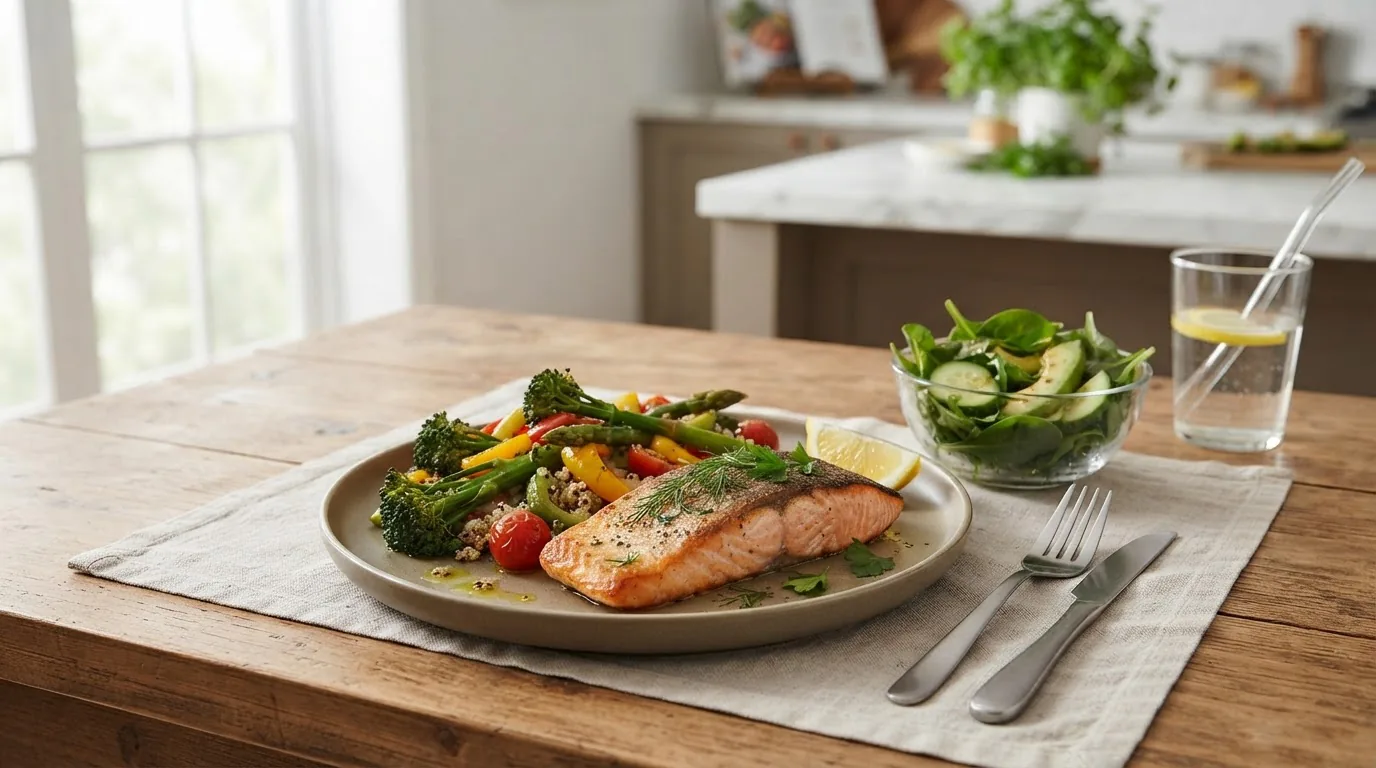
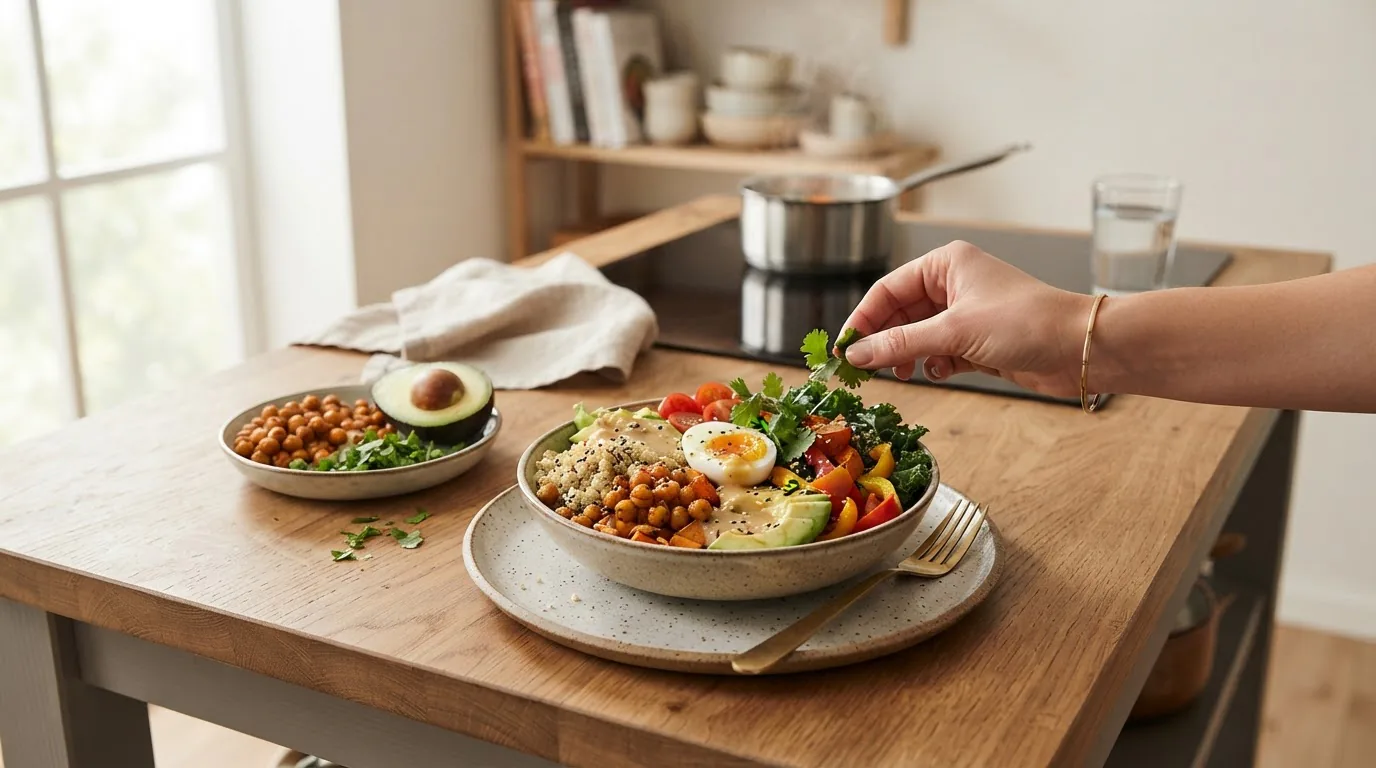
Easy meatless dinner ideas can transform hectic weeknights into calm, healthy evenings—no complicated shopping lists or long cook times required. This guide delivers practical, flavor-forward meatless main dishes and quick recipe options that busy home cooks can prepare in 30 minutes or less.
Introduction to Easy Meatless Dinner Ideas
Switching to meatless meals for dinner doesn’t have to be a radical overhaul—think simple swaps, pantry-powered recipes, and a handful of techniques that make vegetarian cooking quick and approachable. Whether you want to add one meatless night a week or make no-meat dinners a new habit, this guide focuses on realistic, time-saving ideas for busy evenings.
Start with versatile bases—whole grains, canned beans, tofu, frozen vegetables and a few bold condiments—and assemble dinners that feel composed but actually take minutes. Below you’ll find recipe summaries with prep tips, pantry lists, and planning strategies that help you put wholesome meals on the table without fuss.
For more inspiration and nutrition details, check our Yummiest Healthy Recipes Guide with Nutrition Facts and Tips, a great companion for meal planning.
Pair meatless dinners with energizing mornings—see our healthy breakfast ideas for a balanced diet to build a full-day routine that supports health and energy.
Transition: With a clear starting point, let’s look at why choosing easy meatless dinners pays off for your health, wallet, and the planet.
Benefits of Choosing Easy Meatless Dinner Options
Choosing simple meatless dinners can improve nutrition, reduce meal prep time, and lower grocery costs while supporting environmental goals. When planned well, meatless meals deliver fiber, vitamins, and plant-based protein—and can fit into heart-healthy patterns recommended by national guidance.
Nutrition-focused benefits include higher fiber intake (from legumes and whole grains), more antioxidants (from colorful vegetables), and healthier fats (from nuts, seeds, and olive oil). According to 2024 USDA guidelines, diets rich in vegetables, legumes, and whole grains support heart health and weight management.
Practical and environmental advantages add up quickly: plant-forward meals are often cheaper per serving than meat-based dishes and have a smaller carbon footprint, which appeals to people trying to eat more sustainably.
- Health: Increased fiber and plant nutrients—may support heart health (According to a 2024 USDA guideline summary).
- Cost: Pantry staples like beans and rice cost less per serving than meat—savings seen week-to-week (According to a 2023 grocery cost analysis report).
- Time: One-pot and sheet-pan meatless meals reduce cleanup and prep time, ideal for weeknights (practical home-cook case studies).
- Sustainability: Reducing meat intake lowers food-related emissions (According to a 2021 environmental impact meta-analysis).
Nutrition professionals often recommend plant-based swaps as part of heart-healthy dietary plans. For tailored guidance on integrating meatless dinners into clinically guided diets, see resources about Dash Diet-friendly meal plans which show how plant-forward meals can fit structured eating patterns.
Transition: Knowing the benefits makes choosing meatless nights easier—next, stock your kitchen with the staples that make these meals quick and flexible.
Essential Pantry Staples for Simple Meatless Meals
- Canned beans and lentils — chickpeas, black beans, cannellini and canned lentils are protein-rich, ready-to-use bases for salads, stews, and stir-fries.
- Dry legumes and quick-cook lentils — red lentils cook in 10–15 minutes and are perfect for soups, dahl, and quick curries.
- Whole grains — brown rice, quinoa, bulgur, and quick-cooking couscous add bulk and fiber; keep one or two quick-cook options on hand.
- Tofu and tempeh — shelf-stable or refrigerated soy proteins that quickly absorb flavors; firm tofu pan-frys in 8–10 minutes, tempeh sautés well for sandwiches or bowls.
- Pasta and whole-grain noodles — fast-cooking and comforting; combine with jarred sauce, frozen vegetables, and a can of beans for a complete meal.
- Frozen vegetables and fruits — frozen peas, mixed veggies, spinach, and berries lock in nutrition and cut prep time.
- Oils and vinegars — olive oil, neutral oil, rice vinegar, and balsamic vinegar for dressings and finishes.
- Key condiments — soy sauce, tahini, hot sauce, miso paste, canned tomatoes, curry paste or powder; they deliver instant flavor.
- Nuts, seeds, and nut butters — for crunch, healthy fats, and added protein (almonds, pumpkin seeds, peanut butter).
- Spices and aromatics — garlic, onion powder, smoked paprika, cumin, chili flakes, ground coriander; keep a small, usable collection to avoid decision fatigue.
- Stock or bouillon — vegetable broth or bouillon cubes to build quick soups, risottos, and sauces.
- Quick proteins — canned lentils, seitan (if tolerated), and shelf-stable pre-cooked grains for instant meals.
Each of these pantry items supports multiple quick recipes; learning versatile uses is a small time investment that pays off on weeknights. For optimizing budget and choices, review lists of budget-friendly nutritious foods that overlap heavily with the staples above.
Transition: With essentials ready, let’s jump into actual recipes you can make in under 30 minutes—each with quick prep tips tailored for busy nights.
Quick & Easy Meatless Dinner Recipes Under 30 Minutes
Below are fast, flexible recipes that use pantry staples and minimal hands-on time. Each entry lists main ingredients, estimated prep and cook time, and a short tip to speed it up further. Many are one-pot or one-pan to minimize dishes.
-
Chickpea Stir-Fry Bowl (20 minutes)
Main ingredients: canned chickpeas, frozen mixed vegetables, soy sauce, garlic, brown rice or quinoa.
Time: 20 minutes. Prep tip: Use pre-cooked microwave rice or leftover grains. Sauté garlic and veggies, add rinsed chickpeas, toss with soy sauce and a squeeze of lemon. Serve over grains and top with sesame seeds.
-
15-Minute Lemon Garlic Pasta with Spinach
Main ingredients: spaghetti or linguine, baby spinach (fresh or frozen), garlic, lemon zest, olive oil, grated Parmesan or nutritional yeast.
Time: 15 minutes. Prep tip: Cook pasta and reserve 1/2 cup pasta water; sauté garlic in oil, toss pasta with spinach, lemon, and pasta water for a silky sauce.
-
One-Pan Mexican Rice and Beans (25 minutes)
Main ingredients: quick-cooking rice or pre-cooked rice, canned black beans, canned tomatoes, corn (frozen or canned), taco seasoning, avocado.
Time: 25 minutes. Prep tip: Use a large skillet to toast rice, add tomatoes and broth, cover until rice cooks; stir in beans and corn for the last 5 minutes. Top with avocado and cilantro.
Pair with more ideas from our cheap vegetarian dishes for weeknights collection to keep costs low.
-
Tofu and Broccoli Stir-Fry (20 minutes)
Main ingredients: firm tofu, broccoli florets, garlic, grated ginger, soy sauce, rice vinegar, cornstarch.
Time: 20 minutes. Prep tip: Press tofu lightly between paper towels for 5 minutes or use pre-pressed tofu; coat in cornstarch and pan-fry for crispness, then add sauce and broccoli.
-
Red Lentil Dahl (25 minutes)
Main ingredients: red lentils, canned tomatoes, onion, turmeric, garam masala or curry powder, coconut milk (optional).
Time: 25 minutes. Prep tip: Rinse lentils and simmer in a wide pot; stir-in spices early to bloom flavor. Serve with naan or rice and a squeeze of lime.
-
Greek-Style Pita Pizzas (15 minutes)
Main ingredients: whole-wheat pitas, hummus or pesto, sliced tomatoes, olives, feta or plant-based cheese, spinach.
Time: 15 minutes. Prep tip: Toast pitas in oven until crisp, spread hummus, top with veggies and cheese, and broil for 1–2 minutes to melt.
-
Sheet-Pan Roasted Veggie & Halloumi (30 minutes)
Main ingredients: seasonal vegetables (bell peppers, zucchini, red onion), halloumi or firm cheese, olive oil, oregano, lemon.
Time: 25–30 minutes. Prep tip: Cut vegetables uniformly and roast at 425°F for 20–25 minutes; broil halloumi separately to avoid overcooking vegetables.
-
Caprese Chickpea Salad (10 minutes)
Main ingredients: canned chickpeas, cherry tomatoes, fresh basil, mozzarella or dairy-free alternative, balsamic glaze.
Time: 10 minutes. Prep tip: No cooking required—toss ingredients and rest for 10 minutes to meld flavors. Serve with crusty bread.
-
Quick Peanut Noodles with Tofu (20 minutes)
Main ingredients: rice noodles or spaghetti, peanut butter, soy sauce, lime, chili flakes, firm tofu, scallions.
Time: 20 minutes. Prep tip: Whisk sauce in a bowl while noodles cook; toss noodles with sauce and pan-fried tofu. Add crunchy peanuts and cilantro.
-
Spinach and Feta Stuffed Sweet Potatoes (30 minutes)
Main ingredients: sweet potatoes, baby spinach, feta cheese or chickpea mash, olive oil, lemon.
Time: 30 minutes (or bake sweet potatoes ahead). Prep tip: Microwave sweet potato for 6–8 minutes to speed cooking, then finish under broiler with filling.
-
Vegetable Frittata or Chickpea Flour Omelette (15–20 minutes)
Main ingredients: eggs or chickpea flour batter, mixed vegetables, cheese or nutritional yeast, herbs.
Time: 15–20 minutes. Prep tip: Use an oven-safe skillet to cook on stovetop and finish under broiler for even top browning.
-
Mediterranean Lentil Salad (20 minutes)
Main ingredients: cooked green or brown lentils, cucumber, tomato, red onion, lemon, olive oil, parsley, feta.
Time: 15–20 minutes. Prep tip: Use pre-cooked lentils or a can to reduce time. Mix dressing separately then combine.
-
15-Minute Stir-Fried Tempeh with Greens
Main ingredients: tempeh, soy sauce, maple syrup, garlic, kale or bok choy, sesame oil.
Time: 15 minutes. Prep tip: Steam tempeh for 5 minutes prior to pan-frying to remove bitterness, then glaze and toss with greens.
-
Quick Minestrone Soup (30 minutes)
Main ingredients: canned tomatoes, cannellini beans, small pasta or barley, carrots, celery, spinach.
Time: 25–30 minutes. Prep tip: Use vegetable broth and jarred tomato passata; cook pasta separately if short on time and add at service.
-
Avocado Toast Variations (10 minutes)
Main ingredients: whole-grain bread, ripe avocado, toppings like feta, tomato, smoked paprika, or white beans for extra protein.
Time: 10 minutes. Prep tip: Top toast with a protein-rich spread (mashed white beans) to increase satiety for adults and kids.
Transition: Those quick recipes can be stretched into weekly plans and adapted by protein source—read on for more creative mains organized by plant protein.
Creative Meatless Main Dishes Featuring Plant-Based Proteins
Organizing meals by protein source helps maintain variety while ensuring balanced nutrition. Below are creative main-dish ideas, cooking notes, and flavor-building tips for common plant proteins.
Beans and Legumes
Beans and lentils are inexpensive, fiber-rich, and versatile. Use canned beans for speed or cook batches of dry beans in a pressure cooker for weekly use. Try:
- Moroccan spiced chickpea tagine with preserved lemon and couscous.
- Black bean enchiladas with quick homemade salsa verde and cheese or cashew cream.
- Hearty lentil Bolognese over whole-wheat pasta—red lentils and canned tomatoes make a fast ragù.
Nutrition note: 1 cup cooked lentils provides roughly 18 g protein and 15.6 g fiber (According to a 2023 nutrition composition database report).
Tofu
Tofu (soybean curd) soaks up marinades and provides texture from soft to extra-firm. Press for crispiness or use silken tofu in creamy sauces and smoothies. Ideas:
- Maple-sesame glazed tofu with roasted Brussels sprouts and rice.
- Silken tofu blended into a creamy cashew-free alfredo for pasta.
- Tofu katsu: breaded, pan-fried slices served with quick cabbage slaw and tonkatsu sauce.
Allergy note: If soy intolerant, swap tofu for tempeh or legumes and consult alternative protein sources.
Tempeh
Tempeh is fermented soy with a firm texture and nutty flavor. Marinate and pan-fry or crumble into tacos and sauces. Ideas:
- BBQ tempeh sandwiches with pickled red onion.
- Tempeh chili with beans, tomatoes, and chili spices—ready in one pot.
Seitan and Meat Substitutes
Seitan (wheat gluten) and commercial meat substitutes offer meaty textures for those seeking familiar mouthfeel. They cook rapidly but vary in sodium and processing level; balance with whole-food proteins for nutrition variety.
- Seitan stir-fry with hoisin and broccolini.
- Store-bought plant-based crumbles in quick tacos or pasta sauces—watch added sodium.
Nuts, Seeds, and Dairy Alternatives
Use nuts and seeds as protein boosters and texture enhancers—tahini in dressings, almond-based sauces, or pumpkin seeds sprinkled over salads.
Comparison of Common Plant Proteins
| Protein | Quick-Cook Time | Protein per Serving | Best Uses |
|---|---|---|---|
| Red Lentils | 10–15 min | ~9 g per 1/2 cup cooked | Soups, dahl, quick Bolognese |
| Canned Chickpeas | 0 min (pre-cooked) | ~7–8 g per 1/2 cup | Salads, curries, roast or pan-fry |
| Tofu (firm) | 8–10 min pan-fry | ~10 g per 100 g | Stir-fries, sandwiches, bowls |
| Tempeh | 10–12 min | ~15–20 g per 100 g | Crumble into sauces, stir-fries |
| Black Beans (canned) | 0 min (pre-cooked) | ~7–8 g per 1/2 cup | Chilis, wraps, tacos |
Transition: Those options give a template for building dinners—now let’s focus on feeding families and planning weeknights without stress.
Simple Meatless Meal Ideas for Families and Weeknight Planning
Feeding a family or planning weeknights for variable appetites requires simplicity, repeatable templates, and kid-friendly flavors. A basic approach: pick a protein, a grain or starchy base, and two vegetable components—one familiar (e.g., carrots) and one new or seasonal.
For broader family meal inspiration, visit easy weeknight dinner ideas for families.
Meal templates parents and busy cooks rely on:
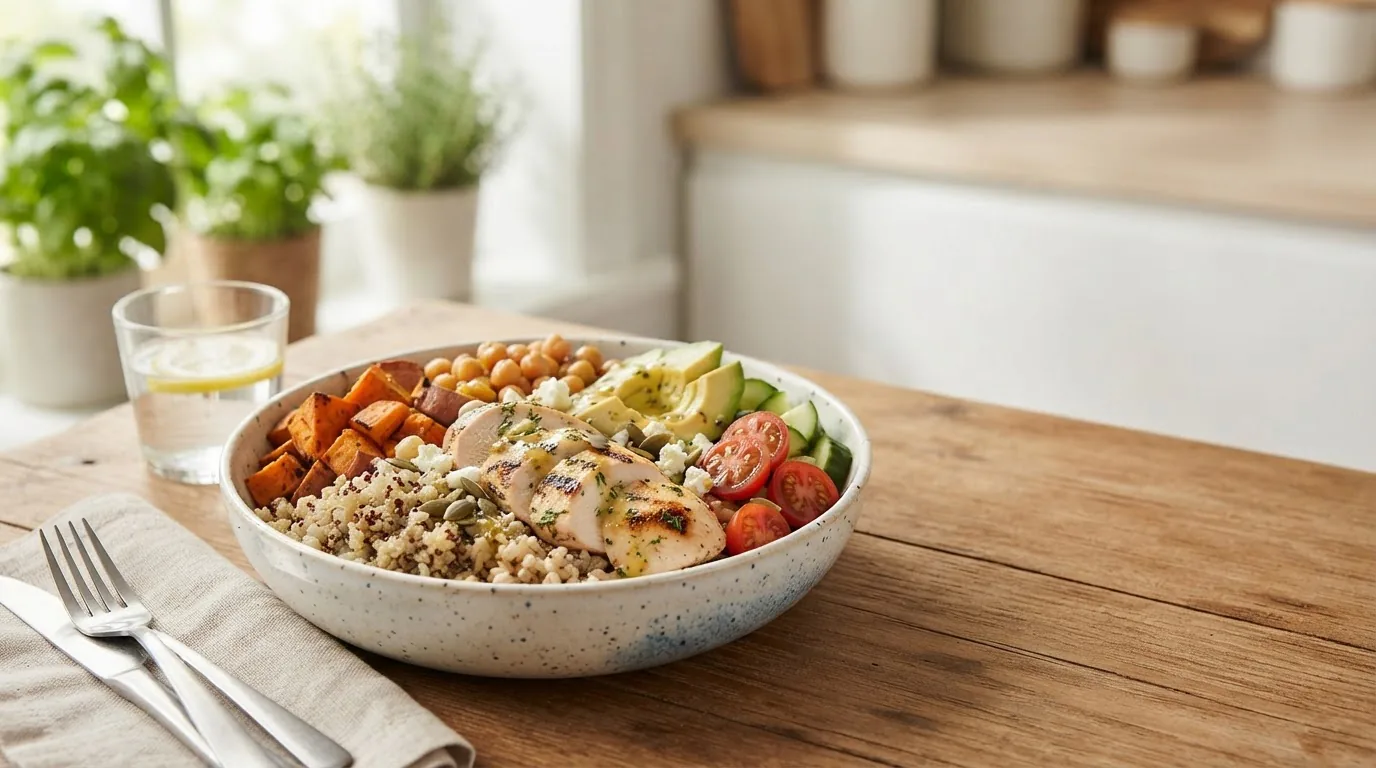
- Build-your-own bowls: brown rice/quinoa base, roasted vegetables, protein (beans or tofu), sauces for kids to customize.
- Sheet-pan dinners: one pan with potatoes, carrots, and halloumi or tempeh—minimal cleanup and easy portioning.
- Pasta nights: whole-grain pasta with hidden-vegetable sauce (blend roasted bell pepper or carrots into tomato sauce) and a side salad.
- Baked potato or sweet potato bar: mash-ins include black beans, Greek yogurt, chives, and steamed veggies.
- “Mini-meals” for kids: small-sized pita pizzas, quesadillas with beans and cheese, or air-fried tofu nuggets with dipping sauce.
Family-friendly meal ideas list:
- Burrito bowls with brown rice, black beans, corn, mild salsa, and shredded cheese.
- Vegetable and cheese quesadillas with avocado slices and a side of fruit.
- One-pot mac and cheese with pureed butternut squash for added nutrition.
- Stovetop vegetable lasagna with spinach, ricotta, and pre-cooked noodles.
- Mini frittatas baked in muffin tins—easy protein portions for kids and adults.
- Veggie-loaded sloppy joes using lentils or textured vegetable protein (if tolerated).
- Sushi bowls with cucumber, avocado, edamame, and sticky rice—fun to assemble.
For smaller households, adapt portions using guidance from healthy dinner recipes for two.
Practical family planning tips:
- Cook grains and beans in larger batches on the weekend for quick assembly during the week.
- Keep a “kid-approved” condiment drawer—mild salsa, ketchup, and plain yogurt—to help picky eaters accept new dishes.
- Use seasonality to simplify choices—summer: tomato-based, cold bowls; winter: baked root vegetables and stews.
- Rotate 3–4 nightly templates (pasta, bowl, grill/roast, bake) to reduce decision fatigue.
Transition: Even with good templates, flavor matters for satisfaction—here are practical tips to make meatless dinners more filling and delicious.
Tips for Making Meatless Dinners More Satisfying and Flavorful
Boosting flavor and satiety comes down to contrast: texture, umami, acid, fat, and seasoning. Use these step-by-step tips to make meatless meals feel complete and crave-worthy.
- Layer umami and savory notes — Add quick umami boosters like miso paste, soy sauce, tomato paste, nutritional yeast, or a dash of fish sauce alternative to deepen flavor.
- Build texture — Combine soft (lentils), chewy (toasted nuts), and crisp (pan-fried tofu or roasted chickpeas) elements to create interest and fullness.
- Finish with acid and fat — A squeeze of lemon or drizzle of high-quality olive oil brightens flavors and increases satiety.
- Use quick spice blends — Keep a jar of an all-purpose blend (smoked paprika, cumin, garlic powder, salt) to season proteins and vegetables quickly.
- Toast spices and seeds — Bloom spices in oil for 30 seconds or toast seeds to unlock oils and aroma.
- Employ short marinades — Even 15 minutes in a soy-sesame or lemon-herb marinade enhances tofu, tempeh, and seitan.
- Experiment with quick sauces — Peanut-tahini sauce, chimichurri, or a simple yogurt-herb dressing can transform a bowl in 2 minutes.
- Include a reliable protein topper — Hard-boiled eggs (if vegetarian), roasted chickpeas, or a scoop of cottage cheese/Greek yogurt provide quick protein boosts.
These principles work across meals—try them for mid-day fuel after reading our healthy lunch ideas for busy days.
For planning ahead, follow our make-ahead meal prep tips that apply to dinner prep—batch grains, roast veggies, and pre-portion sauces.
Transition: Even with these tips, common obstacles pop up—let’s troubleshoot them so meatless meals become a reliable part of your week.
Common Challenges and Solutions with No Meat Dinner Recipes
Here are typical problems cooks report and straightforward fixes to keep meals tasty and nutritious.
-
Problem: Meals feel bland.
Solution: Add acid (vinegar or citrus), salt to taste, and a finishing spice or herb. Toast spices in oil early and finish with a bright dressing to awaken flavors.
-
Problem: Not enough protein.
Solution: Top bowls with roasted chickpeas, add a scoop of cottage cheese or Greek yogurt, include a portion of lentils, or mix in tofu/tempeh to reach balanced protein. Use portion guidelines: aim for 15–25 g protein per meal for adults—combine sources if needed.
-
Problem: Vegetables overcook or are mushy.
Solution: Add quick-cooking greens at the end, roast root vegetables separately, or use frozen veg added after main cooking time to retain texture.
-
Problem: Family/picky eaters resist meatless meals.
Solution: Start by keeping one familiar element (cheese, bread, pasta) and introduce new flavors as sides. Offer build-your-own bowls to let family members customize portions and toppings.
-
Problem: Reliance on highly processed meat substitutes.
Solution: Balance convenience products with whole-food proteins; use crumbles sparingly and add beans, lentils, and nuts to improve nutrition and reduce sodium intake.
Transition: Ready to try these strategies? Below are concise answers to common questions to help you get started confidently.
Conclusion and Encouragement for Trying Meatless Weeknight Dinners
Switching to easy meatless dinner ideas for weeknights is both achievable and rewarding—small changes like keeping canned beans on hand, learning three quick sauces, and batch-cooking grains will cut prep time and boost variety. Start with one meatless night per week, apply simple flavor-building techniques, and use the recipe templates above to keep dinners satisfying for everyone.
Real-world example: A typical weeknight plan—Sunday batch-cooked quinoa and roasted vegetables, two quick tofu stir-fries, a lentil Bolognese, and one sheet-pan dinner—can save 2–3 hours of cooking time during the week while increasing vegetable intake and lowering grocery costs for many households (home-cook case study).
If you’re ready to build a full-day routine around balanced meals, revisit our Yummiest Healthy Recipes Guide with Nutrition Facts and Tips for deeper recipe and nutrition notes. Try one new meatless recipe this week—pick a 20-minute option above, customize with favorite flavors, and enjoy easier weeknight cooking.
Frequently Asked Questions
What are easy meatless dinner ideas for beginners?
Start with simple templates: pasta with a vegetable-rich sauce, grain bowls topped with beans or tofu, quick stir-fries, and sheet-pan roasted vegetables. Use canned beans and frozen veggies to reduce prep and aim for one new meatless recipe per week to build confidence.
How do meatless meals compare nutritionally to meals with meat?
When planned, meatless meals provide comparable protein along with more fiber, vitamins, and plant nutrients; they may be lower in saturated fat. Combine legumes, whole grains, and dairy or fortified foods to meet protein and micronutrient needs.
What plant-based proteins are best for quick meatless dinners?
Quick, reliable proteins include canned beans, red lentils, firm tofu, tempeh, and pre-cooked grains. These cook or assemble rapidly and pair well with sauces and vegetables for balanced meals under 30 minutes.
How can I make meatless dinners more filling and satisfying?
Combine protein (beans, tofu), fiber (whole grains, vegetables), healthy fats (nuts, olive oil), and texture contrasts (crispy roasted chickpeas) while finishing with acid and seasoning to boost satiety and flavor.
How long does it usually take to prepare easy meatless dinner recipes?
Many meatless weeknight dinners take 10–30 minutes, especially when using canned beans, quick-cooking grains, or pre-cooked staples. One-pot and sheet-pan recipes minimize hands-on time and cleanup.
What should I do if my meatless dinner recipes turn out bland?
Add layers: a pinch of salt, acid (lemon or vinegar), an umami boost (soy sauce, miso), and fresh herbs. Toast spices and finish with a drizzle of oil or a tangy dressing to brighten flavors.
Are meatless dinner recipes safe for people with food allergies?
Most recipes can be adapted—swap soy-based proteins for legumes or seitan for gluten-tolerant diets, and replace nuts with seeds for nut allergies. Always read labels and consult allergen guidance if needed.
What are the best cooking methods for simple meatless meals?
Fast, efficient methods include stir-frying, sheet-pan roasting, one-pot simmering, and pan-searing tofu or tempeh. These techniques maximize flavor while minimizing time and dishes.