Cold weather meals can turn a frosty evening into a warm, nourishing ritual — quick to make, deeply comforting, and packed with seasonal nutrients. Whether you want simple soups, one-pot dinners, or slow-cooker stews, this guide shows how to select, prepare, and store winter recipes that are both healthy and easy to enjoy.
Introduction to Cold Weather Meals
When temperatures drop, our appetite often shifts toward heartier, warming foods that provide comfort and energy. These easy winter meals focus on seasonal eating and warming foods like root vegetables, legumes, and whole grains that deliver both satisfaction and nutrition. A well-chosen cold weather menu balances comforting textures and flavors with smart nutrition—think creamy soups that are actually veggie-forward, stews loaded with beans and lean proteins, and roasted vegetables that concentrate seasonal sweetness.
This guide treats cold weather cooking as practical and approachable: recipes you can make on weeknights, slow-cooker builds for busy days, and freezer-friendly batches for gloomy weekends. We’ll cover seasonal ingredients, warming spices and herbs, cooking methods ideal for winter (slow cooking, baking, roasting), and tips for meal prepping and storing so your kitchen works for you when the chill sets in.
Read on for recipe ideas, balanced meal plans, and safety-minded storage tips tailored to readers across the US who want meals that are easy to make, nourishing, and genuinely comforting.
Transitioning into benefits, below we look at why these meals matter for health and winter wellbeing.
Benefits of Eating Cold Weather Meals
Eating thoughtfully in winter supports energy balance, immune resilience, and seasonal nutrient intake. Cold weather meals often include higher-fiber foods, warming spices, and nutrient-dense produce that satisfy hunger and help the body adapt to colder conditions. They can be comforting without being calorie-heavy when constructed with whole ingredients and mindful portions.
Specific benefits include:
- Sustained energy: Complex carbs and protein in stews and soups provide steady fuel for colder days.
- Immune support: Seasonal vegetables supply vitamin C, zinc-rich legumes support immune cells, and warming spices like ginger can soothe and add antioxidant support.
- Thermal comfort: Warm liquids and cooked starches raise perceived body warmth and satiety.
- Practicality: One-pot and slow-cooker meals reduce cleanup, save time, and lend themselves to batch cooking and freezing.
Stat examples of nutrients commonly emphasized in winter meals:
| Nutrient | Typical Winter Sources | Why it helps in winter |
|---|---|---|
| Vitamin C | Citrus, Brussels sprouts, kale | Supports immune function and healing |
| Vitamin D | Fatty fish, fortified milks, mushrooms | Supports bone health and mood during low sun months |
| Fiber | Legumes, root vegetables, whole grains | Promotes fullness and steady blood sugar |
| Protein | Chicken, beans, lentils, tofu | Maintains muscle and supports thermogenesis |
| Healthy fats | Olive oil, nuts, fatty fish | Enhances satiety and nutrient absorption |
According to a 2024 industry report, demand for hearty soups and one-pot meals rises roughly 25–30% during winter months in the US, reflecting both comfort preferences and time-saving cooking trends; this makes batch-friendly winter recipes especially useful for families and busy households (source type: industry report).
For readers who want deeper nutrition breakdowns and recipe details beyond winter-focused meals, see the Yummiest Healthy Recipes Guide with Nutrition Facts and Tips.
Transition: Now that you know why cold weather meals are beneficial, let’s look at the building blocks—what to keep in your pantry and fridge.
Essential Ingredients for Healthy and Comforting Winter Meals
- Root vegetables (carrots, parsnips, beets, sweet potatoes) — Hold well in cool storage and roast to bring out natural sweetness. Great for soups, stews, and mashers.
- Alliums (onions, garlic, leeks) — Flavor foundations for broths and braises; they add depth with minimal effort.
- Cruciferous vegetables (Brussels sprouts, cabbage, kale) — High in vitamin C and fiber; sauté, roast, or add to soups late to retain texture.
- Legumes (lentils, chickpeas, beans) — Affordable, fiber-rich protein that thickens stews and adds staying power to bowls.
- Whole grains (barley, farro, brown rice) — Nutritious bases for one-pot meals and casseroles, supplying sustained energy.
- Lean proteins (chicken thighs, turkey, fish, tofu) — Provide essential amino acids; choose slow-cook friendly cuts for stews or quick-roast fillets for weeknight dinners.
- Warming spices (cumin, cinnamon, ginger, turmeric) — Enhance digestion and add cozy flavors without extra calories; combine with herbs for depth.
- Herbs (thyme, rosemary, sage, parsley) — Fresh or dried, herbs lift roasted vegetables and sauces and pair well with citrus for brightness.
- Stocks and broths (vegetable, chicken, bone broth) — A good low-sodium stock is a fast route to flavorful soups; bone broth adds gelatin for silky mouthfeel.
- Healthy fats (olive oil, avocado oil, nut butters) — Essential for flavor, satiety, and nutrient absorption; use sparingly for roasting and finishing bowls.
- Seasonal citrus (oranges, lemons) — Brighten rich winter meals and support vitamin C intake.
- Frozen fruits and vegetables — Capture peak-season nutrition and convenience—perfect for emergency sides and smoothies.
Keeping these staples makes it easier to assemble fast, comforting plates. If you’re watching the grocery bill, pair these suggestions with budget-friendly nutritious foods for smart winter shopping.
Transition: With the right ingredients ready, here are the types of cold weather meals to experiment with and specific recipe ideas that are easy, hearty, and nutritious.
Types of Cold Weather Meals to Try
Winter cooking lends itself to categories that maximize warmth, flavor, and convenience. Below are the most satisfying meal types, with examples and quick recipe snippets to get you started.
Soups and Broths
Think beyond canned soup: homemade broths and veggie-forward bowls provide hydration and gentle warmth. Bone broth and slow-simmered stocks add collagen and depth, while vegetable soups can be creamy without heavy cream—use pureed root veg, white beans, or cashews for richness.
Recipe idea snippets:
- Roasted Carrot and Ginger Soup: Roast carrots and onions until caramelized, simmer with vegetable stock and fresh ginger, blend until silky. Finish with a drizzle of olive oil and a squeeze of lemon for brightness.
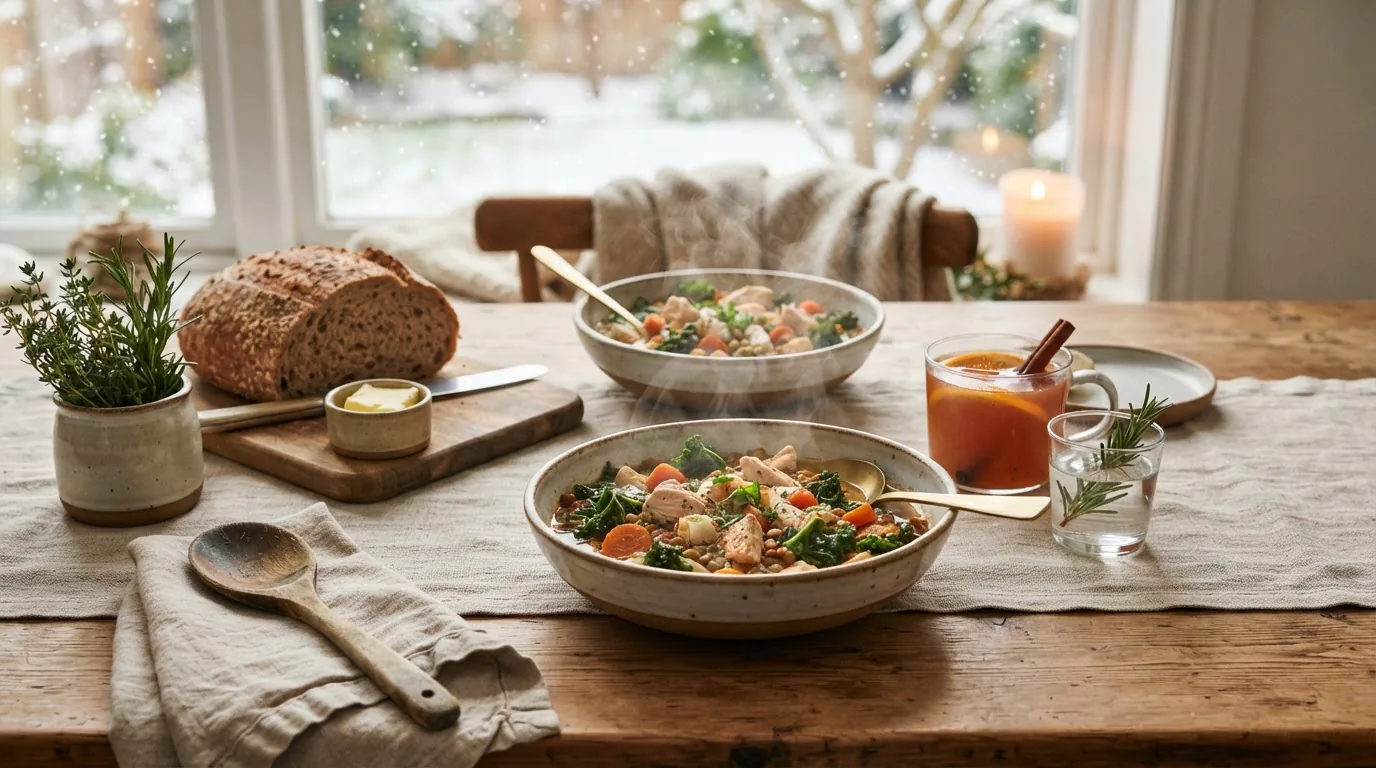
- Hearty Lentil and Kale Soup: Sauté onions and garlic, add brown lentils, diced tomatoes, chopped kale, and cumin; simmer in low-sodium chicken or vegetable stock until lentils are tender. Serve with whole-grain toast.
- Classic Chicken Noodle with Turmeric: Poach bone-in chicken thighs, reserve stock, add whole-wheat pasta, turmeric, carrots, and celery for a healing, nourishing bowl.
Soups are naturally make-ahead and freeze well. For bone broth guidance and collagen notes, consult the USDA and NIH resources linked below for safety and nutrient context.
Hearty Stews and Casseroles
Stews and casseroles concentrate flavors and are perfect for comfort dinners. Use braising to break down tougher cuts of meat or stack vegetables and legumes for vegetarian options. Casseroles also allow for texture contrasts—creamy base with crunchy topping.
Recipe idea snippets:
- Beef and Barley Stew: Brown chuck roast cubes, deglaze, add carrots, mushrooms, barley, and beef stock; simmer on low until beef is fork-tender. Finish with fresh thyme.
- Root Vegetable and Chickpea Casserole: Layer roasted sweet potatoes, parsnips, caramelized onions, and spiced chickpeas; top with a sprinkle of Parmesan or nutritional yeast and bake until bubbly.
- Mushroom, Lentil, and Thyme Hotpot (vegetarian): Sauté mushrooms and leeks, stir in green lentils and vegetable stock; top with mashed potato crust and bake until golden.
For plant-based stews and casseroles, check out vegetarian winter meal options to expand protein alternatives and budget-friendly swaps.
One-Pot and Slow Cooker Meals
These are the ultimate busy-day solutions—minimal hands-on time and maximal comfort. One-pot meals concentrate flavors while keeping cleanup easy; slow cookers develop deep, slow-simmered profiles that are ideal for tender meats and hearty legumes.
Recipe idea snippets:
- One-Pot Farro with Roasted Squash and Spinach: Toast farro in a heavy pot, add stock and diced squash, simmer until chewy, stir in fresh spinach and lemon zest.
- Slow-Cooker Turkey Chili: Combine ground or diced turkey, kidney beans, tomatoes, chili powder, and onions in a slow cooker; cook on low 6–8 hours. Top with avocado and cilantro.
- Creamy Coconut Red Lentil Curry (one-pot): Sauté ginger and onion, add red lentils, coconut milk, diced sweet potato, and curry powder; simmer until lentils puree into a creamy base.
Slow cookers are excellent for safe, low-effort dinners, but follow manufacturer safety guidance for cooking times and hot-holding temperatures. For slow cooker safety tips, see the external culinary resources below.
Transition: If you’re often short on time during winter, the next section offers fast, freezer-friendly ideas and step-by-step how-tos.
Easy Winter Meals for Busy Days
Busy schedules don’t have to mean bland convenience food. With simple strategies—speedy recipes, batch cooking, and smart use of the freezer—you can eat warming, nourishing meals even on hectic days.
How-to steps and tips:
- Plan for three fast winter templates: a soup, a grain bowl, and a roasted-protein sheet pan. These cover most weeknights with minimal effort.
- Use “cook once, eat twice” logic: roast a tray of root vegetables and a protein; combine leftovers into salads, wraps, or sandwiches the next day.
- Embrace the slow cooker: throw in ingredients in the morning and come home to a ready meal. Freeze half for another week to reduce cooking time further.
Mini-recipes and quick builds:
- 15-Minute Garlic White Bean Soup: Sauté garlic and red pepper flakes, add canned cannellini beans and low-sodium stock, mash half the beans for body, stir in chopped kale until wilted.
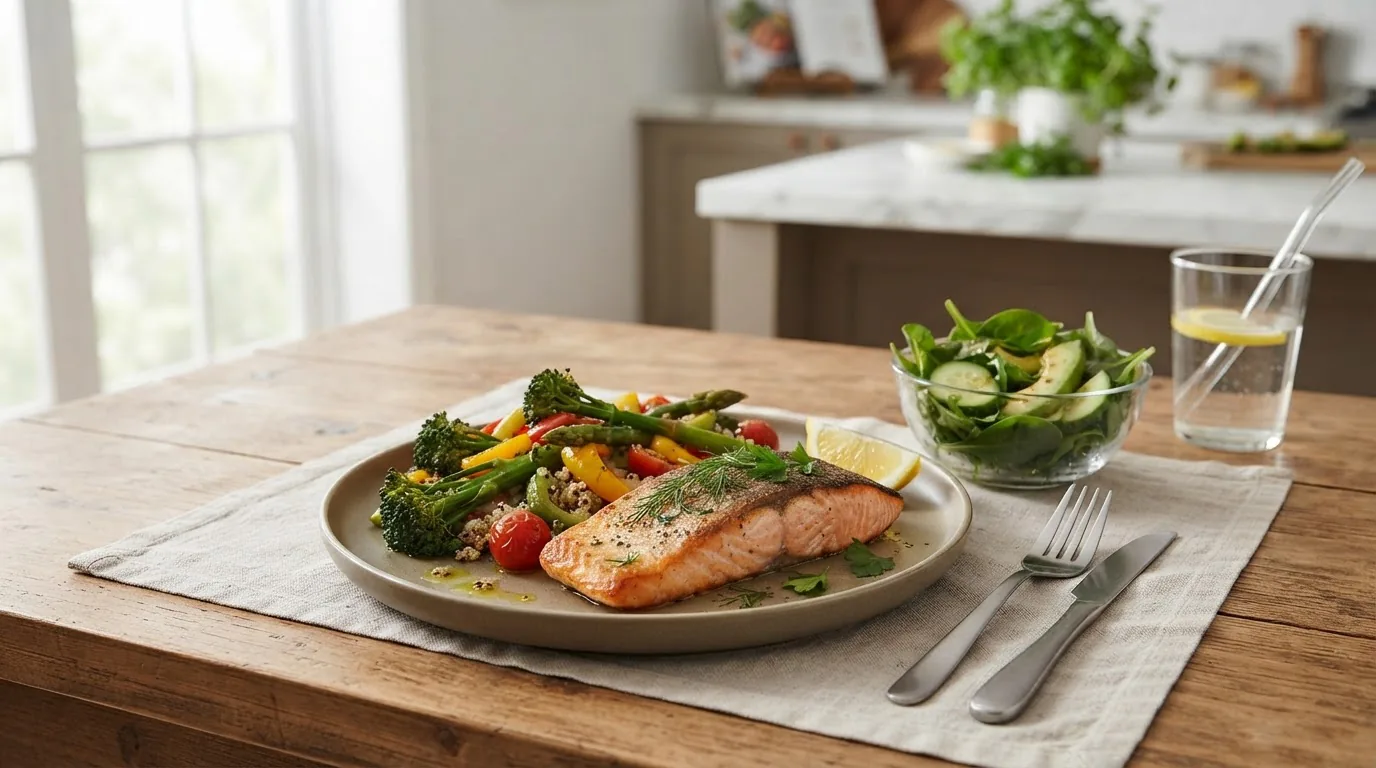
- Sheet-Pan Salmon and Roasted Veggies: Season salmon fillets, toss with broccoli and Brussels sprouts, roast at 425°F for 12–15 minutes. Serve over quick-cook farro or quinoa.
- Instant Lentil Bowl: Cook quick-cooking lentils, toss with roasted beets, spinach, goat cheese, and a mustard vinaigrette; ready in 20–25 minutes.
Tips for busy households:
- Pre-chop onions and store in the fridge for 3–4 days to speed up cooking.
- Keep a repertoire of frozen stocks and cooked grains for last-minute bowls.
- Double soups or stews and freeze in single-serving or family-size portions for future nights.
To pair cold weather dinners with nourishing morning meals, explore healthy breakfast ideas. For quick family dinners that work well in winter, see easy weeknight dinners. If you need midday options that travel well, try these healthy winter lunches.
Transition: Next we’ll examine how to build comforting winter meals with balanced macronutrients and immune-supporting ingredients.
Comforting Winter Meals with Balanced Nutrition
Comfort need not come at the cost of balance. A satisfying winter plate combines protein, fiber-rich carbs, and healthy fats to promote satiety and steady energy. Macronutrients — the proteins, fats, and carbs your body needs — play specific roles in winter: protein preserves lean mass and supports thermogenesis; carbs supply quick energy and help regulate mood; fats help absorb fat-soluble vitamins and add satiety.
Examples of balanced meal composition:
- Protein-forward stew bowl: 4–6 oz lean protein (chicken, beans), 1/2 cup cooked whole grain (barley), 1–2 cups mixed roasted vegetables, 1 tbsp olive oil.
- Vegetarian chili: Lentils + black beans (protein + fiber), diced tomatoes and peppers (vitamins), small serving of brown rice (complex carbs), avocado (healthy fat).
- Fish and root veg: Baked salmon (omega-3 fats), roasted sweet potato (carb + vitamin A), steamed greens (fiber + vitamin C).
Bulleted tips for balancing meals:
- Include a palm-sized portion of protein at each dinner to support recovery and fullness.
- Add a colorful vegetable to every meal for vitamins and antioxidants.
- Choose whole grains or legumes over refined carbs to maintain steady blood sugar in colder months.
For heart-healthy winter meal patterns and structured plans, consider the DASH diet meal plans, which scale well for winter menus emphasizing vegetables, lean proteins, and whole grains.
Transition: Balanced plates are easier to sustain when you plan and store meals intelligently—read on for practical preparation and storage tips for cold weather cooking.
Tips for Preparing and Storing Cold Weather Meals
Smart prepping and proper storage extend the life and flavor of winter dishes. The following numbered list provides safe, efficient practices for batch cooking, freezing, and reheating.
- Batch cook staples: Prepare big pots of soups, stews, and braised beans; cool and portion into airtight containers for 3–4 day refrigerated use or longer-term freezing.
- Cool safely: Divide hot food into shallow containers and refrigerate within two hours to minimize bacterial growth (source type: food safety guidance).
- Freeze in meal-sized portions: Use freezer-safe containers or heavy-duty bags; label with contents and date. Most soups and stews keep 3–4 months when frozen properly.
- Reheat evenly: Thaw overnight in the fridge if possible; reheat to a simmer to ensure even heating. For microwaving, stir halfway through to distribute heat.
- Store stocks and broths properly: Skim fat if desired, cool quickly, and freeze in ice cube trays for easy portioning.
- Use acid and texture to refresh: Add a splash of lemon or vinegar and fresh herbs when reheating to brighten flavors.
- Label and rotate: Practice FIFO (first-in, first-out) with freezer meals to maintain quality and reduce waste.
- Safety for slow cookers: Ensure slow cooker recipes reach safe internal temperatures for meat (e.g., 165°F for poultry); follow manufacturer instructions for hot-holding and reheating.
For more detailed make-ahead strategies and freezing guides, see our make-ahead meal prep tips and the dedicated freezer meal guide for batch-cooking ideas.
Transition: To help you put these tips into real-week practice, use the sample 7-day meal plan below featuring balanced, seasonal recipes and quick daily notes.
Sample Cold Weather Meal Plan (1 week)
This 7-day plan emphasizes variety, seasonal ingredients, and balanced nutrition. Portions assume a family-style serving; scale down for two using the healthy dinners for two resource.
| Day | Breakfast | Lunch | Dinner | Daily Notes |
|---|---|---|---|---|
| Monday | Oatmeal with baked apples & walnuts | Roasted root veg and farro bowl | Lentil and kale soup with whole-grain bread | Batch-roast root veg Sunday to speed Monday. |
| Tuesday | Greek yogurt, orange segments, granola | Leftover farro bowl with spinach | Sheet-pan salmon, Brussels sprouts, and sweet potato | Prep salmon marinade in the morning. |
| Wednesday | Warm quinoa porridge with cinnamon | Chickpea salad with roasted beets | Beef and barley stew (slow simmer) | Stew makes 2–3 dinners; freeze extras. |
| Thursday | Toasted whole-grain bagel, avocado | Hearty white bean soup (leftovers) | Vegetable casserole with lentils | Top casserole with breadcrumb mix for crunch. |
| Friday | Spinach omelet with whole-grain toast | Turkey and grain bowl with roasted carrots | Slow-cooker turkey chili | Serve chili with optional cheese and avocado. |
| Saturday | Hot buckwheat pancakes, maple | Warm roasted squash salad | Mushroom lentil hotpot (vegetarian) | Make hotpot for cozy weekend dinner and leftovers. |
| Sunday | Warm millet porridge with pears | Leftover hotpot or chili | Roast chicken thighs, roasted root veg, sautéed greens | Use Sunday roast as basis for Monday lunches. |
Daily prep notes:
- Batch-cook grains (farro, quinoa) on Sunday and refrigerate for quick bowls.
- Freeze half of Tuesday’s stew for another week—label with date and reheating instructions.
- Use citrus and fresh herbs as finishers to brighten reheated dishes.
Transition: The plan above should give a practical blueprint—next, a concise wrap-up and encouragement to try these recipes.
Conclusion & Encouragement to Embrace Cold Weather Meals
Cold weather recipes are more than comfort food; they’re an opportunity to eat seasonally, nourish your body, and simplify winter life. With pantry-wise ingredients, warming spices, and a few batch-cooking strategies, you can enjoy balanced, easy-to-make meals all season. Start with a favorite soup, try a one-pot braise, and build a freezer stash to rely on during busy weeks. Share these dishes with friends or scale them using the healthy dinners for two tips, and keep experimenting—winter cooking rewards creativity and simplicity.
Ready to get cooking? Gather simple seasonal ingredients, pick one slow-cooker or one-pot recipe to master this week, and enjoy the cozy, nourishing benefits of cold weather meals.
Frequently Asked Questions
What exactly are cold weather meals?
Cold weather meals are warming, nutrient-rich dishes—like soups, stews, casseroles, and roasted plates—designed to provide comfort, sustained energy, and seasonal nutrients during colder months. They often emphasize root vegetables, legumes, whole grains, and warming spices to boost satiety and warmth.
How do cold weather meals differ from regular recipes?
Cold weather meals prioritize warming cooking methods (roasting, braising, slow cooking), heartier ingredients (root veg, legumes, whole grains), and spices that enhance thermal comfort. They focus on satiety and nutrient density rather than lighter, raw, or rapidly cooling dishes common in warmer seasons.
What are some quick and easy winter meals I can make on busy days?
Fast winter options include one-pot lentil soups, sheet-pan salmon with roasted vegetables, 15-minute white bean soups, and slow-cooker chili. These require minimal prep, scale well, and can be portioned for leftovers or freezing for later convenience.
How can I prepare cold weather meals in advance or freeze them?
Batch-cook soups, stews, and grains; cool quickly in shallow containers; portion into airtight freezer-safe containers or bags; label with contents and date. Most soups and stews freeze well for 3–4 months—thaw overnight in the fridge before reheating to simmering temperature.
How long do cold weather meals typically last when stored properly?
Refrigerated, cooked soups and stews last 3–4 days. Frozen portions keep quality for about 3–4 months. Grains and roasted vegetables stored separately generally last 3–5 days refrigerated. Use FIFO rotation and label everything for safety and freshness.
What should I do if my cold weather meal turns out too thick or heavy?
If a soup or stew is too thick, thin with low-sodium stock, water, or a splash of milk; re-season afterward. For heavy casseroles, serve with a bright salad or acidic dressing (lemon or vinegar) to cut richness and refresh flavors.
Are cold weather meals healthier than other seasonal meals?
They can be healthier when built with whole grains, legumes, lean proteins, vegetables, and healthy fats. Compared to richer holiday fare, everyday cold weather meals emphasize nutrient density and balance, but healthiness depends on ingredient choices and portion sizes.
What are the best spices and ingredients to enhance cold weather meals?
Warming spices like ginger, cinnamon, cumin, turmeric, and smoked paprika add depth and comforting heat. Key ingredients include root vegetables, legumes, cruciferous greens, whole grains, citrus for brightness, and broth-based stocks to build flavor without excess fat.