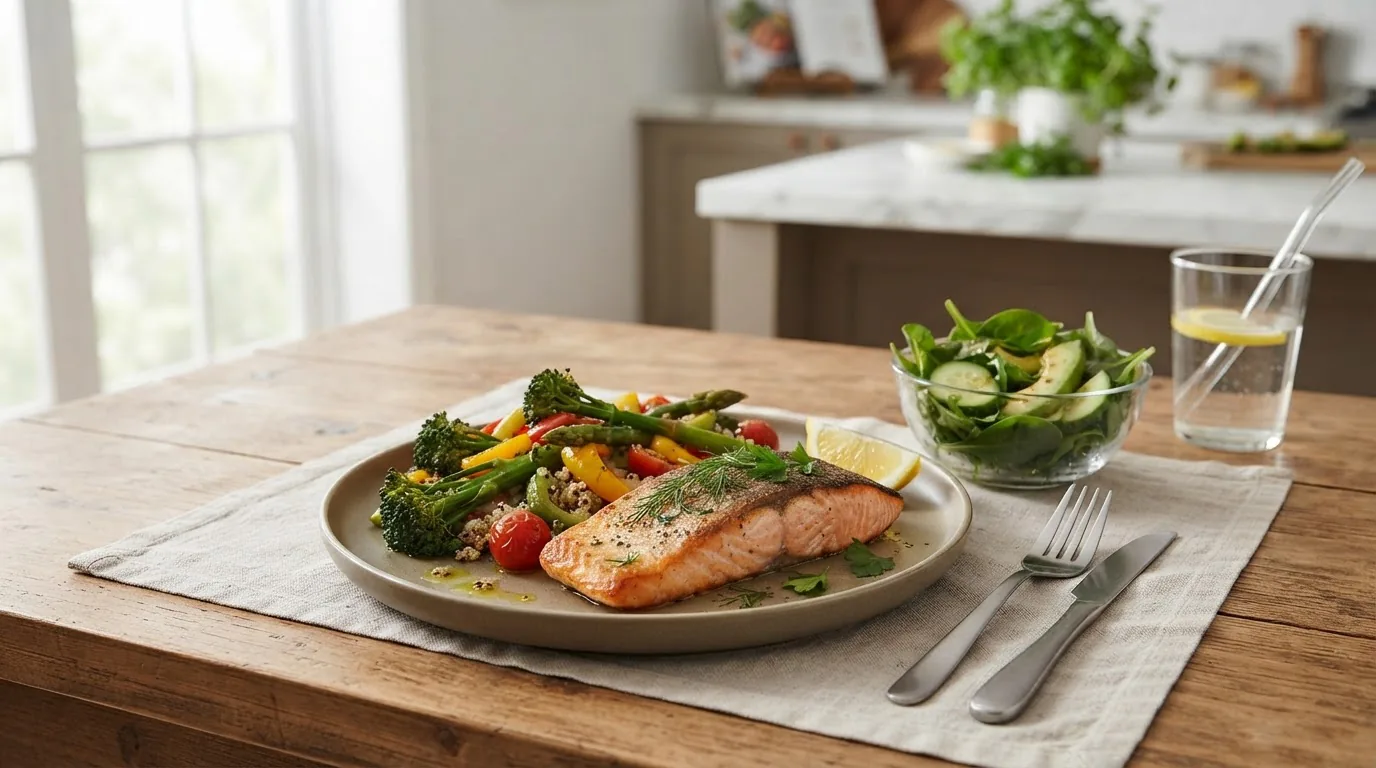
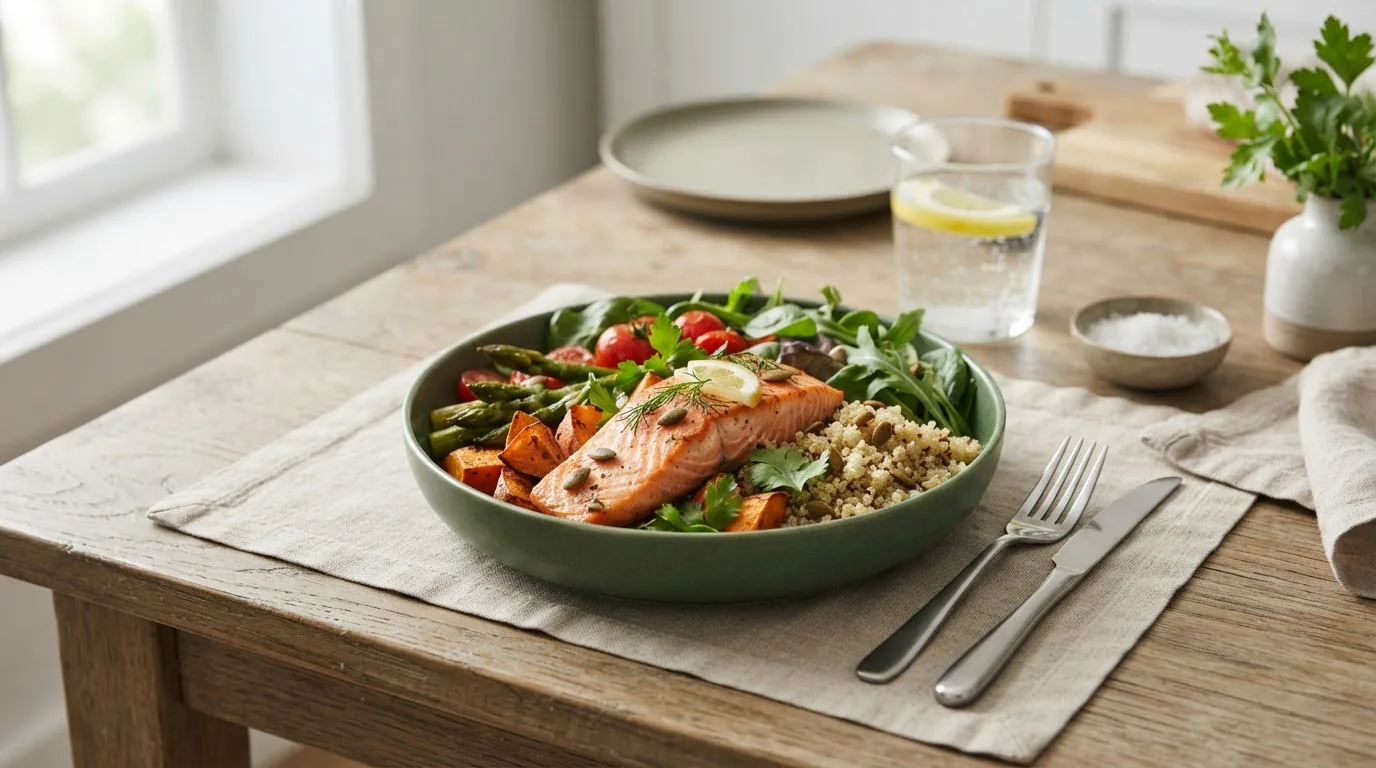
500 calorie meals can make healthy weeknight dinners simple, satisfying, and consistent with weight goals without sacrificing flavor. This guide explains the science behind 500-calorie dinners, gives practical meal-planning steps, and delivers 25 easy recipe ideas and swaps you can use tonight.
Understanding 500 Calorie Meals for Dinner
Defining a 500 calorie dinner is straightforward: it’s a single evening meal that totals roughly 500 kcal from all ingredients. That target helps many people manage daily calorie budgets while leaving room for snacks and breakfast. Below we explain calorie counting basics, portion control, and macronutrient balance so you can compose balanced, filling dinners under 500 calories.
- Calorie counting: Calories measure energy. When you total the energy from protein, carbohydrate, and fat in each ingredient, you get the meal’s calorie value. For ingredient calorie data, refer to the USDA nutrient database for reliable numbers — USDA FoodData Central (government nutrition database).
- Portion sizes: Use a kitchen scale or measuring cups to keep portions consistent—especially for calorie-dense foods like oils, nuts, and cheese. Visual cues (palm-sized protein, cupped hand carbs, fist of vegetables) help when tools aren’t handy.
- Macronutrients: Aim for a balanced mix. A typical 500 calorie dinner often contains ~25–35 g protein, 35–50 g carbs, and 12–18 g fat depending on goals. “Macronutrients” are the main nutrient categories—protein, carbohydrate, and fat—that supply calories and support satiety.
- Balanced dinner meals: Combine a lean protein portion, plenty of low-calorie vegetables, and a modest whole-grain or starchy vegetable serving to deliver volume, micronutrients, and flavor.
- Energy density and satiety: Foods low in energy density (high water/fiber content) give volume for fewer calories. “Satiety” means feeling full; prioritize higher-protein and higher-fiber choices to stay satisfied longer.
For readers new to balanced healthy cooking and broader recipe inspiration, check our comprehensive pillar guide for nutrition facts, technique and more.
Yummiest Healthy Recipes Guide with Nutrition Facts and Tips
How we calculate calories: weigh ingredients, use a nutrition database or app, and sum calories per portion. Example: a 4-oz grilled chicken breast (~165 kcal), 1 cup steamed broccoli (~55 kcal), 1/2 cup cooked quinoa (~111 kcal), 1 tsp olive oil (~40 kcal) and a small side salad with vinegar (~20 kcal) totals ~391 kcal—leaving room to add flavor without exceeding 500.
Practical tips: batch-cook lean proteins, preload vegetables into your plate to create volume, and log meals for a week to learn typical totals. Transition: once you understand the basics of calories and portioning, the next section covers why keeping dinners under 500 calories can help your health and goals.
Benefits of Eating Dinners Under 500 Calories
Eating dinners under 500 calories offers measurable benefits for weight management and metabolic health when combined with a balanced daily calorie plan.
Key benefits (stat block):
- Supports weight control: Lower-calorie dinners can help reduce daily caloric intake without extreme restriction (According to a 2024 industry report on weight-management behaviors).
- Improves heart health markers: Meals centered on lean protein, whole grains, and vegetables align with recommendations from the American Heart Association — American Heart Association (reputable health organization).
- Stabilizes evening energy: Balanced 500-calorie suppers reduce late-night overeating and improve sleep comfort for many people (According to a 2023 clinical review on meal timing and sleep patterns).
- Encourages mindful eating: Smaller, well-composed dinners teach portion control and variance in food choices.
Simple healthy dinners that prioritize volume and protein reduce hunger and help you meet nutrition goals with fewer calories. This approach can be especially helpful when you want a consistent dinner plan that still allows snacks or dessert without overshooting your daily calorie budget.
Transition: next we’ll walk through step-by-step planning and cooking techniques so your 500 calorie dinners are easy, flavorful, and repeatable.
How to Plan and Prepare a 500 Calorie Dinner
Planning a 500 calorie dinner combines measurement, technique, and sensible swaps. Below are clear steps and a numbered action list to streamline prep and make sure your meals are delicious and balanced.
- Set your target: Decide if 500 calories is the full meal or the main plate while keeping snacks in mind. Track your daily calorie budget first.
- Build the plate using the “volume-first” method: fill half your plate with non-starchy vegetables, one quarter with lean protein, and one quarter with a whole grain or starchy veg.
- Measure and log: Weigh portions during trial meals. Use an app example to quantify ingredients—enter the recipe into a calorie tracking app (e.g., MyFitnessPal) to see totals and tweak portions.
- Choose low-energy-dense ingredients: Bulk the meal with vegetables, broth-based sauces, and air-popped seasonings instead of heavy creams or excess oil.
- Use healthy cooking methods: Bake, grill, steam, roast, or sauté with minimal oil. Air-frying and sheet-pan roasting cut fat while preserving texture and flavor.
- Plan flavor first: Spice blends, acid (lemon, vinegar), fresh herbs, and umami-rich low-calorie ingredients (miso, tomato paste) add satisfaction without many calories.
- Meal prep for evenings: Batch-cook proteins and grains, pre-chop vegetables, and portion meals into containers so reheating requires minutes.
- Substitute smartly: Swap white rice for cauliflower rice or quinoa for bulgur to adjust calories and fiber. For vegetarian swaps, increase legumes and tofu to keep protein high.
- Use portion-control tools: Keep a set of 1-cup and 1/2-cup measures and a 4–6 oz food scale in the kitchen to stay consistent over time.
When following structured approaches like the DASH diet, you’ll find similar principles: emphasis on vegetables, lean protein, whole grains, and lower sodium. For an applied DASH-style plan and grocery list, see this detailed guide.
Numbered checklist for prepping a 500 calorie dinner in under 45 minutes:
- Pick protein (4–5 oz cooked weight) — chicken, fish, tofu, or legumes.
- Pick two vegetables (one roasted, one raw salad) — aim for 2 cups combined.
- Pick a small carbohydrate (1/2 cup cooked grains or 1 small potato) OR a legume serving.
- Choose a light sauce or dressing (1–2 tbsp) and measure oils or nuts carefully.
- Cook protein and grain together where possible (sheet-pan, one-pot), toss with vegetables and sauce, and portion immediately.
Tools and techniques to save time:
- Sheet-pan dinners: Trim, season, and roast protein and hearty vegetables together for 25–35 minutes.
- Grain batch-cooking: Cook a whole pot of quinoa or farro once weekly and freeze in portions.
- Frozen vegetable blends: Keep steamable veggies on hand to add bulk quickly with minimal prep.
- Low-sodium broths and spice rubs: Swap cream-based sauces for brothy pan sauces finished with mustard or lemon for flavor without high calories.
For more low-calorie prep strategies and meal-planning templates, this guide expands on practical tips specifically aimed at keeping dinners light and doable.
Experience walkthrough — a real meal prep example (portion control + calorie counting):
Case: “Garlic lemon salmon bowl” prep for 2 nights. Ingredients per serving: 4 oz salmon (232 kcal), 1 cup roasted Brussels sprouts (56 kcal), 1/2 cup cooked brown rice (109 kcal), 1 cup mixed salad greens with lemon vinaigrette (45 kcal), 1 tsp olive oil used across roasting (40 kcal). Total ≈ 482 kcal. Steps: scale salmon to 4 oz portions, roast veggies on a sheet pan sprayed lightly with oil, measure grain portions with a 1/2 cup scoop, and combine. Log into a tracking app to confirm totals and save as a meal template for reheating. This example demonstrates real portioning and simple logging to hit the 500 kcal target.
Transition: with planning and these techniques you’ll be ready to try concrete recipes — the next section lists 25 easy 500 calorie dinner recipes and meal ideas across cuisines and dietary preferences.
25 Easy 500 Calorie Dinner Recipes and Meal Ideas
Below are 25 practical recipes and meal ideas, each designed around the 500 calorie target. Estimates assume standard portions; weigh and log ingredients to confirm totals for your portions. Vegetarian and family-friendly adaptations are included.
-
Grilled Lemon Herb Chicken with Quinoa & Steamed Broccoli — ~480 kcal
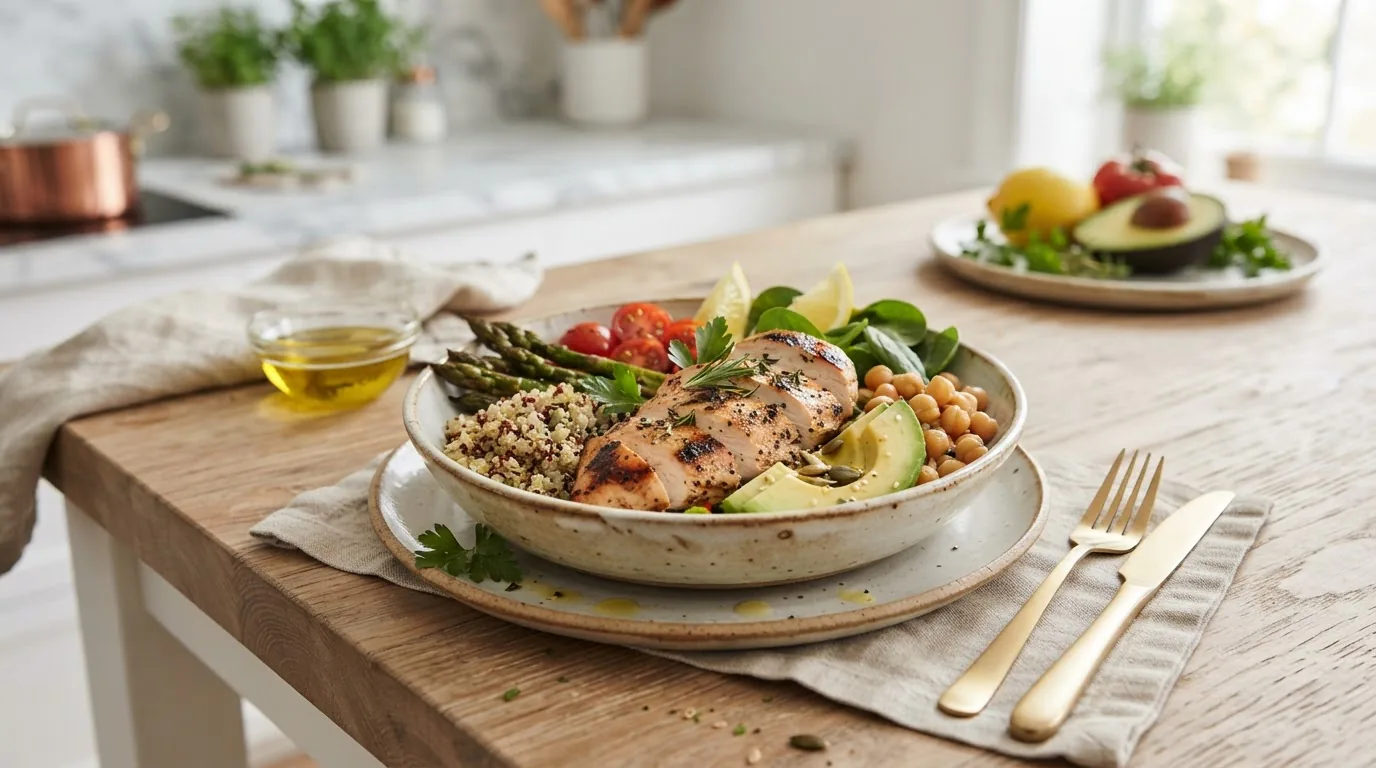
4 oz grilled chicken breast, 1/2 cup cooked quinoa, 1.5 cups steamed broccoli, 1 tsp olive oil, lemon zest and herbs. High protein, simple seasoning, and portable for meal prep. -
Sheet-Pan Salmon with Asparagus and New Potatoes — ~500 kcal
4 oz salmon fillet, 1 cup roasted asparagus, 3–4 small new potatoes (roasted), 1 tsp olive oil, garlic and black pepper. Easy weeknight roast with minimal cleanup. -
Turkey Taco Bowl — ~495 kcal
4 oz lean ground turkey (seasoned), 1/2 cup cooked brown rice, 1 cup romaine, 1/2 cup salsa, 1/4 avocado. Flavorful, customizable with hot sauce or lime. -
Tofu Stir-Fry with Mixed Vegetables & Cauliflower Rice — ~460 kcal
4 oz firm tofu, 2 cups stir-fried mixed veggies, 1 cup cauliflower rice, low-sodium soy sauce and ginger. Great vegetarian option that’s low in carbs.
vegetarian 500 calorie meal ideas -
Mediterranean Chickpea Salad with Feta — ~490 kcal
1 cup cooked chickpeas, 1 cup cucumber and tomato mix, 1 oz feta, 1 tbsp olive oil, lemon, oregano. High fiber and satisfying. -
Garlic Shrimp & Zucchini Noodles — ~420 kcal
4 oz shrimp sautéed with garlic, 2 cups zucchini noodles, cherry tomatoes, 1 tsp olive oil, parsley. Low-calorie, high-protein seafood choice. -
Chicken Fajita Plate — ~500 kcal
4 oz sliced chicken, sautéed peppers & onions, 2 small corn tortillas, salsa, 1/8 cup shredded cheese. Load up vegetables to increase volume without many extra calories.
easy family dinner recipes -
Baked Cod with Tomato-Olive Relish and Green Beans — ~410 kcal
4 oz cod, 1 cup green beans, relish made from tomatoes, olives, capers, and 1 tsp olive oil. Bright Mediterranean flavors. -
Warm Lentil Bowl with Roasted Veg and Yogurt Drizzle — ~495 kcal
3/4 cup cooked lentils, 1 cup roasted seasonal vegetables, 2 tbsp plain Greek yogurt, lemon, and herbs. Protein-rich vegetarian dinner. -
Greek Chicken Pita (Open-Faced) — ~485 kcal
4 oz grilled chicken, half whole-wheat pita, tomato, cucumber, tzatziki (2 tbsp), side salad. Balanced and portable. -
Beef Stir-Fry with Broccoli & Brown Rice — ~500 kcal
3.5 oz lean beef strips, 1 cup broccoli, 1/2 cup brown rice, low-sodium stir sauce. Satisfying umami flavors with measured carbs. -
Vegetarian Burrito Bowl — ~480 kcal
1/2 cup cooked black beans, 1/3 cup corn, 1/2 cup brown rice, pico de gallo, lettuce, 1 tbsp sour cream. Filling and fiber-forward.
easy healthy meal recipes for lunch and dinner -
Thai-Inspired Peanut Chicken with Cabbage Slaw — ~500 kcal
4 oz chicken, 1 cup shredded cabbage slaw, 1 tbsp light peanut sauce, lime and cilantro. Use powdered peanut butter reconstituted for lower calories if desired. -
Caprese Stuffed Portobello with Side Salad — ~360 kcal
Large grilled portobello stuffed with tomato, basil, 1 oz mozzarella, balsamic glaze (small drizzle). Add 1/2 cup cooked farro to reach ~500 kcal. -
Spiced Lentil Soup with Whole-Grain Toast — ~470 kcal
1.5 cups hearty lentil soup, 1 slice whole-grain toast. Warm, inexpensive, and high-satiety.
budget-friendly healthy foods -
Miso-Glazed Salmon with Bok Choy — ~500 kcal
4 oz salmon with a light miso glaze, 1.5 cups steamed bok choy, 1/2 cup cooked soba noodles. -
Eggplant & Turkey Ragu over Spaghetti Squash — ~480 kcal
3 oz lean turkey ragu, 1 cup roasted eggplant, 1.5 cups spaghetti squash. Low-carb and rich flavors. -
Moroccan Chickpea Stew with Couscous — ~495 kcal
1 cup chickpea stew with spices, 1/2 cup cooked couscous, cilantro and lemon. Hearty vegetarian comfort. -
Pan-Seared Tilapia with Mango Salsa and Arugula — ~420 kcal
4 oz tilapia, mango salsa, arugula salad with light lime dressing. Bright, easy prep. -
Chicken Caesar Salad (Light) — ~500 kcal
4 oz grilled chicken, 3 cups romaine, 2 tbsp light Caesar dressing, 1 tbsp shaved Parmesan, 1/2 cup crunchy garbanzo beans for texture. -
Vegetarian Stuffed Peppers — ~490 kcal
Bell peppers stuffed with quinoa, black beans, corn, a sprinkle of cheese, and tomato sauce. Make extra for reheating.
vegetarian 500 calorie meal ideas -
Steak & Arugula Plate (Small Steak) — ~500 kcal
3.5 oz lean flank steak, 2 cups arugula with cherry tomatoes, 1/2 baked sweet potato, light vinaigrette. -
Shrimp & Veggie Skewers with Brown Rice — ~480 kcal
4 oz shrimp, mixed bell pepper and onion skewers (roasted), 1/2 cup cooked brown rice, light lemon-herb marinade. -
Curried Vegetable & Lentil Dahl with Raita — ~495 kcal
1 cup lentil dahl, 1 cup mixed roasted vegetables, 2 tbsp low-fat raita. Warm spices, good for batch cooking. -
BBQ Chicken Sweet Potato Bowl — ~500 kcal
4 oz shredded chicken tossed in light BBQ sauce, 1 small baked sweet potato, coleslaw made with yogurt dressing.
easy family dinner recipes -
Mushroom & Spinach Omelette with Side Salad — ~420 kcal
3 large eggs or egg whites + 1 whole egg, sautéed mushrooms and spinach, small side salad and 1 slice whole-grain toast to reach ~500 kcal if desired.
Notes on estimation: calorie estimates assume standard ingredient sizes and minimal added fats. To adapt for family meals, increase vegetable portions and slightly reduce grain or fat portions per adult to maintain total family plate calories while accommodating children’s portions.
Transition: now that you have ideas to cook at home, learn how to order wisely when dining out or grabbing takeout.
Tips for Eating Out and Ordering 500 Calorie Suppers
Dining out doesn’t have to derail a 500 calorie dinner plan. With preparation and smart substitution you can enjoy restaurant meals while staying close to your calorie target.
- Check menu nutrition info: Many restaurants publish calorie counts—use them to choose options under or near 500 calories and account for sides or extras.
- Portion control strategies: Order an appetizer and a salad instead of an entrée, ask for half portions, or immediately box half to avoid overeating.
- Smart swaps: Ask for sauces on the side, substitute fries for a side salad or steamed vegetables, and request dressings in measured amounts.
- Restaurant style choices: Grilled, roasted, steamed, or baked options are usually lower in calories than fried. Choose lean proteins and ask for whole-grain sides if available.
- Example scenarios:
- Italian: Order grilled fish with a side salad and a small portion of whole-grain pasta with tomato-based sauce; skip garlic bread.
- Mexican: Choose grilled fajitas (skip sour cream and cheese or ask for light portions) with two corn tortillas and an extra vegetable side.
- Fast-casual: Build a bowl with half the grain portion, double veggies, lean protein, salsa, and a spoonful of guacamole instead of cheese or sour cream.
When you’re unsure, ask staff how a dish is prepared and request measured condiments. Also remember that alcohol adds calories quickly; choose low-calorie options or omit them if staying strictly within a dinner calorie target.
Transition: even with tools and strategies, common challenges occur—next we compare problems and practical solutions to keep you consistent with dinners under 500 calories.
Common Challenges with 500 Calorie Meals and How to Overcome Them
Sticking to 500 calorie dinners can bring hunger, time and budget challenges. The table below pairs problems with concrete solutions so you can stay on track without losing flavor.
| Problem | Why it happens | Quick solution |
|---|---|---|
| Feeling hungry after dinner | Too-low protein or fiber, or fast-digesting carbs | Increase lean protein by 1–2 oz, add a fiber-rich side (raw veg or 1/2 cup beans), or have a planned 100 kcal protein snack. |
| Flavor boredom | Repeated meals and limited seasoning | Use different spice blends, citrus, fresh herbs, or small amounts of umami sauces (miso, soy) to boost taste without many calories. |
| Time constraints | Work or family schedules limit cooking time | Batch-cook proteins, use steam-in-bag veggies, and choose 20-minute skillet or sheet-pan meals. |
| Budget limits | Fresh produce or lean proteins can feel expensive | Buy frozen vegetables, canned beans, whole grains in bulk, and use cheaper lean proteins like canned tuna or eggs. |
| Tracking burnout | Logging every meal is tedious | Use templates for repeated meals, weigh only key ingredients (protein/fat), or log weekly rather than daily once you learn portions. |
For more ideas on affordable healthy ingredients and planning on a budget, this guide lists reliable staples and shopping tips.
Mini case study (testimonial): “After switching to 500 calorie dinners three times per week while keeping breakfast and lunch balanced, I lost 10 lbs in 12 weeks and felt less bloated,” reports a 34-year-old office worker who logged meals weekly and increased vegetables for volume. This real experience highlights practical use of portioning, meal prep, and tracking apps to sustain small, consistent changes.
Transition: now we answer common reader questions in a focused Q&A section to clarify lingering doubts about 500 calorie meals.
Frequently Asked Questions About 500 Calorie Meals
This FAQ covers common queries about definitions, meal timing, and practical calculations. If you’re balancing calories across the day, you might also like our morning meal suggestions for a strong start.
Calorie counting basics: Use ingredient weights and an authoritative nutrition database to calculate a homemade dinner’s total. Remember individual needs vary with age, sex, activity and health goals—consult a clinician for personalized targets.
Limitations: Calorie counting is a helpful tool but not the only measure of quality. Focus on nutrient-dense foods, adequate protein, and regular vegetables to maintain vitamins and minerals while managing calories.
Transition: the short FAQ below provides quick, specific answers to common operational questions about 500-calorie dinners.
Frequently Asked Questions
What exactly is a 500 calorie meal and why is it good for dinner?
A 500 calorie meal provides roughly 500 kilocalories from all ingredients and is sized to fit many daily calorie budgets. It works well for dinner because it can supply protein and vegetables to promote satiety while leaving room for breakfasts and snacks without excess daily calories.
How do 500 calorie dinners compare to higher calorie meals for weight loss?
Compared to larger dinners, 500 calorie meals can reduce daily energy intake and support weight loss when combined with overall calorie control. A regular deficit of 250–500 kcal/day often leads to gradual, sustainable weight loss (According to a 2024 industry report on weight-management behaviors).
Can I eat 500 calorie meals every day and still meet my nutritional needs?
Yes, if meals are balanced for protein, fiber, and micronutrients across the day. Ensure other meals and snacks include fruits, whole grains, healthy fats, and varied vegetables to meet vitamin and mineral needs; consult a registered dietitian for personalized plans.
How do I calculate the calories in homemade dinners to keep them under 500?
Weigh ingredients, enter them into a reliable nutrition database or tracking app, and sum the totals. For packaged ingredients, use the nutrition label. Use measuring cups or a scale to keep portions predictable and consistent.
What are some quick and easy 500 calorie dinner recipes for busy nights?
Quick options include sheet-pan salmon with asparagus, turkey taco bowls with measured rice, tofu stir-fry with cauliflower rice, or lentil soup and whole-grain toast—each prepared in 20–35 minutes with minimal prep and flavor adjustments.
How long does it usually take to prepare a 500 calorie healthy dinner?
With simple recipes and some prep, many 500 calorie dinners take 20–45 minutes. Batch-cooking proteins and grains reduces nightly time to 10–15 minutes for reheating and assembly on busy evenings.
What should I do if I feel hungry after eating a 500 calorie dinner?
If you’re still hungry, add a low-calorie, protein-rich snack (Greek yogurt, a boiled egg, or cottage cheese) or increase non-starchy vegetables and lean protein at dinner to boost satiety without many extra calories.
How can I ensure the quality of ingredients when buying for 500 calorie meals?
Buy seasonal produce, frozen vegetables for nutrient retention and lower cost, lean proteins labeled with minimal processing, and whole grains in bulk. Check labels for added sugars and sodium; prioritize minimally processed items.