Healthy meals for lunch and dinner don’t need to be complicated to make a big difference in energy, mood, and long-term health. This guide gives balanced nutrition principles, practical planning strategies, and easy recipes so you can prepare flavorful, nutritious meals that work for both midday and evening.
Introduction to Healthy Meals for Lunch and Dinner
Eating well at both lunch and dinner supports sustained energy, better sleep, and improved metabolic health. A simple framework—protein + vegetables + whole grains/healthy fats—keeps meals balanced without calorie counting. Think of meal design like budgeting: allocate portions across macronutrients the same way you’d divide money into needs, wants, and savings.
This guide covers balanced nutrition for lunch and dinner, meal planning strategies, portion control, time-saving meal prep tips, and a variety of easy recipes that avoid repetitive chicken-or-vegetarian-only options. It includes seasonal ingredient ideas and practical swaps so you can adapt meals to budget, taste, and dietary needs.
For a wider collection of recipes and detailed nutrition facts, check this resource:
Yummiest Healthy Recipes Guide with Nutrition Facts and Tips
Below is a compact example week to illustrate variety: Monday—Mediterranean chickpea salad (lunch), grilled salmon and roasted broccoli (dinner). Tuesday—turkey and avocado wrap (lunch), vegetable stir-fry with brown rice (dinner). A sample day and sample week later in this article show how easy swaps maintain balance and excitement.
Key Principles of Healthy Lunch and Dinner Meals
-
Prioritise macronutrient balance
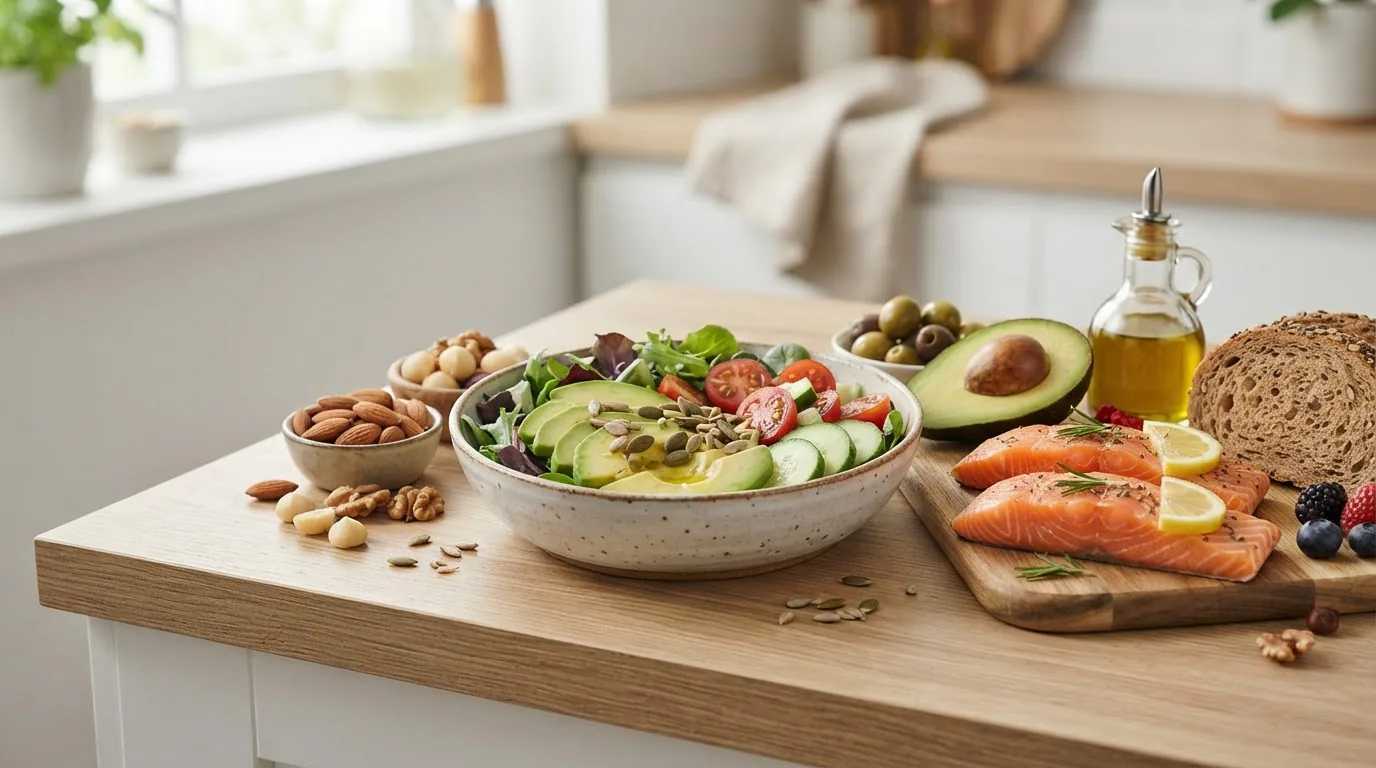
Include a quality protein, fiber-rich carbohydrates, and healthy fats at each meal. Proteins (meat, fish, legumes, tofu) aid satiety and muscle maintenance; carbohydrates (whole grains, starchy vegetables) provide energy; fats (olive oil, nuts, avocado) support nutrient absorption. Aim roughly for a plate split: 25–30% protein, 30–40% carbs, 20–30% fats as a starting guideline—adjust per needs.
-
Practice portion control
Portion control keeps calories in range without strict counting. A visual method: palm-sized portion of protein, fist-sized portion of vegetables, cupped-hand of carbs, thumb-sized fats. For larger appetites, add extra non-starchy vegetables rather than extra carbs to increase volume without excessive calories.
-
Use whole foods first
Whole grains, minimally processed proteins, fresh vegetables, and legumes deliver more nutrients and fiber than ultra-processed options. Swap white bread for whole-grain wraps, choose brown rice or quinoa, and use canned beans with low-sodium rinsing when fresh or dried aren’t available.
-
Choose healthy cooking methods
Methods such as grilling, steaming, roasting, and sautéing with minimal oil preserve nutrients and flavour. Avoid deep-frying and heavy creams. Below is a quick comparison of common methods:
Method Best for Nutrition trade-off Steaming Vegetables, fish Preserves vitamins, minimal added fat Roasting Root veg, chicken Concentrates flavour, needs little oil Grilling Lean meats, veggies High flavour, watch charring Sautéing Quick vegetable mixes Use moderate oil, retains texture Braising Legumes, tougher cuts Long cook, tender but can add calories if sauces are heavy -
Reduce sodium and added sugars
Lowering salt and sugar intake improves heart and metabolic health. Use herbs, citrus, vinegar, and spices to flavor foods. According to a 2024 government nutrition review, reducing sodium intake remains a top dietary priority for cardiovascular risk reduction (source type: government nutrition review).
-
Emphasise vegetables and seasonal produce
Vegetables add fiber, micronutrients, and volume. Choose seasonal vegetables for peak flavour and cost-efficiency. Rotate colours—dark leafy greens, orange root vegetables, cruciferous vegetables—to cover a broad nutrient spectrum.
-
Include whole grains and superfoods
Swap refined grains for whole grains (brown rice, farro, quinoa) and add superfoods like berries, leafy greens, nuts, and fatty fish occasionally to boost omega-3s and antioxidants. The Academy of Nutrition and Dietetics highlights whole grains and varied vegetables as core components of healthy diets (source type: professional association).
-
Mind individual needs and portion sizes
Calorie and macro targets vary by age, sex, activity level, and goals. Use portion awareness and adjust meal composition if you’re highly active, pregnant, or managing a medical condition. For personalized guidance, consult a registered dietitian—this respects individual variability and safety.
Transition: With nutrition principles set, the next section helps you plan practical, repeatable meals that fit busy schedules and budgets.
Planning Your Healthy Meals: Tips for Success
Meal planning turns intention into action. Think about planning as scheduling for your kitchen: decide what to eat, when, and how you’ll get ingredients. Start by mapping your week—identify 2–3 nights for fresh-cooked dinners and 2–3 for simpler or leftover-based meals. Planning reduces decision fatigue and food waste.
Core steps to efficient meal planning:
- Inventory your pantry first—use what you already have before buying.
- Choose 2–3 proteins for the week (one plant-based, one seafood, one lean meat) to create variety without complexity.
- Pick seasonal vegetables to anchor dishes and keep costs down.
- Plan lunches that reuse dinner components (e.g., roasted vegetables become grain bowls).
Grocery shopping and batch strategies:
- Make a grocery list organized by store section to save time.
- Batch-cook staples: a pot of whole grains, roasted vegetables, and a large protein portion can mix into multiple meals.
- Use frozen produce for off-season vegetables—nutrient retention is often comparable to fresh and more cost-effective.
Simple weekly template (flexible):
- Monday: Cook a grain batch (quinoa or brown rice) and roast a tray of mixed vegetables.
- Tuesday: Quick protein night—pan-seared fish plus veggies and grain.
- Wednesday: Plant-forward meal—legume-based stew or salad with seeds and whole-grain bread.
- Thursday: Stir-fry using leftover grains and veggies, add fresh greens.
- Friday: Lighter meal—salad bowl with lean protein and a simple vinaigrette.
- Weekend: Try a new recipe or batch-prepare freezer-friendly portions.
Shopping tips to save time and money:
- Buy staples (beans, oats, rice) in bulk.
- Prioritise versatile ingredients—a sweet potato can be baked, mashed, or added to stews.
- Choose cheaper cuts of meat for slow-cooked dishes; they become tender and flavorful.
Transition: Now that planning is straightforward, use the recipes below—designed to be quick, flexible, and nutrient-dense—for both lunch and dinner.
Easy and Nutritious Recipe Ideas for Lunch and Dinner
This recipe list includes 6–8 ideas split across lunch and dinner use, plus swap suggestions to keep variety. Each entry has a short description, key nutrients, and quick prep notes. Calorie counts are approximate estimates to guide portion awareness.
Lunch Recipes
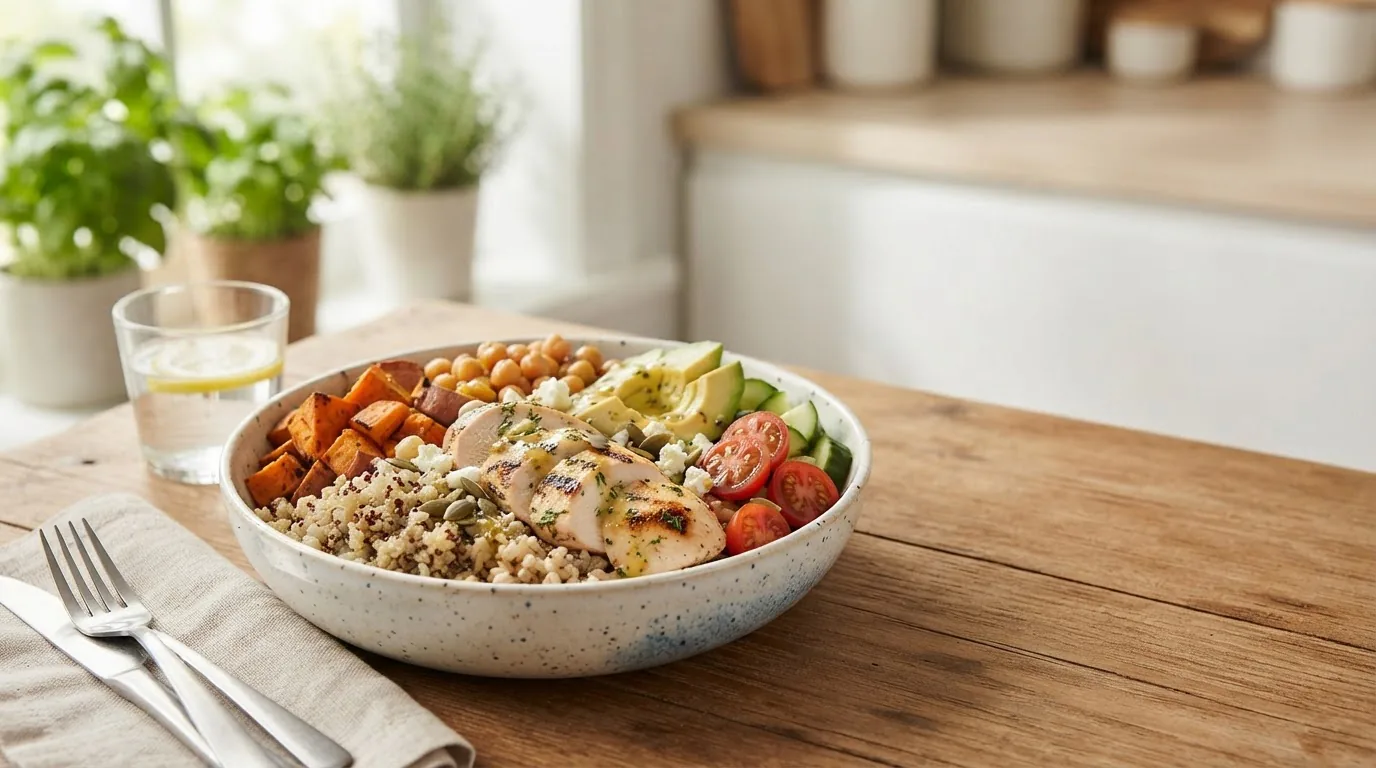
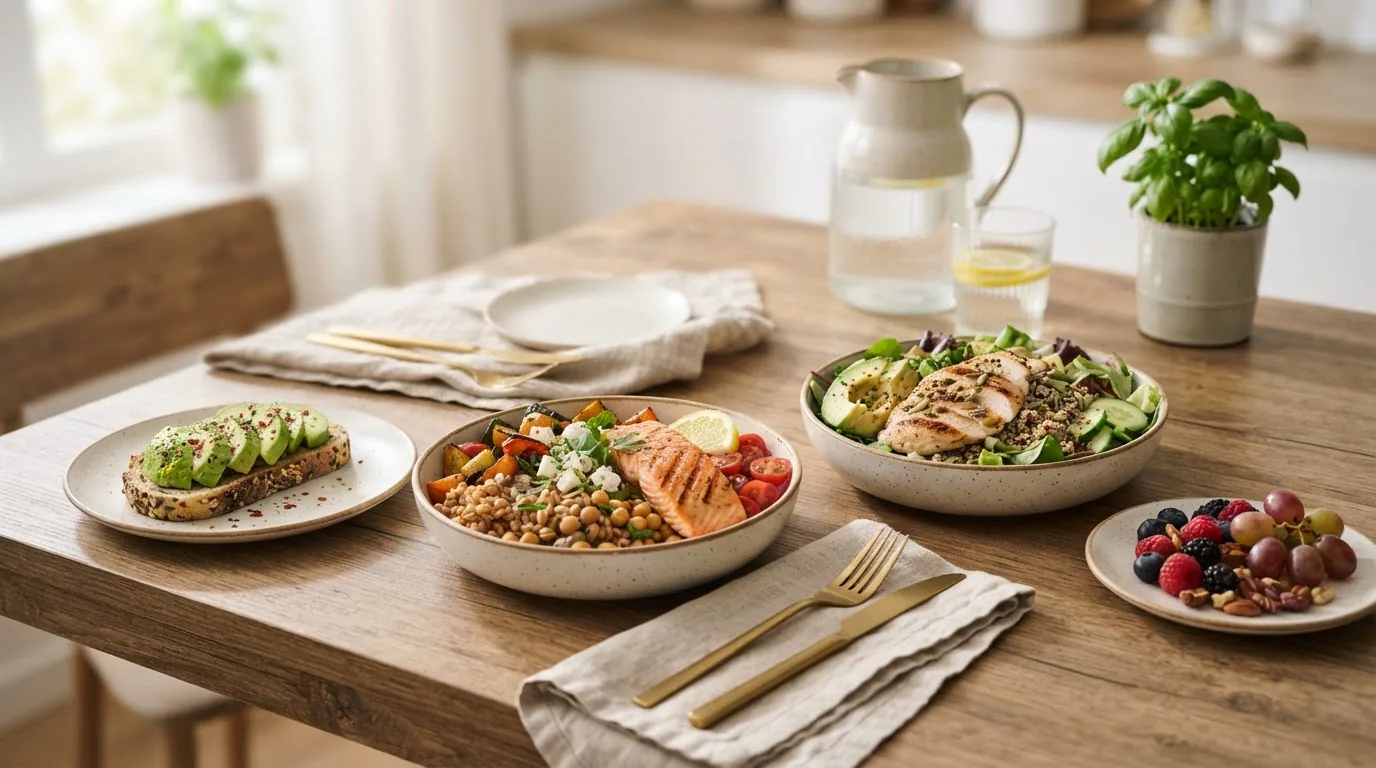
- 1. Mediterranean Chickpea Grain Bowl (serve cold or warm) — A fiber-rich bowl with chickpeas, quinoa, cherry tomatoes, cucumber, olives, and a lemon-olive oil dressing. High in plant protein and fiber; ready in 20–25 minutes. Swap: use farro or brown rice for different textures.
-
2. Turkey & Avocado Whole-Wheat Wrap — Lean turkey, avocado, spinach, shredded carrots, and mustard in a whole-wheat wrap. Balanced protein and healthy fats; handheld and portable for work lunches. Prep tip: assemble the night before but wrap tightly to avoid sogginess.
easy lunch meal prep tips - 3. Lentil & Roasted Vegetable Salad with Tahini Dressing — Cooked lentils, roasted beets, carrots, and kale tossed with tahini-lemon dressing. A filling vegetarian lunch with iron and folate; leftovers reheat well or enjoy cold.
Dinner Recipes
-
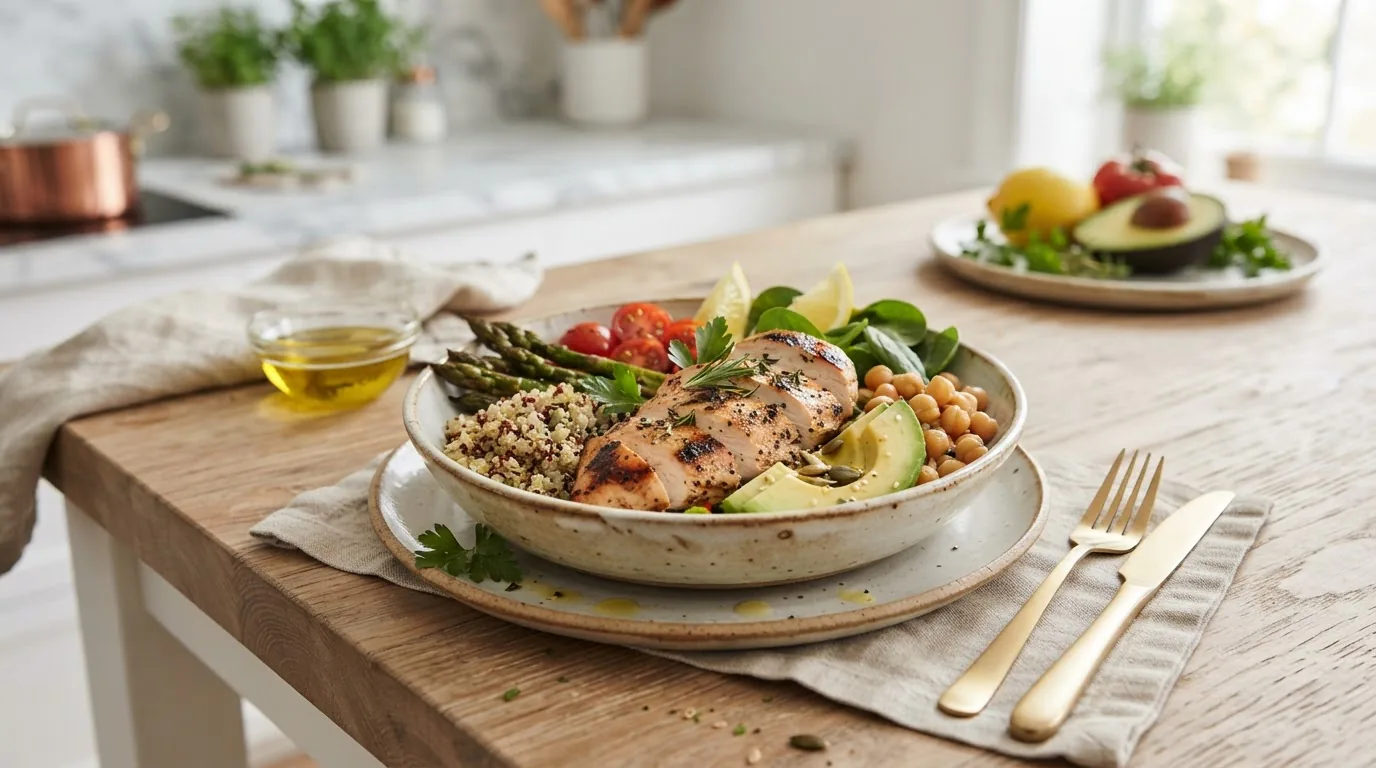
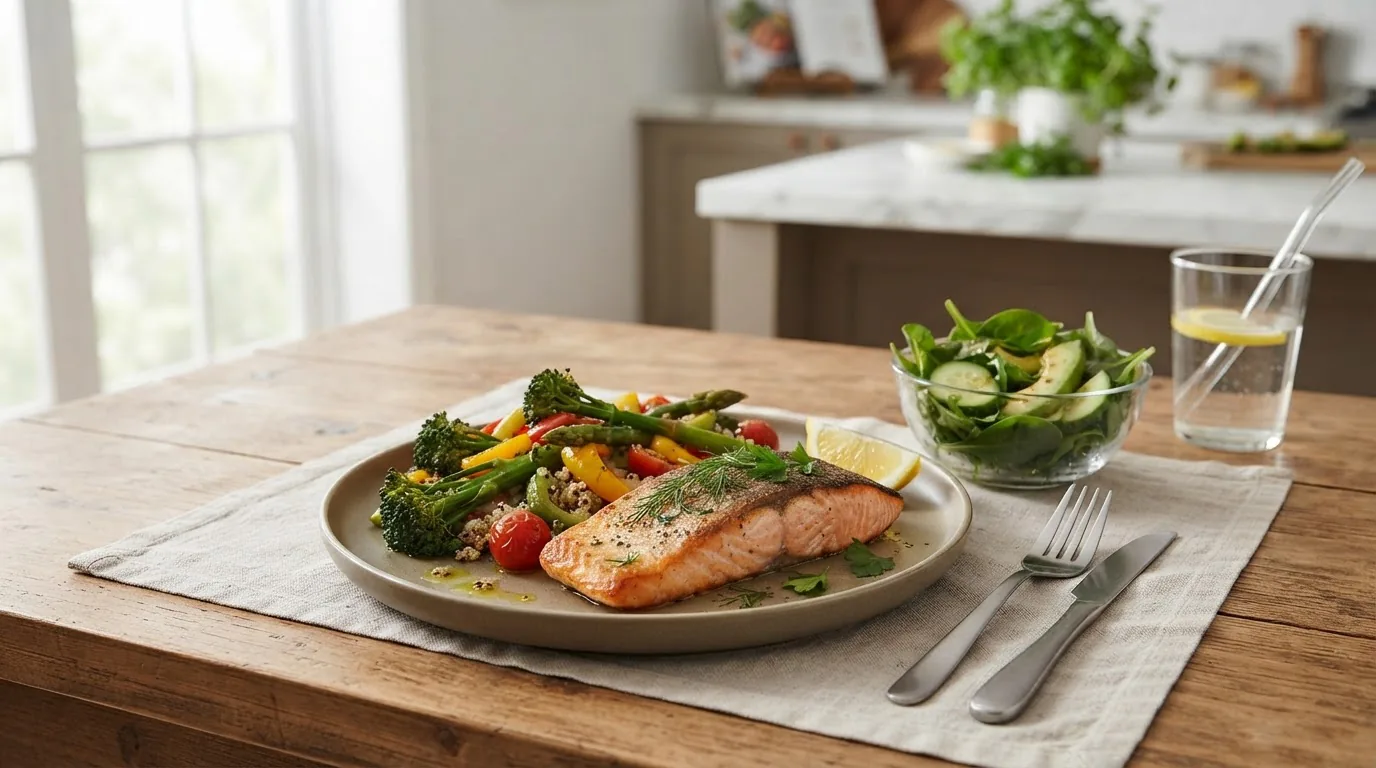
4. Grilled Salmon with Herbed Farro and Steamed Broccoli — Omega-3-rich salmon, chewy whole grain farro, and bright steamed broccoli. Quick grill or oven bake; garnished with lemon. Swap: use trout or mackerel for cost variations.
healthy chicken breast recipes -
5. One-Pot Chicken, Kale & Sweet Potato Stew — Lean chicken, cubes of sweet potato, kale, and white beans simmered in a tomato-herb broth. Great for colder nights and batch cooking; stores well in the fridge/freezer.
chicken meal prep ideas -
6. Tofu & Vegetable Stir-Fry with Brown Rice — Firm tofu pan-seared, tossed with colorful vegetables and a low-sodium soy-ginger sauce over brown rice. Plant-based and protein-forward; use frozen mixed vegetables to save time.
vegetarian dinner recipes -
7. Beef and Vegetable Sheet-Pan Fajitas — Sliced lean flank steak, bell peppers, onions roasted on a single sheet-pan with spices. Serve with whole-grain tortillas or lettuce wraps. Quick, minimal cleanup, and easily portioned for families.
healthy dinner ideas -
8. Winter Comfort: Root Vegetable & Bean Cassoulet — A cozy, oven-baked dish of white beans, roasted root vegetables, and fragrant herbs—ideal for cold nights. Swap: For seasonal variety, switch to summer vegetables. For more seasonal options:
comforting cold weather meals
Recipe notes: Swap proteins and grains based on availability. Estimated calorie ranges: lunches ~350–600 kcal; dinners ~400–700 kcal depending on portion size and added fats. Calorie counts are estimates to help manage expectations and portion control.
Transition: After reviewing recipes, learn how to adapt meals for specific dietary needs, including gluten-free, diabetic-friendly, and heart-healthy options.
Adapting Meals for Special Dietary Needs and Preferences
Healthy lunch and dinner planning works for diverse diets with small modifications. Below are practical suggestions and example swaps for common dietary needs. Always consult a healthcare provider for medical nutrition therapy.
Vegetarian and vegan adaptations: Replace animal proteins with legumes, tofu, tempeh, or seitan. For calcium and iron, include leafy greens, fortified plant milk, and vitamin C sources to enhance iron absorption. For quick vegetarian dinners for two, see the linked resource for ideas:
Gluten-free options: Swap wheat-based items for naturally gluten-free grains like quinoa, brown rice, millet, and certified gluten-free oats. Use corn or rice-based tortillas and check labels on sauces.
Low-calorie and weight management: Emphasise non-starchy vegetables, lean proteins, and high-fiber whole grains to increase satiety. Choose broths, steaming, and roasting rather than frying. For structured lower-calorie options, refer to calorie-targeted guides tailored to lunch and dinner portions on this site.
Heart-healthy meals: Prioritise fatty fish twice weekly, unsaturated fats (olive oil, nuts), whole grains, and low-sodium preparations. The American Heart Association recommends emphasizing these choices to reduce cardiovascular risk (source type: professional association).
Diabetic-friendly choices: Focus on fibre-rich carbohydrates, lean proteins, and consistent carbohydrate portions across meals. Limit sugary drinks and high-glycemic carbohydrates; pair carbs with protein and healthy fat to blunt blood sugar spikes.
Food allergies and intolerances: Swap allergens for safe equivalents—use nut-free seeds, dairy-free yogurt, or egg replacers. When eating out or using packaged foods, read ingredient lists carefully and ask about cross-contact.
Example meal adaptation scenarios (brief):
- Swap salmon for tempeh in a bowl for a pescatarian vs. vegetarian shift.
- Make a gluten-free wrap using large lettuce leaves or corn tortillas.
- Turn a high-calorie casserole into a lighter stew by reducing added fats and increasing vegetables.
Transition: Healthy meals can be affordable. Next, discover budget-friendly strategies to keep nutrition high and costs low.
Budget-Friendly Healthy Meals Without Sacrificing Nutrition
Eating well on a budget is achievable with strategic planning and ingredient choices. Treat nutrition like grocery budgeting—prioritise nutrient density per dollar. Staples like beans, eggs, canned tuna, seasonal produce, and whole grains provide a strong nutritional foundation without high cost.
Smart shopping and cooking tips:
- Buy in-season produce and frozen vegetables to save money while maintaining nutrient quality.
- Purchase dried beans and legumes in bulk; they are cheaper and less sodium-heavy than canned versions.
- Use whole chickens, cheaper cuts, or canned fish for protein variety at lower cost.
- Plan meals around sales and weekly flyers—freeze extras when there’s a good deal.
Quick cost-saving meal examples:
- Bean and vegetable chili made with canned tomatoes and dried beans—high volume, low cost.
- Egg fried rice with frozen mixed vegetables and brown rice—protein and veggies using pantry staples.
- Oven-baked balsamic-roasted chickpeas over seasonal greens—protein and crunch on a budget.
Tips list for stretching your food budget:
- Cook grains and beans in large batches—portion and freeze for later.
- Choose whole fruits and vegetables over processed snacks to maximize nutrition per dollar.
- Keep a flexible recipe template to swap proteins and vegetables based on prices.
- Use leftovers twice—reimagine yesterday’s dinner into today’s lunch bowl to cut waste and cost.
If you primarily cook for two and want cost breakdowns for small households, see targeted meal ideas here:
healthy dinner recipes for two
Transition: Budget-conscious habits pair neatly with practical meal prep and storage strategies to save time and minimize waste.
Practical Meal Prep and Storage Tips to Save Time
Meal prep reduces cooking time during the week and keeps healthy meals accessible. Batch-cook staples, portion meals into containers, and label with dates. Follow safe cooling and reheating practices to maintain quality and food safety.
How-to steps for efficient meal prep:
- Plan a 90–120 minute cook block once or twice weekly to roast vegetables, cook grains, and prepare proteins.
- Use multi-functional equipment (sheet pans, Instant Pot, slow cooker) to make several components simultaneously.
- Portion meals into single-serving containers to simplify lunches and control portion sizes.
Storage and reheating tips:
- Cool cooked food quickly and refrigerate within two hours; store at or below 40°F (4°C).
- Use airtight containers; glass works well for reheating and longevity.
- Label with dates—consume refrigerated meals within 3–4 days; freeze for longer storage.
- Reheat to an internal temperature of 165°F (74°C) for foods containing meat or poultry; use a microwave or stovetop for even reheating.
Freezer-friendly meal ideas and tips:
- Soups, stews, casseroles, and cooked grains freeze well—portion before freezing for easy thawing.
- Avoid freezing meals with high-water vegetables (cucumbers, lettuce) without blanching; they lose texture.
- Thaw overnight in the fridge for safer reheating and better texture.
For more lunch-specific make-ahead strategies, this guide offers focused approaches:
For chicken-centered weekly planning that pairs well with these storage methods, explore:
Transition: Expecting challenges? The next section addresses common obstacles and quick solutions to keep you on track.
Common Challenges and How to Overcome Them
This FAQ-style section sums common barriers—picky eaters, boredom, lack of time, dietary restrictions, and food waste—and offers direct solutions.
Q: Picky eaters or family resistance
Solution: Involve them in simple choices, offer build-your-own bowls, and introduce one new ingredient at a time alongside familiar foods. Small changes over weeks lead to acceptance.
Q: Meal boredom
Solution: Rotate themes (Mediterranean, Asian, Latin), swap grains and proteins weekly, and use spice blends to quickly change flavour profiles without reinventing recipes.
Q: Lack of time
Solution: Use batch-cooking, one-pan meals, and frozen produce. Prep components (grains, proteins, dressings) in advance to assemble meals in under 10–15 minutes.
Q: Dietary restrictions
Solution: Build flexible templates (protein + veg + grain/fat) and identify safe swaps. Consult a registered dietitian for medically complex restrictions to ensure nutrient adequacy.
Q: Food waste
Solution: Plan meals around perishable items early in the week, freeze extras, and repurpose leftovers into soups, wraps, or bowls to maximize use and reduce waste.
Transition: Small adjustments solve many roadblocks—now finish with encouragement and a simple plan to start.
Conclusion and Encouragement to Start Healthy Meal Habits
Begin with one weekly meal change: add a vegetable to dinner, swap refined grains for whole, or batch-cook a staple. Consistency beats perfection—small, sustainable steps build lasting habits. Track what works, adapt recipes to your tastes and seasonality, and focus on meals that satisfy both nutrition and enjoyment.
Takeaway checklist: plan one week, batch-cook two staples, include a protein and veg at every meal, and rotate flavours. These habits save time, reduce stress, and improve health over months. Ready to get started? Pick one recipe from this guide, plan a grocery list, and cook one focused session this weekend.
Frequently Asked Questions
What defines healthy meals for lunch and dinner?
Healthy meals for lunch and dinner combine a quality protein, fiber-rich carbohydrates or whole grains, and healthy fats plus plenty of vegetables. This balance supports satiety, stable energy, and nutrient adequacy without strict calorie counting.
How do healthy meals for lunch differ from dinner meals?
Lunches tend to prioritise portability and moderate energy to sustain afternoon function; dinners can be heartier to aid recovery and satiety overnight. Both follow the same balance: protein, vegetables, whole grains/healthy fats.
What are some quick and easy recipes for healthy lunches and dinners?
Quick options include grain bowls with roasted veggies and beans, turkey wraps, grilled fish with steamed greens, tofu stir-fries, and one-pan sheet-pan fajitas—each ready in 20–45 minutes and adaptable for leftovers.
How can I plan healthy meals for the week without getting bored?
Rotate themes (Mediterranean, Asian, Latin), change proteins and grains weekly, use different spice blends, and plan one “new recipe” night to keep variety while relying on a few batch-cooked staples.
How long do healthy prepped meals for lunch and dinner usually last in the fridge?
Cooked meals typically last 3–4 days in the fridge when stored in airtight containers and cooled promptly. Freeze portions for longer storage—most soups, stews, and cooked grains freeze well for 2–3 months.
What are common mistakes to avoid when making healthy meals for lunch and dinner?
Avoid relying on ultra-processed convenience foods, skimping on vegetables, overusing added fats and sodium, and neglecting portion control. Plan balanced plates and use herbs/spices to boost flavour without excess salt or sugar.
How do I ensure my lunch and dinner meals meet quality and safety standards?
Cool cooked food within two hours, store at or below 40°F (4°C), label with dates, reheat to 165°F (74°C) for proteins, and discard refrigerated leftovers after 3–4 days to maintain safety.
Can healthy meals for lunch and dinner be budget-friendly? How?
Yes. Use staples like beans, eggs, whole grains, seasonal produce, and bulk buys. Batch-cook, repurpose leftovers, and shop sales to stretch dollars while keeping nutrient-dense meals on the table.
USDA Dietary Guidelines
American Heart Association
Academy of Nutrition and Dietetics