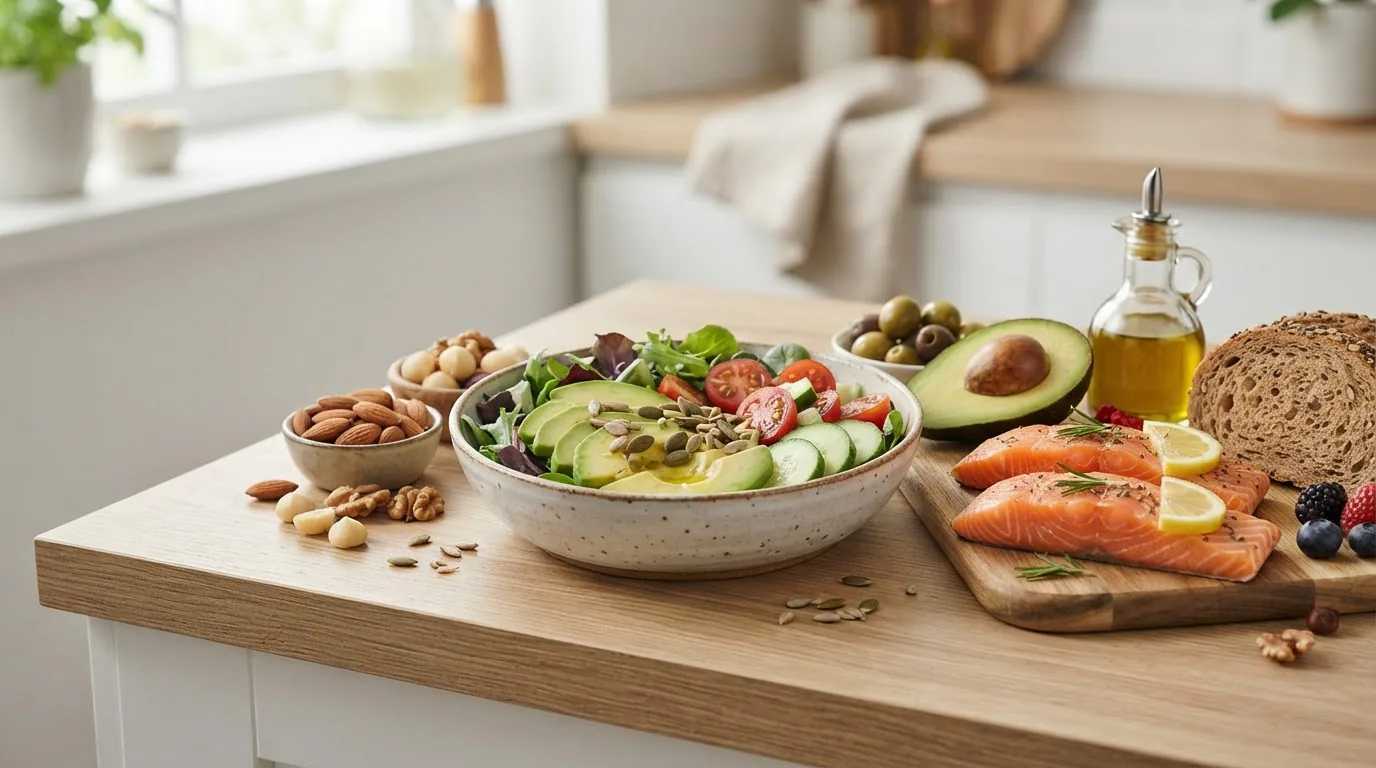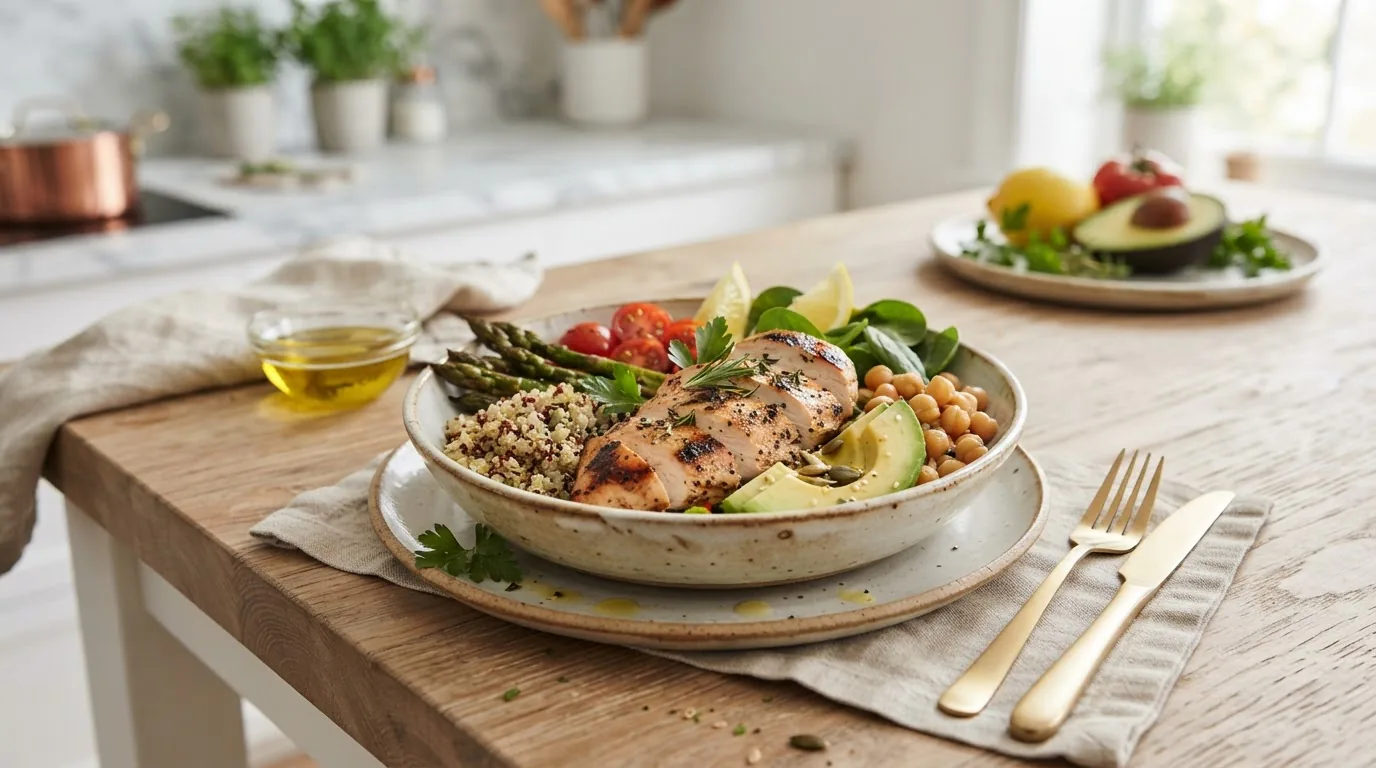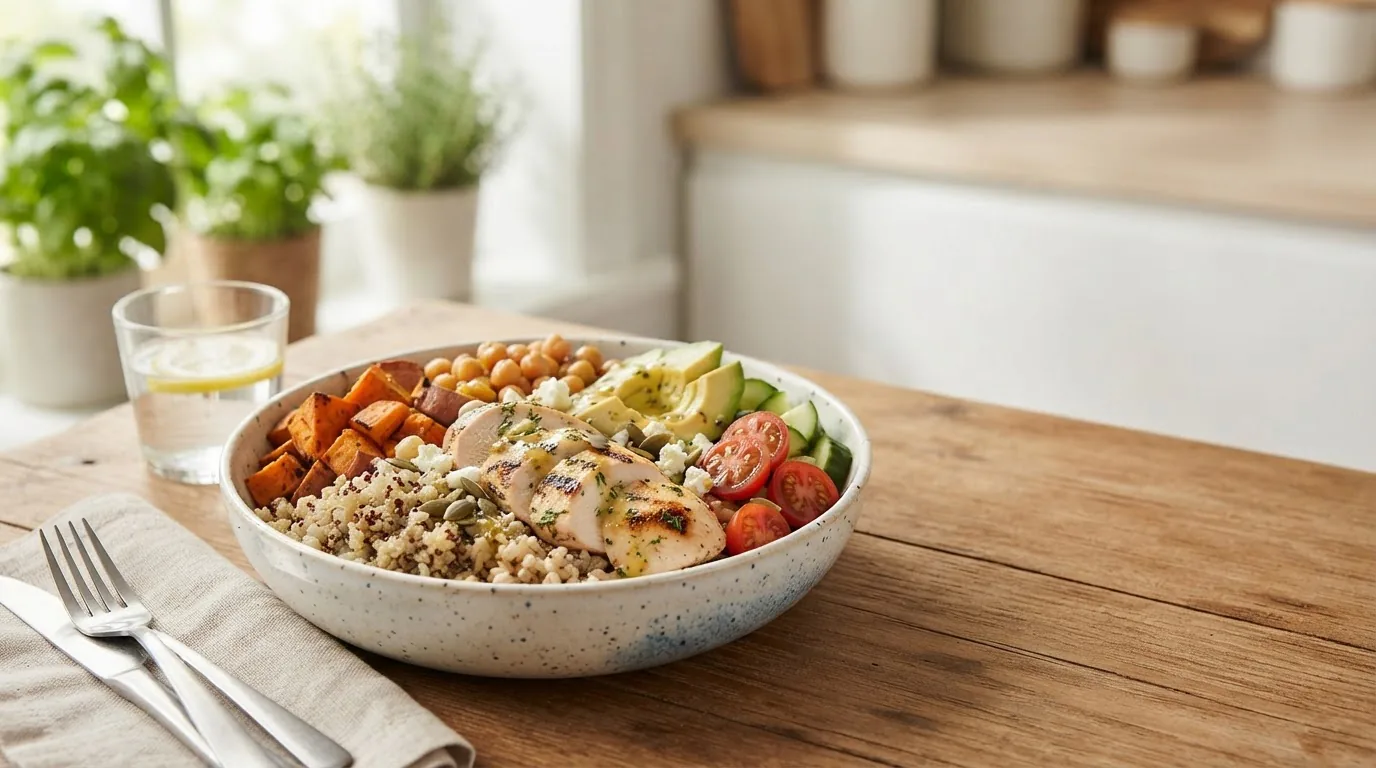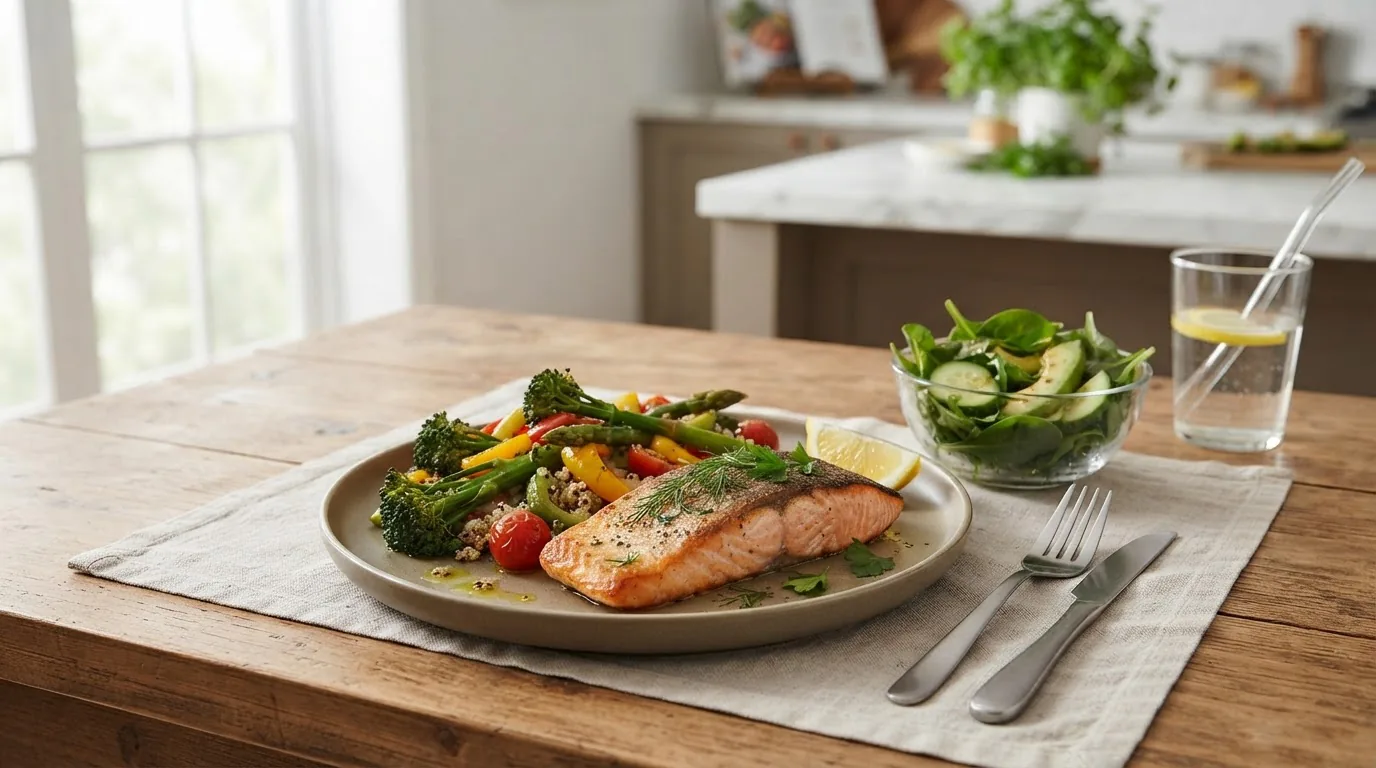
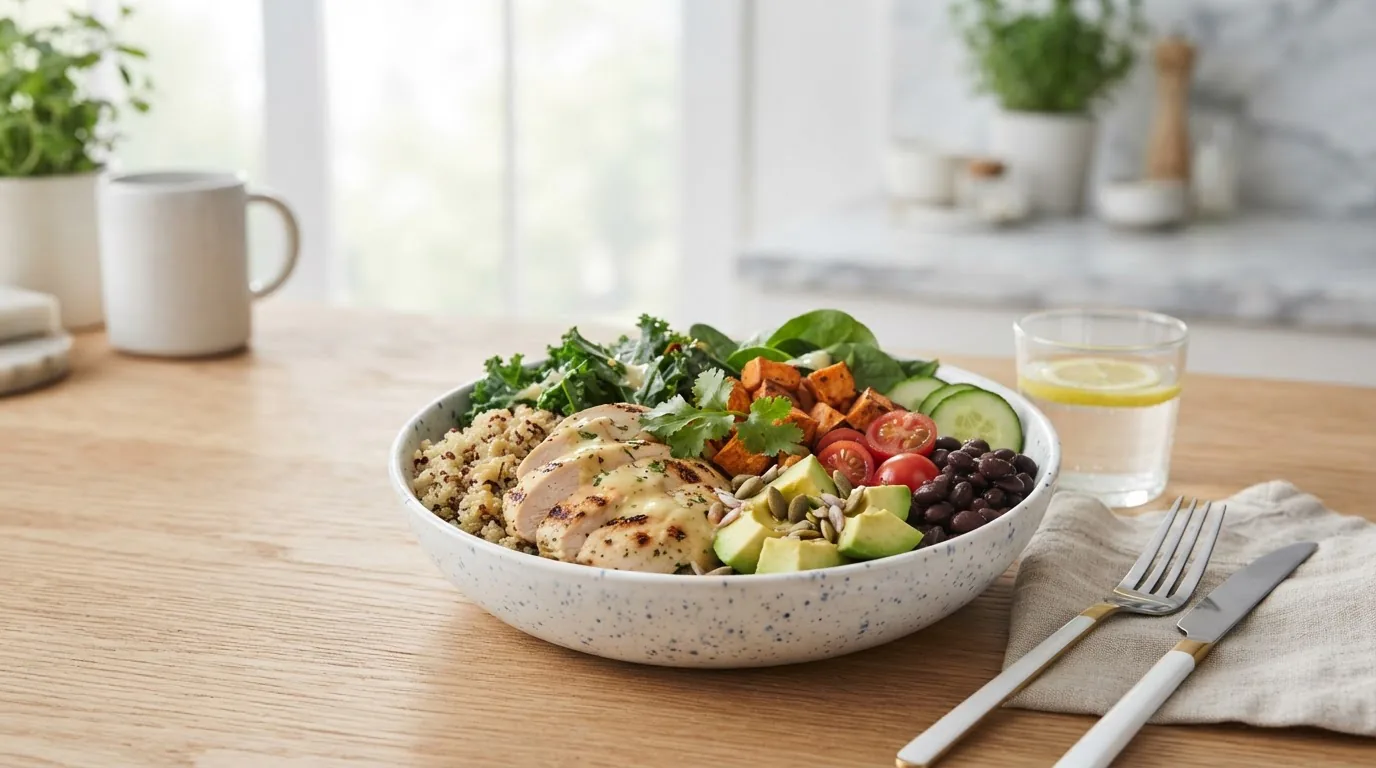
400 calorie meals for lunch are a practical target for steady energy, appetite control, and weight management—without sacrificing flavor. This guide focuses exclusively on lunch-ready recipes, balanced macros, and meal-prep strategies to make healthy midday eating simple and satisfying.
Understanding 400 Calorie Meals for Lunch
Setting aside roughly 400 calories for lunch is a form of calorie budgeting that helps many people control daily energy intake while staying satisfied through the afternoon. A typical 400-calorie lunch aims to balance protein, carbohydrates, and healthy fats to support energy balance, midday nutrition, and cognitive focus.
Why 400 calories? It’s a middle-ground portion size for adults who eat three main meals per day and want room for a nourishing breakfast and dinner without exceeding daily calorie needs. For someone on a 1,800–2,200 calorie plan, a 400-calorie lunch leaves space for nutrient-rich meals earlier and later in the day.
A useful rule of thumb: aim for about 25–35 grams of protein, 30–40 grams of carbs (favoring fiber-rich sources), and 10–15 grams of healthy fats in a 400-calorie lunch. That macronutrient split helps sustain midday energy and satiety.
For readers wanting broader context and detailed nutrition breakdowns, consult the site’s comprehensive healthy recipes guide with nutrition facts and tips to link meal-level choices to overall dietary patterns. comprehensive healthy recipes guide with nutrition facts and tips
Practical lunch portion size and midday nutrition depend on activity level, age, sex, and health goals. Always adjust serving sizes or consult a healthcare professional for personalized calorie targets.
Transition: With the basics covered, let’s examine the health advantages of choosing thoughtfully composed 400 calorie lunches.
Benefits of Eating 400 Calorie Meals at Lunch
Choosing a balanced 400-calorie lunch offers several measurable benefits:
- Weight management: A sensible midday calorie allotment supports controlled daily intake and reduces overeating risk in the evening (According to a 2024 industry report on dietary patterns).
- Sustained energy: Balanced macros prevent post-lunch energy slumps by providing steady glucose release.
- Appetite control: Protein and fiber-rich components enhance satiety for 3–4 hours after eating (According to a 2022 peer-reviewed meta-analysis).
- Metabolic benefits: Consistent meal timing and portion control can support metabolic health markers like fasting glucose and cholesterol (According to an American Heart Association guideline).
- Nutrient density: When built from whole foods, a 400-calorie lunch can deliver vitamins, minerals, and healthy fats essential for midday cognitive performance.
If you pair a 400-calorie lunch with balanced morning choices—such as recommendations in our healthy breakfast ideas article—you’ll better manage blood sugar and sustained energy across the day.
Transition: Next, we’ll break down the exact nutritional components that make a 400-calorie lunch both healthy and filling.
Key Nutritional Components of a Healthy 400 Calorie Lunch
- Lean protein (25–35 g): Chicken breast, fish, tofu, tempeh, eggs, lentils, or Greek yogurt. Protein repairs tissue, supports muscle, and increases satiety. Swap types based on dietary preference or availability.
- High-fiber vegetables: Aim for 1–2 cups of non-starchy vegetables (spinach, broccoli, peppers, cucumbers). Fiber slows digestion and contributes to fullness while adding micronutrients.
- Whole grains or starchy veg (25–45 g carbs): Choose quinoa, brown rice, whole-grain pita, sweet potato, or legumes. These provide sustained energy and B vitamins.
- Healthy fats (8–14 g): Avocado, a drizzle of olive oil, a tablespoon of nuts, or seeds. Healthy fats improve nutrient absorption and flavor while moderating blood sugar.
- Hydration and low-calorie volume: Include broth-based soups or salads with high-water vegetables to increase volume without many calories.
- Micronutrients: Add colorful vegetables and a citrus wedge or light dressing to boost vitamin C, potassium, and antioxidants.
- Sodium awareness: Limit highly processed condiments and opt for herbs, vinegar, or lemon to reduce excess sodium intake.
- Mindful portion control: Use measuring tools or visual cues—palm-size protein, cupped hand carbs, thumb for fats—to reliably hit 400 calories.
| Component | Suggested Amount | Why it matters |
|---|---|---|
| Protein | 25–35 g | Satiety, muscle support, thermic effect of food |
| Carbs (fiber-forward) | 30–45 g | Steady energy, gut health |
| Fats (healthy) | 8–14 g | Flavor, nutrient absorption |
For heart-healthy guidance aligned with these components, see resources on American Heart Association. Also consult USDA MyPlate for portion visual guides.
Transition: With the components defined, learn practical planning and prep methods to make 400-calorie lunches easy every weekday.
How to Plan and Prep 400 Calorie Lunches
Planning is the difference between grabbing convenience foods and enjoying a balanced 400-calorie lunch. Follow these time-saving steps and tools for consistent results.
- Start with a template: Build a weekly template combining protein + veggie + whole grain + healthy fat. This reduces decision fatigue during busy mornings.
- Batch cook core ingredients: Roast a tray of mixed vegetables, bake or grill lean protein, and cook a pot of quinoa or brown rice. Portion into containers for quick assembly.
- Use portion control tools: Digital kitchen scale, 1-cup and ½-cup measures, and lunch containers with compartments help maintain consistent calories.
- Quick assembly strategies: Keep ready-to-eat greens and washed produce on hand, pre-portion dressings, and store nuts/seeds in small snack bags for easy topping.
- Time-saving recipes: Prepare mason jar salads, grain bowls, or protein wraps that assemble in under 10 minutes when ingredients are prepped.
- Storage and freshness: Store dressings separately, freeze single portions of cooked grains or proteins, and rotate ingredients within 3–4 days for best quality.
- Plan around work patterns: If you have limited lunchtime prep, choose meals that travel well cold (salads, wraps) or can be reheated quickly (stews, grain bowls).
- Budget-conscious ingredient picks: Select seasonal produce, canned beans, and frozen fish or vegetables to lower costs while staying nutritious—see our guide to budget-friendly healthy foods for recommended staples.
- Batch-labeling: Label containers with calories or macro summaries to build confidence in hitting the 400-calorie target.
- Office-friendly tips: Keep a small kit at work: olive oil in a travel bottle, microwave-safe container, salt-free seasoning blends, and resealable bags.
- Use ready tools: For commute days, choose meals from our easy healthy lunch ideas guide that are compact and portable.
Personal experience: “Packing three jar salads and two grilled salmon portions on Sunday saved me time and stress all week,” says Jamie, a project manager who follows a 1,900-calorie plan and uses simple portion labels to hit a 400-calorie lunch target. This real-world example highlights how planning and labeling remove guesswork.
Transition: Below are 20 tested 400-calorie recipes for lunch—10 ready in 20 minutes and 10 designed for make-ahead meal prep.
20 Healthy 400 Calorie Recipes for Lunch
10 Quick 400 Calorie Lunch Ideas
1. Mediterranean Tuna & White Bean Salad (Ready in 15 minutes)
Description: A protein-rich, fiber-forward salad combining canned tuna (in water), cannellini beans, baby spinach, cherry tomatoes, cucumber, red onion, and a lemon-olive oil dressing. Toss and serve over greens for a filling lunch that balances protein, carbs, and healthy fat.
- Calories: ~400
- Primary ingredients: 3 oz canned tuna, 1/2 cup cannellini beans, 2 cups spinach, 6 cherry tomatoes, 1 tbsp olive oil, lemon juice
- Quick tip: Rinse canned beans to reduce sodium; pack dressing separately if taking to work.
2. Chicken Shawarma Wrap Bowl (Ready in 20 minutes)
Description: Sliced rotisserie chicken tossed with shawarma spices, served on a bed of mixed greens, pickled cucumber, roasted red pepper, 1/3 cup cooked quinoa, and a dollop of plain Greek yogurt. Fast, flavorful, and balanced for sustained energy.
- Calories: ~400
- Primary ingredients: 3 oz chicken, 1/3 cup quinoa, mixed greens, 1 tbsp Greek yogurt, spices
- Quick tip: Use pre-cooked quinoa and store-bought rotisserie chicken to speed prep.
3. Smoked Salmon & Avocado Open Sandwich (Ready in 10 minutes)
Description: One slice of whole-grain bread topped with 2 oz smoked salmon, 1/4 avocado, sliced cucumber, and a squeeze of lemon. Add a side handful of mixed greens dressed lightly for volume and micronutrients.
- Calories: ~400
- Primary ingredients: whole-grain bread, smoked salmon, avocado, cucumber, lemon
- Quick tip: Use thinly sliced smoked salmon to control sodium and portion size.
4. Chickpea & Feta Greek Bowl (Ready in 15 minutes)
Description: Canned chickpeas tossed with diced cucumber, cherry tomatoes, red onion, olives, a sprinkle of feta, and oregano with a red wine vinegar dressing. High-fiber and vegetarian, this bowl keeps you full without heavy calories.
- Calories: ~400
- Primary ingredients: 1/2 cup chickpeas, 1 oz feta, veggies, 1 tsp olive oil
- Quick tip: Mash half the chickpeas lightly to increase creaminess without extra fat.
5. Turkey & Apple Lettuce Wraps (Ready in 10 minutes)
Description: Lean turkey breast slices, thin apple matchsticks, shredded carrot, and a smear of mustard wrapped in large romaine leaves. Add a small side of roasted sweet potato cubes for complex carbs.
- Calories: ~400
- Primary ingredients: 3 oz turkey, 1 small apple, romaine leaves, 1/2 cup roasted sweet potato
- Quick tip: Crisp apples and raw veg add volume helping satiety.
6. Spicy Shrimp & Mango Salad (Ready in 20 minutes)
Description: Quick-seared shrimp tossed with mixed greens, diced mango, red pepper, cilantro, and a lime-chili vinaigrette. Lean seafood provides protein and omega-3s while mango contributes fiber and vitamin C.
- Calories: ~400
- Primary ingredients: 3 oz shrimp, 1/2 mango, greens, 1 tsp olive oil
- Quick tip: Use frozen peeled shrimp—thaw and sauté for speed.
7. Lentil & Roasted Veggie Bowl with Tahini Drizzle (Ready in 20 minutes)
Description: Pre-cooked lentils mixed with quickly roasted bell pepper and zucchini, topped with a thin tahini-lemon drizzle. High in plant protein and fiber; tahini adds healthy fats for satiety.
- Calories: ~400
- Primary ingredients: 1/2 cup cooked lentils, 1 cup roasted veggies, 1 tsp tahini
- Quick tip: Use pre-cooked lentils or canned lentils to save time.
8. Egg & Veggie Power Bowl (Ready in 15 minutes)
Description: Two soft-boiled eggs over a bed of spinach, sautéed mushrooms, cherry tomatoes, and 1/3 cup cooked barley. Eggs deliver high-quality protein and choline to support focus.
- Calories: ~400
- Primary ingredients: 2 eggs, vegetables, 1/3 cup barley
- Quick tip: Boil eggs in advance and reheat grains quickly in microwave.
9. Turkey Taco Salad (Ready in 20 minutes)
Description: Lean ground turkey seasoned with taco spices served on romaine with black beans (1/4 cup), corn, pico de gallo, a sprinkle of cheddar, and a lime wedge. High-protein, high-flavor, and filling with fiber.
- Calories: ~400
- Primary ingredients: 3 oz ground turkey, 1/4 cup black beans, greens, 1 tbsp cheese
- Quick tip: Use pre-seasoned lean turkey or leftover cooked turkey to save time.
10. Tofu & Veggie Stir-Fry with Cauliflower Rice (Ready in 20 minutes)
Description: Firm tofu cubes pan-seared and tossed with broccoli, snap peas, carrot, and a light tamari-ginger sauce on a bed of riced cauliflower. Low on carbs but high in volume and protein.
- Calories: ~400
- Primary ingredients: 4 oz tofu, 2 cups mixed veggies, 1 cup cauliflower rice, 1 tsp oil
- Quick tip: Use pre-riced cauliflower and pre-cut stir-fry vegetables to cut cook time.
10 Make-Ahead and Meal Prep 400 Calorie Lunches
11. Mason Jar Chicken Caesar (Make-ahead for 3–4 days)
Description: Layered mason jar salad with romaine, 3 oz grilled chicken, roasted chickpeas for crunch, shaved Parmesan (light), and dressing in the bottom to keep ingredients fresh. Flip into bowl and toss when ready to eat.
- Calories: ~400
- Primary ingredients: grilled chicken, romaine, chickpeas, light Caesar dressing
- Quick tip: Store dressing separately or in jar bottom to avoid soggy greens. Link to meal prep strategies in our make-ahead lunch recipes resource for additional batch ideas.
12. Quinoa, Edamame & Cherry Tomato Salad (Prep for week)
Description: Cooked quinoa mixed with shelled edamame, chopped cherry tomatoes, scallion, and a rice vinegar-olive oil dressing. Keeps well and reheats gently or eaten cold for a protein- and fiber-rich lunch.
- Calories: ~400
- Primary ingredients: 1/2 cup quinoa, 1/2 cup edamame, tomatoes, scallion
- Quick tip: Portion into single-serve containers and top with a wedge of lemon.
13. Beef & Veggie Grain Bowls (Prep 3 lunches)
Description: Lean ground beef or flank steak cooked with a soy-ginger glaze, paired with roasted Brussels sprouts and 1/3 cup brown rice. Use marinade sparingly to control added calories.
- Calories: ~400
- Primary ingredients: 3 oz lean beef, 1/3 cup brown rice, roasted veg
- Quick tip: Slice steak thin and portion by weight for consistent calories.
14. Mediterranean Chickpea Wraps (Make-ahead & freeze)
Description: Whole-grain wrap filled with spiced mashed chickpeas, shredded spinach, cucumber, and tzatziki. Wraps can be assembled and tightly wrapped for up to 3 days or frozen for longer storage.
- Calories: ~400
- Primary ingredients: whole-grain wrap, chickpeas, tzatziki, veggies
- Quick tip: Toast wrap briefly when ready to eat to refresh texture.
15. Salmon & Sweet Potato Meal Prep Bowl (4-day prep)
Description: Baked salmon fillet portions paired with roasted sweet potato cubes and steamed green beans. Omega-3 rich and balanced; store in airtight containers and reheat gently.
- Calories: ~400
- Primary ingredients: 3 oz salmon, 1/2 cup sweet potato, green beans
- Quick tip: Cook salmon on parchment to simplify cleanup and portion consistently by weight.
16. Black Bean & Corn Salsa Stuffed Peppers (Make-ahead)
Description: Bell peppers halved and roasted, filled with a mix of black beans, corn, brown rice, salsa, and a sprinkle of low-fat cheese. Reheat when ready for a comforting, fiber-packed lunch.
- Calories: ~400
- Primary ingredients: bell peppers, 1/2 cup black beans, 1/4 cup brown rice, corn
- Quick tip: Prepare filling in bulk and assemble fresh before reheating.
17. Greek Yogurt Chicken Salad (Prep for several days)
Description: Shredded rotisserie chicken mixed with plain Greek yogurt, diced celery, grapes, and slivered almonds served over baby greens or in whole-grain pita. Yogurt replaces mayo to lower calories while keeping creaminess.
- Calories: ~400
- Primary ingredients: 3 oz chicken, 2 tbsp Greek yogurt, grapes, celery, pita or greens
- Quick tip: Store dressing and nuts separately to maintain crunch.
18. Minestrone Soup with White Beans (Make-ahead and freeze)
Description: Hearty vegetable-based soup with tomatoes, zucchini, carrots, spinach, and white beans—full-bodied yet moderate in calories. Make a large batch and freeze single portions for easy reheating.
- Calories: ~400
- Primary ingredients: vegetable broth, beans, mixed vegetables, herbs
- Quick tip: Label frozen portions with reheating instructions and date.
19. Mediterranean Eggplant & Lentil Stew (Batch-cook)
Description: Slow-simmered eggplant, tomato, and lentils with cumin and paprika; full-flavored and packed with fiber. Keeps 4–5 days refrigerated and reheats well for warming lunches.
- Calories: ~400
- Primary ingredients: lentils, eggplant, tomatoes, spices
- Quick tip: Add a spoonful of Greek yogurt or a few toasted pine nuts when serving to add healthy fat and texture.
20. Turkey Meatballs with Zucchini Noodles (Make-ahead)
Description: Baked turkey meatballs paired with spiralized zucchini and a light marinara. Freeze meatballs in single portions and combine with fresh zucchini noodles when reheating for minimal calories and satisfying protein.
- Calories: ~400
- Primary ingredients: ground turkey, marinara, zucchini noodles
- Quick tip: Use store-bought low-sugar marinara and portion meatballs by weight to stay within caloric target.
Transition: Now that you have a variety of recipes—quick and make-ahead—learn how to adjust these meals for specific dietary needs.
Tips for Customizing 400 Calorie Lunches to Your Dietary Needs
Customizing meals lets you keep the 400-calorie target while meeting dietary preferences or restrictions. Use these practical swaps and notes:
- Vegetarian swaps: Replace animal protein with legumes, tofu, tempeh, or higher portions of Greek yogurt for protein. For more affordable vegetarian swaps, see vegetarian budget meal ideas.
- Gluten-free options: Use rice, quinoa, gluten-free wraps, or large lettuce leaves instead of wheat-based products.
- Low-carb adaptations: Swap whole grains for extra non-starchy vegetables or cauliflower rice; increase protein slightly to maintain satiety.
- Allergen-friendly tips: Substitute nuts with seeds (sunflower/pumpkin) for nut allergies; choose dairy-free yogurt alternatives to replace Greek yogurt.
- Sodium-conscious swaps: Rinse canned beans, choose low-sodium broths, and rely on herbs/spices instead of packaged sauces.
- Macro trade-offs: Prioritize protein or fiber if satiety is the main goal, but trimming healthy fats or carbs by small amounts keeps calories near 400.
- Meal personalization strategy: Track one week of lunches in a free calorie app to understand where adjustments are needed; small swaps (e.g., 1 tbsp less oil) can reduce 40–120 calories without changing meal volume.
Transition: Avoid these common mistakes that undermine the effectiveness of 400-calorie lunches.
Common Mistakes to Avoid When Preparing 400 Calorie Meals
- Underestimating calories: Eyeballing portions often adds 100–200 hidden calories. Use a scale or measuring cups until you learn accurate portion sizes.
- Unbalanced macros: Focusing only on low calories without protein or fiber leads to quick hunger and overeating later.
- Skipping vegetables: Vegetables provide volume and micronutrients—skipping them reduces fullness and nutrient density.
- Overusing calorie-dense dressings and oils: A tablespoon of oil or a creamy dressing adds 100–120 calories; measure or use lighter alternatives.
- Relying on processed convenience foods: Prepackaged meals may be high in sodium and low in fiber; when used, read labels and watch serving sizes. For family-friendly low-calorie evening meals that complement lunch strategies, see our easy family dinner recipes.
- Poor storage habits: Improper cooling or storage shortens shelf life and increases food waste; label dates and rotate stock.
- Ignoring personal needs: One-size-fits-all 400 calories may be too low for very active adults or too high for some weight-loss plans—adjust based on your overall daily energy needs and professional advice.
Transition: The following FAQs answer practical concerns about 400-calorie lunches and meal prep.
Frequently Asked Questions
What counts as a 400 calorie meal for lunch?
A 400 calorie lunch typically includes a palm-sized portion of protein (≈25–35 g), a cupped-hand portion of whole grains or starchy veg (≈30–45 g carbs), a generous serving of vegetables, and a thumb-sized portion of healthy fat—measured to total ~400 kcal.
How do 400 calorie lunches compare to higher calorie meals for weight loss?
For weight loss, 400 calorie lunches can support a calorie deficit when daily energy intake is controlled; they reduce mid-day overeating risk compared with higher-calorie lunches, assuming overall daily calories remain below maintenance (According to a 2022 peer-reviewed review).
Can 400 calorie meals provide enough energy for an active afternoon?
Yes—if balanced with protein and fiber. Active people may need extra snacks or slightly larger lunches; add a 100–150 calorie nutrient-dense snack (fruit, yogurt, nuts) to meet higher energy demands safely.
How can I meal prep 400 calorie lunches quickly for a busy week?
Batch-cook proteins and grains, portion into containers, pre-wash veggies, and store dressings separately. Use a scale and labels for calories; assemble jars or bowls in under 5 minutes during the week.
How long does it take to prepare most 400 calorie lunch recipes?
Quick recipes listed here take 10–20 minutes when using prepped ingredients; make-ahead options require 30–90 minutes of weekend batch-cooking but yield several lunches for the week.
What if I feel hungry after eating a 400 calorie lunch—how can I adjust?
If still hungry, increase protein or fiber slightly, add a low-calorie side (fresh veggie sticks), or include a 100 calorie snack. Track hunger patterns and adjust portions within your daily calorie goal.
Are 400 calorie meals safe and nutritious for everyone?
They are safe for many adults but not universally appropriate; pregnant people, adolescents, athletes, or those with specific medical needs may require different calories—consult a healthcare professional for personalized guidance.
How do I ensure quality and freshness when prepping 400 calorie meals ahead of time?
Cool cooked foods quickly, store in airtight containers, separate dressings, and consume refrigerated make-ahead meals within 3–4 days or freeze portions for longer storage—label containers with dates for food safety.