
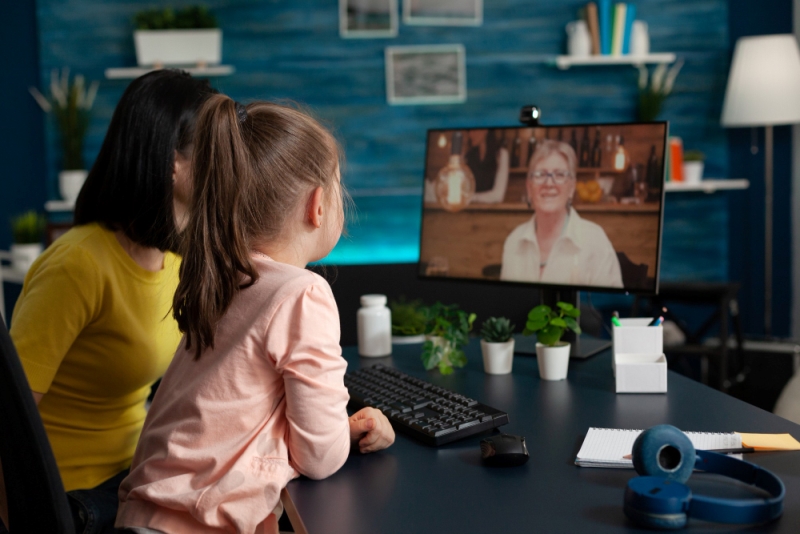
Children and teenagers can experience emotional and behavioral challenges just as adults do. Anxiety, stress, changes in family circumstances, school difficulties, social pressure, low self-esteem, and other concerns can affect a child’s everyday life. For many families, finding a convenient way to access professional support can make taking the first step easier.
For parents considering online child therapy in Texas, virtual counseling can provide a practical option for connecting with a qualified mental health professional without requiring frequent trips to an office. When appropriately delivered, online therapy can give children and adolescents a comfortable setting to talk, develop coping skills, and work through age-appropriate concerns with professional guidance.
However, choosing an online therapist for a child requires more than simply selecting the first provider who appears in a search. Parents should consider the child’s age, needs, communication style, privacy, therapist qualifications, and whether virtual sessions are an appropriate fit.
What Is Online Child Therapy?
Online child therapy, sometimes called virtual counseling or teletherapy, allows a child or adolescent to meet with a mental health professional through a secure online video platform.
Depending on the child’s age and circumstances, sessions may involve:
- Individual conversations with the child
- Age-appropriate therapeutic activities
- Emotional regulation exercises
- Discussions about school or peer relationships
- Coping strategies for stress and anxiety
- Parent or caregiver participation
- Family discussions when appropriate
- Goal-setting and progress monitoring
The approach should be tailored to the child’s developmental stage. A therapist may communicate differently with a young child than with a teenager. Younger children may benefit from creative activities and structured exercises, while adolescents may be more comfortable with direct conversations about emotions, relationships, academic pressure, and personal challenges.
When Should Parents Consider Online Therapy for a Child?
There is no single sign that determines when a child needs counseling. Parents often notice gradual changes rather than one obvious event.
Possible signs that professional support may be worth considering include:
- Frequent worry or fear
- Persistent sadness or irritability
- Difficulty managing anger
- Sudden changes in behavior
- Problems concentrating at school
- Withdrawal from friends or activities
- Changes in sleep or daily routines
- Difficulty adjusting to family changes
- Low confidence or self-esteem
- Ongoing stress related to school or relationships
- Trouble expressing emotions
- Behavioral concerns that are affecting family life
A child does not necessarily need to have a diagnosed mental health condition to benefit from counseling. Therapy can also help children develop communication, coping, problem-solving, and emotional-management skills during difficult periods.
Parents who are unsure whether counseling is appropriate can begin by discussing their concerns with a qualified mental health professional.
How Online Child Therapy in Texas Can Help
One of the biggest advantages of virtual counseling is accessibility. Families may be able to attend sessions from home instead of driving to a traditional office.
For families researching online child therapy in Texas, the right provider can offer structured support while taking the child’s individual circumstances into account.
Greater Convenience for Busy Families
School, homework, extracurricular activities, work schedules, and family responsibilities can make traditional appointments difficult to coordinate.
Virtual sessions may reduce travel time and make it easier for parents to maintain a consistent appointment schedule.
A Familiar Environment
Some children feel uncomfortable entering an unfamiliar clinical setting. Being at home can make the experience feel less intimidating for certain children and teenagers.
That said, the home environment should be quiet, private, and appropriate for therapy.
Easier Access for Families Outside Major Cities
Texas is a large state, and access to specialized mental health services can vary depending on where a family lives. Virtual care can provide another way to connect with an appropriately qualified professional when in-person options are limited.
Parents should always confirm that the provider is properly licensed and permitted to provide services to clients in Texas.
Support for Adolescents
Teenagers may be particularly receptive to virtual communication because video calls and digital communication are already part of their everyday lives.
A therapist can help adolescents work on topics such as:
- Academic stress
- Peer relationships
- Self-confidence
- Family communication
- Emotional regulation
- Life transitions
- Healthy coping strategies
- Social and interpersonal challenges
Is Online Therapy Appropriate for Every Child?
No. Online counseling is not automatically the best option for every child or every situation.
A qualified mental health professional should determine whether virtual therapy is appropriate based on the child’s needs, circumstances, developmental level, and safety considerations.
Some children may communicate more effectively during in-person sessions. Others may thrive in a familiar home environment.
The important question is not whether online therapy is universally better than in-person therapy. Instead, parents should ask whether this particular format is appropriate for their child.
Pros and Cons of Online Child Therapy
Potential Benefits
- Convenient appointments from home
- Less travel for parents and children
- Easier scheduling around school and activities
- Familiar surroundings may reduce nervousness
- Potentially greater access to qualified providers
- Convenient participation for parents when appropriate
Potential Challenges
- Reliable internet access is necessary
- A private space may not always be available
- Some children may become distracted at home
- Younger children may prefer face-to-face interaction
- Certain concerns may require a different level or type of care
- Technical problems can occasionally interrupt sessions
Understanding both the advantages and limitations helps parents make a more informed decision.
How Parents Can Prepare a Child for Online Therapy
A successful virtual session starts before the video call begins. Parents can help by making the process predictable and comfortable.
1. Explain What Will Happen
Avoid making therapy sound mysterious or frightening. Explain that the child will talk with someone whose job is to help them understand feelings, handle challenges, and learn useful skills.
For younger children, simple language is often best.
For example, a parent might say, “You are going to meet someone who talks with kids and helps them when things feel difficult.”
2. Create a Private Space
Choose a quiet location where the child can speak without unnecessary interruptions.
For teenagers, privacy can be especially important. Parents should discuss beforehand how much involvement they will have in sessions while respecting the therapist’s professional guidance and the child’s age and circumstances.
3. Test the Technology
Before the appointment:
- Check the internet connection
- Test the camera and microphone
- Charge the device
- Make sure the therapy platform works
- Keep necessary login information available
- Have a backup plan if technology fails
4. Keep Expectations Realistic
Therapy is a process. One session may not solve a problem that has developed over months or years.
Progress may involve small changes, such as a child becoming more comfortable discussing emotions, recognizing triggers, using healthier coping techniques, or communicating more effectively.
Choosing an Online Child Therapist in Texas
Selecting a provider deserves careful consideration. Parents should look beyond convenience and price.
Use this checklist when evaluating a potential provider:
- Confirm the therapist’s professional credentials and Texas licensure when applicable.
- Ask whether the provider works with children or adolescents in your child’s age group.
- Discuss whether online therapy is appropriate for your child’s needs.
- Ask how parents or caregivers are involved.
- Understand the provider’s approach to privacy and confidentiality.
- Ask how appointments are conducted.
- Confirm fees and payment arrangements before beginning.
- Ask what happens if a virtual session is interrupted.
- Discuss what families should do if an urgent mental health concern arises.
- Choose a provider with whom the child feels reasonably comfortable.
A good therapist-child relationship can be an important part of effective counseling. If a child feels judged, ignored, or uncomfortable, parents should communicate their concerns with the provider.
What Parents Should Ask During the First Consultation
Parents do not need to know all the technical details of therapy before making an appointment. A straightforward conversation can provide useful information.
Consider asking:
Does your practice work with children my child’s age?
Different developmental stages can require different counseling techniques.
How does online therapy work for children?
The provider should be able to explain the session format in clear, understandable terms.
How involved should parents be?
The answer can depend on the child’s age, treatment goals, family circumstances, and professional judgment.
How will progress be evaluated?
Parents should have a general understanding of how treatment goals and progress will be discussed.
What should we do if online therapy does not seem to be working?
A responsible provider should be willing to discuss alternatives when virtual counseling is not the right fit.
Helping a Child Get the Most From Therapy
Parents can support the process without turning every conversation into a therapy session.
Encourage the child to attend appointments consistently and allow the therapist to establish a professional relationship with them.
At home, parents can reinforce healthy habits such as regular sleep, physical activity, appropriate social interaction, balanced routines, and open communication.
Most importantly, avoid treating counseling as a punishment.
A child should understand that seeing a therapist is not a sign that something is “wrong” with them. Asking for help can be a positive step toward handling difficult emotions and situations.
Frequently Asked Questions About Online Child Therapy in Texas
Is online therapy effective for children?
Online therapy can be helpful for some children and adolescents, but suitability depends on the child’s age, needs, circumstances, and ability to engage through a virtual format. A qualified professional can help determine whether online counseling is appropriate.
At what age can a child participate in online therapy?
There is no single age that applies to every situation. Younger children may require more parent involvement and different therapeutic techniques, while adolescents may participate more independently. The therapist should consider developmental needs when determining the appropriate approach.
Should a parent stay in the room during an online therapy session?
It depends on the child’s age, treatment goals, family circumstances, and therapist’s recommendations. Younger children may need greater caregiver involvement, while older children and teenagers may benefit from appropriate privacy.
How long does child therapy take?
There is no universal treatment timeline. Some children may benefit from short-term counseling focused on a specific concern, while others may need longer-term support. Treatment should be reviewed based on progress and individual needs.
What if my child refuses to participate?
Parents should avoid forcing the child into a confrontational situation. Instead, explain the purpose of counseling in age-appropriate language and discuss the child’s concerns with the therapist. Building trust can take time.
Can online counseling help teenagers?
Yes, virtual counseling may be a convenient option for adolescents who are comfortable communicating online. A therapist can work with a teenager on concerns such as stress, emotional regulation, relationships, confidence, and other age-appropriate challenges.
Is online therapy available throughout Texas?
Availability depends on the provider, licensure, service area, and the type of care being offered. Families should confirm that the therapist is authorized to provide services to clients in Texas and ask whether virtual treatment is suitable for their specific circumstances.
Final Thoughts
Finding the right mental health support for a child is an important decision. Online counseling can offer Texas families a convenient way to connect with professional support while reducing some of the practical barriers associated with traditional appointments.
The best results begin with choosing an appropriately qualified professional, establishing a comfortable environment, setting realistic expectations, and ensuring that virtual therapy is a suitable format for the child’s needs.
If your child has been struggling with emotions, behavior, school-related stress, relationships, or a difficult life transition, consider speaking with a qualified mental health professional about available options. Taking the first step does not mean you have all the answers—it simply means you are taking your child’s emotional well-being seriously.