1200 calorie meal plan: your blueprint for effective, balanced weight loss nutrition. Achieve sustainable results with a flexible approach tailored for real Texas lifestyles, local flavors, and nutrient-smart planning—all revealed below.
Understanding the 1200 Calorie Meal Plan for Weight Loss
A 1200 calorie meal plan is a structured approach to eating that helps you create a caloric deficit meal plan—the foundation of weight loss. By consistently consuming fewer calories than you expend, your body turns to stored fat for energy, leading to weight loss over time. This method is grounded in the principle of energy balance: calories in versus calories out.
But is 1200 calories a day right for everyone? It depends on individual factors like age, gender, activity level, and metabolic health. For many adults seeking steady, achievable fat loss, 1200 calories can be effective—but it must be wisely planned to ensure nutritional adequacy, maintain muscle, and support daily energy needs. According to a 2023 USDA report, calorie needs vary; 1200 calories is typically considered a low-calorie diet for women or smaller, less active individuals.
Unlike “fad diets,” a well-structured 1200 calorie eating plan focuses on weight loss sustainability principles: emphasizing nutrient-dense foods, lean proteins, healthy fats, and high-fiber carbohydrates, while limiting processed foods and empty calories. Sustainability means you can stick to your meal plan long enough to see real results—without feeling deprived or risking nutritional deficiencies.
Counting calories isn’t just math. A successful 1200 calorie diet menu plan looks beyond numbers and considers the balance of macronutrients (protein, carbohydrates, fats) and micronutrients (vitamins, minerals) you need to thrive. This is especially important in Texas, where many traditional dishes can be recalibrated for lower calories without sacrificing flavor—from grilled fish tacos to spicy black bean bowls and fresh vegetable sides.
For readers new to weight loss nutrition, it’s helpful to clarify diet definitions as well as the science behind calorie deficits, ensuring your weight loss journey is informed, evidence-based, and practical for your daily life.
Recent clinical studies, such as one in the 2023 American Journal of Clinical Nutrition (peer-reviewed source), confirm that moderate caloric restriction—like a 1200 calorie meal plan—can promote steady weight loss, support metabolic health, and preserve lean muscle, especially when paired with adequate protein and resistance exercise.
However, a 1200 calorie diet isn’t a one-size-fits-all solution. Consult a healthcare provider before starting, especially if you have medical conditions, are highly active, or are pregnant or breastfeeding. It’s vital to plan carefully to avoid portion control pitfalls and nutrient gaps while optimizing satisfaction and results.
The rest of this guide will show you exactly how to build and personalize a 1200 calorie meal plan—for sustainable weight loss, balanced nutrition, and a taste of Texas in every bite.
Principles of a Balanced 1200 Calorie Eating Plan
At the heart of every successful 1200 calorie daily meal plan is balance. When calories are limited, every decision matters—even more so when you want lasting weight loss and overall wellness. Let’s break down the principles of how to create a balanced meal plan for weight loss that meets both macro- and micronutrient needs.
Macronutrients: The Building Blocks
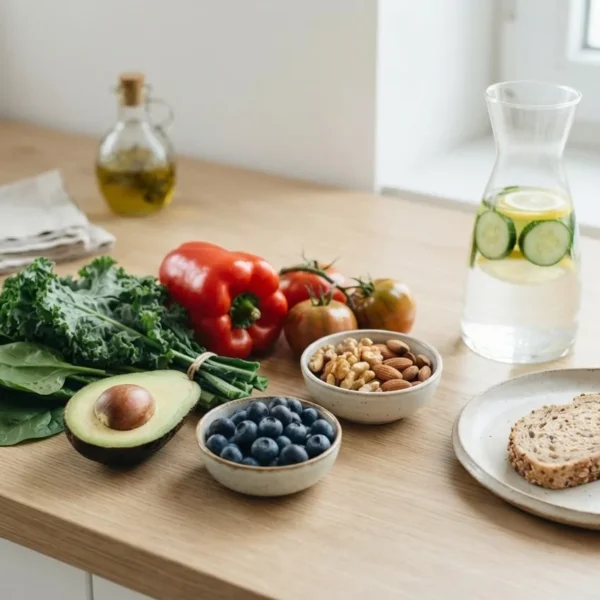
- Protein: Essential for muscle preservation, satiety, and metabolic health. A high protein 1200 calorie diet can help reduce hunger and support muscle retention. Prioritize lean sources: grilled chicken breast, turkey, Texas Gulf shrimp, black beans, and nonfat Greek yogurt.
- Carbohydrates: Provide energy for daily activity and brain function. Focus on high-fiber, whole-food carbs like leafy greens, roasted sweet potatoes, brown rice, and fresh Texan fruits.
- Fats: Necessary for hormone production, absorption of fat-soluble vitamins, and lasting satiety. Choose healthy fats in moderation: avocado slices, olive oil, or a sprinkle of Texas pecans.
Micronutrients: The Details that Matter
- Micronutrients (vitamins and minerals) become even more critical on lower-calorie diets. Dark greens, tomatoes, seasonal fruits, and beans add potassium, magnesium, vitamin C, and more.
- Plan for possible increased needs of calcium, vitamin D, iron, and B vitamins, since low-calorie menus risk under-supplying these unless carefully chosen.
Nutrient Density: Get More from Every Bite
- Choose foods that deliver “bang for your calorie buck”. Examples include grilled fish, eggs, salsa, roasted vegetables, and fresh fruit.
- Minimize “empty calorie” items (sodas, chips, sweets)—they crowd out nutrients you need.
Portion Control for Weight Loss:
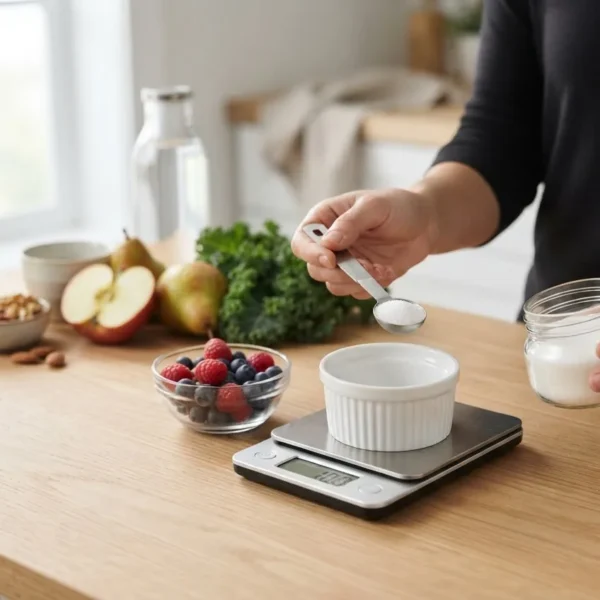
- Use smaller plates and bowls, pre-portion snacks, and practice mindful eating to avoid excess calories.
Meal Timing and Frequency
- Eat regular meals and snacks throughout the day (3 main meals, 1–2 snacks) to support satiety and manage hunger.
For foundational insight on balanced nutrition principles and visual guides to balanced meals, see our comprehensive guides.
For a theoretical and historical context, review traditional healthy eating frameworks and what a balanced diet means.
Key principle: Every calorie should contribute to your health, satiety, and progress—especially when working with a tight calorie budget like 1200 calories a day.
How to Create a Personalized 1200 Calorie Meal Plan
A personalized 1200 calorie meal plan means you design meals and snacks just right for your taste, schedule, and lifestyle—using the foods you love, including Texas favorites, while hitting your calorie target and macro goals. Here’s a proven step-by-step system, plus a practical real-world example and top tools for success.
- Calculate Your Calorie Needs
Use an online Total Daily Energy Expenditure (TDEE) calculator to ensure 1200 calories safely creates a calorie deficit for you. Most smaller, less active women see results at this level. For those unsure if 1200 is enough, consider adjusting calorie intake for individual needs. - Establish Your Macro Targets
Typical distribution for a weight loss 1200 calorie diet:
• Protein: 25–35% (75–105g/day)
• Carbohydrates: 35–45% (105–135g/day)
• Fats: 20–30% (27–40g/day)
For carb-conscious readers, see our guide to managing carbohydrate intake. - List Your Favorite Foods
Include protein (chicken, beans, eggs), carbs (brown rice, sweet potatoes), healthy fats (olive oil, avocado), and plenty of colorful produce—featuring Texas classics like tomatoes, citrus, squash, and pecans. Choose foods that are both satisfying and nutritious. - Build Meals Within Your Calorie Budget
Allocate calories per meal: typically 300–400 for breakfast, lunch, and dinner; 100–150 per snack.
Use appropriate portion sizes. For instance, a palm-sized piece of grilled chicken (~100g) is about 120 calories and 22g protein. - Plan for Variety and Adjustment
Swap similar foods as needed: chicken for fish, black beans for pinto, spinach for kale. This prevents boredom and increases micronutrient diversity. - Track and Refine
Use a nutrition app or printable worksheet (templates here) to log intake and catch accidental calories. Tweak your meal plan as you learn what keeps you full and energized.
Example: 1200 Calorie Meal Planning Walkthrough (Texas-Style)
- Goal: High protein, 1200 calories, 4 meals (3 meals + 1 snack), southern flavor
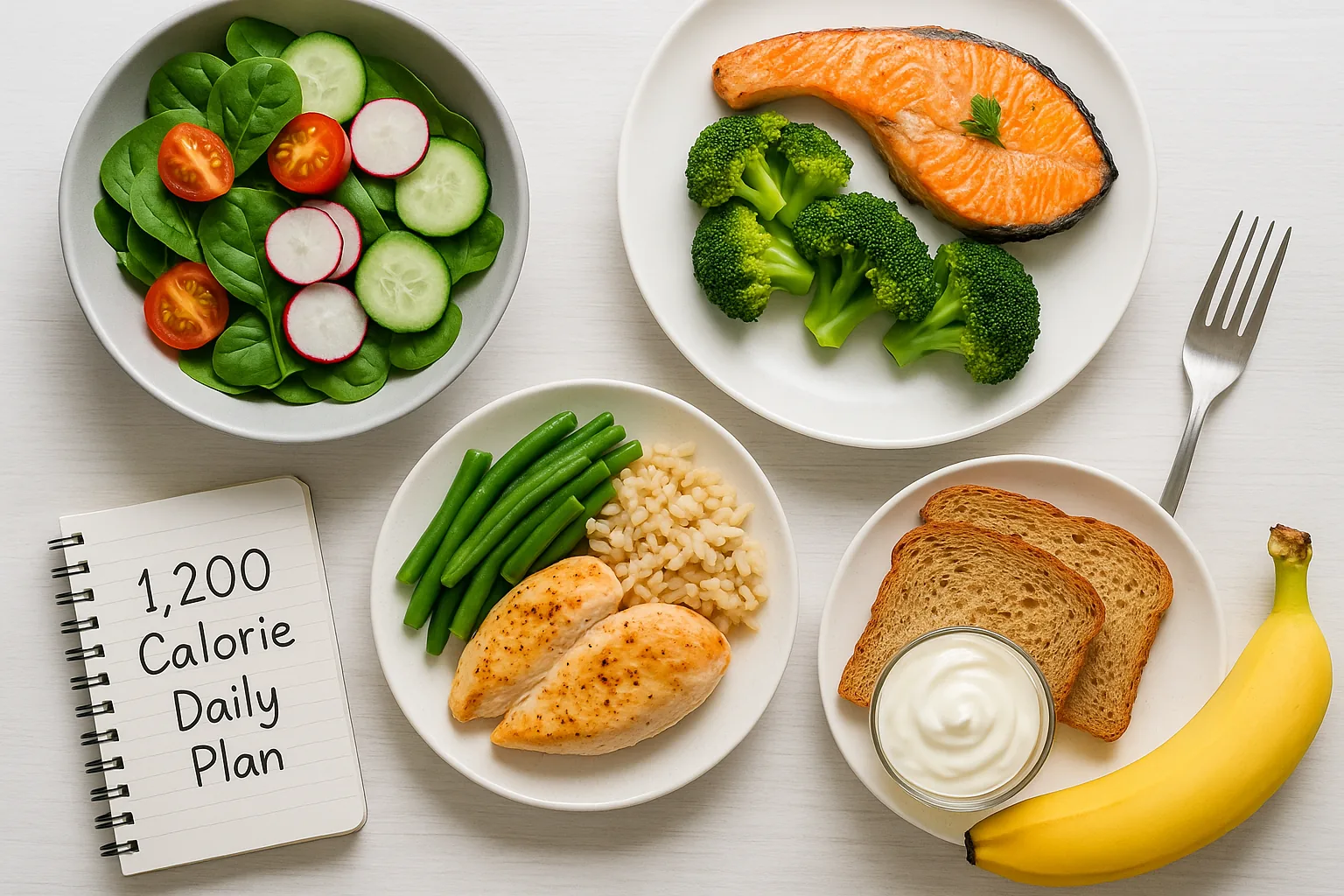
- Breakfast: 2 scrambled eggs (140 cal), 1 small orange (60 cal), 1 slice whole wheat toast (80 cal) = 280 cal
- Snack: Greek yogurt, plain nonfat (90 cal), 1/4 cup blueberries (20 cal) = 110 cal
- Lunch: Grilled chicken breast (120g, 150 cal), 1 cup mixed greens (15 cal) with salsa (15 cal), 1/2 cup black beans (90 cal), 1 tsp olive oil (40 cal) = 310 cal
- Dinner: Shrimp fajitas (100g shrimp, 100 cal), sautéed bell peppers and onions (60 cal), 1 small corn tortilla (60 cal), salad with 1 tbsp avocado (45 cal) = 265 cal
- Evening Snack (optional): 10 pecan halves (70 cal) = 70 cal
- Total: 1035 calories (allows for minor additions like a splash of skim milk in coffee or extra greens)
Adjust protein portions up (using guidance from our protein planning chart) to hit higher protein goals, or add/swap vegetables and fruits for more micronutrients. For consistent energy, refer to our choosing energy-boosting foods.
An anecdotal case: Maria, a Dallas teacher, used this meal planning system—with lean proteins, plenty of roasted Texas produce, and prepped snacks. She lost 18 pounds in 3 months (per her physician records), reported improved energy and satisfaction, and has sustained her habits by rotating high-protein “southwestern bowls” and grilled veggie sides each week.
Want more help? Our printable meal planner templates and macro planning guides make tracking and adjusting your meals simple and visual.
Sample 1200 Calorie Daily Meal Plan With High Protein Focus
Ready for specifics? This sample 1200 calorie meal plan shows how to distribute meals for hunger control, muscle preservation, and rich Texas flavors. Emphasis is on high-protein choices using accessible, culturally relevant ingredients.
| Meal | Food | Portion | Calories | Protein (g) | Notes |
|---|---|---|---|---|---|
| Breakfast | Huevos Rancheros: Egg, black beans, salsa, corn tortilla | 1 large egg, 1/3 cup black beans, 2 tbsp salsa, 1 small corn tortilla |
210 | 13 | Use spray oil; add spinach if desired |
| Snack | Lowfat Greek Yogurt + Strawberries | 5 oz yogurt, 1/2 cup berries |
90 | 14 | Choose plain for fewer added sugars |
| Lunch | Texas Grill Bowl: Chicken, roasted veggies, brown rice | 3 oz chicken breast, 1/2 cup roasted bell pepper/zucchini, 1/3 cup brown rice |
290 | 25 | Season with chili/lime |
| Snack | Pecan halves + Fresh peach | 10 pecan halves, 1 small peach |
90 | 1 | Classic Texas produce and nuts |
| Dinner | Grilled Shrimp + Texas summer salad | 4 oz shrimp, 2 cups mixed greens, cherry tomatoes, cucumber, 1 tbsp vinaigrette |
170 | 21 | Use olive oil/lime for dressing |
| Evening Snack | String cheese (reduced-fat) | 1 stick | 60 | 6 | If hungry before bed |
| Totals | 910* | 80 | Add extra veggies or fruit to reach 1200 depending on needs |
*Calories listed allow flexibility for coffee with milk (30 cal), extra veggies, or a light evening tortilla soup or side salad as desired.
Meal timing: Distribute 3 main meals (~300–400 calories each) and 2–3 small snacks (75–150 calories) to control hunger. Prioritize protein at every eating occasion for best results.
For visual guides to balanced meals and tips on plate composition, refer to our illustrated step-by-step strategies. If you’re plant-based or dairy-free, sub tofu for eggs/shrimp, or non-dairy yogurt for Greek yogurt. Explore more menu inspiration in our Texas-themed USA food guide.
Flexibility Is Key: Swap foods within the same macro group—use our serving size guide for substitutions. For a week-long plan, rotate proteins (eggs, chicken, fish, beans), flavor profiles (Mexican/Tex-Mex, Southern, classic American), and snack options to avoid boredom.
This high-protein 1200 calorie meal plan ensures you stay full, energized, and on track for weight loss—Texas-style.
Tips for Maintaining Nutritional Adequacy on a 1200 Calorie Diet
Cutting calories can sometimes mean cutting corners on essential nutrients. Here’s how to maintain micronutrient adequacy and meet the Recommended Dietary Allowance (RDA) of vitamins and minerals while following a 1200 calorie diet.
- Include at least 4 servings of non-starchy vegetables daily for vitamins, minerals, and fiber. Go for dark leafy greens, bell peppers, tomatoes, or Texas squash at every meal.
- Eat 1–2 servings of fresh fruit—such as oranges, berries, peaches, apples—daily for vitamin C, potassium, and antioxidants.
- Choose fortified nonfat dairy (or fortified soy), canned light tuna, or eggs for calcium and vitamin D.
- Vary protein: mix poultry, seafood, beans, and lean local beef for iron, zinc, and B vitamins.
- Include a source of healthy fat each day (small amount of avocado, olive oil, or nuts) to aid in absorption of fat-soluble vitamins A, D, E, and K.
Supplements may fill persistent gaps, especially for women or those with restrictive diets. Discuss with your physician; a standard multivitamin may help, but food-first is best.
For hydration, drink at least 8 cups of water daily—unsweetened tea and sparkling water count, and support fullness.
To see how RDA translates to daily eating, explore our in-depth adequate intake recommendations.
Be mindful of special needs (e.g., higher iron for menstruating women). If opting for vegetarian or vegan versions, use our plant-based guides and ensure B12 and omega-3 sources are included.
For maximizing energy within your limits, reference choosing energy-boosting foods and our essential nutrients breakdown.
For authoritative recommendations, see the Academy of Nutrition and Dietetics‘ 2024 guidelines on safe weight management.
- Monitor signs of deficiency (fatigue, hair changes, weakness) and adjust foods or consult care providers as needed.
- Combine plant and animal sources for nutrient synergy—for example, citrus with beans to boost iron absorption.
With attention to food variety and nutrient density, a 1200 calorie meal plan can be safe, nourishing, and effective for weight loss.
Common Challenges and Solutions on a 1200 Calorie Diet
Many people find the toughest part of a 1200 calorie diet plan isn’t just the numbers, but the real-world obstacles. Here are everyday challenges—plus practical solutions, strategies, and links to deeper resources for balance and success.
-
Persistent Hunger:
Solution: Prioritize high-protein foods and high-fiber vegetables every meal; spread meals/snacks evenly. For a practical framework, see our visual portion control strategies. -
Low Energy or Fatigue:
Solution: Ensure carbs at every meal, stay hydrated, and avoid crash dieting. Reference our list of energy-boosting foods. -
Risk of Nutrient Deficiencies:
Solution: Build in a variety of colorful produce, rotate protein sources, and consider a multivitamin if approved by your doctor. Explore our adequate intake recommendations. -
Meal Prep Fatigue:
Solution: Meal-prep proteins and vegetables on weekends, use batch cooking for beans and grains, and stock quick-serve items like nonfat yogurt or pre-washed greens. -
Dining Out or Social Events:
Solution: Plan ahead—check menus for grilled/steamed options, ask for sauces on the side, and compensate with lighter meals before/after. -
Losing Motivation or Stalling:
Solution: Set non-scale goals (energy, mood, fitness milestones), track progress, and celebrate successes. Consult with peers or registered dietitian for personalized tweaks.
Remember: It’s common for weight loss to slow after initial weeks. Consistency—not perfection—is the driver of long-term results.
Frequently Asked Questions About the 1200 Calorie Meal Plan
Have lingering questions about safe, sustainable, and enjoyable 1200 calorie meal plans for weight loss? You’re not alone. Below, we address common concerns—from how to personalize your plan, to the role of protein, to keeping your meals varied and Texas-flavorful. Click to jump to:
- What is a 1200 calorie meal plan and who is it suitable for?
- How does a 1200 calorie diet compare to other low-calorie diets like 1400 calories?
- How do I create a balanced 1200 calorie meal plan that includes all essential nutrients?
- How long can I safely follow a 1200 calorie eating plan for weight loss?
- Can a 1200 calorie diet provide enough protein for muscle maintenance?
- What are common problems when starting a 1200 calorie diet and how can I overcome them?
- Is the 1200 calorie diet safe for people with medical conditions or diabetes?
- How can I make a 1200 calorie meal plan more enjoyable and varied without going over calories?
Ready to dive deeper? Find each FAQ and its concise answer below for instant clarity.
Conclusion: Making the 1200 Calorie Meal Plan Work for You
A 1200 calorie meal plan can transform your health journey—if it’s built around balanced weight loss nutrition, flexibility, and real-world solutions. The key isn’t punishing restriction, but leveraging the building blocks of every meal: high-protein foods, colorful produce, healthy fats, and smart portion control—all tailored for sustainable results and Texas-friendly flavor.
Your calorie budget acts like a financial plan, ensuring every “spending choice” brings nutritious returns. Whether you work, raise a family, or enjoy active weekends at a Texas lake, meal planning can be both achievable and enjoyable with the right approach.
- Set realistic goals and celebrate non-scale wins—like better energy, improved digestion, and food confidence.
- Integrate new habits slowly: batch cook roasted vegetables, pre-portion nuts, swap rice for high-fiber grains like barley or farro.
- Rely on resources: nutrition labels, streamlined grocery lists, and our meal planner worksheets put daily wins at your fingertips.
- Remember, long-term success is built on consistency, positive mindset, and adapting your 1200 diet menu plan as your body responds.
According to the 2024 American Heart Association, a balanced approach—rather than extreme dieting—best supports health and weight management. If your needs shift (e.g., you become more active), adjust with the help of a registered dietitian; our guide to adjusting calorie intake for individual needs offers additional tips.
Always consult a healthcare provider before starting or restricting calories, and listen to your body’s signals. If any symptoms arise, revisit your approach and tweak your plan for better balance, energy, and satisfaction.
You have the power to achieve sustainable, joyful weight loss—one balanced meal at a time. Explore our library of resources and let your healthy journey begin today.
Frequently Asked Questions
What is a 1200 calorie meal plan and who is it suitable for?
A 1200 calorie meal plan is a structured diet limiting daily intake to 1200 calories, typically designed for weight loss. It may be suitable for smaller, less active women or under medical guidance, but is generally not recommended for most men, highly active individuals, or those with certain medical conditions.
How does a 1200 calorie diet compare to other low-calorie diets like 1400 calories?
A 1200 calorie diet is more restrictive than a 1400 calorie plan, often leading to faster weight loss but increased risk of hunger and nutritional gaps. A 1400 calorie plan offers slightly more flexibility and may be easier to sustain while still promoting weight loss.
How do I create a balanced 1200 calorie meal plan that includes all essential nutrients?
To create a balanced 1200 calorie meal plan, select nutrient-dense foods: lean proteins, whole grains, colorful vegetables, healthy fats, and fruits. Distribute calories across meals, prioritize variety, and include sources of all major vitamins, minerals, and adequate protein daily.
How long can I safely follow a 1200 calorie eating plan for weight loss?
A 1200 calorie eating plan can be safely followed for several weeks to a few months under professional supervision, provided nutrient needs are met. Extended use should be monitored by a healthcare provider to prevent nutrient deficiencies and support ongoing health.
Can a 1200 calorie diet provide enough protein for muscle maintenance?
Yes, if meals are planned carefully. Prioritize lean protein sources like poultry, fish, eggs, dairy, and legumes at each meal. Aim for at least 75-100 grams of protein per day to support muscle preservation while on a 1200 calorie diet.
What are common problems when starting a 1200 calorie diet and how can I overcome them?
Typical issues include hunger, low energy, meal boredom, and difficulty hitting nutrient needs. Overcome these by increasing protein and fiber, planning meals ahead, varying food choices, and using portion control and hydration strategies.
Is the 1200 calorie diet safe for people with medical conditions or diabetes?
A 1200 calorie diet may not be safe for all individuals with medical conditions or diabetes. Always consult a healthcare provider before starting; personalized adjustments may be needed to manage blood sugar, medications, or medical nutrition therapy.
How can I make a 1200 calorie meal plan more enjoyable and varied without going over calories?
Use herbs, spices, and citrus to boost flavor without extra calories. Rotate proteins, grains, and vegetables weekly. Try new recipes, portion out treats, and include culturally relevant dishes to keep your 1200 calorie meal plan interesting and enjoyable.