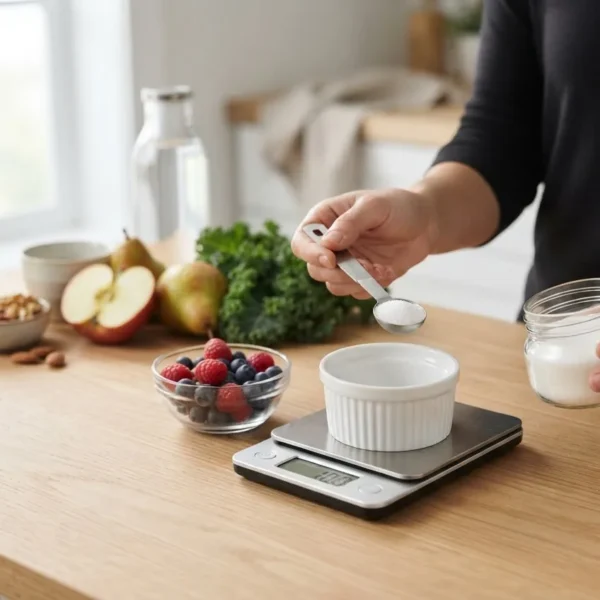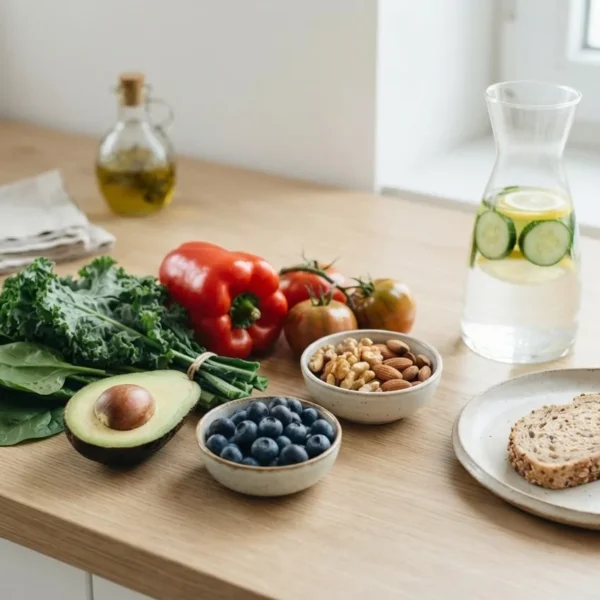
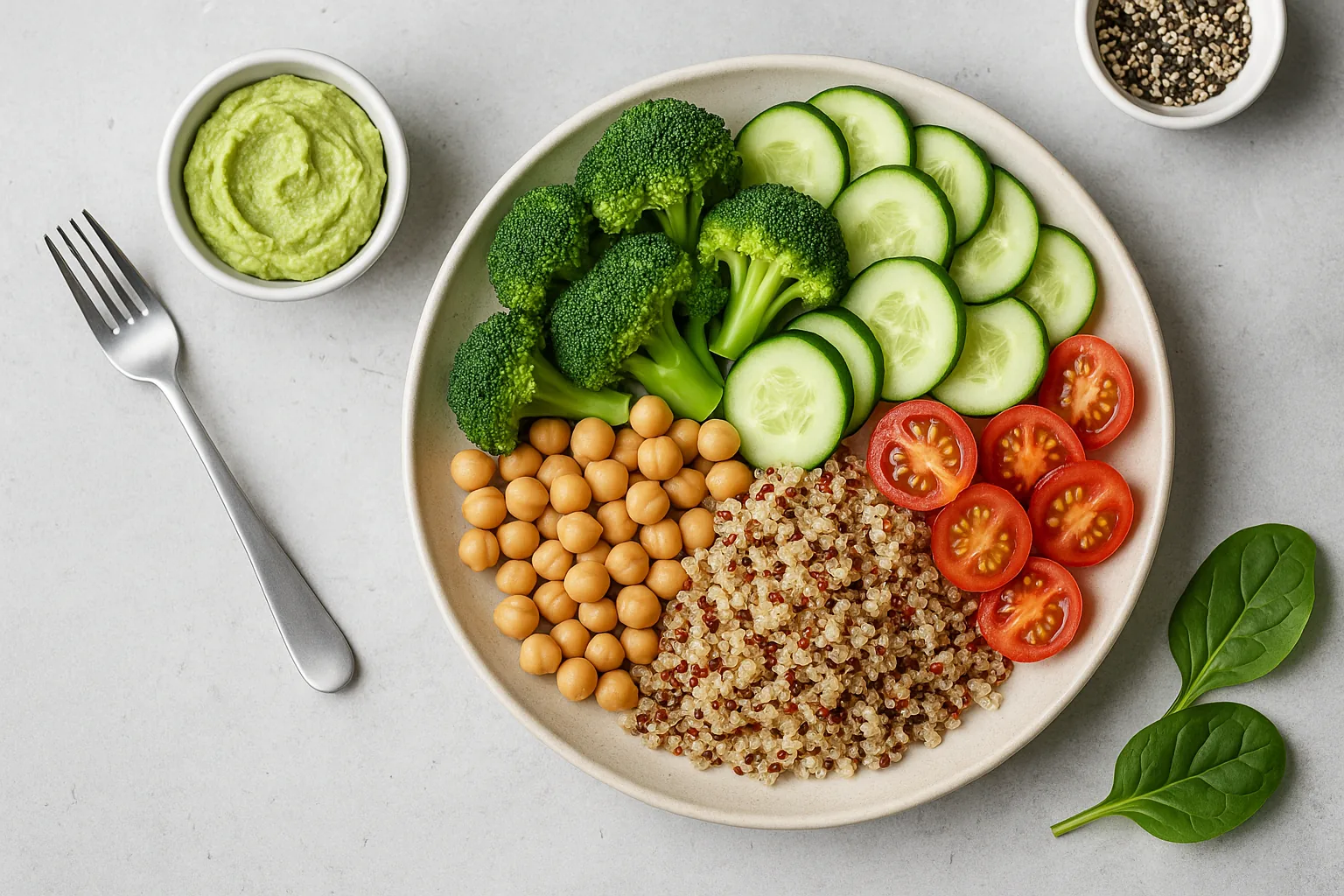
By the end of this guide you will have a ready-to-use, weekly plant based diet meal plan, a shopping list, and a repeatable prep workflow you can implement in 2–4 hours per week; assumes beginner-to-intermediate cooking skills and basic familiarity with measuring cups and a kitchen scale.
Introduction to Plant Based Diet Meal Plans
This hands-on section explains what a plant based diet meal plan delivers: predictable nutrition, reduced animal products, and menus built around legumes, whole grains, vegetables, nuts and seeds. You’ll learn how to balance macronutrients (carbohydrate, protein, fat) and cover micronutrients that commonly need attention in vegetarian eating. If you want definitions of diet terms used here, see this diet definition and meaning.
How this guide is organized: “Before you start” lists tools and basics; the following numbered steps take you from target setting to a finished 7-day plan. After the steps, you’ll find common mistakes, a verification checklist, Texas-specific tips, and a 7-day sample menu in a table for immediate use.
- Before you start: kitchen scale, measuring cups, notebook or spreadsheet, phone macro tracker app (optional), basic pantry staples (olive oil, canned beans, dry grains), Tupperware for meal prep.
- Time estimate: initial planning and shopping 90–180 minutes; weekly prep 2–4 hours; daily reheating or assembly 5–15 minutes.
- Skill level: beginner to intermediate. Recipes use simple techniques: roasting (400°F / 200°C), simmering, sautéing, overnight soaking/cooking for legumes.
- Set a nutrition target — Decide your daily goals: calorie range (if weight goals), protein target (0.7–1.0 g per lb bodyweight depending on activity), fiber (25–40 g/d), and key micronutrients (B12, iron, calcium, vitamin D). Use a macro tracker to log a few typical days to set realistic targets. For adult protein references and nutrient standards consult the adequate intake nutrition requirements.
- Inventory your pantry and fridge — List staples you already have: canned beans (chickpeas, black beans), dry lentils, quinoa, brown rice, rolled oats, nut butters, tofu/tempeh. This saves cost and prevents duplicate purchases.
- Choose core protein sources for the week — Pick 3–4 repeatable protein builds: (1) legume bowl with quinoa, (2) tofu stir-fry with veggies, (3) tempeh tacos, (4) mixed-nut yogurt bowl. Aim for 20–35 g protein per main meal for active adults; lower targets for sedentary individuals.
- Plan meals by day and time — Allocate protein, carbohydrate and fat per meal: breakfast (20–30% of daily calories), lunch (30–35%), dinner (30–35%), snacks (5–15%). This helps maintain energy and ensures even nutrient distribution.
- Create a repeatable shopping list — Group by category: produce, bulk/grains, canned/boxed, refrigerated, frozen, spices. Include quantities: e.g., 3 cans chickpeas (15 oz each), 1 lb dry lentils, 2 blocks firm tofu (14 oz each), 1 lb quinoa, 2 bunches kale, 6 avocados, 1 lb almonds.
- Batch-cook strategically — Roast two sheet pans of vegetables (425°F / 220°C for 25–35 minutes), cook a large pot of grains (1 cup dry quinoa = 3 cups cooked), simmer 3 cups dry lentils (≈6 cups cooked), bake or press tofu at 400°F for 30 minutes for texture. Divide into 4–6 portions.
- Assemble daily bowls and label — Portion meals in clear containers, label with date and contents. Refrigerate meals for up to 4 days; freeze extras in portions for up to 3 months.
- Track and adjust — Log two full days of intake during week 1. If protein is low, add 1/4 cup hemp seeds (≈10 g protein) or an extra 1/2 cup cooked lentils (≈9 g protein) per meal. If iron markers are low or you’re at risk, consult your provider for testing and consider supplementation as discussed later.
Transition: With the practical steps established, the next section explains the nutrition principles that underpin each choice so you can make smart swaps and maintain balance over weeks and months.
Core Nutrition Principles for a Balanced Plant Based Diet
This section translates nutrition science into practical rules. Follow these to design meals that cover energy and micronutrient needs while being plant-forward. When we talk about balanced eating below we are referring to the framework in the balanced nutrition guide explaining what a balanced diet means, which complements USDA guidance on portioning and variety.
Macronutrient targets (practical ranges):
- Protein: Aim for 0.36–0.6 g per lb bodyweight for most adults; active adults or older adults should target 0.55–1.0 g per lb. Include a source at each meal.
- Carbohydrate: 40–60% of daily calories from primarily whole grains, starchy vegetables, fruits—choose lower-glycemic options for blood sugar control; see consistent carbohydrate diet principles for timing guidance.
- Fat: 20–35% of calories with emphasis on mono- and polyunsaturated sources (olive oil, avocado, nuts, seeds) and including 1–2 servings of omega-3–rich foods per week (chia, flax, walnuts).
Micronutrient priorities and practical approaches:
- Vitamin B12: Not reliably available in unfortified plant foods. Adults should use fortified foods or a supplement. According to a 2023 USDA report on dietary patterns, fortified foods and supplementation are the most consistent sources for vegetarians and vegans — consult a clinician for testing.
- Iron: Plant iron is non-heme iron; absorption is lower than heme iron from animal foods. Enhance absorption by pairing iron-rich plants (lentils, spinach, fortified cereals) with vitamin C sources (bell peppers, citrus). Avoid tea/coffee within one hour of iron-rich meals.
- Calcium: Obtain from fortified plant milks, leafy greens (kale, bok choy), tofu set with calcium sulfate, and sesame products (tahini). Standard adult RDA (Recommended Dietary Allowance) varies by age—see the RDA for exact amounts by age and sex.
- Vitamin D: Sun exposure is variable; consider testing and supplementing in winter months or for limited sun exposure.
Practical absorption tips:
- Pair iron-rich meals with vitamin C (e.g., lentil salad with orange segments).
- Soak and rinse legumes and grains to reduce phytates that inhibit mineral absorption.
- Include fermented soy (tempeh) and sprouted grains to slightly improve bioavailability of some nutrients.
Evidence and authority: The Academy of Nutrition and Dietetics states that appropriately planned vegetarian and vegan diets are healthful and nutritionally adequate for all life stages. For portioning and national recommendations consult the USDA MyPlate resources — USDA and for professional position statements see the Academy of Nutrition and Dietetics at eatright.org. For cardiovascular risk reduction via plant-forward eating see guidance from the American Heart Association at heart.org.
Transition: With the principles above, the following section lists the practical foods to reach those targets.
Essential Plant-Based Foods and Protein Sources
Below are core food categories and specific choices to prioritize. Think of each item as a building block to mix and match across the week.
- Legumes (beans, lentils, chickpeas) — High in protein and fiber. One cup cooked lentils ≈ 18 g protein and 16 g fiber. Use in soups, stews, salads, or blended for spreads (e.g., hummus).
- Soy products (tofu, tempeh, edamame) — Complete plant proteins. Firm tofu (100 g) ≈ 8–12 g protein depending on brand; tempeh often provides ≈ 15–19 g protein per 100 g and adds texture to stir-fries and tacos.
- Whole grains (quinoa, farro, brown rice) — Quinoa is higher in protein (~8 g per cooked cup) and pairs well with legumes; whole grains also supply B vitamins and minerals.
- Nuts and seeds — Almonds, walnuts, chia, hemp, and flax. One serving of hemp seeds (3 tbsp) ≈ 10 g protein; chia and flax provide fiber and ALA omega-3s.
- Dairy and fortified alternatives — Greek yogurt or fortified plant milks add calcium and B12 when fortified. One cup fortified soy milk often mirrors cow’s milk for protein (~7 g).
- Vegetables with meaningful protein — Broccoli, spinach, peas, and mushrooms contribute protein and micronutrients; combine with legumes/grains for balanced meals.
- Seitan (wheat gluten) — High-protein option (~25 g per 100 g) for non-gluten-sensitive people; useful for meat-like texture in recipes.
- Fortified cereals and nutritional yeast — Good for B12 (nutritional yeast often fortified) and iron; read labels and portion accordingly.
- Convenience plant proteins — Canned beans, pre-cooked lentils, and frozen edamame speed meal prep; buy plain varieties to control sodium.
Transition: Next, we put these foods into a structural framework so each meal reliably hits macronutrient and micronutrient targets.
Structuring a Balanced Plant Based Diet Meal Plan
This how-to section gives step-by-step plate composition, portion targets, and meal timing to keep nutrients steady across the day. Visual aids can help—see the balanced diet images guide for example plates.
- Build plates using the healthy plate model: Aim for roughly 1/2 vegetables and fruit, 1/4 whole grains and starchy vegetables, 1/4 protein-dense foods. For a visual reference, see the healthy plate model.
- Set portion sizes: Use these practical rules: 1 cup cooked grain = 1 serving, 3/4–1 cup cooked legumes = 1 serving protein, 1–2 tbsp nuts/seeds per snack, 1 tbsp oil per meal. For energy targets: breakfast 400–600 kcal, lunch 500–700 kcal, dinner 500–700 kcal, snacks 100–250 kcal depending on total daily needs.
- Plan snack strategy: Two daily snacks can stabilize energy: e.g., apple + 2 tbsp almond butter (≈8–10 g protein), or a small trail mix (1/4 cup nuts + 2 tbsp seeds).
- Nutrient timing: Spread protein fairly evenly (e.g., 20–35 g per main meal). If strength training, include 20–30 g protein within 60 minutes post-workout using soy yogurt + hemp seeds or a legume bowl.
- Weekly rotation: Repeat two core breakfasts, three lunches, and three dinners per week. Variety comes from sauces, spices, and vegetable swaps to prevent menu fatigue while keeping prep predictable.
Transition: With these structure rules, the table below provides a ready-to-use 7-day meal plan built to meet balanced vegetarian nutrition principles.
Sample 7-Day Plant Based Diet Meal Plan for Balanced Vegetarian Nutrition
This table gives daily menus, portion cues, and quick notes. It targets moderate adult energy needs (~1800–2200 kcal/day) with ~20–30% of calories from protein sources distributed across meals. If you need a calorie-specific alternative, see the 1200 calorie meal plan for balanced weight loss or the 1400 calorie meal plan for a healthy balanced diet for calorie-targeted variations. For extra energy-focused meals, see the energetic diet plan for energy optimization.
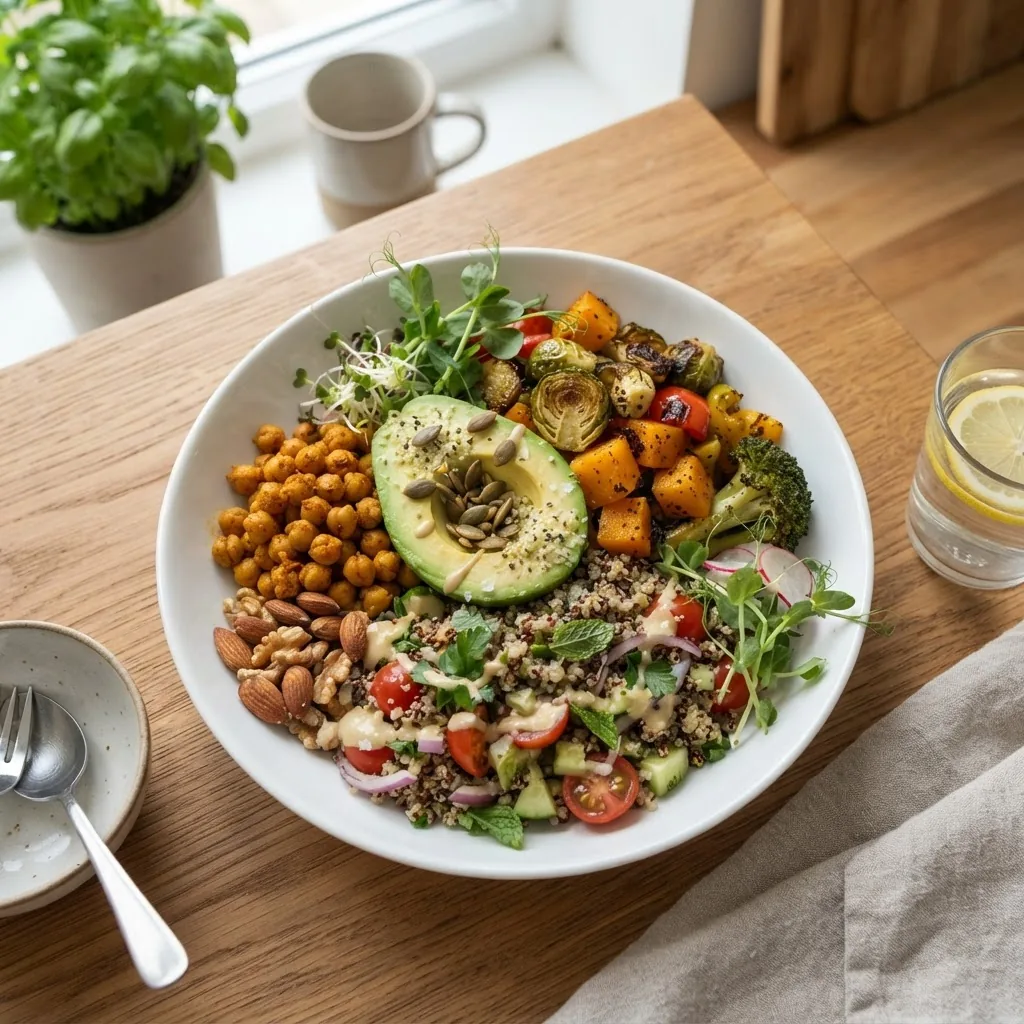
| Day | Breakfast | Lunch | Dinner | Snacks / Notes |
|---|---|---|---|---|
| Monday | Overnight oats: 1/2 cup rolled oats, 1 cup fortified soy milk, 2 tbsp chia, 1/2 cup berries (≈15 g protein) | Quinoa chickpea salad: 1 cup quinoa, 3/4 cup chickpeas, mixed greens, lemon-tahini dressing (≈25 g protein) | Tofu & veggie stir-fry: 1 block firm tofu (200 g), 2 cups mixed veg, 1 cup brown rice (≈35 g protein) | Apple + 2 tbsp almond butter (≈8–10 g protein) |
| Tuesday | Green smoothie: 1 cup spinach, 1 banana, 1 scoop soy protein (20 g), 1 tbsp flax | Lentil soup (1.5 cups cooked lentils), whole-grain roll, side salad (≈30 g protein) | Tempeh tacos: 150 g tempeh, corn tortillas (3), cabbage slaw, avocado (≈30 g protein) | Carrot sticks + hummus (1/2 cup) |
| Wednesday | Tofu scramble: 150 g firm tofu, turmeric, spinach, 1 slice whole-grain toast (≈20 g protein) | Farro & white bean bowl with roasted root veg and kale (≈28 g protein) | Chickpea curry over 1 cup basmati rice, side cucumber salad (≈25 g protein) | Handful walnuts + orange |
| Thursday | Greek-style soy yogurt (1 cup), 1/4 cup granola, 2 tbsp hemp seeds (≈20 g protein) | Mediterranean wrap: whole-grain tortilla, roasted veg, 3/4 cup white beans, greens (≈22 g protein) | Seitan stir-fry (for those without gluten concerns), 1 cup quinoa (≈40 g protein) | Banana + 2 tbsp peanut butter |
| Friday | Buckwheat pancakes (1 cup batter) + almond butter, berries (≈15 g protein) | Soba noodle salad with edamame (1 cup), mixed veg, sesame dressing (≈25 g protein) | Vegetable lasagna with ricotta or tofu ricotta, side salad (≈22 g protein) | Trail mix (1/4 cup) |
| Saturday | Savory breakfast bowl: 1/2 cup cooked farro, sautéed greens, 1/2 cup black beans, avocado (≈20 g protein) | Grain bowl: millet, roasted sweet potato, lentils, tahini (≈28 g protein) | Grilled vegetable kebabs + tempeh skewers, couscous salad (≈30 g protein) | Greek-style soy yogurt + fruit |
| Sunday | Chia pudding (3 tbsp chia + 1 cup soy milk) with nuts and fruit (≈15 g protein) | Big salad with roasted beets, walnuts, 3/4 cup lentils, greens, vinaigrette (≈25 g protein) | Veggie burger (legume-based) on whole grain bun, baked fries (≈28 g protein) | Sliced bell pepper + guacamole |
Notes: Adjust portion sizes for higher or lower calorie targets. Swap grains and legumes to maintain variety. For a calorie-restricted plan see the 1200 calorie meal plan for balanced weight loss; for slightly higher baseline calories see the 1400 calorie meal plan for a healthy balanced diet. If you need higher daily energy for athletic training, consult the energetic diet plan for energy optimization.
Transition: The sample week provides practical meals, but real-world implementation can create specific challenges; the next section addresses common issues and evidence-based solutions.
Common Nutritional Challenges and Solutions in Plant Based Diets
Vegetarian meal plans are safe and healthful when planned; challenges arise when variety, portioning, or key micronutrients are neglected. Below are common issues and step-by-step fixes.
- Low protein intake:
- Solution: Add a concentrated plant protein at meals—3 tbsp hemp seeds (~10 g), 1 scoop soy protein (~20 g), or 1/2 cup cooked lentils (~9 g).
- Practical tip: Pre-portion 3 tbsp hemp or 1/4 cup shelled edamame into snack bags for quick boosts.
- Iron deficiency risk:
- Explainers: Plant iron is non-heme iron. To improve absorption pair iron foods with vitamin C (e.g., spinach salad + orange slices). Avoid polyphenol-rich beverages (tea, coffee) near meals.
- When to test: If you experience fatigue or lightheadedness, request serum ferritin testing from your provider.
- Vitamin B12 insufficiency:
- Solution: Use fortified foods (fortified plant milk, fortified nutritional yeast) or take a B12 supplement (typical dose 25–100 mcg/day cyanocobalamin or 1000 mcg weekly cyanocobalamin for some protocols). Discuss dosing with a healthcare provider.
- Low calorie or low energy:
- Solution: Increase energy density with nuts, seeds, avocado, healthy oils. Add 1–2 tbsp olive oil or 1/4 cup nuts to meals to add ~200 kcal without a large volume increase.
- Digestive changes (high fiber):
- Solution: Increase fiber gradually over 7–10 days, hydrate (aim 2.7–3.7 L/day of fluids depending on sex/activity), and use cooked vegetables and peeled fruits initially if raw veg causes bloating.
Supplementation considerations: Use testing to drive decisions. According to a 2024 industry report on clinical nutrition testing, targeted supplementation guided by labs reduces unnecessary nutrients and optimizes outcomes. Common supplements for many plant-based eaters include vitamin B12, vitamin D in winter, and sometimes iron if deficiency is confirmed.
Transition: Finally, practical regional adjustments improve sustainability and flavor—read on for Texas-specific shopping and seasonal tips.
Tips for Implementing a Plant Based Diet Meal Plan in Texas
Texas offers abundant seasonal produce and local flavors—use them to keep plant-based menus appealing and budget-friendly. Plan around regional availability and markets.
- Seasonality and local produce: Spring: asparagus, strawberries; Summer: tomatoes, okra, peppers; Fall: sweet potatoes, greens; Winter: citrus, winter squashes. Buy in-season for price and flavor.
- Texan flavor adaptation: Incorporate smoked paprika, cumin, cilantro, and charred peppers. Create plant-based versions of local dishes: black bean tamales, smoky tempeh fajitas, grilled corn and avocado salad.
- Shopping tips: Visit farmers’ markets for bulk deals on tomatoes and peppers in summer. Buy in-season and freeze extras (blanching vegetables before freezing preserves texture).
- Budget-friendly swaps: Use dry beans and lentils (cheaper per protein gram than many meat substitutes), buy grains in bulk, and opt for store-brand fortified plant milks.
- Hydration and fiber in hot climates: Drink 2.7–3.7 L/day depending on activity and heat exposure; include hydrating foods like cucumbers, watermelon, and broths. Increase electrolytes (salt and potassium-rich foods) during long outdoor activities.
Transition: Below are common mistakes I’ve observed in practice and how I corrected them for clients during implementation.
Common mistakes and how to avoid them
I often see the same avoidable errors when people shift to plant-based eating. Here’s first-person insight from clinical and coaching experience.
- Underestimating protein needs: I once designed a week-long plan for a client that relied heavily on grains and salads; their protein fell to 45 g/day. Fix: I added a 3/4 cup lentil salad at lunch and a 2-tbsp hemp seed topping to breakfast, raising daily protein by ~25 g.
- Neglecting B12: I had a young vegetarian who assumed tofu covered B12. After testing, they were deficient. Fix: we added a daily 50 mcg B12 supplement and fortified plant milk, with follow-up labs after 8 weeks.
- Poor meal structure leading to low energy: One busy parent ate small low-protein breakfasts and felt fatigued by noon. Fix: switch to overnight oats with soy protein and 2 tbsp nut butter for sustained energy.
Checklist: Verify your plant based meal plan
- Each main meal includes a protein source: legume, soy, seitan, or concentrated protein (yes/no)
- Daily intake includes at least one source of vitamin B12 via fortified food or supplement (yes/no)
- Iron sources are paired with vitamin C at least once per day (yes/no)
- Fiber target of 25–40 g/day is achievable with planned meals (yes/no)
- Shopping list includes quantities for 7 days and storage plan for batch-cooked items (yes/no)
When to call in a professional
Consult a registered dietitian or clinician if you have: diagnosed iron-deficiency anemia, pregnancy or lactation, chronic kidney disease, eating disorder history, or if you plan major supplementation beyond standard B12 and vitamin D. Seek medical testing before starting therapeutic doses of iron or vitamin D.
Conclusion and Encouragement for Balanced Vegetarian Eating
You now have a practical, repeatable workflow: set targets, inventory pantry staples, choose core proteins, batch-cook, and assemble meals. This approach protects nutrient adequacy, simplifies shopping, and helps you enjoy vibrant, Texan-flavored plant-based meals. According to a 2023 USDA report on dietary patterns, shifting toward plant-forward eating patterns supports cardiovascular and metabolic health when nutrient needs are met. Start with one week from the sample plan, track two days, and adjust protein and iron strategies as needed. If you want immediate structure for weight loss or higher energy, explore the linked calorie-specific plans in the Sample Week section.
Ready to begin? Use the checklist, pick a shopping day, and commit to one full week using the recipes above. If you’d like a printable version or tailored adjustments, consider booking time with a registered dietitian.