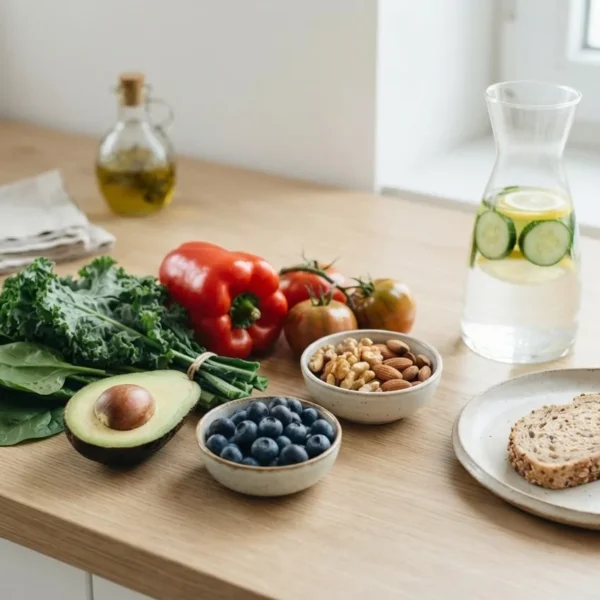
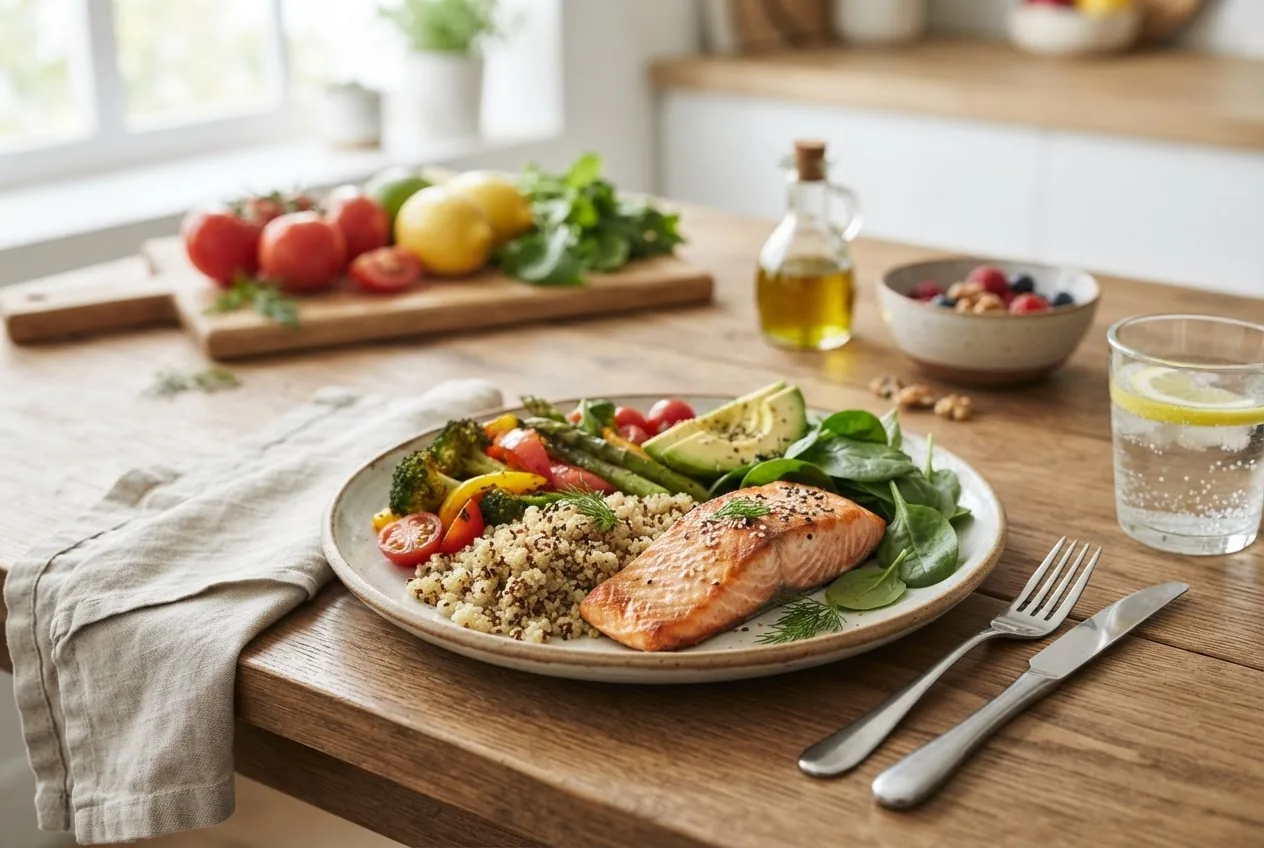
food pyramid food explains visually which food groups and relative portions form a healthy diet; the modern healthy plate (MyPlate) simplifies that guidance into plate fractions—half vegetables and fruits, one quarter grains, one quarter protein, plus dairy—so you can build balanced meals every day.
Introduction to the Food Pyramid Food Guide
Answer: The food pyramid food guide is a visual system that ranks food groups by recommended relative intake to help people assemble balanced diets; it evolved from a layered pyramid to the MyPlate plate model to emphasize plate composition and practical meal building.
Term: food pyramid — a diagram organizing food groups into levels showing relative recommended intake.
The food guide pyramid and the food and nutrition pyramid began as educational tools showing how many servings of each food group people should eat. The classic pyramid highlighted grains at the base and fats at the tip; later revisions and the USDA’s MyPlate shifted toward plate-based guidance for meal-level decisions.
How this guide helps: This article blends the classic food pyramid chart and the healthy plate model into a practical framework you can use daily—covering servings per food group, portion visuals, and stepwise meal examples with Texas-friendly food swaps.
For deeper context on foundational concepts, read our balanced diet principles.
Transition: The food pyramid’s history explains why many guidance systems shifted to a plate model—next we break down the traditional pyramid and its servings.
Understanding the Traditional Food Pyramid Food Model
Answer: The traditional food pyramid grouped foods into layers and assigned recommended daily servings by group—typically grains at the base, then fruits/vegetables, then protein/dairy, with fats and sweets at the top to consume sparingly.
Term: serving — a standard amount of a food used to quantify recommendations (examples given below).
The original food pyramid and subsequent food and nutrition pyramid diagrams provided clear visual hierarchy: the more foundational a group, the more servings were recommended. Below is a practical breakdown of common pyramid food groups and typical daily servings for an average adult (general guidance; individual needs vary):
- Grains (base of pyramid)
- Recommended servings: 6–8 servings per day for active adults in earlier pyramid guidance; modern guidance emphasizes whole grains as primary.
- Serving examples: 1 slice whole-grain bread, ½ cup cooked rice or pasta, 1 cup cold cereal.
- Vegetables
- Recommended servings: 3–5 servings daily in older pyramid formats; current plate models prefer filling half your plate with vegetables and fruits combined.
- Serving examples: 1 cup raw leafy greens, ½ cup cooked vegetables, ½ cup 100% vegetable juice.
- Fruits
- Recommended servings: 2–4 servings daily historically; adjust by energy needs.
- Serving examples: 1 medium fruit, ½ cup chopped fruit, ½ cup fruit juice (limit juice).
- Dairy
- Recommended servings: 2–3 servings daily (milk, yogurt, cheese) to provide calcium and vitamin D.
- Serving examples: 1 cup milk or yogurt, 1.5 oz natural cheese.
- Protein (meat, beans, nuts)
- Recommended servings: 2–3 servings daily in traditional pyramid guidance; emphasis on lean proteins, legumes, nuts, and seafood.
- Serving examples: 3 oz cooked lean meat, ½ cup cooked beans, 1 egg, 2 tbsp peanut butter.
- Fats, oils, sweets (top of pyramid)
- Recommended: Consume sparingly; limited to small amounts of healthy oils and occasional sweets.
- Serving examples: 1 tsp oil, small serving of dessert once in a while.
Historical context: The Food Guide Pyramid popularized in the 1990s prioritized daily servings across these groups. For a focused look at that early model, see the history of USDA food pyramid.
Portion visual tips: Use household comparisons—your fist ≈ 1 cup of vegetables or rice, palm ≈ 3–4 oz of protein, thumb ≈ 1 tablespoon of fat—to estimate servings without a scale.
Clarification on adequate intake: older pyramids listed servings but not specific nutrient intake; modern guidance relates servings to energy and nutrient needs, while adequate intake recommendations translate those servings into nutrient targets.
Transition: Understanding traditional servings sets the stage for comparing the USDA pyramid to the modern healthy plate model, which emphasizes meal-level composition.
The USDA Food Pyramid vs. the Modern Healthy Plate Model
Answer: The USDA food pyramid is a layered hierarchy of food groups focused on daily servings, while the healthy plate (MyPlate) is a meal-level graphic dividing a plate into proportions—half vegetables and fruits, one quarter grains, one quarter protein—plus a side dairy cue.
Term: MyPlate / healthy plate model — a USDA plate-shaped icon that shows recommended proportions at each meal.
| Feature | USDA Food Pyramid | Healthy Plate (MyPlate) |
|---|---|---|
| Primary focus | Daily servings across food groups and a hierarchy of recommended frequency. | Meal-level plate composition emphasizing portion of colors and food groups on a single meal plate. |
| Visual format | Vertical triangle divided into bands for each group. | Circular plate segmented into halves/quarters with a dairy icon. |
| Key message | Eat more from base groups (grains, vegetables) and less from tip (fats/sugars). | Create balanced meals at each eating occasion: half veggies/fruits, quarter grains, quarter protein. |
| Ease of use | Better for planning weekly intake; requires translation for single meals. | Instantly actionable at mealtime—easy plate-based swaps and visual checks. |
The shift from pyramid to plate reflects practice-based learning: according to the 2020 USDA Dietary Guidelines for Americans (official guidance), emphasizing meal composition helps consumers implement nutrient targets more easily at each eating occasion. For the USDA source, see Dietary Guidelines for Americans.
Practical difference summary:
- The pyramid is useful for understanding daily totals and food group emphasis (food pyramid graph, food triangle comparison).
- The plate model converts those totals into a simple rule-of-thumb for every meal (balanced diet healthy plate, healthy meal plate, diet plate).
For more on modern adjustments and updates to pyramid-style guidance, consult our modern food pyramid updates.
Transition: After comparing formats, the next section lists each food group and the balanced diet principles that determine how much of each you should eat.
Components of a Balanced Diet According to the Food Pyramid and Plate
Answer: Both models agree on five core food groups—grains, vegetables, fruits, protein, and dairy—with emphasis on whole grains, a variety of vegetables, lean proteins, limited added sugars, and appropriate serving sizes aligned with adequate intake standards.
Term: adequate intake — the recommended average daily nutrient level assumed sufficient for most healthy individuals, used to translate food servings into nutrient planning.
The following lists show each food group, common daily serving ranges used by earlier pyramids and current plate-focused guidance, plus nutrient roles and Texas-friendly food examples.
- Vegetables (Primary recommendation: fill half your plate with vegetables + fruits)
- Typical guidance: Aim for 2–4 cups of vegetables daily, with half of your plate at most meals being non-starchy vegetables.
- Nutrient role: fiber, vitamins A/C/K, potassium, phytonutrients for disease prevention.
- Texas examples: sautéed bell peppers, roasted sweet potatoes, collard greens, grilled corn (watch portions).
- Fruits
- Typical guidance: 1.5–2 cups daily; emphasize whole fruit over juice.
- Nutrient role: fiber, vitamin C, potassium.
- Texas examples: citrus segments, fresh berries, melon slices, baked apples.
- Grains (preferably whole grains)
- Typical guidance: 3–8 ounce-equivalents daily depending on age/activity; at meals, grains often take up one quarter of the plate in MyPlate.
- Nutrient role: energy, B vitamins, fiber (when whole).
- Serving examples: 1 ounce = 1 slice bread, ½ cup cooked rice or pasta, 1 cup cereal.
- Texas examples: whole-grain tortillas, brown rice, quinoa-based salads.
- Protein
- Typical guidance: 5–6.5 ounce-equivalents daily for many adults; MyPlate places protein as a quarter plate at each meal.
- Nutrient role: amino acids for tissue repair, iron, B12 (in animal sources).
- Healthy choices: lean meats, poultry, seafood, beans, lentils, tofu, nuts.
- Texas examples: grilled chicken, black bean tacos, smoked fish in moderation.
- Dairy (or fortified alternatives)
- Typical guidance: 2–3 cups or equivalents per day to supply calcium and vitamin D.
- Nutrient role: calcium, vitamin D, protein.
- Alternatives: fortified plant milks, soy yogurt for those avoiding dairy.
- Fats, oils, and added sugars
- Typical guidance: Limit saturated fat and added sugars; use small amounts of healthy oils (olive, canola) and minimize processed sweets and fried foods.
- Serving examples: 1 teaspoon oil ≈ 40 calories; keep discretionary calories small.
Recommended daily amounts depend on age, sex, and activity level—translate servings into nutrient needs by consulting adequate intake recommendations and official USDA tables.
External sources and authority: According to the 2020 USDA Dietary Guidelines for Americans (policy guidance), prioritizing vegetables, fruits, whole grains, and lean proteins and limiting sodium, saturated fat, and added sugars reduces chronic disease risk; for context on public health impacts, see the CDC’s nutrition resources at CDC Nutrition.
Transition: With components clear, below are precise, practical steps to use the healthy plate model when building daily meals, including Texas-friendly examples and household-item portion estimates.
How to Use the Healthy Plate Model to Build Daily Meals
Answer: Use MyPlate by dividing your real plate into sections—half vegetables and fruits, one quarter whole grains, one quarter protein, plus a dairy serving—then scale portions across meals to meet daily needs while applying simple household-portion rules.
Term: portion — the amount of food you choose to eat at one time; different from a standardized serving but estimated using visual cues.
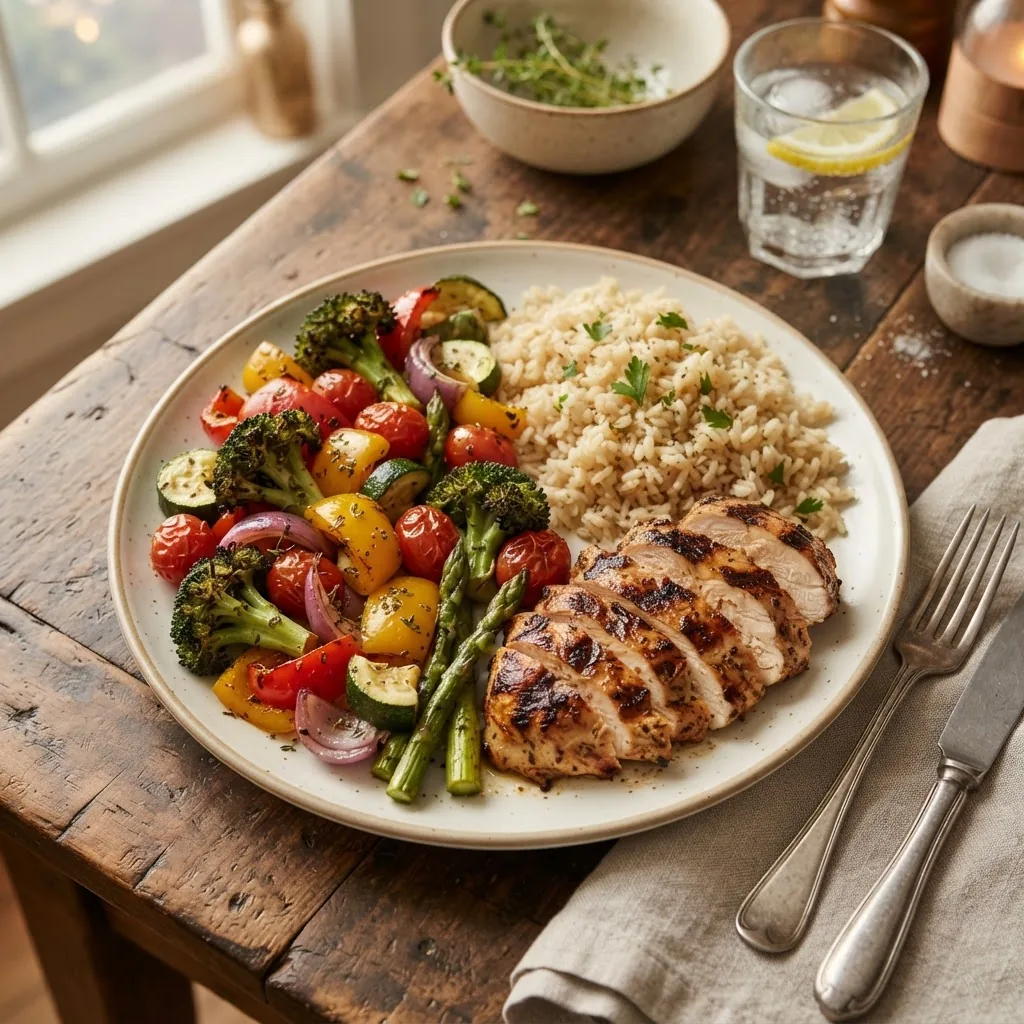
- Step 1 — Start with vegetables and fruits: fill half your plate
Make at least half of your plate non-starchy vegetables and fruits at each meal—this increases fiber and micronutrients and lowers energy density. Aim for color variety: leafy greens, orange veg, cruciferous veg, and seasonal fruits.
- Step 2 — Assign one quarter to whole grains
Choose whole grains when possible: brown rice, whole-wheat bread, quinoa, whole-grain tortillas. A quarter-plate portion usually equals ½ to 1 cup cooked grain depending on plate size.
- Step 3 — Allocate one quarter to lean protein
Lean protein portion sizes: palm-sized (3–4 oz) portions of cooked meat, or ½ cup cooked beans; this supports satiety and muscle maintenance.
- Step 4 — Add a dairy or dairy alternative
Include a small side of milk, yogurt, or fortified plant milk (1 cup) or a cheese serving when appropriate, or use small portions of fortified alternatives to meet calcium needs.
- Step 5 — Use household item visuals to estimate servings
- Fist ≈ 1 cup (vegetables, grains)
- Palm (thickness) ≈ 3–4 oz cooked protein
- Thumb ≈ 1 tbsp (oils, nut butter)
- Deck of cards ≈ 3 oz meat
- Step 6 — Plan meals across the day, not per plate alone
If lunch is heavier on grains, make dinner richer in vegetables and protein. Use MyPlate as a flexible template for each meal while tracking daily totals to match energy needs; for calorie-focused plans, see our balanced meal plans for weight management and healthy balanced diet meal plans.
- Step 7 — Master portion control
Practice with a portion guide: serve on smaller plates, pre-portion snacks, and use measuring cups initially. For detailed serving sizes, consult our portion sizes for balanced meals.
Examples of full-day plate applications (Texas adaptations):
- Breakfast: Scrambled eggs with sautéed spinach and tomatoes (half plate vegetables), 1 whole-wheat tortilla (quarter grains), 1 small serving of cottage cheese or milk (dairy).
- Lunch: Grilled chicken salad with mixed greens, grilled corn, beans, quinoa on the side (plate split: half veg+fruit, quarter protein, quarter grains).
- Dinner: Baked fish with roasted sweet potato (quarter grains/starch) and large mixed vegetable medley (half plate), plus a small glass of milk.
Behavioral tip: Plate-based rules make meal choices quicker—when dining out, mentally apply the plate rule to portion swaps (e.g., ask for a side salad instead of fries).
Transition: Visual resources help translate these rules into daily practice—next we explain how to read and use specific charts and images.
Visual Aids: Food Pyramid Chart and Healthy Plate Diagram Explained
Answer: Visual aids convert abstract serving counts into intuitive compositions: the food pyramid chart shows daily group emphasis and quantities, while the healthy plate diagram depicts per-meal proportions—both are tools to guide shopping, meal prep, and plate checks.
Term: food pyramid chart — a diagram that stacks food groups by recommended relative intake; healthy plate diagram — a circular graphic showing plate fractions for a single meal.
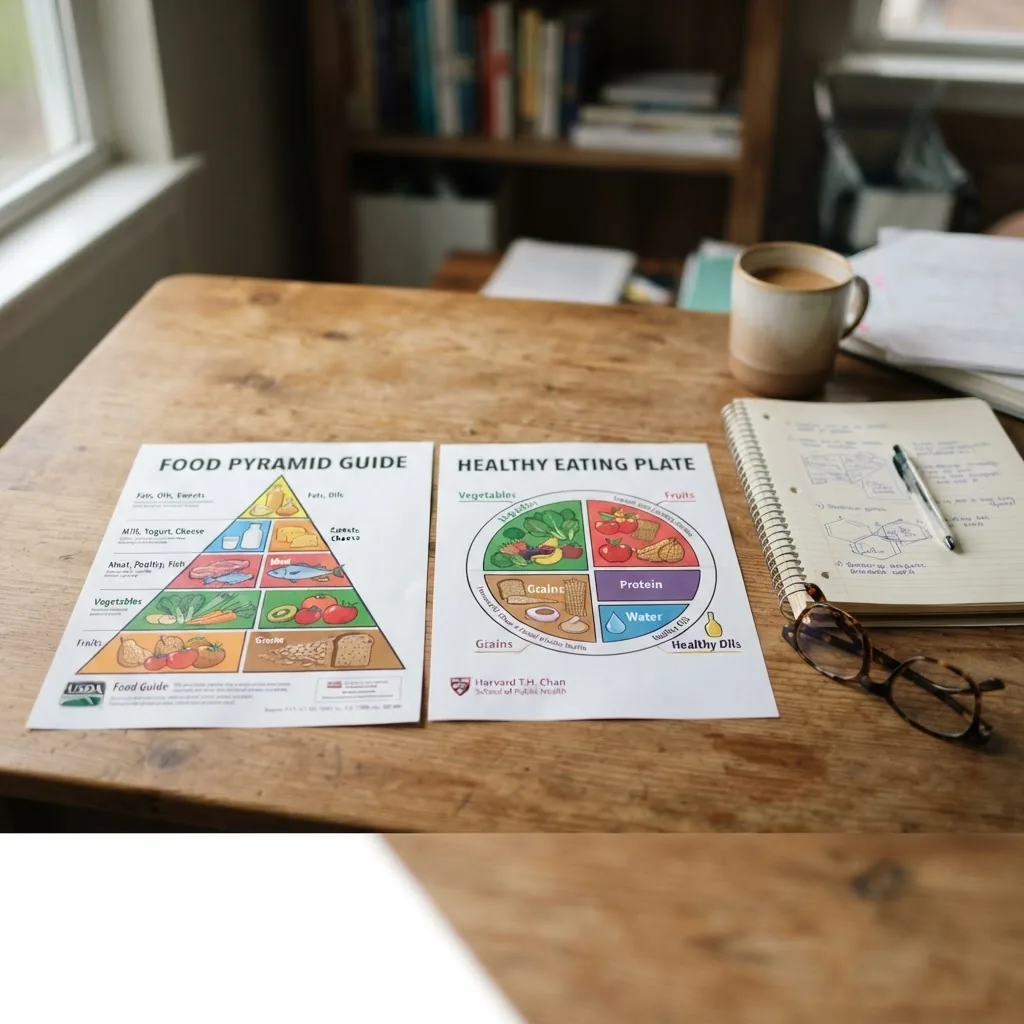
How to read a food pyramid chart:
- Base layer = foods to prioritize (often whole grains, vegetables).
- Middle layers = foods to eat in moderate amounts (fruits, dairy, protein).
- Top layer = foods to limit (oils, sweets).
How to use a healthy plate diagram:
- Visualize your plate split into halves and quarters; assemble each meal to match those proportions.
- Use the plate to plan grocery lists—buy more vegetables and whole grains, fewer processed snack items.
Suggested images to embed on a site (generation prompts included in the media plan above) are practical: an infographic comparing pyramid vs plate and high-quality photos of plated meals help users internalize portioning.
For more example photos and printable guides that show step-by-step plate assembly, see our visual guides to balanced diet meals.
Transition: Common questions summarize quick answers—see the FAQ below for concise, liftable responses to everyday queries about the food pyramid and plate model.
Frequently Asked Questions about Food Pyramid Food and Healthy Plate Model
Answer: The FAQ section below gives clear, short responses to top user queries like servings per group, plate proportions, and common mistakes to avoid.
Below we list common operational FAQs to help you apply the pyramid and plate models quickly in meal planning and grocery shopping.