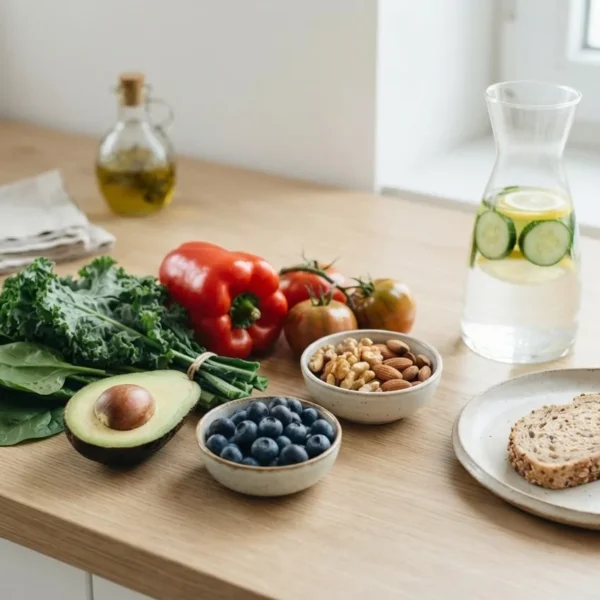
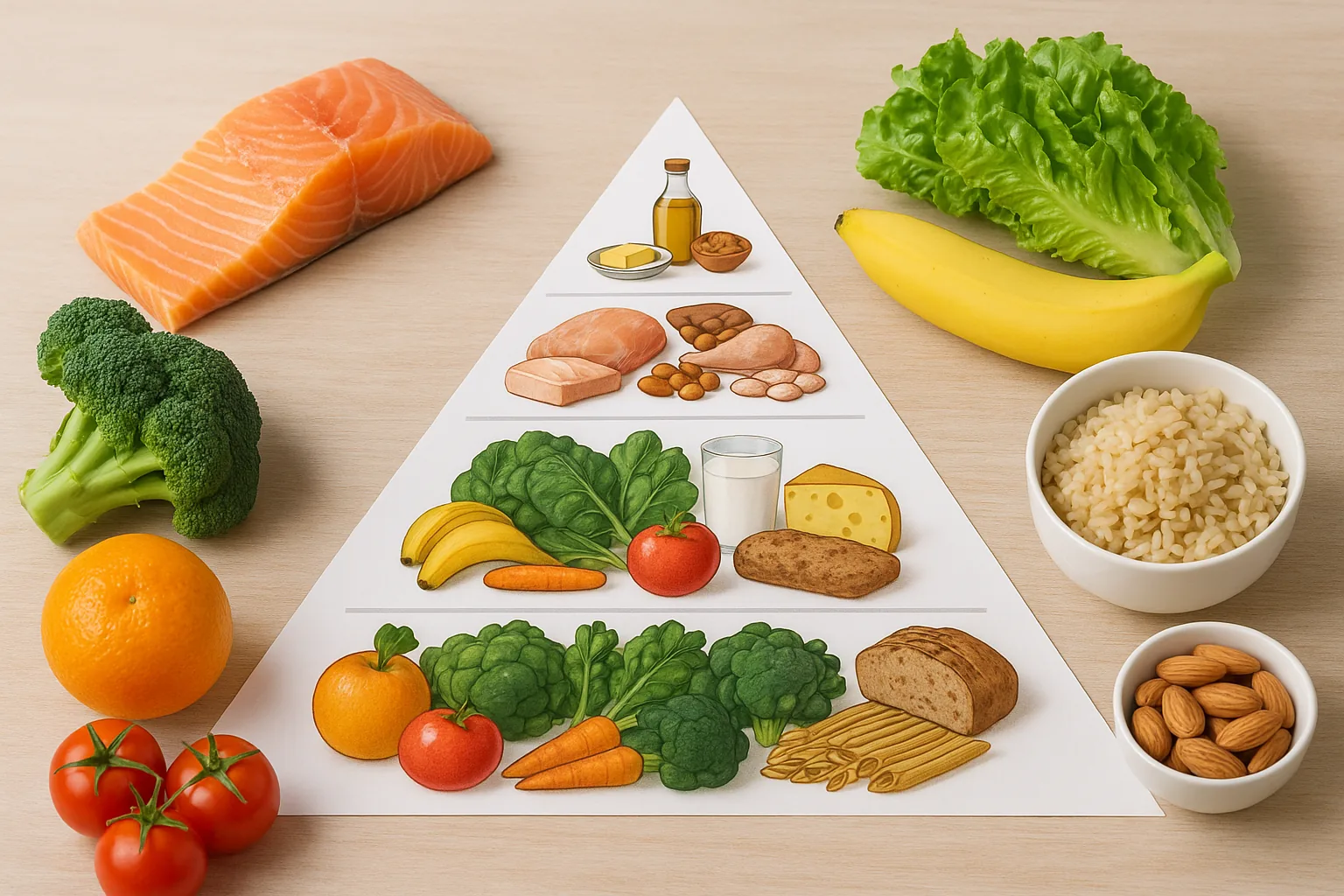
new food pyramid now refers to contemporary, visual food guidance (often a triangle or plate) that aligns with current US dietary guidelines to emphasize whole foods, portion balance, and nutrient density for overall health, replacing the old single-grain-focused pyramid with broader, evidence-based recommendations.
New Food Pyramid: a modern, user-friendly visual system that groups foods by role in a healthy diet, emphasizes nutrient-dense choices, and maps portions to current USDA and federal dietary guidance.
Introduction to the New Food Pyramid
Answer: The new food pyramid is a contemporary visual framework based on recent US diet recommendations that prioritizes whole fruits and vegetables, whole grains, lean proteins, healthy fats and limits added sugars and ultra-processed foods—designed to help Americans make balanced daily choices.
The concept of a “food pyramid” has evolved into several modern variants—triangles, plates, and pyramids—that reflect updated science and policy from the USDA and allied agencies. Historically the United States Food Guide Pyramid (1992) prioritized servings largely by food group; modern guidance emphasizes proportions, nutrient density, and food quality alongside calories.
The modern food pyramid is not a single federal graphic but a family of food guidance systems that interpret the USDA Dietary Guidelines for consumers; it synthesizes the guidance into a simple, actionable visual for daily meal planning.
Transition: To understand why the model changed, next we compare the original gov food pyramid to modern interpretations and the reasons for those changes.
Evolution from the Gov Food Pyramid to the New Food Pyramid Model
Answer: The evolution replaced the 1990s gov food pyramid’s emphasis on servings per food group with models that emphasize proportions, nutrient density, food quality and reduced emphasis on carbohydrate quantity—shifting toward MyPlate-style portioning and a simplified new food triangle or pyramid focusing on whole foods.
Gov Food Pyramid: the original United States Food Guide Pyramid (commonly cited from 1992 and updated in 2005) that stacked food groups by recommended servings with grains at the base. Old Food Pyramid: colloquial term for earlier government guides that prioritized high grain servings.
| Feature | Gov Food Pyramid (1990s) | New Food Pyramid / Triangle (2020s) |
|---|---|---|
| Primary visual | Stacked pyramid with grains at base | Simplified triangle/plate emphasizing proportions and variety |
| Focus | Servings per group | Nutrient density, food quality, limits on added sugars |
| Carbohydrate guidance | High grain recommendations | Emphasis on whole grains, reduced refined carbs |
| Fat guidance | Low-fat message, little nuance | Focus on healthy fats (mono- and polyunsaturated) and food sources |
| Behavioral guidance | Servings list with limited context | Portion visuals, meal patterns, and practical tips |
The pivot came from improved evidence linking dietary patterns (not single nutrients) to long-term health. For example, the USDA’s 2020–2025 Dietary Guidelines shifted toward healthy dietary patterns and food-based recommendations rather than only nutrient targets—this influenced new visuals and educational materials.
For historical detail see the 1990 food pyramid and old vs modern food pyramid.
According to a 2024 USDA report, messaging shifted to make practical, food-based choices clearer for consumers; this is why contemporary guides emphasize whole foods and portion proportions over raw serving counts.
Transition: Knowing the history helps; next we break down the components and how they map to recommended dietary guidelines and portion sizes.
Understanding the Components of the New Food Pyramid
Answer: The new food pyramid groups foods into vegetables and fruits, whole grains, lean proteins, dairy or fortified alternatives, healthy fats, and discretionary items—each described with portion ranges and emphasis on nutrient density to meet Recommended Dietary Guidelines.
Six classes of nutrients: proteins, carbohydrates, fats, vitamins, minerals and water; the new pyramid organizes foods to supply those classes through diverse, nutrient-dense choices.
Below are the core food-group components, recommended portioning guidance, and practical notes on nutrient roles.
Vegetables and Fruits
Answer: Vegetables and fruits are the foundation—aim for half your plate from a variety of colorful vegetables and whole fruits daily, prioritizing fiber, vitamins (A, C, K), potassium and phytonutrients; portions typically 2–3 cups vegetables and 1.5–2 cups fruit daily for average adults depending on energy needs.
Nutrient density: vegetables and fruits provide vitamins, minerals and fiber per calorie; choose whole over juice to retain fiber.
Whole Grains
Answer: Whole grains supply fiber, B-vitamins and energy; replace refined grains with whole grains such that at least half of grain intake is whole; typical adult guidance ranges 6–8 ounce-equivalents of grains per day depending on calorie needs, with 3–4 ounce-equivalents from whole grains.
Portion size: one ounce-equivalent of grains = 1 slice of bread or 1/2 cup cooked rice/pasta.
Lean Proteins
Answer: Lean proteins include seafood, poultry, beans, legumes, nuts, seeds and lean red meat; recommendations focus on variety and less processed meats, with adult guidance around 5–6.5 ounce-equivalents per day based on energy needs.
Quality: emphasize plant proteins and seafood for omega-3s and lower saturated fat; limit processed meats.
Dairy and Fortified Alternatives
Answer: Low-fat or fat-free dairy and fortified plant alternatives provide calcium, vitamin D and protein; recommended intakes commonly 2–3 cup-equivalents daily depending on age and requirements.
Healthy Fats
Answer: The new pyramid highlights healthy fats (olive, canola, nuts, seeds, fatty fish) while advising limits on saturated and trans fats; fats are energy-dense so portion guidance focuses on small, consistent servings (~1–2 tablespoons of oils or a small handful of nuts per day).
Discretionary Foods and Added Sugars
Answer: Optional, energy-dense foods (sweets, sugary drinks, highly processed snacks) are at the top of the pyramid and should be consumed sparingly—US recommendations limit added sugars to less than 10% of daily calories.
adequate intake recommendations
portion and serving size recommendations
Practical portion examples (adult moderate-calorie diet):
- Vegetables: 2–3 cups/day (1 cup raw leafy = 1 cup)
- Fruits: 1.5–2 cups/day
- Grains: 6–8 oz-equivalents/day with ≥3 oz from whole grains
- Protein foods: 5–6.5 oz-equivalents/day
- Dairy/alternatives: 2–3 cup-equivalents/day
- Oils: ~27–30 g/day depending on calorie needs
Technical term:
Adequate intake: an estimate of daily nutrient intake level used when Recommended Dietary Allowance (RDA) cannot be determined; it informs portion and nutrient goals in food guidance.
Transition: With components defined, next we explain why some modern graphics use a triangle instead of the classic pyramid shape and what that visual change communicates.
How the New Food Triangle Differs from the Traditional Pyramid
Answer: The new food triangle simplifies and flattens the hierarchy to emphasize balance and proportions rather than strict base-to-top consumption order; it visually signals that variety and plate-based proportions matter more than stacked servings.
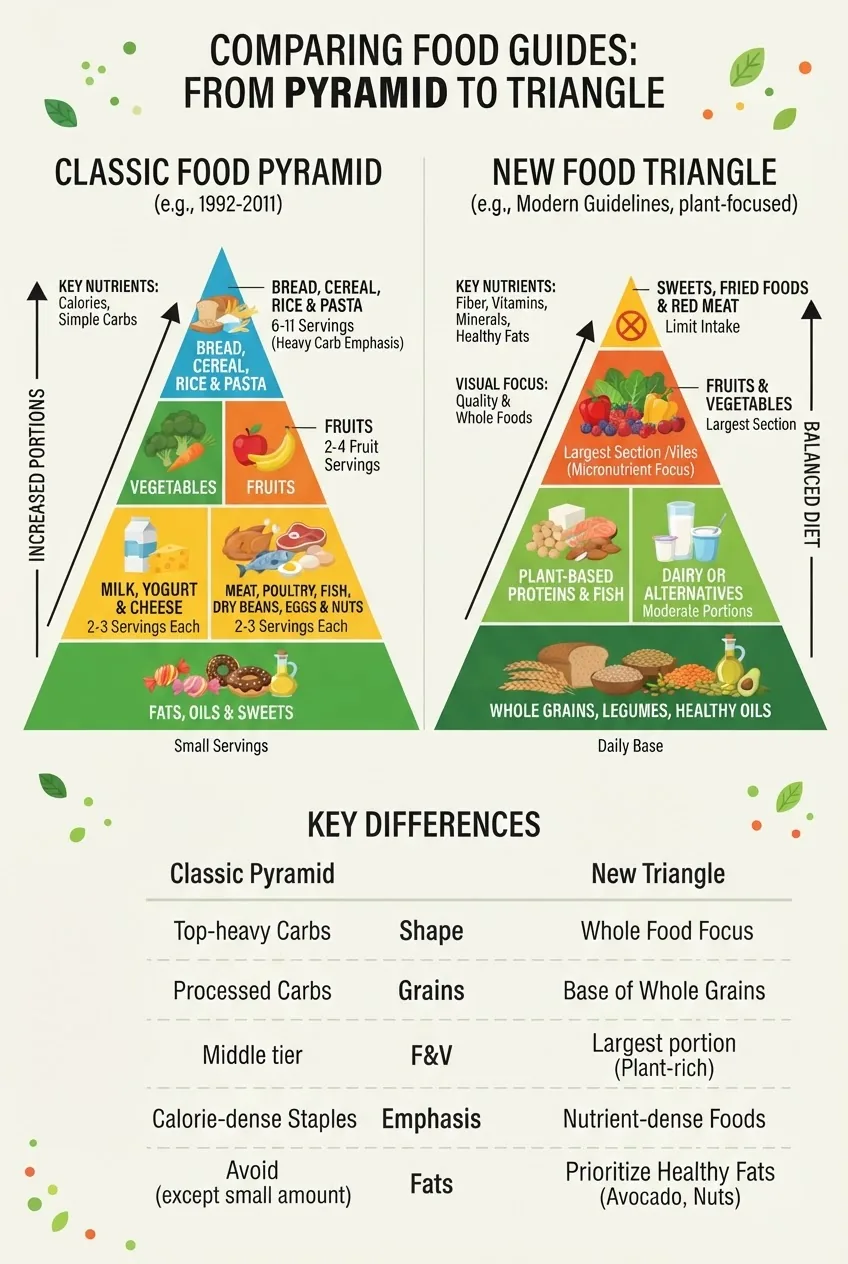
Visually, a triangle communicates proportion and balance in fewer layers. Designers use the triangle to:
- Show proportional zones (e.g., large vegetable wedge, medium grain/protein wedges, small discretionary tip).
- Encourage plate-thinking—how a meal should be allocated—rather than cumulative daily stacks.
- Reduce emphasis on single-group dominance (like grains in older models) and promote quality (whole vs refined).
Term:
Nutrient density: the amount of beneficial nutrients per calorie in a food; nutrient-dense foods have more vitamins, minerals and fiber relative to energy and are central to the new triangle’s guidance.
Infographic design note (for editors): the side-by-side should label the elements, note serving/portion guidance, and include callouts for modern emphases like “half-plate vegetables” and “limit added sugars.”
Transition: After the graphic comparison, we move to practical, step-by-step guidance for using the new food pyramid in everyday meals, with specific Texas-friendly examples.
Practical Applications: Using the New Food Pyramid in Daily Eating
Answer: Use the new food pyramid by composing meals around a vegetable/fruit-first plate, adding whole grains, a palm-sized portion of lean protein, small amounts of healthy fats, and keeping discretionary foods rare—apply portion control, meal patterns and local ingredient availability for practical daily eating.
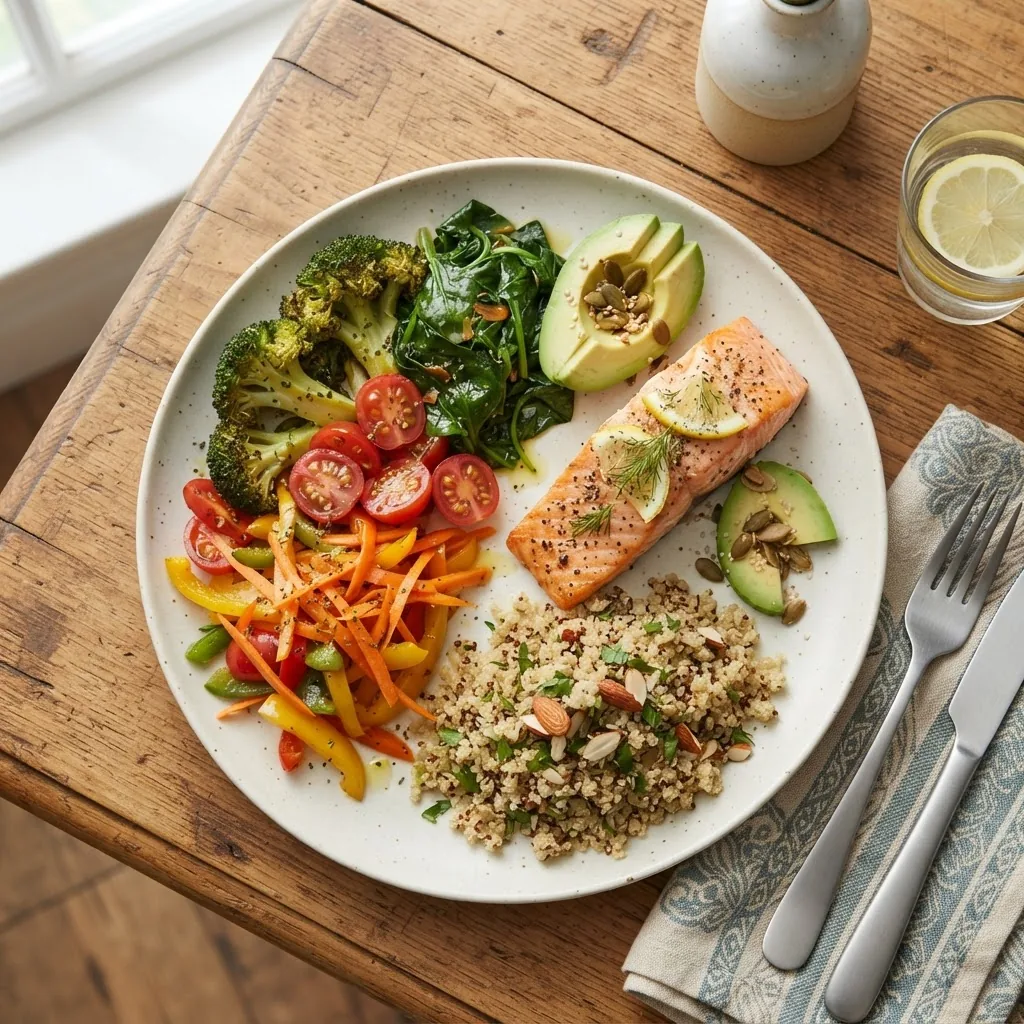
Step-by-step method to apply the pyramid to any meal:
- Start with vegetables and fruit: Fill half your plate with vegetables and/or fruit—aim for color and variety. Example breakfast addition: sautéed greens and sliced tomato with eggs.
- Add whole grains: Make at least half your grain choices whole (oatmeal, brown rice, whole wheat tortillas).
- Choose lean protein: Use seafood, legumes, or lean cuts; portion = palm-sized (≈3–4 oz cooked) per meal for many adults.
- Include healthy fats: Use small servings of olive oil, avocado, nuts, or seeds to round meals and support nutrient absorption.
- Limit added sugars and highly processed snacks: Reserve discretionary foods for occasional treats and count them toward calorie limits.
Example daily menu (moderate-calorie adult):
- Breakfast: Oatmeal with berries, chopped nuts, and low-fat milk—vegetables at mid-morning snack if needed.
- Lunch: Grilled chicken salad (large mixed vegetables), 1/2 cup brown rice, olive oil vinaigrette.
- Snack: Apple with 1 tablespoon almond butter.
- Dinner: Baked salmon, roasted vegetables, quinoa, small side salad with avocado.
Texas-specific example:
Use local foods: swap corn tortillas (preferably whole-grain) for bread, add black beans and grilled peppers, and use local citrus or tomatoes to increase produce—these adjustments align with new pyramid goals and local availability.
Practical tips for shopping and cooking:
- Shop the perimeter of stores for whole foods; choose canned or frozen vegetables without added salt/sugar when fresh isn’t available.
- Cook staples in bulk (brown rice, beans) to make portion-controlled meals easy on busy days.
- Use smaller plates to visually control portions for discretionary foods.
When applying the pyramid for weight management or calorie goals, pair portion control with energy balance—see targeted guides for calorie-specific plans for practical templates.
balanced weight loss meal plans
healthy balanced diet meal plans
visual guides for balanced meals
Behavioral integration checklist:
- Plan meals weekly to prioritize vegetables and whole grains.
- Pre-portion snacks to avoid overconsumption of discretionary foods.
- Track one habit at a time (e.g., swap refined grains for whole grains for two weeks).
Case study example: A community intervention using USDA-aligned meal planning reported improved vegetable intake and reduced sugary beverage consumption after a 12-week education program—according to a 2022 peer-reviewed community nutrition study.
Transition: With everyday use covered, the following section examines the pyramid’s role in weight management and long-term health outcomes, supported by government and peer-reviewed evidence.
The New Food Pyramid’s Role in Weight Management and Health Outcomes
Answer: The new food pyramid supports weight management and chronic disease prevention by promoting nutrient-dense, lower-energy foods, balanced macronutrients, and portion control—evidence shows dietary patterns aligned with these principles lower risk of cardiovascular disease, type 2 diabetes, and some cancers.
Evidence summary:
- According to a 2023 USDA report, adherence to recommended dietary patterns correlates with lower risk factors for chronic disease.
- According to a 2021 peer-reviewed systematic review published in a major nutrition journal, diets emphasizing whole foods and plant-based patterns are consistently linked to reduced all-cause mortality and cardiovascular events.
- CDC data indicate that dietary improvements—reducing added sugars and increasing fruits and vegetables—are associated with lower obesity and type 2 diabetes prevalence in population studies.
Mechanisms linking pyramid guidance to outcomes:
- Energy density reduction: More vegetables and whole grains provide volume with fewer calories, aiding satiety and weight control.
- Improved lipid and glycemic profiles: Replacing saturated fats and refined carbs with healthier fats and fiber-rich foods reduces LDL cholesterol and postprandial glucose spikes.
- Reduced inflammation: Antioxidant-rich foods and omega-3 sources diminish inflammatory markers linked to chronic disease.
Practical weight-management application:
- Use the pyramid to prioritize vegetables and lean proteins while tracking portions—this supports calorie deficits without sacrificing nutrition.
- Combine with behavioral strategies such as meal timing, mindful eating, and regular physical activity for best results.
portion control for weight loss
Limitations and caveats:
- Food pyramids are simplifications and do not substitute individualized medical or dietetic advice; they provide population-level guidance.
- Dietary needs vary by age, activity level, medical conditions and medications; consult registered dietitians or clinicians for tailored plans.
Sources and authority signals: official federal guidance is available at the USDA Dietary Guidelines and the CDC provides data linking dietary patterns to health outcomes at https://www.cdc.gov/nutrition. Peer-reviewed evidence summarizing dietary pattern outcomes can be found in journals accessible via PubMed Central.
Transition: To close, we address the frequent questions readers have about the new pyramid, clarifying misconceptions and practical concerns.
Common Misconceptions and FAQs about the New Food Pyramid
Answer: Many misconceptions arise from oversimplifying pyramids; the most common are that the pyramid prescribes exact calories, that fats are uniformly bad, or that all grains are equally healthy—each is addressed below with concise clarifications.
Q1: Does the new food pyramid tell me exact calories?
No. The pyramid gives proportion and quality guidance; calorie needs are individualized. Use it to guide food choices and pair it with calorie-specific plans (see calorie plan guides) if you need tight energy control.
Q2: Are all fats excluded by the new pyramid?
No. The pyramid distinguishes fats: it favors unsaturated fats (olive oil, nuts, fish) and limits saturated/trans fats; healthy fats are included in moderate portions for nutrient absorption and heart health.
Q3: Is the new pyramid suitable for weight loss?
Yes, as a framework it supports weight loss by encouraging lower energy density, more fiber and better satiety; combine it with portion control and a calorie target for effective results.
Q4: Does the pyramid recommend specific portion sizes?
It provides portion ranges (cups, ounce-equivalents) rather than exact gram counts; refer to portion guides for exact measures and to tailor to age, sex and activity level.
Q5: How often are US food guidelines updated?
The US Dietary Guidelines are reviewed and updated every five years; the 2020–2025 cycle informed many modern materials, and future updates follow scheduled federal review cycles.
Q6: What if I see conflicting diet advice?
Compare sources to official guidance (USDA, CDC) and prioritize peer-reviewed evidence; consult a healthcare professional when recommendations conflict with your medical needs or medications.
Q7: Can the new pyramid help manage chronic disease?
Yes, following the pyramid’s nutrient-focused patterns can reduce risk factors for cardiovascular disease, type 2 diabetes and some cancers; integrate with medical care for condition management.
Q8: Are Texan local foods compatible with the pyramid?
Yes; Texas staples—black beans, corn, citrus, local greens—fit well when prepared with whole-grain tortillas, lean proteins and healthy fats; tailor portions to the pyramid’s proportions for balanced meals.
Transition: Those FAQs address common confusion; below we summarize the most important takeaways and recommend next steps.
Disclaimer: Dietary needs vary. This guide summarizes public guidance and evidence; consult a registered dietitian or healthcare professional for personalized advice.
Key takeaways:
- The new food pyramid focuses on nutrient-dense, whole foods, portion proportions and limiting added sugars.
- It represents a conceptual evolution from the 1990s gov food pyramid toward plate-based and triangle visuals that emphasize balance.
- Use the pyramid alongside calorie-appropriate meal plans, portion guides and professional advice for weight or disease management.
Final call to action: Apply the pyramid progressively—start by making half your plate vegetables at one meal each day for a week, then build toward consistent whole-grain swaps and lean protein variety. For visual planning resources and printable guides, explore the site’s meal-plan and portion resources linked above.