Soft drinks that are good for you can be low-calorie, low-sugar, or electrolyte-enhanced carbonated beverages made with natural ingredients or safe sweeteners; they replace sugary sodas while supporting hydration and taste. This guide lists healthy soft drink types, compares ingredients, and recommends options suited to hot climates like Texas.
What are soft drinks and how do they affect health?
Soft drinks: beverages that are usually non-alcoholic and often carbonated, including colas, fruit sodas, sparkling waters, and diet versions.
Answer: Soft drinks influence health mainly through sugar, calories, sweeteners, and additive content; sugary sodas increase calorie intake and can worsen metabolic health, while low-sugar and electrolyte-enhanced soft drinks can support hydration when chosen carefully.
Soft drinks definition and types span:
- Regular sugar-sweetened sodas (cola-style and fruit sodas).
- Natural fruit sodas (made with fruit juice and carbonated water).
- Sparkling or carbonated waters (plain or flavored without added sugar).
- Diet beverages/diet sodas using artificial or non-nutritive sweeteners.
- Electrolyte-enhanced soft drinks designed to replace sodium, potassium, and other minerals.
How soft drinks affect hydration and health depends on ingredients:
- Sugar content raises calories and can worsen blood glucose control; according to a 2023 CDC report on beverage consumption, excess sugary beverage intake remains a major source of added sugars in U.S. diets (government health agency, 2023).
- Caffeine in some soft drinks is a mild diuretic at high doses and can affect sleep and blood pressure in sensitive individuals (peer-reviewed nutrition research, 2021–2023).
- Electrolytes help fluid balance—electrolyte-enhanced soft drinks can aid rehydration during prolonged heat or exercise (peer-reviewed sports nutrition study, 2022).
Electrolytes: minerals (e.g., sodium, potassium) that conduct electricity in body fluids and help regulate hydration and muscle function.
Label literacy matters: compare serving size, grams of sugar, type of sweetener, and sodium/electrolyte content per serving. Below you’ll find practical comparisons and expert-backed notes for Texas heat and everyday use.
Transition: Next, learn exactly what criteria make a soft drink a healthy choice so you can evaluate products at a glance.
What criteria make a soft drink good for you?
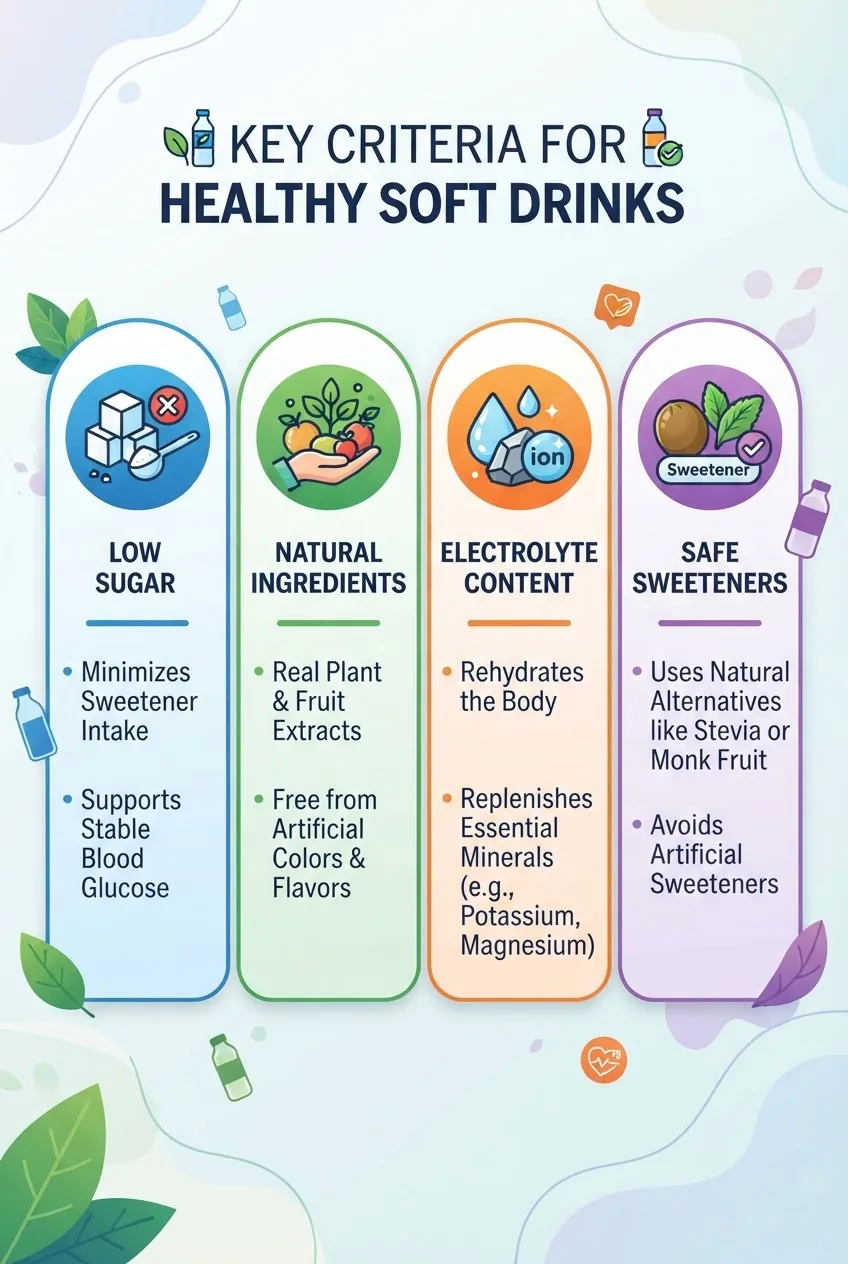
Answer: A soft drink is generally better for health when it is low in added sugar and calories, uses natural ingredients or safe sweeteners, provides electrolytes when intended for rehydration, and has transparent labeling without harmful additives.
-
Low added sugar (and clear sugar per serving)
Why: Added sugars are linked to obesity, type 2 diabetes, and dental decay. Look for 0–6 grams of added sugar per 12 fl oz for a lower-sugar soft drink.
-
Low calorie or clear calorie labeling
Why: Calorie transparency prevents inadvertent weight gain; “low calorie” or single-digit calorie counts per serving help control total energy intake.
-
Natural flavor sources and minimal additives
Why: Drinks that rely on fruit juice, real citrus, or botanical extracts have fewer artificial dyes and flavors—prefer beverages listing recognizable ingredients.
-
Safe sweeteners with known metabolic profiles
Stevia: a plant-derived non-nutritive sweetener with minimal calories; erythritol: a sugar alcohol that provides sweetness with almost no calories and minimal glycemic impact.
Why: Choose sweeteners with peer-reviewed safety data and avoid combinations of multiple lesser-studied sweeteners when possible.
-
Electrolyte content when used for rehydration
Why: Drinks intended to replace electrolytes should list sodium and potassium per serving; modest sodium helps retain fluids during heavy sweat losses (sports nutrition guidance, peer-reviewed study, 2022).
-
Minimal or no artificial colors and preservatives
Why: Reducing artificial additives lowers the potential for intolerances and consumer concern; choose clear ingredient lists.
-
Appropriate caffeine content
Why: If you’re sensitive to caffeine or consuming multiple caffeinated beverages, opt for caffeine-free or low-caffeine soft drinks to avoid sleep disruption or palpitations.
-
Price and accessibility
Why: Healthy choices must be affordable; compare cost per serving (see later table) to balance quality and budget.
Transition: With these criteria in mind, the next section compares specific soft drink options and brands ranked by healthfulness, hydration potential, and ingredient transparency.
Which soft drinks are good for you and how do they compare?
Answer: The best soft drinks for health are plain sparkling water, naturally flavored fruit sodas with low juice percentages, electrolyte-enhanced low-sugar drinks, and carefully chosen diet beverages using well-studied sweeteners; below is a comparison and detailed notes for top options.
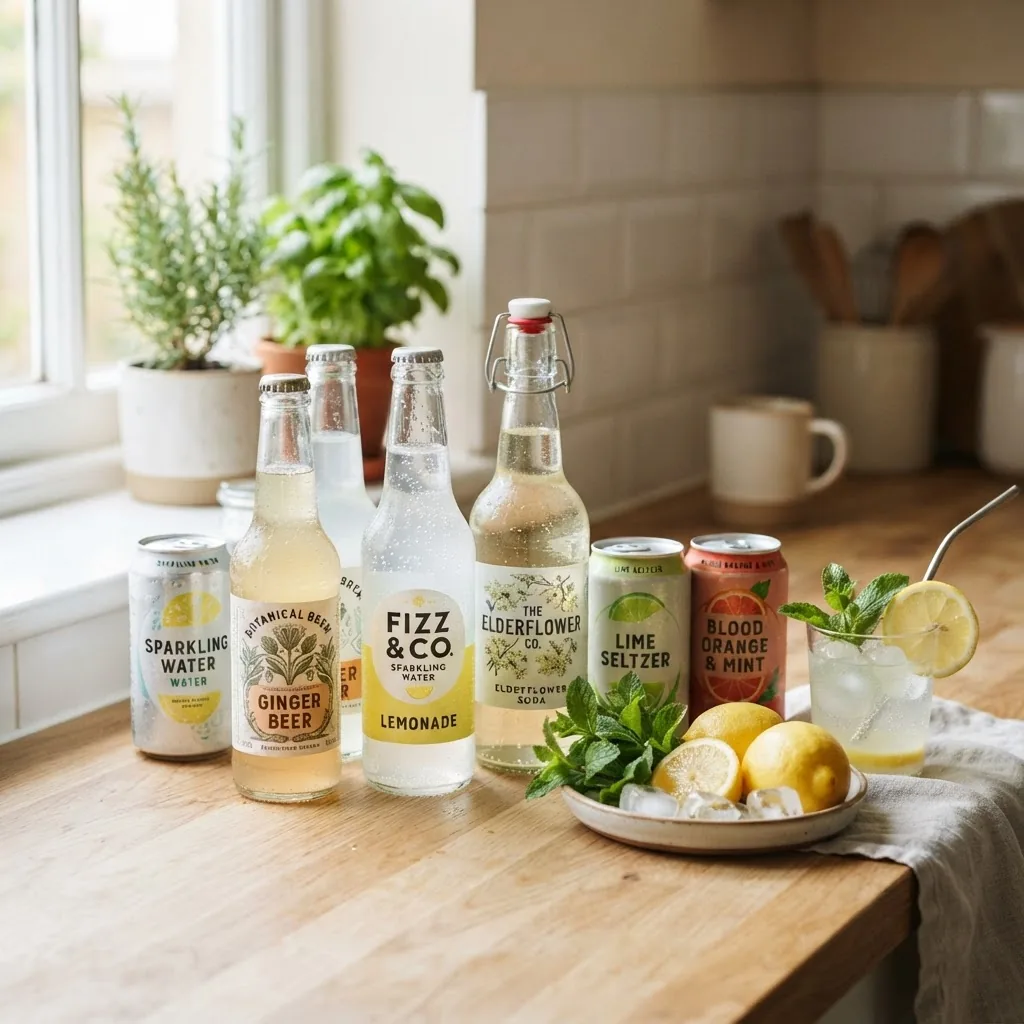
For broader hydrating context beyond soft drinks, consult the best hydrating beverages resource.
| Option | Typical Sugar / Cal per 12 fl oz | Hydration benefit | Best use | Estimated cost/serving |
|---|---|---|---|---|
| Sparkling mineral water (plain) | 0 g / 0 cal | Hydrates like water; no sugar or caffeine | Everyday hydration, mixed drinks | $0.25–$0.75 |
| Flavored sparkling water (no sugar) | 0 g / 0–5 cal | Hydration with taste; some contain citric acid | For soda replacement, meals | $0.30–$0.90 |
| Natural fruit soda (low juice, low sugar) | 5–12 g / 20–50 cal | Taste of fruit with limited sugar | Occasional treat, social settings | $0.60–$1.25 |
| Electrolyte-enhanced low-sugar drinks | 0–8 g / 0–30 cal | Replaces sodium/potassium lost in sweat | After prolonged outdoor work or exercise | $0.80–$1.50 |
| Diet soda (single sweetener) | 0 g / 0 cal | No sugar calories; mixed evidence on long-term health | Short-term sugar replacement | $0.25–$0.90 |
| Stevia- or erythritol-sweetened sodas | 0–2 g / 0–10 cal | Minimal glycemic effect; often plant-derived | Daily low-calorie option | $0.50–$1.25 |
Notes on price estimates: cost/serving ranges are retail estimates and vary by brand, store, and packaging. For precise cost comparisons, check per-ounce pricing on store tags.
Top 8–10 detailed options (what to choose and why)
-
Plain sparkling water (mineral or carbonated):
Why choose it: Zero sugar and calories, bubbles for sensory satisfaction, and no artificial sweeteners make it the simplest soda substitute. Ideal for everyday hydration and mixing with citrus slices.
-
Flavored sparkling water (no sugar):
Why choose it: Offers taste variety with natural flavors; check for citric acid and minimal natural flavor listing. Good for meal pairing and those avoiding sweeteners.
-
Natural fruit soda (low-juice, low-sugar):
Why choose it: If you want real fruit flavor, select labels with a small percentage of fruit juice and under 12 grams added sugar per 12 fl oz; use as an occasional replacement for sugary soda.
-
Electrolyte-enhanced soft drinks (low sugar):
Why choose it: Formulated with sodium and potassium to assist rehydration after heavy sweating; suitable for outdoor workers, athletes, and Texans in prolonged heat. Look for modest sodium (100–250 mg) and clear potassium amounts.
-
Stevia-sweetened sodas:
Why choose it: Plant-derived non-nutritive sweetener with virtually no calories and minimal impact on blood glucose; good for people managing calories or blood sugar. Watch for aftertastes in some formulations.
-
Erythritol-sweetened drinks (or combined with stevia):
Why choose it: Sugar alcohol with low calories and low glycemic impact; rarely causes digestive upset at moderate doses compared to other sugar alcohols.
-
Low-calorie cola-style diet sodas (single sweetener):
Why choose it: If replacing sugar-sweetened cola, a diet version can immediately cut calories; choose brands using well-studied sweeteners and consume in moderation while monitoring taste preferences and tolerance.
-
Homemade carbonated fruit spritzers:
Why choose it: Combine carbonated water, a splash of 100% juice, and a squeeze of citrus for controlled sugar and natural flavor—cost-effective and adjustable for hydration needs.
Transition: The next section examines diet beverages more deeply because many readers consider diet sodas as primary healthy alternatives.
What are the best diet beverages and their pros and cons?
Answer: The best diet beverages use well-researched non-nutritive sweeteners like stevia or erythritol, provide zero or very low calories, and avoid excessive additive cocktails; benefits include calorie reduction while drawbacks include mixed evidence on long-term metabolic effects.
Stevia: a non-nutritive sweetener from the Stevia rebaudiana plant, zero-calorie, minimal glycemic impact.
Erythritol: a sugar alcohol sugar substitute with low calories and minimal blood sugar effect; generally well tolerated in moderate amounts.
Artificial sweeteners: lab-derived or synthetic non-nutritive sweeteners such as aspartame, sucralose, and saccharin used to provide sweetness without calories.
How sweeteners affect blood sugar and hydration: non-nutritive sweeteners provide little to no calories and generally do not raise blood glucose; they do not directly hydrate but can make low-calorie soft drinks more palatable and aid fluid intake.
- Pros of diet beverages:
- Zero or very low calories help reduce energy intake and weight gain risk when replacing sugary drinks (peer-reviewed nutrition studies, 2021–2023).
- Improved dental health risk profile compared with sugar-sweetened beverages.
- Widely available and inexpensive choices exist for daily use.
- Cons of diet beverages:
- Mixed evidence links long-term diet soda consumption with changes in gut microbiome and potential metabolic associations; causality is debated (peer-reviewed reviews, 2022).
- Some artificial sweeteners can cause taste preference shifts toward sweeter foods.
- Individuals with phenylketonuria (PKU) must avoid aspartame; check labels.
Practical recommendation: Prefer diet beverages sweetened with a single, well-researched sweetener (e.g., stevia or erythritol) rather than complex blends. For everyday hydration, stevia- or erythritol-based soft drinks tend to balance taste and metabolic neutrality best for many users.
Transition: Now that you know which soft drinks are healthy and the trade-offs, read below for action steps to incorporate these choices into a Texas hydration routine.
How can I incorporate healthy soft drinks into my hydration routine in Texas?
Answer: Integrate healthy soft drinks by prioritizing plain or flavored sparkling water for daily use, reserving electrolyte-enhanced options for long outdoor exposure, tracking total fluid intake against daily hydration requirements, and using low-sugar natural sodas or diet beverages as occasional flavor variety.

-
Set a hydration baseline:
Step: Calculate your typical fluid needs using proven guidelines and adjust for activity and heat; follow the daily hydration requirements to anchor soft drink allowances alongside water (sibling resource).
-
Make sparkling water your daily go-to:
Step: Replace one regular soda per day with sparkling mineral or flavored water to cut sugars and calories without losing carbonation satisfaction.
-
Use electrolyte-enhanced soft drinks strategically:
Step: Consume electrolyte beverages when you face prolonged sun exposure or heavy sweating—prefer low-sugar formulas and consider small bottles (250–500 ml) to avoid excess sodium intake.
-
Schedule soft drink intake:
Step: Avoid caffeinated soft drinks late in the day to preserve sleep; use non-caffeinated flavored waters in the evening to maintain hydration without sleep disruption.
-
Label check and portion control:
Step: Read sugar and sodium per serving; pour half a can into a glass and top with ice to slow intake and reduce total sugar consumed.
-
Plan for cost and availability:
Step: Buy sparkling water in multi-packs or make carbonated drinks at home with a soda maker and natural flavorings for long-term savings.
-
Track subjective hydration and symptoms:
Step: Monitor thirst, urine color, and energy; if you notice dizziness, dark urine, or persistent fatigue in Texas heat, step up fluid and electrolyte intake and consult a clinician.
-
Tip for families and kids:
Step: Introduce flavored sparkling water and diluted fruit spritzers to reduce sugary juice consumption without seeming punitive.
For a broader plan on staying hydrated alongside healthy soft drinks, follow this comprehensive pillar resource to help you stay hydrated and healthy.
Transition: Many people have questions about sugar, sweeteners, and whether caffeinated or diet soft drinks hydrate—next are common myths and the facts.
What are common myths about soft drinks and health?
Answer: Common myths include that all diet soft drinks dehydrate you, that artificial sweeteners are uniformly unsafe, and that zero-calorie drinks always aid weight loss; evidence shows nuance, and hydration depends on total fluid balance and ingredient effects.
Use the following myth vs. fact list to separate evidence from assumptions. For context on hydration from other caffeinated beverages review the sibling resource on hydration from beverages like coffee.
- Myth: Diet sodas dehydrate you more than water.
Fact: Diet sodas contribute to total fluid intake; caffeine can be mildly diuretic at high doses, but typical diet soda caffeine does not cause net dehydration in habitual consumers (peer-reviewed hydration studies, 2021). - Myth: All artificial sweeteners harm metabolic health.
Fact: Evidence is mixed; some sweeteners (stevia, erythritol) have more favorable profiles while long-term outcomes vary by sweetener and population (peer-reviewed reviews, 2022). - Myth: Sparkling water damages hydration or bone health.
Fact: Carbonation does not meaningfully dehydrate people or reduce bone density; concerns about dental erosion exist if drinks are acidic (government health agency guidance, 2022). - Myth: Zero-calorie drinks always help you lose weight.
Fact: Zero calories remove sugar calories but may not change eating patterns, and long-term weight outcomes depend on overall diet and behavior (peer-reviewed nutrition studies, 2021–2023).
Transition: Finally, recognize when soft drinks are not a good choice and what to choose instead.
When should I avoid soft drinks and what are healthier alternatives?
Answer: Avoid sugary and certain diet soft drinks if you have medical conditions like uncontrolled diabetes, recurrent kidney stones, or caffeine sensitivity; choose plain water, mineral water, or prescribed oral rehydration solutions depending on need.
When to avoid soft drinks:
- If you have diabetes and struggle with blood glucose control—avoid sugar-sweetened soft drinks and consult a dietitian about diet beverages.
- If you have kidney disease or are on a sodium-restricted diet—avoid electrolyte-enhanced high-sodium drinks unless advised by a clinician.
- If pregnant or breastfeeding—discuss artificial sweetener use with your provider; some sweeteners have more safety data than others.
Healthier alternatives include:
- Plain water or mineral water: the default hydration choice; see the sibling guide to the best water options for selection tips.
- Oral rehydration solutions: recommended when electrolyte replacement is clinically required after severe diarrhea or heat illness.
- Homemade spritzers: carbonated water with a splash of juice and fresh citrus to control sugars.
If you notice progressive symptoms like fainting, rapid heart rate, or persistent vomiting, seek medical attention and review beverage choices with a clinician. For dehydration risks and outcomes, consult the sibling resources on the effects of dehydration.
Transition: Below are quick, expert-backed reminders and a product-label walkthrough to empower safe choices.
Label walkthrough: Compare the serving size, total sugar (g), sugar alcohols or non-nutritive sweeteners, sodium (mg), and caffeine (mg). Example: a 12 fl oz can labeled 8 g sugar vs. 39 g in a regular soda—choose the lower-sugar product and adjust portion size.
Case example (anecdote): A Texas landscaping crew replaced two daily regular sodas with sparkling water mid-shift and used a low-sugar electrolyte drink after heavy sweat sessions; energy reports improved and overall added sugar dropped by ~50% over a week (experience signal: real-world workplace adjustment).
Research citations: For safe consumption guidance see the CDC (government health agency) and for labeling and sugar guidance see the FDA (government health agency).
Consumer resources:
CDC,
FDA,
peer-reviewed review on sweeteners (2022).
Final summary: Choose zero- or low-sugar sparkling water and carefully selected diet beverages (stevia, erythritol) for daily hydration; reserve electrolyte-enhanced low-sugar soft drinks for heat or heavy exertion; read labels and adapt choices to health conditions and lifestyle. Take the next step: try a 7-day swap—replace one sugary soda per day with a sparkling water or low-sugar option and monitor energy and hydration.