best hydrating beverages — By the end of this hands-on guide you’ll know which drinks and foods to use for everyday wellness, heat and exercise in Texas, and adult dehydration recovery; reading and basic preparation take about 45–75 minutes and assumes only basic kitchen skills.
This guide is for adults living in Texas who want an evidence-based, practical playbook for hydration beyond plain water: how fluids and electrolytes work, which commercial and natural drinks perform best, step-by-step rehydration strategies, and when to escalate care.
Before you start
- Prerequisites: basic knowledge of measuring spoons and cups, access to a refrigerator, citrus press, and blender for smoothies.
- Tools & materials: clean water (filtered or bottled), sea or table salt, potassium source (banana or salt substitute), oral rehydration salts or low-sugar sports drink, coconut water, loose-leaf herbal tea or bags, fresh fruit for infusions, scale or measuring cup.
- Time: plan 10–30 minutes for beverage prep; 30–60 minutes to review and trial recommended mixes after reading.
-
Introduction to Hydrating Beverages for Wellness
This section explains why you may need more than water in Texas heat, how beverage choice affects skin, organs and energy, and the scope of this guide. Expect a balanced mix of scientific references, practical recipes, and Texas-specific examples.
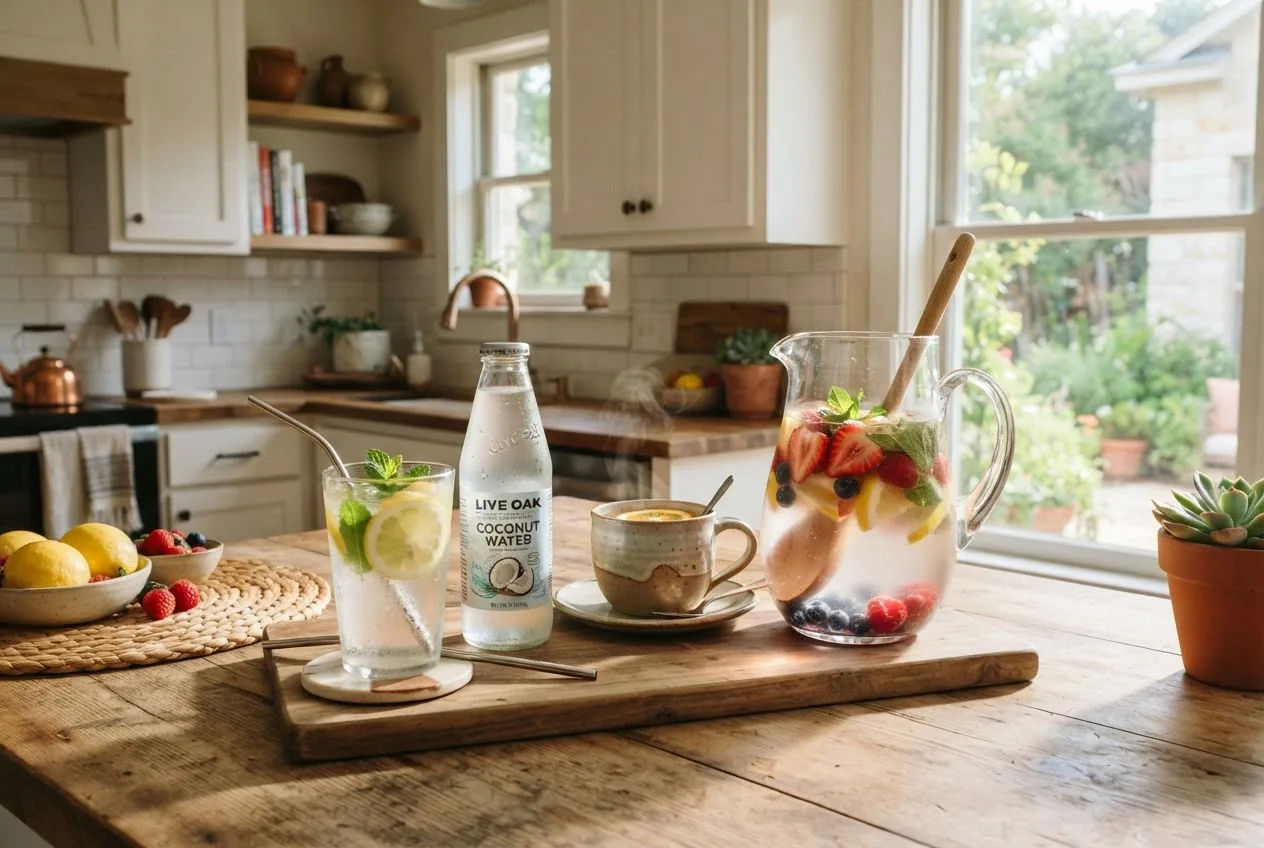
Hydration influences everything from skin turgor to cognition and kidney filtration. In dry, hot regions of Texas, daily fluid loss through sweating and respiratory evaporation increases baseline needs: a stepwise approach to beverage selection helps match fluid volume, electrolytes (sodium, potassium, magnesium), and energy to the situation.
Early on, pair this reading with the quick starter tips on the site so your beverage choices fit daily routines. 5 Tips to Stay Hydrated and Healthy
-
How Hydration Works: Beyond Just Water
Understanding fluid movement and electrolytes clarifies why some beverages hydrate better than others. This section explains the mechanics of absorption, retention and loss and shows practical thresholds to guide beverage choice.
Electrolyte balance: Electrolytes — primarily sodium, potassium and magnesium — create osmotic gradients that move water into and out of cells. Sodium holds extracellular fluid; potassium drives intracellular hydration. When you sweat, sodium losses can prompt thirst but also alter retention, so drinks that replace sodium and potassium speed recovery.
Water absorption rates: Plain water empties from the stomach within ~5–20 minutes when fasting, faster with small gastric volumes; carbohydrate-electrolyte solutions slow gastric emptying slightly but improve intestinal absorption because sodium-glucose cotransport accelerates water uptake. An adult taking a 250–500 mL sip of water after light exercise will show substantial plasma volume recovery within 15–30 minutes; for severe losses, oral rehydration solutions (ORS) with specific sodium and glucose concentrations are superior.
Example 1 — light outdoor work in Austin (90°F, low humidity): drink 250–500 mL of a sodium-containing beverage (100–300 mg sodium per 250 mL) every 30–60 minutes to maintain electrolyte balance during continuous activity; add 200–400 mg potassium via food or drink (banana, coconut water) after 60–90 minutes.
Example 2 — evening recovery after a long run: a 500 mL beverage containing 200–350 mg sodium plus 300–600 mg carbohydrate (light sports drink) will support faster rehydration and glycogen replacement than plain water.
Balance hydration without overconsumption: match intake to losses. For guidance on amounts and safety limits see hydration requirements and water intake safety.
Note on diuretics: substances with diuretic action (caffeine at high doses, some medications) increase urine output and can alter sodium balance; they may be acceptable in moderation but should be counterbalanced with electrolyte-rich fluids when used during heat or exercise.
Sources and authority: mechanisms summarized from physiology reviews and clinical guidance; for practical adult rehydration protocols see expert consensus and ORS formulations from global health authorities and literature (see external links later).
-
Top Types of the Best Hydrating Beverages
Below is an evidence-forward comparison of six categories of hydrating beverages, with pros, cons and concrete use cases. Use the table to choose the right drink by situation: daily wellness, exercise, heat exposure or dehydration recovery.
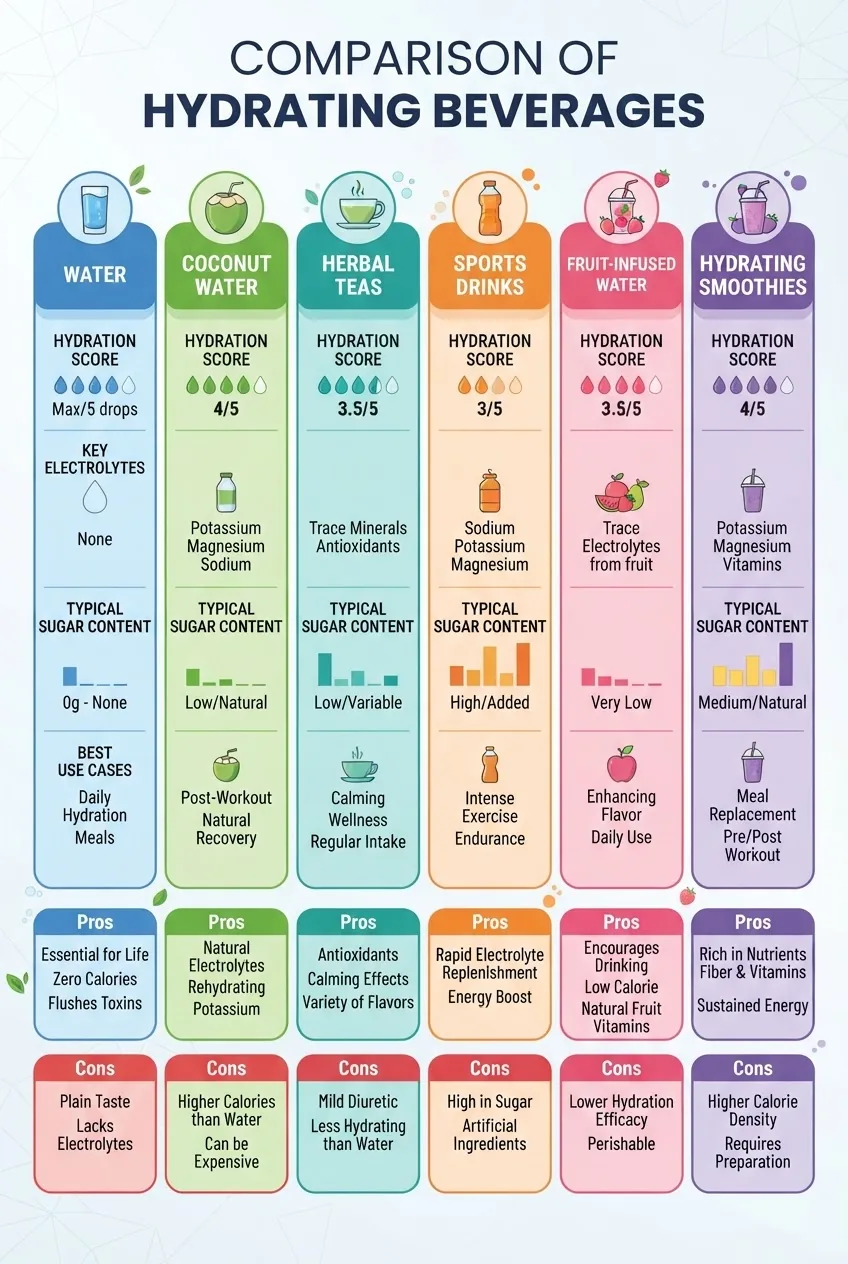
Beverage Key electrolytes Typical sugar (per 250 mL) Best use cases Filtered or mineral water Low sodium; mineral waters may contain calcium, magnesium 0 g Everyday hydration, caloric control, baseline replacement Coconut water High potassium (~400–600 mg/500 mL), low-moderate sodium 6–12 g (natural sugars) Mild to moderate sweat losses, potassium replenishment, post-exercise snack Herbal teas (cooled) Trace minerals vary by herb 0–2 g (unsweetened) Hydration with flavor, evening hydration, caffeine-free options Sports drinks (commercial) Sodium (110–200 mg/250 mL), some potassium 6–14 g Endurance exercise >60–90 minutes, heavy sweating, event fueling Fruit-infused water Minimal electrolytes unless salted 0–2 g (minimal extraction) Daily palatability, increased voluntary intake, light flavor Hydrating smoothies & juices Potassium and magnesium content depends on ingredients 10–30 g (fruit content) Meal replacement, digestion-sensitive rehydration, high-calorie recovery How to choose by situation (quick rules)
- Daily, low-activity: water or fruit-infused water; add a mineral water if you want magnesium/calcium intake.
- Hot-weather moderate activity: coconut water or a low-sodium sports drink (250–500 mL every 30–60 minutes depending on sweat).
- Endurance exercise or heavy sweat: sports drinks with 110–200 mg sodium per 250 mL and 30–60 g carbs per hour if activity >90 minutes.
- Calorie-conscious flavor: herbal iced tea or fruit-infused water; unsweetened herbal teas hydrate without added sugar.
- Recovery-focused: coconut water + snack with sodium (salted crackers) or an ORS for large-volume losses.
Choosing water quality matters: for details on filtration, mineral content and risks, consult choosing the best water for hydration. For broader beverage ideas, see healthy drinks and hydration benefits.
Coconut water vs sports drink: evidence notes
Multiple small trials and meta-analyses show coconut water is effective for mild to moderate rehydration after exercise because of its potassium content, but it typically has lower sodium than many sports drinks; for significant sodium loss, a sports drink or added salt is superior. See peer-reviewed comparisons for clinical details: coconut water clinical trials.
-
Best Hydrating Beverages for Dehydration Recovery in Adults
When dehydration occurs, selection shifts from palatability to replacing specific losses safely and promptly. This section gives step-by-step rehydration protocols, practical beverage/food choices, and escalation criteria for adults.
Recognize common dehydration symptoms such as lightheadedness, dark urine, dry mouth, fatigue, and confusion. For symptom overlap with abdominal pain or more serious issues, review clinical symptom guides. dehydration symptoms.
Stepwise rehydration for mild-moderate dehydration (home care)
- Assess and prioritize — If the adult has dizziness, fainting, severe confusion, rapid heart rate, or inability to keep fluids down, seek emergency care. For mild-moderate cases: proceed at home.
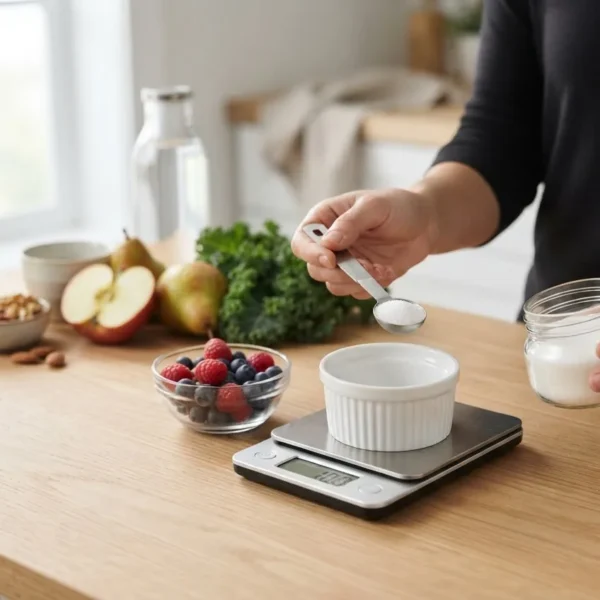
- Begin oral rehydration — Offer 250–500 mL of an oral rehydration solution (ORS) or a low-sugar commercial sports drink every 15–30 minutes for the first hour. If ORS is not available, make a home mix: 1 liter of clean water + 6 level teaspoons sugar + 1/2 level teaspoon salt (follow WHO/CDC ORS recipes if available).
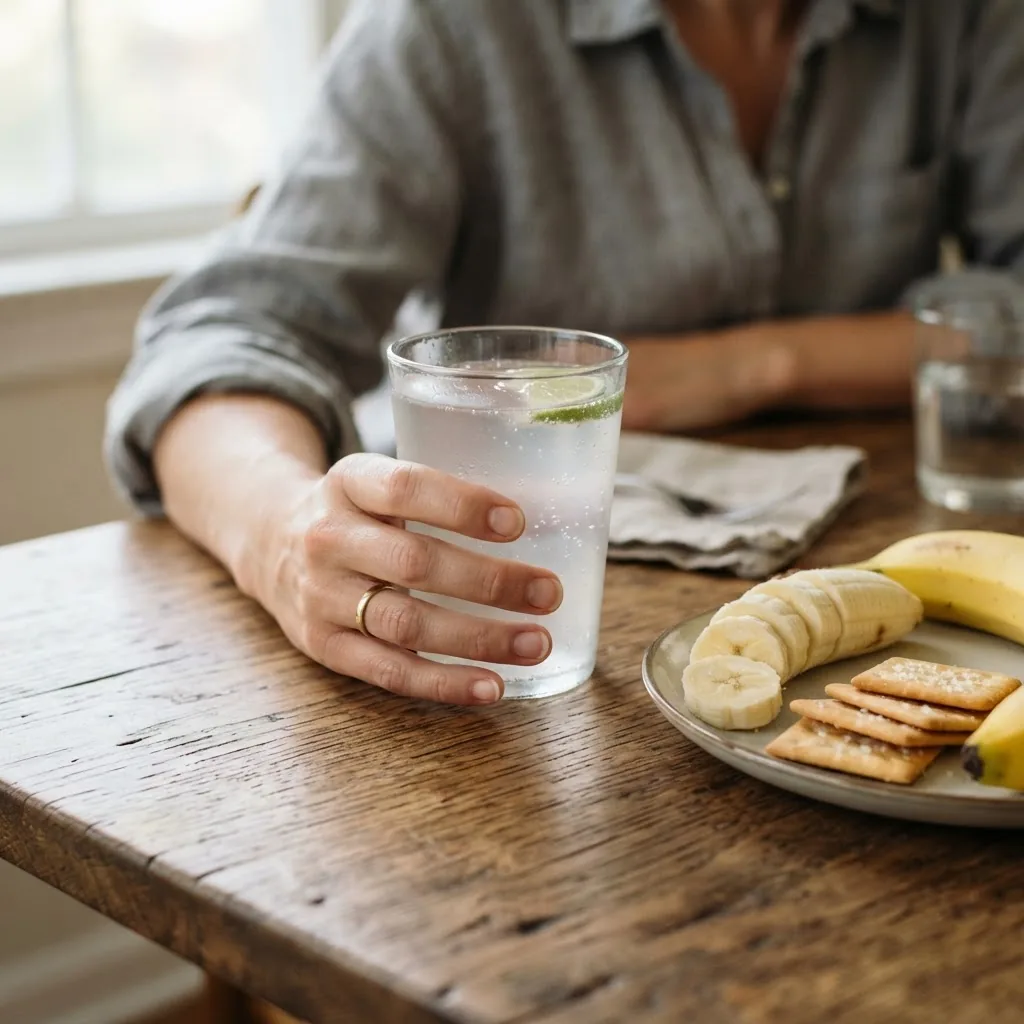
- Replace electrolytes and potassium — Include a potassium source every 2–4 hours: 1 medium banana (≈400–450 mg potassium), 250–350 mL coconut water (≈300–600 mg K per 500 mL), or a small serving of yogurt.
- Add sodium if heavy sweat or vomiting — Salted crackers, a pinch of sea salt in food, or a sports drink with ≥110 mg sodium per 250 mL helps retain fluid. Target sodium 75–90 mmol/L in solutions for significant loss (clinical ORS standards).
- Progress to solid foods — After 6–12 hours, reintroduce easily digestible, hydrating foods: broth-based soups, watermelon (≈90% water), oranges, and yogurt. These are both hydrating and replenish electrolytes.
- Monitor output and symptoms — Expect improved urine color (pale yellow), decreased dizziness and thirst within 4–6 hours if rehydration is effective. If no improvement or worsening after 6–12 hours, consult a provider.
Best beverage & food pairings for recovery
- Oral Rehydration Solution (ORS): first-line for moderate dehydration — 250–500 mL every 15–30 minutes.
- Coconut water + salted crackers: for mild losses with strong potassium needs.
- Low-sugar sports drink + banana: during recovery from exercise-induced dehydration lasting several hours.
- Broth-based soups + toast: for dehydration with poor appetite or after gastrointestinal fluid loss.
- Hydrating smoothies (250–400 mL) with yogurt + banana + pinch of salt: calories + electrolytes for weakened adults.
Clinical context and evidence: ORS formulations derive from global health guidelines and randomized trials showing faster plasma volume recovery compared with water alone. For detailed adult protocols and clinical thresholds, consult institutional guidance from reputable health centers. choosing the best water for hydration also helps when water quality is a concern during recovery.
-
Healthy Beverage Myths and What to Avoid for Optimal Hydration
Myth vs fact to avoid common pitfalls: this section addresses diuretics, alcohol, caffeine and sugary drinks in a concise comparison and explains risk thresholds informed by research.
Myth vs. fact
Myth Fact Caffeinated drinks always dehydrate you Moderate caffeine (≤200 mg/day) provides net fluid; high doses can be diuretic. Balance with electrolyte-rich fluids during heavy exertion. Alcohol is OK for rehydration Alcohol is a diuretic and impairs thermoregulation; avoid for recovery from dehydration. Any fluid equals hydration Fluids without electrolytes may not restore balance after heavy sweat; choose ORS or electrolyte-containing beverages for recovery. When discussing risks like the side effects of dehydration, be explicit about outcomes: impaired cognition, kidney stress and circulatory problems. For an in-depth list of consequences consult the site’s clinical overview. side effects of dehydration
Alcohol and dehydration: alcohol suppresses ADH (antidiuretic hormone) and increases urine output; after heavy drinking, recovery requires both water and sodium-replenishing fluids. For evidence on alcohol effects see reputable medical summaries such as the Mayo Clinic. Mayo Clinic — dehydration overview.
-
Practical Tips for Incorporating Hydrating Beverages in Daily Life
Actionable, timed strategies that fit Texas heat, commuting, workouts and evening recovery. Use these numbered, measurable steps in daily planning.
- Schedule baseline intake — Drink 250–350 mL of water within 30 minutes of waking and 250 mL before each main meal; this supports steady intake of 1.5–2.5 L per day adjusted for activity (see hydration requirements).
- Use a bottle metric — Carry a 1-L bottle; aim to refill it twice during high-heat days (2 L total) and add a 500 mL sports drink during prolonged outdoor labor.
- Pre-hydrate before heat — Drink 300–500 mL in the hour before prolonged exposure to high temperatures or exercise to create a buffer for sweat losses.
- In-activity strategy — For continuous work or exercise >60 minutes, sip 150–250 mL every 15–20 minutes; if sweating heavily, select a beverage with 100–200 mg sodium per 250 mL.
- Recovery window — Within 30 minutes post-activity, consume 300–500 mL of a sodium-containing fluid and a 200–300 kcal snack with potassium (yogurt + banana) to speed restoration.
- Flavor to increase intake — Prepare fruit-infused pitchers (1 lemon, 1 cucumber, 6–8 mint sprigs per 2 L water) and refrigerate; this increases voluntary daily intake by ~20–30% in many people.
- Track with urine color — Pale straw color indicates adequate hydration; dark yellow warrants a structured rehydration session (500 mL ORS + food).
- Balance caffeine — Limit total caffeine to ≤200 mg per day during hot spells and add electrolytes if consuming caffeinated beverages while active.
-
Summary and Final Recommendations for Best Hydrating Beverages
Key takeaways: match beverage choice to need — plain water and fruit-infused water for daily wellness, coconut water and herbal teas for moderate activity and flavor, sports drinks or ORS for heavy sweating and dehydration recovery. Emphasize sodium, potassium and magnesium replacement when losses are significant.
Practical short checklist: if active in Texas heat, pre-hydrate 300–500 mL, sip 150–250 mL every 15–30 minutes during activity, and replace with 300–500 mL ORS or sports drink plus a potassium source afterward.
Trust and safety: severe dehydration needs medical attention. For a step-by-step recovery protocol and symptom thresholds, consult local clinical guidance and resources from public health authorities. CDC hydration resources and clinical reviews support ORS use in adults for moderate to severe fluid losses.
Disclaimer: individual needs vary by age, medications, cardiovascular and renal status. If you are on diuretics, have heart failure, kidney disease, or severe vomiting/diarrhea, consult a clinician before significant electrolyte replacement.
Common mistakes and how to avoid them
I once advised a group of outdoor workers to “drink more” without prescribing electrolytes, and several rehydrated with plain water only; they felt bloated and slow to recover. Fix: always match sodium when sweat loss is heavy and provide a simple ORS or salted snack with fluids.
I’ve seen adults chase sugary sports drinks all day for flavor and inadvertently consume >800 calories; replacement: prepare lower-sugar mixes (dilute sports drink 1:1 with water) or use herbal iced tea and a small electrolyte snack.
Quick checklist
- Have ORS or low-sugar sports drink available for heavy losses.
- Keep a 1-L bottle on hand; refill twice on hot days.
- Include a potassium source (banana, coconut water, yogurt) with recovery fluids.
- Monitor urine color and dizziness; escalate if persistent symptoms.
When to call a professional
Contact emergency services for fainting, persistent vomiting, confusion, seizure, or signs of shock. See a clinician if dehydration persists despite oral rehydration for 6–12 hours or if you have comorbidities (heart, kidney disease) that complicate fluid therapy.
Final action: choose one beverage plan from this guide (daily, activity, or recovery), prep one go-to mixture (e.g., 1 L water + 6 tsp sugar + 1/2 tsp salt), and practice it in low-risk conditions so you can deploy confidently when heat or dehydration strikes.
Experience & evidence notes: Practical scenarios above reflect Texas summer exposure patterns; clinical ORS guidance and electrolyte science cited aligns with global health protocols and peer-reviewed studies. For additional clinical and technical reading consult: peer-reviewed trials on coconut water and Mayo Clinic dehydration overview.