
making it healthy starts with clear, practical steps you can use every day to choose nutritious foods and plan meals that fit your life. This guide walks through what to eat, how to plan, and simple systems to keep healthy eating sustainable.
Introduction to Making It Healthy: Foundations of Nutritious Choices
A healthy life begins with consistent, manageable choices that support long-term wellbeing. The foundation for healthy life nutrition rests on recognizing food as fuel and pleasure, choosing nutrient-dense options, and aligning meals with your routine and goals. This section outlines the anatomy of making it healthy: core concepts you can apply immediately.
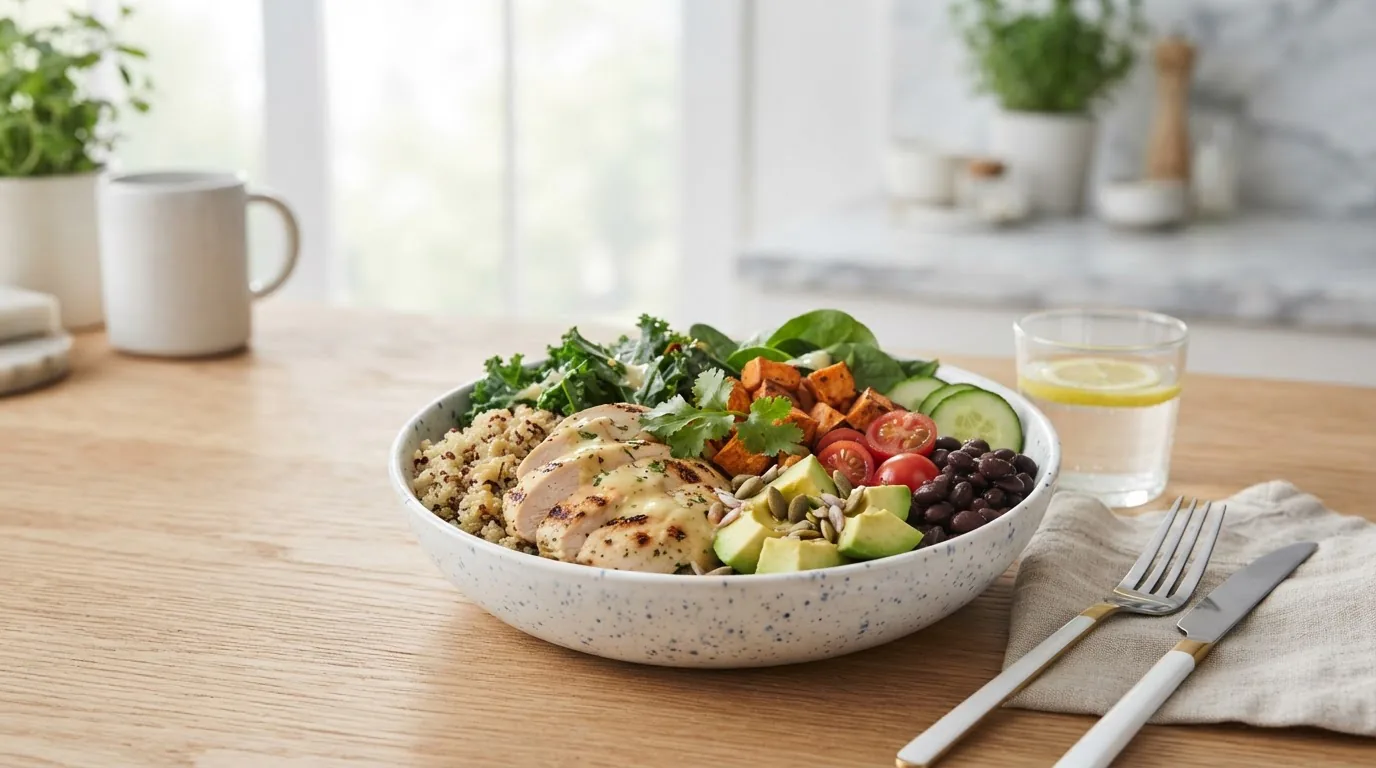
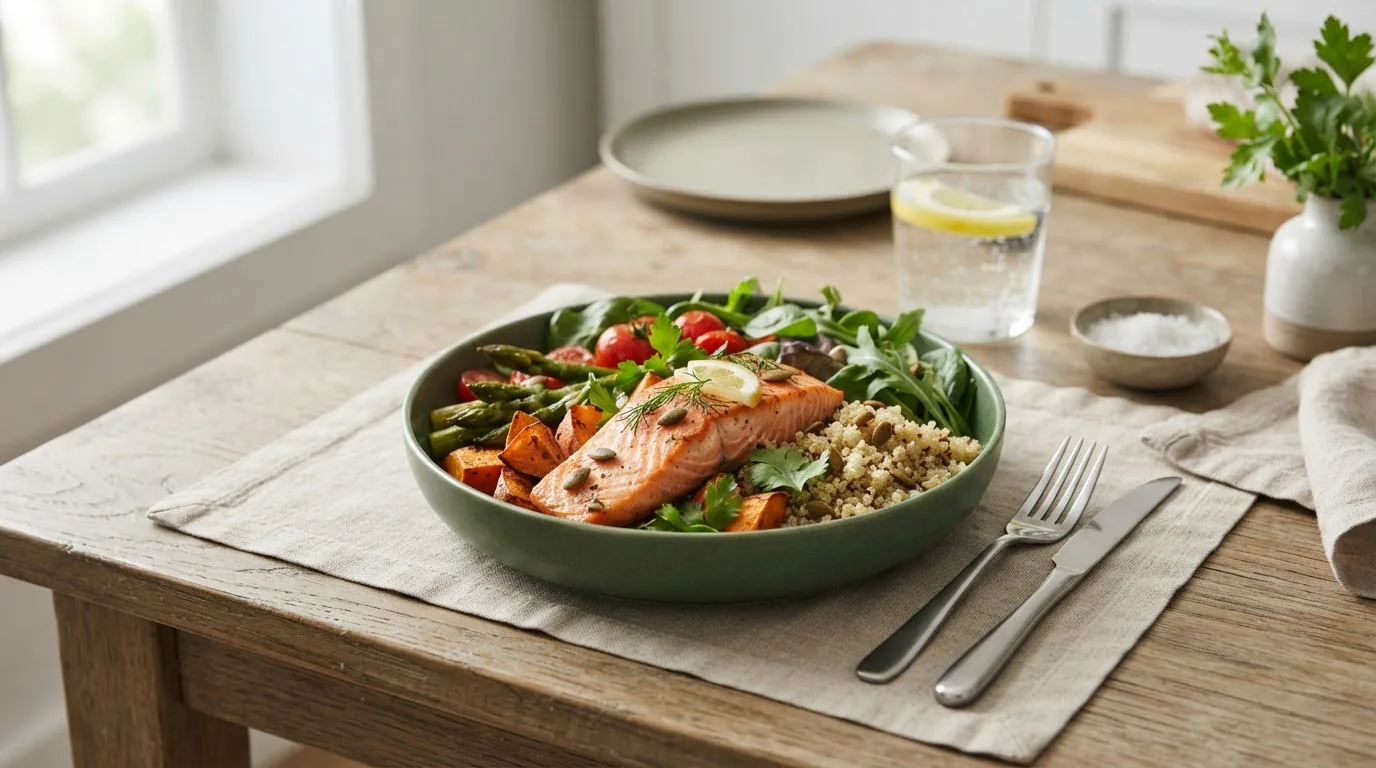
Start by thinking of meals as a set of building blocks: proteins for repair, carbohydrates for energy, fats for cell function, fiber for digestion, and a variety of vitamins and minerals for overall health. Examples include pairing grilled salmon with quinoa and roasted vegetables, or a bean-and-veggie burrito bowl with avocado and salsa. Those are simple swaps that move meals from “convenient” to “nutritious.”
Nutrition frameworks help: the USDA MyPlate model recommends filling half your plate with vegetables and fruits, a quarter with lean protein, and a quarter with whole grains, plus a serving of dairy or a dairy alternative. According to the 2025 USDA Dietary Guidelines for Americans (federal dietary guidance, 2025), emphasizing variety, nutrient density, and portion awareness is central to long-term health.
Data can motivate change: for context, key healthy eating statistics show common gaps in fruit, vegetable, and whole grain intake and underscore the benefits of small, consistent improvements (see linked report for detail).
Nutrition also intersects with prevention and chronic-disease risk. For credible guidance on how nutrition supports disease prevention, explore preventive nutrition care. That resource explains how targeted dietary choices can reduce long-term risk factors.
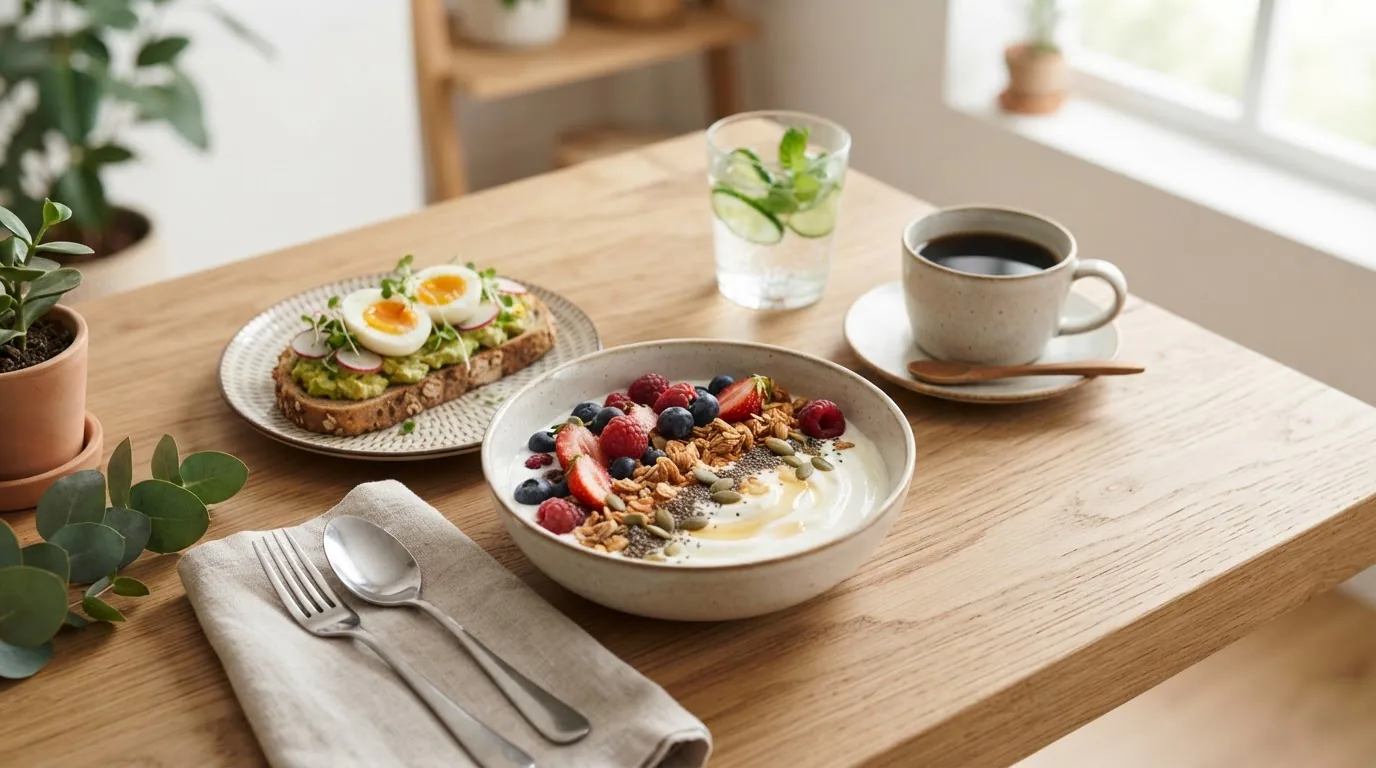
Real-life example (mini case study): Sarah, a 38-year-old office worker, improved morning energy and midday focus by shifting from cereal and fruit juice to oatmeal with Greek yogurt, berries, and a handful of nuts—an easy swap that increased protein and fiber. Within four weeks she reported steadier energy and fewer snacks between meals.
These foundational strategies set the stage for the practical steps that follow: how to choose healthier foods for every meal and how to plan those meals so healthy eating becomes the natural default.
Transition: Now that you understand the foundations of nutritious choices, let’s dive into concrete ways to choose healthier foods for breakfast, lunch, dinner, and snacks.
How to Choose Healthier Foods for Every Meal
-
Choose whole, nutrient-dense foods first.
Prioritize vegetables, fruits, whole grains, legumes, lean proteins, nuts, seeds, and minimally processed dairy or fortified alternatives. Think of nutrient density as calories packed with vitamins, minerals, fiber, and protein rather than empty calories from added sugars or refined grains.
-
Use smart swaps to upgrade meals.
Simple healthy food swaps include:
- White rice → brown rice or quinoa
- Flavored yogurt with added sugar → plain Greek yogurt + fresh fruit
- Mayonnaise-based spreads → hummus or mashed avocado
- Potato chips → air-popped popcorn or roasted chickpeas
These swaps boost fiber, protein, and micronutrients without sacrificing convenience.
-
Balance macronutrients with quality in mind.
Understand macronutrients—protein, carbohydrates, and fats—and prioritize quality: choose lean proteins (fish, poultry, tofu, legumes), whole carbohydrates (whole grains, starchy vegetables, fruits) and healthy fats (olive oil, nuts, seeds, fatty fish).
Quality matters: choose complex carbs with fiber over refined carbs, and unsaturated fats over saturated or trans fats. This approach supports steady energy and nutrient absorption.
-
Plan each plate with a simple rule: half-plate vegetables.
For lunch and dinner, make half your plate non-starchy vegetables, one quarter lean protein, and one quarter whole grains or starchy vegetables. This visual method simplifies portion control and balanced meal planning.
-
Prioritize fiber for fullness and digestion.
Dietary fiber from vegetables, fruits, legumes, and whole grains supports digestion and satiety. Aim for a mix of soluble and insoluble fiber across meals to support gut health and steady blood sugar.
-
Match portions to activity and hunger.
Use portion-control techniques such as hand portions (palm for protein, cupped hand for carbs, thumb for fats) or measuring cups for initial learning. Adjust portions based on daily activity levels and hunger cues to avoid overeating or underfueling.
-
Make snacks meaningful.
Select snacks combining protein and fiber—e.g., apple slices with nut butter, yogurt with berries, or carrot sticks with hummus—to keep energy stable and reduce cravings.
-
Be label-savvy: read ingredients, not just claims.
When choosing packaged foods, scan the ingredient list first: shorter lists with recognizable ingredients are better. Watch for added sugars (many names exist), sodium, and unhealthy fats. Use Nutrition Facts to compare serving sizes and nutrient density.
-
Focus on practical meal examples.
Breakfast: Veggie omelet with whole-grain toast and fruit. Lunch: Mixed greens salad with grilled chicken, quinoa, and vinaigrette. Dinner: Baked cod, roasted Brussels sprouts, and sweet potato. Each keeps the plate balanced and nutrient-dense.
-
Understand trade-offs and personalization.
No single plan fits everyone—consider food preferences, cultural foods, budget, and time. For evidence-based frameworks, compare options via nutritional differences between healthy and unhealthy foods.
-
Support for students and busy schedules.
Students and young adults can use time-saving strategies like batch-cooked proteins, portable whole-food snacks, and simple grain bowls. See healthy eating strategies for students for tailored tips.
Transition: With clearer selection strategies, the next step is turning choices into reliable routines—meal planning systems that work week after week.
Effective Meal Planning Strategies for a Healthy Life
Meal planning transforms intentions into action. The goal is to create a repeatable system that saves time, reduces stress, and supports nutritional goals. Below are step-by-step strategies for planning, shopping, and prepping—built for real-life constraints.
Step 1 — Plan with purpose
-
Set one weekly goal: pick a simple, achievable focus—add two extra vegetable servings daily, reduce processed snacks, or increase protein at breakfast.
-
Create a flexible template: decide on themes (Meatless Monday, Grain-bowl Tuesday) and plan three core recipes you can remix (e.g., roasted chicken used in salads, bowls, and sandwiches).
-
Schedule meals to fit your week: identify nights for quick meals, nights for leftovers, and one batch-cooking session. Keep a slot for an “easy” night (frozen whole-foods, omelet, or a healthy takeout option).
Step 2 — Build a grocery list that supports choices
-
Organize the list by store section to speed shopping and avoid impulse buys. Start with produce, then proteins, whole grains, dairy/alternatives, pantry staples, and snacks.
-
Buy versatile staples: canned beans, frozen vegetables, whole-grain pasta, brown rice, oats, canned tomatoes, nut butters, and an assortment of spices. These items reduce cost and meal friction.
-
Smart shopping tips: check unit prices, favor store or generic brand staples, and choose seasonal produce for affordability and flavor. Use coupons or apps if they help you stick to budget and plan.
Step 3 — Prep efficiently
-
Batch cook proteins and grains once or twice weekly (e.g., roast a tray of salmon or bake several chicken breasts; cook a large pot of quinoa or brown rice). Portion into containers for quick assembly.
-
Pre-chop vegetables for salads and stir-fries; wash and store greens in a salad spinner or airtight containers to extend freshness.
-
Prepare simple sauces and dressings (vinaigrette, yogurt-based dips) to add flavor and reduce reliance on high-sugar or high-sodium prepared condiments.
-
Label containers with date and meal name—this reduces waste and keeps food safety in check.
Meal-prepping benefits
Meal prepping benefits include time savings, fewer impulsive food choices, improved portion control, and cost efficiency. A typical weekly prep session (60–90 minutes) can deliver five to seven ready meals and multiple snack options.
Portion control techniques
Practical portion-control techniques include:
- Hand-guide portions (palm, fist, cupped hand, thumb).
- Use smaller plates and bowls to naturally reduce serving sizes.
- Divide large recipes into pre-portioned containers to avoid overeating.
Grocery shopping tips for healthy choices
- Shop with a list and eat before you go to avoid impulse buys.
- Compare labels for sodium, added sugars, and saturated fat.
- Choose frozen fruits and vegetables when fresh is out of season—they’re nutritionally comparable, often cheaper, and last longer.
- Buy whole foods that can be quickly transformed into meals (e.g., rotisserie chicken, pre-washed salad mixes, canned beans).
Walkthrough: A real shopping and meal-prep session
Case walkthrough (practical experience): On Sunday, set a 90-minute window: pick three dinner recipes, list ingredients, and start with grains and proteins. Roast a sheet pan of mixed vegetables and chicken breasts at 400°F for 25–30 minutes; while roasting, cook a 3-cup batch of quinoa and prepare a simple lemon-tahini dressing. Divide cooked food into five containers (dinner and weekday lunches), add fresh salad greens for the first two days, and place snacks (pre-portioned nuts, cut fruit) within reach. This saves daily prep time and reinforces sustained healthy choices.
Transition: With planning and prepping under control, you can assemble balanced meals that support wellbeing—next we’ll look at building those meals in detail and why they matter for digestion, hydration, and mindful eating.
Building Balanced Meals That Support Wellbeing
Balanced meal planning is about composition and timing: what’s on your plate and when you eat it. A balanced meal supports steady energy, digestion, and satiety while supplying essential nutrients for physical and mental wellbeing.
Think of building your meal like a balanced team: proteins are the defenders (repair and muscle), carbohydrates are the midfielders (energy and brain fuel), fats are strategic playmakers (hormones, cell health), and fiber is the engine that keeps things moving smoothly.
Fiber and digestion
Dietary fiber from whole fruits, vegetables, legumes, and whole grains supports digestion and gut health. Aim to include fiber-rich choices at most meals to enhance fullness and regulate blood sugar. For detailed options that help you stay satisfied, see foods that promote fullness.
Hydration and healthy living
Hydration supports digestion, cognitive function, and appetite regulation. Water, herbal teas, and unsweetened beverages count toward hydration. A practical tip: carry a refillable bottle and aim for regular sips—thirst is sometimes mistaken for hunger, leading to unnecessary snacking.
Mindful eating principles
Slow down to notice flavors, textures, and fullness cues. Mindful eating helps you enjoy food and recognize satisfaction earlier, reducing overeating. For practical methods to slow down and improve meal enjoyment, check practical mindful eating tips.
Nutrient timing and energy
Distribute protein and fiber across meals to support stable energy and muscle maintenance. For active people, coordinate meals around workouts: a carbohydrate-rich snack before exercise and a protein-focused meal after exercise aid performance and recovery. For integrated advice, see balanced fitness nutrition.
Sample balanced meal plate (illustration)
| Plate Section | Portion | Example Foods |
|---|---|---|
| Vegetables & Fruits | Half the plate | Mixed greens, broccoli, berries, bell peppers |
| Protein | Quarter of the plate | Grilled salmon, lentils, tofu, chicken breast |
| Whole Grains/Starchy Veg | Quarter of the plate | Quinoa, sweet potato, brown rice, whole-grain pasta |
| Healthy Fat | Small portion (thumb) | Olive oil, avocado, nuts, seeds |
Transition: Even with good knowledge and a plan, everyday life presents obstacles. The next section addresses common challenges and practical solutions to stay on track.
Overcoming Common Challenges in Eating Healthy Today
Eating healthy today can be thwarted by time pressure, budget limits, emotional eating, low appetite, or cravings. Below are common obstacles and targeted, actionable solutions.
-
Time constraints:
- Solution: Use batch-cooking, one-pan meals, and frozen vegetables to cut prep time. Keep quick go-to meals (eggs, canned beans, whole-grain wraps) for busy nights.
-
Eating on a budget:
- Solution: Buy seasonal produce, use canned or frozen fruits/vegetables, shop for whole grains in bulk, and plan meals around affordable proteins (eggs, legumes, canned tuna).
-
Unhealthy cravings:
- Solution: Satisfy texture or flavor with healthier swaps (dark chocolate instead of candy, Greek yogurt with honey and nuts instead of ice cream). Include regular protein and fiber to reduce drive for high-sugar items.
-
Emotional eating:
- Solution: Build non-food coping tools (walks, journaling, short breathing exercises). Pause before eating to assess hunger vs emotion and practice a mindful bite strategy.
-
Low appetite or difficulty eating enough:
- Solution: Choose energy-dense, nutritious options (smoothies with protein powder, nut butters, avocado) and spread smaller meals across the day. See ways to safely increase appetite and tips to eat more healthily for detailed strategies.
-
Specialized or extreme habits (e.g., competitive eating):
- Solution: If exploring specialized approaches, understand safety and professional training requirements—refer to competitive eating safety tips to avoid harm.
-
Food quality and safety concerns:
- Solution: Buy from trusted sources, check expiry dates, prioritize proper storage, rotate perishables early in the week, and practice safe cooking temperatures. For guidance on food safety and quality, consult CDC resources: CDC food safety advice.
Transition: Overcoming these challenges takes practice and small wins. Below are strategies to convert short-term wins into lasting habits.
Tips for Maintaining Healthy Habits Long-Term
Creating lasting change is about systems and mindset. Use habit design, accountability, and realistic expectations to sustain healthy eating.
-
Start with micro-habits:
Adopt one small change for two weeks (e.g., add one vegetable serving to lunch). Small wins build motivation and lead to gradual, sustained improvements.
-
Track progress, not perfection:
Use a simple log for meals, mood, or energy to observe trends. Focus on consistency rather than one-off perfection; habits compound.
-
Design your environment:
Keep healthy snacks visible and convenient, limit trigger foods at home, and set meal prompts (calendar reminders or prep day alarms).
-
Plan for flexibility and enjoyment:
Include favorite foods periodically—this reduces feeling deprived and makes habits sustainable. Practice the 80/20 principle: mostly nutritious choices, occasional treats.
-
Use social accountability:
Share goals with a friend, join a community, or meal-prep with a partner. Social support enhances adherence.
-
Learn and adapt:
Review what works monthly; swap out strategies that don’t fit your schedule or budget. If exploring different eating patterns, weigh pros and cons. For readers thinking about fasting or time-restricted eating, review intermittent fasting considerations.
-
Link habits to identity:
Adopt identity-based language: “I’m someone who chooses nutrient-rich meals” instead of “I’m trying a diet.” This mental framing supports long-term behavior change. For a deeper approach, review how to eat for a healthy life.
Transition: Putting these strategies into practice is easiest with a weekly template—below is a practical, adaptable meal plan you can use as a starting point.
Sample Weekly Nutritious Meal Plan Template
This template offers a balanced pattern with simple swaps and brief prep notes. Adjust portions to match activity level, age, and appetite. For family-focused adaptations, see family meal planning ideas and nutritious meal habits for families.
| Day | Breakfast | Lunch | Dinner | Snacks / Prep Notes |
|---|---|---|---|---|
| Monday | Oatmeal with Greek yogurt, berries, chia seeds | Quinoa salad with chickpeas, cucumber, tomato, feta | Sheet-pan salmon, roasted asparagus, brown rice | Prep: Cook extra quinoa and rice |
| Tuesday | Smoothie (spinach, banana, protein powder, almond milk) | Turkey and avocado whole-grain wrap, side salad | Vegetable stir-fry with tofu and soba noodles | Snack: Carrot sticks + hummus |
| Wednesday | Veggie omelet, whole-grain toast | Leftover salmon bowl with mixed greens | Black bean tacos, salsa, cabbage slaw | Prep: Roast extra vegetables |
| Thursday | Greek yogurt, granola (low-sugar), fruit | Mason jar salad with grilled chicken | Baked cod, sweet potato, steamed broccoli | Snack: Apple + nut butter |
| Friday | Whole-grain English muffin, peanut butter, banana | Lentil soup, whole-grain roll, side greens | Homemade pizza on whole-wheat crust with veggies | Prep: Portion leftover soup for lunches |
| Saturday | Whole-grain pancakes, mixed berries, yogurt | Grain bowl with farro, roasted veggies, tahini | Grilled chicken, quinoa salad, mixed vegetables | Use weekend to cook for next week |
| Sunday | Avocado toast with poached egg | Leftover grain bowl or simple sandwich | Slow-cooked chili with beans, vegetables | Big-batch cook: chili for meals and freezing |