how can i eat more is a question many people ask when they want to gain energy, recover from illness, or support physical training without sacrificing health. This guide gives evidence-informed, practical strategies to increase healthy intake, improve appetite, and build sustainable nutrition habits you can use now.
Understanding Why You Might Need to Eat More
Before increasing intake, it helps to understand the reasons behind low appetite or inadequate eating. Appetite is influenced by biology, lifestyle, and environment—so the solution should be targeted. Below are common causes and how they affect your energy needs and motivation to eat.
- Medical and physiological causes: Illness, infections, chronic conditions (e.g., cancer, COPD), medication side effects, and hormonal changes can reduce hunger. Low appetite from medical causes should prompt consultation with a healthcare provider.
- Nutrient deficiencies: Deficiencies in zinc, iron, and some B vitamins can blunt taste and appetite. Addressing these deficiencies often improves hunger; check levels with a clinician when suspected.
- High energy expenditure: Athletes or people with physically demanding jobs may not recognize increased energy needs, leading to relative under-eating and fatigue.
- Mental health and psychological impact: Stress, anxiety, depression, and grief can suppress hunger cues. Emotional factors may also cause selective eating or aversion to meals.
- Digestive factors: Early satiety, nausea, or slow gastric emptying (gastroparesis) can make it hard to consume adequate calories. Functional GI problems require tailored strategies.
- Social and environmental reasons: Lack of routine, limited access to appealing food, or social isolation lowers meal frequency and quantity.
- Age-related changes: Older adults often experience blunted appetite signals and altered taste, which reduces intake and nutrient absorption.
Identifying the cause helps you choose safe appetite-stimulating strategies rather than simply adding empty calories. If appetite loss is sudden, severe, or combined with weight loss, consult a clinician.
Transitioning from understanding cause to practical action, the next section provides step-by-step, safe methods to increase healthy intake.
How Can I Eat More? Practical Tips to Increase Healthy Intake
-
Increase meal frequency with structure
Eat smaller, planned meals every 2–4 hours instead of forcing three large meals. Frequent eating keeps energy steady and reduces the intimidation of large plates. Start with breakfast within an hour of waking to jump-start appetite hormones.
-
Use energy- and nutrient-dense foods
Choose foods that pack calories and nutrients into manageable portions—nuts, nut butters, avocados, whole-fat dairy, olive oil, seeds, and starchy vegetables. These help raise caloric intake without overfilling the stomach.
-
Prioritize protein at every eating occasion
Aim for 15–30 g of protein per meal to support muscle mass, satiety regulation, and recovery. Examples: Greek yogurt, cottage cheese, eggs, canned tuna, protein smoothies, or plant-based proteins like tofu and legumes.
-
Drink calories strategically
If solids feel heavy, sip high-calorie, nutritious beverages between meals—smoothies, milk or fortified plant milks, and homemade shakes with fruit, nut butter, oats, and protein powder. Avoid filling up on water right before meals; hydrate earlier or after eating.
-
Enhance flavor and aroma
Stronger flavors stimulate appetite. Use herbs, spices, citrus, condiments, and warm preparations. Roasting vegetables, marinating proteins, or adding a squeeze of lemon can make foods more appealing.
-
Eat calorie-dense toppings and mix-ins
Add-ons are low-effort ways to increase calories: olive oil drizzles, grated cheese, nut butter swirls, ground flax, hemp seeds, and avocado slices. These boost energy without greatly increasing portion size.
-
Build easy, repeatable snack packs
Prepare snack packs with mixed nuts, cheese cubes, dried fruit and whole-grain crackers, or hummus with pita. Accessibility increases consumption—keep snacks visible and portable.
-
Time meals around activity
Eating after light exercise stimulates hunger in many people. A short walk or brief resistance training session before a meal can increase appetite. For sustained hunger increases, incorporate daily progressive resistance training to build muscle and caloric needs.
-
Use liquid supplements carefully
Oral nutrition supplements (high-calorie shakes) can be used short-term for recovery or weight gain under guidance. Prefer whole-food smoothies first; use commercial supplements when intake remains inadequate.
-
Work with flavors and textures you enjoy
Familiar foods are easier to eat when appetite is low. If bland textures turn you off, choose crisp, warm, or creamy options depending on preference.
-
Mind meal presentation and environment
Eat in a pleasant, low-stress setting; use colorful plates, set a routine, and reduce distractions. However, for people with slow eating or low appetite due to anxiety, consider mindful approaches in later sections.
-
Address micronutrient gaps
Deficiencies in zinc, iron, and B vitamins can blunt appetite. An evaluation and replacement plan with a clinician or registered dietitian may restore hunger—see the nutrient section below for specifics.
-
Start meals with an appetizer or calorie-dense starter
A small bowl of soup, a smoothie, or a yogurt parfait before the main course can ease into a larger meal. Warm, savory starters often stimulate salivation and digestion.
-
Set gentle goals and track progress
Use simple targets like “add one 200–300 kcal snack daily” and track energy, weight, and mood weekly. Slow, consistent increases reduce digestive upset and support sustainable gains.
-
Seek professional help if needed
If appetite loss is prolonged or tied to a medical condition, consult a clinician, registered dietitian, or mental health professional. Persistent unintended weight loss requires evaluation.
-
Complement with behavioral strategies
Social eating, meal reminders, and habit stacking (pairing eating with another daily behavior) can improve consistency. Behavioral prompts work especially well for people recovering from illness or adjusting to new energy needs.
-
Use safe food-based appetite stimulants
Ginger or peppermint can ease nausea and improve tolerance; sweet and savory aromas may increase desire to eat. For medically supervised options, a clinician can advise pharmacologic stimulants.
Transition: After practical techniques, the next section explains which foods best support increased intake while maintaining nutrient quality.
Choosing the Right Foods to Support Increased Eating
When increasing food intake, prioritize foods that deliver calories plus essential nutrients—this is the principle of nutrient-dense foods. Think of calories as fuel and nutrients as oil and filters that keep your engine running well; calories alone won’t support recovery or performance.
Key categories to focus on:
- Healthy fats: Avocado, olive oil, fatty fish, nuts, and seeds provide concentrated energy and aid absorption of fat-soluble vitamins (A, D, E, K).
- Complete proteins: Animal proteins (eggs, dairy, poultry, fish) and strategic plant pairings (rice + beans) support muscle, immune function, and metabolic rate.
- Whole grains and starchy vegetables: Potatoes, sweet potatoes, oats, quinoa, and brown rice supply energy and fiber, aiding digestion and consistent energy.
- Fruits and vegetables: Choose higher-calorie fruits like bananas and mangoes, and incorporate cooked vegetables if raw textures reduce appetite.
- Dairy or fortified alternatives: Full-fat yogurt, kefir, and fortified plant milks deliver calories, protein, and micronutrients like calcium and vitamin D.
Compare calorie-dense choices with nutrient-rich options to balance quantity and quality:
| Goal | Calories/portion | Examples |
|---|---|---|
| Calorie-dense quick boost | 200–400 kcal | Nuts and seeds, nut butter on toast, avocado toast |
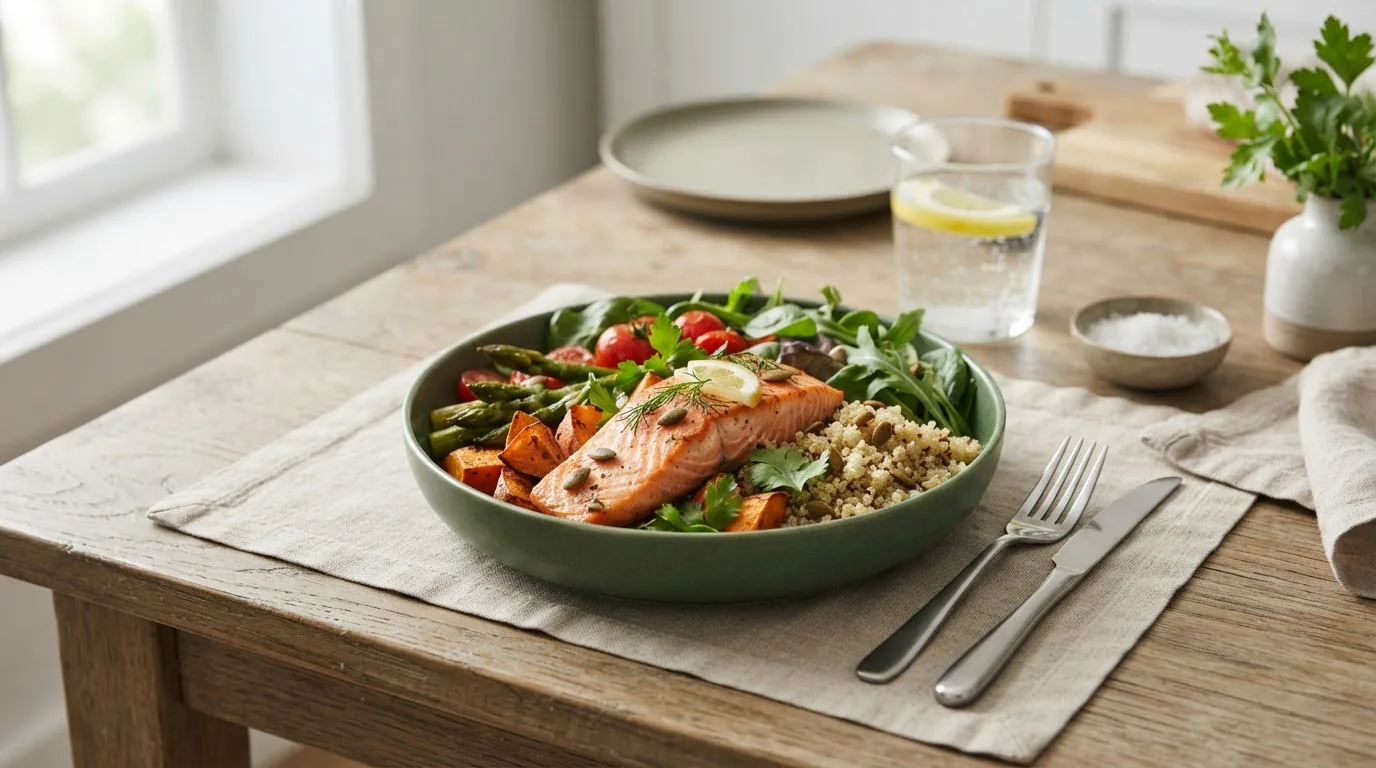
| Nutrient-dense meal | 500–800 kcal | Salmon, roasted sweet potato, sautéed greens, quinoa |
| Liquid calories for low appetite | 250–500 kcal | Smoothie with milk, banana, oats, nut butter, protein powder |
Micronutrients that directly affect appetite and taste:
- Zinc: Linked to taste acuity and appetite. According to a 2021 peer-reviewed review, zinc supplementation improved appetite in populations with deficiency (peer-reviewed journal).
- Iron: Iron deficiency anemia can reduce energy and appetite; treating anemia often restores appetite (clinical studies).
- B vitamins: B12 and other B vitamins support energy metabolism and can affect appetite indirectly (nutritional guidelines).
Snack and meal examples tailored to appetite support:
- Breakfast smoothie: whole milk or fortified plant milk, banana, oats, peanut butter, spinach, whey or plant protein powder.
- Mid-morning snack: Greek yogurt with granola and honey, or a cheese and fruit plate.
- Lunch: grain bowl with salmon or chicken, avocado, roasted root vegetables, and tahini dressing.
- Afternoon snack: trail mix with dried fruit and dark chocolate, or hummus with pita and olives.
- Dinner: creamy risotto or pasta with olive oil, roasted vegetables, and grated cheese.
For deeper reads on satiety and fullness vs. appetite-increasing choices, contrasting lists can help—see foods that promote fullness for strategies to manage satiety when you want to control portion sizes while increasing overall caloric density.
Transition: Once you have the right foods in mind, organize them into a meal plan to apply changes sustainably.
Meal Planning Strategies for a Healthy Appetite Boost
Meal planning reduces decision fatigue and ensures energy needs are met. Use the following how-to steps and a sample schedule to increase intake without stress.
-
Step 1 — Assess baseline needs
Estimate current weight, activity level, and goals. For modest weight gain, add 250–500 kcal/day; athletes may need more. Track intake for 3–7 days to identify gaps.
-
Step 2 — Build a template
Create a daily template: breakfast, mid-morning snack, lunch, afternoon snack, dinner, and optional evening snack. Each eating event should include 1–2 macronutrient targets (protein + carb or fat).
-
Step 3 — Batch-cook and prep mix-ins
Cook grains, roast vegetables, and portion proteins in advance. Pre-portion calorie-dense mix-ins (nut butter packets, seed mixes) to add quickly to meals.
-
Step 4 — Use a sample schedule
Sample day for a person increasing intake moderately:
- 7:30 AM — Breakfast smoothie with protein (450 kcal)
- 10:00 AM — Snack: yogurt, granola, and fruit (300 kcal)
- 12:30 PM — Lunch: grain bowl with protein and avocado (600 kcal)
- 3:30 PM — Snack: trail mix and cheese (350 kcal)
- 6:30 PM — Dinner: salmon, sweet potato, greens (700 kcal)
- 8:30 PM — Light snack: warm milk and toast with nut butter (250 kcal)
-
Step 5 — Rotate menus
Rotate meals every 4–7 days to avoid palate fatigue. Keep 3–5 go-to meals and swap proteins or grains for variety.
-
Step 6 — Adjust for digestion
If large meals cause discomfort, reduce meal size and increase frequency. Introduce new foods gradually to allow gut adaptation.
-
Step 7 — Incorporate snacks strategically
Plan snacks as nutrient-dense mini-meals rather than empty-calorie options. Examples: cottage cheese with fruit, avocado on rye, or packaged nutrient bars chosen for ingredients not just calories.
-
Family and practical considerations
If you’re applying appetite-friendly planning to household meals, adapt portions and mix-ins so family meals remain balanced—see practical family meal plans for ideas on scaling and timing.
Transition: Meal planning works best when paired with lifestyle supports that influence hunger and digestion.
Lifestyle Factors That Affect Your Appetite and Nutrition
Appetite doesn’t exist in isolation—exercise, sleep, hydration, and stress all shape hunger signals. Addressing these lifestyle factors often yields the fastest improvements in consistent intake.
Exercise and hunger: Physical activity can regulate appetite hormones. Moderate aerobic exercise often increases short-term hunger, while high-intensity training can transiently suppress it. Strength training increases muscle mass and baseline energy needs over weeks to months, making it easier to eat more without excess fat gain. For more on balancing activity and nutrition, see balanced fitness nutrition.
Sleep: Poor sleep dysregulates ghrelin and leptin, the hormones that increase hunger and satiety. Aim for consistent sleep schedules to support appetite regulation. According to a 2022 peer-reviewed sleep-nutrition review, disrupted sleep patterns are associated with appetite dysregulation (peer-reviewed journal).
Hydration and digestion: Both dehydration and excess pre-meal fluid can blunt hunger. Sip fluids throughout the day but limit large volumes immediately before meals. Warm liquids may stimulate digestion and appetite for some people.
Stress and emotional factors: Acute stress can suppress appetite; chronic stress may increase cravings for energy-dense foods. Use stress-reduction tools (breathing exercises, short walks, therapy) to normalize hunger cues.
Mindful eating: Slowing down and noticing taste, texture, and hunger cues can help re-establish appropriate intake. For guided strategies on slowing meals, consult the mindful eating techniques.
Transition: With lifestyle foundations set, here are steps to begin increasing intake while improving overall diet quality.
How to Start Eating Better While Increasing Intake
Raising calories doesn’t have to mean unhealthy choices. Follow gradual, sustainable changes that prioritize nutrient quality and minimize empty calories. Below are practical numbered guidelines to begin.
-
Start with one change at a time
Add a nutrient-dense snack each day for a week, then add a second. Gradual changes reduce digestive upset and help form habits.
-
Choose whole-food sources first
Prefer whole grains, lean proteins, healthy fats, and produce. According to the USDA dietary framework, whole foods better supply micronutrients and fiber compared with isolated calorie sources (USDA).
-
Balance macronutrients
Aim for balanced distribution across meals: protein for repair, carbohydrates for energy, and fats for calorie density and satiety. Typical targets for those increasing intake might be 25–35% protein, 40–55% carbohydrates, and 20–35% fats depending on goals.
-
Limit empty calories
Foods high in added sugars and low in nutrients provide quick calories but poor recovery. Replace some treats with nutrient-rich alternatives to support long-term health—see the contrast in healthy vs unhealthy eating.
-
Use evidence-backed supplements when appropriate
Vitamin D, iron, B12, or zinc supplementation should be based on testing and clinical guidance. The Academy of Nutrition and Dietetics advises tailored supplementation when dietary sources are insufficient (Academy of Nutrition and Dietetics).
-
Track simple metrics
Monitor weight, energy, sleep, and mood weekly. Adjust portions when weight changes are faster than desired, and consult a registered dietitian for personalized plans.
-
Practice gradual habit formation
Pair new eating behaviors with existing habits (e.g., have a snack after brushing your teeth in the morning). Consistency over months builds lasting dietary changes—learn more about sustainable healthy eating habits.
-
Watch for digestive tolerance
Increase fiber slowly and spread fat across meals to minimize GI distress. If digestive discomfort arises, reduce meal size and consult a clinician.
-
Seek individualized professional support
Registered dietitians can create tailored meal plans accounting for medical history, taste preferences, and energy goals. For preventive focus, see resources on preventive nutrition care.
Transition: If you need faster health gains while supporting appetite and nutrition, the next section outlines realistic timelines and evidence-backed tactics.
How to Get Healthy Fast by Supporting Your Appetite and Nutrition
“Fast” improvements are relative—meaningful changes in energy, mood, and some biomarkers can occur within days to weeks if you focus on nutrient-rich, consistent eating and lifestyle adjustments.
- First 3–7 days: Expect improved hydration, clearer thinking, and better sleep with regular meals and balanced fluids. According to a 2023 peer-reviewed clinical nutrition trial, participants who added structured meals reported energy improvements within one week (peer-reviewed clinical trial).
- 2–4 weeks: Noticeable weight stabilization or modest gain, improved recovery from exercise, and better digestion as gut microbes adapt to higher fiber and consistent meals (observational nutrition studies).
- 6–12 weeks: Improved strength and body composition when pairing increased intake with resistance training; lab improvements in deficiencies (iron, B12) often show by 6–12 weeks after treatment (clinical practice guidelines).
Quick, practical steps that accelerate health gains:
- Start each day with a protein-rich meal and a calorie-dense beverage to ensure early energy.
- Address likely micronutrient gaps with testing and guided supplementation; deficiencies often limit recovery speed.
- Use a short-term commercial oral nutrition supplement if intake is inadequate while transitioning to whole foods.
- Schedule resistance training 3x/week to raise metabolic needs and encourage lean mass gains.
- Prioritize sleep and reduce late-night blue light exposure to normalize appetite hormones.
For hard data on nutrient absorption and population statistics supporting recovery timelines, consult sources with key figures like the key dietary statistics—these resources compile evidence you can use to set realistic expectations.
Transition: Even with the best plan, common challenges appear. The section below offers practical troubleshooting and links to deeper support resources.
Common Challenges and How to Overcome Them
When increasing intake, readers often face predictable obstacles. This FAQ-style troubleshooting addresses common issues and directs to relevant resources.
Loss of appetite from stress or illness
Slowly increase meal frequency and use appealing flavors and warm foods. If loss of appetite persists or there is unintentional weight loss, consult a clinician; persistent cases may need medical evaluation.
Food preferences and sensory aversions
Use tolerated textures, repeat exposure, and incorporate preferred spices. If taste changes are due to medication or illness, ask your clinician about alternatives or supportive therapies.
Gastrointestinal discomfort when eating more
Reduce meal size, increase frequency, and limit high-fat or high-fiber items until tolerance improves. Consider a gastroenterology referral for persistent symptoms.
Emotional or disordered eating patterns
Work with mental health and nutrition professionals to separate emotional triggers from physiological hunger and to develop coping strategies that don’t rely on extreme eating behaviors.
Worry about gaining unhealthy weight
Focus on lean mass and strength training while adding moderate caloric surplus (250–500 kcal/day). Monitor body composition when possible and adjust intake to prevent excessive fat gain.
Curiosity about extreme approaches or competitive eating
If you’re exploring large-intake strategies, follow professional safety protocols. For readers curious about specialized training and safety, see competitive eating safety tips.
Needing broader preventive nutrition
Preventive approaches include routine screenings, balanced micronutrient intake, and vaccinations when appropriate—learn more in the preventive nutrition care resource.
For help tailoring solutions to your specific situation, consult a registered dietitian or clinician.
Transition: To finish, here are concise takeaways and an actionable call to start improving appetite and nutrition today.
Conclusion
Increasing intake healthily combines appetite stimulation, nutrient-dense food choices, structured meal planning, and lifestyle supports like exercise and sleep. Start small: add one nutrient-dense snack, aim for consistent protein, and track weekly progress. If challenges persist, seek medical or dietitian care to address underlying causes. Ready to take the first step? Create a simple two-week plan: add one snack daily, prioritize protein at each meal, and schedule three brief strength sessions—then reassess.
Frequently Asked Questions
What does it mean to have a low appetite and how is it diagnosed?
Low appetite (anorexia of appetite) means reduced desire to eat that leads to lower calorie intake. Diagnosis involves medical history, physical exam, weight trends, and tests for nutrient deficiencies or medical causes—often guided by a clinician and sometimes lab work to identify underlying conditions.
How is eating more different from just eating more calories?
Eating more focuses on increasing both calories and nutrient quality—prioritizing protein, healthy fats, and micronutrients—whereas only eating more calories can mean adding nutrient-poor foods that don’t support health, recovery, or body composition goals.
How can I eat more if I feel full quickly?
Choose energy-dense, smaller-portioned foods (nut butters, smoothies, avocado), increase meal frequency, and sip calorie-containing beverages between meals to add calories without large volumes that trigger fullness.
What are safe ways to increase my appetite naturally?
Safe methods include small frequent meals, flavor enhancement, resistance exercise, addressing micronutrient deficiencies (zinc, iron), using calorie-dense whole foods, and managing stress and sleep—consult a clinician if appetite loss persists.
How long does it take to notice improvements in health after eating more?
Energy and mood often improve within 3–7 days; weight and digestion changes appear in 2–4 weeks; measurable recovery of deficiencies and body composition shifts typically take 6–12 weeks, depending on baseline health and interventions.
Why do I sometimes lose my appetite even when I’m not sick?
Temporary appetite loss can result from stress, sleep disruption, medication side effects, hormonal shifts, or changes in routine. Identifying and addressing lifestyle triggers usually restores normal hunger within days to weeks.
How can I ensure the food I eat to increase appetite is high quality and nutritious?
Prioritize whole foods—lean proteins, whole grains, fruits, vegetables, nuts, and healthy fats—limit added sugars and processed items, and follow dietary frameworks like USDA guidelines or dietitian advice to meet micronutrient needs.
What should I do if increasing my food intake causes digestive discomfort?
Reduce meal size, increase frequency, introduce fiber gradually, limit high-fat meals, and ensure proper hydration. If symptoms persist, consult a gastroenterologist to evaluate for conditions like malabsorption or gastroparesis.