
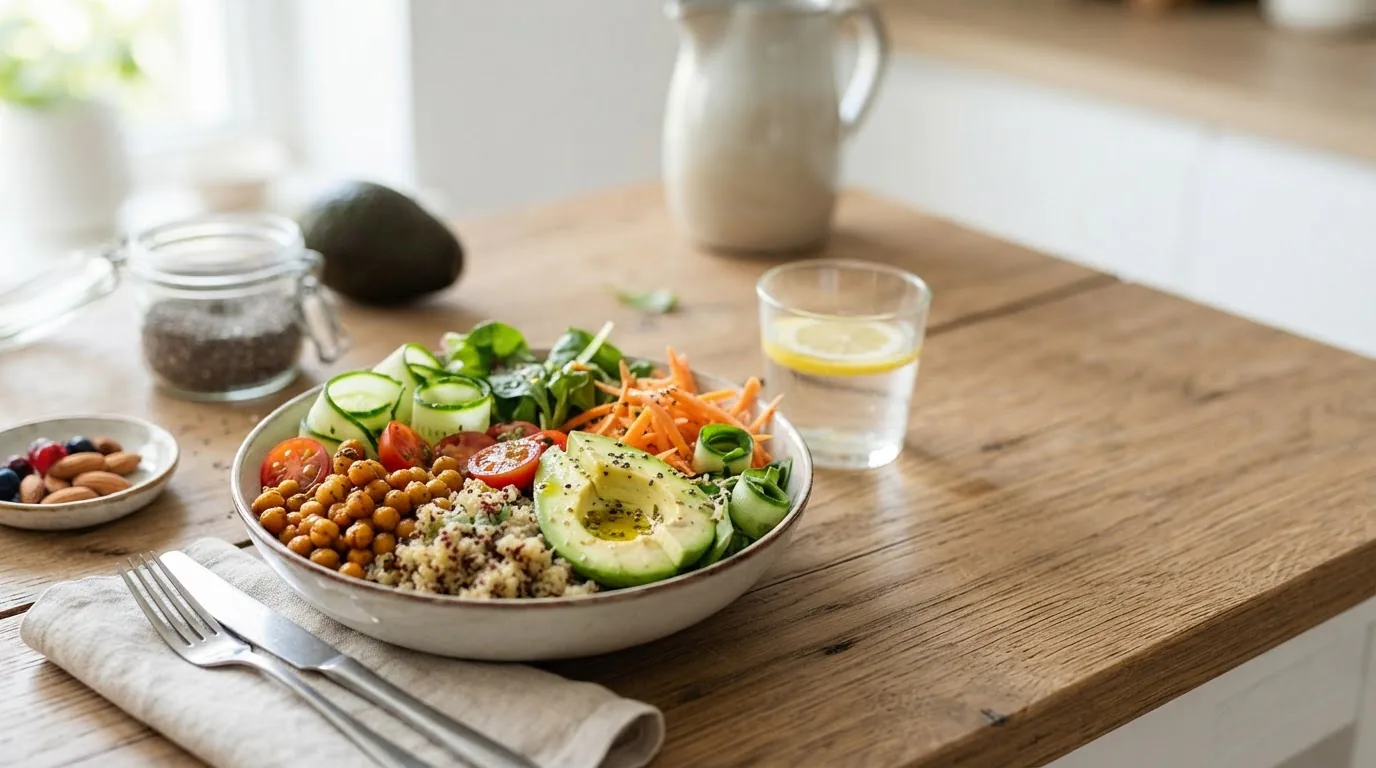
how to lose weight in without exercise is possible for many people by focusing on sustainable, nutrition-centered changes rather than temporary diets. This guide explains, step by step, how eating adjustments—rooted in energy balance, nutrient density, and behavior change—can produce lasting weight loss without relying on exercise.
Understanding Weight Loss Without Exercise
Weight change is governed by energy balance: calories in versus calories out. To lose weight you need a consistent caloric deficit—consuming fewer calories than your body uses. Even without exercise, you can create this deficit by reducing caloric intake, improving food quality, and leveraging metabolic factors like basal metabolic rate (BMR), the energy your body needs at rest.
Basal metabolic rate (BMR) depends on age, sex, body composition, and genetics. Think of your metabolism as your body’s engine: it burns fuel continuously. While exercise raises energy expenditure, most day-to-day calories burned are from BMR and non-exercise activity thermogenesis (NEAT) — small movements like standing, fidgeting, and daily chores. You can influence total daily energy expenditure by focusing on meal composition and NEAT (e.g., increasing daily movement in small ways), but the primary lever for non-exercisers is controlling intake.
Healthy weight maintenance also hinges on nutrient density—eating foods that provide vitamins, minerals, and fiber per calorie—and on appetite regulation. Foods that are high in fiber, protein, and water increase satiety and help you stick to a calorie target without constant hunger. Conversely, ultra-processed foods and added sugars can override fullness signals, increase overall intake, and make a calorie deficit harder to sustain.
Official guidance supports nutrition-first strategies: the CDC and national dietary guidelines emphasize calorie control and diet quality for weight management. According to a 2024 industry report on diet quality and weight outcomes, diets emphasizing whole foods and balanced macronutrients are linked with sustainable weight loss in controlled studies.
How to Eat to Live Guide for Sustainable Healthy Eating Habits
Below, we unpack the science and provide practical steps that rely on eating habits only. This section sets the foundation for the rest of the guide—principles you can apply immediately to create a safe, sustainable caloric deficit without structured exercise.
Can You Just Eat Healthy and Lose Weight?
Short answer: yes—often—but with important nuances. Eating healthy in the sense of prioritizing nutrient-dense, minimally processed foods typically reduces overall caloric intake because such foods are more filling and less calorie-dense than processed alternatives. However, “healthy” is not a guaranteed weight-loss label; portion size and total calories still matter.
Myth-busting: Many people assume switching from junk food to “healthy” packaged items will automatically produce weight loss. In reality, a large serving of nuts, avocado toast, or full-fat yogurt can add as many calories as a fast-food meal. The key is combining nutrient density with portion control and awareness of energy content.
Diet quality does more than change calories. It affects hunger hormones, gut microbiota, and metabolic health. For example, higher-protein, higher-fiber patterns improve satiety and support lean mass preservation during weight loss, which helps maintain resting metabolic rate. According to a 2023 peer-reviewed study in a nutrition journal, higher protein intake improved weight loss retention in sedentary adults over 12 months.
For evidence-based statistics about how diet quality affects weight, see curated population and research data. key healthy eating statistics provides context on how improvements in diet quality correlate with weight outcomes across populations.
Compare “eating healthy” to simply “eating less”: real success often requires blending both—improving quality while managing quantity. eating healthy vs unhealthy explains how food quality influences appetite, calories, and metabolic responses.
Transition: With the basics clear, the next section lists practical, actionable dietary principles you can apply immediately to create and sustain a calorie deficit without exercise.
Key Dietary Principles for Losing Weight Without Exercising
-
Establish a realistic caloric deficit
– Step-by-step: Calculate estimated daily calorie needs using a BMR formula (Mifflin-St Jeor) and multiply by activity factor (sedentary). Subtract 10–20% of that total for a gentle, sustainable deficit. For most adults this is 250–500 kcal/day. Keep a food log for 2 weeks to validate estimates. -
Prioritize protein for satiety and muscle preservation
– Aim for 20–30 grams of protein at each main meal (0.6–1.0 g/kg body weight per meal depending on needs). Protein increases thermic effect and fullness. -
Fill up on fiber-rich, nutrient-dense foods
– Vegetables, legumes, whole grains, and fruits add volume and fiber to meals with fewer calories. Fiber slows digestion and prolongs fullness.
foods that make you feel full -
Use portion control and simple measuring tools
– Use a digital scale, measuring cups, or visual guides (e.g., protein = palm, carbs = cupped hand, fats = thumb) to keep portions consistent. -
Balance macronutrients for sustained energy
– Combine protein, fiber-rich carbs, and healthy fats each meal to stabilize blood sugar and reduce cravings. Macronutrient balance matters more for satiety than strict percentages; adjust to personal preference (e.g., moderate carbs for those who feel better with reduced carbs). -
Limit added sugars and ultra-processed foods
– These foods are engineered for overconsumption and often displace nutrient-dense choices. Swap sugary drinks and packaged snacks for whole-food alternatives. -
Practice mindful eating
– Slow down meals, remove distractions, and check fullness cues at 20 minutes into eating. mindful eating tips -
Plan simple meals and healthy swaps
– Prepping balanced meals and substituting lower-calorie ingredients reduces impulsive high-calorie choices. -
Hydration and small behavioral changes
– Drink water before meals to reduce intake and replace caloric beverages with water, coffee, or tea. -
Set realistic goals and monitor progress
– Target 0.5–1% body weight per week for sustainable loss and re-evaluate every 2–4 weeks.
Below is a quick comparison of common dietary approaches for sedentary individuals to highlight trade-offs.
| Approach | Pros | Cons |
|---|---|---|
| Moderate-carb, higher-protein | Satiety, lean mass preservation | May require planning; not ideal for some preferences |
| Low-fat, calorie-focused | Simpler portion control; works for many | May be less satisfying for some; risk of high-carb choices |
| Higher-fat, lower-carb | Reduces hunger for some people | Can be calorie-dense; needs attention to food choices |
Transition: With these principles in hand, let’s look at concrete foods, swaps, and sample meal ideas that make implementation easy and sustainable.
Practical Foods and Meal Ideas That Promote Weight Loss
Choose foods that are low in calories per volume, high in nutrients, and satisfying. Whole foods beat isolated ingredients for fullness and micronutrients.
- High-satiety proteins: skinless poultry, lean fish, tofu, tempeh, legumes, Greek yogurt
- High-fiber staples: lentils, chickpeas, oats, barley, whole-grain pasta in moderate portions
- Low-calorie volume: leafy greens, cruciferous vegetables, cucumbers, zucchini
- Healthy fats in controlled portions: olives, nuts (use small portions), avocado
- Hydrating choices: broth-based soups, water-rich fruits (berries, melon)
Smart swaps that reduce calories but maintain satisfaction:
- Replace sugary drinks with sparkling water or unsweetened tea
- Swap refined grains for whole grains in smaller portions
- Use vegetable noodles or cauliflower rice in mixed dishes
- Choose yogurt instead of ice cream and top with berries and a sprinkle of nuts
Sample day (approximate balance for a modest calorie deficit):
- Breakfast: Greek yogurt with berries, 1 tbsp nuts, and 2 tbsp oats (protein + fiber)
- Lunch: Big salad with mixed greens, 4–6 oz grilled salmon or chickpeas, quinoa (1/2 cup), lots of veggies, olive oil & vinegar dressing
- Snack: Apple + 1 tbsp nut butter or carrot sticks with hummus
- Dinner: Stir-fry of tofu or shrimp with broccoli, peppers, and a small serving (1/2 cup) of brown rice
practical meal plans for families
Transition: Food selection is only part of the equation—sustaining these choices requires lifestyle and behavioral shifts to control appetite, manage stress, and build habits that stick.
Tips for Staying Thin Without Exercise: Lifestyle and Behavioral Changes
Long-term weight outcomes depend heavily on habits. Below are actionable, behavior-focused strategies proven helpful for people not relying on exercise.
- Hydration: Drink water regularly. A glass before meals can reduce intake. Replace sugary beverages—this simple swap lowers daily calories substantially.
- Sleep: Aim for 7–9 hours per night. Poor sleep raises ghrelin (hunger hormone) and lowers leptin (satiety hormone), often increasing caloric intake.
- Stress management: Use breathing, short walks, or social support to avoid stress-driven eating. Chronic stress elevates cortisol, which can increase appetite and fat storage.
- NEAT and small movement: While not formal exercise, increasing standing, short walks, or household tasks raises energy expenditure without structured workouts.
- Routine and meal timing: Regular meal patterns prevent extreme hunger and impulsive overeating. Some people benefit from consistent meal timing; others prefer flexible approaches—choose what you can sustain.
- Behavioral cues and environment: Reduce visibility of tempting foods, pre-portion snacks, and keep healthier options front and center in the fridge.
- Social strategies: Plan for social eating by arriving slightly full, offering to bring a healthy dish, or choosing smaller portions.
Behavioral change takes time. Start with one or two adjustments—such as tracking water and replacing sugary drinks—and add more habits as the earlier ones become automatic. According to a 2024 meta-analysis in nutrition behavior research, incremental habit changes are more likely to be maintained after 12 months than drastic, all-or-nothing plans.
Transition: Despite careful planning, challenges arise. The next section addresses common obstacles and practical ways to overcome them without relying on exercise.
Common Challenges and How to Overcome Them When Not Exercising
Problem: Weight loss plateau. Solution: Reassess calorie intake and day-to-day activity, use a brief 1–2 week food log, and consider small reductions (100–200 kcal) or swapping higher-calorie foods for lower-calorie, nutrient-dense options. Rotating meal patterns or introducing more protein can also help.
Problem: Cravings and emotional eating. Solution: Identify triggers—stress, boredom, social cues—and use alternative coping strategies (call a friend, walk, brief relaxation). Keep safe, lower-calorie comfort options available to avoid bingeing.
Problem: Social pressure and eating out. Solution: Plan ahead: review menus, decide on portions, choose grilled or steamed dishes, ask for sauces on the side, and share desserts. Practice polite refusal strategies for pressure to overeat.
Problem: Lack of motivation to track or plan. Solution: Simplify: use plate method (half vegetables, quarter protein, quarter carbs), pre-portion snacks, and batch-cook base ingredients to reduce decision fatigue.
Problem: Overeating at events or competitive situations. Solution: Understand safe limits and techniques to avoid extremes; for guidance on how to handle high-volume eating scenarios safely, consult resources about competitive eating practices. competitive eating safety
A real-life example: A 42-year-old teacher reduced her daily energy intake by 350 kcal through swapping sugary beverages for water, cutting portion sizes by ~15%, and choosing lean proteins and high-fiber vegetables. Over 10 months she lost 12 kg, mostly through dietary changes alone, and kept the weight off 18 months later by continuing the same sustainable habits and monitoring progress monthly. This anecdote reflects many case series showing steady, modest deficits produce lasting change without exercise reliance.
Transition: Monitoring is crucial—read on for techniques to track progress and maintain weight loss long-term.
Monitoring Progress and Maintaining Weight Loss Sustainably
To maintain progress without exercise, develop consistent tracking and maintenance strategies that minimize obsession while providing accountability.
- Weighing frequency: Weekly weighing at the same time of day is a useful balance between feedback and variability. Daily weighing can work for some but may create stress for others.
- Food tracking: Use a simple app or paper log for 2–4 weeks every few months to recalibrate portion perception. Track patterns rather than every detail indefinitely.
- Set realistic goals: Aim for small, measurable targets (e.g., 0.5–1% body weight per week initial loss; maintenance focus on stability within ±2–3% of target weight).
- Adjustments: When weight drifts upward, analyze high-calorie patterns (snacks, beverages, restaurant meals) and implement small, specific corrections.
- Health monitoring: Keep up preventive care and nutrition checks—blood pressure, lipids, blood glucose—particularly if weight loss aims to improve health conditions. preventive care and nutrition
Case studies and trials show that maintenance is most successful when people adopt flexible, non-restrictive eating habits they enjoy. According to a 2024 review of weight maintenance trials in peer-reviewed journals, participants with an emphasis on dietary quality, routine monitoring, and behavioral strategies had better long-term outcomes than those relying solely on willpower or temporary restrictions.
Transition: Even with strong dietary strategies, exercise can add meaningful benefits—here’s when to consider adding it.
When to Consider Adding Exercise For Enhanced Results
Although this article focuses on nutrition-first approaches, adding activity can enhance results. If you want faster weight loss, better cardiovascular health, improved mood, or to preserve/ build muscle during weight loss, integrate gradual activity—walking, resistance bands, or brief strength sessions.
balanced fitness nutrition guide
Start slowly: add 10–20 extra minutes of moderate movement daily and build from there. For people with health conditions, seek medical clearance. Exercise offers benefits beyond weight—improved metabolic health, bone density, and psychological well-being—so when feasible, it complements sustained eating-based weight control.
Final transition into closing: combine the tools from earlier sections—calorie control, nutrient-dense meals, mindful eating, and monitoring—to create a long-term, non-exercise-centered weight plan.
Closing note on safety and guidance: Some medical conditions require exercise prescriptions or tailored dietary plans—consult healthcare professionals before making major changes. For authoritative recommendations, consult government dietary guidelines such as NIH/NIDDK resources and the American Heart Association for heart-healthy eating guidance.
Summary: A sustainable path to lose weight without exercise focuses on a modest caloric deficit, protein and fiber-rich foods, portion control, mindful eating, hydration, sleep, and consistent monitoring. Apply these principles incrementally for durable results.
Call to action: Start by tracking one week of intake, choose two swaps from the meal suggestions above, and set a realistic 4-week goal—small steps create lasting change.
Frequently Asked Questions
What does it mean to lose weight without exercise?
Losing weight without exercise means creating a sustained caloric deficit primarily through dietary changes, portion control, and behavioral adjustments while relying on basal metabolic rate and daily non-exercise activity to maintain energy expenditure.
Can I just eat healthy and lose weight without working out?
Yes—improving diet quality can reduce calorie intake and increase satiety, often causing weight loss without exercise, but portion control and total calories still determine results; quality alone is not guaranteed.
How long does it take to lose weight by only changing my diet?
At a safe pace of 0.5–1% body weight per week, most people see meaningful changes within 4–12 weeks; rates vary by starting weight, deficit size, metabolic factors, and adherence.
What are the best foods to eat to lose weight without exercising?
Choose lean proteins, high-fiber vegetables, legumes, whole grains in controlled portions, and water-rich fruits; these nutrient-dense foods increase satiety while being lower in calories per volume.
How can I stay thin if I don’t like exercising?
Focus on consistent calorie control, nutrient-dense meals, regular meal timing, mindful eating, adequate sleep, hydration, and small daily movement (NEAT) to support long-term weight management without formal exercise.
What should I do if I hit a weight loss plateau without exercising?
Reassess caloric intake via a short food log, tighten portion control modestly (100–300 kcal/day), increase NEAT, and consider small macronutrient adjustments like more protein or fiber to restore progress.
Is eating healthy alone enough to maintain weight loss long term?
Eating healthy is a cornerstone of maintenance, but sustainable habits—regular monitoring, portion control, stress and sleep management, and flexible routines—are also essential to prevent regain long term.
How can I be sure the weight loss advice without exercise is safe and effective?
Follow modest, evidence-based calorie deficits, prioritize nutrient-dense foods, consult healthcare professionals for medical conditions, and reference reputable sources such as government health agencies and peer-reviewed studies.