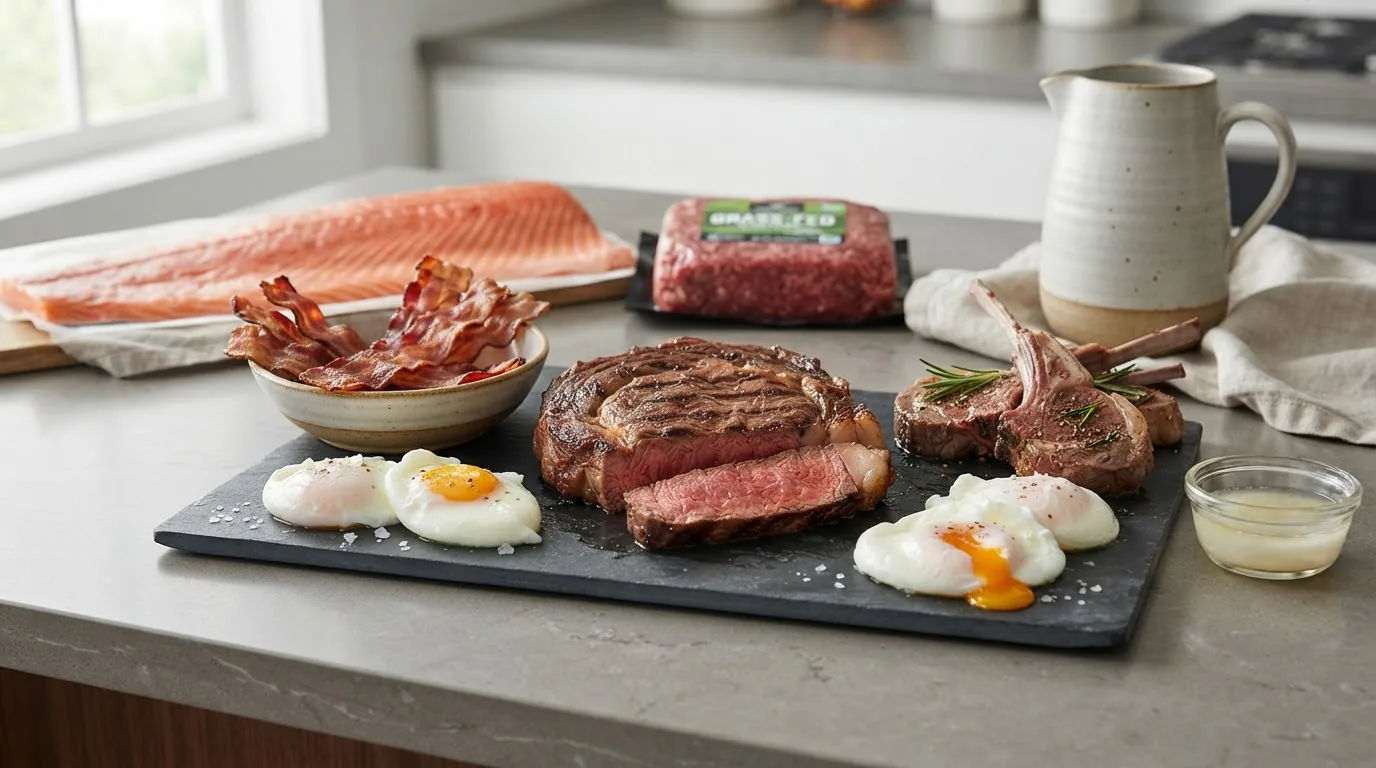
carnivore diet recipes give you a simple, animal-first framework for meals that prioritize meat, eggs, and animal fats — ideal for beginners wanting straightforward meal plans, shopping lists, and real-world prep tips. This guide focuses on practical recipes, a full 30-day example plan, and step-by-step meal-prep strategies so you can start cooking confidently.
Introduction to Carnivore Diet Recipes
The carnivore diet is an elimination-style, animal-based eating pattern that centers on meat, fish, eggs, and animal fats while excluding most plant foods. For many beginners the appeal is simplicity: fewer ingredients, fewer decisions, and an emphasis on satiety through protein and fat. This article’s purpose is to deliver usable carnivore diet recipes, a clear carnivore diet meal plan approach, and a complete carnivore food list so you can build a routine without trial-and-error.
What this guide covers: allowed foods grouped by category, benefits and safety considerations, how to build a sustainable meal plan, dozens of recipe ideas (breakfast, lunch, dinner, and snacks), a 30-day example plan, meal-prep hacks, and troubleshooting common challenges. If you want quick wins, meal variety, and time-saving strategies for living a carnivore diet as a beginner or intermediate cook, read on.
Transition: First, let’s list exactly what you can eat and how to prioritize foods for nutrition and variety.
What Foods Are Allowed on the Carnivore Diet? (Carnivore Food List)
The carnivore diet food list is short but varied if you include different cuts, species, and organ meats. Below are categorized options and quick notes on how each fits into daily menus.
- Red meat (beef, lamb, bison)
- Beef ribeye, sirloin, flank, ground beef — core calories and protein sources; higher-fat cuts help reach energy needs.
- Lamb chops and shoulder — strong flavor and stable cooking options.
- Bison — leaner red meat alternative for variety.
- Poultry
- Chicken thighs and breasts — inexpensive and versatile.
- Duck and game birds — higher fat and flavor for variety.
- Fish and seafood
- Fatty fish: salmon, mackerel, sardines — provide omega-3s; include regularly.
- Lean fish: cod, tilapia, pollock — low-fat protein options.
- Shrimp, scallops, mussels — quick-cooking protein and micronutrient variety.
- Organ meats
- Liver (beef, chicken) — nutrient-dense (vitamin A, B12, iron).
- Kidney, heart, tongue — provide cofactors often missing in muscle meat.
- Animal fats
- Tallow, lard, duck fat, butter/ghee — primary cooking fats and energy sources.
- Use to balance protein-to-fat ratios for satiation and energy.
- Eggs
- Whole eggs (chicken, duck) — complete protein and fat; excellent for quick meals.
- Dairy (optional, if tolerated)
- Heavy cream, hard cheeses, plain yogurt, butter — choose full-fat and low-lactose options if you tolerate dairy.
- Minimal seasonings and extras
- Salt, pepper, minimal herbs — most strict carnivores use only salt and pepper.
- Bone broth — hydration, electrolytes, and gelatin for gut support.
- Fruit exceptions (short-term or reintroduction)
- Some follow a “meat + fruit” pilot phase for transitions; fruit is not standard on strict carnivore plans but may be used temporarily for energy or refeeding protocols.
Transition: Now that you know what fits the what to eat on carnivore diet list, let’s review benefits and safety considerations so you can make informed choices.
Protein Rich Food for Weight Loss Guide
healthiest meats for lean protein
Benefits and Safety Considerations of the Carnivore Diet
Many people try a carnivore diet for weight loss, mental clarity, or relief from autoimmune or GI symptoms after plant-food elimination. Benefits reported in small studies and patient reports include improved satiety, reduced carbohydrate cravings, weight loss, and improved markers like fasting glucose and triglycerides in short-term studies.
According to a 2024 NIH review on restrictive diets and metabolic outcomes, low- and no-carbohydrate approaches can rapidly reduce blood glucose and triglycerides in the short term, but long-term data is limited and heterogeneous (source: NIH review).
Potential benefits (what users commonly experience):
- Appetite suppression and easier calorie control through high-protein satiety.
- Rapid initial weight loss, often from water and glycogen then sustained fat loss with calorie deficit.
- Simplified meal choices reduce decision fatigue and meal-prep time.
- Some elimination-diet responders report symptom relief from autoimmune or GI complaints (based on case reports and small series).
Potential risks and safety considerations:
- Micronutrient gaps: strict carnivore patterns can be low in vitamin C, fiber, and certain phytonutrients; organ meats and seafood reduce risks but may not fully cover all needs.
- Long-term cardiovascular risk is unclear: evidence on saturated fat and LDL changes varies across individuals; monitor lipids if you have risk factors.
- Kidney stone risk for some individuals if hydration and electrolytes are not managed; ensure sodium and water intake are adequate.
- Not suitable for everyone: pregnancy, breastfeeding, certain chronic illnesses, and some medications require medical supervision before major dietary shifts.
Clinical evidence and expert guidance:
Peer-reviewed research on strict carnivore diets is sparse. However, broader low-carbohydrate diet literature shows metabolic improvements in the short-to-medium term. For example, a systematic review in Nutrients (2022) found low-carb diets can improve weight and glycemic control in the short term but highlighted heterogeneity and a need for long-term randomized trials (source: peer-reviewed study).
For population-level guidance and nutrient adequacy, professional associations recommend individualized planning and monitoring. The Academy of Nutrition and Dietetics emphasizes evidence-based, balanced approaches and suggests working with credentialed professionals for extreme elimination diets (source: Academy of Nutrition and Dietetics).
Practical safety checklist:
- Baseline labs: lipid panel, basic metabolic panel, CBC, vitamin D, and iron studies if indicated.
- Include organ meats (liver weekly) and fatty fish for micronutrients and omega-3s.
- Monitor symptoms: energy, sleep, digestion, and menstrual changes in women (see carnivore diet considerations for women).
- Supplement thoughtfully: vitamin D, electrolytes, or fish oil may be considered if intakes are low.
Transition: With safety and benefits understood, let’s build a meal plan that balances fat and protein and fits real life.
How to Build Your Carnivore Diet Meal Plan — Tips & Guidelines
Creating a functional carnivore diet meal plan starts with understanding protein and fat balance, meal frequency, and how to tailor energy intake to your goals (weight loss vs. maintenance). Follow these practical steps to set up a plan that works for beginners.
- Set your starting targets
Decide if your goal is weight loss, performance, or symptom control. For weight loss, create a modest calorie deficit; for maintenance, aim for energy balance. Use tracking for the first 1–2 weeks to gauge intake and appetite. For macronutrient awareness, see calories and protein content guidance: calories and protein content.
- Balance fat vs protein
Choose cuts to match your energy needs. Higher-fat cuts (ribeye, brisket, pork shoulder) supply more calories and are helpful for those who feel low energy on lean cuts. If weight loss is the goal, leaner cuts and portion control are effective. Aim for satiety: many find 20–40% of calories from protein and the rest from fat works practically, but individual needs vary.
- Plan meal frequency
Valid approaches include two meals per day (brunch/dinner), three smaller meals, or one larger daily meal (OMAD). Many carnivore followers practice intermittent fasting windows (e.g., 16:8) because protein and fat are satiating. Test what fits your lifestyle and energy patterns.
- Rotate proteins for micronutrient coverage
Include red meat, poultry, and seafood across the week, plus organ meats (liver once weekly) and eggs daily if tolerated. A simple rotation reduces boredom and maximizes nutrients.
- Use simple seasoning and cooking methods
Salt, butter, and animal fats are primary seasonings. Grill, pan-sear, roast, and slow-cook for variety. Bone broth or slow-cooked bones provide gelatin and electrolytes, useful for transitions.
- Stock a carnivore-friendly pantry
Essential items: frozen ground beef, tallow, canned salmon/sardines, whole eggs, butter/ghee, bone broth, and liver (fresh or frozen). Batch-cooked meats freeze well for quick meals.
- Monitor and adjust
Track hunger, mood, digestion, and weight weekly. If energy drops or digestion suffers, increase fat intake, hydrate, and consider adding fatty fish or organ meats. If weight loss stalls, evaluate portion sizes and meal timing.
- Consider supplements when needed
Fish oil or cod liver oil for omega-3s and vitamin D, and electrolyte supplementation during initial adaptation may help. When discussing supplements, consult healthcare professionals if you have medical conditions.
Transition: With a plan framework, here’s a wide selection of recipe ideas and simple cooking instructions to keep your menu varied and interesting.
Carnivore Diet Recipes & Meal Ideas
Below are practical, beginner-friendly recipes and meal ideas organized by meal type. Each entry includes a brief description, key ingredients, and simple cooking instructions so you can put these into practice immediately. For omega-3 emphasis, include fatty fish and organ meats — see omega-3 rich foods. For quick inspiration focused on clean animal ingredients, check simple high-protein meals.
Breakfast & Quick Morning Meals
-
Sunny-Side Ribeye & Eggs
Key ingredients: 6–8 oz ribeye, 2 eggs, butter, salt.
Instructions: Heat a cast-iron pan, sear ribeye 2–3 minutes per side for medium-rare (adjust for thickness). Rest 5 minutes. In same pan, fry eggs in butter. Season with salt and serve.
-
Beef Liver & Caramelized-Onion Free Scramble
Key ingredients: 3–4 oz beef liver, 2 eggs, butter, salt (omit onions if strict carnivore).
Instructions: Sear liver slices 1–2 minutes per side, set aside. Scramble eggs in butter; fold in sliced liver. For strict carnivores, skip onions; for flexible users, a small amount of caramelized onion can be tolerated.
-
Egg & Coddled Salmon Cups
Key ingredients: smoked salmon or canned salmon, 2 eggs, cream (optional), salt.
Instructions: Place salmon in silicone muffin cup, crack an egg over it, add splash of cream if using, bake 10–12 minutes at 350°F until set.
Lunch & Fast Midday Meals
-
Double-Patty Smash Burger (no bun)
Key ingredients: 2 x 4 oz beef patties, butter or tallow, salt.
Instructions: Heat flat skillet, smash patties thin, sear until crisp edges and desired doneness. Top with melted butter or cheese if tolerated.
-
Chicken Thighs with Crispy Skin
Key ingredients: bone-in chicken thighs, salt, duck fat or butter.
Instructions: Dry thighs, salt well. Roast at 425°F skin-side up until skin crisps (~30–35 minutes). Serve hot.
-
Sardine & Egg Salad (no veg)
Key ingredients: canned sardines, boiled eggs, mayonnaise (egg yolk-based), salt.
Instructions: Combine flaked sardines with chopped eggs and mayo; season and serve chilled or room temp.
Dinner & Hearty Meals
-
Slow-Braised Beef Short Ribs
Key ingredients: 2–3 lbs beef short ribs, salt, bone broth, searing fat.
Instructions: Sear ribs, add broth to cover halfway, braise covered at 300°F for 3–4 hours until tender. Reduce juices for sauce.
-
Pan-Seared Salmon with Lemon-Butter (omit lemon if strict)
Key ingredients: salmon fillet, butter, salt (optional lemon for flexible carnivores).
Instructions: Sear skin-side down to crisp, finish flesh-side briefly. Top with butter before serving.
-
Pork Belly Roast
Key ingredients: pork belly slab, salt, optional spice rub.
Instructions: Score skin, roast slow at 275°F until internal temp 185°F, finish at 450°F for crispy exterior.
Snacks & Mini-Meals
- Beef jerky (homemade, no sugar) — long shelf life and portable protein.
- Hard-boiled eggs — batch-cook for quick snacks.
- Canned oysters or sardines — quick, nutrient-dense options.
- Bone broth — sip between meals for hydration and electrolytes.
Simple One-Pan & Batch Recipes (Meal-Prep Friendly)
-
Ground Beef Skillet (Base for many meals)
Key ingredients: 2–3 lbs ground beef, tallow or butter, salt.
Instructions: Brown in large skillet, drain minimal fat if desired, portion into containers. Reheat with eggs or top with cheese.
-
Whole-Roast Chicken (Sunday Prep)
Key ingredients: whole chicken, butter under skin, salt.
Instructions: Roast at 375°F 1–1.5 hours depending on size; save carcass for bone broth.
Nutrition notes: include fatty fish at least twice weekly to supply essential omega-3s and select organ meats (liver, heart) for vitamins and minerals. For resources on omega-3 rich foods see the linked guide above.
Transition: Use these recipes within a structured 30-day meal plan to practice rotation and meal-prep efficiency — a sample follows.
30-Day Carnivore Diet Meal Plan Example
This 30-day example is designed for beginners seeking variety, nutrient coverage, and meal-prep simplicity. Each week rotates protein sources and includes at least one organ-meat meal and two servings of fatty fish weekly. Adjust portions and fats for energy needs and weight goals.
Notes before you start: Cook larger portions of proteins on weekends for weekday meals; batch-boil eggs; freeze portions of cooked ground beef and shredded meats.
| Day | Breakfast | Lunch | Dinner | Prep Notes |
|---|---|---|---|---|
| Day 1 (Mon) | Ribeye + 2 eggs | Ground beef skillet | Roast chicken thighs | Cook extra ground beef for Day 2 |
| Day 2 (Tue) | Eggs & sardines | Smash burger | Slow-braised short ribs | Make bone broth from roast chicken bones |
| Day 3 (Wed) | Salmon & eggs | Chicken thigh leftovers | Pork belly slices | Roast extra salmon for Day 5 |
| Day 4 (Thu) | Beef liver scramble | Ground beef + egg | Grilled lamb chops | Freeze half the lamb for Day 10 |
| Day 5 (Fri) | Egg & coddled salmon | Smoked salmon salad | Steak night (sirloin) | Batch-cook 6 eggs for weekend snacks |
| Day 6 (Sat) | Fried eggs & bacon | Leftover short ribs | Roasted whole chicken | Use carcass for bone broth |
| Day 7 (Sun) | Leftover roast + eggs | Pork belly slices | Baked salmon | Prep meals for next week: ground beef, boiled eggs |
Repeat the weekly rotation with small swaps for variety (swap beef cuts, alternate fish types, use different organ meats). Below is a weekly outline for the full 30 days in bulleted daily format to make copying into a meal planner easy.
- Week 1: Follow Days 1–7 above.
- Week 2: Swap Day 3 salmon with mackerel; Day 4 liver with heart; increase butter/tallow slightly if energy dips.
- Week 3: Add an extra fish day (canned sardines for lunch), swap Saturday breakfast for duck eggs or bacon alternative.
- Week 4: Repeat Week 1 but introduce one “lean day” with chicken breast and more eggs for calorie cycling if desired.
Meal-prep schedule (example weekend plan):
- Saturday: Roast whole chicken, batch-cook ground beef, boil 12 eggs, cook a beef roast for shredding.
- Sunday: Portion meals into containers, freeze 3 dinners, make bone broth from carcass, portion organ meat servings into meal-sized bags.
Transition: Efficient prep will save time and keep you on track — next we cover meal-prep tips that fit carnivore routines.
Carnivore Diet Meal Prep Tips — Save Time and Stay on Track
Meal prep is the backbone of adherence. These actionable tips cut prep time and food waste while keeping nutrition high and costs manageable.
- Shop strategically — Buy whole chickens, large roasts, and frozen fatty fish in bulk to lower costs. For budget options, see affordable protein sources.
- Batch cook foundational proteins — Roast two whole chickens, pan-sear several steaks, and brown large batches of ground beef to mix and match during the week.
- Portion and freeze — Use freezer-safe bags and label with portions; vacuum sealing extends shelf life for cooked meats.
- Use slow cooker or Instant Pot — Perfect for tough cuts like chuck roast or short ribs; set and forget for hands-off cooking.
- Prep eggs for quick breakfasts and snacks — Hard-boil a dozen eggs each weekend and refrigerate for 5–7 days.
- Make bone broth from leftovers — Use carcasses and bones to create broth rich in gelatin — store in pint jars for soups and sipping.
- Freeze organ meat in meal-sized portions — Liver and heart freeze well and defrost quickly for weekly rotation.
- Cook once, eat twice (or more) — Leftover roast becomes lunch salads (no veg) or shredded dinner; cooked ground beef pairs with eggs for a fast meal.
- Follow high protein meal prep strategies — For portioning, macros, and storage tips see high protein meal prep strategies.
Transition: Even with preparation, common challenges arise — let’s troubleshoot typical issues and fixes.
Troubleshooting Common Carnivore Diet Challenges
This section uses a problem-solution format addressing common beginner and intermediate issues: cravings, plateaus, nutrient concerns, and social situations.
Cravings and Carb Withdrawal
Problem: Strong sugar or carb cravings in week 1–2. Solution: Increase fat intake (cook with tallow/butter), ensure adequate sodium (salt your food), drink bone broth, and allow a short fasting window if appetite is suppressed. Many users report cravings dissipate within 7–21 days.
Weight Loss Plateau
Problem: Loss stalls after initial drop. Solution: Reassess portions, reduce added fats slightly, increase movement, and cycle calories (one higher-fat maintenance day per week). Track intake for a week to identify hidden calories.
Fatigue or Low Energy
Problem: Low energy during adaptation. Solution: Prioritize fatty cuts and electrolytes, include fatty fish twice weekly, and consider a temporary decrease in fasting to allow more frequent meals until adaptation completes.
Digestive Changes (Constipation or Diarrhea)
Problem: Changes in bowel habits. Solution: Increase hydration, bone broth for electrolytes and gelatin, moderate fat intake if diarrhea occurs, and introduce small amounts of dairy only if tolerated. If constipation persists, check with a clinician and consider temporary reintroduction of fiber under supervision.
Nutrient Deficiency Concerns
Problem: Worry about vitamin C, fiber, or other micronutrients. Solution: Include organ meats (liver weekly) and seafood for vitamin D and omega-3s. Consider targeted supplements if labs indicate deficiencies and consult a registered dietitian for long-term planning.
Social Eating and Dining Out
Problem: Limited options when eating socially. Solution: Choose grilled or roasted meats, ask for butter or sauce on the side, and bring a compliant snack like hard-boiled eggs or jerky for emergencies.
Is the Carnivore Diet Working?
Problem: Uncertain results. Solution: Define measurable goals (weight, blood markers, symptom scores), track progress for 4–12 weeks, and adjust. Some benefits are subjective (energy, mood) while clinical measures include weight, glucose, and lipids.
Transition: Ready to act? Below is a short wrap-up with next steps and encouragement.
Conclusion and Next Steps for Living the Carnivore Diet
This guide gave you a practical toolkit: a categorized carnivore diet food list, evidence-informed benefits and safety considerations, step-by-step meal planning advice, dozens of beginner-friendly carnivore diet recipes, a full 30-day meal plan, and meal-prep strategies to save time and money. Start by selecting a week from the 30-day plan, batch-cook core proteins, and track your energy and weight for the first two weeks. Consult a healthcare professional for personalized lab monitoring and supplementation guidance.
Next steps: print the 30-day outline, plan a weekend cook session, and pick three staple recipes from the recipes section to rotate. If you want deeper protein planning or lean options, explore the Protein Rich Food for Weight Loss Guide and monitor your labs with a clinician. Good luck — start simple, rotate proteins, and use prep to stay consistent.
Frequently Asked Questions
What can you eat on the carnivore diet?
Eat primarily meat, fish, eggs, and animal fats: beef, lamb, pork, poultry, fatty fish, organ meats, tallow, butter, and (optionally) full-fat dairy. Some follow short fruit reintroductions, but strict carnivore excludes most plant foods.
How do carnivore diet recipes differ from keto or paleo?
Carnivore recipes focus solely on animal foods with zero plant-based carbs, while keto limits carbs but includes plant foods and dairy; paleo emphasizes whole unprocessed foods including vegetables and fruit but excludes dairy and grains.
How do I create a carnivore diet meal plan for beginners?
Start by deciding goals, rotating protein sources (red meat, poultry, fish), adding organ meats weekly, balancing fat vs protein, batch-cooking core proteins, and tracking hunger and weight for 2–4 weeks to fine-tune portions.
What are some quick and simple carnivore meal ideas?
Quick meals include ribeye and eggs, ground beef skillet, canned sardines with boiled eggs, pan-seared salmon, and hard-boiled eggs with jerky. Batch-cook ground beef and roast chicken for fast weekday options.
How long does it take to see weight loss results on the carnivore diet?
Initial weight loss often appears within 1–2 weeks (water and glycogen), with sustained fat loss typically measurable over 4–12 weeks depending on calorie balance and adherence.
What are common challenges when starting a carnivore diet and how to fix them?
Common issues: carb cravings, energy dips, bowel changes. Fixes include increasing dietary fat, hydrating with bone broth for electrolytes, adjusting meal frequency, and adding organ meats for nutrients.
Is the carnivore diet safe for long-term health?
Long-term safety data is limited. Short-term benefits exist for weight and metabolic markers, but monitor lipids and micronutrients, include organ meats and fish, and consult a healthcare professional for ongoing oversight.
Can I include any fruits in the carnivore diet meal plan?
Strict carnivore excludes fruit, but some people use a temporary “meat + fruit” phase during transitions. If included, use fruit sparingly and monitor effects on symptoms and weight.