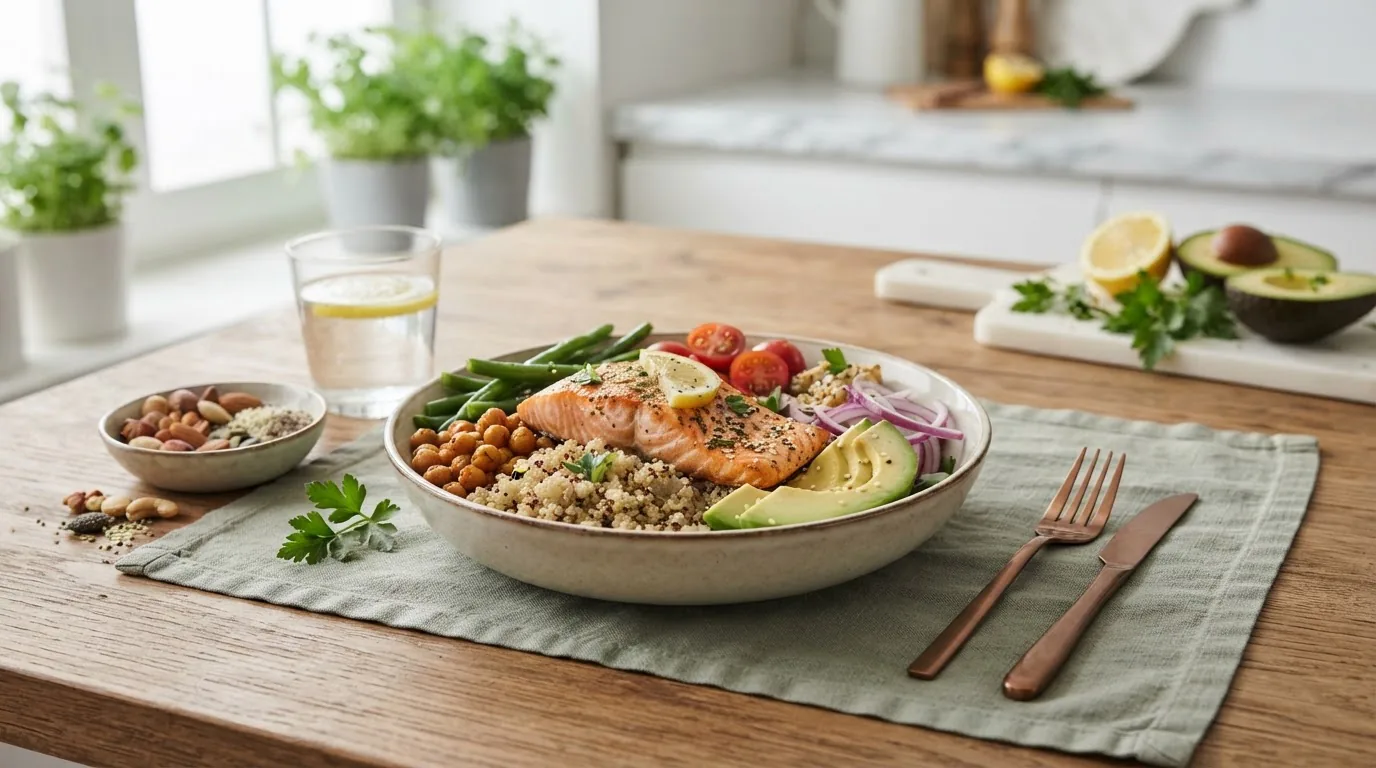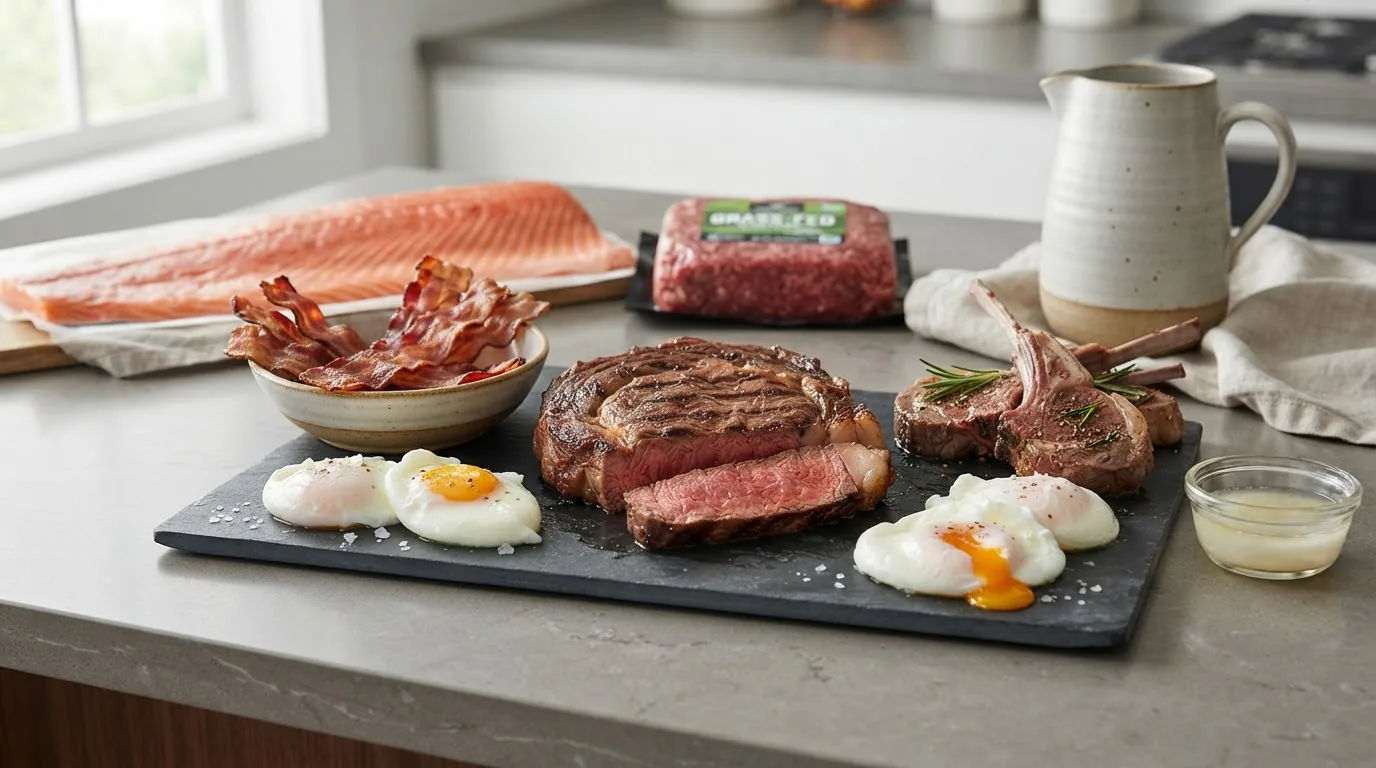
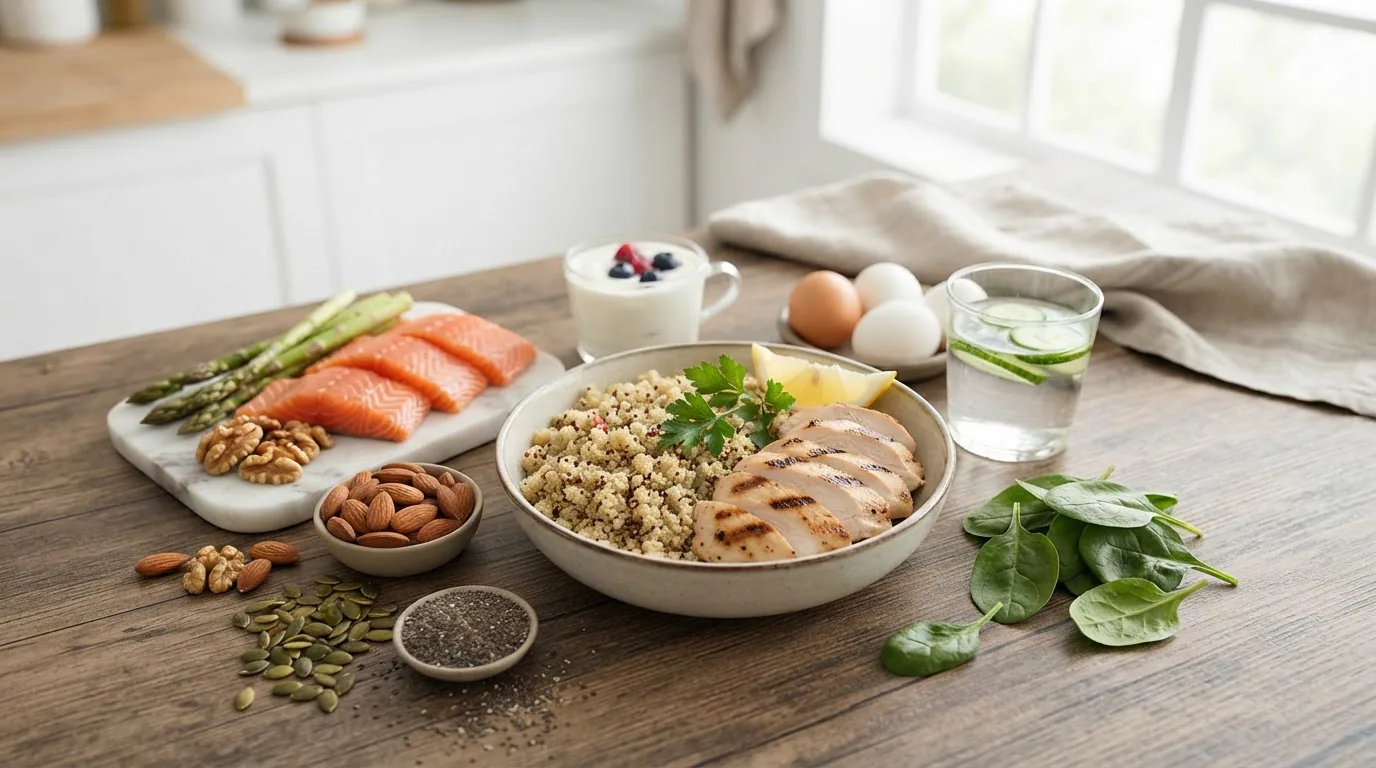
Foods high in amino acids are essential for muscle, metabolism, and recovery—this guide lists the best animal and plant sources and explains how to use them to support lean muscle and weight management. Read on for detailed amino acid profiles, health evidence, and practical dietary guidance.
What Are Amino Acids and Why Are They Important?
Amino acids are organic molecules that act as the building blocks of proteins; the body strings them together to make structural proteins, enzymes, hormones, and transporters. There are 20 standard amino acids relevant to human nutrition. Nine are classed as essential amino acids because the body cannot synthesize them; they must come from food. The other amino acids are either non-essential (made by the body) or conditionally essential (required from the diet during illness or stress).
At a biochemical level, amino acids provide both structural components and metabolic signals. For example, leucine—one of the branched-chain amino acids—activates muscle protein synthesis by stimulating the mTOR pathway. Other amino acids like glutamine support immune cells and gut health, while arginine is a precursor for nitric oxide, which helps regulate blood flow. Think of amino acids as the “building blocks” and “messengers” that allow tissues to repair, adapt, and function efficiently.
Protein from foods supplies amino acids in varying proportions; quality depends on the amino acid profile and digestibility. Complete proteins contain adequate amounts of all essential amino acids in proportions that meet human needs. Protein quality metrics—such as PDCAAS (Protein Digestibility-Corrected Amino Acid Score) and DIAAS (Digestible Indispensable Amino Acid Score)—assess how well dietary proteins supply indispensable amino acids after digestion.
Energy and weight management are linked to amino acids because dietary protein increases satiety, raises thermic effect of food, and helps preserve lean mass during calorie restriction. According to a 2024 NIH report on macronutrient roles and public health, diets higher in protein (relative to carbohydrate) aided preservation of lean mass during weight loss in several controlled trials (source: U.S. National Institutes of Health, Office of Dietary Supplements, 2024 report).
When comparing macronutrients, remember calories per gram of protein explain energy contributions—protein provides ~4 kcal per gram—so amino-acid-rich foods also add calories that must align with weight goals.
Types of Amino Acids and Their Roles in the Body
Amino acids fall into categories that reflect dietary necessity and metabolic roles. Understanding these categories clarifies why some foods are more valuable than others for specific goals like muscle synthesis or recovery.
- Essential amino acids (EAAs): The nine EAAs (histidine, isoleucine, leucine, lysine, methionine, phenylalanine, threonine, tryptophan, valine) must be consumed in the diet. EAAs are required for protein synthesis and numerous metabolic pathways.
- Non-essential amino acids: Synthesized by the body (e.g., alanine, aspartate, serine) and support routine metabolism and repair.
- Conditionally essential amino acids: Usually non-essential but required under stress or illness (e.g., glutamine, arginine, cysteine).
- Branched-chain amino acids (BCAAs): Leucine, isoleucine, and valine are metabolized largely in skeletal muscle and play a direct role in muscle protein synthesis and fatigue resistance.
| Type | Examples | Primary Role |
|---|---|---|
| Essential amino acids | Leucine, lysine, methionine | Required for new protein synthesis and maintenance |
| Non-essential amino acids | Alanine, serine | Metabolic intermediates, glucose synthesis |
| Conditionally essential | Glutamine, arginine | Immune support, wound repair under stress |
| BCAAs | Leucine, isoleucine, valine | Stimulate muscle protein synthesis, energy in exercise |
Functionally, some amino acids act as precursors for neurotransmitters (tryptophan → serotonin), others donate nitrogen for biosynthesis (glutamine), and some are key methyl donors or antioxidant contributors (methionine, cysteine via glutathione). This biochemical diversity explains why variety in protein sources matters for overall health.
Transition: With the biochemical framework covered, next is the practical list of foods that deliver these amino acids, including both familiar and underappreciated sources.
Foods High in Amino Acids — Comprehensive List of Sources
This section groups food sources by category and highlights key amino acid profiles and practical considerations like digestibility and how they support weight management and lean muscle. Percentages and amounts listed are approximate and represent typical servings.
Animal-based complete protein sources
- Eggs — Whole eggs provide all essential amino acids with excellent digestibility; one large egg contains ~6–7 g protein and a robust leucine dose to trigger muscle protein synthesis.
- Whey protein — Whey is rapidly digested, very high in leucine, and scores high on PDCAAS/DIAAS; ideal post-exercise for stimulating synthesis.
- Dairy (Greek yogurt, cottage cheese) — High-quality complete protein with casein and whey fractions; casein digests slowly, supporting overnight recovery.
- Lean poultry and beef — Dense in EAAs and BCAAs, supporting satiety and muscle retention when consumed in lean cuts.
- Fish and seafood — High-quality complete proteins often with favorable omega-3 fats (see related omega-3 rich foods).
Plant and fermented complete protein sources
- Soy (tofu, tempeh, edamame) — One of the few plant-based complete proteins with a full EAA profile and good digestibility when prepared properly.
- Quinoa — A seed often used as a grain substitute; contains a complete amino acid profile though lower in lysine than ideal for some needs.
- Seitan (wheat gluten) — High-protein meat substitute; lacks lysine, so combine with legumes for completeness.
Legumes, nuts, and seeds — amino acid dense but often incomplete
- Lentils and chickpeas — High in lysine but lower in methionine; excellent for plant-based diets when combined with grains.
- Peanuts and almonds — Good amino acid sources for snacks; higher in arginine and useful for satiety and metabolic health.
- Chia, hemp, and flax seeds — Provide protein, some EAAs, and healthy fats; hemp contains a more balanced EAA mix than most seeds.
Specialty and lesser-known high-amino foods
- Spirulina — A blue-green algae with a broad amino acid profile per gram (often used as a supplement or powder in plant-based diets).
- Mycoprotein (e.g., fungal protein products) — High in EAAs with good digestibility; increasingly used as a meat alternative.
- Bone broth and collagen — Collagen supplies non-essential or conditionally essential amino acids (glycine, proline) supporting joint and skin health, but lacks full EAA profile for muscle synthesis.
When evaluating foods, consider sink factors: portion size, protein density (g protein per 100 kcal), amino acid completeness, and digestibility. For weight loss support, favor foods that deliver high indispensable amino acids per calorie and that preserve lean mass through adequate leucine and total EAA intake.
Transition: The next sections go deeper into animal-based and plant-based sources with specific examples, serving stats, and a comparison table to help you choose effectively.
Animal-Based Foods High in Amino Acids
Animal proteins are often the most straightforward way to meet essential amino acid goals because they generally provide complete amino acid profiles with high digestibility. Below are key animal sources, with example servings and notable amino acid highlights.
- Chicken breast (skinless) — 100 g cooked provides ~31 g protein, rich in leucine (~2.6 g per 100 g) and other EAAs. Low in fat when skin removed, making it a top choice for lean gains.
lean protein meat choices - Eggs — One large egg (50 g) contains ~6–7 g protein and a complete EAA profile; yolks add micronutrients and healthy fats. High biological value supports efficient use for synthesis.
- Salmon — 100 g cooked salmon ≈22–25 g protein; high in EAAs and provides significant omega-3 fatty acids (EPA/DHA), combining amino acid and heart-healthy fat benefits. See more on omega-3 rich foods.
- Greek yogurt (nonfat) — 200 g provides ~20 g protein with a mix of whey and casein; slow-release amino acids benefit overnight recovery.
- Beef (lean cuts) — 100 g cooked lean beef provides ~26–30 g protein, a strong EAA mix and high BCAA content. Use lean cuts to limit saturated fat when that aligns with your health goals.
- Shrimp and shellfish — Low-calorie, high-protein options (about 24 g protein per 100 g) with full EAA profiles and rapid digestibility—good for weight control and recovery.
- Whey protein concentrate/isolate — Provides ~20–25 g protein per scoop (typical 30 g), high leucine (~2–3 g per serving), and rapid absorption, useful post-workout or when whole-food protein is limited.
- Milk and cottage cheese — Milk provides a balanced EAA profile; cottage cheese (~11–14 g protein per 100 g) is a convenient, slow-digesting casein-rich option.
| Food (cooked/typical serving) | Protein (g) | Leucine (approx g) | Notes |
|---|---|---|---|
| Chicken breast (100 g) | 31 | 2.6 | Lean, high DIAAS; good for weight loss plans |
| Salmon (100 g) | 22–25 | 1.7 | Complete protein + omega-3s |
| Whey protein (30 g) | 20–25 | 2.0–3.0 | Rapid absorption; post-exercise |
| Greek yogurt (200 g) | 20 | 1.4 | Mix of whey and casein |
| Lean beef (100 g) | 26–30 | 2.2 | High BCAA, satiating |
Protein quality and digestibility are often quantified using DIAAS and PDCAAS scores; most animal proteins score near or at the top of these scales, indicating efficient provision of indispensable amino acids after digestion. For individuals aiming to preserve lean mass during weight loss or promote recovery, prioritize servings that deliver 2.5–3.0 grams of leucine per meal to maximally stimulate muscle protein synthesis—this typically corresponds to 20–40 grams of high-quality protein per meal depending on source.
Transition: If you prefer plant-based eating, the following section explains how to obtain complete amino acid profiles from non-animal sources and lists top plant options.
Plant-Based Foods That Are Good Sources of Amino Acids
Plant foods can provide all required amino acids when chosen and combined sensibly. Although many plant proteins are lower in one or more EAAs, protein complementation and portion planning allow vegans and vegetarians to meet amino acid needs without animal products.
- Soy products (tofu, tempeh, edamame) — Soy is one of the most complete plant proteins, delivering all EAAs at adequate levels and high PDCAAS/DIAAS when fermented or minimally processed.
- Quinoa — A pseudo-grain with a relatively balanced EAA profile; 185 g cooked quinoa offers ~8 g protein and usable amounts of lysine and others compared to many grains.
- Legumes (lentils, chickpeas, black beans) — Strong sources of lysine but limited in methionine; combine with grains (rice, corn) or seeds (sesame) for completeness.
- Nuts and seeds (hemp, chia, almonds) — Provide protein, arginine, and healthy fats; hemp protein powder supplies a more balanced EAA profile than many other seeds.
- Seitan (wheat gluten) — High in protein and texture similar to meat, but low in lysine—pair with legumes for a complete profile.
- Mycoprotein and fermented plant proteins — Newer alternatives that often have improved amino acid completeness and digestibility due to processing and fermentation.
Protein complementation: combining foods across the day (or within meals) addresses limiting amino acids. Common pairings:
- Rice + beans (grains supply methionine; legumes supply lysine)
- Peanut butter on whole-grain toast
- Hummus (chickpeas + tahini) with whole-grain pita
Practical tips for vegetarians and vegans:
- Aim for varied protein sources across the day to distribute EAAs and reach leucine targets for muscle support.
- Consider fortified or blended plant protein powders (soy, pea + rice blends, hemp + pea) when whole-food intake is insufficient.
- Be mindful of bioavailability: phytate in whole grains and legumes can reduce mineral absorption; soaking, sprouting, and fermentation reduce such effects.
Sample plant-forward day that meets amino acid needs (real-world example):
- Breakfast: Steel-cut oats with hemp seeds, almond butter, and soy milk (provides ~20 g protein and a balanced EAA mix).
- Lunch: Lentil and quinoa salad with roasted vegetables and pumpkin seeds (~25 g protein, high lysine and methionine balance).
- Snack/post-workout: Pea+rice protein shake (~20–25 g protein, formulated for complete EAA profile).
- Dinner: Stir-fried tofu and mixed vegetables over brown rice (~25–30 g protein; soy supplies complete amino acids).
Transition: Now that both animal and plant sources are charted, we’ll explore the health evidence linking amino-acid-rich foods to specific outcomes like muscle growth, weight loss support, and immune function.
Health Benefits of Eating Foods High in Amino Acids
Foods high in amino acids confer multiple measurable benefits. Below are major health outcomes supported by clinical and observational studies and their mechanisms.
Muscle growth and recovery: Adequate intake of EAAs—particularly leucine—stimulates muscle protein synthesis via mTOR signaling. A 2019 randomized controlled trial published in The Journal of Nutrition found that meals with higher leucine content increased postprandial muscle protein synthesis rates in older adults (source: peer-reviewed clinical trial, The Journal of Nutrition, 2019). For strength training populations, distributing 20–40 g of high-quality protein across meals optimizes synthesis and adaptation.
Weight loss and lean mass preservation: Protein-rich diets promote satiety, increase the thermic effect of food, and help preserve lean body mass during caloric restriction. A 2021 systematic review in the American Journal of Clinical Nutrition observed that higher-protein weight-loss diets preserved fat-free mass better than lower-protein comparators (source: peer-reviewed systematic review, AJCN, 2021). Practically, choosing high amino-acid foods supports fat loss while maintaining metabolic rate.
Metabolic health and energy: Certain amino acids influence glucose metabolism and appetite regulation—e.g., high-protein meals improve glycemic control after meals and reduce subsequent caloric intake. According to a 2024 NIH report synthesizing macronutrient studies, protein-focused interventions improved short-term appetite control and postprandial thermogenesis in adults (source: U.S. National Institutes of Health, Office of Dietary Supplements, 2024 report).
Immune function and recovery: Conditionally essential amino acids like glutamine become critical during stress, surgery, or intense training. Clinical trials in hospitalized patients and athletes indicate glutamine and arginine supplementation can support recovery and reduce complications in specific settings (source: peer-reviewed clinical trials and reviews, The Journal of Nutrition; AJCN).
Bone, skin, and organ health: Proteins supply collagen amino acids (glycine, proline) and support bone matrix turnover. Diets that maintain adequate EAAs contribute indirectly to bone health by preserving muscle mass and reducing fall risk in older adults (source: Academy of Nutrition and Dietetics guidance, 2022 statement).
Case study example: In a controlled 12-week resistance training study, middle-aged participants consuming a high-leucine whey supplement post-exercise gained significantly more lean mass and strength than placebo, demonstrating the synergistic effect of amino-acid-rich food timing and exercise (source: peer-reviewed RCT, The Journal of Nutrition, 2019).
Transition: Benefits are clear, but integrating these foods into daily life requires planning—next, practical how-to steps and meal ideas aligned with weight and health goals.
How to Incorporate Foods High in Amino Acids into Your Diet
Practical strategies help translate amino acid science into daily eating. Below are stepwise tips, portion guidance, and snack ideas aligned with preserving lean mass and supporting fat loss.
- Prioritize high-quality proteins at each meal: target 20–40 g of high-quality protein spread across three meals to support synthesis—adjust based on body size and activity level.
- Choose complete proteins or combine complementary plant proteins: include soy, quinoa, pulses with grains, or a mixed plant protein powder when needed.
- Use fast-absorbing proteins after workouts: whey or a balanced plant protein shake can deliver amino acids quickly to recovering muscle.
- Snack smart for satiety: Greek yogurt, cottage cheese, hard-boiled eggs, or a small handful of almonds with a piece of fruit provide steady amino acid intake without excess calories.
- Watch portions for weight control: while protein aids satiety, calories still count—opt for lean cuts, low-fat dairy, and plant-based portions tailored to energy goals. For low-calorie, high-protein picks see our pillar resource protein rich food for weight loss.
- Balance with healthy fats and fiber: include vegetables, whole grains or legumes, and a source of healthy fat like avocado or olive oil to support absorption and satiety—also see our guide to heart-healthy cooking oils.
- Incorporate lean low-calorie foods for cutting phases: choose lean protein sources and high-volume vegetables when reducing calories—see curated selections of lean low-calorie foods.
Sample daily plan for an active adult focusing on fat loss and lean preservation (real-world example):
- Breakfast: Egg white omelet with spinach + 1 whole egg, ½ cup Greek yogurt on the side — ~30 g protein
- Lunch: Grilled chicken salad (120 g chicken) with mixed greens and quinoa — ~35 g protein
- Snack/post-workout: Whey shake (1 scoop) or soy protein shake — ~20–25 g protein
- Dinner: Baked salmon (100 g) with roasted vegetables and a small sweet potato — ~30 g protein
Reading amino acid profiles and labels: look beyond total protein and check essential amino acid content if available. For supplements, check DIAAS or manufacturer-provided amino acid breakdown and prefer third-party-tested products for purity and accuracy (e.g., NSF, Informed-Sport certifications).
Transition: While amino-acid-rich foods are beneficial, excessive intake or imbalanced practices can carry risks—below are cautions to consider.
Potential Risks and Considerations with Amino Acid Intake
Although amino acids are essential, there are important safety and balance considerations for individuals and populations.
Excess protein and kidney health: For healthy individuals, higher protein intakes have not been shown to cause kidney damage in long-term observational studies; however, those with chronic kidney disease should limit protein and consult a clinician. According to a 2023 clinical review published in the American Journal of Kidney Diseases, protein restriction is recommended for patients with progressive kidney disease (source: peer-reviewed clinical review, American Journal of Kidney Diseases, 2023).
Amino acid imbalance and supplement risks: Isolated amino acid supplementation (e.g., high-dose single EAAs) can create imbalances, affecting transporters and interfering with absorption of other amino acids. Overuse of BCAA supplements without adequate full-EAA intake may blunt optimal muscle protein synthesis. For supplement safety, follow dosage guidance and prioritize food sources first.
Excessive calorie intake: High-protein foods still provide calories. Excess energy from any macronutrient leads to fat gain. For weight loss, focus on protein per calorie and overall calorie balance.
Allergies and intolerances: Common allergies (milk, eggs, soy, wheat) can limit protein choices. Individuals with allergies should seek alternative complete proteins (e.g., pea+rice blends, quinoa) and consult a registered dietitian.
Deficiency risks: True amino acid deficiency is rare in developed settings but can occur in restrictive diets, malabsorption, or certain metabolic disorders. Symptoms may include fatigue, slowed growth, poor wound healing, and muscle wasting. If you suspect deficiency, seek medical evaluation and labs for protein status and amino acid profiling.
Special populations: Pregnant and lactating people, older adults, athletes, and recovering patients may require increased amino acid/protein targets. According to the Academy of Nutrition and Dietetics guidance (2022), older adults often benefit from higher per-meal protein (25–30 g with ~2.5–3 g leucine) to combat anabolic resistance (source: Academy of Nutrition and Dietetics, 2022 guidance).
When in doubt, consult healthcare providers or a registered dietitian, especially for chronic conditions or major dietary changes. For authoritative nutrient guidance and supplement safety, see the U.S. National Institutes of Health fact sheets and peer-reviewed literature (examples cited below).
Transition: With benefits and risks balanced, the following FAQ addresses common reader questions and practical concerns.
Conclusion
Foods high in amino acids—from animal proteins like chicken, fish, eggs, and dairy to plant options like soy, quinoa, legumes, and blended protein powders—are foundational for muscle synthesis, recovery, metabolic health, and supporting weight loss while preserving lean mass. Choose complete proteins when possible, combine plant sources intelligently, prioritize sufficient leucine per meal, and align total calories with your goals. For tailored plans, consult a registered dietitian or healthcare provider; start by swapping in one or two higher-quality protein meals per day to see improvements in satiety and recovery.
Next step: apply one practical change this week—add a high-leucine source (e.g., a 30 g whey or soy shake) after workouts or swap a carb-heavy snack for Greek yogurt with berries. To explore low-calorie, high-protein options that complement amino-acid-focused eating, visit our pillar guide on protein rich food for weight loss.
Frequently Asked Questions
What are amino acids and why are they important in food?
Amino acids are the building blocks of protein; essential amino acids must come from food and support protein synthesis, enzymes, hormones, and repair. Dietary amino acids maintain muscle, immune function, and metabolism, so varied protein sources help meet essential amino acid needs.
Which foods are the best sources of essential amino acids?
Best sources include animal proteins—eggs, lean poultry, fish, dairy, and whey—and plant sources like soy, quinoa, and blended plant proteins; these provide complete essential amino acid profiles and high digestibility per serving.
How do plant-based foods compare to animal foods in amino acid content?
Animal foods typically offer complete amino acid profiles with higher digestibility, while many plant foods are lower in one or more EAAs; combining plant proteins or using soy/quinoa and fortified blends can match animal protein quality.
How can I combine plant foods to get complete amino acids?
Combine complementary pairs like rice and beans, peanut butter on whole-grain bread, or lentils with quinoa; or include soy, hemp, or blended plant protein powders to ensure all essential amino acids across the day.
How much amino acid intake is recommended daily for average adults?
General protein targets are 0.8 g/kg body weight for sedentary adults; active or older adults often benefit from 1.2–2.0 g/kg. Aim for 20–40 g high-quality protein per meal and about 2.5–3 g leucine per meal for muscle support.
Can eating too many amino acids cause health problems?
For healthy adults, high-protein diets are usually safe, but excessive intake raises calorie load and may be harmful in chronic kidney disease. Avoid high-dose single amino acid supplements without medical advice to prevent imbalances.
What do I do if I suspect an amino acid deficiency?
Seek medical evaluation for signs like muscle loss, fatigue, or poor wound healing; blood tests and dietary assessment by a clinician or registered dietitian can identify deficiencies and guide corrective dietary changes or supplements.
How can I ensure amino acid quality when buying protein supplements?
Choose supplements with full amino acid profiles, third-party testing (NSF, Informed-Sport), transparent DIAAS/PDCAAS data or amino acid breakdowns, and prefer food-first approaches unless higher needs exist.