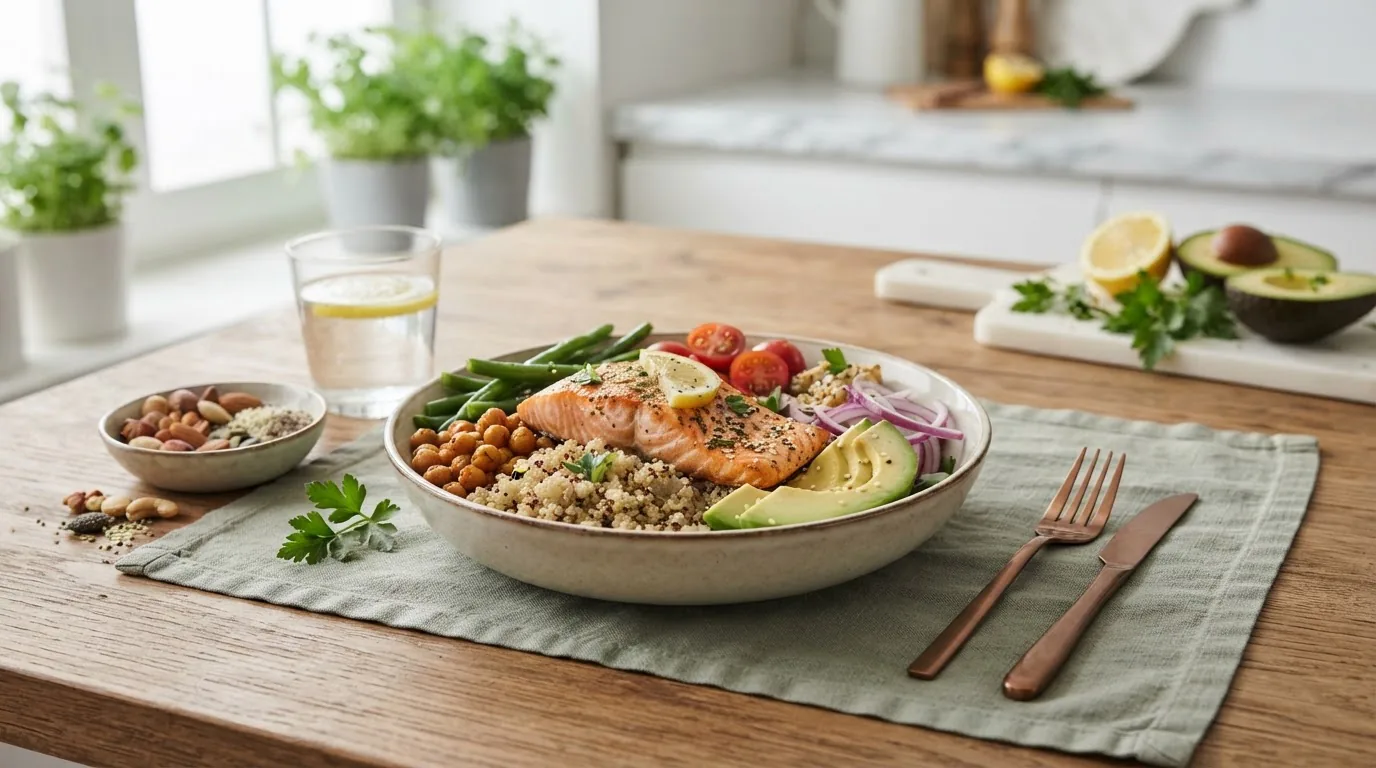
Good protein meals can change how you feel, recover, and manage weight—without complicated cooking. This guide gives beginners practical, protein-packed recipes and meal structure to start cooking healthy, balanced meals today.
Introduction to Good Protein Meals
High-protein diet choices help you feel fuller longer, support muscle repair, and increase the nutrient density of each plate. For beginners, a focus on lean protein, easy cooking methods, and balanced macros makes adopting good protein meals practical and sustainable. This guide covers what makes a meal “good,” why protein matters, and provides simple recipes you can make with basic kitchen tools.
Think of protein as the building blocks for your body—each meal should include a solid portion of protein plus fiber-rich carbs and healthy fats to support energy and satiety. Beginner-friendly meals prioritize speedy prep (10–30 minutes), minimal ingredients (5–10), and clear portion guidance so you can reproduce results reliably.
Throughout this article you’ll find: easy recipes, protein content per serving, meal-prep strategies, portion-size guidance, and beginner tips for balanced nutrition. External nutrition databases like the USDA are used for typical nutrient values where noted.
Transition: Now that you understand what a good protein meal is, let’s explore why these meals matter—especially if you’re new to cooking or changing your diet.
Why Good Protein Meals Matter for Beginners
Good high protein meals support both short-term goals (satiety, reduced snacking) and long-term health (lean mass and metabolic function). Protein aids muscle repair after exercise, supports healthy aging, and helps maintain steady blood sugar levels between meals.
Practical examples and small stats help illustrate impact: according to a 2024 USDA nutrient report, an average 100 g cooked chicken breast provides roughly 31 g of protein (source type: government nutrition database). According to a 2022 peer-reviewed nutrition review, higher-protein meals can increase satiety and reduce overall daily calorie intake in adults (source type: peer-reviewed journal).
Protein intake recommendations vary: the general Recommended Dietary Allowance (RDA) is 0.8 g/kg body weight for sedentary adults, but for active beginners aiming for muscle growth or weight loss, common guidance ranges from 1.2–2.0 g/kg depending on goals and activity level (source type: clinical nutrition guideline). These numbers are starting points—individual needs vary by age, sex, and activity level.
Quick examples:
- 30–40 g protein per main meal helps most active beginners support muscle repair after workouts (source type: sports nutrition review).
- 20–30 g protein at breakfast can reduce mid-morning snacking and improve fullness (source type: clinical study consensus).
When selecting foods, prioritize lean, nutrient-dense choices and pair protein with fiber and healthy fats for balanced meals. For weight management, choose lean low-calorie choices that keep protein high but overall calories controlled. lean low-calorie choices
Nutrition tip: to understand energy contributions, note the basic calorie math— calories per gram of protein is 4 kcal per gram (source type: nutrition reference). calories per gram of protein
Transition: With the why established, the next section explains the key components that make a high-protein meal balanced and beginner-friendly.
Key Components of a Good High Protein Meal
-
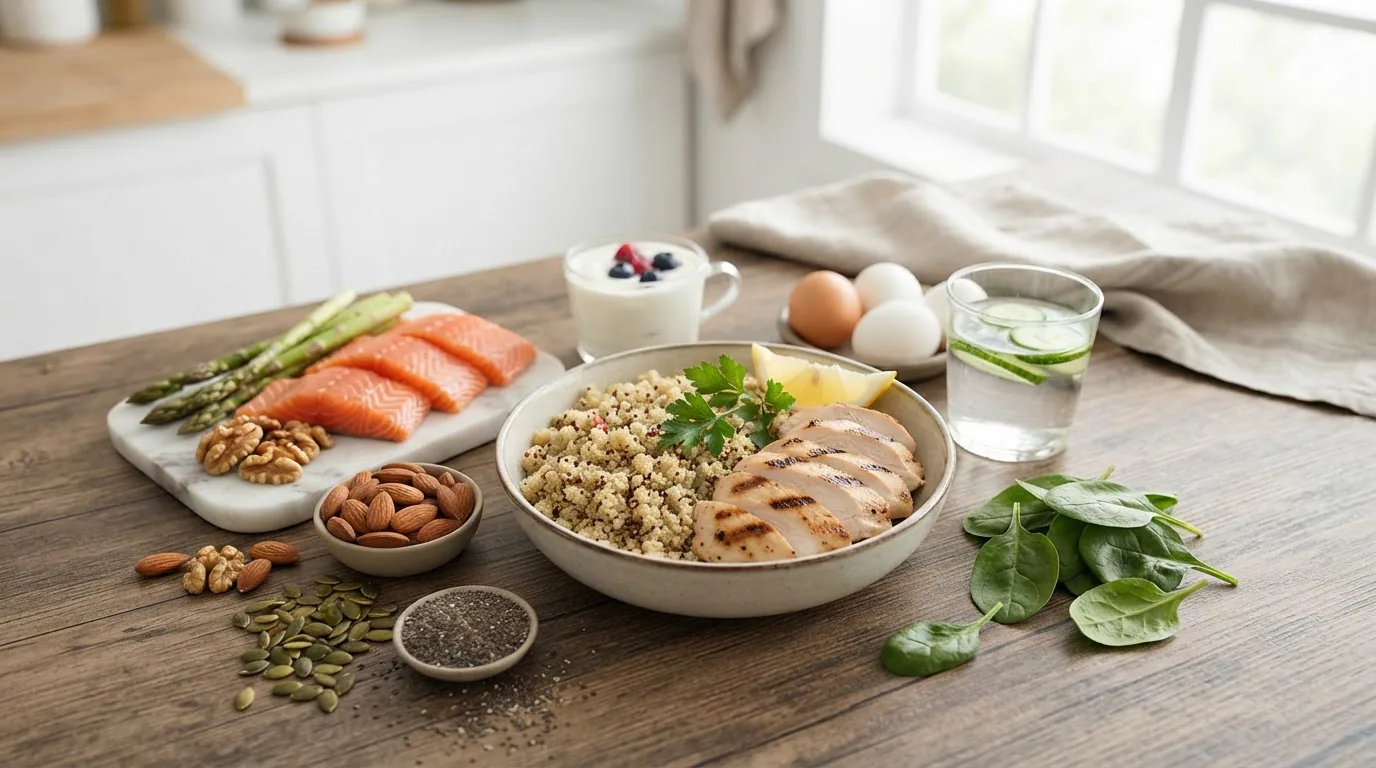
Lean protein sources — Aim for 20–40 g of protein per main meal from lean sources like chicken breast, turkey, fish, low-fat dairy, lean beef, eggs, or legumes for plant-based options. lean protein sources
Why: provides essential amino acids for repair and maintenance. Trade-off: animal sources often have higher bioavailable protein; plant sources add fiber but may require pairing to reach completeness.
-
Complete protein sources — Include foods that supply all essential amino acids (e.g., eggs, dairy, fish, poultry, tofu combined with grains). complete protein sources
Why: complete proteins support muscle protein synthesis more efficiently. Plant-based beginners can combine legumes + grains across the day to achieve completeness.
-
Healthy fats — Add small portions of fats for nutrient absorption and satiety: avocado, nuts, seeds, olive oil, or oily fish. When cooking, prefer heart-healthy cooking oils for balance.
Why: fats help absorb fat-soluble vitamins and extend fullness. Keep portions moderate (1–2 tbsp or a small handful).
-
Fiber-rich vegetables and whole grains — Add non-starchy vegetables, legumes, or a small serving of whole grain to balance blood sugar and supply micronutrients.
Why: fiber improves digestion and widens nutrient profile of the meal.
-
Micronutrients and variety — Rotate proteins, vegetables, and cooking styles to avoid nutrient gaps (iron, zinc, B12 for those eating less animal protein).
Why: variety reduces boredom and covers vitamins/minerals.
-
Portion size guidance — Use palm-sized portions for protein (about 3–4 oz cooked per serving for many adults) and adjust based on body size and goals. See simple portion rules below.
Why: prevents overeating while hitting protein targets.
| Component | Example Foods | Quick Tip |
|---|---|---|
| Lean proteins | Chicken breast, turkey, tuna, tofu, Greek yogurt | Cook simply (grill, bake, sauté) |
| Healthy fats | Olive oil, avocado, nuts, seeds, salmon | Use 1 tbsp olive oil for cooking or dressing |
| Fiber/carbs | Quinoa, brown rice, beans, broccoli, leafy greens | Keep whole-grain portions small for weight goals |
Balance macros by aiming roughly for 25–40% protein, 30–35% fat, and 30–45% carbs per meal for general health—adjust to personal goals. For more on omega-3 options that pair well with protein, see the omega-3 rich protein foods.
Transition: With components clear, the next section lists straightforward recipes for breakfast, lunch, dinner, and snacks with ingredient lists, steps, and protein per serving.
Easy High-Protein Recipes for Beginners (Breakfast, Lunch, Dinner, and Snacks)
Below are 12 beginner-friendly recipes: 3 breakfasts, 3 lunches, 3 dinners, and 3 snacks. Each recipe gives ingredients, steps, and approximate protein content per serving using standard portions and USDA reference values (source type: government nutrition database).
Breakfast Recipes
1. Greek Yogurt Berry Bowl (10 minutes)
Ingredients (serves 1):
- 1 cup plain Greek yogurt (nonfat)
- 1/2 cup mixed berries
- 2 tbsp sliced almonds
- 1 tsp honey (optional)
Preparation:
- Place yogurt in bowl. Top with berries and almonds. Drizzle honey if desired.
Protein per serving: ~23–25 g (source type: USDA nutrient data).
2. Veggie Omelet with Toast (15 minutes)
Ingredients (serves 1):
- 2 whole eggs + 2 egg whites
- 1/2 cup chopped spinach and bell pepper
- 1 tsp olive oil
- 1 slice whole-grain toast
Preparation:
- Sauté veggies in oil for 2–3 minutes. Whisk eggs and pour over veggies; cook until set and fold.
- Serve with toast.
Protein per serving: ~28–30 g.
3. Peanut Butter Protein Oatmeal (10 minutes)
Ingredients (serves 1):
- 1/2 cup rolled oats
- 1 cup milk or fortified plant milk
- 2 tbsp peanut butter (natural)
- 1 scoop vanilla whey or plant protein powder (optional)
Preparation:
- Cook oats in milk per package instructions. Stir in peanut butter and protein powder if using.
Protein per serving: ~18–30 g (varies with protein powder use).
Lunch Recipes
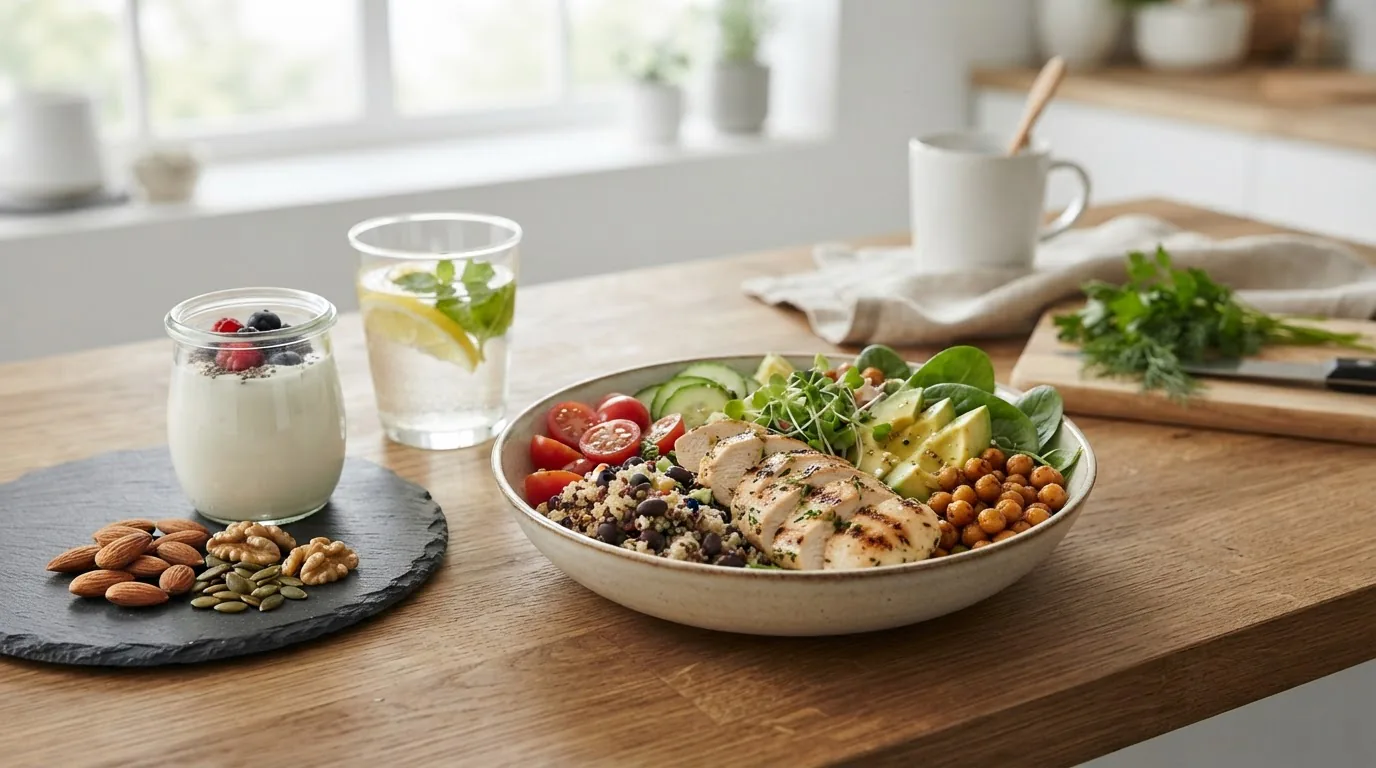
4. Chicken and Quinoa Power Bowl (25 minutes)
Ingredients (serves 2):
- 8 oz cooked chicken breast, sliced
- 1 cup cooked quinoa
- 2 cups mixed greens
- 1/4 cup diced cucumber and cherry tomatoes
- 1 tbsp olive oil + lemon juice for dressing
Preparation:
- Divide quinoa and greens between bowls. Top with chicken and veggies. Drizzle dressing.
Protein per serving: ~30–35 g.
simple high-protein meal ideas
5. Turkey and Avocado Wrap (10 minutes)
Ingredients (serves 1):
- 3–4 oz sliced lean turkey breast
- 1 whole-grain wrap
- 1/4 avocado, sliced
- Handful of spinach and mustard
Preparation:
- Layer turkey, avocado, and spinach on wrap. Roll tightly and slice.
Protein per serving: ~23–26 g.
6. Lentil Salad with Feta (15 minutes; can use pre-cooked lentils)
Ingredients (serves 2):
- 1 cup cooked lentils
- 1/2 cup diced cucumber, tomato, red onion
- 2 tbsp crumbled feta
- 1 tbsp olive oil + vinegar
Preparation:
- Combine ingredients and toss with dressing.
Protein per serving: ~16–18 g (plant-based option).
Dinner Recipes
7. Baked Salmon with Roasted Veggies (30 minutes)
Ingredients (serves 2):
- 10 oz salmon fillet (split into 2)
- 2 cups mixed vegetables (broccoli, carrots, bell pepper)
- 1 tbsp olive oil
- Salt, pepper, lemon
Preparation:
- Preheat oven to 400°F (200°C). Toss vegetables in oil; roast 20–25 minutes.
- Place salmon on baking sheet, season, bake 12–15 minutes until cooked through.
Protein per serving: ~30–35 g.
8. Stir-Fry Beef and Broccoli (20 minutes)
Ingredients (serves 2):
- 8 oz lean flank steak, thinly sliced
- 3 cups broccoli florets
- 2 tbsp low-sodium soy sauce, 1 tsp sesame oil
- 1 garlic clove, ginger
Preparation:
- Sear steak in hot pan 2–3 minutes per side, remove. Stir-fry broccoli 4–5 minutes, return steak, add sauce and serve.
Protein per serving: ~28–32 g.
9. Black Bean and Sweet Potato Chili (slow-cooker or stovetop; 40 minutes)
Ingredients (serves 4):
- 2 cups cooked black beans
- 1 medium sweet potato, diced
- 1 cup crushed tomatoes, spices, onion, garlic
Preparation:
- Simmer all ingredients until sweet potato is tender (20–30 minutes).
Protein per serving: ~12–15 g (add Greek yogurt or shredded chicken to increase protein).
Snack Recipes
10. Cottage Cheese and Pineapple (5 minutes)
Ingredients (serves 1):
- 1 cup low-fat cottage cheese
- 1/2 cup pineapple chunks
Preparation:
- Combine and enjoy.
Protein per serving: ~24–28 g.
11. Turkey Roll-Ups with Hummus (5 minutes)
Ingredients (serves 1):
- 3–4 slices lean turkey breast
- 2 tbsp hummus
- Pickle or cucumber slices
Preparation:
- Spread hummus on turkey, add cucumber, roll.
Protein per serving: ~18–22 g.
12. Protein Smoothie (5 minutes)
Ingredients (serves 1):
- 1 scoop protein powder
- 1 cup milk or plant milk
- 1/2 banana, 1 tbsp peanut butter
Preparation:
- Blend until smooth.
Protein per serving: ~20–30 g depending on powder.
Transition: Now that you have ready-to-use recipes, the next section explains how to plan and prep these meals efficiently.
Tips for Meal Planning and Prepping Good Protein Meals
Batch cooking and simple organization make sticking to good protein meals realistic for beginners. Below are practical steps and grocery tips.
- Plan a 2–3 day menu: Choose 2 breakfasts, 2 lunches, and 2 dinners to rotate for variety and easier shopping.
- Batch cook staples: Roast a tray of chicken breasts, cook a large pot of quinoa, and chop veggies on one day. Store in sealed containers for 3–4 days.
- Use portion control containers: Divide meals into single-serving containers to match protein goals (e.g., 4–6 oz protein per container).
- Time-saving techniques: Use pre-washed greens, canned beans (rinsed), and frozen vegetables to cut prep time.
- Storage tips: Refrigerate cooked protein up to 3–4 days; freeze portions for later (label with date). Reheat to an internal temp of 165°F for safety (source type: food safety guideline).
- Grocery list basics: Lean proteins (chicken, canned tuna, Greek yogurt), whole grains (quinoa, oats), vegetables, healthy fats (olive oil, nuts), and a protein powder if desired.
- Budget tip: Prioritize affordable high-protein foods like eggs, canned tuna, beans, and frozen chicken to reduce grocery costs.
- Use leftovers creatively: Transform dinner into lunch — slice leftover salmon over greens or shred chicken for wraps.
Sample weekly prep checklist:
- Sunday: Cook 2–3 proteins (chicken, beans), roast vegetables, portion grains.
- Evening: Assemble next-day breakfast (overnight oats or packed Greek yogurt bowl).
- Mid-week: Refresh salads, freeze half of bulk-cooked proteins if unused.
Transition: While meal planning improves adherence, beginners also make common mistakes—here’s how to avoid them.
Common Mistakes Beginners Make When Choosing Protein Meals
Beginners often think “more protein = better” and overlook balance and variety. Below are common errors and how to fix them.
- Overeating calorie-dense protein meals: Large portions of fatty cuts or heavy sauces can spike calories. Fix: use lean cuts, measure portions, and add veggies to bulk the plate.
- Poor fat choices: Picking fried or processed proteins increases saturated fat. Fix: choose grilled, baked, or steamed methods and add controlled portions of healthy fats like avocado or olive oil.
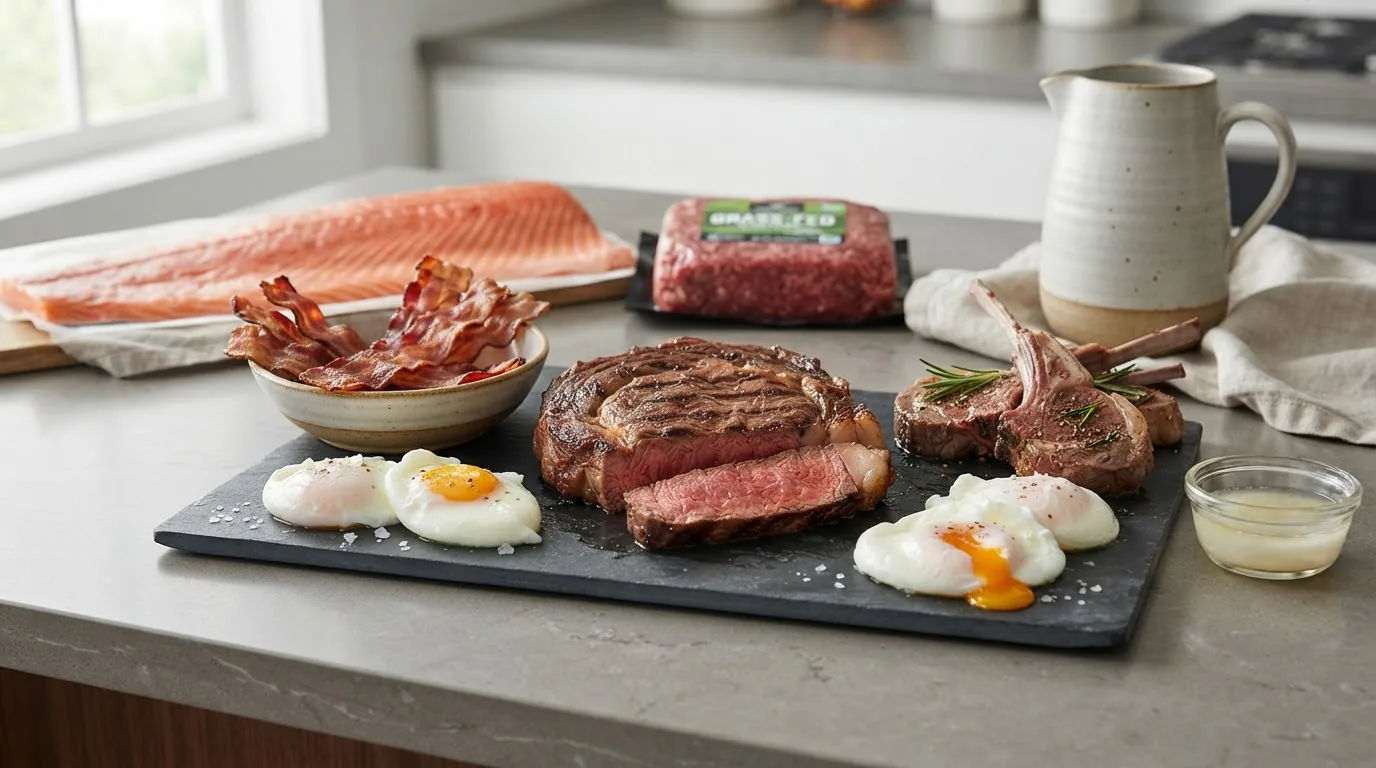
- Lack of variety: Eating the same protein daily can cause nutrient gaps and boredom. Fix: rotate between poultry, fish, legumes, dairy, and plant proteins. For reading on extremes, note that restrictive patterns like a single-source approach can be limiting; if exploring options like a carnivore approach, learn safe practices from resources such as the protein meal variety including animal sources.
- Ignoring micronutrients: Focusing only on protein can miss iron, B12, or fiber. Fix: include colorful vegetables, whole grains, and fortified foods.
- Relying only on snacks: High-protein snacks help, but they don’t replace balanced meals. Fix: prioritize main meals with 20–40 g protein, and use snacks for topping up.
Transition: Answering common questions can help troubleshoot choices—see the FAQ section below for quick, practical answers.
Frequently Asked Questions
Below are concise answers to common beginner queries about good protein meals and practical tips to implement them.
Frequently Asked Questions
What are good protein meals for beginners to start with?
Start with simple, balanced meals like grilled chicken with quinoa and vegetables, Greek yogurt with berries and nuts, or a lentil salad—each offers 20–35 g protein and requires minimal cooking skills.
How do good high protein meals differ from just high protein snacks?
Good high-protein meals provide 20–40 g protein plus fiber, healthy fats, and micronutrients for balanced energy; snacks typically offer 10–20 g and are meant to supplement rather than replace a main meal.
What are the best protein meals for weight loss and muscle growth?
Meals with 25–40 g lean protein (chicken, fish, Greek yogurt), vegetables, and modest whole grains support muscle repair while promoting satiety for weight loss—pair portion control with resistance training for best results.
How can I easily prepare good protein meals with limited cooking skills?
Use batch-cooked proteins (roasted chicken, canned tuna), simple one-pan recipes, and prepped veggies; follow short recipes (10–30 mins) and rely on seasoning and olive oil for flavor without complex techniques.
How long does it take to see results from eating more protein-packed meals?
Many people notice improved satiety and reduced snacking within days; measurable changes in body composition typically appear in 4–12 weeks when combined with exercise and consistent calorie control (source type: clinical trial summaries).
What are common mistakes to avoid when planning high protein meals?
Avoid oversized portions, relying only on processed proteins, skipping vegetables, and lack of meal variety; fix these by measuring portions, choosing whole foods, and rotating protein sources weekly.
Are protein-packed meals safe for heart health and cholesterol levels?
Yes when focused on lean proteins, fish, legumes, and healthy fats; limit high-saturated-fat choices and opt for heart-friendly cooking oils—consult a provider if you have specific heart conditions (source type: cardiology guidelines).
How do I balance protein meals with healthy fats and carbs properly?
Aim for meals with roughly 25–40% protein, 30–35% fat, and 30–45% carbs; include a palm-sized protein portion, a fist of vegetables or starch, and a thumb-sized serving of healthy fat to balance energy and satiety.