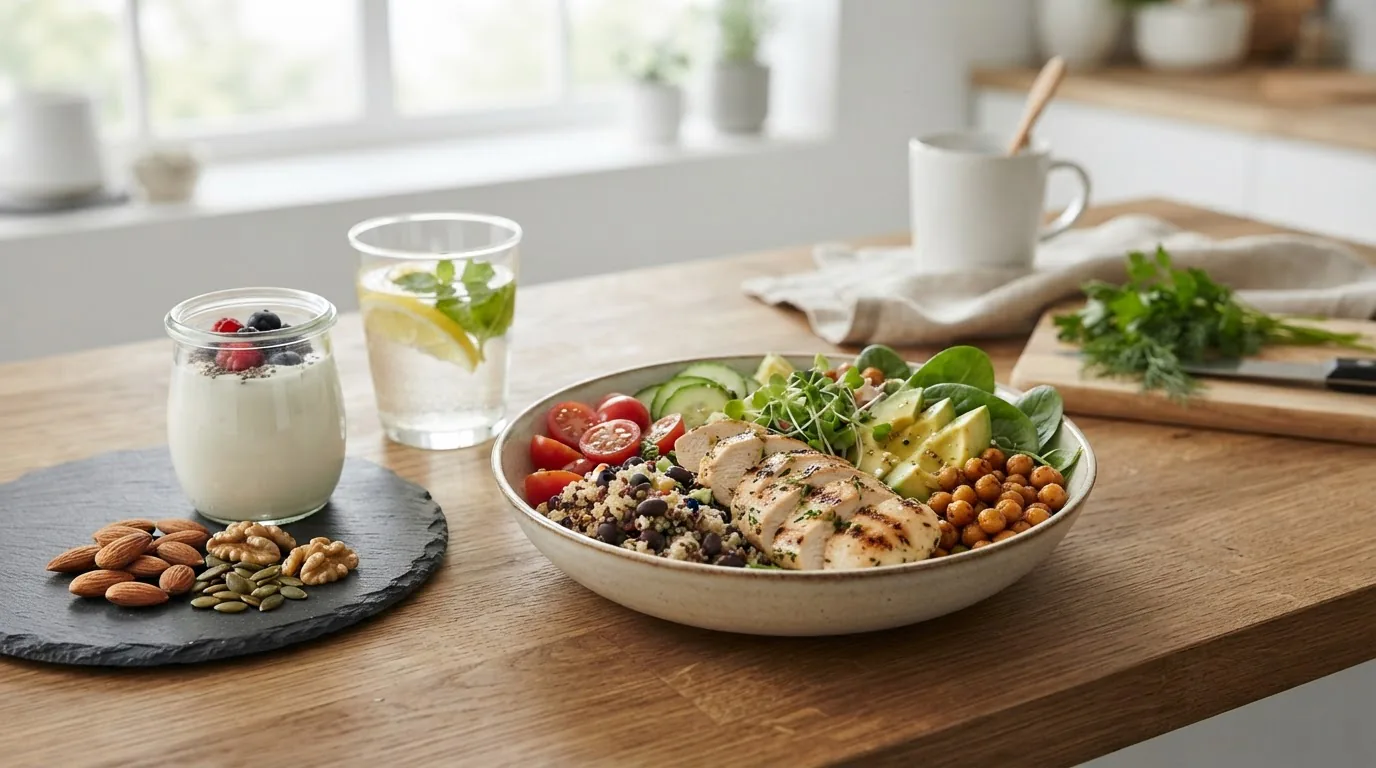
Clean eats protein is about choosing whole, minimally processed protein foods that are simple to cook and easy to include in daily meals. This guide focuses on practical high-protein meal ideas and straightforward prep tips so you can eat clean, get enough protein, and enjoy your food without fuss.
What Is Clean Eats Protein?
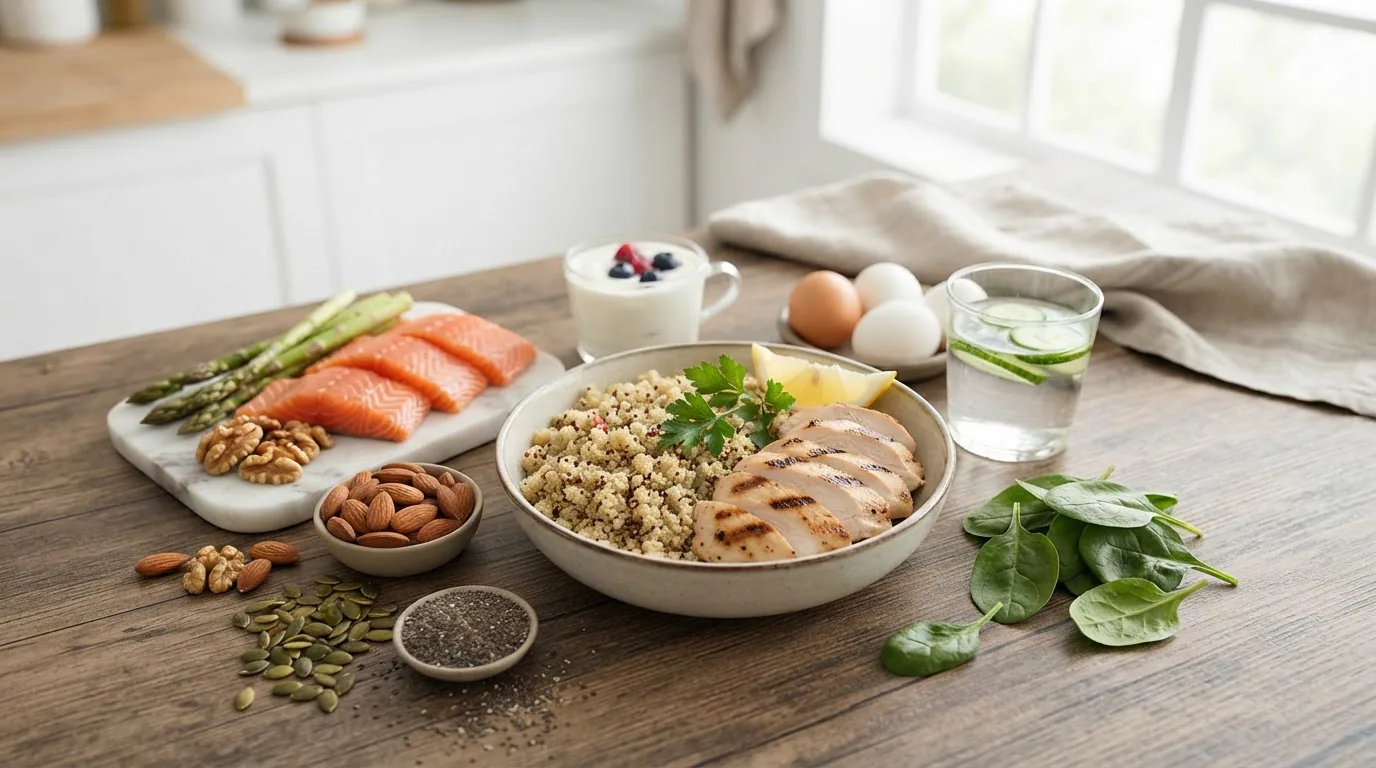
Clean eats protein refers to protein sources that come from whole, minimally processed foods—think plain grilled chicken, whole eggs, canned tuna in water, plain Greek yogurt, lentils, and raw or dry-roasted nuts. Clean eating principles emphasize foods as close to their natural state as possible, with minimal added ingredients, preservatives, or industrial processing.
Clean protein centers on three simple ideas: quality, simplicity, and variety. Quality means choosing sources that deliver essential amino acids and fewer additives. Simplicity means straightforward cooking methods—grilling, steaming, baking, or quick sautéing. Variety means rotating animal and plant proteins so meals stay interesting and nutritionally balanced.
Key attributes of clean protein:
- Minimally processed: single-ingredient or few-ingredient foods (e.g., plain cottage cheese vs. flavored versions).
- Whole-food focus: intact foods rather than highly processed protein bars or isolated powders as the primary protein source.
- Lean where suitable: many clean proteins are lean, but healthy whole-food fats are paired with proteins for balance.
For readers tracking macros or calories, the topic of the caloric content of protein can help you plan portions precisely. caloric content of protein
Transition: Understanding what clean eats protein is makes it easier to see why it helps with satiety and muscle maintenance — next, we’ll cover the benefits.
Benefits of Choosing Clean Eats Protein
Choosing clean, whole-food proteins supports practical health goals: maintaining muscle mass, promoting satiety for weight control, and delivering nutrient-dense meals without excess additives. Clean proteins also tend to be easier to digest and pair naturally with healthy fats and vegetables for balanced meals.
Below is a compact stat block highlighting key benefits and evidence types:
| Benefit | How it helps | Source type |
|---|---|---|
| Muscle maintenance and growth | Provides essential amino acids for repairing and building muscle | According to a 2023 review in the American Journal of Clinical Nutrition |
| Satiety and appetite control | Protein increases fullness, reducing overall calorie intake | According to a 2022 systematic review in peer-reviewed journals |
| Nutrient density | Whole proteins deliver vitamins, minerals, and healthy fats alongside protein | According to USDA dietary guidance summaries |
| Better digestion for many | Minimally processed foods often lack additives that can irritate digestion | According to observational studies summarized by health institutions |
Protein-focused meals help weight loss when they replace higher-calorie, nutrient-poor options. Clean protein sources are often lower in added sugars and unhealthy fats, which helps keep meals nutrient-dense and calories controlled. For more on using protein strategically for fat loss, see protein-rich food for weight loss. protein-rich food for weight loss
Clean proteins also support energy and recovery for active lifestyles; swapping processed protein snacks for whole-food options promotes steady energy and fewer post-snack energy dips. Remember individual needs vary by activity level, age, and health; consult a registered dietitian or healthcare provider for personalized targets.
Transition: With benefits clear, choose from many clean protein sources—below are simple whole-food options to rotate through your weekly menus.
Top Clean Protein Sources to Include in Your Diet
Below are accessible, whole-food protein choices that fit clean-eating patterns. Each item includes quick notes on why it’s a good clean protein and simple serving ideas.
- Skinless chicken breast — Lean, versatile, and easy to grill, bake, or poach; pairs well with herbs and olive oil for flavor without heavy processing. For deeper guidance on lean meat options for clean protein, see lean meat options for clean protein.
- Turkey (ground or breast) — Similar to chicken, lean turkey is great in bowls, burgers (no bun or whole-grain), and quick skillet meals.
- Eggs — Inexpensive, complete protein with essential amino acids; boiled eggs for meal prep, scrambled with spinach for breakfast, or poached on greens.
- Wild-caught salmon — Protein plus omega-3 fats for heart and brain health; bake or pan-sear simply with lemon and olive oil.
- Canned tuna (in water) — Minimal processing when you choose plain, low-sodium options; mix with avocado and herbs for a quick salad.
- Lean beef (sirloin, flank) — Choose trimmed cuts and simple cooking methods like grilling or broiling to keep meals clean and rich in iron and B12.
- Plain Greek yogurt — Thick, high-protein dairy option; use as a base for breakfast bowls or savory sauces.
- Cottage cheese — A flexible clean protein for snacks, breakfast bowls, or paired with fruit and nuts.
- Legumes (lentils, chickpeas, black beans) — Plant-based, fiber-rich proteins that pair well with whole grains or salads.
- Tofu and tempeh — Minimally processed soy proteins; marinate and bake, grill, or stir-fry for quick meals.
- Edamame — Young soybeans, steamed or boiled as a snack or salad topper—simple and whole.
- Quinoa — A whole-grain seed that’s a complete plant protein; use in bowls or as a side to roasted vegetables and lean meats.
- Shellfish (shrimp, scallops) — Quick to cook, minimal seasoning needed; great for quick sautés or skewers.
- Nuts and seeds (almonds, pumpkin seeds, chia) — Provide protein plus healthy fats; use sparingly as toppings to boost protein and texture.
- Peanut and almond butter (plain) — Whole-food but calorie-dense; pair small servings with apple slices or yogurt.
- Low-sodium smoked fish (sardines, mackerel) — Oily fish with omega-3s; choose plain-packed options to avoid added oils or sauces.
- Seitan (for non-gluten-sensitive eaters) — Wheat-based concentrated protein; use sparingly as a meat alternative in stir-fries and sandwiches.
- Plain protein-rich dairy alternatives — Unsweetened soy yogurt or soy milk for plant-based protein options.
- Tempered protein staples — Whole-food combos like beans + rice create complementary amino acid profiles—see complete protein sources for more on pairing. complete protein sources
Simple cooking methods (grilling, steaming, baking, poaching) keep flavors clean and minimize added fats. Below is a quick comparison of common cooking methods for clean proteins:
| Method | Best for | Why it’s clean |
|---|---|---|
| Grilling | Chicken breast, lean steaks, fish | Requires little added fat and enhances flavor without heavy sauces |
| Steaming | Fish, shellfish, tofu | Preserves nutrients and needs no oil |
| Baking/Roasting | Salmon, turkey, vegetables | Even cooking with minimal oil; ideal for meal prep |
| Poaching | Eggs, chicken, white fish | Gentle, low-fat method that keeps textures tender |
Transition: Now that you know what clean proteins to keep on hand, the next section provides practical, easy meal ideas for every day.
Simple High-Protein Meal Ideas For Every Day
This section lists quick, clean, protein-forward meals for breakfast, lunch, and dinner. Each idea emphasizes whole foods, minimal processing, and easy cooking. Many are meal-prep friendly and include portion ideas so you can adapt them to your goals.
Breakfast Ideas
- Greek Yogurt Protein Bowl — Plain Greek yogurt topped with sliced banana, a tablespoon of chopped almonds, and a sprinkle of chia seeds. Quick, balanced, and portable. Use full-fat or low-fat based on calorie goals.
- Egg & Veggie Scramble — 2–3 whole eggs scrambled with spinach, cherry tomatoes, and a small amount of feta. Cook in a nonstick pan with a teaspoon of olive oil. High satiety breakfast that’s ready in 10 minutes.
- Overnight Quinoa & Berries — Cooked quinoa soaked overnight with unsweetened almond milk, cinnamon, and mixed berries. Add a spoonful of plain Greek yogurt in the morning for extra protein.
- Smoked Salmon & Avocado Toast — One slice of whole-grain or sprouted bread topped with mashed avocado and 2–3 oz smoked salmon. Finish with lemon and cracked pepper for a balanced protein-fat breakfast.
- Cottage Cheese Fruit Bowl — 1 cup low-sodium cottage cheese with sliced peaches and a tablespoon of chopped walnuts. Fast, satisfying, and rich in casein protein for morning-to-midday fullness.
Transition: Breakfast sets the tone; for lunch you’ll want portable protein bowls and salads that stay fresh through the day.
Lunch Options
- Grilled Chicken Grain Bowl — Grilled chicken breast (4–6 oz) over mixed greens, 1/2 cup cooked quinoa, roasted sweet potato cubes, and a tablespoon of olive oil and lemon dressing. A full meal that stores well for lunch prep.
-
Tuna & White Bean Salad — Canned tuna (in water, drained) mixed with cannellini beans, chopped parsley, red onion, and a drizzle of extra-virgin olive oil. Serve on greens or whole-grain crackers.
lean low-calorie foods for cutting - Turkey & Avocado Lettuce Wraps — Sliced roasted turkey breast with mashed avocado, tomato, and mustard wrapped in large romaine leaves. Portable, low-carb, and easy to assemble from meal-prep ingredients.
- Chickpea & Veggie Power Salad — Roasted chickpeas, kale, shredded carrots, cucumber, and hummus-tahini dressing. Plant-based protein with fiber for lasting fullness.
- Leftover Protein Bowl — Use last night’s roast (salmon, chicken, or beef) over greens with pickled veggies and a dollop of plain yogurt or avocado. Minimal effort for a nutrient-complete lunch.
Transition: These lunches scale well into dinners that require just a few more minutes of cooking to feel like a full evening meal.
Dinner Meals
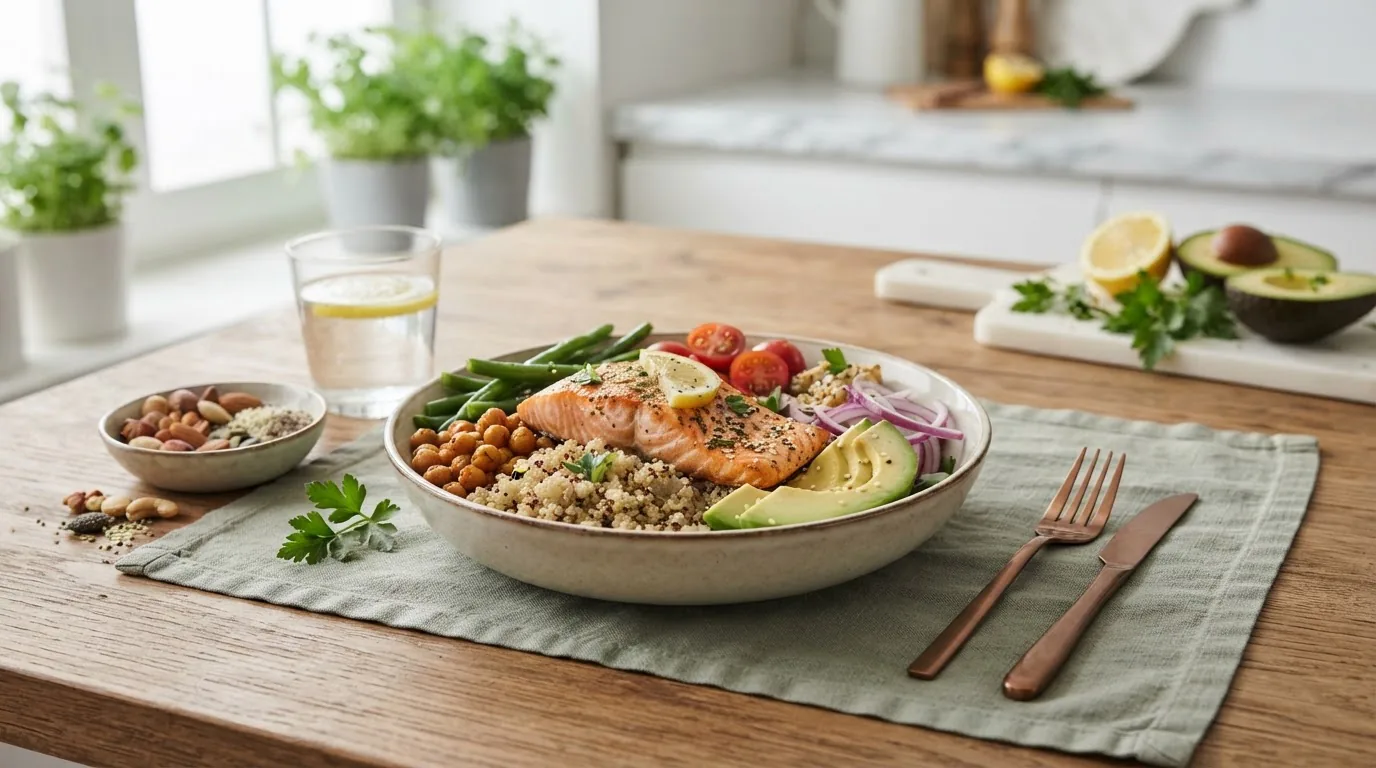
- Sheet-Pan Salmon & Veggies — 4–6 oz wild-caught salmon fillet roasted with Brussels sprouts and butternut squash on a sheet pan. Season with olive oil, garlic, and herbs; bake 20–25 minutes. Minimal cleanup, maximum nutrients.
- Stir-Fried Tofu & Broccoli — Firm tofu pan-seared and stir-fried with garlic, broccoli, bell pepper, and a splash of low-sodium soy sauce. Serve over brown rice or cauliflower rice for a clean plant-based dinner.
- Lean Beef & Vegetable Skewers — Cubed sirloin or flank, bell peppers, red onion, and cherry tomatoes grilled on skewers; serve with a side salad. Trim visible fat and use minimal marinade.
- Shrimp Zoodle Scampi — Sauté shrimp with garlic, lemon, and a little olive oil; toss with spiralized zucchini (zoodles) and fresh parsley. Low-calorie, quick, and seafood-forward.
- Baked Chicken Thighs with Lentils — Skinless chicken thighs roasted with rosemary; serve over a bed of simple stewed lentils and spinach for a balanced, fiber-rich meal.
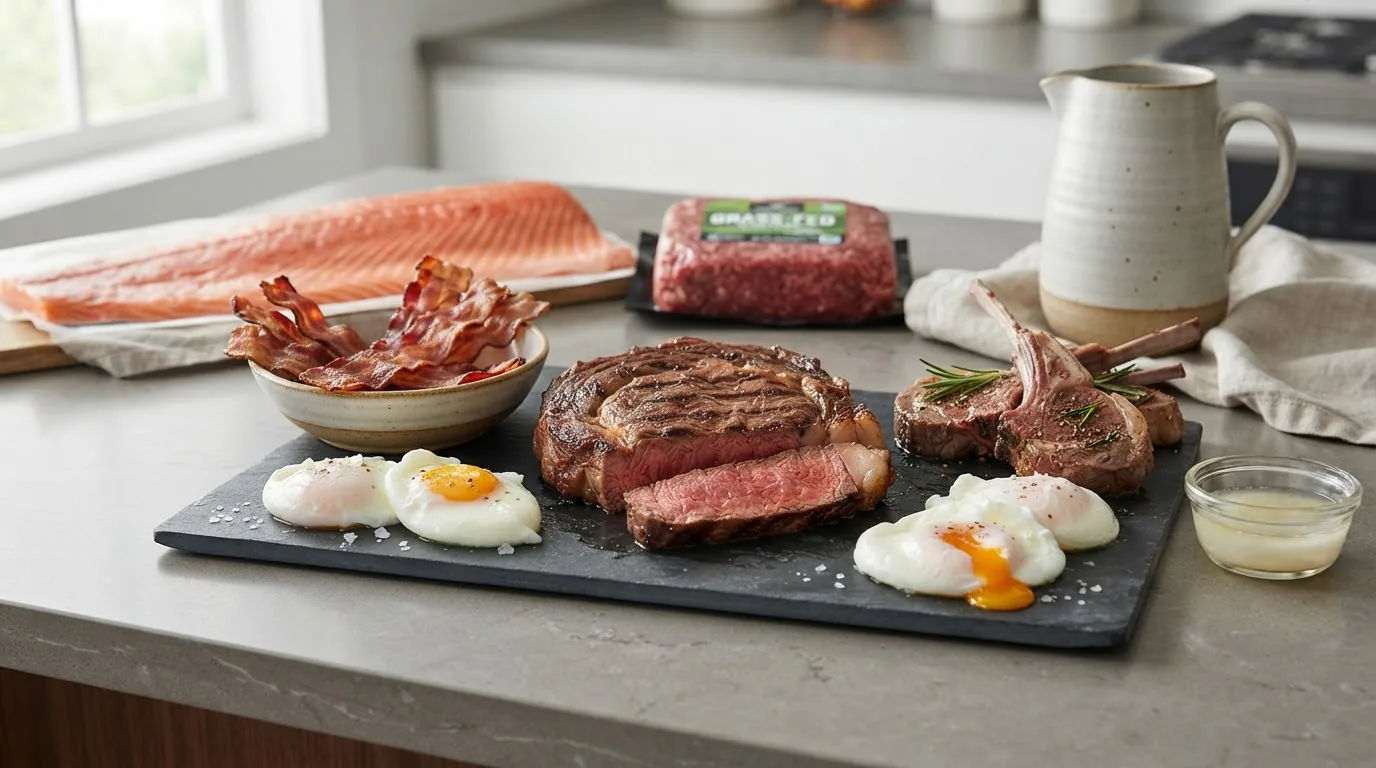
- Simple Carnivore Plate (if you prefer animal-only meals) — Pan-seared ribeye or ground beef patties with a side of bone broth or eggs. For users exploring animal-forward eating, see carnivore diet meal ideas. carnivore diet meal ideas
- Mediterranean Chickpea Stew with Feta — Chickpeas simmered with tomatoes, garlic, and spinach; finished with crumbled feta and a drizzle of extra-virgin olive oil. Hearty and plant-forward.
- Baked Cod with Herbed Quinoa — White fish baked and served alongside herbed quinoa and roasted asparagus. Simple flavors and ideal for meal prep.
- Rapid Pan-Seared Chicken & Avocado Salsa — Thin chicken cutlets, seared in a pan, topped with quick avocado-tomato-cilantro salsa; ready in 15 minutes and pairs well with a side of steamed green beans.
- High-Protein Sheet-Pan Frittata (for dinner or leftovers) — Eggs whisked with leftover roasted vegetables and crumbled turkey or sausage, baked in a sheet pan for easy slicing and storage.
Many of these dinner ideas lean on basic pantry staples and minimal seasonings. For more beginner-friendly meal recipes, see easy high-protein recipes. easy high-protein recipes
Transition: Combining protein with healthy fats enhances nutrient absorption and satisfaction — next, learn practical pairing tips.
How to Combine Clean Protein with Healthy Fats for Better Nutrition
Combining clean proteins with healthy fats improves meal satisfaction, supports nutrient absorption (notably fat-soluble vitamins A, D, E, K), and creates balanced meals that are easier to sustain long term. Think of healthy fats as the flavor and satiety partner for your protein foundation.
Friendly fats to pair with clean proteins:
- Avocado — creamy, fiber-rich, and pairs with eggs, tuna, and chicken. See additional facts about avocado fiber in the site’s guide: do avocados have fiber
- Extra-virgin olive oil — ideal for dressings and finishing cooked proteins (use sparingly for roasting or dressings).
- Nuts and seeds — add texture and a dose of unsaturated fats to yogurt bowls, salads, and grain dishes.
- Fatty fish (salmon, mackerel, sardines) — double duty as protein and concentrated omega-3 source.
- Olives and nut butters — small servings lift flavor while delivering healthy fats.
Examples of balanced pairings:
- Grilled salmon + a side salad dressed with olive oil and lemon (protein + mono- and polyunsaturated fats).
- Plain Greek yogurt + a tablespoon of almond butter and fresh berries (protein + plant fat + fiber).
- Chicken breast + half an avocado + a drizzle of olive oil on roasted vegetables.
- Quinoa + roasted chickpeas + pumpkin seeds + olive oil vinaigrette (plant protein + mixed fats).
For omega-3 focused pairings, consider oily fish or seed combinations. For deeper reading on foods rich in omega-3 fatty acids to pair with your proteins, see this guide. foods rich in omega-3 fatty acids
Small examples of how fat improves protein meals:
- A squeeze of olive oil on steamed fish helps absorption of fat-soluble vitamins and increases satiety.
- Add a few walnuts to a chicken and pear salad to slow carbohydrate absorption and keep hunger at bay.
Transition: Pairing is simple, but consistency matters—use the following tips for maintaining clean protein habits without overcomplication.
Tips for Maintaining a Clean Protein Eating Habit
Keeping clean protein as a habit is about practical systems: smart grocery shopping, batch cooking, portion control, and simple swaps. Below are numbered, actionable steps to make clean eating stick.
-
Plan protein-focused meals for the week. Choose 2–3 proteins (e.g., chicken, salmon, lentils) and build 3–4 meals around them. Batch-cook once or twice weekly to save time.
easy high-protein meal prep -
Use a shopping list organized by freezer, fridge, and pantry. Stock whole eggs, plain canned fish, frozen vegetables, and bagged greens for fast combos.
budget-friendly clean protein foods - Choose minimally processed convenience items: plain canned beans, frozen wild-caught fish fillets, and plain Greek yogurt are faster options with clean labels.
- Portion proteins per meal: a practical starting point is 3–6 oz cooked protein per meal (about the size of your palm) depending on goals. Adjust upward for higher activity or muscle goals; consult tools like a protein calculator to refine needs.
- Keep quick protein snacks: hard-boiled eggs, a small tub of cottage cheese, or a handful of nuts so you don’t reach for processed snacks when hungry.
- Master a few go-to cooking methods: grill a batch of chicken breasts, roast a tray of mixed vegetables and tofu, or bake salmon in foil packets for leak-free meal prep.
- Make simple swaps: swap flavored yogurt with plain Greek yogurt plus fresh fruit; replace sugary breakfast cereal with overnight oats mixed with protein-rich milk or yogurt.
- Don’t overlook plant proteins: pair legumes with whole grains for complete amino acid profiles on vegetarian days.
- Track progress and adjust: if you’re aiming for weight loss or muscle gain, revisit portion sizes and meal frequency every 2–4 weeks.
- Know your limits: certain medical conditions (e.g., advanced kidney disease) require protein intake adjustments—check with your healthcare provider.
Transition: Common questions about clean proteins often focus on timing, digestion, and quality—read the next section for concise answers.
Common Questions About Clean Eats Protein Answered
This FAQ-style section tackles typical reader doubts with concise, evidence-aligned answers, including real-world tips and caveats for special populations.
How much protein should I aim for per meal?
A practical target is 20–40 grams of protein per meal for most adults to support muscle maintenance; active individuals or those building muscle may need higher amounts. Adjust based on activity, age, and goals and consult a trusted health source for general ranges — personalized plans come from registered dietitians.
Are plant proteins “clean” enough compared to animal proteins?
Yes—whole plant proteins like lentils, chickpeas, tofu, tempeh, and quinoa are clean when minimally processed. Combine complementary plant foods across meals or within a day to meet essential amino acid needs; see plant-based guides for pairing strategies.
How should I cook proteins to keep them clean?
Choose grilling, steaming, baking, poaching, or sautéing with minimal added oils. Avoid heavily processed marinades and pre-breaded coatings; instead use herbs, citrus, and small amounts of quality oils for flavor without excess additives.
Can clean proteins help with weight loss?
Yes—clean, nutrient-dense proteins increase satiety and can reduce overall calorie intake while preserving lean mass during weight loss. For targeted low-calorie options, check resources on protein-rich food for weight loss. protein-rich food for weight loss
Is it okay to use protein powder with clean eating?
Occasional use of minimally processed protein powders can be useful for convenience, but prioritize whole-food proteins. Choose unsweetened, single-ingredient products when needed and view powders as supplements rather than meal replacements.
How do I avoid boredom while eating clean proteins?
Rotate proteins weekly, use different herbs and acids (lemon, vinegar), and switch cooking methods. Batch-cook base proteins and change sauces or sides to create variety without extra work.
Transition: Below are succinct answers to the most common user questions formatted for quick reference.
Transition: Now, the final section wraps up key takeaways and encourages you to start small and stay consistent.
Conclusion: Embracing Clean Protein for a Healthy Lifestyle
Clean eats protein is a practical way to build meals that support weight control, muscle maintenance, and daily energy—without complicated recipes or expensive ingredients. Start with a few simple swaps: prioritise whole, minimally processed proteins, pair them with healthy fats, and use basic cooking methods like grilling or baking. Small, consistent changes—weekly meal prep, rotating proteins, and mindful portioning—add up to a sustainable clean-eating routine that fits real life.
Ready to make clean proteins part of your routine? Choose two protein staples this week, plan three simple meals using them, and use the prep tips above to save time. For more menu ideas and planning tools, explore related guides in our lean protein series.
Frequently Asked Questions
What does “clean eats protein” mean in a diet?
“Clean eats protein” means choosing whole, minimally processed protein foods—like plain chicken, eggs, lentils, and plain yogurt—prepared with simple cooking methods and minimal added ingredients to maximize nutrient density and reduce additives.
How does clean eats protein differ from other protein sources?
Clean eats protein emphasizes whole-food sources with minimal processing and few additives, unlike many processed protein snacks or flavored powders that include sugars, fillers, and preservatives.
What are some easy clean protein meal ideas for beginners?
Simple starters include grilled chicken grain bowls, Greek yogurt protein bowls, egg & veggie scrambles, canned tuna salads, and baked salmon with roasted vegetables—fast, whole-food based, and easy to prep.
How can I meal prep clean protein meals quickly?
Batch-cook two proteins (chicken, salmon, or lentils), roast a tray of vegetables, and portion into containers; use quick dressings like olive oil and lemon to finish meals and store for 3–4 days.
How long does it take to see benefits from eating more clean protein?
Some benefits, like increased fullness and steadier energy, can appear within days; changes in body composition and muscle maintenance may take several weeks to months depending on activity and calorie balance.
Can certain clean proteins cause digestive issues?
Yes—high-FODMAP legumes, dairy, or large portions of certain proteins can trigger symptoms in sensitive individuals; adjust portion sizes and choose alternatives like lactose-free dairy or cooked lentils if needed.
How do I ensure quality and safety in choosing clean protein foods?
Buy plain, single-ingredient items, check expiration dates, choose reputable brands for canned or frozen products, and store per safety guidelines; consult food safety guidance from government agencies if unsure.
Which clean protein sources are best for weight loss?
Lean, nutrient-dense options—skinless poultry, white fish, canned tuna, eggs, Greek yogurt, and legumes—help control calories while supporting satiety and muscle preservation during weight loss.