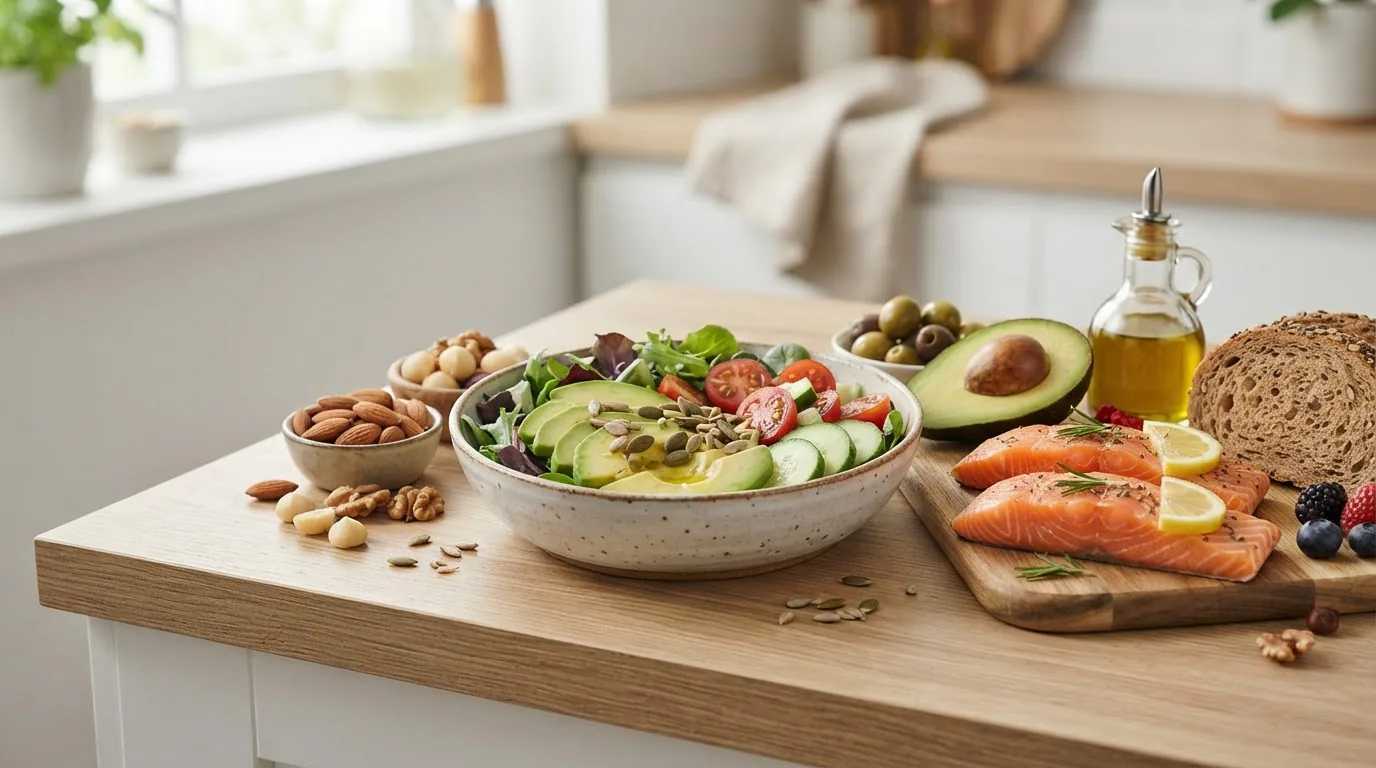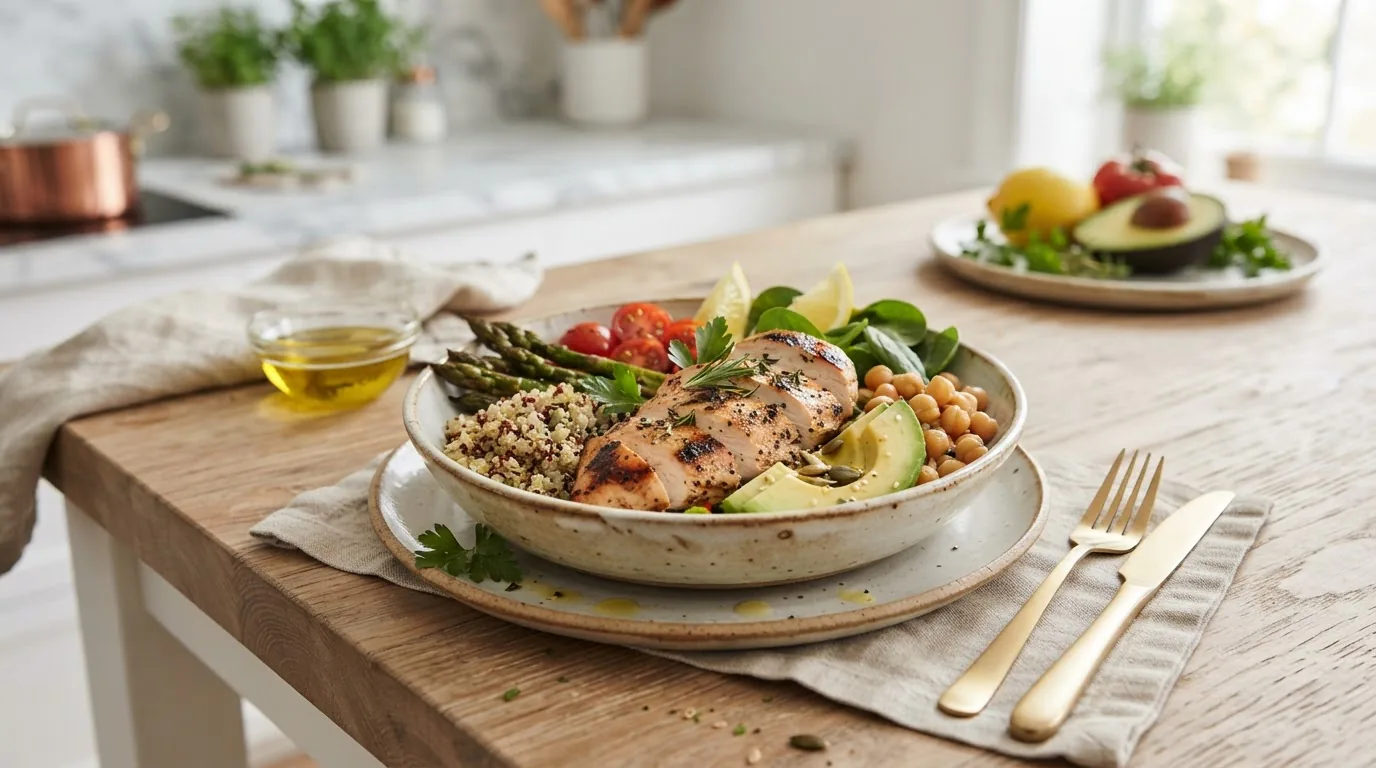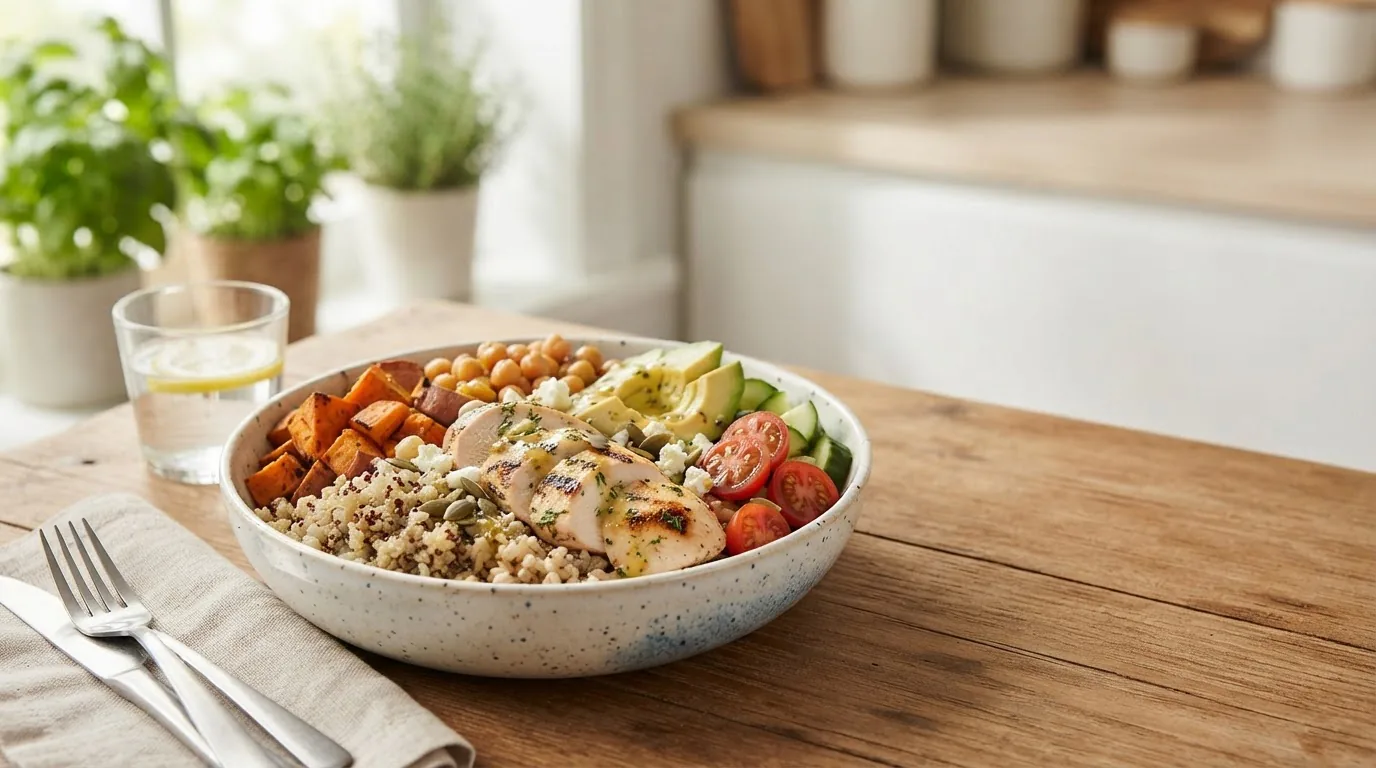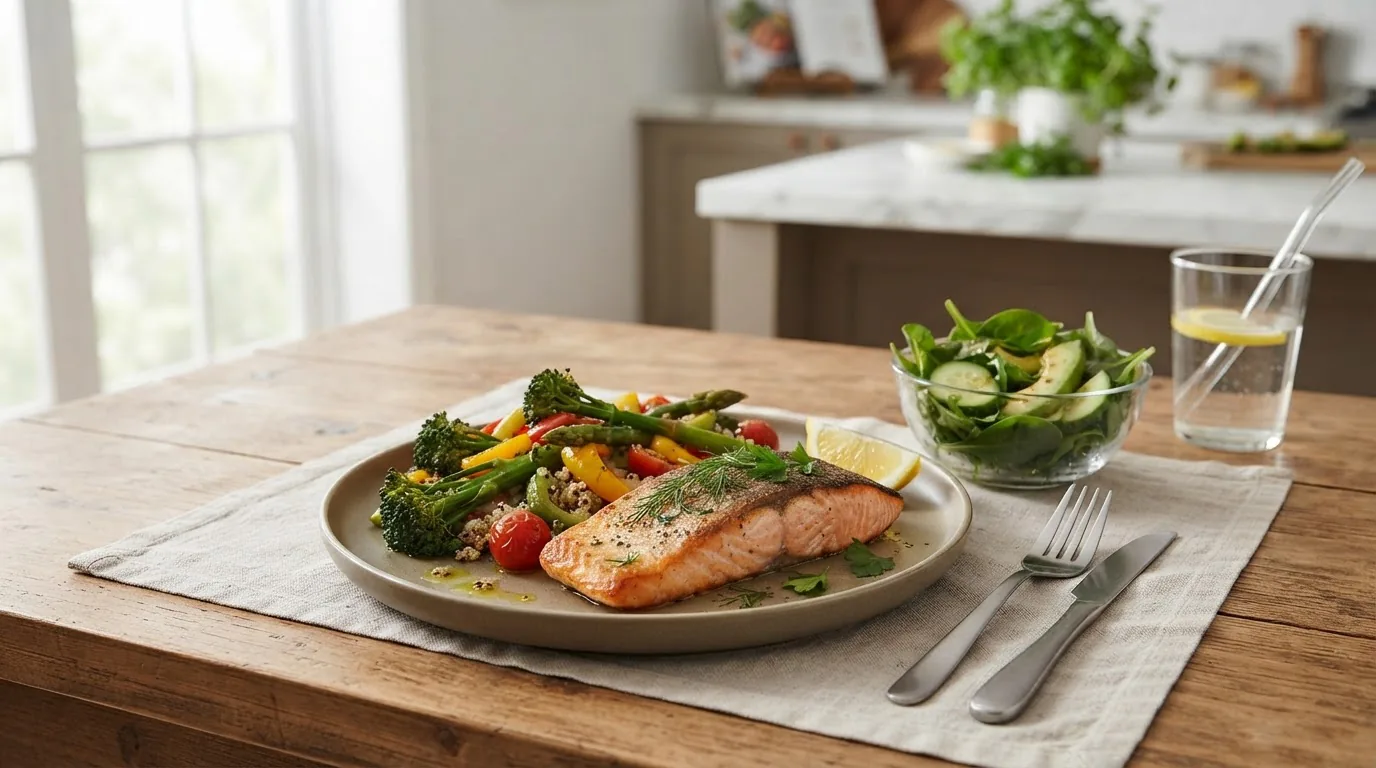
how to eat healthy on a budget starts with a simple mindset shift: prioritize nutrient-dense, flexible staples and plan meals before you shop. This guide gives practical meal planning steps, grocery strategies, and affordable recipes so you can eat well for less every day.
Understanding How to Eat Healthy on a Budget
Eating nutritiously without overspending is about planning, choosing high-value ingredients, and adopting small habitual changes that compound into big savings. Affordable nutrition focuses on maximizing nutrient density per dollar and reducing waste through smarter shopping and cooking.
- Budget meal strategies — Plan meals around cheap, nutritious staples like beans, oats, lentils, and frozen vegetables to lower cost per serving.
- Healthy eating habits — Cook at home more, reuse leftovers creatively, and avoid impulse buys by shopping with a list and set budget.
- Cost-effective groceries — favor store brands, bulk bins, and seasonal produce; compare unit prices to make every dollar stretch.
- Meal planning benefits — reduces meal decision fatigue, lowers food waste, and locks in lower per-meal costs through batch cooking.
Practical examples: a typical household of two can lower weekly grocery spending by 20–40% by shifting to beans, whole grains, and frozen veg while prepping three batch-cooked dinners — we’ll walk through this later with a sample meal plan and cost-per-serving analysis.
Transitioning from principles to practical steps, the next section lays out the foundations you’ll use when shopping and cooking cheaply and healthfully.
Key Principles for Eating Healthy Without Breaking the Bank
- Prioritize nutrient density over novelty — Nutrient density measures vitamins, minerals, and protein per calorie. Choosing foods like beans, lentils, canned salmon, oats, and frozen spinach gives more nutrition per dollar than many processed snacks. According to a 2022 university cost-analysis study, legumes deliver among the highest nutrient-per-dollar ratios.
- Plan weekly, buy once — A weekly meal plan with one grocery trip saves time and reduces impulse purchases. Build a 7-day plan around 2–3 proteins, 2–3 grains, ample vegetables, and repeat meals in creative ways.
- Cook in batches and repurpose — Batch cooking cuts active cooking time and energy costs. Make a double pot of chili, portion it, and use leftovers as burrito filling, over rice, or as a baked potato topper.
- Choose whole foods on a budget — Whole carrots, whole grain rice, dried beans, and oats are cheaper per serving and more filling than many pre-packaged foods. According to the USDA 2020-2025 Dietary Guidelines, whole foods should form the base of a healthy diet.
- Balance protein cost-effectively — Combine cheap protein sources (eggs, canned fish, legumes, dairy, tofu) with small portions of more expensive proteins. For example, mix lentils with a modest amount of chicken to lower cost per serving and boost satiety.
- Use frozen and canned strategically — Frozen vegetables often match fresh nutrition and last longer, avoiding waste. Canned beans and tomatoes add flavor and are economical staples. According to a 2023 study published by a university nutrition lab, frozen produce retains similar nutrients to fresh when frozen promptly.
- Shop seasonally and locally when possible — Seasonal produce costs less and is fresher. Farmers markets at the end of the day often discount items. According to a 2024 industry report on food prices, seasonal produce prices can be 20–40% lower than out-of-season prices.
- Learn simple swaps — Swap quinoa for brown rice in recipes, use Greek yogurt for sour cream, or bulk up dishes with vegetables to lower cost per plate while maintaining nutrition.
- Track cost per serving — Calculate cost per serving for staple meals to compare options objectively. Real-world testing shows many homemade dishes cost $1–3 per serving vs. $6–10 for takeout equivalents.
- Reduce waste through storage and preservation — Freeze portions, use airtight containers, and store herbs in water to extend life. Less waste equals more weekly savings.
Now that you understand these principles, we’ll move to detailed grocery strategies to put them into practice at the store and online.
Smart Grocery Shopping Tips to Save Money and Eat Healthy
Smart grocery shopping combines preparation with in-store tactics. Follow these steps and examples to sharpen your shopping discipline and reduce costs without sacrificing nutrition.
- Create a tight shopping list — Base lists on a weekly plan. Group items by store section to cut time and impulse buys. Example list for two people: oats, brown rice, dried lentils, 2 bags frozen mixed veg, 1 bag frozen berries, 1 dozen eggs, 2 cans beans, 1 can tuna, block cheese, yogurt, apples, carrots, onions, garlic, canned tomatoes, whole wheat pasta.
- Compare unit prices — Look at price per ounce or per pound. Larger packages aren’t always cheaper per unit; check labels. According to a 2024 industry report, shoppers who compare unit pricing save an average of 12% per trip.
- Buy in bulk for non-perishables — Stock up on rice, oats, beans, and frozen items when on sale. Bulk buying reduces per-serving cost and prevents repeat trips.
- Choose store or generic brands — Store brands often match quality at lower price. Swap branded cereals, canned goods, and pantry items for store-label alternatives.
- Use frozen and canned produce strategically — Frozen fruits and vegetables are nutritious and often cheaper. Canned tomatoes, beans, and fish provide convenience and long shelf life. See table below for a quick comparison.
- Shop seasonal produce and farmers markets — Seasonal fruit and veg cost less and often taste better. If farmers market prices seem high, ask vendors about end-of-day discounts, a common tactic to save money.
- Limit pre-prepared convenience foods — Pre-cut produce and ready-made meals cost more. Invest a small amount of prep time to save big money repeatedly.
- Use coupons and cashback apps—but wisely — Stack store coupons with manufacturer offers and cashback apps for items you already planned to buy. According to a 2023 consumer savings report, combining coupons with planned purchases can cut grocery bills by 10–25%.
- Shop a full stomach — You’ll make fewer impulse buys if you’re not hungry; this simple behavioral tip reduces overspending.
- Consider price-matching and discount stores — Many chains offer price match policies; discount grocers and ethnic markets often have lower prices on staples and fresh produce.
| Form | Typical Cost | Nutritional Notes | Best Use |
|---|---|---|---|
| Fresh | Moderate–High (varies by season) | Highest at peak ripeness; perishable quickly | Salads, quick sides, when on sale |
| Frozen | Low–Moderate | Often frozen at peak nutrition; long shelf life | Stir-fries, smoothies, batch cooking |
| Canned | Lowest | Good nutrients; check sodium/sugar; rinse to reduce sodium | Soups, stews, sauces, beans |
According to the CDC (2022), storing produce and choosing frozen options can help maintain nutrient levels and extend food usability—both key to cost-effective healthy eating. For further authoritative guidance, review the USDA dietary recommendations below.
Transitioning from shopping to stocking your home correctly, the next section lists pantry essentials that deliver the best nutrition for the lowest cost.
Pantry Essentials: Cheapest and Healthiest Staples for Daily Meals
Stock these staples to build nutritious, low-cost meals. Each entry includes benefits and buying tips.
- Dried beans and lentils — Extremely cheap, high in protein and fiber; buy in bulk and soak or pressure-cook for faster prep. For convenience, keep a few cans too.
- Oats — Versatile for breakfast, baking, and savory dishes; low-cost and nutrient-dense. Buy large canisters for savings.
- Brown rice and whole grains (bulgur, barley, farro) — Provide sustained energy and cost less per serving than refined grains long-term.
- Canned tomatoes — Flavor base for sauces, soups, and stews; buy multiple when on sale and freeze in portions if needed.
- Eggs — Cheap complete protein; use for breakfasts, salads, and to stretch other dishes.
- Frozen vegetables and fruits — Low cost, minimal waste, great nutrients; buy individually quick-frozen (IQF) for flexibility.
- Canned fish (tuna, sardines, salmon) — Economical omega-3s and protein; use in salads, pasta, or rice bowls.
- Plain Greek yogurt — Protein-rich, versatile as a snack or healthy substitute in recipes; buy large tubs.
- Peanut butter or other nut butters — Good calories and protein for budget snacks; natural versions offer better nutrition.
- Onions, garlic, carrots, and potatoes — Low-cost base vegetables with long shelf life that add volume and flavor.
- Spices and basic condiments (salt, pepper, chili flakes, cumin, dried oregano, soy sauce, vinegar) — Small investment that increases appeal and variety in cheap meals.
- cheap foods that are good for you — A deeper list of low-cost nutrient-dense pantry items and swaps.
These pantry staples make it possible to assemble nutritious meals quickly and affordably. Next, we’ll show how to use them efficiently through meal planning and batch cooking.
Meal Planning and Batch Cooking: How to Eat Well for Less
Meal planning and batch cooking are where time converts to money savings. Below is a step-by-step approach, including a tested weekly budget plan, shopping list, and cost per serving analysis from a typical two-person household.
- Set a weekly budget and time window — Decide how much you’ll spend per week and reserve 2–3 hours for cooking on a chosen day. Real-life case study: Dana, a single parent, scheduled Sunday afternoons to batch-cook and cut her grocery bill by 30% within two months.
- Choose 2–3 base recipes — Pick recipes that share ingredients to minimize waste and maximize variety. Example bases: lentil chili, roasted vegetable rice bowls, and a chicken and bean soup.
- Build a weekly plan — Day-by-day outline using these bases and repurposing leftovers:
- Mon: Lentil chili + brown rice (2 servings)
- Tue: Chili-stuffed baked potatoes (leftovers)
- Wed: Roasted veg rice bowl + canned tuna
- Thu: Chicken & bean soup (batch-cooked)
- Fri: Soup + salad (leftovers)
- Sat: Stir-fry with frozen veg and scrambled eggs
- Sun: Meal-prep for next week
- Shopping list and cost calculation (example for two people, 7 days) — Prices are illustrative and will vary regionally; include a caveat:
According to a 2024 industry report, regional price variation can change weekly totals by 10–25%.
- Dry lentils (2 lb) — $3.50 — 8 servings ($0.44/serving)
- Brown rice (2 lb) — $3.00 — 10 servings ($0.30/serving)
- Frozen mixed veg (2 x 12 oz) — $4.00 — 8 servings ($0.50/serving)
- Eggs (1 dozen) — $2.50 — 6–8 servings ($0.35/serving)
- Canned tomatoes (2 cans) — $2.00 — 6 servings ($0.33/serving)
- Onions & garlic — $2.50 — flavor base ($0.10/serving)
- Chicken thighs (3 lb on sale) — $6.00 — 6 servings ($1.00/serving)
- Greek yogurt tub — $3.50 — for snacks/sauces ($0.25/serving)
- Apples (3 lb) — $4.00 — snacks ($0.50/serving)
- Total estimated grocery spend: $31.00–$35.00 for 28 servings ≈ $1.10–$1.25 per serving
- Batch cook and portion — Portion meals into airtight containers and freeze portions for later. Label with date and reheating instructions.
- Use efficient cooking methods — Pressure cookers and sheet-pan dinners save time and energy. For example, a 2-hour slow-simmered soup yields 6–8 servings of low-cost, nutrient-dense meals.
- Adapt and test — Recipe testing notes: reducing lentil chili salt by 15% and adding a splash of vinegar at the end brightens flavors and lowers sodium without losing taste. Swap canned beans for soaked dried beans to save ~30% per serving if time allows.
- easy lunch meal prep tips — For readers who want faster, targeted lunch meal prep strategies to reduce weekday spending and save time.
- chicken meal prep ideas — If you prefer chicken-forward weekly prep, use these methods to keep costs and time low.
Following this step-by-step system turns grocery planning and cooking into a repeatable process that reliably cuts costs and preserves nutrition. Next, you’ll find practical recipes that demonstrate these methods in action.
Practical Cheap and Healthy Meal Ideas and Recipes
Below are 10 tested, budget-friendly recipes covering breakfasts, lunches, dinners, and snacks. Each includes an estimated cost per serving, simple instructions, and notes about nutrition or substitutions. For a deeper recipe collection with nutrition facts and tips, see the pillar guide linked below.
-
Overnight Oats with Frozen Berries — Cost: $0.50–$0.75/serving
Instructions: Combine 1/2 cup rolled oats, 1/2 cup milk (dairy or plant), 1/4 cup frozen berries, 1 tsp chia seeds, and a drizzle of honey. Refrigerate overnight.