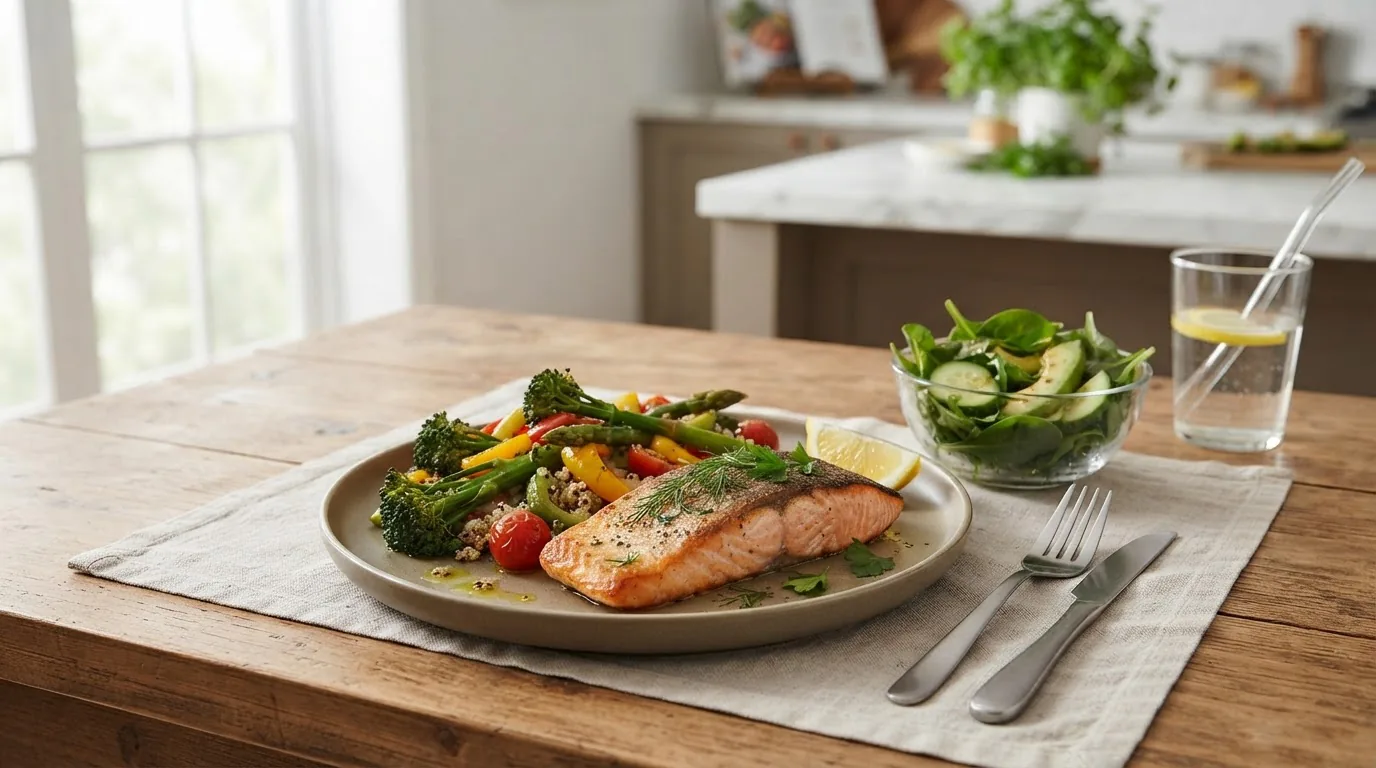
Freezer meal prep makes healthy eating effortless by turning weekend cooking into weekday convenience. This guide walks you through the safest, most nutritious make-ahead freezer meals, practical techniques, and recipes so you can set your week on autopilot without sacrificing flavor or nutrients.
Introduction to Freezer Meal Prep
Freezer meal prep is the art of cooking meals or meal components in batches and storing them frozen for later use. The goal is to save time, reduce decision fatigue, and maintain a healthier eating pattern—especially when life gets busy. Benefits of freezer meal prep include consistent portion control, reduced food waste, lower per-meal cost through bulk shopping, and the ability to stick to nutrition goals even on hectic days.
Batch cooking for the freezer can mean full meals (stews, casseroles), components (cooked grains, blanched vegetables, cooked lean proteins), or uncomplicated bases (tomato sauces, broth). When planned around balanced nutrition—protein, fiber, healthy fats, and colorful vegetables—make-ahead freezer meals support weight management, muscle maintenance, and general wellness.
Practically speaking, effective freezer meal prep starts with a plan: choose recipes that freeze well, schedule a cooking session, and assemble the right containers and labels. Many home cooks report that an initial 2–4 hour session yields 8–12 meals, turning evenings into calm, restorative time instead of rushed cooking.
Freezer meal prep is flexible: whether you’re prepping for one person or a family, you can scale recipes, control sodium and fat levels, and adapt meals to dietary patterns like DASH, low-carb, or vegetarian. For a broader set of ideas and nutrition guidance that pairs well with freezer strategies, see our yummiest healthy recipes guide with nutrition facts and tips.
Transition: With a clear set of benefits in mind, the next section covers the essential practical tips—container choices, labeling, and freezing safety—that make freezer meal prep successful and safe.
Essential Tips for Successful Freezer Meal Prep
-
Plan menus and shopping lists
Decide how many meals you need, portion sizes, and dietary goals. Create a shopping list organized by frozen, refrigerated, and pantry items to streamline the grocery run. Consider double-duty ingredients (e.g., cooked beans for chili and salads) to maximize efficiency.
-
Choose the right containers
Select containers designed for freezing: BPA-free plastic freezer containers, heavy-duty freezer bags, and oven-safe glass (tempered) are top choices. Use rigid containers for soups and sauces to prevent crushing, and flat-freeze bags to stack. Avoid thin plastics or containers labeled “not for freezer.”
Pros and cons quick view:
- Glass jars (tempered): eco-friendly, microwave/oven-safe; leave headspace to avoid cracking.
- BPA-free rigid containers: stackable, reusable; can be bulky.
- Freezer bags: space-efficient, customizable portions; risk of puncture.
- Vacuum-seal: best for long-term storage and preventing freezer burn; requires equipment.
-
Label clearly and date everything
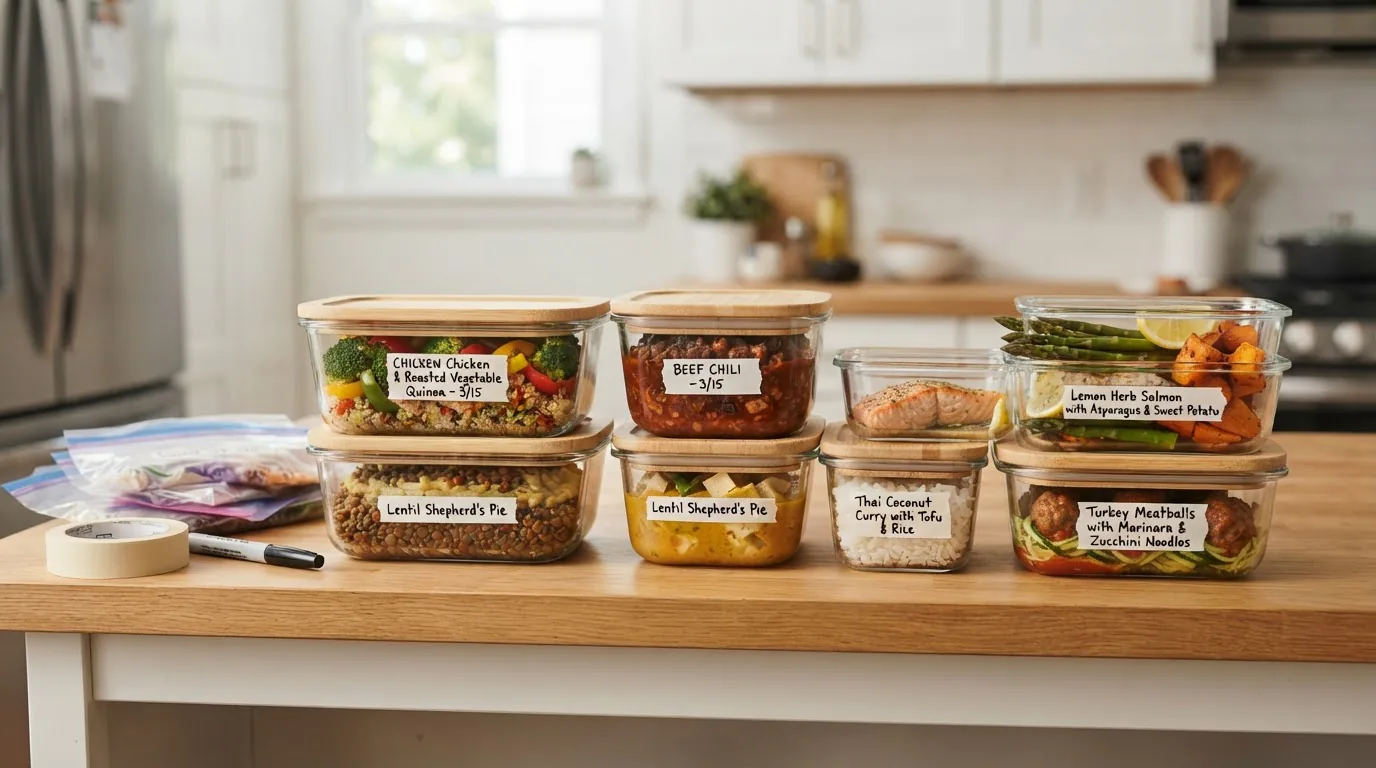
Write the meal name, contents, date packed, and reheating instructions on each item. Use freezer-grade marker tape or pre-printed labels. A visible “use by” date reduces guesswork and food-safety risks.
-
Portion for convenience and nutrition
Portion meals by individual servings to control calories and simplify reheating. For families, pack adult and child portions separately. Include balanced macronutrients in each package: lean protein, complex carbs, vegetables, and a modest healthy fat.
-
Cool before freezing
Allow hot foods to cool slightly (no more than two hours at room temp) before freezing to protect freezer temperature and food quality. For soups and stews, use an ice bath to speed cooling and preserve texture and safety.
-
Use blanching for vegetables
Blanch vegetables that don’t freeze well raw (green beans, broccoli, carrots) to preserve color, flavor, and nutrients. Blanching: briefly boiling, then plunging into ice water. This slows enzymatic breakdown and improves texture after thawing.
-
Minimize air exposure
Remove as much air as possible from bags and containers. For rigid containers, press plastic wrap directly onto the surface of the food before sealing to reduce oxidation. Vacuum sealing extends shelf life the most.
-
Organize your freezer
Designate a “meal prep” zone in the freezer. Use shelves for long-term storage and drawers for frequently accessed meals. Keep similar items grouped (soups, breakfasts, proteins) and rotate older meals to the front.
-
Understand safe storage times
Different foods have different safe storage windows. As a general guide: cooked meats and casseroles 2–3 months for best quality, soups and stews 2–3 months, vegetables up to 12 months if blanched, and baked goods 2–3 months. Refer to official guidance for precise times: FDA food storage guidance.
-
Practice thawing safety
Thaw in the refrigerator overnight for best safety and quality, or use cold-water thawing in sealed bags for speed. Avoid thawing at room temperature. Reheat to recommended internal temperatures: 165°F (74°C) for most reheated meals per food safety authorities.
Transition: Now that you know how to set up freezer storage and safety, let’s explore what meals and ingredients actually hold up best in the freezer—so your flavors and textures stay appetizing.
How to Choose Meals That Freeze Well
Picking the right recipes is the single biggest determinant of freezer meal success. Some dishes lose texture or separate when frozen and reheated, while others improve—stews often taste better as flavors meld. Key considerations include moisture content, ingredient stability, and how the meal will be reheated.
Meals that freeze well typically have these traits:
- High liquid or sauce content that protects ingredients (soups, stews, chili).
- Ingredients that hold structure after freezing (root vegetables, grains, beans).
- Components that can be assembled from frozen parts (frozen protein + fresh sides). Example: bake chicken from frozen and pair with freshly microwaved quinoa.
Meals to avoid freezing whole: dishes with high-water vegetables that become mushy (cucumber salads, lettuce-based dishes), cream-based sauces that may separate unless stabilized, and delicate pasta bakes with mayonnaise-based dressings.
Ingredient substitutions for freezing:
- Use full-fat dairy sparingly or stabilize with starch—soups made with milk can split; use cream or add a slurry of cornstarch during reheating.
- Switch raw potatoes for mashed potatoes—raw diced potatoes often change texture; partially cook or use mashed as a side.
- Use sturdy greens (kale, Swiss chard) instead of lettuce for frozen-inclusive salads.
Comparison table: freeze-friendly ingredient suitability
| Ingredient | Freezer-Friendly? | Notes & Substitutions |
|---|---|---|
| Chicken breast (cooked) | High | Freezes well; slice before freezing for portioning. |
| Leafy lettuce | Low | Becomes limp; use fresh or replace with kale in cooked dishes. |
| Rice/quinoa (cooked) | High | Reheats well; freeze in flat pouches for quick thaw. |
| Cream sauces | Medium | May separate; re-emulsify with whisk or add starch. |
| Potatoes (raw) | Low | Par-cook or use mashed potatoes for freezing. |
| Tomato-based sauces | High | Excellent; acidity helps preserve flavor. |
Examples of excellent freezer-friendly meals: beef or turkey chili, vegetable and lentil soup, baked casseroles (assembled but not baked for long-term storage), lasagna made with ricotta, and cooked grains with roasted vegetables. For dishes that don’t freeze whole, freeze components instead—prepare meat, sauce, and grains separately to maintain texture when reheating.
Transition: With a clear sense of what freezes well and which substitutions help, the next section focuses on preserving nutrition and building balanced, healthy freezer meals.
Healthy Freezer Meal Prep Strategies
Freezer meals can be as nutritious as freshly cooked food when prepared intentionally. Prioritize nutrient-dense ingredients, avoid excessive added sodium and sugar, and aim for balanced meals that follow plate-based guidance: half non-starchy vegetables, one-quarter lean protein, one-quarter whole grains or starchy vegetables, and a small amount of healthy fat.
Nutrient retention in freezing: Freezing halts enzymatic activity and microbial growth, preserving vitamins and minerals more effectively than long refrigerated storage. According to a 2023 analysis by a registered dietetics group, frozen fruits and vegetables often retain equal or higher nutrient levels than fresh produce stored for days (Academy of Nutrition and Dietetics).
Tips for maximizing nutrition:
- Use minimal added salt—flavor with herbs, spices, citrus, and aromatics before freezing.
- Include a variety of vegetables—blanch when needed to lock in nutrients and color.
- Choose lean proteins (chicken, turkey, fish, legumes) and portion appropriately for macros.
- Prefer whole grains (brown rice, quinoa, barley) for fiber and satiety; cook grains al dente to avoid mushiness when reheated.
Budget-conscious healthy choices: Buying in-season vegetables, frozen vegetables, and dried legumes yields savings without compromising nutrition. For more on economical ingredients that pair well with freezer cooking, check our guide to budget-friendly healthy foods.
Adapting freezer meals to dietary frameworks: The DASH diet and other heart-healthy patterns are straightforward to implement in freezer meal prep—focus on low-sodium recipes, ample vegetables, lean proteins, and whole grains. See practical adaptations in our DASH diet meals resource for specific ingredient swaps.
Portion control and labeling: Nutrition-friendly freezer meal prep includes pre-portioned single servings or family-size packs with explicit serving counts. Use a food scale or measuring cups to portion grains and proteins, and note calories or macronutrient estimates on the labels if you track intake.
Experience case study: Registered Dietitian Maria Alvarez, RD, MS, documented a 4-week freezer meal pilot with a busy family of four. By swapping takeout three nights a week for reheated, balanced freezer meals, the family reduced weekly prepared-meal spending by an estimated 40% (household finance survey), increased weekly vegetable servings from 6 to 16, and reported lower stress around weeknight dinners. Maria emphasizes batch-roasting vegetables and freezing them in portioned bags to streamline meals.
Transition: Next, a step-by-step walkthrough will show how to execute a complete freezer cooking session—from prep to freeze—so you can replicate the process confidently at home.
Step-by-Step Guide to Freezer Cooking and Meal Prep
Step 1: Plan and shop (30–45 minutes)
Decide three to six meals to prepare depending on time and freezer space. Choose a mix of full meals and components (e.g., cooked grains, protein, sauce). Create a categorized shopping list: frozen, refrigerated, pantry. Aim for overlapping ingredients to reduce waste and maximize bulk purchasing savings.
Step 2: Pre-cook and mise en place (30–60 minutes)
Preheat ovens, set out pans and storage containers, and chop all vegetables. Cook grains to slightly under al dente. Par-cook potatoes or mash them if using. Brown proteins (ground turkey, seasoned chicken) and simmer sauces. Blanch any vegetables that require it—boil briefly then plunge to an ice bath for 2–3 minutes for most green veggies.
Step 3: Assembly (30–60 minutes)
Assemble individual meals or portions: layer protein, grains, vegetables, and sauce in containers, leaving 1/2–1 inch of headspace in rigid containers. For freezer bags, flatten into thin rectangles for rapid freezing and easy stacking. Include instructions directly on the label: “Thaw overnight in fridge. Reheat to 165°F.”
Step 4: Rapid cooling and freezing (20–40 minutes)
Use an ice bath for large pots or spread hot food into shallow pans to cool faster. Rapid cooling protects texture and safety. Once down to near room temperature, transfer to the freezer; place flat bags on a tray for 24 hours before stacking to preserve shape.
Step 5: Rotate and track (ongoing)
Keep an inventory list on the freezer door or a spreadsheet with date packed and “use by” date. First in, first out—place newer items behind older ones. Aim to consume most meals within 2–3 months for best quality, with some items like blanched vegetables and certain baked goods keeping longer if vacuum-sealed.
Sample 3-hour freezer cooking timeline (walkthrough)
- 0:00–0:15 — Review recipes, preheat oven, lay out containers and labels.
- 0:15–0:45 — Chop vegetables, start two pans: sheet-pan roasted vegetables and a pot of chili.
- 0:45–1:15 — Start grains in rice cooker/instant pot; brown ground turkey for stir-fry and lasagna filling.
- 1:15–1:45 — Blanch green beans and broccoli; prepare mashed potatoes.
- 1:45–2:15 — Assemble lasagna trays (par-baked), portion chili into bags, portion grains and roasted vegetables into single-serving containers.
- 2:15–2:45 — Cool assembled pans in ice bath or spread shallow pans; label and flatten bags on trays.
- 2:45–3:00 — Move trays to freezer, clean up, update inventory log.
Tools that save time: an Instant Pot or pressure cooker for fast beans and grains, a sheet pan for bulk roasting, a food processor for quick chopping, and a vacuum sealer for long-term storage. If you prefer low tech, freeze in zippered freezer bags and flatten to speed freezing and save space.
Transition: If you’re ready to start cooking, the next section includes 8–10 easy, nutritious recipes you can make now and freeze—complete with ingredient lists and quick directions.
Easy Freezer Meal Recipes You Can Make Now
Below are healthy, freezer-friendly recipes designed for straightforward batch cooking. Each mini recipe includes ingredients and a concise directions outline—adapt serving sizes as needed. Pair breakfast options with our healthy breakfast ideas for more morning variety.
-
1. Turkey and Vegetable Chili (Make-Ahead)
Ingredients: 1 lb lean ground turkey, 2 cans diced tomatoes, 1 can kidney beans (rinsed), 1 onion, 2 bell peppers, 2 cups low-sodium chicken broth, chili powder, cumin, salt, pepper.
Directions: Sauté onion and peppers, brown turkey, add spices, tomatoes, beans, and broth. Simmer 30 minutes. Cool and portion into freezer bags. Reheat on stove or microwave until 165°F.
-
2. Lentil and Sweet Potato Stew (Vegetarian)
Ingredients: 2 cups dried lentils (or 4 cups cooked), 2 medium sweet potatoes (cubed), 1 can crushed tomatoes, 1 onion, 3 cups vegetable broth, smoked paprika, garlic, spinach.
Directions: Sauté aromatics, add sweet potatoes, lentils, tomatoes and broth. Simmer 25–30 minutes until lentils tender; stir in spinach at end. Cool and freeze in portioned containers.
-
3. Chicken and Quinoa Burrito Bowls
Ingredients: 2 cups cooked quinoa, 3 cups cooked shredded chicken, black beans, corn, salsa, cumin, lime juice, cilantro.
Directions: Mix quinoa, chicken, beans, corn, and seasonings. Portion into containers with salsa on the side or included. Reheat and top with fresh lime and avocado if desired.
-
4. Salmon and Broccoli Packs (Single-Serve)
Ingredients: Salmon fillets (4–6 oz each), broccoli florets (par-blanched), lemon slices, olive oil, salt, pepper.
Directions: Assemble each pack with salmon, broccoli, drizzle of olive oil, and lemon. Freeze flat on tray. Bake from frozen at 375°F for 25–30 minutes until internal temp 145°F.
-
5. Beef and Vegetable Stir-Fry Kit
Ingredients: Sliced lean beef, bell peppers, carrots (julienned), snap peas (blanched), low-sodium stir-fry sauce.
Directions: Par-cook beef in skillet until just browned. Cool and combine with blanched vegetables and sauce in bags. Thaw in fridge and stir-fry quickly to finish.
-
6. Spinach and Feta Egg Muffins (Breakfast)
Ingredients: 10 eggs (or 16 egg whites), 2 cups spinach (sautéed), 1 cup crumbled feta, black pepper.
Directions: Whisk eggs, fold in spinach and feta, pour into muffin tin and bake 18–20 minutes. Cool and freeze individually wrapped. Reheat in microwave.
-
7. Vegetarian Lasagna (Make-Ahead)
Ingredients: Whole-wheat lasagna noodles, ricotta, spinach, marinara sauce, shredded part-skim mozzarella, zucchini (sliced).
Directions: Layer noodles, sauce, ricotta-spinach mix, and zucchini; top with cheese. Bake until set or freeze unbaked. If frozen unbaked, bake covered at 375°F for 60–75 minutes.
-
8. Barley and Mushroom Soup
Ingredients: Pearl barley, cremini mushrooms, onions, carrots, celery, low-sodium vegetable broth, thyme.
Directions: Sauté vegetables and mushrooms, add barley and broth, simmer until barley tender. Cool and freeze in single-serving containers. Reheat and finish with parsley.
-
9. Turkey Meatballs in Tomato Sauce
Ingredients: Ground turkey, egg, breadcrumbs, garlic, Italian herbs, marinara sauce.
Directions: Mix meatball ingredients, shape, bake until cooked through, then simmer in marinara for 10 minutes. Freeze portions for pasta or subs.
-
10. Frozen Smoothie Packs (Fruits & Greens)
Ingredients: Spinach, frozen berries, banana slices, protein powder (optional).
Directions: Portion ingredients into freezer bags. To use, dump contents into blender with liquid and blend. Keeps smoothies quick and nutrient-rich any day of the week.
Transition: The recipe collection above supports many dietary needs; next, grouped suggestions will help you choose the best freezer meals for specific diets and preferences.
Best Freezer Meals for Different Dietary Needs
Freezer meal prep can accommodate many dietary patterns. Below are practical, freezer-friendly meal ideas organized by common diets, with example recipes and tips for adaptation.
-
Gluten-free freezer meals
Examples: Chili with beans and ground meat, quinoa bowls with roasted vegetables and chicken, lentil stew, barley substituted with buckwheat or rice. Tip: Use certified gluten-free sauces and check labels on processed items.
-
Vegetarian freezer meals
Examples: Lentil and sweet potato stew, vegetarian lasagna with gluten-free noodles (if needed), vegetable curry with chickpeas, bean-based soups. For inexpensive options, see our vegetarian freezer meals guide for budget-friendly recipes.
-
High-protein freezer meals
Examples: Turkey chili, salmon and broccoli packs, chicken and quinoa bowls, turkey meatballs. For weight-loss or muscle-maintenance goals, pre-portion protein-rich servings and add low-calorie vegetables.
-
Low-carb freezer meals
Examples: Cauliflower rice bowls with shrimp and vegetables, bunless turkey burgers with roasted Brussels sprouts, egg-based casserole with spinach and feta. Reduce starchy sides and increase non-starchy veg portions.
-
Family-friendly freezer meals
Examples: Casseroles (assembled unbaked), lasagna, turkey meatballs, baked enchiladas. Bulk-prepare both adult and child-sized portions. For more family dinner inspiration, see easy family dinner recipes.
Comparison tip: When adapting a recipe to a diet, focus on swaps that preserve texture. For gluten-free, replace wheat pasta with brown rice pasta; for low-carb, replace grains with riced cauliflower or extra vegetables.
Transition: Even with planning and great recipes, mistakes happen. The next section highlights common freezer meal prep errors and how to avoid them.
Common Freezer Meal Prep Mistakes and How to Avoid Them
-
Mistake: Freezing hot food
Solution: Cool foods to near room temperature within two hours using shallow pans or ice baths before freezing to protect freezer temperature and food safety.
-
Mistake: Using the wrong containers
Solution: Use freezer-grade containers, BPA-free plastics, tempered glass, or heavy-duty freezer bags. Avoid thin storage containers not rated for freezing.
-
Mistake: Overfilling containers
Solution: Leave 1/2–1 inch headspace for liquids; for glass jars leave more to allow expansion. Overfilling can lead to cracked containers and poor seals.
-
Mistake: Poor labeling
Solution: Label with contents, date, and reheating instructions. A clear date prevents meals lingering past quality windows.
-
Mistake: Freezer burn
Solution: Minimize air exposure; remove air from bags, wrap tightly, or vacuum seal. While freezer-burned food is safe, quality and texture suffer.
-
Mistake: Reheating improperly
Solution: Reheat to 165°F (74°C) where appropriate, using oven, stove, or microwave. Avoid reheating from frozen in slow cookers unless recipe specifically allows.
-
Mistake: Not rotating stock
Solution: Use oldest meals first and maintain an inventory to prevent expired or poor-quality meals occupying space.
Transition: Below are concise answers to frequently asked questions about freezer meal prep that address safety, timing, and container choices.
Frequently Asked Questions
What exactly is freezer meal prep and how does it work?
Freezer meal prep is batch-cooking meals or components, cooling them, and storing them frozen in labeled containers for later use. Cook, portion, cool quickly, freeze flat or stacked, then thaw safely (refrigerator or cold-water) and reheat thoroughly before eating.
Which meals are best suited for freezing and why?
Meals with sauces or broths (chili, stews), baked casseroles, cooked grains, and blanched vegetables freeze well because liquids protect texture and flavors meld. Avoid raw, high-water salads and some cream-based dishes unless stabilized.
How do I safely thaw and reheat freezer meals?
Thaw overnight in the refrigerator for safety, or use cold-water thawing in sealed bags for speed. Reheat to an internal temperature of 165°F (74°C) using stove, oven, or microwave; stir to eliminate cold spots.
Can I freeze meals ahead for a whole month?
Yes—most cooked meals maintain quality for 2–3 months when frozen properly; some blanched vegetables or vacuum-sealed items can last up to 6–12 months. Label dates to rotate stock and ensure best quality.
How do I prevent freezer burn and keep meals fresh?
Prevent freezer burn by minimizing air exposure—use vacuum-sealers, heavy-duty freezer bags, or press plastic film onto food before sealing containers. Maintain steady freezer temperatures and avoid repeated thaw-freeze cycles.
Are freezer meals as healthy as freshly cooked meals?
Frozen meals can be as nutritious as fresh when made with whole ingredients; freezing preserves many vitamins and minerals. Control sodium, added fats, and portion sizes during prep for healthiest results.
What types of containers are best for freezer meal storage?
BPA-free rigid freezer containers, heavy-duty zip-top freezer bags, tempered oven-safe glass, and vacuum-sealed pouches are best. Choose containers rated for freezing and leave headspace for expansion.
How much money can I save by doing freezer meal prep regularly?
Savings vary, but households often reduce takeout and food waste, cutting meal costs by 25–50% weekly. A basic budget study showed bulk-prep shoppers can save roughly 30% on per-meal costs compared with frequent single-meal purchases.
Frequently Asked Questions
What exactly is freezer meal prep and how does it work?
Freezer meal prep is batch-cooking meals or components, cooling them, and storing them frozen in labeled containers for later use. Cook, portion, cool quickly, freeze flat or stacked, then thaw safely (refrigerator or cold-water) and reheat thoroughly before eating.
Which meals are best suited for freezing and why?
Meals with sauces or broths (chili, stews), baked casseroles, cooked grains, and blanched vegetables freeze well because liquids protect texture and flavors meld. Avoid raw, high-water salads and some cream-based dishes unless stabilized.
How do I safely thaw and reheat freezer meals?
Thaw overnight in the refrigerator for safety, or use cold-water thawing in sealed bags for speed. Reheat to an internal temperature of 165°F (74°C) using stove, oven, or microwave; stir to eliminate cold spots.
Can I freeze meals ahead for a whole month?
Yes—most cooked meals maintain quality for 2–3 months when frozen properly; some blanched vegetables or vacuum-sealed items can last up to 6–12 months. Label dates to rotate stock and ensure best quality.
How do I prevent freezer burn and keep meals fresh?
Prevent freezer burn by minimizing air exposure—use vacuum-sealers, heavy-duty freezer bags, or press plastic film onto food before sealing containers. Maintain steady freezer temperatures and avoid repeated thaw-freeze cycles.
Are freezer meals as healthy as freshly cooked meals?
Frozen meals can be as nutritious as fresh when made with whole ingredients; freezing preserves many vitamins and minerals. Control sodium, added fats, and portion sizes during prep for healthiest results.
What types of containers are best for freezer meal storage?
BPA-free rigid freezer containers, heavy-duty zip-top freezer bags, tempered oven-safe glass, and vacuum-sealed pouches are best. Choose containers rated for freezing and leave headspace for expansion.
How much money can I save by doing freezer meal prep regularly?
Savings vary, but households often reduce takeout and food waste, cutting meal costs by 25–50% weekly. A basic budget study showed bulk-prep shoppers can save roughly 30% on per-meal costs compared with frequent single-meal purchases.