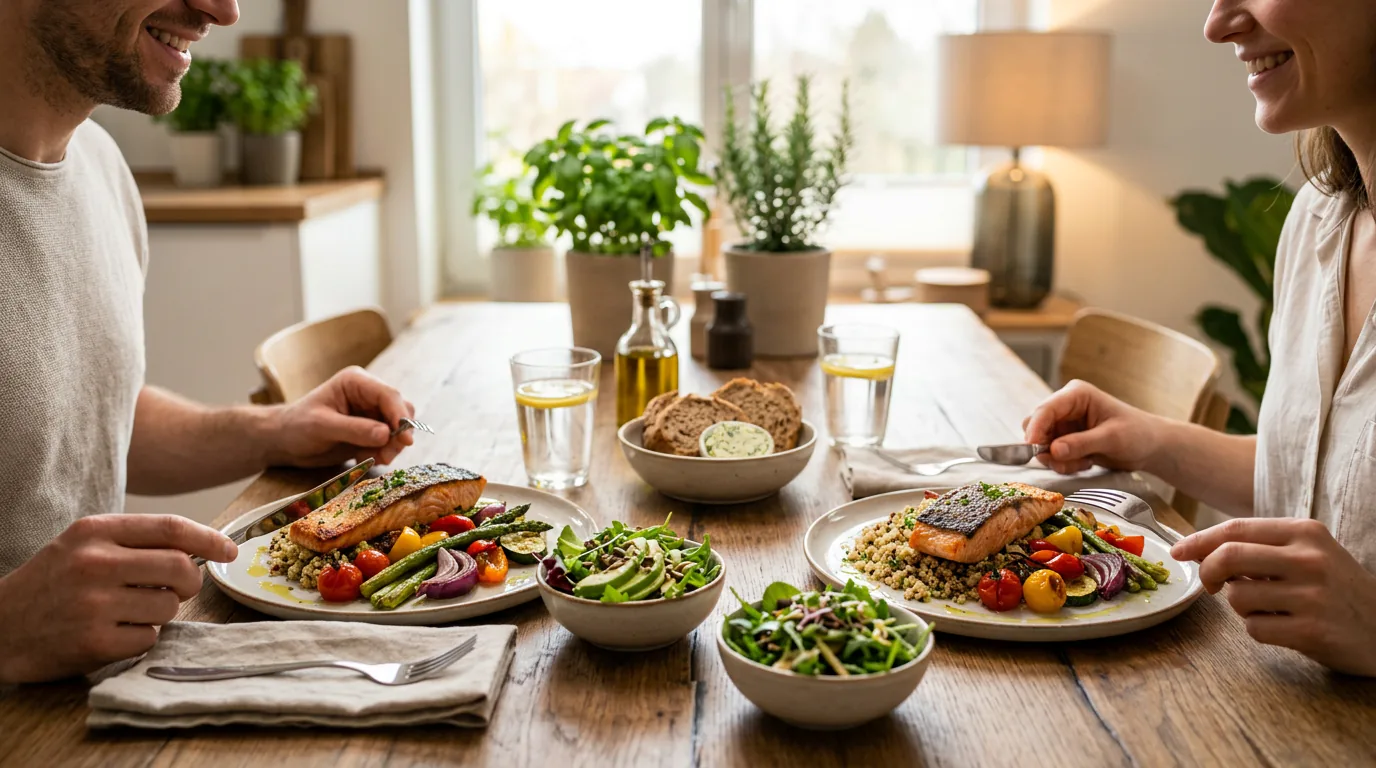
dinner ideas for two can transform weeknight stress into relaxed, nourishing meals without waste. This guide offers simple, healthy, and light supper recipes portioned for two, plus plan-ahead tips, nutrition guidance and easy swaps so you can cook confidently together tonight.
Introduction to Dinner Ideas for Two
Cooking for a pair — whether partners, roommates, or friends — is different from feeding a family or one person. The goal is to balance flavor, health and portion control so meals are satisfying without leftovers that go uneaten. This guide focuses on straightforward, nutritious dinners tailored to two people, emphasizing light supper benefits and simple steps to shop, prep and plate.
For a larger collection of recipe ideas and nutrition information, check this cornerstone resource:
Yummiest Healthy Recipes Guide with Nutrition Facts and Tips
Transition: With the basics in place, let’s look at why cooking healthy dinners for two matters beyond taste.
Benefits of Cooking Healthy Dinner Meals for Two
Cooking at home for two brings measurable advantages for health, budget and relationship building. Below are nutrition-forward benefits and practical outcomes.
- Nutritional benefits: Home-cooked dinners let you control macronutrients (protein, carbs, fat) and micronutrients (vitamins, minerals). According to the American Heart Association, preparing meals at home often reduces sodium and added sugar compared with restaurant or packaged options (American Heart Association).
- Portion control importance: Portioning for two reduces overeating—smaller plates and pre-measured servings support weight management and satiety tracking. According to a 2024 USDA report, simple portion tools and labeled serving sizes improve calorie awareness (source type: federal nutrition report).
- Cooking at home advantages: Cost savings, ingredient transparency, and the ability to adapt recipes to taste or dietary needs—critical for couples with differing preferences.
- Weight management meals: Balanced meals with lean protein, fiber-rich vegetables and whole grains promote long-term fullness and steady blood sugar. The Academy of Nutrition and Dietetics notes that balanced plates help sustain energy and metabolic health (Academy of Nutrition and Dietetics).
- Relationship and routine benefits: Cooking together builds routine and shared responsibility; it’s a low-cost date night that encourages collaboration.
Transition: Next, learn step-by-step planning tactics that make healthy weeknight cooking achievable for two.
How to Plan Simple and Healthy Dinner Recipes for Two
-
Start with a weekly rhythm (Step 1):
Choose 3–4 dinner themes (e.g., fish, chicken, vegetarian, one-pot) to rotate. This reduces decision fatigue and ensures variety. For ideas aimed at larger households to contrast planning differences, see dinner ideas for families.
-
Plan portions for two (Step 2):
Standard portion guides: 4–6 oz cooked lean protein per person, 1–1.5 cups veggies, 1/2–1 cup cooked whole grain or starchy veg. Use a kitchen scale for accuracy the first few times, then eyeball with familiar measures like a deck-of-cards for protein.
-
Build balanced plates (Step 3):
Aim for half the plate vegetables, a quarter protein, and a quarter whole grains or starchy veg. Include healthy fats (olive oil, avocado) in moderation to boost satisfaction.
-
Grocery shopping for two (Step 4):
Make a list by meal and buy in quantities that match recipes—buy one bunch of herbs rather than three, purchase frozen vegetables and single-portion proteins when helpful, and choose multi-use staples (canned beans, whole-grain rice).
-
Prep techniques (Step 5):
Batch-chop vegetables, pre-cook a grain, and marinate two servings of protein the night before. Keep jars of simple dressings and sauces so assembly is quick.
-
Scaling recipes (Step 6):
When adjusting recipes for two from a recipe designed for four, halve ingredient weights and adjust seasoning cautiously—start with 60% of listed salt/acid and taste. For more on adapting family recipes, refer to family dinner ideas guide for contrast.
-
Timing and cooking windows (Step 7):
Choose two 15–30 minute meals, one 30–45 minute meal, and a slow or leftover-friendly meal per week. This balances time investment and variety.
-
Adapting flavors and leftovers (Step 8):
Transform leftovers into new meals: roasted veggies become grain bowls; grilled chicken becomes salad topping. Leftovers work well when portioned into two single-meal containers to avoid overeating.
A short anecdote: One couple I coached began cooking three nights a week. They rotated a 20-minute stir-fry, a 35-minute baked fish with roasted veg, and a make-ahead soup. After six weeks they reduced takeout by 70% and felt less waste—small, consistent changes yielded big improvements.
Transition: With a plan in hand, stock your kitchen with the essentials that make light and healthy dinners easy.
Essential Ingredients for Light and Healthy Dinners for Two
- Fresh vegetables — versatile staples like spinach, bell peppers, broccoli and carrots; frozen peas and mixed vegetables for convenience. Fresh produce increases nutrient density without many calories.
- Lean proteins — skinless chicken breasts, firm tofu, canned tuna, salmon fillets; these provide satiety and support muscle maintenance.
- Whole grains — quinoa, brown rice, farro, whole-wheat pasta; cook in small batches to maintain freshness for two people.
- Legumes and canned beans — black beans, chickpeas, lentils; affordable, high in fiber and plant protein.
- Healthy fats — extra-virgin olive oil, avocado, nuts and seeds in small amounts to improve flavor and absorption of fat-soluble vitamins.
- Low-sodium broths and stocks — for soups, braises and quick grain cooking without excess salt.
- Herbs and aromatics — garlic, onions, fresh herbs (parsley, cilantro, basil), lemon and vinegars for bright flavors that reduce the need for salt and heavy sauces.
- Pantry staples — canned tomatoes, soy sauce or tamari, Dijon mustard, dried spices, whole-grain mustard; these make quick sauces and dressings.
- Quick proteins — eggs and Greek yogurt for protein-rich, low-cost meals that prepare fast for two.
- Single-serving frozen fish or veggie portions — reduce waste and make it easier to cook precise amounts for two.
Transition: Now that your pantry is ready, here are ten fully formed recipe ideas portioned and described to inspire tonight’s meal.
Top 10 Easy and Healthy Dinner Recipes for Two
-
1. Lemon Herb Baked Salmon with Roasted Asparagus
Summary: Two 4–5 oz salmon fillets brushed with a lemon-garlic-herb marinade, baked at 400°F for 12–14 minutes, served with roasted asparagus tossed in olive oil and a sprinkle of lemon zest. Time: 20–25 minutes. Nutrition: ~420–500 kcal per serving, rich in omega-3s and protein. Tips: Roast asparagus on the same tray to save cleanup; use fresh lemon for bright flavor without extra calories.
-
2. Chickpea and Spinach Curry with Brown Rice
Summary: A quick curry of canned chickpeas, canned diced tomatoes, spinach and light coconut milk spiced with turmeric, cumin and garam masala. Serve over 1/2 cup cooked brown rice per person. Time: 25–30 minutes. Nutrition: ~400 kcal per serving; high fiber and plant-based protein. Tips: Use low-sodium broth and rinse beans to reduce sodium.
-
3. Sautéed Chicken Breast with Quinoa Pilaf and Steamed Broccoli
Summary: Two skinless chicken breasts (4–5 oz each) seasoned and seared, paired with a quinoa pilaf studded with sautéed onion, bell pepper and parsley, plus steamed broccoli. Time: 30 minutes. Nutrition: ~450–550 kcal per serving, balanced macronutrients. Tips: Cook double quinoa and use leftovers for grain bowls.
-
4. Mediterranean Shrimp and Tomato One-Pan
Summary: Shrimp sautéed with cherry tomatoes, garlic, olives and spinach, finished with lemon and a touch of olive oil, served with crusty whole-grain bread or a small portion of orzo. Time: 15–20 minutes. Nutrition: ~350–420 kcal per serving, lean protein and nutrient-dense veggies. Tips: Shrimp cooks quickly—add them last to avoid overcooking.
-
5. Veggie-Packed Frittata (Baked for Two)
Summary: Six eggs whisked with a splash of milk, folded with sautéed mushrooms, spinach and cherry tomatoes, baked in an 8-inch skillet and finished under the broiler. Time: 25–30 minutes. Nutrition: ~350–450 kcal per serving, high-quality protein and vegetables. Tips: Great for leftovers and breakfast-for-dinner nights.
-
6. Turkey Lettuce Wraps with Quick Peanut Sauce
Summary: Lean ground turkey cooked with grated carrot, scallion, garlic and low-sodium soy sauce, served in butter or romaine lettuce leaves with a light peanut-lime sauce. Time: 20 minutes. Nutrition: ~320–380 kcal per serving, high protein, low carb. Tips: Make the sauce with a small amount of peanut butter thinned with lime juice and water to control calories.
-
7. Baked Tofu and Vegetable Stir-Fry with Tamari-Maple Glaze
Summary: Firm tofu cubes baked until crisp and tossed with a medley of bell peppers, snap peas and red onion in a tamari-maple-ginger glaze. Serve with cauliflower rice or brown rice. Time: 30–35 minutes. Nutrition: ~400 kcal per serving; plant-based protein and fiber. Tips: Press tofu briefly to remove excess moisture for better texture.
-
8. Mediterranean Grain Bowl with Hummus and Roasted Veggies
Summary: A base of farro or quinoa topped with roasted zucchini, eggplant and red pepper, a scoop of hummus, chopped cucumber and a drizzle of tahini-lemon dressing. Time: 35 minutes (mostly roasting). Nutrition: ~450 kcal per serving; balanced with complex carbs and healthy fats. Tips: Roast extra veggies for lunches.
-
9. Quick Miso-Glazed Cod with Bok Choy
Summary: Two small cod fillets brushed with a miso-sake-sugar glaze, broiled 8–10 minutes, served with sautéed bok choy and a small serving of soba noodles. Time: 20–25 minutes. Nutrition: ~380–470 kcal per serving; iodine-rich and flavorful. Tips: Reduce added sugar to keep calories light.
-
10. Slow-Cooker Lentil Soup for Two
Summary: Brown or green lentils cooked with diced tomatoes, carrots, celery and herbs in low-sodium broth; gently simmered until tender. Makes two generous bowls. Time: 4–6 hours slow cook or 45 minutes stovetop. Nutrition: ~350 kcal per serving; high fiber, filling and freezer-friendly. Tips: Portion and freeze single-meal containers if desired.
Transition: For readers aiming specifically to keep dinners lower calorie without sacrificing nutrition, here are additional light dinner ideas and strategies.
Light Dinner Ideas for Two: Low-Calorie and Nutrient-Dense Meals
Light dinners focus on nutrient density—maximizing vitamins, minerals and protein while keeping total calories moderate. These meals emphasize vegetables, lean proteins, high-fiber carbs and satisfying textures. Here are approachable examples and principles to use tonight.
- Salad-based dinners: Build salads with a 3:1 veg-to-lean-protein ratio—e.g., mixed greens, 4 oz grilled chicken, quinoa spoon, a tablespoon of seeds, and vinaigrette. Provides fullness with ~350–450 kcal.
- High-volume, low-calorie soups: Vegetable-and-lentil or minestrone soups deliver satiety through liquid and fiber; add protein (beans, shredded chicken) to improve balance.
- Stir-fries with extra veg: Use 2–3 cups mixed vegetables per person, a modest 4–5 oz protein, and 1/2 cup cooked brown rice to keep calories in check.
- Fish and greens: Oily fish like salmon or mackerel (smaller portions, 3–4 oz) with large salads or steamed veg provide omega-3s plus fiber for a light but nourishing meal.
- Vegetarian low-calorie options: Stuffed bell peppers with lentils, zucchini noodle bowls with pesto and cherry tomatoes, or chickpea salads with lemon and herbs for satisfying plant-based dinners.
Examples to try tonight:
- Grilled shrimp over a bed of arugula, grapefruit segments and avocado (light dressing, ~350 kcal per person).
- Warm cauliflower rice bowl with sautéed mushrooms, edamame and a poached egg (~380 kcal per person).
- Tomato-basil soup with a side of grilled vegetable skewers and a small whole-grain roll (~400 kcal per person).
Nutrient note: For those tracking calories, aim for 400–600 kcal for dinner when active during the day; lighter targets (300–450 kcal) work if overall daily intake meets energy needs. According to the USDA 2024 dietary guidance documents, individualized calorie targets vary by age, sex and activity level (source type: federal nutrition guidance).
Transition: To make these light dinners a stable habit, use meal prep strategies tailored for two.
Meal Prep Tips and Tricks for Dinners for Two
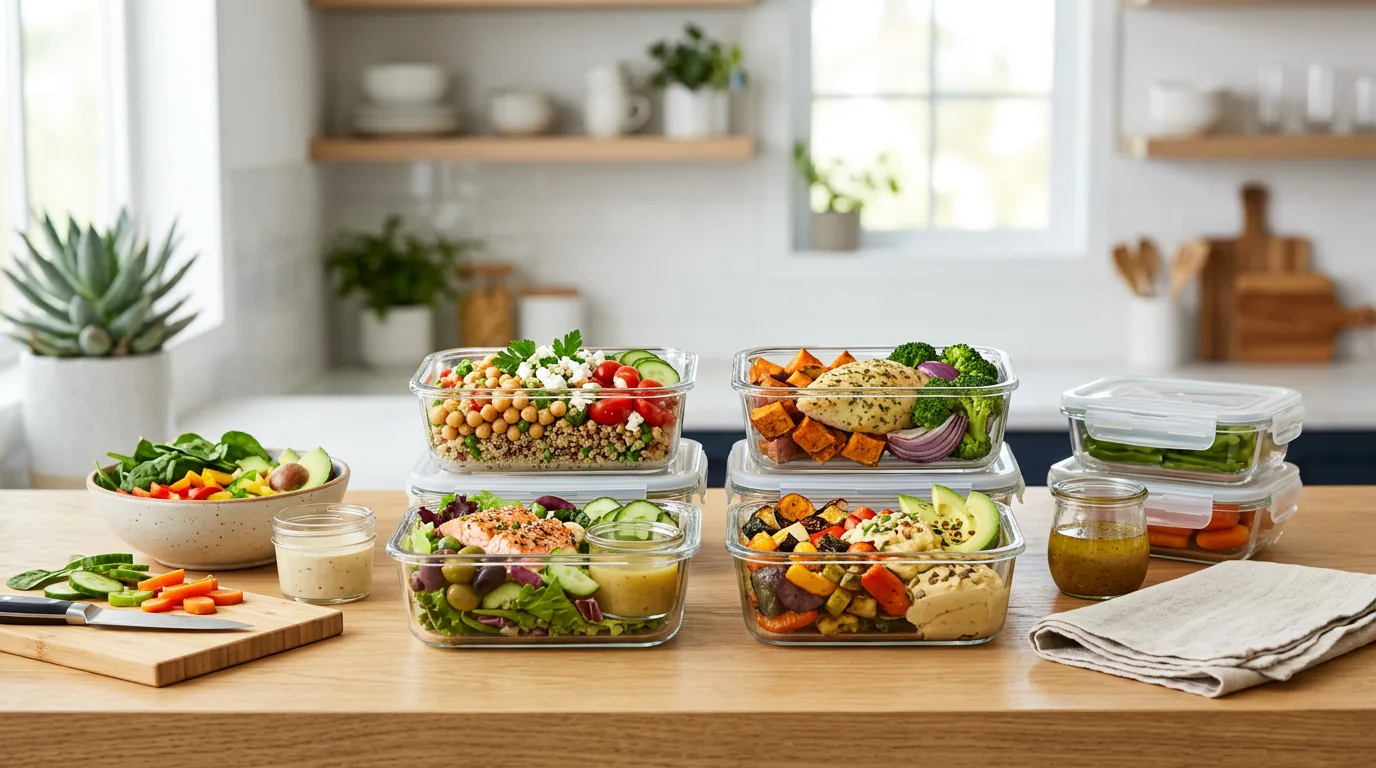
- Batch base components: Cook a double batch of quinoa or brown rice and portion into two servings. Store grain in an airtight container for up to 4 days.
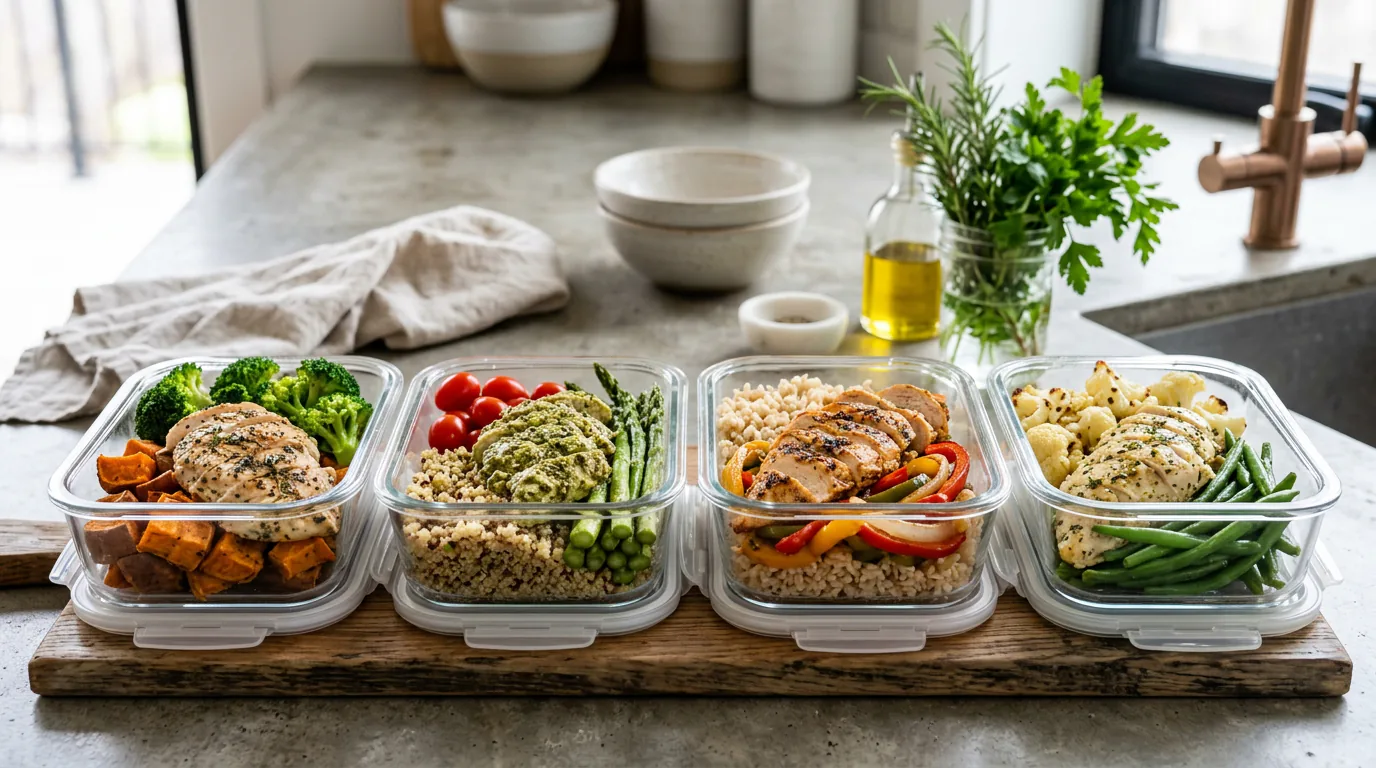
- Pre-roast vegetables: Roast a tray of mixed vegetables and use them across bowls, salads and omelets. Roasted veggies keep well in the fridge for 3–4 days.
- Cook proteins in singles: Grill or bake two individual salmon portions or chicken breasts; slice one for dinner and reserve the other for next-day salad or sandwich. For more lunch ideas that pair with dinners, see easy healthy lunch ideas and easy lunch meal prep guide.
- Freeze single-portion meals: Soups, stews and cooked grains freeze well as single-serving portions—label with date and contents for easy rotation.
- Use versatile dressings and sauces: Make a lemon-tahini dressing or a simple vinaigrette to add flavor to multiple meals without extra effort.
- Time-saving tools: Use a silicone steamer, cast-iron skillet, or sheet pan for quick, minimal-cleanup meals. A digital kitchen scale helps maintain portion control.
- Shopping strategy: Buy in slightly larger packages only when you will use all of it (e.g., a bag of frozen spinach instead of fresh if you won’t finish fresh before spoilage).
Transition: When budget matters, you can still eat healthy without breaking the bank—here are affordable suggestions for couples.
Affordable Healthy Dinner Suggestions for Couples on a Budget
Eating well on a budget for two is achievable with strategic choices and small swaps. Focus on affordable healthy ingredients and multipurpose items to stretch dollars.
- Buy seasonal produce: Seasonal fruits and vegetables are typically cheaper and more nutrient-dense. Frozen produce is a budget-friendly, nutrient-retaining alternative.
- Choose affordable proteins: Eggs, canned tuna, lentils and beans are low-cost and versatile protein sources. Batch-cook dried beans for the best value.
- Shop the staples aisle: Rice, oats, pasta and canned tomatoes form the base for many inexpensive meals.
- Cook from scratch: Making soups, sauces and dressings from basic ingredients reduces cost compared with ready-made products.
- Plan for two, not four: Buying family-size may seem cheaper per unit but can lead to waste if you don’t use all of it. Instead, buy items sized for two households or freeze extras.
Helpful tips:
- Use a weekly meal plan to limit impulse purchases.
- Turn leftovers into new meals—rice becomes fried rice, roast veggies become omelette filling.
- Compare unit prices and shop sales for proteins you enjoy.
For a deeper dive into budget-friendly staples, check this guide: cheap foods that are good for you and for easy-to-cook options designed for two: easy to cook dinner for two.
Transition: If you or your partner follow a specific diet, here’s how to adjust recipes safely and deliciously.
Dietary Considerations: Adjusting Dinner Recipes for Special Diets
Many dinner recipes for two can be adapted for special diets—vegetarian, gluten-free, low-carb or heart-healthy—by swapping ingredients and using mindful cooking methods. Below is a comparison and practical guidance to make adjustments.
| Diet Type | Key Swaps | Portion & Nutrition Tips |
|---|---|---|
| Vegetarian | Use tofu, tempeh, legumes, eggs or dairy for protein; add nuts/seeds for texture. | Ensure 20–30 g protein per meal via combined sources; include B12-fortified foods if needed. |
| Gluten-free | Swap wheat pasta for rice noodles, quinoa or gluten-free pasta; use tamari instead of soy sauce when needed. | Watch cross-contamination; maintain whole-grain intake through rice, quinoa or buckwheat. |
| Low-carb / Keto | Increase non-starchy vegetables and healthy fats; replace grains with cauliflower rice or extra veg. | Keep protein moderate and monitor fat portions to meet calorie needs. |
| Heart-healthy | Choose fish, legumes and lean poultry; use olive oil and limit saturated fats and sodium. | Follow portion guidance for healthy fats; manage sodium by using herbs and acids for flavor. |
| Diabetic-friendly | Balance carbs with protein and fiber; choose low-GI carbs like sweet potato or steel-cut oats. | Monitor portion sizes; pair 3–4 oz protein with 1/2 cup carbs and ample vegetables. |
Practical examples and links:
- For vegetarian-specific recipes and inexpensive meatless options, see vegetarian dishes guide.
- For heart-healthy meal plans appropriate for couples, reference the DASH approach in the DASH diet meal plan guide.
Caveats: When managing specific medical conditions (e.g., advanced kidney disease, Type 1 diabetes), consult a registered dietitian or healthcare provider before making significant dietary changes (trust signal: professional consultation recommended).
Transition: To wrap up, here are the questions readers ask most often about cooking healthy dinners for two.
Conclusion: Embracing Simple Healthy Meals for Two
Cooking healthy dinners for two is an accessible way to improve nutrition, save money and enjoy shared mealtime. Focus on portion control, lean proteins, abundant vegetables, and straightforward recipes that fit your schedule. Start with one or two new dishes a week, use the meal prep tips above, and adjust seasonings to keep flavors interesting while staying healthy. Ready to try one tonight? Pick a recipe, set a 30-minute window, and enjoy a light, satisfying meal together.
Final CTA: Explore more recipes and meal plans to match your goals in the Yummiest Healthy Recipes Guide with Nutrition Facts and Tips and start cooking tonight.
Frequently Asked Questions
What counts as healthy dinner ideas for two?
Healthy dinner ideas for two are meals portioned to serve two people that balance lean protein, vegetables, and whole grains or healthy fats, provide adequate fiber and micronutrients, and control calories to meet each person’s energy needs while minimizing excess sodium or added sugars.
How do I adjust recipes designed for four or more to serve two people?
Halve ingredient quantities by weight or volume, scale spices to 60–75% and taste as you cook, reduce cooking vessel size to prevent overbrowning, and store any leftovers in single-serving containers for later meals to avoid waste.
What are some quick and easy light dinner ideas for two when short on time?
Try 15–20 minute options like shrimp or chicken stir-fries with extra vegetables, frittatas, grain bowls with pre-cooked grains and roasted veg, or salad plates topped with grilled protein for a fast, light supper under 30 minutes.
How can I meal prep dinners for two to save time during the week?
Batch-cook grains, roast a tray of vegetables, pre-cook proteins in single portions, prepare dressings and sauces, and portion meals into two containers; this shortens nightly assembly to 10–15 minutes and reduces decision fatigue.
Are light dinners enough to keep me full and satisfied?
Yes—light dinners that include protein, fiber-rich vegetables and some healthy fat can be filling. Aim for balanced plates (protein + fiber + fat) to improve satiety while keeping calories moderate.
How much does it typically cost to cook healthy dinners for two?
Costs vary by location and ingredients, but a balanced homemade dinner for two often ranges from $6–$12 per meal using affordable proteins (eggs, legumes), seasonal produce and pantry staples when planned and shopped strategically.
What should I do if my dinner recipes for two turn out bland or dry?
To fix blandness, add acid (lemon, vinegar), fresh herbs, or a pinch of salt; for dryness, incorporate a sauce, drizzle of olive oil or yogurt-based dressing. Adjust cooking time and use a thermometer to prevent overcooking proteins.
How can I make sure my dinner for two recipes meet specific dietary needs like low sodium or gluten-free?
Use low-sodium broth and canned goods, flavor with herbs and acids instead of salt, choose certified gluten-free grains and tamari, and confirm labels for hidden ingredients; consult a dietitian for medical diets.