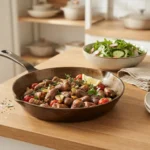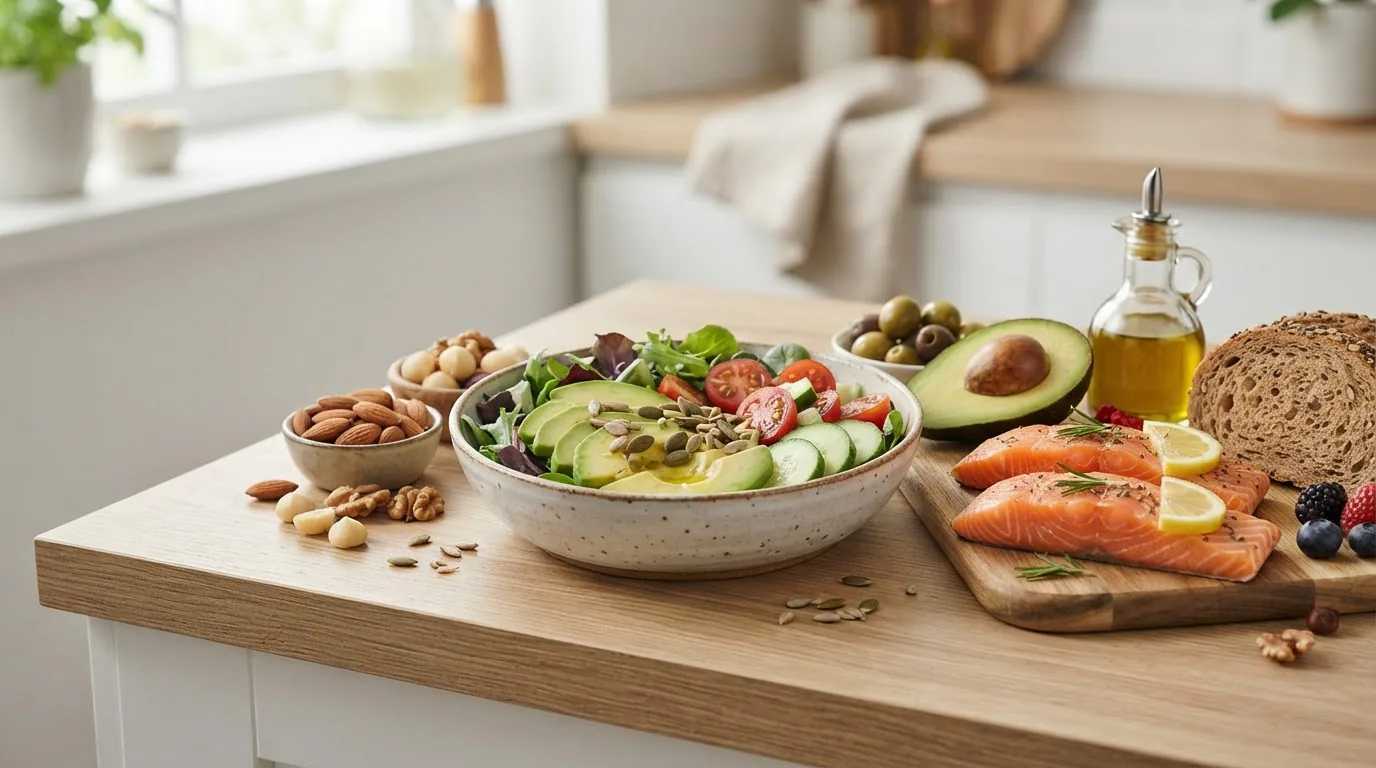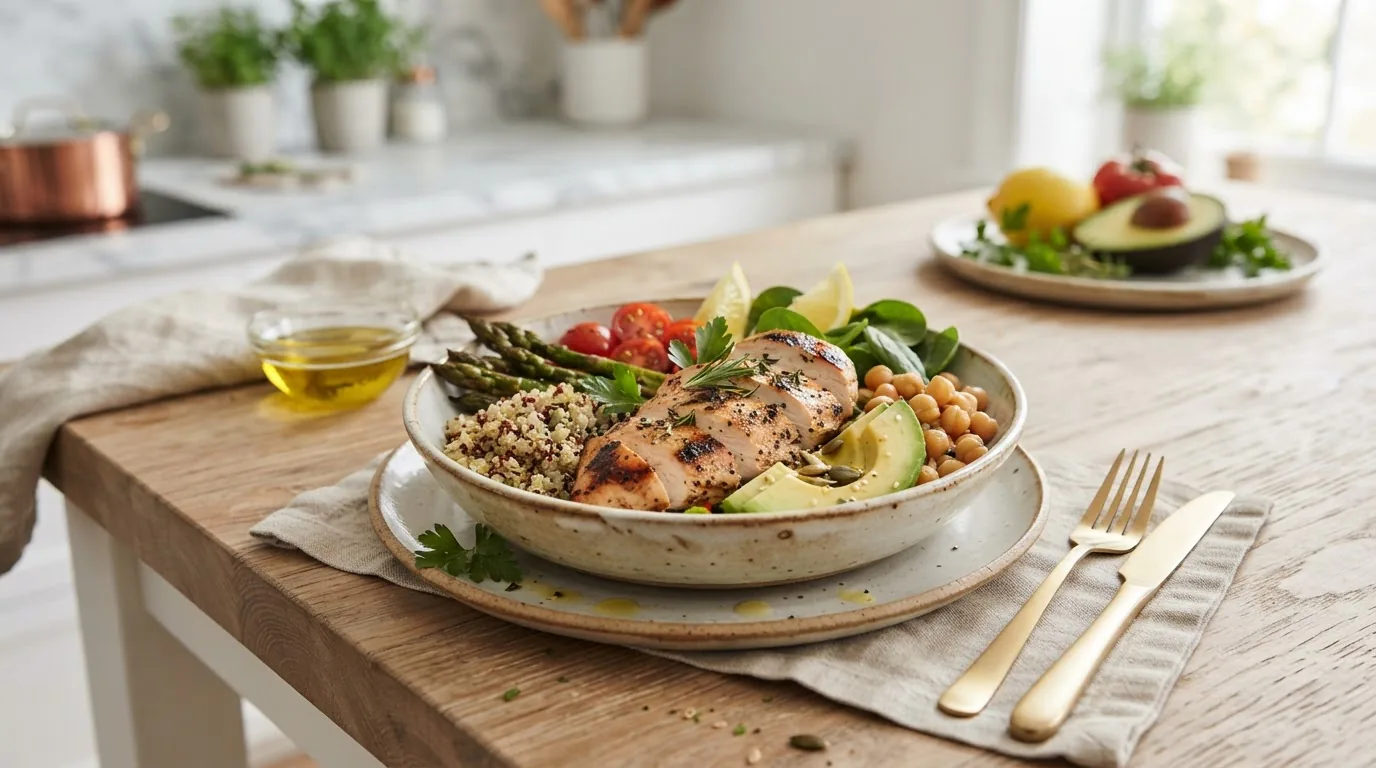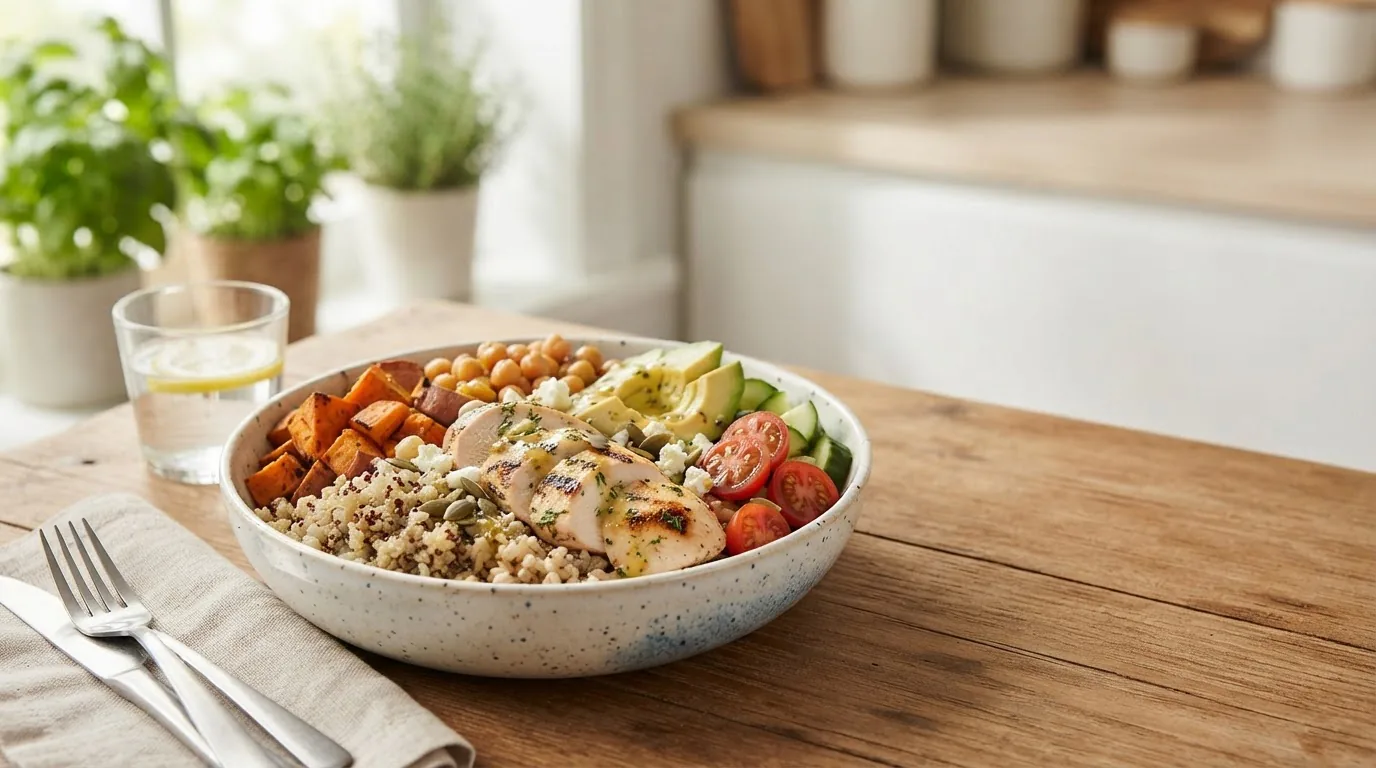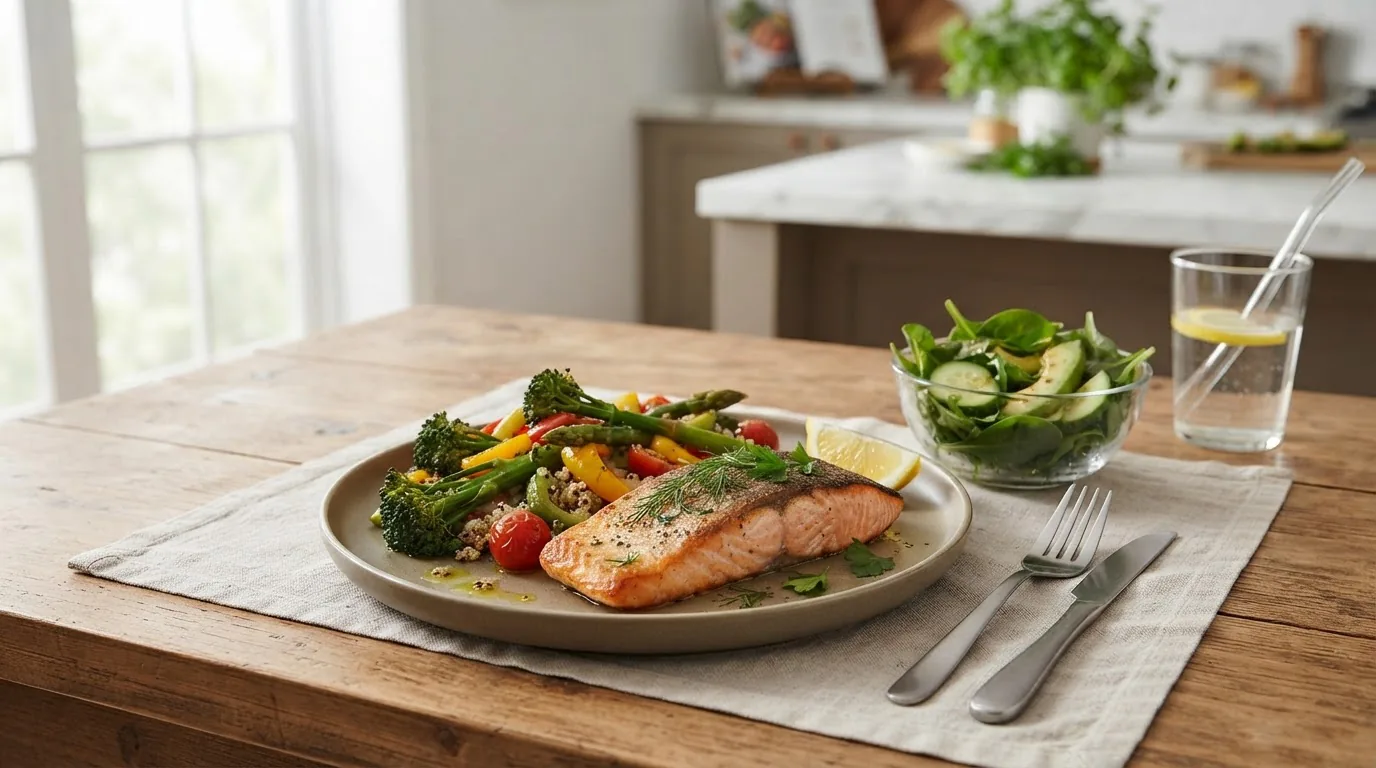
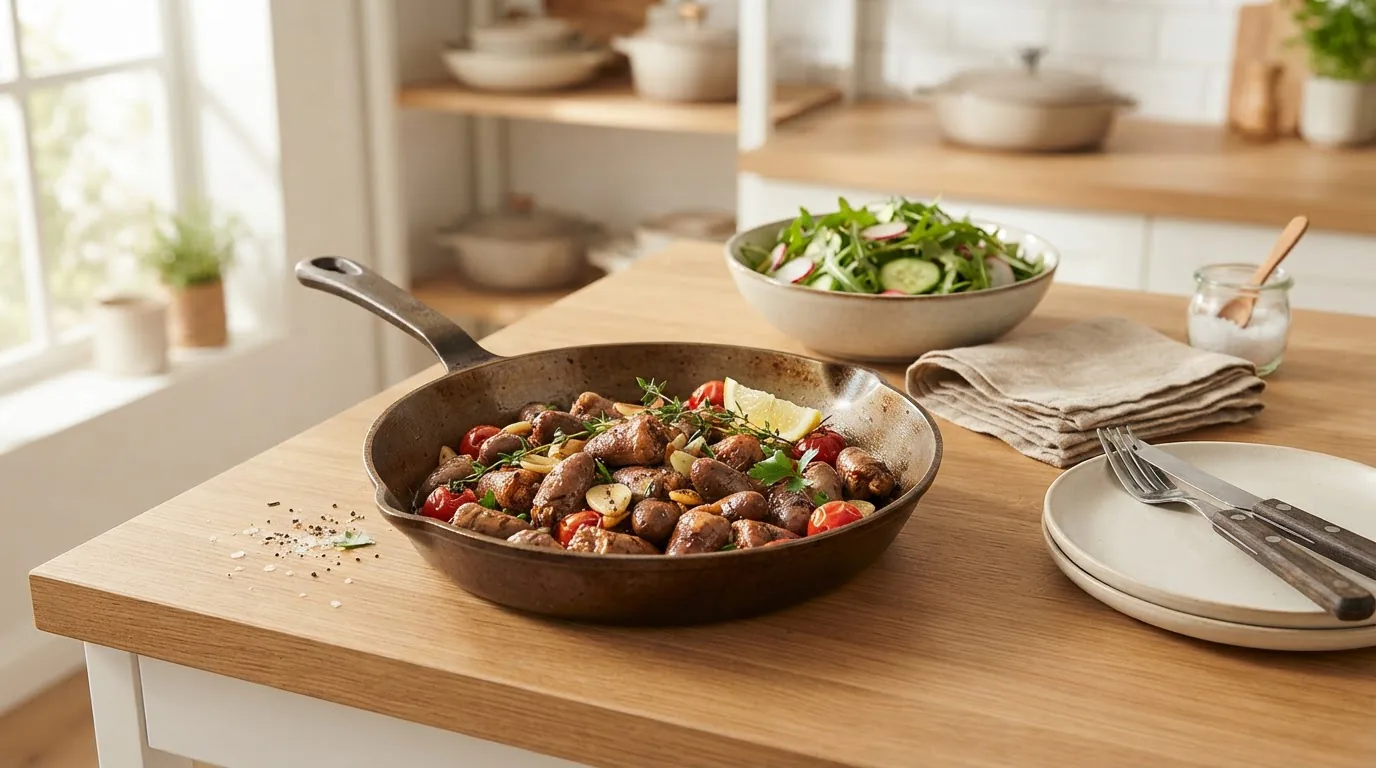
chicken heart recipe: learn how to clean, cook, and serve chicken hearts so they’re tender, flavorful, and health-forward. This complete guide covers preparation, multiple cooking methods, marinades, recipes, and safety—perfect for cooks new to organ meat and those looking for budget-friendly protein options.
What Are Chicken Hearts? An Introduction
Chicken hearts are small muscle organs from chickens classified as offal, or organ meat. In culinary terms, offal refers to internal organs and entrails used in cooking; chicken hearts fall into the “edible offal” category alongside liver, gizzard, and kidneys. They’re compact, meaty, and prized in many cuisines for their concentrated flavor and texture.
Anatomically, the chicken heart is primarily cardiac muscle, which gives it a firm but tender chew when cooked properly. Compared with white meat (like breast), hearts have a deeper, richer taste and slightly denser texture—some describe it as similar to firm dark meat but more concentrated. Their size and shape make them ideal for skewering, quick sautés, braises, and even stews.
Culinary uses of chicken hearts vary worldwide: they’re grilled on skewers in Brazil (coração de galinha), simmered in Eastern European stews, and rapidly pan-seared for salads or bowls in modern kitchens. Because they’re compact and cook quickly, chicken hearts are versatile and economical—often sold fresh or frozen in packs at grocery stores and specialty butchers.
Offal nutrients are notable: hearts deliver high-quality protein and micronutrients in a small package. For cooks and home chefs unfamiliar with organ meat, chicken hearts are an approachable introduction—less intense than liver, easier to portion than whole gizzards, and quick to prepare. Transition into the next section to explore the specific health benefits that make chicken hearts a smart addition to healthy cooking routines.
Transition: after understanding what chicken hearts are, let’s look at why they’re a nutritious choice and how they fit into healthy eating.
Health Benefits of Eating Chicken Hearts
Chicken hearts are nutrient-dense, supplying protein, essential vitamins, and trace minerals at a low cost and calorie load. If you’re exploring nutrient-dense foods for balanced meals, chicken hearts can be a smart inclusion.
- High-quality protein: Chicken hearts are rich in complete protein, providing essential amino acids needed for muscle repair and maintenance.
- Cobalamin (vitamin B12): Offal like hearts contains vitamin B12 (cobalamin), important for nervous system function and red blood cell formation.
- Iron: Hearts provide iron—largely heme iron, which is more bioavailable than non-heme iron found in plants—supporting energy and oxygen transport.
- Minerals: They supply zinc and selenium, trace minerals involved in immune function and antioxidant defense.
- Low calorie, nutrient-dense: Per portion, chicken hearts deliver concentrated nutrients with relatively low calories compared with fattier cuts.
- Lean organ meat: When trimmed and cooked without heavy fats, chicken hearts remain a lean source of protein suitable for many dietary patterns.
For those tracking heart-healthy diets, chicken hearts can be included in moderation as part of a balanced plan. The DASH diet and other heart-focused guidelines emphasize lean proteins, vegetables, and whole grains; chicken hearts, when prepared with minimal added saturated fat, can complement these patterns. For a broader set of heart-conscious recipes, see heart-healthy DASH diet recipes.
To explore wider nutritional context and recipe pairings, check the yummiest healthy recipes guide with nutrition facts and tips.
Chicken hearts are also an affordable protein option highlighted among budget-friendly nutritious foods, making them valuable for meal planning on a budget.
According to a 2024 industry report, interest in organ meats has been rising in the U.S., driven by culinary trends and a search for sustainable protein options. For a protein comparison with standard cuts, see resources on high protein chicken recipes.
Transition: now that you know the nutritional upsides, let’s walk step-by-step through selecting and preparing chicken hearts safely.
How to Select and Prepare Chicken Hearts for Cooking
Proper selection and preparation are essential for best flavor, texture, and safety when cooking chicken hearts. Follow this step-by-step guide and safety tips to get consistent results.
-
Selecting fresh vs. frozen: Fresh chicken hearts should smell mildly meaty, not sour. If buying frozen, choose vacuum-sealed or tightly packaged hearts without large ice crystals—excessive freezer burn degrades texture. If unsure, frozen is acceptable; thaw in the refrigerator overnight for best quality.
-
Inspecting and trimming: Lay hearts on a clean cutting board. Trim away visible fat and connective tissue with a small chef’s knife or kitchen shears. Remove any dark blood clots inside the ventricular chamber if present—these can be squeezed out or sliced away. Trimming reduces bitter notes and improves mouthfeel.
-
Cleaning technique: Rinse quickly under cold running water, then pat dry with paper towels. Avoid prolonged soaking, which can leach flavor. For a mild purge, briefly soak in cold salted water (1 tsp salt per cup) for 10–15 minutes and rinse—this helps remove blood and reduces metallic taste for sensitive palates.
-
Portioning and tenderizing: For even cooking, halve larger hearts or score lightly. A quick pounding is not typically necessary. If you prefer extra tenderness, a short marinade containing acid (citrus or vinegar) for 30–60 minutes softens fibers without overpowering flavor.
-
Food safety handling: Treat chicken hearts like other raw poultry: avoid cross-contamination by using separate cutting boards and utensils, and wash hands and surfaces with hot soapy water. The USDA recommends cooking poultry to 165°F (74°C) for safety; for hearts, many chefs aim for 165°F internal temp as a safe target while balancing tenderness.
For official guidance, see USDA Food Safety and Inspection Service.
-
Storing raw hearts: Refrigerate at 40°F (4°C) or below and use within 1–2 days for optimal freshness, or freeze for up to 3–4 months when vacuum-sealed. According to a 2025 USDA report, following correct refrigeration timelines reduces bacterial risk and preserves quality.
-
Thawing frozen hearts: Thaw in the fridge—never at room temperature—and cook within 1–2 days after thawing. For quicker thawing, place sealed package in cold water, changing the water every 30 minutes, then cook immediately.
-
Preparing for marinades or skewering: If making kebabs or skewers, thread 3–5 hearts per skewer depending on size, leaving small gaps for even heat penetration. Pat dry before adding oil-based marinades to help seasoning adhere.
-
Meal prep tips: For weekly meal prep, cook hearts in batch and portion into containers with vegetables and whole grains. See our healthy chicken meal prep ideas for planning and storage advice.
Transition: with hearts prepped and safety-reviewed, you’re ready to pick the best cooking method for your goals—tenderness, flavor, or speed.
Top Cooking Methods for Chicken Hearts
Different cooking methods offer trade-offs between tenderness, char, and flavor concentration. Below are the top techniques—grilling, sautéing, boiling (braising), frying, and broiling—each with detailed steps, timing guidance, and tips for success.
-
1. Grilling (Direct High Heat)
Grilling produces charred flavor and keeps interiors tender if timed right. This is ideal for skewered hearts or grilling on a perforated tray.
- Preheat grill to high (about 450–500°F).
- Thread trimmed hearts on skewers or place in a grill basket; brush lightly with oil.
- Grill 2–3 minutes per side for medium, up to 4 minutes for well-done—total 6–8 minutes depending on size. Target internal temp around 165°F for safety; remove 5°F before target and let carryover finish to avoid drying.
- Rest for 3 minutes; serve with chimichurri or a simple lemon-garlic drizzle.
Tenderizing tip: brief marinade with citrus or mild vinegar for 30–60 minutes helps soften external fibers; avoid very long acidic marinades that can make texture mushy.
Equipment note: use soaked wooden skewers or metal skewers; for gas grills, a cast-iron grill pan reduces flare-ups and offers even sear.
-
2. Sautéing (Pan-Quick Method)
Sautéing is the fastest indoor method—excellent for weekday meals or bowls.
- Heat a heavy skillet (cast iron or stainless) over medium-high heat; add 1–2 tsp oil with a high smoke point (avocado or light olive oil).
- When oil shimmers, add hearts in a single layer without crowding.
- Sear 2–3 minutes per side until browned; total cook time 6–8 minutes. Finish with a splash of acid (lemon juice or vinegar) and aromatics (garlic, parsley).
- Check internal temperature; remove at 160–165°F. Rest briefly to redistribute juices.
Sautéing keeps textures firm with an appealing crust. Use moderate heat to prevent overcooking; hearts can become rubbery if cooked too long.
-
3. Braising / Slow Simmer (Tenderizing for Flavor)
Braising in liquid at low heat yields tender hearts infused with sauce—great for stews, ragùs, or savory bowls.
- Sear hearts briefly in a pot to brown, remove and set aside.
- Sauté onions, garlic, and aromatics; deglaze with wine or broth.
- Add hearts back with enough liquid (broth, tomato sauce, or wine) to partially cover; simmer gently for 30–45 minutes until tender.
- Season and finish with fresh herbs. Serve over whole grain or mashed root vegetables.
Braising trades quickness for tenderness and depth of flavor. This method is forgiving and works well when hearts have been frozen and are slightly firmer.
-
4. Pan-Frying (Crispy Exterior)
Pan-frying in a thin breading or light dusting creates contrast—crispy outside, tender inside. Use minimal oil to keep dish healthy.
- Pat hearts dry, season, and dust with a thin coating of whole-grain flour or panko.
- Heat 1–2 tbsp oil in a skillet over medium-high heat.
- Fry hearts 3–4 minutes per side until golden brown; drain on paper towel.
- Finish with a squeeze of lemon and chopped herbs to brighten flavors.
For a lighter version, use an air fryer at 375°F for 8–10 minutes, shaking halfway through for even browning.
-
5. Broiling (Intense Top Heat)
Broiling gives a fast, high-heat char similar to grilling—best for quick batch cooking under the oven’s broiler.
- Preheat broiler on high and position rack 4–6 inches below heat source.
- Arrange hearts on a foil-lined pan; brush with oil and season.
- Broil 2–3 minutes per side until charred and cooked through (total 6–8 minutes).
- Watch closely—broiling can quickly overcook hearts.
Broiling is fast and effective, but requires attentive timing to avoid toughness.
Cooking time and temperature guide (quick reference):
| Method | Typical Time | Target Internal Temp | Texture Outcome |
|---|---|---|---|
| Grill | 6–8 minutes | 165°F (74°C) | Charred exterior, tender inside |
| Sauté | 6–8 minutes | 160–165°F | Browned crust, firm-tender |
| Braise | 30–45 minutes | Internal tenderness test | Very tender, sauce-infused |
| Pan-fry | 6–8 minutes | 160–165°F | Crispy exterior, juicy inside |
| Broil | 6–8 minutes | 165°F | Quick char, risk of drying if overcooked |
Tenderizing tips and trade-offs:
- Short, high-heat methods (grill, sauté, broil) emphasize char and concentrated flavor but require precise timing to avoid rubberiness.
- Low-and-slow (braising) enhances tenderness and integrates flavors but reduces surface crispness.
- Marinades with acid soften connective tissue for 30–60 minutes; avoid overnight acidic marinades which can create an overly mushy texture.
- Resting cooked hearts for a few minutes before serving helps redistribute juices and keeps them tender.
For professional technique tips and further inspiration on handling offal, consult culinary resources like Serious Eats.
Transition: after mastering cooking methods, let’s explore seasonings and marinades that elevate chicken hearts without relying on heavy fats.
Flavoring and Marinades for Chicken Hearts
Flavor profiles for chicken hearts range from bright and citrusy to deeply savory. Because hearts have a rich core flavor, seasonings should complement rather than overpower. Below are recipe-style seasoning ideas and recommended marinating times for healthy, balanced taste.
Basic seasoning approach
Start with salt and freshly ground black pepper to enhance inherent flavors. Add aromatics like minced garlic, shallot, or ginger and finish with acidic brightness—lemon, lime, or a splash of vinegar—to balance richness.
Herb-forward blends
- Mediterranean: olive oil (light amount), lemon zest, fresh oregano, thyme, minced garlic, salt, pepper—marinate 20–30 minutes.
- Herb chimichurri: parsley, cilantro, red wine vinegar, garlic, crushed red pepper, olive oil—toss after cooking or rest hearts in marinade 15–30 minutes.
Umami and savory marinades
- Soy-ginger glaze: low-sodium soy sauce, rice vinegar, fresh ginger, garlic, sesame oil (sparingly), and a touch of honey—marinate 30–45 minutes for depth without excess sodium.
- Smoky paprika rub: smoked paprika, garlic powder, onion powder, a pinch of cayenne, salt—dry rub 10–15 minutes and grill or sauté.
Citrus and bright marinades
- Lime-cilantro: lime juice, lime zest, chopped cilantro, a drizzle of olive oil—marinate 15–30 minutes to retain a lively profile.
- Orange-miso: white miso, orange juice, rice vinegar, ginger—marinate 20–40 minutes for umami-citrus balance.
Flavoring tips
- Keep oil minimal when aiming for heart-healthy dishes; use 1–2 teaspoons per pound in marinades or rely on an oil spritz before grilling.
- Use low-sodium soy or tamari and fresh citrus to boost flavor without excess salt.
- Short marinating times (15–60 minutes) are usually adequate due to small size; longer acid exposure can change texture.
- For smoky depth without frying, include smoked paprika, char with grill, or briefly sear in a hot cast-iron pan.
Transition: with flavors set, try these balanced, family-friendly recipes that highlight healthy preparation methods and tasting notes.
Delicious and Healthy Chicken Heart Recipes to Try
Below are four recipe-format dishes—each designed to be nutritious, approachable, and suitable for weeknight cooking. Recipes include ingredients, step-by-step instructions, and nutritional notes to help you plan balanced meals.
1. Grilled Chicken Heart Skewers with Herb Chimichurri
Serves 4. Prep 15 minutes, grill 10 minutes.
Ingredients:
- 1 lb trimmed chicken hearts
- 2 tbsp fresh lemon juice
- 1 tbsp olive oil (optional)
- Salt and pepper to taste
- For chimichurri: 1 cup parsley, 1/2 cup cilantro, 2 tbsp red wine vinegar, 2 garlic cloves, 1/4 tsp red pepper flakes, 2 tbsp olive oil (use sparingly), salt
Instructions:
- Trim and rinse hearts; pat dry. Toss with lemon juice, 1 tbsp oil, salt, and pepper. Marinate 20–30 minutes.
- Make chimichurri: finely chop parsley and cilantro, mince garlic, whisk with vinegar, olive oil, red pepper flakes, and salt; set aside.
- Thread hearts on skewers (3–4 per skewer). Preheat grill to high heat (450–500°F).
- Grill 2–3 minutes per side until charred and internal temperature reaches 165°F. Rest 3 minutes.
- Serve with chimichurri over mixed greens and a side of quinoa or roasted vegetables.
Nutritional notes: high in protein and B12; limiting added oil keeps dish lean. Pair with whole grains for balanced meals.
See more easy weeknight dinner recipes to adapt portioning and sides for families.
2. Sautéed Chicken Hearts with Garlic, Spinach & Lemon
Serves 2–3. Prep 10 minutes, cook 10 minutes.
Ingredients:
- 12 oz chicken hearts, trimmed and halved
- 1 tbsp olive oil or 1 tsp avocado oil
- 3 garlic cloves, thinly sliced
- 4 cups baby spinach
- Zest and juice of 1 lemon
- Salt, pepper, and red pepper flakes to taste
Instructions:
- Heat skillet over medium-high heat; add oil and garlic, cook 30 seconds until fragrant.
- Add hearts in a single layer; sear 2–3 minutes per side until browned and cooked through (total 6–8 minutes).
- Add spinach and lemon zest; toss until spinach wilts. Finish with lemon juice, salt, and pepper.
- Serve over brown rice or in whole-grain pita for balanced meal.
Nutritional notes: incorporating leafy greens boosts fiber and micronutrients; quick sauté preserves texture and nutrients.
3. Braised Chicken Hearts Tomato Ragù
Serves 4. Prep 15 minutes, braise 40 minutes.
Ingredients:
- 1 lb chicken hearts, trimmed
- 1 tbsp olive oil
- 1 onion, diced
- 3 cloves garlic, minced
- 1 can (14 oz) crushed tomatoes
- 1/2 cup low-sodium chicken broth or red wine
- 1 tsp dried oregano, 1 tsp fresh thyme
- Salt and pepper to taste
Instructions:
- Sear hearts in olive oil until browned; remove and set aside.
- Sauté onion and garlic until translucent; add broth/wine to deglaze.
- Add tomatoes, herbs, and hearts. Simmer gently 30–40 minutes until hearts are tender and sauce thickened.
- Serve with whole-wheat pasta, farro, or mashed cauliflower.
Nutritional notes: braising adds depth and makes hearts approachable for picky eaters; pair with fiber-rich starch for satiety.
Turn leftovers into portable meals with ideas from yummy chicken lunch ideas.
4. Light Pan-Fried Chicken Hearts with Whole-Grain Panko & Lemon Yogurt
Serves 3–4. Prep 15 minutes, cook 12 minutes.
Ingredients:
- 1 lb chicken hearts, trimmed
- 1/2 cup whole-grain panko
- 1 egg white, beaten (or yogurt binder)
- 1–2 tsp olive oil for pan
- 1/2 cup plain Greek yogurt, lemon zest, and juice to taste
- Salt, pepper, smoked paprika
Instructions:
- Toss hearts with egg white or a thin yogurt wash, dredge in seasoned panko.
- Heat skillet with minimal oil; pan-fry hearts 3–4 minutes per side until golden and cooked through.
- Mix yogurt with lemon zest and juice; serve as a dip or drizzle.
- Serve with roasted vegetables and a side salad.
Nutritional notes: this lighter take provides crunch and reduces oil by using minimal pan fat and whole-grain coating.
Transition: after trying recipes, consider which sides and sauces best complement chicken hearts for balanced plating.
Serving Suggestions and Pairing Ideas
Chicken hearts pair well with a variety of healthy sides and sauces; aim to balance protein with fiber, healthy fats, and colorful vegetables.
- Vegetable pairings: Roasted Brussels sprouts, sautéed spinach, charred asparagus, or a crunchy cabbage slaw add texture and nutrients. For plant-forward pairings, see healthy vegetarian sides.
- Healthy starch options: Quinoa, farro, brown rice, sweet potato mash, or whole-grain couscous provide sustained energy and fiber.
- Sauces and dips: Chimichurri, lemon-yogurt, tahini-based dressings, or a low-sodium soy-ginger glaze complement hearts without heavy fats.
- Salad bowls: Add hearts to grain bowls with mixed greens, pickled vegetables, avocado, and a light vinaigrette for a balanced meal.
- Breakfast and brunch ideas: For integrating into morning meals or protein-rich starts, explore healthy breakfast ideas that can be adapted to include cooked hearts in savory bowls or wraps.
- Family lunch and dinner uses: Turn grilled or sautéed hearts into tacos, flatbreads, or sandwich fillings for versatile family meals—see yummy chicken lunch ideas for inspiration.
Presentation tips:
- Sear and rest hearts for a glossy finish; slice larger hearts to show cooked interior color.
- Garnish with fresh herbs, citrus zest, and a sprinkle of toasted seeds or nuts for texture contrast.
- Use small bowls or skewers for appetisers; pair with vegetable crudités and a light dip.
Transition: even with careful prep and cooking, issues can arise—here’s how to troubleshoot common problems.
Troubleshooting Common Issues When Cooking Chicken Hearts
Below are common problems and clear solutions to fix texture, flavor, and safety issues.
-
Problem: Overcooked, rubbery hearts.
Solution: Reduce cook time; use higher heat for searing and remove at 160–165°F, then rest. Quick methods (sauté, grill) need 6–8 minutes total—check internal temp early. -
Problem: Bitter or metallic taste.
Solution: Trim blood clots and excess fat; rinse or briefly soak in salted water for 10–15 minutes before cooking to reduce metallic notes. -
Problem: Uneven cooking (some hearts raw, some overdone).
Solution: Size hearts uniformly—halve larger ones or score to ensure even heat penetration. Don’t crowd the pan; cook in batches. -
Problem: Safety concerns about raw handling.
Solution: Follow USDA guidance: avoid cross-contamination, refrigerate at 40°F or below, and cook to 165°F. For specifics see USDA Food Safety and Inspection Service. -
Problem: Hearts taste bland.
Solution: Use bold finishing elements—acid (lemon, vinegar), fresh herbs, a sprinkle of finishing salt, or an umami-rich glaze (soy, miso) to brighten. -
Problem: Texture varies with frozen hearts.
Solution: Thaw in refrigerator and pat dry thoroughly. If hearts feel overly firm, braise for 30–45 minutes to tenderize.
Transition: finally, here are concise answers to common reader questions about chicken hearts.
Frequently Asked Questions
What are chicken hearts and are they safe to eat?
Chicken hearts are edible organ meat (offal) from chickens. They are safe when handled like other poultry: refrigerate at 40°F or below, avoid cross-contamination, and cook to an internal temperature of 165°F. For official handling guidelines, consult USDA food-safety resources.
How do chicken hearts compare nutritionally to chicken breast or liver?
Chicken hearts are nutrient-dense: they provide high-quality protein plus micronutrients like vitamin B12 (cobalamin), heme iron, zinc, and selenium. Compared with breast, hearts have denser micronutrient content; liver is richer in certain vitamins like vitamin A but has a stronger flavor.
How do I clean and prepare chicken hearts before cooking?
Rinse hearts under cold water, trim excess fat and connective tissue, remove any visible blood clots, and pat dry. Optionally soak in salted cold water for 10–15 minutes to reduce metallic taste. Thaw frozen hearts in the fridge and cook promptly.
What is the best way to cook chicken hearts to keep them tender?
Quick, high-heat methods (grill, sauté, broil) produce tender interiors when timed correctly—aim for about 6–8 minutes total. Braising for 30–45 minutes yields very tender, sauce-infused hearts. Avoid overcooking to prevent rubberiness.
How long does it take to cook chicken hearts thoroughly?
Most quick methods take 6–8 minutes total (2–3 minutes per side). Braising requires 30–45 minutes. Always verify doneness with an internal thermometer: target 165°F (74°C) for safety, then rest briefly before serving.
Why do my cooked chicken hearts taste tough or bitter?
Toughness usually results from overcooking; shorten cook time and rest. Bitterness often comes from untrimmed blood or fat—trim and consider a brief salted-water soak to reduce metallic flavors before cooking.
How should I store raw and cooked chicken hearts safely?
Store raw hearts in the refrigerator at 40°F (4°C) or below and use within 1–2 days, or freeze for up to 3–4 months when vacuum-sealed. Cooked hearts keep 3–4 days refrigerated; reheat thoroughly to 165°F before eating.
Are chicken hearts a good choice for a heart-healthy diet?
When prepared with minimal saturated fat and paired with vegetables and whole grains, chicken hearts can fit a heart-healthy diet. Watch portion size and sodium; consult DASH-style recipes for lower-sodium meal ideas and balanced planning.