
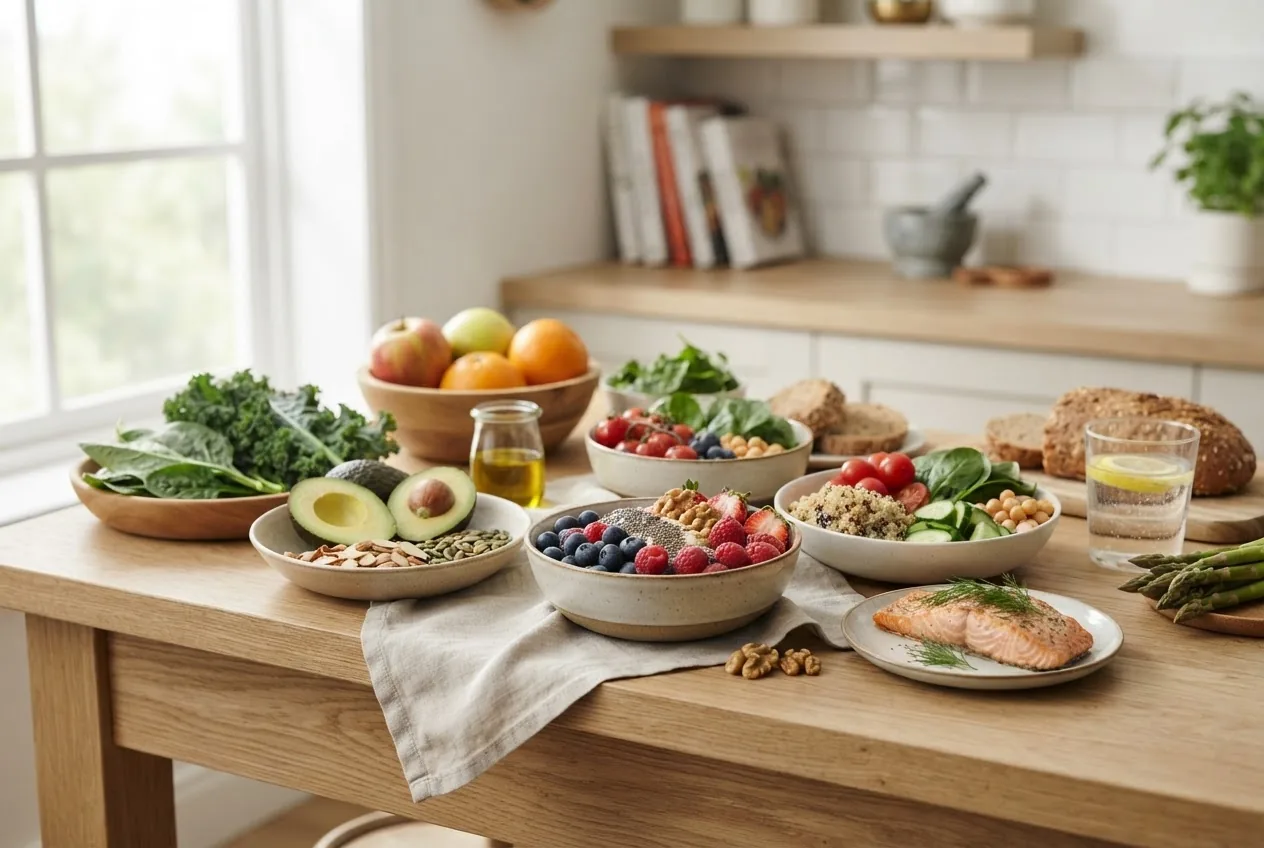
Eat a daily mix of leafy greens, cruciferous vegetables, berries, whole grains, legumes, nuts & seeds, fatty fish, eggs, yogurt or fermented foods, citrus, olive oil, and sweet potatoes to supply fiber, protein, healthy fats, vitamins, minerals and antioxidants for energy, gut health and chronic-disease risk reduction in most adults.
What are the 12 foods you should eat everyday?
Answer: The 12 foods are leafy greens, cruciferous vegetables, berries, whole grains, legumes, nuts & seeds, fatty fish, eggs, yogurt or fermented foods, citrus fruits, extra-virgin olive oil, and sweet potatoes — each contributes distinct nutrients that support heart, brain, gut and metabolic health.
Below is a practical list and one-line reason for each food to make daily selection simple:
- Leafy greens — concentrated vitamins, nitrates, and fiber for vascular and eye health.
- Cruciferous vegetables — sulfur compounds and fiber linked to detoxification and cancer risk reduction.
- Berries — polyphenol-rich fruit for antioxidant and blood-sugar benefits.
- Whole grains — unrefined carbohydrate and fiber for blood glucose control and satiety.
- Legumes — plant protein and soluble fiber that improve cholesterol and gut microbiota.
- Nuts & seeds — concentrated sources of unsaturated fats, vitamin E, magnesium and protein.
- Fatty fish — high in omega-3 fatty acids for heart and brain function.
- Eggs — complete protein, choline, and lutein for muscle and cognitive support.
- Yogurt or fermented foods — probiotics and fermented compounds that support gut health.
- Citrus fruits — vitamin C and flavonoids for immune and iron-absorption support.
- Extra-virgin olive oil — monounsaturated fats and polyphenols that reduce inflammation.
- Sweet potatoes — beta-carotene, potassium and resistant starch for blood sugar and vision.
The table below compares a typical serving of each food by its standout nutrient and an easy daily portion.
| Food | Standout nutrient | Practical daily serving |
|---|---|---|
| Leafy greens | Vitamin K, nitrates | 1–2 cups raw |
| Cruciferous veg | Sulforaphane, fiber | 1 cup cooked or raw |
| Berries | Polyphenols, vitamin C | 1 cup |
| Whole grains | Fiber, B vitamins | 0.5–1 cup cooked |
| Legumes | Protein, soluble fiber | 0.5–1 cup cooked |
| Nuts & seeds | Healthy fats, magnesium | 1 oz (handful) |
| Fatty fish | Omega-3 (EPA/DHA) | 2–3 oz cooked |
| Eggs | Complete protein, choline | 1 egg |
| Yogurt / fermented | Probiotics | 0.5–1 cup |
| Citrus | Vitamin C | 1 medium fruit or 0.5 cup juice |
| Extra-virgin olive oil | Monounsaturated fat, polyphenols | 1–2 tbsp |
| Sweet potato | Beta-carotene, potassium | 0.5–1 cup cooked |
Why are leafy greens recommended every day?
Answer: Eat leafy greens daily because they provide concentrated vitamins (A, C, K), dietary nitrates that support healthy blood pressure, fiber for gut regularity, and low-calorie volume that improves nutrient density without excess energy intake.
Term: Dietary nitrate: naturally occurring nitrate in vegetables that converts in the body to compounds which help regulate blood vessel function.
Benefits and evidence:
- Leafy greens (spinach, kale, arugula, collards) supply vitamin K for bone and vascular function and lutein for eye health.
- Regular consumption correlates with lower cardiovascular risk in cohort studies due to nitrates and antioxidants.
- High water and fiber content aid satiety and weight control when used in place of calorie-dense sides.
Serving advice and preparation:
- Add 1–2 cups raw to salads or smoothies daily, or 1 cup cooked as a side.
- Lightly sauté with garlic and olive oil, or steam briefly to retain nutrients.
- Prewash and store wrapped in paper towel to maintain crispness for quick prep.
Possible cautions:
- People on blood-thinning medication should consult their clinician about consistent vitamin K intake; do not abruptly change consumption without advice.
- Oxalate-sensitive individuals (history of kidney stones) may need moderated intake of high-oxalate greens like spinach; alternate with kale or arugula.
Should I eat cruciferous vegetables every day?
Answer: Yes — eating cruciferous vegetables daily (broccoli, Brussels sprouts, cauliflower, cabbage) supplies fiber and sulfur-containing compounds like sulforaphane that support phase II detoxification enzymes and may lower cancer risk when consumed regularly.
Term: Sulforaphane: a plant-derived compound found in crucifers that activates cellular antioxidant pathways and supports detoxification.
Key benefits and how they work:
- Crucifers contain glucosinolates that convert to isothiocyanates (including sulforaphane) with chopping or chewing, and these modulate enzyme systems involved in carcinogen metabolism.
- They add soluble and insoluble fiber, feeding gut microbes and improving bowel regularity and cholesterol metabolism.
Practical daily use:
- Include 1 cup cooked or 1 cup raw across meals: roast broccoli with olive oil, shred cabbage into slaws, or add cauliflower to grain bowls.
- Light cooking increases bioavailability for some compounds; overcooking reduces sulforaphane.
Interactions and warnings:
- Large raw crucifer consumption can cause gas; start with smaller portions and increase gradually to let gut bacteria adapt.
- People with hypothyroidism often worry about goitrogens — cooking reduces goitrogenic activity and routine intake is generally safe unless iodine deficiency exists.
How often should I eat berries and why?
Answer: Eat berries daily (one cup) for concentrated polyphenols and soluble fiber that improve antioxidant capacity, support blood-sugar control, and reduce inflammation without adding many calories.
Term: Polyphenols: plant compounds with antioxidant-like activity that influence cell signaling, inflammation and gut microbiota composition.
Health evidence and practical notes:
- Blueberries, strawberries, raspberries, and blackberries deliver anthocyanins linked to improved memory and vascular function in clinical trials.
- Frozen berries retain most phytonutrients and are often less expensive outside peak season.
Ways to eat them:
- Add 0.5–1 cup to yogurt, oatmeal, smoothies, or salads.
- Use berries as a low-calorie dessert alternative to sugary treats to reduce added-sugar intake.
Storage and cost tips:
- Buy in-season or frozen to save money; frozen portions are convenient and nutritionally similar.
Which whole grains are best to eat every day?
Answer: Choose intact whole grains daily, such as oats, brown rice, quinoa, barley, and whole-wheat, to supply fiber, B vitamins, magnesium and slow-release carbohydrates for sustained energy and improved blood glucose control.
Term: Whole grain: a grain that includes all three original parts — bran, germ and endosperm — retaining fiber and micronutrients.
Why whole grains matter:
- Whole grains reduce risk of type 2 diabetes, heart disease and improve digestive health versus refined grains due to intact fiber and phytonutrients.
- They provide resistant starch and prebiotic fiber that supports beneficial gut bacteria.
Serving and swaps:
- Aim for 0.5–1 cup cooked whole grain per meal where a grain is appropriate; swap white rice for brown rice or barley, and replace some bread with oatmeal or quinoa bowls.
- Use rolled oats for breakfast; they are low-cost and versatile for savory or sweet dishes.
Cost and preparation:
- Buy bulk whole grains to economize, batch-cook and refrigerate for quick meals.
Why include legumes every day?
Answer: Include legumes daily (beans, lentils, chickpeas) because they provide plant-based protein, soluble fiber that lowers LDL cholesterol, and slowly digested carbohydrates that stabilize blood sugar.
Term: Soluble fiber: the portion of fiber that dissolves in water forming a gel that slows digestion and helps lower blood cholesterol.
Health benefits and research:
- Regular legume intake is associated with improved lipid profiles and lower cardiovascular disease risk in meta-analyses.
- They are an affordable source of protein and micronutrients like iron, folate and potassium.
Practical daily consumption:
- Aim for 0.5 cup cooked legumes daily; add to salads, soups, stews or mash for spreads.
- To reduce gas, soak dried beans, rinse canned beans, or start with small portions and increase gradually.
Meal ideas and pairing:
- Pair legumes with whole grains (rice + beans) to create a complementary amino-acid profile for complete plant protein.
How much nuts and seeds should I eat every day?
Answer: Consume about 1 ounce (a small handful) of mixed nuts and seeds daily to gain unsaturated fats, vitamin E, magnesium and plant protein that support heart health and reduce inflammation.
Term: Unsaturated fats: fats with one or more double bonds that are typically liquid at room temperature and associated with lower cardiovascular risk than saturated fat.
Benefits and portion control:
- Regular nut consumption links to lower all-cause mortality and improved lipid profiles; portion control is essential due to calorie density.
- Choose raw or dry-roasted nuts without added salt or sugar; seeds (flax, chia, pumpkin) add fiber and omega-3 ALA.
How to include them daily:
- Sprinkle 1 tbsp seeds over cereal or salad, or keep 1 oz mixed nuts for snacks.
- Use nut butter (1–2 tbsp) on whole-grain toast or fruit as an alternative.
Allergy and cost notes:
- People with nut allergies should select seeds as a nutritious alternative.
- Buy in bulk and refrigerate to extend shelf life and reduce waste.
Is fatty fish essential to eat every day?
Answer: Fatty fish provides important omega-3 EPA and DHA, but most people need 2–3 servings per week rather than daily; add small daily servings of omega-3-rich foods or consider supplementation if weekly intake is low.
Term: Omega-3 (EPA/DHA): long-chain polyunsaturated fatty acids primarily found in marine sources that support heart and brain health.
Guidelines and practical approach:
- The American Heart Association recommends at least two 3.5-oz servings of fatty fish per week for cardiovascular benefits.
- If you cannot eat fish daily, include small servings more frequently (e.g., 1–2 oz) or add plant omega-3s (ALA) and consider a supplement after consulting your clinician.
Best choices and sustainability:
- Prefer salmon, sardines, mackerel, trout, or anchovies for high EPA/DHA and lower mercury risk when consumed in recommended amounts.
- Choose canned fish in water or olive oil for affordability and shelf-stability.
Combining with other foods:
- Add canned sardines to salads, have smoked salmon on whole-grain bread, or bake a 3-oz fillet with vegetables twice weekly.
Should I eat eggs every day?
Answer: Yes for most healthy adults — one egg per day provides high-quality protein, choline (important for brain and liver), and lutein; adjust frequency if advised by a clinician for specific lipid disorders.
Term: Choline: an essential nutrient needed for cell-membrane signaling and liver function that many adults do not consume in adequate amounts.
Why eggs are useful:
- Eggs are a complete protein source and supply vitamin D, B12 and carotenoids relevant to eye health.
- Moderate egg intake does not raise heart disease risk in most people; individual response to dietary cholesterol varies.
How to incorporate daily:
- One whole egg at breakfast paired with vegetables and whole grains makes a balanced meal.
- Use boiled eggs for snacks, or poached eggs over greens to combine two recommended foods.
When to be cautious:
- If you have familial hypercholesterolemia or specific lipid concerns, consult a clinician about egg frequency tailored to your lipids and overall diet.
Why include yogurt or fermented foods every day?
Answer: Daily yogurt or fermented foods supply live microbes (probiotics) and fermentation-produced metabolites that support gut microbiota diversity, digestion, and some immune functions.
Term: Probiotics: live microorganisms which, when consumed in adequate amounts, confer a health benefit on the host.
Benefits and selection:
- Plain low-fat or whole-milk yogurt contains probiotics (e.g., Lactobacillus, Bifidobacterium), calcium and protein; fermented vegetables (kimchi, sauerkraut) provide fiber and different microbial strains.
- Choose unsweetened products to avoid added sugars; check labels for “live and active cultures.”
Serving and pairing ideas:
- Consume 0.5–1 cup plain yogurt daily with berries and nuts for a balanced snack or breakfast.
- Add small amounts of fermented vegetables to meals to diversify microbes and flavor.
Warnings:
- Those with compromised immune systems should discuss probiotic foods with their clinician before high-dose probiotic use.
What makes citrus fruits a daily food choice?
Answer: Citrus fruits daily supply vitamin C for immune health and iron absorption, flavonoids that support vascular function, and hydration from high water content with low calorie cost.
Term: Flavonoids: a class of plant compounds that affect vascular tone, antioxidant defenses and cell signaling.
Benefits and practical guidance:
- Oranges, grapefruit (note medication interactions), lemons and limes are excellent sources of vitamin C and folate.
- Lemon or lime juice enhances iron absorption from plant-based meals when squeezed on legumes or grains.
Serving ideas:
- One medium orange at breakfast or 2 tbsp lemon juice on salads or cooked vegetables daily.
- Use citrus zest to increase flavor and phytonutrients without adding calories.
Drug interactions:
- Grapefruit interacts with certain medications — check with a pharmacist or clinician if you take prescription drugs that can be affected.
How much extra-virgin olive oil should I use daily and why?
Answer: Use 1–2 tablespoons of extra-virgin olive oil daily to provide monounsaturated fats and polyphenols that reduce inflammation, improve lipid profiles, and support endothelial function.
Term: Polyphenols: bioactive plant compounds in olive oil that act as antioxidants and signaling molecules, contributing to anti-inflammatory effects.
Practical tips:
- Use olive oil as the primary cooking and finishing oil — drizzle over salads, vegetables, grain bowls, and use for light sautéing to preserve polyphenols.
- One tablespoon provides about 120 calories — reduce other fats accordingly to fit your energy needs.
Quality notes:
- Choose cold-pressed, extra-virgin varieties stored in dark bottles and use within months of opening for best flavor and polyphenol content.
Why add sweet potatoes to your daily meals?
Answer: Sweet potatoes provide beta-carotene (a vitamin A precursor), potassium, fiber and resistant starch when cooled, supporting vision, blood pressure and stable blood glucose responses.
Term: Resistant starch: starch that resists digestion in the small intestine and ferments in the colon, acting like fiber to feed beneficial microbes.
Benefits and preparation:
- Baked or roasted sweet potato is a nutrient-dense carbohydrate alternative to white potatoes and refined grains.
- Cooling cooked sweet potatoes increases resistant starch content; sliced and reheated or chilled in salads provides greater gut benefits.
Serving and flavor ideas:
- Consume 0.5–1 cup cooked as a side, or mash into bowls paired with legumes and leafy greens.
- Top with Greek yogurt, cinnamon, or a small sprinkle of nuts for a balance of protein and fat.
How much of each food should I realistically eat each day?
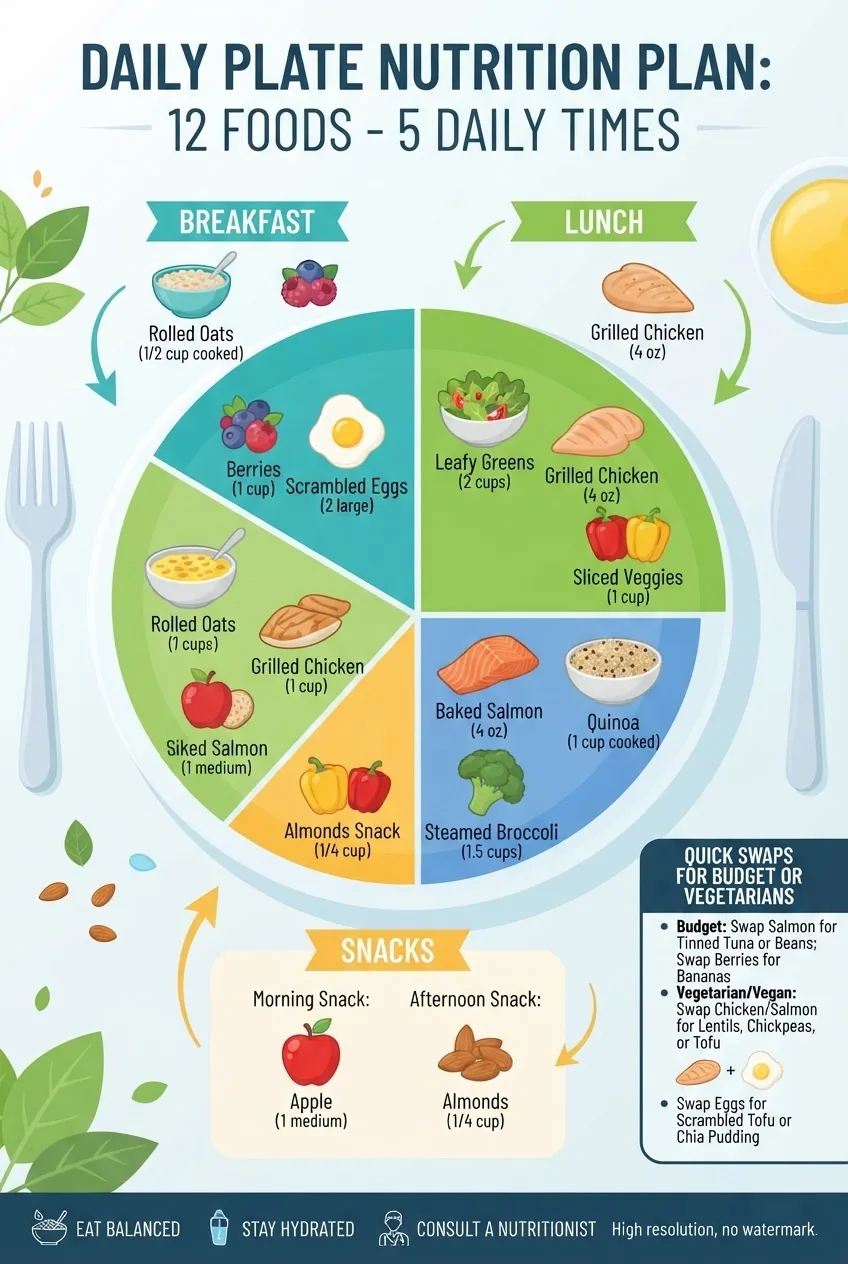
Answer: Follow portion guidance tailored to meal patterns: 1–2 cups leafy greens, 1 cup crucifers or berries, 0.5–1 cup whole grains and legumes, 1 oz nuts, 1 egg, 0.5–1 cup yogurt, 1 medium citrus, 1–2 tbsp olive oil, 0.5–1 cup sweet potato, and fatty fish 2–3 times weekly.
Example daily template using the 12 foods:
- Breakfast: Oatmeal (0.5 cup cooked whole grain) with 0.5 cup berries, 1 tbsp flaxseed (seed), and 0.5 cup yogurt.
- Snack: 1 oz mixed nuts and 1 medium orange.
- Lunch: Salad with 2 cups leafy greens, 1 cup cruciferous vegetables, 0.5 cup legumes, 1–2 tbsp olive oil dressing, and 1 egg.
- Snack or dinner: 3 oz fatty fish twice weekly with 0.5–1 cup sweet potato and steamed greens; other days swap for legumes or tofu with whole grains.
How do I combine these foods to make nutritionally complete meals?
Answer: Combine a source of plant or animal protein (eggs, legumes, yogurt, fish), whole grains, vegetables (leafy + cruciferous), a fruit (berries or citrus), nuts/seeds and olive oil in each day so meals deliver protein, fiber, essential fats, vitamins and minerals across the day.
Meal-building rules:
- Every meal: aim for a protein + vegetable + whole grain or starchy vegetable + healthy fat.
- Distribute fiber and polyphenol-rich foods (berries, crucifers, legumes) across meals to support steady glucose and gut diversity.
Worked example (three meals, two snacks):
- Breakfast: Omelette with spinach (leafy green), tomatoes, whole-grain toast, 0.5 cup berries and 1 tsp olive oil.
- Snack: Plain yogurt with 1 tbsp chia seeds and 0.5 cup frozen blueberries.
- Lunch: Grain bowl with 0.5 cup quinoa, 1 cup roasted Brussels sprouts, 0.5 cup chickpeas, 1 tbsp olive oil, sprinkle of pumpkin seeds.
- Snack: 1 medium orange and 1 oz almonds.
- Dinner: 3 oz grilled salmon, 0.5 cup mashed sweet potato, 1–2 cups mixed leafy greens tossed with lemon and olive oil.
Vegetarian swap suggestions:
- Swap fish for 0.5–1 cup cooked tempeh or 0.5 cup edamame and add 1 tbsp ground flaxseed for ALA omega-3.
Are there population groups who should not eat these foods daily?
Answer: Most items are safe, but specific groups (people on anticoagulants, those with severe allergies, advanced kidney disease, or statin-prescribed severe hyperlipidemia) should individualize daily intake with clinicians; some foods require medication checks (e.g., grapefruit).
Common cautions and adjustments:
- Blood-thinning medication: maintain consistent vitamin K intake from leafy greens and consult prescribing clinician before changing intake.
- Kidney disease: potassium-rich foods (sweet potato, legumes, citrus) may need portion limits depending on lab targets.
- Allergies: nut or dairy allergies require replacements (seeds for nuts, fermented soy or coconut-based yogurts for dairy).
When to seek tailored advice:
- If you have chronic illness, are pregnant or breastfeeding, or take multiple prescriptions, ask a registered dietitian or clinician to personalize daily food choices.
What are budget-friendly strategies to eat these 12 foods daily?
Answer: Use frozen produce, canned legumes and fish, bulk whole grains and seasonal produce, shop sales, and batch-cook to spread cost while keeping variety high.
Cost-saving tactics:
- Buy frozen berries and vegetables — nutrition is comparable to fresh and prices are lower off-season.
- Purchase dried legumes and whole grains in bulk; cook large batches and freeze portions.
- Choose canned sardines or mackerel as affordable omega-3 sources; rinse canned legumes to reduce sodium.
Weekly sample shopping list optimized for Texas markets (budget-conscious):
- Frozen mixed berries, bagged spinach, heads of cabbage, brown rice or rolled oats, dried lentils, a bag of mixed nuts, canned sardines, eggs, plain large yogurt tub, lemons, sweet potatoes, a bottle of extra-virgin olive oil.
Prep and storage tips:
- Batch-roast vegetables and sweet potatoes, cook a pot of beans and grains, and portion into meal containers for 3–4 days to reduce waste and prep time.
How do these daily foods fit into special diets like weight loss or longevity plans?
Answer: The 12 foods support weight loss and longevity by increasing nutrient density, fiber and healthy fats while displacing calorie-dense, nutrient-poor foods; portion control and total energy balance remain essential for weight outcomes.
Mechanisms for weight and longevity:
- High-fiber and protein foods increase satiety, reducing overall energy intake.
- Polyphenol-rich and unsaturated-fat foods reduce chronic inflammation, a key pathway in aging.
Application examples:
- For caloric deficit: emphasize non-starchy vegetables (leafy + cruciferous), lean proteins, legumes and limit high-calorie nuts and oil to planned portions.
- For longevity: prioritize extra-virgin olive oil, fatty fish, whole grains and berries regularly, consistent with Mediterranean-style patterns that show mortality benefits.
Further reading and coordination:
For a more comprehensive meal template and longer-term meal plans see our pillar resource on balanced diets: Nutritionally Complete Meal Guide with Balanced Diet Advice and practical daily choices in What Should I Be Eating Everyday.
How do I track progress and make this daily routine sustainable?
Answer: Track adherence by logging meals or using a simple checklist for the 12 foods, measure objective outcomes (weight, blood pressure, lab values) every 6–12 weeks, and adjust serving sizes and food choices to fit your preferences and goals.
Simple tracking methods:
- Use a one-line daily checklist to mark which of the 12 foods you consumed that day — consistency beats perfection.
- Photograph meals for two weeks to identify patterns and opportunities for improvement.
Measuring outcomes:
- For metabolic goals, monitor fasting glucose, HbA1c (if indicated), lipid panel, and blood pressure as objective markers of dietary impact under clinician supervision.
- Track subjective markers like energy, digestion and sleep quality to guide adjustments.
Behavioral tips for sustainability:
- Start by adding 2–3 of the foods daily and expand gradually; use favorite recipes to incorporate new foods rather than forcing unfamiliar meals.
- Plan weekly menus, shop with a list, and prep components (greens, grains, legumes) to remove time barriers.
Frequently Asked Questions
What is the single best food to start eating every day for health?
One of the best foods to start is leafy greens because they deliver vitamin K, nitrates, fiber and lutein with very few calories, improving vascular and eye health and increasing overall diet nutrient density when added to any meal.
Can I get all nutrients from these 12 foods alone?
These 12 foods cover most essential nutrients when combined and varied, but some individuals may still need vitamin D, B12 (if strictly plant-based), or individualized supplements — consult a clinician or dietitian for tailored testing and recommendations.
How quickly will I see benefits after eating these foods daily?
Short-term benefits like improved bowel regularity and energy may appear within days to weeks; measurable changes in lipids, blood pressure, and weight typically show over 6–12 weeks with consistent intake and overall lifestyle changes.
What is the best way to add more of these foods if I’m busy?
Batch-cook grains and legumes, keep frozen berries and vegetables on hand, use canned fish and beans, buy pre-washed greens, and assemble quick bowls that combine a cooked grain, protein, vegetables and a dressing of olive oil and lemon.
Are there cheap alternatives to expensive items like salmon or fresh berries?
Yes: canned sardines and mackerel are affordable omega-3 sources, and frozen berries provide similar nutrients to fresh at lower cost; dried legumes and bulk whole grains reduce per-serving expense.
How do I adapt this daily plan if I have a nut or dairy allergy?
Replace tree nuts with seeds (pumpkin, sunflower, chia), swap dairy yogurt for fermented soy or coconut-based yogurts with live cultures, and ensure calcium and vitamin D adequacy using fortified plant milks or clinician-guided supplements.
What is the healthiest tasty food I can recommend to someone who hates vegetables?
Make vegetables tasty by roasting cruciferous and root vegetables with olive oil, garlic and spices, blending leafy greens into flavorful soups or smoothies with fruit and yogurt, or adding small amounts of flavorful fermented foods to enhance palatability.