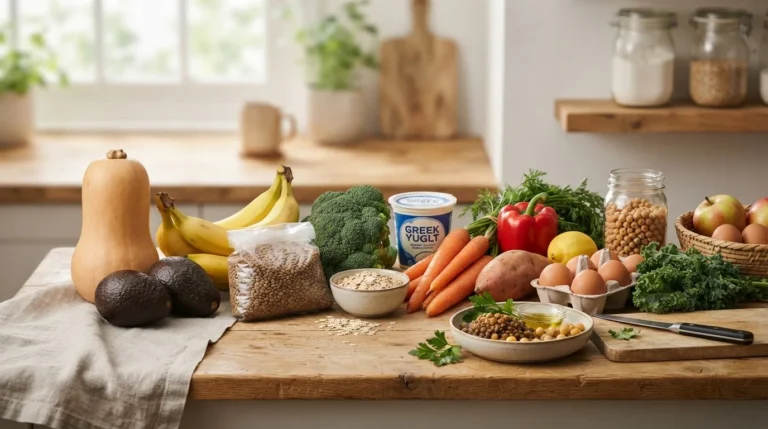
Cheap vegetarian dishes can transform your weekly grocery bill without sacrificing flavor or nutrition. This guide collects quick, affordable, and healthy vegetarian meal ideas designed for busy cooks who want budget-friendly dinners that are simple to prepare.
Why Choose Cheap Vegetarian Dishes?
Beyond cost, choosing cheap vegetarian dishes brings health and eco advantages. Plant-forward diets are associated with lower saturated fat intake and higher fiber—factors linked to improved heart health and digestive function in multiple nutritional reviews. According to a 2023 peer-reviewed nutrition review from a university dietetics program, meals grounded in legumes and whole grains deliver sustained energy and micronutrients at lower cost than many animal-based meals.
For busy households, inexpensive vegetarian meals often mean fewer shopping trips and more flexible ingredients: canned tomatoes, dried lentils, and frozen vegetables are shelf-stable and interchangeable across recipes. That flexibility reduces the risk of letting produce spoil—an often-overlooked source of household food waste. Economically, substituting one or two dinners per week with vegetarian meals can add up: according to a 2024 industry report on household food spending, modest dietary shifts toward plant-based staples saved participating households an average of 8–15% on grocery costs over three months.
Finally, cheap vegetarian dishes support sustainability goals. Producing plant-based staples typically requires fewer resources than most animal proteins; conservation studies and life-cycle assessments show reductions in greenhouse gas emissions and water use when meals rely more on beans, grains, and vegetables. Choosing inexpensive vegetarian dinners is thus a practical way to align personal budgets with broader environmental benefits.
Transitioning from why to what you need, next we’ll cover the essential, wallet-friendly ingredients to stock up on.
Essential Ingredients for Inexpensive Vegetarian Meals
- Pantry staples — Dried beans (black beans, chickpeas, pinto), brown rice, pasta, oats, canned tomatoes, and low-sodium broths. These items are cheap per serving and form the backbone of many recipes. Store dried beans in airtight containers; they keep for months.
- Beans and legumes — Lentils, split peas, and canned beans are inexpensive plant-based protein and fiber sources. Lentils cook in 20–30 minutes without soaking, making them ideal for fast dinners.
- Frozen vegetables — Frozen spinach, mixed vegetables, peas, and corn are often cheaper than fresh out of season and maintain nutrients. They are pre-washed and cut, saving prep time.
- Seasonal fresh produce — Buy vegetables and fruits in season for the best price-to-quality ratio. Root vegetables (carrots, potatoes, beets) and cabbage store well and are very affordable.
- Affordable protein — Tofu, tempeh, eggs (if used), and canned fish (if pescatarian) provide low-cost protein options. Tofu, for example, costs considerably less per serving than many meats and takes on flavors easily.
- Grains — Bulk brown rice, white rice, quinoa (buy on sale), bulgur, and inexpensive pasta. Buying in bulk reduces unit cost significantly.
- Flavor builders — Garlic, onions, dried herbs, soy sauce, vinegar, chili flakes, and stock cubes. Small quantities of these elevate simple meals without adding much expense.
- Canned goods — Canned tomatoes, coconut milk, and canned beans are versatile and cheap pantry workhorses.
- Cheap dairy or alternatives — Yogurt, shredded cheese, or plant-based milks used sparingly add creaminess or umami when needed.
- Basic baking staples — Flour, baking powder, and salt are useful for making flatbreads, pancakes, or improvised crusts to extend meals.
Below is a quick comparison table to help choose cost-effective protein and meat substitute options:
| Ingredient | Typical cost per serving (estimate) | Cooking notes |
|---|---|---|
| Dried lentils | $0.20–$0.40 | No soaking, 20–30 min cook; good for soups, stews, and dals. |
| Canned beans | $0.30–$0.70 | Ready to use after rinsing; great for tacos, chilis, and salads. |
| Tofu | $0.50–$1.00 | Press and marinate; pan-fry or bake for texture. |
| Tempeh | $0.75–$1.50 | Nutty flavor; slice and pan-fry or crumble as a mince substitute. |
| Textured vegetable protein (TVP) | $0.30–$0.80 | Rehydrates quickly; good in chilis and Bolognese-style sauces. |
Stocking these essentials allows you to mix-and-match recipes, cut down shopping frequency, and keep dinner quick and budget-friendly.
Next, we’ll apply these ingredients to concrete recipe ideas that are quick, cheap, and family-friendly.
10 Cheap and Easy Vegetarian Meal Ideas for Dinner
Below are ten versatile, inexpensive vegetarian meals that are simple to prepare, family-friendly, and built around pantry staples, plant-based protein sources, and cost-effective vegetables. Each includes a brief description, estimated cook time, and a rough cost estimate per serving. Prices vary by region—see the trust notes later for caveats.
-
1. Lentil and Tomato One-Pot Stew
A hearty one-pot stew with brown lentils, canned tomatoes, carrots, and spinach. Cook time: 35 minutes. Cost: ~$0.90–$1.50 per serving.
Ingredients: dried brown lentils (1 cup), canned tomatoes (14 oz), 1 onion, 2 carrots, 2 cups spinach or frozen greens, 3 cups vegetable broth, garlic, salt, pepper, smoked paprika. Simmer until lentils are tender; finish with lemon juice.
Why it’s cheap: Dried lentils are one of the most affordable proteins; the recipe scales to feed a family and reheats well.
-
2. Chickpea Stir-Fry with Rice
Quick pan-fry chickpeas with mixed frozen vegetables, soy sauce, and ginger, served over steamed rice. Cook time: 20 minutes. Cost: ~$0.80–$1.40 per serving.
Ingredients: canned chickpeas (rinsed), 2 cups frozen stir-fry mix, onion, garlic, soy sauce, cooked rice (from bulk). Add chili flakes for heat.
Tip: Use leftover rice for fried rice the next day.
-
3. Black Bean Tacos with Cabbage Slaw
Seasoned black beans in tortillas topped with quick slaw. Cook time: 20–25 minutes. Cost: ~$0.75–$1.25 per serving.
Ingredients: canned black beans, taco seasonings (cumin, chili powder), corn or flour tortillas, shredded cabbage, lime, cilantro. Add avocado or yogurt if budget allows.
Family-friendly and customizable—great for stretching ingredients.
-
4. Simple Vegetable Pasta with White Beans
Pasta tossed with sautéed garlic, seasonal vegetables, and a can of cannellini beans for protein. Cook time: 25 minutes. Cost: ~$0.90–$1.50 per serving.
Ingredients: pasta, canned cannellini or navy beans, olive oil, garlic, zucchini or broccoli (or frozen veg), grated cheese optional.
Beans boost protein and make the dish more filling at low cost.
-
5. Budget-Friendly Tofu and Vegetable Curry
Curried tofu with canned coconut milk, frozen peas, and potatoes served over rice. Cook time: 30 minutes. Cost: ~$1.00–$1.80 per serving.
Ingredients: firm tofu, curry powder/paste, canned coconut milk (light is cheaper), potatoes, frozen peas, onion, rice.
Tofu provides inexpensive protein and soaks up curry flavors.
-
6. Hearty Split Pea Soup with Carrots and Cabbage
Cheap, warming soup made from split peas and root vegetables; freezes well. Cook time: 50–60 minutes. Cost: ~$0.50–$1.00 per serving.
Ingredients: dried split peas, onion, carrots, celery, cabbage, vegetable broth, bay leaf. Simmer until creamy.
-
7. Spanish Rice and Beans Skillet
Tomato-infused rice with pinto beans, bell pepper, and spices—one-pan comfort food. Cook time: 30 minutes. Cost: ~$0.60–$1.20 per serving.
Ingredients: rice (use long-grain or leftover), canned beans, canned tomatoes, onion, garlic, chili powder, cumin.
-
8. Veggie-Packed Frittata or Egg Skillet
If you include eggs, a frittata stretches inexpensive veggies and cheese into multiple servings. Cook time: 20–30 minutes. Cost: ~$0.70–$1.50 per serving.
Ingredients: eggs, frozen spinach or leftover roast veg, onion, a splash of milk, optional cheese, served with toast or salad.
-
9. Peanut Noodle Bowl with Frozen Veggies
Noodles tossed in a simple peanut sauce with frozen edamame or mixed veg. Cook time: 15–20 minutes. Cost: ~$0.60–$1.20 per serving.
Ingredients: long pasta or rice noodles, peanut butter, soy sauce, vinegar, garlic, honey or sugar, frozen edamame or veg.
-
10. Baked Beans and Potato Hash
Combining canned baked beans with roasted potatoes and onions makes a filling, low-cost dinner. Cook time: 40 minutes. Cost: ~$0.50–$1.10 per serving.
Ingredients: potatoes, canned baked beans, onion, paprika, frozen greens optional.
These meal ideas emphasize versatile pantry staples, one-pot cooking, and inexpensive protein sources, making them straightforward to shop for and prepare. For additional one-pot approaches and to reduce cleanup, see the one-pot meals link above.
Next, we’ll explore how to get dinners on the table quickly during busy weeknights.
Quick Vegetarian Meals for Busy Weeknights
When time is short, set up a simple system: batch-cook a grain, roast a pan of vegetables, and prepare a protein that reheats well. That combo can be assembled into multiple dinners across the week. Below are step-by-step how-to steps and three quick recipe examples.
-
How-to: 30-Minute Weeknight Workflow
- Start a pot of rice or quinoa (use a rice cooker or Instant Pot to free stove space).
- While the grain starts, sauté an onion and any quick-cooking veg (bell peppers, mushrooms, zucchini) in a large skillet with oil and spices.
- Add a canned legume (drained) or crumbled tofu for protein; season and cook until hot.
- Finish with a sauce—soy-garlic, tomato, or a splash of lemon—and toss with the cooked grain. Garnish and serve.
This workflow yields a balanced dinner in about 25–30 minutes and scales easily.
-
30-Minute Recipe Example A: Quick Peanut Veggie Stir-Fry
Ingredients: cooked rice, 1 cup frozen mixed veg, 1 can chickpeas (drained), 2 tbsp peanut butter, 1 tbsp soy sauce, 1 tsp vinegar, minced garlic. Stir-fry veg, add chickpeas and sauce, toss with rice. Ready in 20–25 minutes.
-
30-Minute Recipe Example B: Tomato Lentil Skillet
Ingredients: 1 cup red lentils, 1 can diced tomatoes, 1 onion, garlic, 2 cups vegetable broth, dried oregano. Red lentils cook quickly (15–20 minutes) and make a thick, saucy skillet dish to serve with bread or rice.
-
30-Minute Recipe Example C: Tofu Scramble Wraps
Ingredients: firm tofu (crumbled), turmeric, black salt (optional), sautéed spinach, tortillas. Cook tofu with spices, fold into warmed tortillas with greens and a drizzle of hot sauce. Prep time: 15–20 minutes.
Meal assembly and a small set of sauces (soy sauce, salsa, tahini mix) let you remix leftovers into new dinners quickly. For readers wanting even faster vegetarian ideas, check the quick vegetarian dinner recipes resource for ultra-fast options.
Next, practical tips to reduce grocery bills and shop smarter for vegetarian groceries.
Tips for Saving Money on Vegetarian Meals
Saving money on vegetarian cooking is largely about planning, buying smart, and minimizing waste. Here are actionable strategies that deliver real savings.
- Plan weekly menus — A simple plan reduces impulse buys and ensures you use ingredients across multiple meals. Write a grocery list from the plan.
- Buy in bulk — Dried beans, rice, oats, and flour are much cheaper per serving when bought in bulk or larger bags.
- Choose frozen and canned — Frozen vegetables and canned legumes are often less expensive and minimize waste; they’re nutritionally comparable to fresh in many cases.
- Shop seasonal produce — Seasonal vegetables are cheaper and fresher; extend shelf life by roasting or freezing extras.
- Compare unit prices — Look at cost per ounce/pound rather than package price. Store brands often match name brands for less.
- Use leftovers creatively — Turn roasted vegetables into soups or blends for pasta sauce; leftover beans can become dips, tacos, or salads.
- Minimize specialty ingredients — Many recipes can be simplified by swapping specialty items for pantry equivalents (e.g., plain yogurt instead of vegan cream cheese).
- Cook once, eat twice — Batch-cook staples (beans, grains, roasted veg) for build-your-own meals throughout the week.
- Freeze portions — Freeze single-serving meals to avoid takeout on busy nights and reduce waste.
- Shop sales and coupons — Plan meals around discounted items or use store apps to capture deals on seasonal produce or bulk grains.
For guidance on prioritizing nutrient-dense, low-cost items, see our related piece on cheap foods that are good for you. Combining those selections with planning and batch-cooking will reduce both spending and meal stress.
Next, we’ll explain how to keep cheap vegetarian dinners balanced and nutritious.
How to Make Healthy and Cheap Vegetarian Dinners
Creating affordable vegetarian dinners that are also nutritious requires balancing macronutrients and ensuring key micronutrients are present. A healthy plate typically includes a grain or starchy vegetable, a plant-based protein, and non-starchy vegetables. According to USDA and FDA nutrition guidance, variety across food groups helps meet nutrient needs; refer to official guidance for portioning and food groups. ChooseMyPlate.gov offers practical plate models to adapt for vegetarian diets.
Key strategies:
- Protein balance: Use legumes, tofu, tempeh, eggs, or dairy to supply protein. Combining grains and beans across meals helps meet amino acid needs. Define “complete protein” as a mix of complementary proteins consumed across the day, not necessarily within one meal.
- Iron and zinc: Include iron-rich plant foods (lentils, spinach, pumpkin seeds) and pair them with vitamin C sources (tomatoes, citrus) to boost absorption. If concerned about iron, consult health guidelines or a registered dietitian.
- Calcium and vitamin B12: Dairy, fortified plant milks, or fortified nutritional yeasts are affordable ways to add calcium and B12 (B12 often requires fortified foods or supplementation for strict vegetarians).
- Fiber and micronutrients: Whole grains, legumes, fruits, and vegetables deliver fiber and vitamins—aim for varied colors on the plate.
Here are three budget-conscious, balanced dinner suggestions that combine affordability and nutrition:
- Red Lentil Dal with Brown Rice: Lentils deliver protein and iron; brown rice adds fiber and energy; add spinach for vitamins.
- Tofu & Vegetable Stir-Fry with Quinoa: Tofu supplies protein and calcium (if calcium-set tofu); quinoa is a grain-like seed with extra protein and texture.
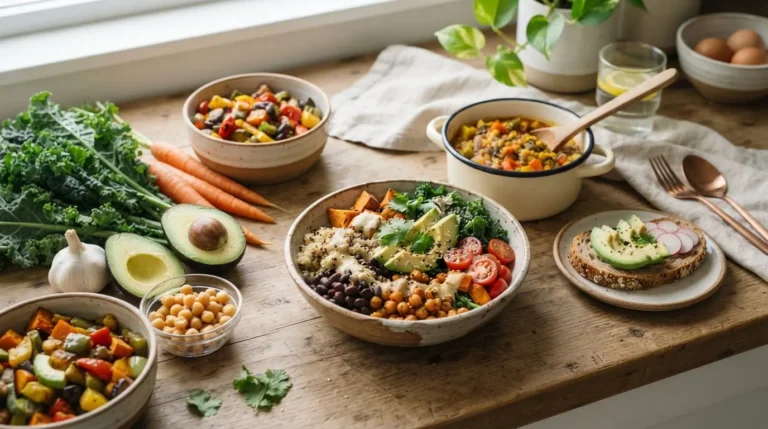
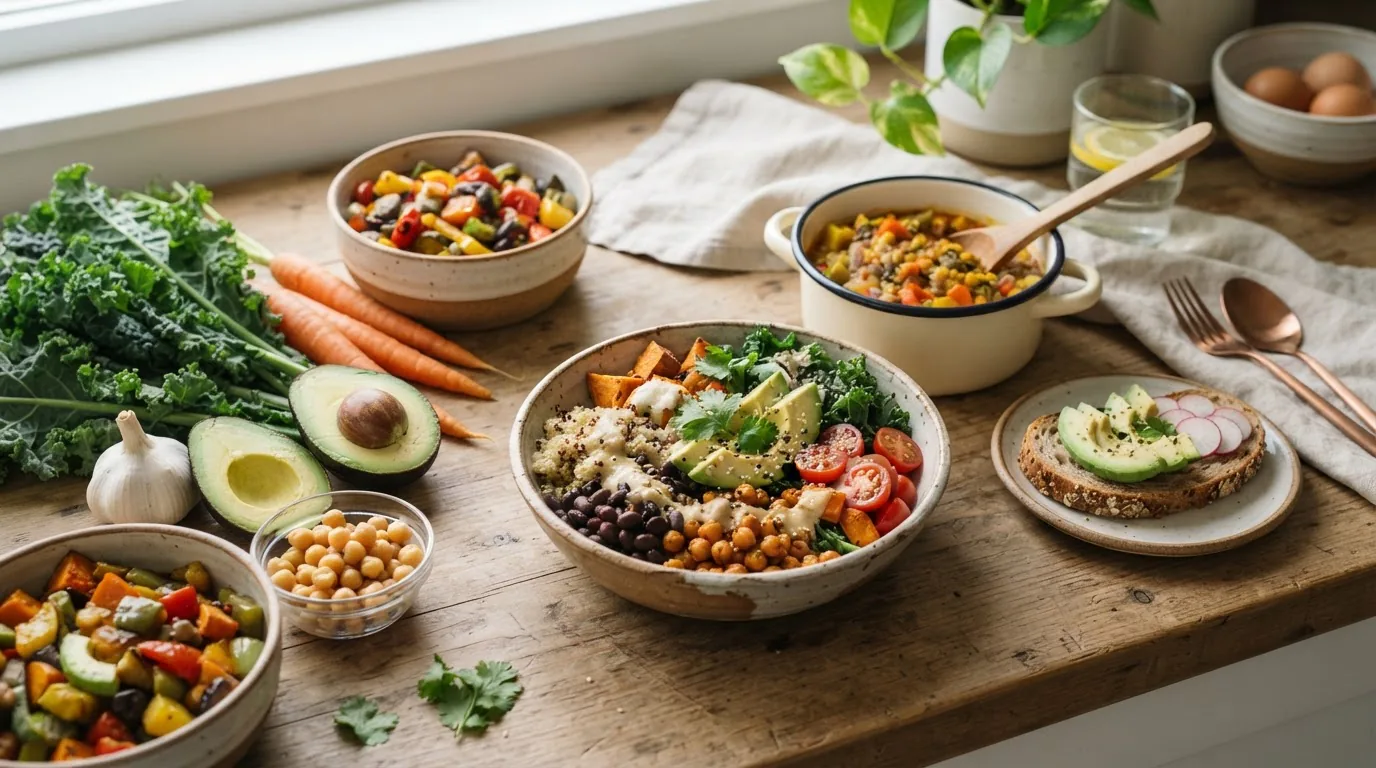
- Chickpea & Veggie Bowl with Tahini-Lemon Sauce: Chickpeas for protein, roasted root veg for sustained carbs, and tahini adds healthy fats and calcium.
For more research-backed context on vegetarian nutrition, see a university nutrition source such as the Harvard Nutrition Source, which summarizes evidence on plant-based diets and nutrients.
Keep a few fortified items on hand if you follow a strict vegetarian diet—fortified cereals, plant milks, and nutritional yeast help fill common gaps affordably. Always note regional price variation: a disclaimer—food prices and availability vary by location and season, and you may need to adapt recommended ingredients accordingly.
Next, we’ll address common challenges with cheap vegetarian cooking and simple fixes to keep meals satisfying and varied.
Common Challenges with Cheap Vegetarian Cooking and Simple Solutions
Below are frequent problems home cooks face when cooking inexpensive vegetarian meals, with clear, practical solutions.
Problem: Not enough protein
Solution: Add legumes, tofu, tempeh, eggs, or dairy to meals. Use a bowl format (grain + bean + veg) to easily meet protein needs without expensive ingredients.
Problem: Meals feel repetitive or bland
Solution: Rotate spices and sauces—cumin and chili for Mexican-style dishes, curry powder for Indian-inspired meals, soy-ginger for Asian flavors. A small set of sauces and condiments transforms repeated ingredients into diverse meals.
Problem: Cooking time is too long
Solution: Use quick-cooking legumes (red lentils), canned beans, pre-cut frozen vegetables, and one-pot methods like stir-frying or Instant Pot cooking to reduce hands-on time.
Problem: Limited kitchen equipment
Solution: Most cheap vegetarian meals can be made with a single skillet, a pot, and an oven. One-pan bakes, sheet-pan dinners, and stovetop stews are low-equipment winners.
Problem: Ingredient substitutions confuse recipes
Solution: Keep a substitution list: canned tomatoes for fresh in sauces; beans for lentils if needed; frozen veg for fresh. Adjust cooking times when swapping dense vegetables like potatoes for quicker-cooking ones like zucchini.
Problem: Nutrient gaps (B12, iron)
Solution: Use fortified plant milks or cereals and combine iron sources with vitamin C. If you have specific health concerns, consult a registered dietitian or refer to official guidance such as the FDA or USDA resources.
These problem-solution pairs help maintain variety and nutrition while keeping costs down and cook time manageable.
Now, practical meal-prep ideas and a sample weekly plan to make busy weeks easier.
Meal Prep Ideas for Cheap Vegetarian Dishes
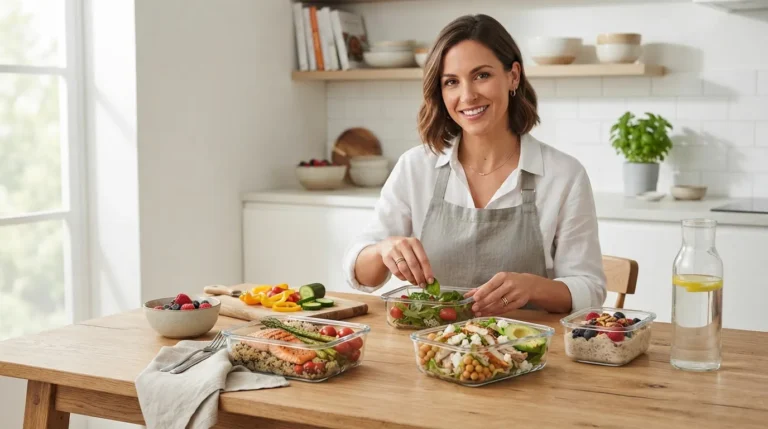
Meal prepping stretches your time and money by cooking once and eating multiple times. Below are freezer-friendly recipes, batch-cooking tips, storage suggestions, and a 5-day example plan.
Batch-Cooking Staples
- Cook a large pot of brown rice or quinoa and portion into containers for 4–6 days.
- Roast a sheet pan of mixed root vegetables (potatoes, carrots, onions); they reheat well and pair with many proteins.
- Make a double batch of lentil soup or chili; freeze single servings in resealable bags or containers.
- Prepare a big tray of baked tofu or tempeh and store in the fridge for 3–4 days to add to bowls and salads.
Freezer-Friendly Meals
- Bean chili: freezes well in single portions for 2–3 months.
- Lentil bolognese: stash in the freezer and reheat over pasta for quick dinners.
- Curried vegetable stews: freeze in microwave-safe containers for rapid reheating.
Storage Tips
- Cool food within two hours before freezing or refrigerating to preserve safety and quality.
- Label containers with contents and date; use within recommended freezer times (2–3 months for most cooked vegetable dishes).
- Portion in meal-sized containers for grab-and-go reheating to avoid repeated reheating cycles that degrade quality.
Example 5-Day Meal Prep Plan (for 2–3 people)
- Sunday afternoon (2–3 hours): Cook 4 cups dry brown rice; roast 2 sheet pans of vegetables; make a large pot of lentil soup; bake a tray of marinated tofu.
- Monday: Lentil soup with toasted bread + leftover roasted veg on the side.
- Tuesday: Rice bowl with roasted veg and baked tofu, tahini-lemon dressing.
- Wednesday: Stir-fried frozen veg with chickpeas and soy-peanut sauce over rice.
- Thursday: Pasta tossed with lentil bolognese (made from a portion of the lentil soup thickened) and a side salad.
- Friday: Quick sheet-pan hash with potatoes, leftover veg, and baked beans.
Batch-cooking reduces weeknight prep to assembly and reheating. According to a 2024 industry report on meal prep behaviors, households that prepared staples once weekly reported an average of two fewer takeout meals per week, contributing to cost savings and healthier choices.
For more make-ahead tips and freezer-friendly recipes, rotate through the 10 easy dinner ideas above and freeze extra servings for nights when cooking isn’t possible.
Below is a short summary of the guide and how to start implementing these tips this week.
Transitioning to a brief conclusion and CTA next.
Conclusion: Cheap vegetarian dishes deliver both financial and health value when you choose the right staples, plan meals, and use time-saving techniques like one-pot cooking and batch-prep. Start with a prioritized grocery list—bulk grains, dried legumes, frozen vegetables, canned tomatoes, and a simple set of spices—then try two new budget-friendly recipes this week. Small swaps like canned beans for meat in one or two dinners weekly can lower costs and expand your recipe repertoire without drastic changes.
Ready to start? Pick one recipe from the 10 ideas, schedule a 90-minute weekend prep session to cook staples, and use the five-day plan above to minimize waste and stress. For more rapid recipes, explore quick vegetarian dinner recipes. If you want further inspiration for budget-friendly dinners, check related posts on easy meatless dinner ideas and healthy one pot meals.
Frequently Asked Questions
What are cheap vegetarian dishes that are also nutritious?
Nutritious, cheap vegetarian dishes include lentil stew with vegetables, chickpea and rice bowls, tofu stir-fries, and bean-based chilis. Combine legumes, whole grains, and a variety of vegetables to meet protein, fiber, and micronutrient needs affordably.
How do cheap vegetarian meals compare nutritionally to meat-based meals?
Cheap vegetarian meals can match or exceed meat-based meals for fiber, vitamins, and plant compounds while often having less saturated fat. They need intentional protein and micronutrient planning (iron, B12, zinc) using legumes, fortified foods, or dairy.
What are the quickest vegetarian dinner recipes on a budget?
Quick budget dinners include chickpea stir-fries, red lentil dals, peanut noodle bowls, tofu scrambles, and veggie pasta with canned beans—all ready in 15–30 minutes using canned legumes, frozen veg, and pantry grains.
How can I meal prep inexpensive vegetarian meals for the week?
Batch-cook staples: rice/quinoa, roasted vegetables, a pot of beans or lentil soup, and baked tofu. Portion into containers, label with dates, and freeze or refrigerate for easy assembly and reheating throughout the week.
How much does it typically cost to make cheap vegetarian dinners?
Typical costs range from $0.50 to $2.00 per serving depending on ingredients and region. Many one-pot legume-based meals fall under $1.00 per serving when using dried beans, rice, and seasonal produce.
What should I do if my cheap vegetarian meals feel repetitive or boring?
Rotate spices and sauces, use different cooking methods (roasting, stir-fry, baking), and swap bases (rice, pasta, quinoa). Keep a small set of condiments to change flavor profiles quickly and prevent boredom.
Are cheap vegetarian meals healthy enough for a balanced diet?
Yes—when planned to include legumes, whole grains, vegetables, and fortified items for B12 or calcium as needed. Following plate-based guidance and including varied foods across the week keeps meals balanced and nutrient-rich.
How can I ensure quality and safety when buying low-cost vegetarian ingredients?
Check expiration dates, buy sealed packages, inspect canned goods for dents or swelling, and store dried goods properly. Cool and label cooked items before refrigerating; consume refrigerated meals within 3–4 days or freeze for longer storage.