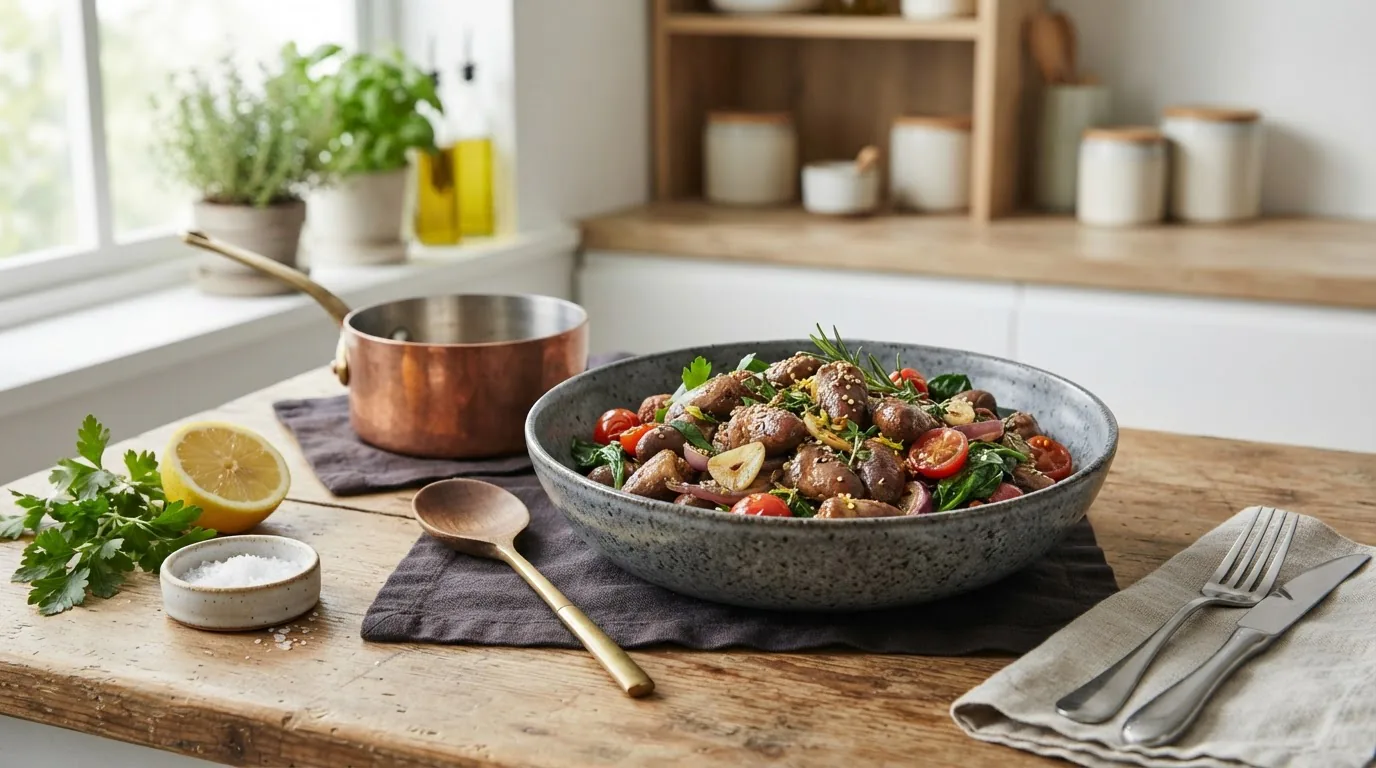
chicken heart recipe lovers: this guide gives a clear, healthy approach to prepping, cooking, and enjoying chicken hearts with step-by-step tips. Read on for cleaning instructions, multiple cooking methods, recipes, nutrition data, and meal-prep ideas that fit into balanced eating plans.
Introduction to Chicken Hearts as a Healthy Ingredient
Chicken hearts are small, muscular organ meats prized in many cuisines for their dense protein, savory flavor, and low connective-tissue content compared with some other organ meats. A nutrient-dense, affordable protein, they deliver concentrated B vitamins (notably B12), iron, zinc, selenium, and highly bioavailable protein in a low-fat package when trimmed and cooked correctly.
For health-conscious cooks, chicken hearts offer a low-fat meat option that can be incorporated into calorie-controlled plans and weight-loss diets when prepared without heavy frying or cream-based sauces. Their texture is firm and slightly chewy—think of a cross between dark chicken meat and a lean beef bite—so short, high-heat methods or long, slow braises both work depending on the outcome you want.
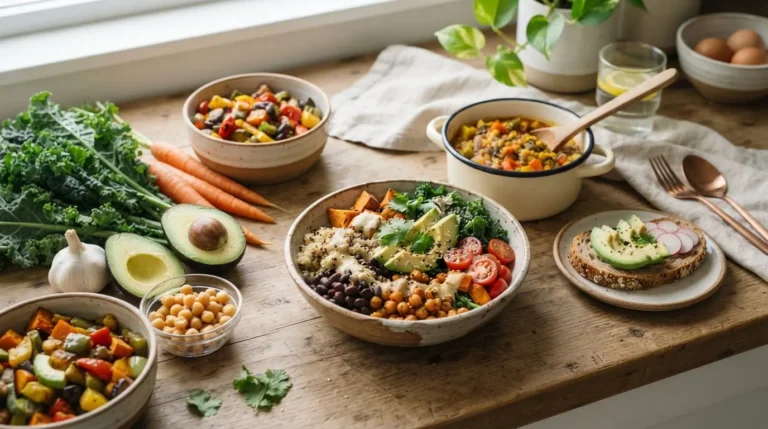
Chicken hearts also shine in international preparations, from Brazilian churrasco skewers to Japanese yakitori. If you prefer plant-based proteins, see vegetarian dinner alternatives for balanced swaps and sides.
Transition: Next, learn exactly how to clean and prepare chicken hearts safely so you get the best texture and flavor every time.
How to Prepare and Clean Chicken Hearts for Cooking
- Buy fresh or fully thawed hearts: Purchase chicken hearts from a reputable butcher or grocery display. They should be firm, glossy, and smell neutral. If frozen, thaw in the refrigerator for 12–24 hours.
- Inspect each heart: Rinse briefly under cold running water and place on a clean board. Look for small clots, connective tissue, and any fatty or pale yellow pieces that can be removed.
- Trim connective tissue and the aorta: Most hearts have a short white or pale tube (part of the aorta) and a thin membrane. Use a small paring knife or kitchen shears to cut away the aorta and any excess fat or pale membrane.
- Remove large blood clots and open cavity if needed: Some hearts contain a tiny chamber with blood residue—open the heart slightly and wipe or rinse the interior to remove clots. A quick soak (5–10 minutes) in cold salted water can help draw out blood and mild gamey flavors.
- Pat dry and season or marinate: Thoroughly pat the hearts dry with paper towels before applying marinades or salt; dryness helps caramelize and achieve a better sear.
- Portion for cooking: Keep hearts whole for skewers and pan-searing; halve thicker hearts lengthwise for even cooking when pan-frying or stir-frying.
- Safety tip: Always wash hands, surfaces, and utensils after handling raw organ meats. Follow USDA safe-handling guidance on cross-contamination and refrigeration (USDA nutrition database).
- Tip: Use a small bowl of ice water when trimming to keep hearts firm and easier to cut.
- Tip: Keep trimming tools and a dedicated cutting board for organ meats to avoid flavor transfer to other proteins.
- Tip: If you’re intimidated by trimming, ask your butcher to remove the aorta and membranes—most will for a small fee or free.
Transition: With your hearts cleaned and trimmed, choose a cooking method that matches your schedule and desired texture. Below are the most reliable methods and how to get the best result from each.
Best Cooking Methods for Chicken Hearts
1. High-heat Searing / Pan-Sauté (fast, tender)
Pan-sautéing gives a browned crust with a tender interior in 4–7 minutes total. Heat a heavy skillet (cast iron or stainless steel) over medium-high heat, add 1 tablespoon oil per pound, then add hearts in a single layer without crowding.
- Sear 2–3 minutes per side until deep brown—internal temperature ~165°F (74°C) for safety per USDA guidance.
- Finish with a splash of acid (lemon or vinegar) and butter or herbs for flavor.
Pros: Quick, caramelized exterior; ideal when combined with stir-fries or salads. Cons: Can toughen if overcooked or crowded.
2. Grilling or Skewering (Brazilian churrasco / yakitori style)
Thread whole hearts onto skewers (2–4 hearts per skewer), brush with a light marinade or oil, and cook over medium-high heat 2–3 minutes per side. For charcoal or gas grills, keep them close to the heat for quick caramelization.
Pros: Smoky flavor and great for social meals. Cons: Requires attention to keep from drying out.
3. Stir-frying (Asian-style quick-cook)
Cut hearts in half lengthwise and flash-fry on high heat with aromatics (garlic, ginger, scallions) for 3–5 minutes. Add a savory sauce (soy, rice vinegar, sesame) at the end and toss to coat.
Pros: Fast, integrates well into bowls and noodle dishes. Cons: Sauce heavy in sugar can increase calories—keep it light for a healthy meal.
4. Slow-cooking / Braising (tender, stew-like)
For a fall-apart texture, braise hearts in a flavorful liquid (stock, tomatoes, wine) at low heat for 1.5–3 hours. This method breaks down connective tissues and yields a rich, heady stew.
Pros: Very forgiving and yields extremely tender hearts for stews, soups, and ragùs. Cons: Longer cook time and more prep.
5. Roasting (oven finish)
Toss trimmed hearts with olive oil, herbs, and spices, spread on a rimmed sheet, and roast at 425°F (218°C) for 10–15 minutes, flipping halfway. Use for meal prep or to crisp edges.
Pros: Hands-off with great texture contrast. Cons: Risk of drying if over-roasted; shorter cooking time recommended.
6. Pressure cooking (time-saving braise)
Pressure-cook hearts with aromatics and a small amount of liquid for 20–30 minutes (varies by model) for fast, tender results. Use quick-release or natural release based on recipe requirements.
Pros: Fast braising and convenient for weeknight meal prep. Cons: Less caramelization—finish under broiler or in a skillet if desired.
Culinary note: For best texture control, measure internal temperature and remove hearts just after they reach 160–165°F (71–74°C); residual heat will finish them while preventing rubberiness. For more technique references, consult Culinary Institute resources on cooking techniques.
Transition: Below are simple, healthy recipes using those methods, including calorie-conscious options that slot well into 400–600 calorie meal plans.
Easy and Healthy Chicken Heart Recipes
The recipes below are designed for health-conscious home cooks: they prioritize lean cooking methods, nutrient-dense ingredients, and flexible portioning to fit into low-calorie chicken heart meals and 500 calorie meal options, and can be paired or scaled for 600 calorie dinner ideas.
low-calorie chicken heart meals
1. Garlic-Herb Sautéed Chicken Hearts (serves 2)
Ingredients:
- 12 oz trimmed chicken hearts
- 1 tbsp olive oil
- 3 cloves garlic, minced
- 1 tbsp fresh parsley, chopped
- 1 tsp fresh lemon juice
- Salt and pepper to taste
Instructions:
- Pat hearts dry. Heat oil in a skillet over medium-high heat.
- Add hearts in a single layer and sear 2–3 minutes per side until nicely browned and at least 165°F internal.
- Add garlic during the last 60 seconds, toss, then remove from heat.
- Finish with lemon juice, parsley, salt and pepper. Serve with steamed greens for an approx. 350–400 calorie plate.
2. Brazilian-Style Grilled Hearts (Espetinho) (serves 4)
Ingredients:
- 1.5 lb chicken hearts
- 2 tbsp olive oil
- 2 tsp smoked paprika
- 1 tsp ground cumin
- Salt and pepper
- Lemon wedges
Instructions:
- Marinate hearts with oil, paprika, cumin, salt and pepper for 30 minutes.
- Skewer 3–4 hearts per skewer and grill 2–3 minutes per side over medium-high heat.
- Serve with a side salad, black beans, and rice to keep the meal around 500–600 calories depending on portioning.
3. Spicy Stir-Fry with Vegetables (serves 3)
Ingredients:
- 1 lb hearts, halved
- 1 tbsp sesame oil
- 3 cloves garlic, 1-inch ginger, sliced
- 1 cup broccoli florets, 1 red pepper, sliced
- 2 tbsp low-sodium soy sauce, 1 tbsp rice vinegar
- 1 tsp chili paste (optional)
Instructions:
- Stir-fry garlic and ginger in oil 30 seconds. Add hearts and sear 3–4 minutes.
- Add vegetables and stir-fry until crisp-tender, 3–4 minutes.
- Add soy, vinegar, and chili paste; toss and serve over cauliflower rice for a lower-calorie option (approx. 350–450 calories).
4. Slow-Braised Tomato and Herb Hearts (serves 4)
Ingredients:
- 1.5 lb hearts
- 1 tbsp olive oil
- 1 onion, diced; 2 cloves garlic
- 1 can (14 oz) crushed tomatoes
- 1 cup low-sodium chicken stock
- 1 tsp dried oregano, 1 bay leaf
Instructions:
- Sear seasoned hearts in oil until brown, remove and set aside.
- Sauté onion and garlic, add tomatoes, stock, herbs, and return hearts.
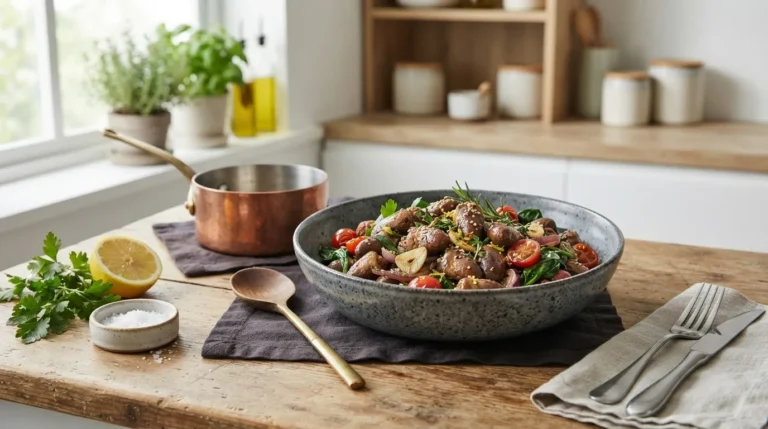
- Simmer low and slow 1.5–2 hours until tender. Serve over whole-grain polenta or a bed of vegetables to control calories (per-plate calories vary by side selection).
5. Quick Mediterranean Skillet (serves 2)
Ingredients:
- 10 oz hearts
- 1 tbsp olive oil
- 6 cherry tomatoes, halved; 1/4 cup kalamata olives
- 1 tbsp capers, 1 tsp oregano, lemon zest
Instructions:
- Sear hearts in oil 3–4 minutes. Add tomatoes, olives, capers and cook until tomatoes soften.
- Finish with oregano and lemon zest. Pair with a salad for a balanced meal under 500 calories.
Recipe notes: Adjust portion sizes and sides to fit low-calorie chicken heart meals, 500 calorie meal options, or 600 calorie dinner ideas based on proteins, grains, and oils included.
Transition: Now that you have recipes, let’s break down the nutritional benefits and health considerations so you can decide how often to include chicken hearts in your diet.
Nutritional Benefits and Health Considerations
Chicken hearts pack concentrated nutrients in a small serving. According to 2024 USDA data, a 100 g serving of cooked chicken hearts provides approximately 170–190 kcal, 26–30 g protein, and important micronutrients like vitamin B12, iron, zinc, and selenium (USDA nutrition database). They tend to be lower in fat than some red organ meats but still contain cholesterol.
| Nutrient (per 100 g) | Approx. Amount | Why it matters |
|---|---|---|
| Calories | 170–190 kcal | Moderate energy for protein-dense meals |
| Protein | 26–30 g | High-quality, bioavailable protein for muscle and repair |
| Iron | ~5 mg | Hem iron improves absorption compared with plant iron |
| Vitamin B12 | ~8–10 µg | Supports nerve health and red blood cell formation |
| Cholesterol | ~300 mg | Significant—consider in the context of overall diet |
Health considerations:
- Cholesterol: Chicken hearts are high in dietary cholesterol. According to a 2021 review published in a nutrition journal, dietary cholesterol’s impact on blood cholesterol varies by individual and overall diet pattern; those with hypercholesterolemia should monitor intake and consult a clinician (Harvard Health review on organ meats).
- Micronutrient density: Organ meats, including chicken hearts, are a cost-effective route to B12, iron, and selenium. For readers looking for budget-friendly choices, see our entry on affordable healthy protein sources.
- Allergies & intolerances: Rare, but if you react to other animal proteins, introduce small amounts first.
affordable healthy protein sources
Contextual guidance: For most healthy adults, including chicken hearts a few times per week within a varied diet provides vitamins and protein without excess calories—provided preparation methods avoid heavy frying or butter-rich sauces. According to a 2022 clinical nutrition study, moderate consumption of organ meats within a balanced diet did not show consistent adverse cardiovascular outcomes when saturated fat and processed foods were limited (study published in a peer-reviewed nutrition journal).
Transition: To make these proteins easy to fit into weekly plans, use the meal-prep and storage tips below.
Tips for Chicken Heart Meal Prep and Storage
Use these practical tips to integrate chicken hearts into weekly meal prep and breakfasts or lunches safely and conveniently.
- Batch-cook and portion: Sear or braise 1–2 lb at once, portion into 4–6 meal-sized containers with vegetables and a grain or salad for quick lunches.
- Refrigeration: Store raw hearts in the coldest part of the fridge (≤40°F/4°C) and use within 1–2 days. Cooked hearts last 3–4 days refrigerated in airtight containers.
- Freezing: Flash-freeze raw hearts on a tray, then transfer to freezer bags for up to 3 months. Thaw in the fridge overnight before cooking.
- Reheating: Reheat gently in a skillet or low oven to avoid rubbery texture; add a splash of stock or sauce to maintain moisture.
- Meal ideas: Incorporate pre-cooked hearts into salads, grain bowls, or scrambled eggs for protein-rich healthy breakfast ideas.
Checklist for fridge/freezer safety:
- Keep raw separate from ready-to-eat foods.
- Label containers with cook date.
- Use shallow containers for faster cooling.
Transition: Even experienced cooks make avoidable errors with chicken hearts. Review the common mistakes and quick fixes next.
Common Mistakes and How to Avoid Them When Cooking Chicken Hearts
- Mistake: Overcrowding the pan — leads to steaming not searing. Fix: Cook in small batches on high heat for crust development.
- Mistake: Overcooking — yields rubbery texture. Fix: Remove hearts promptly at 160–165°F (71–74°C) and rest briefly; carryover heat will finish them.
- Mistake: Skipping trimming — increases bitterness and odd textures. Fix: Remove the aorta/membrane and any yellow fat as shown in the cleaning steps above.
- Mistake: Heavy sugary sauces — mask flavor and boost calories. Fix: Use fresh acids, herbs, and light dressings to complement natural savoriness.
- Mistake: Underdosing salt or acid — hearts can taste flat. Fix: Season progressively and finish with an acid (lemon, vinegar) for brightness.
- Mistake: Poor storage — contamination risks. Fix: Follow refrigeration/freezing checklist and USDA safe-handling guidelines (USDA nutrition database).
Chef tip: If texture seems unfamiliar, try combining halved hearts with diced chicken thigh in a stir-fry at first—this mellows the experience while you get accustomed to flavor and chew.
Transition: Chicken hearts have a long cultural history—see how different cuisines celebrate them for inspiration.
Cultural and Global Uses of Chicken Hearts
Chicken hearts appear in global cuisines: Brazilian churrasco (skewered and grilled), Japanese yakitori (salted or tare-glazed skewers), Peruvian anticuchos adaptations, Filipino adobo variations, and many African stews. In Brazil, hearts are often simply salted and grilled, showcasing the ingredient’s ability to shine with minimal seasoning. Use these global ideas as inspiration for marinades and serving styles.
Transition: Ready to cook? Below are FAQs to answer common questions and finalize your plan.
Frequently Asked Questions
What are chicken hearts and are they safe to eat?
Chicken hearts are edible organ meats (the heart muscle) from poultry, rich in protein and micronutrients. They are safe when sourced fresh, properly cleaned, and cooked to at least 165°F (74°C); follow USDA safe-handling and refrigeration guidelines to avoid contamination.
How do chicken hearts compare to other organ meats in nutrition?
Compared with many organ meats, chicken hearts are lower in fat but still provide high protein, vitamin B12, iron, zinc, and selenium. They offer concentrated micronutrients per calorie, making them nutrient-dense relative to muscle meats.
How do I clean and prepare chicken hearts before cooking?
Rinse hearts, trim the aorta and any visible fat or membrane, open and remove clots if present, pat dry, and optionally soak briefly in cold salted water. Use a paring knife or kitchen shears for precise trimming.
What are the best ways to cook chicken hearts at home?
Top methods include high-heat sautéing or grilling (quick, caramelized), stir-frying, slow-braising for tenderness, roasting for crisp edges, and pressure-cooking for time-saving braises—choose by desired texture and schedule.
How long does it take to cook chicken hearts thoroughly?
Quick methods: 4–7 minutes total (2–3 minutes per side) at medium-high heat. Braises and slow methods can take 1.5–3 hours. Target a safe internal temperature of 165°F (74°C) per USDA guidance.
What should I do if chicken hearts taste tough or rubbery?
Toughness usually means overcooking or high, prolonged heat. For immediate fixes, slice thin and finish in a hot pan briefly with sauce; for future cooks, shorten sear time or use braising for longer, low heat to tenderize.
Are chicken hearts heart-healthy despite being organ meat?
Chicken hearts are nutrient-dense and lower in saturated fat than some red organ meats but are high in dietary cholesterol. For most people they fit into a healthy diet in moderation; individuals with cholesterol concerns should consult a clinician.
How should I store cooked and raw chicken hearts properly?
Store raw hearts in the fridge at ≤40°F (4°C) and use within 1–2 days; cooked hearts last 3–4 days refrigerated. Freeze raw up to 3 months in airtight bags and thaw in the refrigerator before use.