

Overall health is your combined physical, mental, and social wellbeing; you can improve it by optimizing nutrition, regular activity, consistent sleep, stress control, preventive care, and sustainable daily habits — measurable steps that reduce disease risk, increase energy, and improve mood within weeks to months when applied consistently.
What exactly is overall health and how should I think about it?
Answer: Overall health is a multi-dimensional state combining physical, mental, and social wellbeing; fightable disease is only one dimension, while function, quality of life, and resilience are equally important.
Term: overall health: a broad assessment of physical, mental, and social wellbeing rather than the mere absence of disease.
Elaboration: Treat overall health as a system with interacting domains:
- Physical health — energy, organ function, and fitness.
- Mental health — mood, cognition, and emotional regulation.
- Social health — relationships, community, and role functioning.
- Preventive health — screenings, immunizations, and risk factor control.
Using this systems view guides priorities: improving diet and activity raises physical health, while sleep and stress work across domains; social connection buffers stress and supports behavior change.
How can I improve my health through nutrition right away?
Answer: Improve health by prioritizing whole foods, balanced macronutrients, sufficient fibre, hydration, and regular meal timing while reducing ultra-processed foods, added sugars, and excessive alcohol for rapid gains in energy, digestion, and weight control.
Term: macronutrient: a major nutrient class you need in large amounts—protein, carbohydrate, and fat—each with different roles in energy and body function.
Specific steps you can apply today:
- Fill half your plate with vegetables and fruits at meals for fibre, vitamins and low energy density.
- Aim for 20–30 g of protein at each meal to support muscle, satiety and metabolic health.
- Prefer whole grains, legumes and starchy vegetables for sustained energy instead of refined grains.
- Include healthy fats (olive oil, nuts, oily fish) and limit trans fats and excess saturated fat.
- Drink water first — replace sugary drinks and limit alcohol to recommended guidelines.
Behaviour tips: plan simple meals, batch-cook lean proteins and vegetables, and use a grocery list focused on whole items. For more structure, see our nutritionally complete meal guidance at /nutrition-tips/nutritionally-complete-meal-guide-with-balanced-diet-advice/.
What practical daily meal patterns support overall health?
Answer: Practical patterns include plate-based meals (half vegetables/fruit, quarter protein, quarter whole grain), regular meal timing (3 meals ± healthy snacks), and prioritizing breakfast or a protein-rich first meal to stabilize appetite and energy.
Three evidence-aligned meal patterns to choose from, depending on preference and schedule:
- Traditional three meals: breakfast, lunch, dinner with protein and vegetables at each meal.
- Time-restricted eating: daily eating window (e.g., 10–12 hours) that fits social life and may reduce late-night calories.
- Small frequent meals: 4–6 small meals when appetite, blood sugar control, or work schedule benefits from frequent intake.
Example day (plate model):
- Breakfast: Greek yogurt, berries, chopped nuts (protein + fruit + healthy fat).
- Lunch: Large salad with mixed greens, grilled chicken, quinoa, olive oil vinaigrette.
- Snack: Apple and 1 oz almonds.
- Dinner: Baked salmon, roasted sweet potato, steamed broccoli.
Adapt portions for weight goals and activity level; see related meal planning and weight-loss guides at /nutrition-tips/7-day-diet-menu-to-lose-weight-with-meal-planning-guide/ and /nutrition-tips/meal-plans-guide-with-balanced-meals-and-nutrition-planning/ for templates.
Which nutrients most directly affect wellbeing and how much do I need?
Answer: Key nutrients for wellbeing include protein, fibre, omega-3 fats, vitamins D and B12, iron, calcium and iodine; requirements vary by age, sex, pregnancy and health status, so aim to meet them primarily through food and check labs for targeted supplementation.
Term: micronutrient: a vitamin or mineral needed in small amounts that supports biochemical processes, immunity, and tissue maintenance.
Quick reference targets for most adults (individual needs vary):
- Protein: 0.8–1.2 g/kg body weight daily for general health; higher (1.2–1.8 g/kg) for active individuals and older adults to preserve muscle.
- Fibre: 25–38 g/day to support digestion, blood sugar, and cardiovascular health.
- Omega-3 (EPA+DHA): 250–500 mg/day for general cardiovascular and brain health; higher for specific conditions.
- Vitamin D: 600–2,000 IU/day depending on blood levels and sun exposure.
- Iron, B12, calcium, iodine: tailor to age/sex; women of reproductive age often need more iron; older adults need B12 attention.
Food-first strategy: oily fish, legumes, dairy or fortified plant milk, leafy greens, nuts, seeds, eggs and varied fruit/vegetables provide most needs. Use blood tests and clinician advice to refine supplementation.
How much physical activity do I need to improve overall health?
Answer: Aim for at least 150 minutes per week of moderate aerobic activity or 75 minutes of vigorous activity plus two weekly sessions of muscle-strengthening to reduce disease risk, improve mood, and maintain function.
Term: moderate aerobic activity: activity that raises heart rate and breathing enough to talk but not sing, for example brisk walking or cycling.
Guidelines and practical translation:
- Cardio: 150 min/week moderate = 30 minutes, 5 days/week; or 75 min/week vigorous (e.g., jogging) split across sessions.
- Strength training: 2 sessions/week covering major muscle groups (legs, hips, back, abdomen, chest, shoulders, arms).
- Flexibility and balance: include twice-weekly stretches and balance work, especially over age 50.
Start where you are: if sedentary, begin with 10–15 minute walks and add 5 minutes every few days. Track progress with weekly minutes and simple performance metrics like walk pace or number of push-ups.
How should I structure exercise for strength, cardio, and flexibility?
Answer: Combine three weekly cardio sessions (20–40 minutes), two full-body resistance sessions (6–10 exercises, 2–4 sets), and daily short mobility or stretching routines for balanced fitness and injury prevention.
Sample weekly plan for a busy adult:
- Monday — Strength (full-body): squats, deadlift/hinge, push, pull, core; moderate load, 8–12 reps.
- Tuesday — Cardio: 30-minute brisk walk or cycle.
- Wednesday — Mobility + light active recovery (20 minutes) or yoga.
- Thursday — Strength (full-body): alternative variations, focus on progressive overload.
- Friday — Cardio intervals: 20 minutes (1–2 min higher effort, 1–2 min easy).
- Weekend — Longer walk/hike or recreational sport and 10 minutes of balance work.
Progression rules:
- Increase weight or reps gradually when exercises feel easier.
- Prioritize form and rest to lower injury risk.
- Include one full rest day per week for recovery.
How does sleep affect overall health and how can I improve it?
Answer: Sleep drives recovery, cognitive function, metabolism, and immune health; aim for 7–9 hours nightly, consistent timing, a dark cool bedroom, and pre-sleep routines that limit screens and stimulants for measurable benefit within days to weeks.
Term: circadian rhythm: the body’s internal 24-hour clock that regulates sleep-wake cycles and many physiological processes.
Actionable sleep-improvement steps:
- Set a consistent bedtime and wake time, even on weekends, to synchronize your circadian rhythm.
- Create a 30–60 minute wind-down: dim lights, read, gentle stretching, or meditation; avoid screens.
- Optimize environment: cool (around 60–67°F/15–19°C), dark, quiet, and comfortable bedding.
- Limit caffeine 6+ hours before bedtime and alcohol that fragments sleep.
- Use naps (20–30 minutes) to boost alertness without disrupting nighttime sleep.
If you suspect sleep disorders (chronic insomnia, loud snoring with daytime sleepiness), consult a clinician for evaluation and possible sleep study.
How does stress impact my health and what stress-management techniques work?
Answer: Chronic stress raises inflammation, blood pressure, and mental-health burden; effective strategies include daily relaxation practices, cognitive reframing, physical activity, social support, and time-limited problem-solving to reduce physiological and psychological harm.
Term: allostatic load: cumulative wear and tear on the body from chronic stress and repeated physiological responses to stressors.
Evidence-based stress reduction techniques:
- Breathwork: 4–6 slow diaphragmatic breaths per minute for 2–10 minutes reduces sympathetic arousal.
- Mindfulness meditation: 10–20 min/day lowers rumination and anxiety; use guided apps if new.
- Progressive muscle relaxation and body scans to reduce tension before bedtime.
- Behavioral strategies: schedule problems into manageable tasks, set boundaries, and delegate.
- Social support: talk with trusted friends or professionals; social connection buffers stress effects.
Combine techniques and choose what you can maintain; even short consistent practice yields physiological improvements in cortisol and blood pressure.
How do habits and behaviour change support lasting health improvements?
Answer: Lasting improvements depend on building small, consistent habits using cues, routines, rewards, and environmental design; set specific, measurable goals, track progress, and use social accountability to sustain change.
Term: habit stacking: attaching a new small behaviour to an existing routine to increase adoption and consistency.
Practical behaviour-change framework (tiny-steps model):
- Choose one micro-habit (e.g., 5-minute walk after lunch) and attach it to a stable cue (lunch finished).
- Make the habit easy and enjoyable; celebrate small wins to reinforce reward pathways.
- Track for 30–90 days; use a simple checklist or app.
- Gradually increase intensity or duration once the habit is automatic.
- Adjust the environment: place healthy foods within reach, remove temptations, schedule workouts like appointments.
Example habit stack: after brushing teeth in the morning, drink a glass of water, then do two minutes of dynamic stretching; this cue-routine-reward loop leverages an existing behaviour for change.
When should I see a healthcare professional about my overall health?
Answer: See a professional for new or worsening symptoms, abnormal screening results, uncontrolled chronic conditions, significant mental-health concerns, or before starting high-intensity training or major diet changes — sooner if symptoms are severe.
Common triggers for timely medical evaluation:
- Unexplained weight loss, persistent fatigue, or sudden changes in appetite.
- Chest pain, shortness of breath, fainting, or neurological symptoms (weakness, sudden vision loss).
- Persistent depressive symptoms, suicidal thoughts, or panic attacks.
- Blood pressure, glucose, or lipids outside target ranges despite lifestyle changes.
- Planned pregnancy, chronic medication changes, or complex supplement regimes.
Prepare for visits: bring a concise symptom timeline, medication list, and recent measurements (weight, blood pressure, glucose logs) to enable focused recommendations.
What role do supplements play in improving health and when are they useful?
Answer: Supplements can address documented deficiencies or specific needs (e.g., vitamin D deficiency, B12 in strict vegans, iron in iron-deficiency anemia), but they do not replace a nutrient-dense diet and should be chosen after testing or clinician advice.
Term: deficiency: clinically low levels of a nutrient confirmed by laboratory tests and associated with symptoms or health risk.
Common evidence-based supplement uses:
- Vitamin D — when serum 25(OH)D is low or limited sun exposure exists.
- Vitamin B12 — for older adults and people on strict vegetarian/vegan diets.
- Iron — for iron-deficiency anemia confirmed by ferritin and hemoglobin tests.
- Fish oil (omega-3) — for people with low oily-fish intake or elevated triglycerides under clinician oversight.
- Protein powders — convenient to meet higher protein needs for athletes or older adults.
Choose third-party tested brands and avoid megadoses without supervision. If you take medications, verify interactions with a pharmacist or clinician.
How can I measure progress in my overall health in meaningful ways?
Answer: Measure progress using a mix of objective measures (weight, waist circumference, blood pressure, lab values), performance metrics (strength, endurance, sleep duration), and subjective measures (energy, mood, daily function) to capture real improvement.
Suggested monitoring framework:
- Monthly objective checks: weight or body composition, waist circumference, resting blood pressure.
- Quarterly labs: basic metabolic panel, lipid panel, HbA1c for glucose control, vitamin D if indicated.
- Weekly performance logs: minutes of activity, weights lifted, run pace, or number of steps.
- Daily subjective ratings: 1–10 scales for energy, stress, and sleep quality to spot trends.
Example target: increase weekly moderate activity from 90 to 150 minutes in 6–8 weeks while raising sleep from 6 to 7.5 hours; expect measurable improvements in mood, energy, and possibly blood markers within 2–3 months.
What are the common barriers to improving overall health and how do I troubleshoot them?
Answer: Common barriers include limited time, competing priorities, financial constraints, low motivation, and health conditions; troubleshoot with micro-goals, environment redesign, low-cost options, clinician support, and prioritization aligned with values.
Practical fixes by barrier:
- Time constraints — use high-efficiency workouts (20–30 minute HIIT or circuit) and batch-cook simple protein+veg meals.
- Cost limits — buy frozen vegetables, canned beans, and whole grains; plan meals around sale proteins and plant-based proteins for affordability.
- Low motivation — start with tiny habits, use accountability partners, and track streaks.
- Chronic illness or mobility limits — seek tailored plans with physical therapy or adapted activities and nutrition strategies that match limitations.
When progress stalls, re-evaluate goals for realism, measure adherence objectively, and seek coaching or clinical advice to identify hidden medical causes (thyroid issues, sleep disorders, depression).
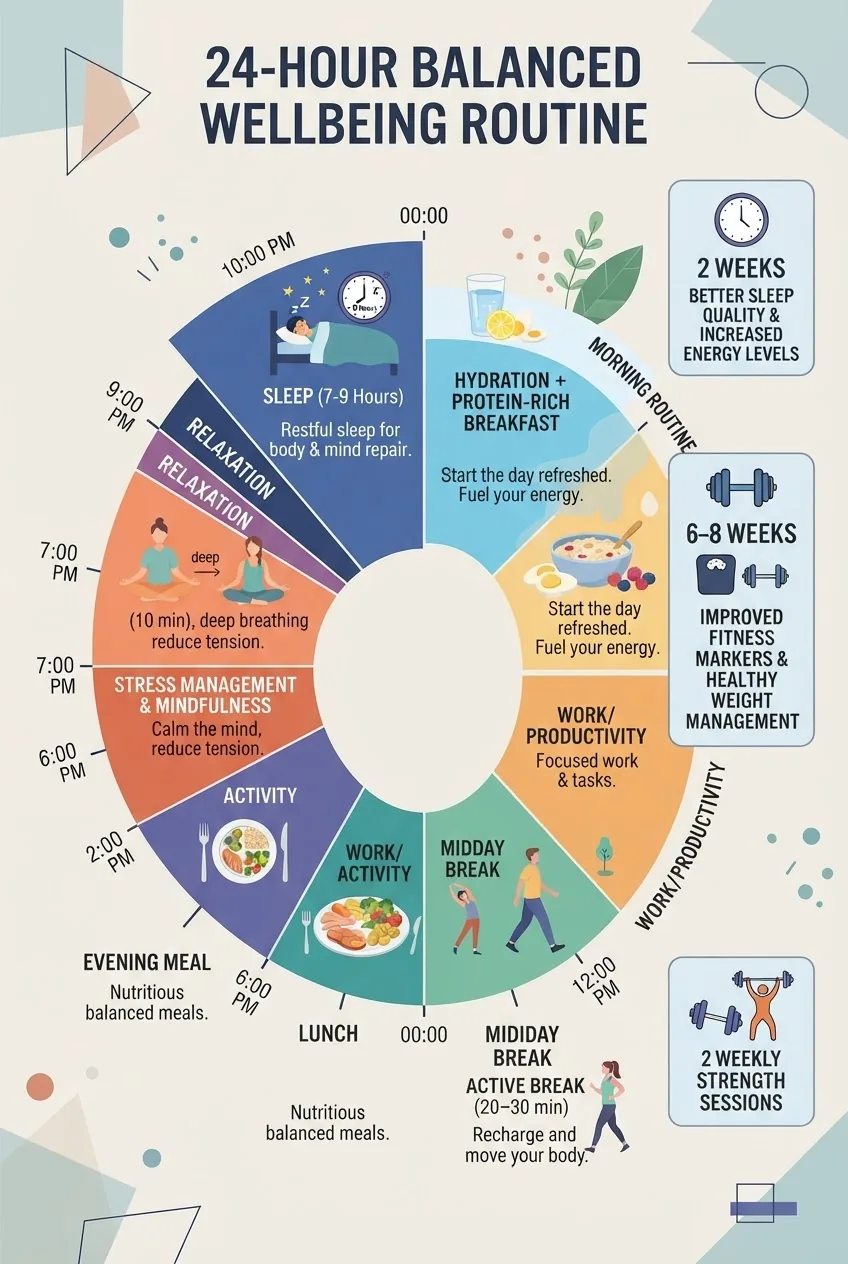
How do specific health ideas map to different life stages and goals?
Answer: Health priorities shift by life stage: young adults focus on building fitness and habit formation, parents add time-management and family nutrition, middle-aged adults emphasize cardiometabolic risk reduction, and older adults prioritize strength, balance and bone health.
Stage-specific priorities and examples:
| Life Stage | Top Health Focus | Practical Ideas |
|---|---|---|
| Young adult (18–35) | Build habits, bone mass, and cardiometabolic baseline | Resistance training, balanced meals, limit binge drinking |
| Parent/caregiver | Time-efficient nutrition and restorative sleep | Batch-cook meals, family activities, scheduled naps |
| Middle-age (35–60) | Chronic disease prevention, weight management | Routine screenings, reduce sodium/sugar, structured exercise |
| Older adults (60+) | Preserve function, bone density, cognitive health | Balance training, protein intake, social engagement |
Adjust targets based on individual circumstances; review medications and nutrient needs with clinicians as needs change with age.
How much will improving overall health cost and how can I do it affordably?
Answer: Costs vary widely; many effective strategies are low-cost (walking, home-cooked meals, community classes) while gym memberships, specialist services, or high-quality supplements add expense — prioritize free or low-cost, evidence-based steps first.
Cost-comparison table of common approaches:
| Approach | Typical Monthly Cost | Value/Recommendation |
|---|---|---|
| Walking/Outdoor activity | $0–$10 (shoes amortized) | High value, minimal cost; ideal starting point |
| Home-cooked whole-food meals | $100–$300 (varies) | Cost-effective and nutritious when planned |
| Gym membership | $10–$80+ | Useful for equipment; free alternatives exist |
| Registered dietitian or coach | $60–$150 per session | High value for complex needs; use group options for cost savings |
| Supplements | $5–$50+ monthly | Targeted use after testing; avoid indiscriminate spending |
Budget strategy: emphasize low-cost high-impact actions (walks, vegetable-forward shopping, sleep hygiene) and invest in professional support when progress stalls or conditions are complex.
How do I tailor overall health plans for common conditions like hypertension, diabetes, or obesity?
Answer: Tailor plans using condition-specific diet and activity patterns: reduce sodium and increase potassium for hypertension, prioritize carbohydrate quality and weight loss for type 2 diabetes, and combine calorie-controlled diet with regular exercise for obesity — coordinate with medical care.
Condition-specific examples and practical steps:
- Hypertension: follow DASH-like patterns — high fruits/vegetables, low sodium (<2,300 mg/day or lower per clinician), maintain healthy weight, limit alcohol.
- Type 2 diabetes: focus on carbohydrate portion control, high-fibre choices, regular activity to improve insulin sensitivity, and frequent blood-glucose monitoring when indicated.
- Obesity: aim for a modest caloric deficit (300–500 kcal/day) combined with resistance training to preserve lean mass and behaviours that support adherence.
Work with clinicians to set individualized targets and medication adjustments; lifestyle changes can reduce medication needs but should not be stopped without medical guidance.
How can I use technology and tracking to improve my health without getting overwhelmed?
Answer: Use one or two simple tools (fitness tracker for steps/heart rate, a food log app for short-term tracking, or a sleep tracker) and set clear, limited metrics to monitor progress; avoid constant micro-anxiety by reviewing weekly trends, not hourly data.
Practical tech approach:
- Choose primary metric (steps, minutes of activity, or sleep hours).
- Use a food log for 2–6 weeks to learn portions, then shift to plate-based rules for maintenance.
- Automate reminders for hydration, activity breaks, or bedtime routines using calendar alerts.
- Review aggregated weekly reports and adjust goals incrementally.
Tech tips: disable disruptive notifications, pair digital tracking with human accountability (friend, coach), and prioritize privacy—review app permissions and data policies.
What immediate steps can I take this week to start improving my overall health?
Answer: This week, implement four concrete actions: add one vegetable to every meal, walk 20 minutes daily, set a consistent bedtime two hours from now, and schedule one preventive care or lab test appointment.
Simple 7-day starter plan:
- Day 1 — Pantry reset: remove sugary drinks, buy frozen vegetables and a lean protein.
- Day 2 — Meal prep: cook two portions of a balanced meal for next-day lunches.
- Day 3 — Activity baseline: 20-minute brisk walk and three 1-minute standing breaks every work hour.
- Day 4 — Sleep priority: set a consistent bedtime and remove screens 60 minutes before.
- Day 5 — Stress check: practice 5 minutes of guided breathing twice a day.
- Day 6 — Social health: schedule a 30-minute walk with a friend.
- Day 7 — Review: track what worked, remove one obstacle, and set next-week micro-goals.
These interventions are low-cost and evidence-based; combine them with the long-term frameworks above for sustained benefit.
How to improve your health specifically in Texas — any local considerations?
Answer: In Texas, leverage year-round outdoor activity with heat-aware planning (morning/evening exercise), prioritize hydration, choose regionally available produce, and use community resources like parks and farmer’s markets to support affordable, active living.
Texas-specific tips:
- Summer heat: exercise early morning or after sunset, use light clothing and electrolyte-aware hydration for long sessions.
- Local produce: use seasonal vegetables (okra, tomatoes, squash) and regional markets for variety and value.
- Community resources: many Texas cities offer free parks, trails, and community health programs—check county health departments.
Address local health trends by getting regular blood pressure and diabetes screening — both conditions are prevalent in parts of Texas — and use preventive services covered by insurance when available.
Where can I find reliable information and professional support to improve my overall health?
Answer: Rely on registered dietitians, licensed clinicians, peer-reviewed guidelines, and reputable public health sites; local primary care providers and registered dietitians provide tailored plans and testing to guide safe progress.
Trusted resource types (examples):
- Registered dietitian consultations for individualized nutrition plans.
- Primary care clinicians for screenings, medication management and referrals.
- Peer-reviewed guidelines from professional organizations for condition-specific recommendations.
- Community health centers and local public health departments for affordable services and screenings.
To deepen nutrition knowledge, review our pillar page on complete meals at /nutrition-tips/nutritionally-complete-meal-guide-with-balanced-diet-advice/ and practical eating tips at /nutrition-tips/10-ways-to-eat-better-guide-with-essential-diet-tips/.
Frequently Asked Questions
How can I improve my health if I have only 20 minutes a day?
Short, regular actions help: do a 20-minute high-effort interval or brisk walk plus two 5-minute mobility or breathing breaks; prioritize protein and vegetables at meals and keep a consistent sleep schedule — cumulative small changes produce measurable benefits within weeks.
What are the fastest ways to feel healthier in two weeks?
In two weeks, prioritize consistent sleep (7–9 hours), daily movement (20–30 minutes), a vegetable-rich diet with regular protein, and reduced added sugars and alcohol; expect improved energy, mood, digestion and sleep quality within this timeframe.
How do I choose between a diet plan and gradual habit change?
Choose gradual habit change for sustainable results; diet plans can provide structure short-term but long-term success relies on small, repeatable behaviours, environmental supports, and skills like meal planning and label reading to maintain outcomes.
Can supplements replace healthy food for improving overall health?
No; supplements can correct specific deficiencies but cannot replicate the complex nutrients, fibre and bioactive compounds in whole foods; use supplements only when indicated by testing or clinician recommendation.
How long until I see measurable health improvements?
Some improvements (sleep, energy, mood) often appear in days to two weeks; measurable cardiometabolic changes (weight, blood pressure, cholesterol) commonly require 6–12 weeks of consistent lifestyle change and monitoring.
What should I do if progress stalls or I feel worse after changes?
Review adherence, reduce intensity, check for nutrient deficiencies, medication interactions, sleep issues or mental health factors; consult a clinician to rule out underlying conditions and to adjust the plan safely.
How can I make healthy eating affordable and convenient?
Buy frozen vegetables and legumes, plan simple recipes, batch-cook, use whole grains and seasonal produce, and prioritize versatile proteins; these strategies lower cost and save time while improving diet quality.