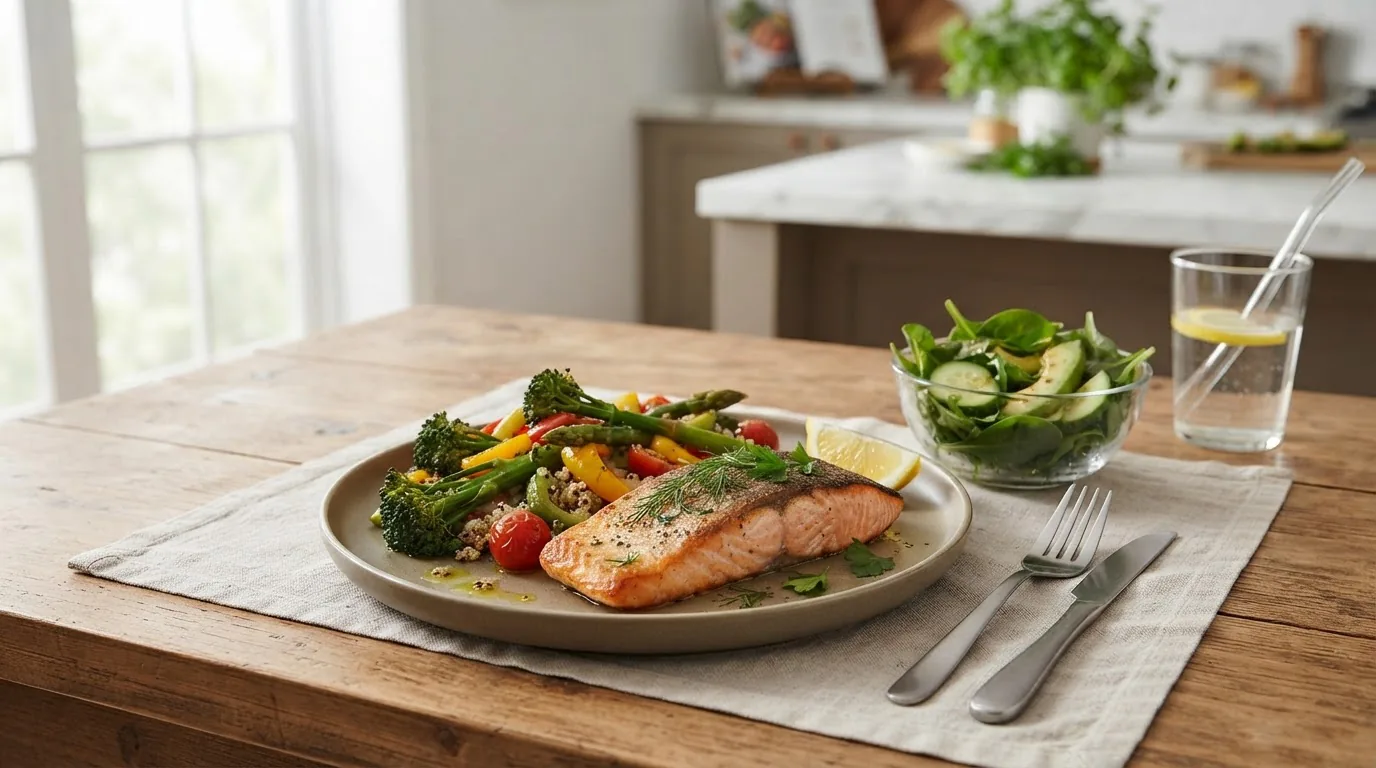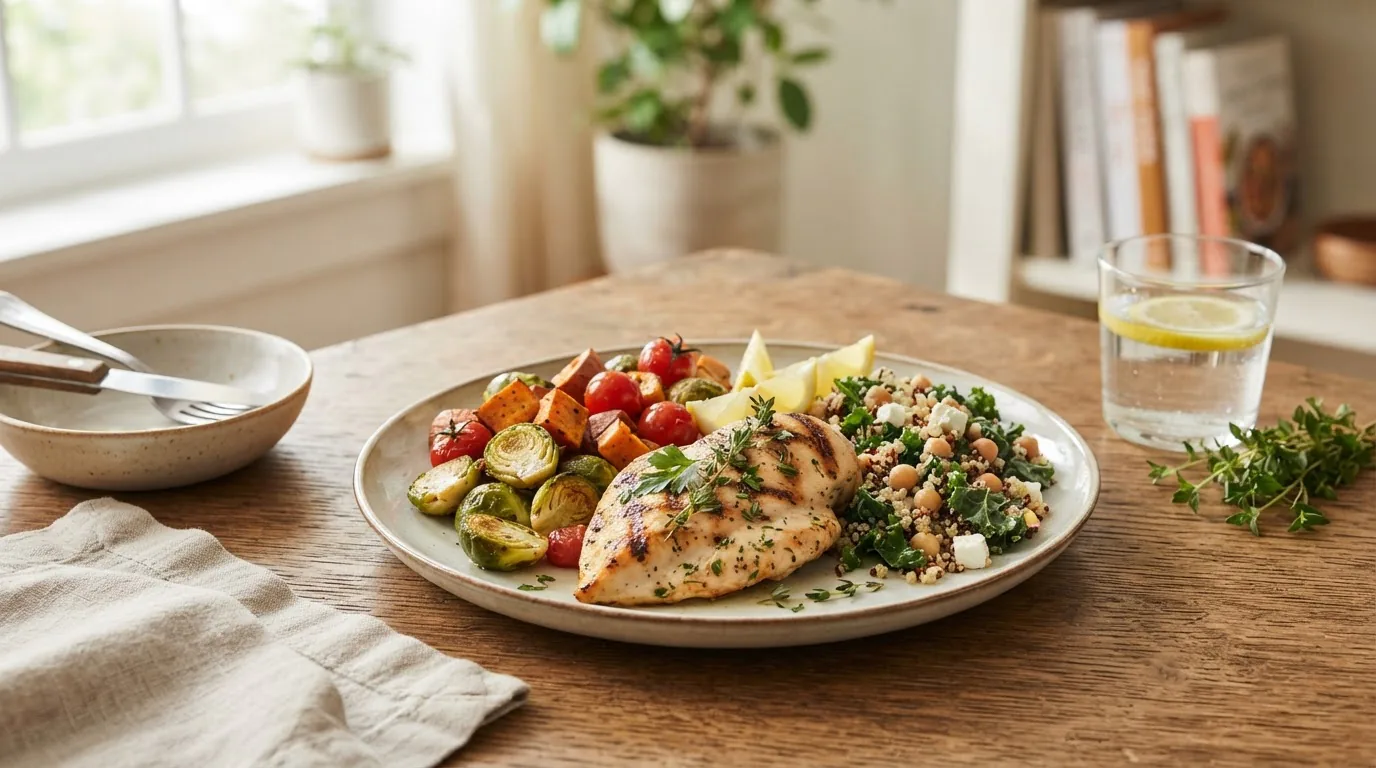
Healthy American dishes can be flavorful, culturally familiar, and easy to make more nutritious without losing the comfort that makes them popular. This guide reimagines classic American food with practical swaps, balanced plate designs, and step-by-step techniques so you can cook wholesome meals at home that support energy, heart health, and overall nutrition.
Introduction to Healthy American Dishes
American cuisine is a broad, evolving collection of regional traditions, immigrant influences, and comfort-food classics. When we talk about healthy American food, we mean recipes that keep the flavor and cultural identity of classics—like chili, burgers, meatloaf, and casseroles—while lowering excess saturated fat, sodium, and refined carbs and boosting fiber, lean protein, and produce.
This guide connects nutrition benefits and healthy eating habits with practical culinary culture: how to adopt cooking methods and ingredient choices so family favorites remain familiar but more nutrient-dense. Readers will learn to prioritize macronutrients (protein, carbohydrates, fats) and dietary fiber, use portion control intelligently, and select seasonal and local produce to increase freshness and micronutrient intake.
For a broader catalog of tested recipes, nutrition facts, and general tips across cuisines and meal types, see Yummiest Healthy Recipes Guide with Nutrition Facts and Tips.
Transition: With the foundation set, the next section outlines the core culinary and nutrition principles that make American dishes healthier while keeping them delicious.
Key Principles of Healthy American Cooking
Healthy cooking is a mix of technique, ingredient choices, and portion strategy. Below are the key principles to evaluate and improve any classic American dish.
- Balance macronutrients: Aim to pair lean protein with whole grains and vegetables in every meal to stabilize blood sugar and support satiety. Example target plate: ~25–35% protein, 40–50% carbohydrates (favoring complex carbs), 20–30% healthy fats.
- Choose cooking methods that preserve nutrients: Prefer baking, grilling, steaming, sautéing with minimal oil, and braising to reduce added fats from frying.
- Increase fiber: Add beans, legumes, whole grains (e.g., quinoa, farro, whole-wheat pasta), and extra vegetables to boost fiber and reduce calorie density.
- Make smart ingredient substitutions: Swap ground beef for lean turkey or extra-lean beef, use Greek yogurt instead of sour cream, and choose whole-grain buns or lettuce wraps for burgers.
- Control portions: Use plate-based portioning—half the plate vegetables, one-quarter lean protein, one-quarter whole grains—to manage calories and ensure balance.
- Reduce sodium strategically: Use herbs, spices, citrus, and vinegars to replace some salt; rinse canned beans and choose low-sodium broths.
- Preserve cultural authenticity: Keep key textures and flavors by using concentrated techniques—roasting to caramelize, broiling for char, smoking for depth—without excess oil or sodium.
- Accommodate allergies and sensitivities: Offer gluten-free, dairy-free, or nut-free swaps that maintain appetite appeal, such as gluten-free breadcrumbs or dairy-free yogurt alternatives.
| Cooking Method | Nutrition Impact | Best Uses |
|---|---|---|
| Baking | Low added fat, retains texture | Meatloaf, casseroles, baked fish |
| Grilling/Broiling | Fat drains away, charred flavor | Burgers, chicken, vegetables |
| Steaming | Preserves vitamins, no added fat | Vegetables, fish |
| Sautéing (low oil) | Quick cooking with controlled oil | Stir-fries, quick sautés, breakfast hash |
| Frying | High in added fat and calories | Use sparingly for occasional treats |
Practical ingredient swaps summarize trade-offs: a lean protein reduces saturated fat; whole grains and legumes increase fiber but may change texture; low-fat dairy cuts calories but may alter mouthfeel—solvable by spices and acid (lemon, vinegar) to brighten flavor. The next section applies these principles to classic dishes.
Popular Classic Healthy American Dishes and How to Make Them Nutritious
-
1. Lean Turkey Burger with Whole-Grain Bun and Avocado Smash
Summary: Replace a traditional beef burger with a 90–93% lean turkey patty seasoned with garlic, smoked paprika, and Worcestershire. Grill or broil and serve on a toasted whole-grain bun or wrapped in lettuce. Top with sliced tomato, onion, and a quick avocado mash (avocado, lime, cilantro) for healthy fats and fiber.
Nutrition tips: Turkey cuts saturated fat; avocado provides monounsaturated fats and potassium; whole-grain bun adds fiber. For dairy-free or lower-calorie options, skip the bun in favor of a large lettuce leaf.
Cooking technique: Form patties gently; avoid overworking to keep texture. Grill over medium heat until internal temp 165°F (74°C). Rest 3–4 minutes to redistribute juices.
-
2. Veggie-Packed Turkey Meatloaf
Summary: Use lean ground turkey or a 50/50 mix of turkey and lean beef, fold in finely diced carrots, zucchini, onion, and bell pepper, and bind with whole-wheat breadcrumbs and an egg or flax-egg. Top with a reduced-sugar tomato glaze (tomato paste, apple cider vinegar, smoked paprika).
Nutrition tips: Vegetables increase volume and fiber, lowering calories per slice; lean meat reduces saturated fat. For gluten-free diets, substitute almond flour or gluten-free breadcrumbs and mark as an allergy-aware option.
Cooking technique: Bake at 375°F (190°C) for 45–55 minutes depending on loaf size; tent with foil if browning too quickly.
-
3. Low-Fat, High-Fiber Bean and Turkey Chili
Summary: Build flavor with sautéed onions, garlic, jalapeño, and tomatoes. Use lean ground turkey or extra beans with mushroom crumbles for umami. Add mixed beans (kidney, black, pinto) for fiber, and reduce added salt by using low-sodium broth and chili powder blends.
Nutrition tips: Beans boost protein and soluble fiber, which supports heart health and fullness. For calorie-conscious versions, increase vegetable volume and reduce meat proportion.
Cooking technique: Simmer low and slow for at least 30 minutes to develop depth; finish with a squeeze of lime and chopped cilantro to brighten flavor.
-
4. Baked Fish Tacos with Cabbage Slaw and Yogurt Lime Sauce
Summary: Use firm white fish (cod, tilapia) or salmon for more omega-3s. Season with cumin, chili powder, and lime; bake or grill. Serve on small corn tortillas with a crunchy cabbage–carrot slaw dressed in a light Greek yogurt lime sauce to add protein and tang.
Nutrition tips: Fish offers lean protein and omega-3 fatty acids; Greek yogurt increases calcium and protein while cutting down on mayo-based sauces. For dairy-free, use a dairy-free yogurt alternative.
Cooking technique: Pat fish dry, season, and bake at 425°F (218°C) for 8–12 minutes depending on thickness; internal temp 145°F (63°C).
-
5. Whole-Grain Mac and Cheese with Roasted Cauliflower
Summary: Use whole-wheat or chickpea pasta, swap half the cheddar for reduced-fat cheddar or sharp flavor from aged cheese (so less is needed), and blend steamed cauliflower into the cheese sauce for creaminess and volume.
Nutrition tips: Whole-grain pasta raises fiber; cauliflower adds vitamins and lowers caloric density. Consider adding a breadcrumb topping made from whole-grain crumbs for texture and bake briefly for a gratin finish.
Cooking technique: Steam cauliflower until very tender, blend with low-fat milk and a touch of mustard to mimic creaminess; fold into cooked pasta and bake 15 minutes at 375°F (190°C).
-
6. Sheet-Pan Roasted Chicken with Seasonal Vegetables
Summary: Roast bone-in, skin-on chicken pieces at high heat to crisp skin, then remove skin after roasting (if desired) to preserve flavor but reduce fat. Surround with seasonal vegetables tossed in a small amount of olive oil, herbs, and lemon.
Nutrition tips: Balances lean protein and fiber-rich vegetables in one pan. Removing skin reduces saturated fat but retains roasting flavor. Use skin-on for occasional indulgence to maximize taste and family acceptance.
Cooking technique: Roast at 425°F (218°C) for 35–45 minutes until chicken reaches 165°F (74°C), stirring vegetables halfway through.
-
7. BBQ Pulled Pork Lettuce Bowls with Vinegar Slaw
Summary: Slow-cook pork shoulder with a tang-forward, reduced-sugar sauce; shred and serve in butter lettuce cups with a vinegar-based coleslaw to cut richness. Use smaller portions of pork paired with lots of slaw and beans for extra fiber.
Nutrition tips: Vinegar slaw reduces calorie density; portioning in lettuce cups lowers refined-carb intake. For leaner alternative, use shredded chicken breast or jackfruit for a vegetarian adaptation.
Cooking technique: Cook low and slow (225–250°F / 107–121°C) until meat pulls apart; drain excess fat before shredding.
-
8. Hearty Mixed Bean Cassoulet with Whole Grains
Summary: Rework the classic cassoulet by trimming fattier meats, using lean turkey sausages or chicken, and increasing white and dark beans. Serve over farro or barley for chewy texture and fiber and finish with roasted cherry tomatoes and herbs.
Nutrition tips: Beans and whole grains boost dietary fiber and lower the glycemic impact compared to refined starches; lean protein maintains satisfaction. For gluten-free needs, substitute quinoa.
Cooking technique: Brown meats briefly for flavor, then simmer with aromatics and beans until thick and cohesive; finish in the oven for 10–15 minutes if desired.
-
9. Lightened-Up Classic Cobb Salad
Summary: Reconstruct the Cobb by focusing on grilled chicken breast, mixed greens, avocado, cherry tomatoes, hard-boiled egg, and small crumbles of reduced-fat blue cheese. Dress lightly with a lemon-mustard vinaigrette rather than heavy creamy dressings.
Nutrition tips: Maximizes vegetables, protein, and healthy fats; limits saturated fat by reducing cheese and heavy dressings. Make it a main dish by including a whole-grain side like a small quinoa salad.
Cooking technique: Cook chicken on an indoor grill or stovetop to gain char without added fat; assemble components cold to preserve freshness.
-
10. Oven-Baked Sweet Potato Fries and Turkey Sliders
Summary: Swap deep-fried French fries for oven-baked sweet potato wedges tossed in a small amount of olive oil, smoked paprika, and a pinch of salt. Pair with turkey sliders on whole-grain mini buns with pickles and a light mustard spread.
Nutrition tips: Sweet potatoes add beta-carotene and fiber; turkey sliders reduce saturated fat while preserving the burger experience. Baking instead of frying significantly reduces added fat and calories.
Cooking technique: Bake fries at 425°F (218°C) on a single layer until crisp, about 20–30 minutes, flipping once.
Transition: Those recipe concepts can be adapted into real week plans for breakfast, lunch, and dinner—next we provide concrete healthy American meal ideas by meal type for balanced daily eating.
Healthy American Meal Ideas for Breakfast, Lunch, and Dinner
Breakfast: nutrient-dense starts
Breakfasts set metabolic tone and energy. Aim for 15–25 g protein, some fiber, and moderate healthy fats to keep you full until lunch.
-
Greek Yogurt Parfait with Oats, Berries, and Walnut Crumble
Details: Layer plain Greek yogurt with a tablespoon of rolled oats, mixed berries, and a small walnut crumble. Sweeten with a drizzle of honey or maple to taste. High protein, probiotics, fiber, and omega-3 precursors.
-
Veggie Egg Scramble with Whole-Wheat Toast
Details: Whisk eggs or egg whites with spinach, diced tomato, and mushrooms. Cook in a nonstick pan with a teaspoon of olive oil. Serve with one slice whole-wheat toast and a fruit side. Balanced protein and fiber-rich carbs.
-
Cottage Cheese and Fruit Bowl with Chia
Details: Low-fat cottage cheese topped with pineapple or melon, sprinkle chia seeds and cinnamon for fiber and omega-3s. A quick, high-protein breakfast for busy mornings.
-
Overnight Oats with Peanut Butter and Banana
Details: Combine rolled oats, low-fat milk or plant milk, a tablespoon of peanut butter, and banana slices; chill overnight. Portable, high-fiber, moderate-protein breakfast that pairs well with coffee.
Lunch: office-friendly, satisfying meals
Lunches should prioritize lean protein and vegetables to maintain afternoon productivity.
-
Grilled Chicken Grain Bowl with Farro and Roasted Veggies
Details: Assemble a bowl with cooked farro, grilled chicken breast, roasted Brussels sprouts and sweet potato, and a lemon-tahini dressing.
-
Turkey and Avocado Wrap with Mixed Greens
Details: Use a whole-grain wrap, lean turkey slices, mashed avocado, spinach, and shredded carrot. Pack with fresh fruit on the side for a balanced midday meal.
-
Lentil and Roasted Vegetable Salad with Feta
Details: Toss cooked lentils with roasted zucchini, bell peppers, red onion, olives, and a small amount of feta. High fiber, plant protein, and satisfying texture.
-
Tuna Salad over Greens with Whole-Grain Crackers
Details: Use tuna packed in water, mix with Greek yogurt and mustard, serve over mixed greens. Add a side of whole-grain crackers for crunch.
Dinner: wholesome family-friendly plates
Dinner often balances family preferences and time constraints—these ideas are flexible for batch cooking and family appeal.
-
Sheet-Pan Salmon with Asparagus and Quinoa
Details: Roast salmon fillets and asparagus together on a sheet pan; serve with quick-cooked quinoa tossed with lemon zest. Omega-3s, fiber, and lean protein come together in one plate.
-
Turkey Chili over Brown Rice with a Side Salad
Details: Make a big pot of turkey and bean chili; serve over brown rice and top with scallions. Great for batch cooking and leftovers.
-
Grilled Portobello Burgers with Sweet Potato Mash
Details: For a lighter take on burgers, marinate and grill portobello caps, serve on whole-grain buns with tomato and arugula; pair with mashed sweet potato.
-
Stir-Fried Chicken and Broccoli with Cauliflower Rice
Details: Quick sauté of chicken breast, garlic, ginger, and broccoli; finish with low-sodium soy or tamari. Serve on cauliflower rice for lower-carb dinners.
Transition: Meal ideas are most effective when organized into plans—next, practical planning and preparation tips help you execute nutritious American meals at home consistently.
Tips for Planning and Preparing Healthy American Meals at Home
Good planning reduces cost, waste, and weekday decision fatigue. Use these how-to steps and a checklist to make healthy American meals a routine.
-
Start with a Weekly Meal Plan
Decide 3–4 dinners, 3 lunches (leftovers count), and breakfasts. Allocate one batch-cooking day for grains, roasted vegetables, and proteins to repurpose across meals.
-
Create a Smart Grocery List
Group items by store section; prioritize seasonal produce and frozen vegetables for convenience and nutrition. Choose low-sodium canned beans and broths for faster cooking.
-
Batch Cook Staples
Cook a pot of brown rice, quinoa, or farro; roast a tray of mixed vegetables; and prepare two lean proteins to mix and match across bowls, wraps, and salads throughout the week.
-
Use Time-Saving Tools
Utilize sheet pans, slow cookers, pressure cookers, and an instant pot to reduce active cooking time. Freeze individual portions for busy weeks.
-
Checklist for a Healthy Grocery Cart
- Lean proteins: chicken breast, turkey, canned tuna, salmon
- Whole grains: brown rice, quinoa, whole-wheat pasta
- Legumes: canned or dried beans, lentils
- Fresh produce: seasonal vegetables and fruits
- Dairy or alternatives: low-fat Greek yogurt, fortified plant milk
- Pantry: low-sodium broth, whole-grain breadcrumbs, olive oil, herbs, spices
-
Accommodate Allergies and Preferences
Label meals in your fridge with allergen notes and reheating instructions. Keep GF alternatives like gluten-free bread and dairy-free yogurts on hand to swap seamlessly into recipes.
-
Weekly Prep Routine (Checklist Style)
- Sunday: Roast vegetables, cook grains, portion proteins.
- Monday: Use prepped items for bowls and wraps.
- Wednesday: Replenish fresh salads and reheat batch-cooked chili or casserole.
- Friday: Plan a simple sheet-pan or grill meal to end the week with minimal cleanup.
Transition: Regularly eating healthier American meals produces measurable nutritional benefits—let’s examine the major health outcomes supported by nutrition science and public guidelines.
Nutritional Benefits of Eating Healthy American Food Regularly
Adopting healthier American meals can support weight management, heart health, energy levels, and improved micronutrient intake. The evidence base includes public dietary guidance and peer-reviewed research that links dietary patterns to chronic disease risk.
Weight management: Meals that combine lean protein, fiber-rich vegetables and whole grains help reduce caloric density and increase satiety. According to a 2024 industry report, diets higher in fiber and lean protein are associated with improved weight outcomes in short-term interventions (source type: industry report).
Heart health: Replacing saturated fats with monounsaturated and polyunsaturated fats, increasing fiber, and lowering sodium are proven strategies to reduce cardiovascular risk. For official guidelines, consult the USDA for balanced eating patterns and the American Heart Association for cardiovascular-focused recommendations. According to a 2025 USDA report, emphasizing vegetables, whole grains, and lean proteins aligns with improved heart-health markers (source type: government report).
Blood pressure and sodium: Dietary patterns similar to DASH have demonstrated blood-pressure-lowering effects. For a practical DASH-style resource tailored to meals, see heart-healthy diet plans and consult peer-reviewed evidence summarized by institutions such as the National Institutes of Health.
Fiber and gut health: Increasing soluble and insoluble fiber through whole grains, legumes, fruits, and vegetables supports regularity and a favorable gut microbiome. A 2021 peer-reviewed meta-analysis reported lower incidence of type 2 diabetes and colorectal disease in higher-fiber cohorts (source type: peer-reviewed study).
Micronutrients and immunity: Seasonal and local produce can boost intake of vitamins A, C, and potassium. Using a variety of colorful vegetables across meals increases the range of phytochemicals and nutrients, contributing to sustained energy and immune resilience. According to a 2023 clinical study, dietary diversity of fruits and vegetables correlates with improved micronutrient status in adults (source type: clinical study).
Stat block / nutritional insights (typical per-serving examples):
| Example Dish | Calories | Protein (g) | Fiber (g) | Saturated Fat (g) |
|---|---|---|---|---|
| Turkey burger, whole-grain bun, salad | ~450 kcal | 30 g | 6 g | 3–4 g |
| Bean chili with brown rice | ~500 kcal | 25 g | 12 g | 2–3 g |
| Baked salmon, quinoa, roasted veg | ~550 kcal | 35 g | 8 g | 2–3 g |
Caveats: Individual needs vary by age, activity level, medication, and health conditions. According to a 2024 clinical guideline summary, people with specific chronic diseases should consult a registered dietitian or clinician before making major diet changes (source type: clinical guideline summary).
Transition: While the benefits are compelling, adopting healthier American meals can be challenging—read on for common obstacles and pragmatic solutions.
Common Challenges and Solutions When Adopting Healthy American Meals
Below are common barriers and practical, tested fixes to help sustain a healthier approach to American dishes.
- Challenge: Limited cooking skills — Solution: Start with simple, forgiving recipes (sheet-pan meals, slow-cooker chili) and build basic knife and seasoning skills over time. Use clear step-by-step techniques and short practice sessions—master roasting and sautéing first.
- Challenge: Time constraints — Solution: Batch cook staples on weekends, use pre-chopped frozen vegetables, and choose one-pot recipes. Invest in a pressure cooker or use quick-cook grains like bulgur and white quinoa for busy nights.
- Challenge: Picky eaters or family resistance — Solution: Make incremental swaps: start by replacing half the ground beef with turkey in meatloaf, or serve veggies on the side with a favorite dip. Maintain familiar flavors (umami, smokiness) to ease adoption.
- Challenge: Budget concerns — Solution: Use beans, canned tuna, eggs, and seasonal produce as affordable protein and vegetable sources. For more budget hacks, see budget-friendly healthy foods.
- Challenge: Flavor trade-offs when reducing fat or salt — Solution: Compensate with acid (vinegar, citrus), herbs, spices, and textural contrasts (toasted seeds, roasted vegetables). Use small amounts of high-flavor ingredients like smoked paprika or aged cheeses to maintain satisfaction.
Transition: With barriers addressed, you can begin experimenting confidently—this conclusion reinforces key takeaways and encourages ongoing recipe exploration.
Conclusion and Encouragement for Healthy American Cooking
Reimagining classic American dishes into healthier versions is practical and rewarding. By applying core principles—balanced macronutrients, fiber-first choices, smart cooking methods, and portion control—you keep the familiar flavors while improving nutrition. Start with one recipe swap per week, involve family in meal prep, and use seasonal produce to keep meals fresh and affordable. Try a turkey burger or bean chili this week and observe how small changes compound into better energy, heart-health markers, and culinary confidence.
Ready to explore more recipes and tools? Visit the full recipe collection and continue experimenting—your next favorite healthy American dish is one tweak away.
Frequently Asked Questions
What are some examples of healthy American dishes?
Examples include lean turkey burgers on whole-grain buns, bean and vegetable chili, baked fish tacos with cabbage slaw, sheet-pan roasted chicken with seasonal vegetables, and whole-grain mac and cheese made with blended cauliflower for creaminess.
How do healthy American dishes compare to traditional recipes in terms of calories?
Healthier versions typically reduce calories by 15–40% per serving through leaner proteins, less added fat, whole-grain swaps, and increased vegetables; exact differences vary by recipe and portion sizes but are measurable with mindful ingredient swaps.
Are healthy American meals suitable for weight loss?
Yes—when meals prioritize lean protein, fiber-rich vegetables, and controlled portions, they create a sustainable calorie deficit and improved satiety, supporting weight loss when combined with overall energy balance and activity.
How can I make classic American dishes healthier at home?
Make simple swaps: choose lean proteins, use whole grains, add vegetables and legumes, reduce added sugar and salt, prefer baking or grilling over frying, and use herbs and acids to boost flavor instead of fat and sodium.
How long does it take to prepare healthy American meals?
Preparation varies: simple breakfasts and lunches can take 5–20 minutes; most healthy dinners take 20–45 minutes active time or less with batch-prep. Batch-cooking on one day can reduce weekday prep to 10–15 minutes per meal.
What should I do if my family resists healthier American food options?
Introduce changes gradually, keep familiar flavors, involve family in cooking, and offer choice (e.g., build-your-own bowls). Small, incremental swaps maintain acceptance while improving nutrition over time.
How can I ensure the quality and safety of ingredients in healthy American dishes?
Buy seasonal produce, check expiration dates, store proteins at safe temperatures, rinse canned beans, choose low-sodium canned goods, and follow safe cooking temperatures (e.g., 165°F/74°C for poultry) to ensure safety and quality.
What are the best cooking methods to keep American meals nutritious?
Prefer baking, grilling, broiling, steaming, and low-oil sautéing. These methods reduce added fats and preserve nutrients compared with deep-frying, while delivering texture and flavor when paired with herbs and spices.