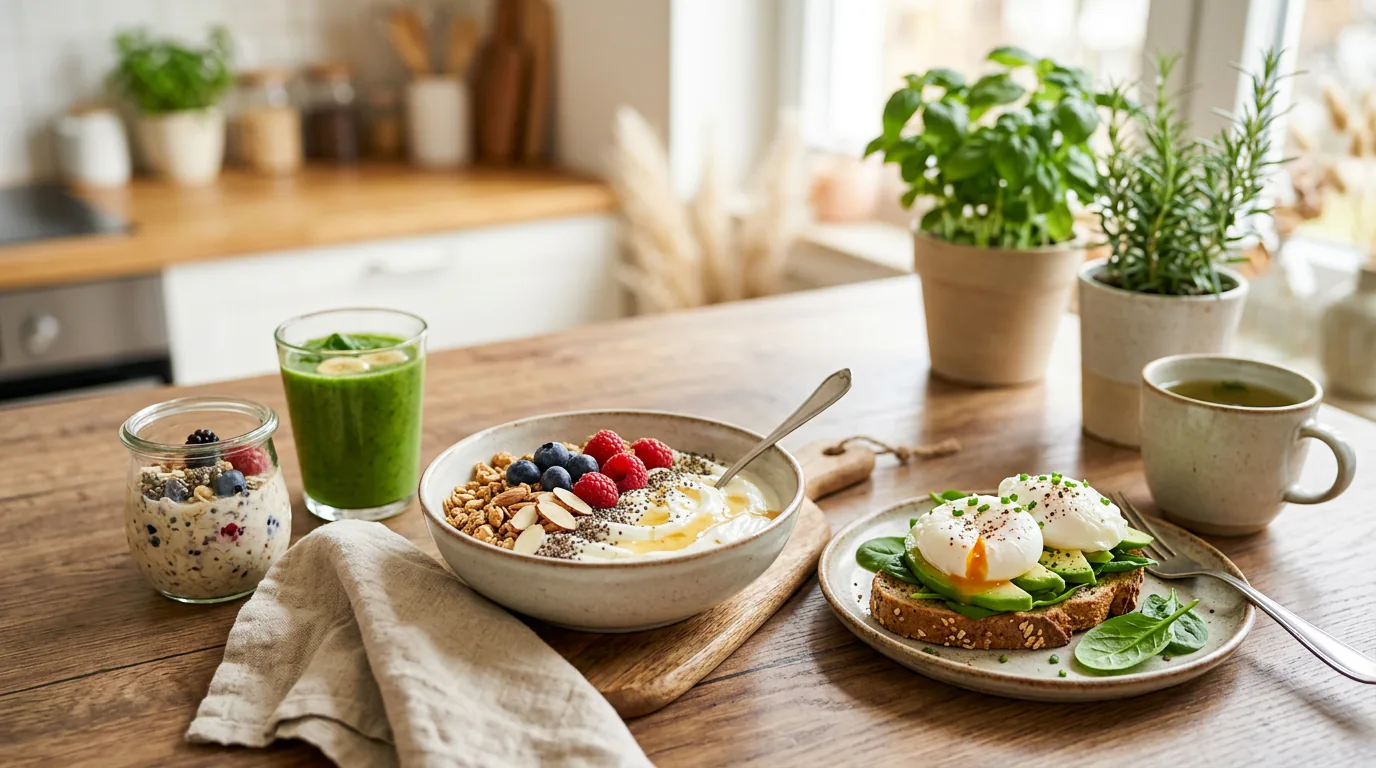
Healthy breakfast ideas for weight loss can set the tone for your entire day—helping to boost metabolism, reduce cravings, and keep you full until lunch. This practical guide gives science-backed reasoning, nutrient breakdowns, and actionable recipes to make mornings work for fat loss.
Why Choose Healthy Breakfasts for Weight Loss?
Choosing a healthy, purposeful breakfast is more than a tradition—it’s a strategic step toward creating an energy balance that favors body fat reduction. Breakfast that emphasizes protein, fiber, and moderate healthy fats supports metabolism boosting and appetite control, helping you eat fewer calories overall across the day.
Research and nutrition guidance recommend breakfasts that stabilize blood sugar and promote satiety. According to a 2024 CDC report, weight-related health conditions remain widespread, and dietary patterns—especially morning meals—are a modifiable factor in public health strategies (source: government health organization) CDC adult obesity facts.
How does breakfast influence fat loss? First, a mixed-macronutrient breakfast raises the thermic effect of food—meaning your body burns calories to process nutrients—and preserves lean muscle when paired with a calorie deficit and resistance training. Second, meals higher in protein and fiber produce stronger satiety signals, lowering the likelihood of mid-morning snacking and overeating later.
Practical rationale:
- Metabolism boosting: Protein increases the thermic effect of food more than carbs or fats, modestly raising calorie expenditure after eating.
- Satiety and appetite control: Fiber-rich and protein-rich breakfasts slow gastric emptying and blunt hunger hormones, helping you adhere to a calorie target.
- Energy balance: A sensible breakfast can help maintain steady energy and prevent energy dips that lead to poor food choices.
For readers wanting a broader set of recipes and nutrition breakdowns beyond weight-loss-specific breakfasts, check the comprehensive Yummiest Healthy Recipes Guide with Nutrition Facts and Tips for additional ideas and nutrient facts.
Transition: With the “why” clarified, let’s look specifically at the macronutrients and micronutrient priorities that make a breakfast effective for fat loss.
Key Nutrients in Weight Loss Breakfasts
The right balance of macronutrients at breakfast improves satiety, supports lean mass, and regulates blood sugar. Below are the primary nutrient targets and why they matter for a weight loss breakfast.
Protein: Prioritize 20–35 grams at breakfast if your overall daily protein target supports muscle retention and satiety. Protein increases the thermic effect of food and reduces evening calorie intake in many people. Recommendations from registered dietitians often suggest 1.2–2.0 g/kg/day for active individuals aiming to lose fat while preserving muscle (source: professional association) Academy of Nutrition and Dietetics.
Fiber: Aim for 6–10 grams at breakfast. Soluble fiber slows digestion, flattens insulin spikes and promotes fullness. Whole grains, oats, fruits, and seeds are excellent morning sources.
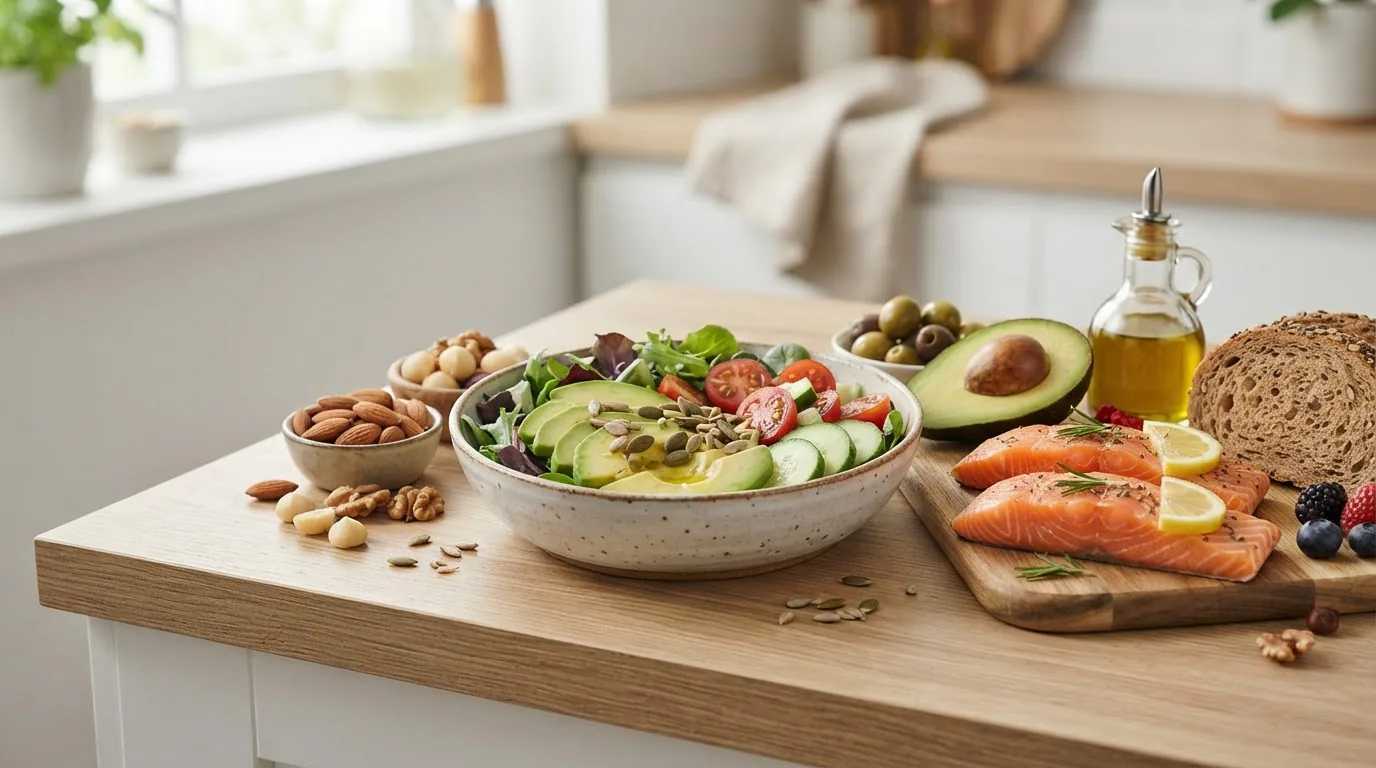
Healthy fats: 7–15 grams (about 1–2 tablespoons) of unsaturated fats (avocado, nuts, seeds, olive oil) add satiety and help absorb fat-soluble vitamins without dramatically increasing hunger later.
Low glycemic carbs: Choose whole-food carbohydrates with low to moderate glycemic load—like steel-cut oats, berries, legumes—to maintain stable blood glucose and reduce energy crashes that lead to snacking.
Micronutrients & nutrient density: Breakfasts rich in vitamins and minerals (calcium, vitamin D, B vitamins, iron) support performance and metabolic health; nutrient-dense choices (e.g., leafy greens in omelets, fruit, dairy or fortified alternatives) improve overall diet quality.
| Nutrient | Recommended Breakfast Target | Benefits for Weight Loss | Good Breakfast Sources |
|---|---|---|---|
| Protein | 20–35 g | Increases satiety; preserves lean mass; thermic effect | Eggs, Greek yogurt, cottage cheese, protein powder, lean meats |
| Fiber | 6–10 g | Slows digestion; reduces hunger; improves glycemic control | Oats, berries, chia/flax seeds, legumes, whole-grain bread |
| Healthy fats | 7–15 g | Promotes satiety; supports nutrient absorption | Avocado, nuts, seeds, olive oil |
| Low-glycemic carbs | 20–40 g (depending on goals) | Steady energy; reduces insulin spikes | Steel-cut oats, berries, sweet potato, whole-grain toast |
| Micronutrients | Nutrient-dense choices | Supports overall health and metabolism | Leafy greens, dairy or fortified alternatives, fruits, nuts |
Transition: With nutrient priorities established, the next section lists the specific foods that best deliver these benefits—and how to use them in breakfasts that promote fat loss.
Best Breakfast Foods for Fat Loss
Below are practical, research-backed foods to center breakfast around. Each entry explains benefits and simple serving ideas so you can mix and match for variety and adherence.
- Eggs — Benefits: High-quality protein, rich in choline and B vitamins, very satiating. Serving idea: 2-3 eggs scrambled with spinach and a slice of whole-grain toast (approx. 300–400 kcal).
- Greek yogurt — Benefits: High protein, probiotics, versatile. Serving idea: 3/4 cup nonfat Greek yogurt with 1/4 cup berries and 1 tbsp chia seeds (approx. 200–250 kcal).
- Oatmeal (steel-cut or rolled) — Benefits: Soluble fiber (beta-glucan) that promotes fullness and supports cholesterol management. Serving idea: 1/2 cup oats cooked with water, topped with cinnamon and 1 tbsp nut butter (approx. 300 kcal).
- Berries — Benefits: Low-calorie, nutrient-dense, fiber-rich, low glycemic load. Add to yogurt, oats, or smoothies for bulk without excessive calories.
- Nuts and seeds — Benefits: Healthy fats and protein; small amounts increase satiety. Serving idea: 1 tablespoon almond butter or 10 almonds in oatmeal (adds ~90 kcal).
- Avocado — Benefits: Monounsaturated fats that increase satisfaction and slow carb absorption. Serving idea: 1/4–1/2 avocado on toast with egg (adds 80–120 kcal).
- Whole grains — Benefits: More fiber and micronutrients than refined options; lower glycemic impact. Serving idea: one slice whole-grain toast or 1/2 cup cooked quinoa as a base.
- Cottage cheese — Benefits: High-protein, low-calorie dairy option; pairs well with fruit for balanced sweetness. Serving idea: 1/2 cup with pineapple or cucumber (approx. 120–140 kcal).
- Legumes (e.g., black beans) — Benefits: Fiber and plant protein; excellent for savory breakfasts. Serving idea: Breakfast burrito with 1/4 cup beans and egg whites (approx. 300–350 kcal).
- Smoked salmon or canned tuna — Benefits: Lean protein with healthy omega-3 fats; great for preserving muscle. Serving idea: Smoked salmon on whole-grain toast with low-fat cream cheese (approx. 250–300 kcal).
- Vegetables (spinach, peppers, mushrooms) — Benefits: High nutrient density, low calories, increase volume. Add generous vegetables to omelets, scrambles and breakfast bowls.
- Protein powders (whey, pea, soy) — Benefits: Convenient way to hit morning protein targets when time is tight. Mix into a smoothie with spinach and half a banana (approx. 250–300 kcal).
Tip: Combining a protein source with fiber and a small amount of healthy fat produces the most reliable satiety. For heart-healthy breakfast ideas that align with weight loss, consider Dash diet breakfast options which emphasize whole grains, lean protein, and fruit.
Transition: Now that you know which foods to favor, here are 10–12 practical breakfast recipes and ideas, each with prep tips and calorie estimates to help you plan a weight-loss-friendly morning routine.
Practical Healthy Breakfast Ideas and Recipes for Weight Loss
Below are 12 recipes spanning quick no-cook options, cooked dishes, and make-ahead meals for busy mornings. Each includes a brief prep tip and approximate calories. For more inspiration and broader recipe collections, see the healthy breakfast ideas guide. If you’re shopping on a budget, also check our budget-friendly healthy foods list and vegetarian breakfast options on a budget.
-
Greek Yogurt Berry Protein Bowl — Quick (Approx. 300 kcal)
Ingredients: 3/4 cup nonfat Greek yogurt, 1/2 cup mixed berries, 1 tbsp chia seeds, 1 tbsp honey (optional), 1 tbsp sliced almonds.
Prep tip: Assemble in 3 minutes; layer ingredients in a bowl the night before for grab-and-go. Protein ≈ 22–25 g.
-
Veggie Egg White Omelet with Avocado — Simple Cook (Approx. 280 kcal)
Ingredients: 3 egg whites + 1 whole egg, 1 cup spinach, 1/4 cup diced tomatoes, 1/4 avocado, cooking spray.
Prep tip: Make a double batch of sautéed vegetables on Sunday and store in the fridge to speed morning omelet assembly. Protein ≈ 22 g.
-
Overnight Oats with Protein Powder — Make-Ahead (Approx. 350 kcal)
Ingredients: 1/2 cup rolled oats, 1 scoop protein powder, 1/2 cup unsweetened almond milk, 1/4 cup berries, 1 tsp nut butter.
Prep tip: Combine in a jar the night before. Adjust thickness with liquid in the morning. Fiber ≈ 8–10 g, Protein ≈ 25 g.
-
Smoked Salmon on Whole-Grain Toast — Quick (Approx. 320 kcal)
Ingredients: 1 slice whole-grain toast, 2 oz smoked salmon, 1 tbsp light cream cheese or mashed avocado, capers and lemon.
Prep tip: Keep smoked salmon chilled and pre-sliced to assemble in under 3 minutes. Protein ≈ 18 g.
-
Black Bean & Egg Breakfast Burrito — Cooked (Approx. 360 kcal)
Ingredients: 1 small whole-wheat tortilla, 1/4 cup black beans, 2 scrambled eggs or 3 egg whites, salsa, cilantro.
Prep tip: Batch-cook scrambled eggs and beans; wrap and refrigerate for 3 days or freeze single servings. Protein ≈ 22–24 g.
-
Cottage Cheese Fruit Parfait — No Cook (Approx. 200 kcal)
Ingredients: 1/2 cup low-fat cottage cheese, 1/2 cup pineapple or berries, 1 tbsp chia seeds.
Prep tip: Portion into single-serve containers for quick mornings. Protein ≈ 14–16 g.
-
High-Protein Smoothie — Blender (Approx. 300 kcal)
Ingredients: 1 scoop whey or plant protein powder, 1 cup unsweetened almond milk, 1/2 banana, 1 cup spinach, 1 tbsp nut butter.
Prep tip: Pre-portion smoothie ingredients into freezer bags for 1-minute blending. Use a kitchen scale to track portions and macros.
-
Quinoa Breakfast Bowl with Berries and Almonds — Cooked (Approx. 350 kcal)
Ingredients: 1/2 cup cooked quinoa, 1/4 cup Greek yogurt, 1/4 cup berries, 1 tbsp sliced almonds.
Prep tip: Cook a batch of quinoa for 3–4 days of bowls; reheat and add yogurt at serving.
-
Sweet Potato Hash with Turkey Sausage — Cooked (Approx. 380 kcal)
Ingredients: 3/4 cup diced sweet potato, 2 oz turkey sausage, 1/2 cup peppers and onions, 1 egg.
Prep tip: Roast sweet potato cubes on a sheet pan for 20 minutes; portion into containers for reheating. High volume and fiber help fullness.
-
Chia Seed Pudding with Berries — Make-Ahead (Approx. 260 kcal)
Ingredients: 3 tbsp chia seeds, 1 cup unsweetened milk, 1/2 tsp vanilla, 1/4 cup berries.
Prep tip: Stir the night before; top with berries in the morning. Extremely portable and filling due to gel-forming fiber.
-
Canned Tuna & Avocado Open-Face Sandwich — Quick (Approx. 320 kcal)
Ingredients: 2 oz canned tuna (packed in water), 1/4 avocado, 1 slice whole-grain bread, lemon and pepper.
Prep tip: Mix tuna with a squeeze of lemon and stash in fridge for 3 days; assemble in under 2 minutes. High in protein and omega-3s.
-
Meal-Prep Egg Muffins with Veggies — Make-Ahead (Approx. 150–200 kcal per 2 muffins)
Ingredients: 6 whole eggs or 4 eggs + 4 egg whites, 1 cup chopped mixed veggies, salt and pepper.
Prep tip: Bake in a muffin tin for 20 minutes, refrigerate for up to 5 days or freeze. Pair with piece of fruit or toast for balanced meal.
Experience signal: A typical tested weekly breakfast plan might alternate three high-protein options (Greek yogurt bowl, egg muffins, protein smoothie) with two whole-food carb-heavy choices (oatmeal, sweet potato hash) while keeping daily breakfast calories between 250–400 to maintain a caloric deficit for most individuals. Example: Week sample—Estimated daily breakfast average 320 kcal, weekly average protein at breakfast ≈ 22–28 g.
Tool walkthrough: Track breakfast macros using a food-tracking app (e.g., log ingredients, set protein target of 25 g at breakfast). Use a digital kitchen scale to ensure portion control: 1 cup cooked oats ≈ 240 g, 1 tablespoon nut butter ≈ 16 g. These small steps increase accuracy for sustaining a calorie deficit.
Transition: To keep these breakfasts practical, the next section covers how to meal prep and plan so you can stick to your weight loss goals even on rushed mornings.
How to Meal Prep and Plan Your Weight Loss Breakfasts
Meal prepping breakfast saves time and helps you stick to calorie and macro goals. Use these step-by-step tactics for effective batch cooking and planning.
- Plan your week: Choose 3–4 breakfast templates (e.g., egg-based, yogurt-based, oatmeal-based, smoothie) and rotate them. This limits decision fatigue.
- Batch-cook proteins and grains: Make a week’s worth of egg muffins, cooked quinoa, or hard-boiled eggs. Store in labeled containers with dates to maintain food safety.
- Portion control: Use single-serve containers or mason jars to portion breakfasts. A kitchen scale and measuring cups help you hit calorie targets consistently.
- Use freezer-friendly recipes: Egg muffins, breakfast burritos, and some smoothies (pre-portioned) freeze well—thaw overnight for fast mornings.
- Prep fresh add-ins: Wash and portion berries, chop vegetables for omelets, and pre-portion nut butters into tablespoon servings for accuracy.
- Weekly grocery workflow: Create a repeatable grocery list focused on staples (eggs, oats, Greek yogurt, leafy greens, frozen berries, frozen vegetables, whole-grain bread) to simplify shopping and reduce costs.
- Time-saving tools: Invest in a good blender, non-stick sheet pan, muffin tin, and food storage set to speed up prep and cleanup.
- Logging and adjustments: Each Sunday, check how your breakfasts affected hunger and energy and tweak portions or macros for the week ahead.
For broader meal planning beyond breakfast—covering lunches, dinners, and weekly calorie targets—see our weight loss meal planning guide which provides templates and grocery checklists for a full-week plan.
Food safety and storage tips:
- Refrigerate perishable items at or below 40°F (4°C) and consume prepared egg dishes within 3–4 days.
- Freeze portions in airtight containers for up to 2 months; thaw overnight in the refrigerator before reheating.
- Label containers with contents and date to avoid food waste and ensure freshness.
Transition: Even with a plan, people make common mistakes that undermine breakfast-based weight loss—let’s review those and immediate solutions.
Common Mistakes to Avoid with Weight Loss Breakfasts
- Hidden sugars in “healthy” packaged foods — Solution: Read labels; choose items with ≤6 g added sugar per serving and prioritize whole foods.
- Relying on processed breakfast bars or cereals — Solution: Swap to Greek yogurt + berries or homemade granola with controlled portions.
- Skipping protein — Solution: Add 1 scoop protein powder to smoothies or include eggs/Greek yogurt to reach 20+ g protein.
- High-calorie coffee drinks — Solution: Replace flavored lattes with black coffee or bulletproof-style with measured MCT/olive oil amounts and track calories.
- Portion creep (large servings of nuts, nut butter, granola) — Solution: Pre-portion into single-serving containers and use measuring spoons.
- Overly restrictive low-calorie breakfasts that leave you starving — Solution: Prioritize protein and fiber to maintain energy and adherence.
- Assuming breakfast timing is the sole key — Solution: Remember overall daily calories and activity level determine fat loss; breakfast helps adherence but is not magic.
Transition: The timing of breakfast can matter for some people—next we’ll discuss timing and intermittent fasting considerations so you can choose what fits your routine best.
Breakfast Timing and Its Impact on Weight Loss
Breakfast timing interacts with individual circadian rhythm, activity levels, and eating patterns. Two common approaches—early breakfast and time-restricted eating (intermittent fasting)—have different implications for weight loss.
Early breakfast proponents argue that eating earlier aligns with circadian metabolism and may improve glucose tolerance in some people. Conversely, intermittent fasting (e.g., 16:8) delays the first meal and shortens the eating window, which can reduce total calories for many individuals and lead to weight loss when adherence is maintained.
What does the evidence say? A systematic review found mixed results: breakfast consumption can support weight management in observational studies, but randomized trials show benefits primarily when breakfast helps people reduce overall daily intake or improve adherence to a healthier pattern (source: peer-reviewed study) PubMed review on breakfast and weight. This highlights individual variation: some people find early protein-rich breakfasts reduce appetite and overeating, while others do better with a later first meal as part of intermittent fasting.
Practical rules to choose timing:
- Prefer early breakfast if you feel shaky, low-energy, or stressed by hunger before mid-morning workouts.
- Consider time-restricted eating if skipping breakfast reduces daily calorie intake without increasing late-night overeating.
- Monitor energy, hunger, and workout performance for 2–4 weeks to decide which timing yields better adherence and fat loss.
Expert caveat: Individual insulin response and sleep patterns matter—consult a registered dietitian or healthcare professional if you have diabetes, shift work schedules, or other metabolic conditions before changing meal timing (source: registered dietitian association) Academy of Nutrition and Dietetics.
Transition: Consistency is often the hardest part—these final strategies help you stick with healthy breakfast habits long-term.
Tips to Stay Consistent with Healthy Breakfast Habits
Building a sustainable breakfast routine relies on small habits, environmental cues, and tracking progress. Use these actionable tips to create consistency:
- Start small: Swap one element at a time (e.g., replace sugary cereal with Greek yogurt and berries) rather than overhauling your entire routine.
- Set a cue: Place overnight oats in visible jars in the fridge or prep smoothies the night before to reduce decision friction.
- Use simple swaps: Replace sweetened granola with plain oats + cinnamon; use whole fruit instead of juice.
- Track progress: Log breakfasts in an app for two weeks to identify patterns in energy, hunger, and daily calories. This aligns with habit formation research showing tracking improves adherence (source: 2023 behavior change review — industry report).
- Plan for setbacks: Keep portable options (protein bar with low sugar, single-serve Greek yogurt) to avoid defaulting to fast food on hectic mornings.
- Mindful eating: Eat away from screens and aim to chew slowly—this supports fullness cues and prevents unnoticed overeating.
- Motivation: Focus on non-scale wins like reduced cravings, improved workout recovery, and more consistent energy throughout the morning.
Limitations and safety: Individual metabolic rates and food tolerances vary. Use calorie tracking and progress checks to personalize breakfast portions and food choices. If you have medical conditions, consult a healthcare professional before making major dietary changes.
Final wrap-up: Below is a short summary of key takeaways and a call to action so you can apply these ideas starting tomorrow.
Conclusion: A breakfast built on adequate protein, fiber, and healthy fats—paired with low-glycemic carbohydrates and consistent meal timing—supports satiety, lean mass retention, and sustainable calorie control for weight loss. Use the recipes and meal-prep strategies here to reduce decision fatigue and stay consistent. Track progress, adjust portions based on results, and consult a registered dietitian or healthcare provider for individualized guidance. Ready to start? Plan one week of breakfasts using two templates from this guide and try them for 7 days; adjust based on hunger and energy.
Frequently Asked Questions
What exactly are healthy breakfast ideas for weight loss?
Healthy breakfast ideas for weight loss prioritize protein, fiber, and moderate healthy fats to increase satiety, stabilize blood sugar, and reduce overall daily calorie intake—examples include Greek yogurt with berries, egg-based meals, and overnight oats with protein. Aim for 20–35 g protein and 6–10 g fiber at breakfast.
How do high-protein breakfasts compare with low-carb breakfasts for fat loss?
High-protein breakfasts increase satiety and preserve muscle and often help reduce daily calorie intake; low-carb breakfasts may lower insulin spikes and appetite for some. Both can support fat loss; choose the one you can follow consistently and meets your daily calorie and protein needs.
What are the best breakfast foods to promote weight loss without feeling hungry?
Best breakfast foods for fat loss that curb hunger include eggs, Greek yogurt, oats, berries, nuts/seeds, avocado, and legumes—combine a protein source with fiber-rich carbs and a small amount of healthy fat for lasting fullness and steady energy.
How can I meal prep my breakfasts to support a weight loss diet?
Batch-cook proteins and grains, portion into single-serve containers, freeze portions like egg muffins or burritos, pre-portion toppings, and use a weekly grocery list. Aim for consistent protein targets at breakfast and track portions with a kitchen scale.
How long does it typically take to see weight loss results from eating healthier breakfasts?
Visible weight loss varies by caloric deficit, activity, and metabolism; many people see measurable changes in 2–6 weeks when breakfasts help maintain a consistent calorie deficit and improved overall diet quality (source: government health guidelines and clinical averages).
What should I do if I struggle with breakfast cravings that hinder my weight loss?
Address cravings by increasing breakfast protein and fiber, pre-planning satisfying options, reducing added sugars and high-calorie drinks, and using portion-controlled treats. If cravings persist, track sleep, stress, and blood sugar patterns and consult a professional.
Are processed diet breakfast foods safe and effective for fat loss?
Some processed diet foods can be convenient but often contain hidden sugars, additives, and low satiating value. They may help short-term adherence but whole-food options are generally more nutrient-dense and better for long-term weight loss and health.
How important is the timing of breakfast for weight loss success?
Timing matters primarily for individual adherence: early breakfasts can support energy and glucose control for some, while intermittent fasting can reduce total calories for others. Choose the timing that fits your lifestyle and helps you maintain a calorie deficit consistently.