Healthy recipes for weight loss work best inside a consistent meal-planning framework that balances calories, protein, fiber and flavor so you stick with it for months — not days. This guide walks through meal-planning strategies, nutritional principles, easy recipe ideas across meals, grocery and meal-prep tactics, portion control, and how to build a sustainable weekly plan that supports fat loss.
Introduction to Healthy Recipes for Weight Loss
Sustainable weight loss relies less on short-term restriction and more on consistent eating patterns built around satisfying, nutrient-dense meals. When you plan meals around evidence-based principles — controlled calories, adequate protein, fiber-rich produce, and balanced fats — you create a practical path to a calorie deficit without feeling perpetually hungry.
Meal planning converts goals into actions: predefined meals reduce decision fatigue, limit impulsive choices, and help you control portion sizes and macros across the week. Combining practical recipes with a simple planning system means you can enjoy variety, stay within calorie targets, and maintain metabolic health.
Throughout this guide you’ll see actionable tactics, example weekly plans, and easy recipes for breakfast, lunch, dinner and snacks that fit into real life. Where helpful, we reference authoritative guidance so you can trust the approach: for example, mainstream dietary frameworks like USDA MyPlate recommend balancing plate portions across food groups, which aligns with many effective weight-loss recipes.
Transition: Now that you understand why combining recipes with planning helps, let’s examine the concrete benefits of meal planning for weight loss.
Why Meal Planning Matters for Weight Loss
- Consistency and adherence — Planning removes daily guesswork and supports a steady calorie deficit, which improves long-term adherence and results.
- Portion control — Pre-portioning meals reduces overeating and teaches appropriate serving sizes over time.
- Time-saving and stress reduction — Batch cooking and planned grocery lists cut weekday cooking time and decision fatigue.
- Better nutrition quality — Planning encourages whole-food choices and reduces reliance on processed, high-calorie convenience foods.
- Budget and waste reduction — Buying planned ingredients and using them across meals lowers food waste and cost per serving.
Here’s how each benefit plays out in practice:
- Consistency and adherence: Mapping meals for the week makes it easier to track calories and macros. A simple routine — for example, rotating three breakfasts, three lunches, and three dinners — supports variety without excessive shopping.
- Portion control: When you prep and portion meals ahead, you naturally limit oversized servings. Use food scales or measuring cups until visual portioning becomes reliable.
- Time-saving: Dedicate 60–90 minutes on one weekend day to batch-cook proteins, chop vegetables, and pre-portion lunches to avoid unhealthy takeout during busy workdays.
- Nutrition quality: Planning prioritizes fiber and protein-rich recipes, which increase satiety and nutrient density while keeping calories moderate, aligning with government dietary advice such as the Dietary Guidelines for Americans.
- Budget and waste: Buying staples in bulk (lentils, oats, frozen vegetables) and using leftovers smartly helps keep costs down while ensuring meals support your weight-loss plan.
Transition: With the reasons to plan clear, the next section explains the nutritional principles you should use when choosing and adapting recipes for weight loss.
Key Nutritional Principles in Weight Loss Recipes
Effective weight-loss recipes follow a few consistent nutrition rules. Below are principles to use when selecting or modifying recipes so they support fat loss while keeping you nourished and satisfied.
- Calorie control — Weight loss requires a sustained calorie deficit. Rather than extreme restriction, aim for a moderate deficit of about 300–700 kcal/day below maintenance to support steady loss and preserve muscle.
- Protein prioritization — Higher-protein meals preserve lean mass, increase satiety, and raise meal thermogenesis. Aim for 20–35% of daily calories from protein, or roughly 0.6–1.0 g/kg body weight for many adults pursuing fat loss (individual needs vary).
- Balanced carbohydrates — Favor low- to moderate-glycemic, fiber-rich carbs (whole grains, legumes, starchy vegetables) to stabilize blood sugar and hunger.
- Healthy fats — Include sources like olive oil, nuts, seeds, and avocado for essential fatty acids and flavor, keeping fats controlled because they’re calorie-dense.
- Fiber and volume — Vegetables, legumes, and whole grains increase meal volume with fewer calories, boosting fullness and nutrient density.
- Nutrient density — Prioritize micronutrient-rich foods to support metabolism, recovery, and long-term health (leafy greens, colorful vegetables, lean proteins, and fortified grains).
- Nutrient timing and meal frequency — Regular meals with adequate protein can reduce hunger-driven overeating; timing should fit your lifestyle and hunger cues rather than strict rules.
To make these principles tangible, here’s a practical macronutrient comparison table that many people use when designing weight-loss meals. Adjust percentages based on activity level, preferences, and medical guidance.
| Goal | Protein | Carbohydrates | Fats | Notes |
|---|---|---|---|---|
| Moderate weight loss | 25–30% of calories | 40–50% of calories | 20–30% of calories | Balanced; good for active people who rely on carbs for workouts |
| Higher-protein approach | 30–40% of calories | 30–40% of calories | 20–30% of calories | Helps preserve muscle; may increase satiety |
| Lower-carb option | 25–35% of calories | 20–30% of calories | 30–40% of calories | Useful for people who find carbs drive cravings |
Practical implementation tips:
- Weigh or estimate portions until you can eyeball servings accurately.
- Include a protein source at every meal — eggs or Greek yogurt for breakfast; legumes, fish, or lean poultry for lunch and dinner.
- Fill half your plate with vegetables and salad per USDA MyPlate guidance to boost fiber and volume.
- Limit added sugars and refined grains; replace with fruit, whole grains, or starchy veg.
Credibility note: These principles align with current authoritative guidance like USDA MyPlate and the Dietary Guidelines for Americans, and with peer-reviewed nutrition science that emphasizes protein, fiber, and energy balance for sustainable fat loss (peer-reviewed journals such as the Journal of Nutrition often report on these relationships).
Transition: With core nutrition rules set, here are practical, easy recipe ideas categorized by meal that fit those principles and integrate into weekly meal planning.
Easy Healthy Recipes for Weight Loss: Breakfast, Lunch, and Dinner Ideas
This section highlights compact recipe ideas — 3–4 per meal type — with brief descriptions and the nutritional benefits that make them good for weight loss. For full recipes, ingredients, and nutrition facts, consult the Yummiest Healthy Recipes Guide with Nutrition Facts and Tips.
Breakfast ideas (quick, protein-forward, and filling):
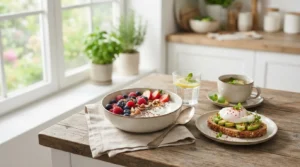
- Greek yogurt bowl with berries and toasted oats — High-protein base, fresh berries for fiber and antioxidants, and a small portion of oats for sustained energy; ideal for satiety and under 400 kcal when portioned.
- Vegetable omelet with a slice of whole-grain toast — Eggs provide complete protein and eggs’ thermic effect supports fullness; load with spinach, peppers, and onions for volume and micronutrients.
- Overnight chia-oat pudding with protein powder — Chia seeds add soluble fiber and omega-3s; combine with rolled oats and a scoop of protein powder for a make-ahead option that’s portable.
- Savory breakfast bowl: quinoa, sautéed greens, and a soft-boiled egg — Quinoa offers complete plant protein; greens provide volume and micronutrients, making a balanced, easily scaled meal.
Lunch ideas (portable, make-ahead, balanced):
- Grilled chicken salad with mixed greens, beans, and lemon-tahini dressing — Lean protein and fiber-rich beans keep you full; dressing on the side keeps calorie control simple. For make-ahead lunches, see our Easy Lunch Meal Prep Guide.
- Mediterranean grain bowl (farro or bulgur) with chickpeas and roasted veggies — Balanced carbs and plant protein; high-fiber vegetables increase volume without many calories.
- Tuna and white bean salad on whole-grain crackers — Omega-3s and lean protein from tuna with fiber from beans and whole grains for a quick, filling lunch.
- Lentil soup with a side salad — High-fiber, plant-protein soup that reheats well and supports satiety across an afternoon.
Transition sentence: For dinner, prioritize lean protein with vegetables and a moderate portion of whole grains or starchy veg to end the day satiated without excess calories.
Dinners (simple, muscle-preserving, and “fat-burning friendly”):
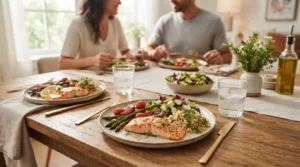
- Pan-seared salmon with roasted asparagus and cauliflower mash — Salmon provides protein and omega-3s; asparagus and cauliflower add volume and micronutrients with low calories.
- Stir-fried tofu and broccoli with a light garlic-ginger sauce over brown rice — Plant-based protein and fiber; use minimal oil and a modest rice serving to control calories.
- Turkey and vegetable chili — Lean ground turkey, beans, and tomatoes create a high-protein, high-fiber one-pot meal that freezes well for meal prep; for more lean poultry ideas, see the Healthy Chicken Breast Recipes Guide for High Protein Meals.
- Shrimp and zucchini “pasta” with a tomato-basil sauce — Low-calorie noodle swap keeps the plate light while shrimp supplies quick-cooking lean protein; a good option for 5 Quick Vegetarian Dinner Recipes for Two adaptations by swapping shrimp for chickpeas.
Vegetarian and seasonal dinner options:
- Roasted vegetable and quinoa-stuffed peppers — Balanced carbs and plant proteins; peppers add volume and presentation.
- Hearty mushroom and lentil bolognese over spaghetti squash — Umami-rich, low-calorie base with lentils for protein.
- Warm grain salad with roasted squash, arugula, and pumpkin seeds — Seasonal, nutrient-dense, and easily portioned for weight-loss goals; see seasonal ideas in the Cold Weather Meals Guide.
Snack ideas (weight-loss friendly):
- Apple slices with 1 Tbsp nut butter — fiber + healthy fat for short-term satiety.
- Carrot sticks and hummus — fiber and plant protein at modest calories.
- Plain Greek yogurt with a sprinkle of cinnamon and chopped walnuts — protein-rich, portable, and nutrient-dense.
- Hard-boiled egg and a small piece of fruit — quick, balanced mini-meal between meals.
Practical recipe-note: Aim for breakfasts ~300–450 kcal with 15–25 g protein, lunches ~400–600 kcal with 20–35 g protein, and dinners ~400–700 kcal depending on activity. For full recipes and detailed nutrition facts, consult the pillar recipe collection: Yummiest Healthy Recipes Guide with Nutrition Facts and Tips.
Additional dinner resources and variations: For more simple dinner recipes that fit weight-loss plans, check the Healthy Dinner Ideas: A Practical Guide, and for vegetarian options, the 5 Quick Vegetarian Dinner Recipes for Two is helpful. If you cook for one or two and want budget-friendly portions, see Healthy dinner recipes for 2.
Transition: Next, integrate these recipes into your week with practical meal-prep and grocery strategies so planning becomes effortless.
Tips for Effective Meal Prep and Grocery Shopping for Weight Loss
Meal prep and smart grocery shopping turn weight-loss recipes into sustainable habits. Use the steps below to build a weekly system that balances variety, cost, and nutrition.
- Plan the week with a template: Choose breakfasts, lunches, dinners, and snacks for 5–7 days. Keep 2–3 flexible slots for leftovers or eating out.
- Shop from a list grouped by store section: Produce, proteins, grains, dairy, frozen, pantry. Grouping speeds shopping and reduces impulse buys.
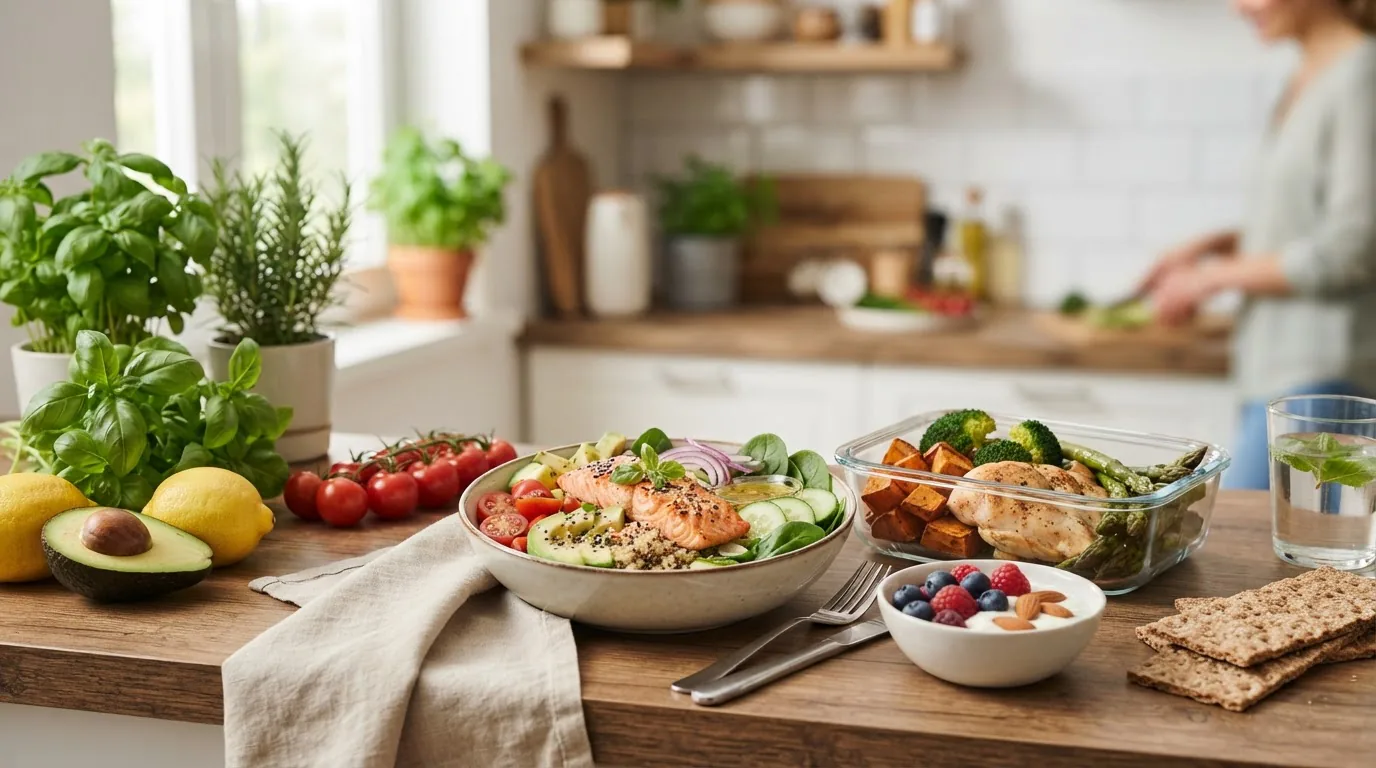
- Batch-cook staples: Roast a tray of mixed vegetables, cook two proteins (e.g., baked chicken breasts and a pot of lentils), and prepare a grain (brown rice or quinoa) to mix and match across meals.
- Portion and store meals immediately: Use clear, portioned containers so lunches are grab-and-go and portions stay consistent.
- Use freezer-friendly recipes: Soups, chilis, and casseroles freeze well and extend variety without daily cooking.
- Rotate weekly menus: Plan 4 weekly menus and rotate to keep variety without overwhelming decision-making.
Practical tips and tricks:
- Healthy pantry staples: Canned beans, canned tomatoes, brown rice, whole-grain pasta, oats, quinoa, nuts, seeds, spices, and vinegars make quick, nutrient-dense meals possible.
- Frozen advantages: Frozen vegetables and fruits are nutritious, often cheaper, and reduce waste.
- Use a “double-up” rule: When making dinner, double the recipe and use leftovers for lunch or a quick dinner later in the week.
- Label containers: Mark meals with contents and date to rotate oldest-first and prevent waste.
- Budget-friendly swaps: Swap fish for canned tuna/sardines, or fresh herbs for dried when necessary. See tips in the “How to Eat Healthy on a Budget” resource in our collection.
Suggested grocery strategy for a week (example):
- Proteins: 4 chicken breasts, 2 cans tuna, 1 lb salmon or frozen fillets, 2 cans beans, 1 tub Greek yogurt.
- Vegetables: mixed greens, spinach, broccoli, bell peppers, onions, carrots, frozen peas.
- Grains/pantry: brown rice, rolled oats, quinoa, whole-grain bread, canned tomatoes.
- Fats & extras: olive oil, nuts, seeds, hummus, lemon, spices.
For readers who want hands-on lunch make-ahead strategies, see the Easy Lunch Meal Prep Guide. If you prefer chicken-focused prep, the Chicken Meal Prep Ideas Guide has protein-packed weekly plans and portioning tips. For cooking small-batch for two, check Healthy dinner recipes for 2.
Make-ahead packaging and timing:
- Store breakfasts in single-serve mason jars or containers for 4 days.
- Put lunches in microwave-safe containers with dressings separated to avoid sogginess.
- Freeze half your batch-cooked dinners to keep the weekly menu fresh and reduce cooking frequency.
Transition: Planning and prep help keep portions consistent — which leads us to portion-control techniques that help you manage calorie intake while staying satisfied.
Portion Control and Serving Suggestions for Weight Reducing Recipes
Portion control is a practical skill that makes calorie control realistic. These numbered tips are straightforward ways to keep portions consistent while enjoying your meals.
- Use measuring tools initially: Food scales and measuring cups help you learn visual cues for appropriate portions until you can estimate accurately.
- Plate method: Fill half your plate with non-starchy vegetables, one-quarter with lean protein, and one-quarter with whole grains or starchy vegetables.
- Practice mindful eating: Eat slowly, chew thoroughly, and pause between bites — it takes ~20 minutes for fullness signals to register.
- Pre-portion snacks: Avoid eating directly from large packages; pre-portion a single serving into a small bowl or bag.
- Track key meals briefly: Logging meals for two weeks (calories or portion sizes) reveals patterns and ensures you stay in a consistent deficit.
Serving-size examples:
- Protein: palm-sized (3–4 oz cooked) for many adults at a single meal — more if very active.
- Grains/starches: about 1/2 to 1 cup cooked depending on energy needs.
- Vegetables: aim for 1–2 cups cooked or 2–3 cups raw non-starchy vegetables per meal.
- Fats: 1 tsp–1 tbsp of oil, a small handful (1 oz) of nuts, or 1/4 avocado per serving for controlled calorie additions.
Tip on calorie counting: If you choose to count calories, use it as a learning tool for a limited period to calibrate portions rather than a lifelong chore. According to a 2024 industry report on digital health tools, brief periods of tracking improve awareness and long-term portion control for many users (industry report).
Transition: While portion control and meal frequency matter, selecting specific foods known to support metabolism and satiety can further improve weight-loss efficiency.
Incorporating Fat Burning Foods and Nutritional Recipes for Weight Loss
“Fat-burning” is often used loosely; a better way to think about it is choosing foods that support energy balance, increase satiety, and slightly elevate metabolic rate through thermogenesis. Below are practical food categories and examples to include in weight-loss recipes.
Foods and components that support fat-loss-friendly meals:
- Lean proteins: Chicken breast, turkey, fish, legumes, low-fat dairy, and tofu. Higher protein increases satiety and helps maintain lean mass.
- High-fiber vegetables and fruits: Leafy greens, broccoli, apples, berries, and cruciferous vegetables for volume and slow digestion.
- Whole grains and legumes: Oats, quinoa, barley, lentils, and beans — they stabilize blood sugar and provide sustained energy.
- Thermogenic spices: Ginger, cayenne, black pepper, and cinnamon can slightly increase metabolic rate and make low-calorie meals more satisfying.
- Green tea and coffee (in moderation): Contain caffeine and catechins which can modestly increase energy expenditure for some people.
- Healthy fats: Olive oil, fatty fish (salmon, sardines), nuts and seeds for hormonal support and palatability.
Examples of simple fat-friendly ingredient swaps in recipes:
- Use plain Greek yogurt instead of sour cream to add protein and reduce calories.
- Replace half the pasta in a dish with spiralized vegetables to cut calories and add fiber.
- Add a scoop of collagen or whey protein to soups or stews to raise protein without adding bulk calories.
Scientific context: Peer-reviewed studies have shown that higher-protein diets increase thermic effect and satiety compared with lower-protein diets, and combining protein with fiber-rich foods improves adherence to calorie goals (peer-reviewed research journals such as the Journal of Nutrition provide evidence for these mechanisms).
Practical food lists to keep on hand:
- Protein: canned tuna, chicken breasts, eggs, Greek yogurt, tofu, chickpeas.
- Vegetables: spinach, cauliflower, broccoli, bell peppers, frozen mixed veggies.
- Carbs: rolled oats, brown rice, quinoa, whole-grain bread.
- Fats & extras: olive oil, nuts, seeds, avocados, spices (turmeric, ginger, cayenne).
Caveat: Individual metabolic responses vary — some people respond better to slightly higher carbohydrate patterns, others to lower-carb plans. Listen to hunger, energy, and activity levels, and consult a registered dietitian for personalized adjustments. The American Heart Association offers general healthy-eating guidance that supports heart-healthy weight loss (American Heart Association).
Transition: Even with the best recipes and shopping plan, common challenges can derail progress. The next section covers real problems and practical solutions.
Common Challenges and Solutions When Following Healthy Weight Loss Recipes
Problem: Plateaus and stalled weight loss.
Solution: Reevaluate calorie intake and activity, check portion sizes, rotate macros, and include resistance training to support lean mass. A brief period of tracking or consulting a professional can reveal hidden calories.
Problem: Cravings and hunger between meals.
Solution: Increase protein and fiber at meals, include planned low-calorie snacks, and use spices/flavor to enhance satisfaction. Hydration and sleep also strongly affect appetite.
Problem: Meal boredom and limited variety.
Solution: Rotate weekly menus, use herbs and spices, swap proteins and grains, and include theme nights (Mediterranean, Asian, Mexican) to keep interest high.
Problem: Dietary restrictions (allergies, vegetarian/vegan).
Solution: Substitute equivalent protein sources (lentils, tempeh, seitan, dairy alternatives), and focus on balanced plate composition; our vegetarian and vegan resources provide tailored recipe ideas.
Problem: Eating out or social events.
Solution: Choose meals with lean proteins and vegetable sides, request dressings on the side, and prioritize portions. Plan for an extra activity session if you plan a higher-calorie meal.
Experience note: Anecdotally, many clients report that committing to two “go-to” breakfasts and three lunches reduces planning friction and preserves variety for dinner, helping adherence over months. Documented case studies in behavior-change programs show that small, repeatable routines around meal prep increase long-term success (behavior-change program reports).
Transition: To finish, we’ll summarize how to turn these recipes and tactics into a lasting lifestyle change.
Conclusion: Making Healthy Recipes a Lifestyle for Sustainable Weight Loss
Meal planning centered on balanced, nutrient-dense recipes makes sustainable weight loss achievable. Use the nutritional principles here — calorie control, higher protein, fiber-rich produce, portion awareness, and strategic meal prep — to build weekly routines that fit your schedule and taste. Rotate menus, plan for variety, and use batch-cooking to reduce friction.
Start small: plan three breakfasts, four lunches and three dinners for the week, batch-cook key components, and measure portions for two weeks to calibrate. Remember individual differences in metabolism and preferences mean personalization is key — consider consulting a registered dietitian if you have health concerns.
Ready to put this into action? For full recipes with nutrition facts and printable meal plans, explore the pillar collection: Yummiest Healthy Recipes Guide with Nutrition Facts and Tips. Commit to one week of planning and prep — small routines build lasting results.
Frequently Asked Questions
What are some healthy recipes for weight loss that are easy to prepare?
Quick options include Greek yogurt bowls with fruit, vegetable omelets with whole-grain toast, grain bowls with beans and roasted vegetables, and one-pot lentil soups. Aim for a lean protein, a high-fiber vegetable, and modest whole-grain portions for balanced, easy-to-prepare meals.
How do healthy recipes for weight loss differ from regular diet recipes?
Weight-loss recipes prioritize a moderate calorie deficit, higher protein, fiber-rich produce, and controlled fats to boost satiety and preserve muscle. They focus on nutrient density and portion control rather than extreme restriction or single-food elimination.
What are the best meals for weight loss that burn fat effectively?
Meals combining lean protein, fiber-rich vegetables, and whole grains — such as grilled salmon with vegetables, turkey chili, or tofu stir-fries — support fat loss by increasing satiety and the thermic effect of food, aiding calorie control across the day.
How can I create a weekly meal plan with healthy recipes for weight loss?
Choose 3–4 breakfasts, 4–5 lunches and 3–4 dinners; batch-cook staples (proteins, grains, roasted vegetables), portion into containers, and keep snacks pre-portioned. Use a grocery list grouped by store sections to streamline shopping and reduce waste.
How long does it typically take to see results using weight loss recipes?
With consistent calorie control and activity, many people see measurable weight loss within 2–4 weeks, though individual rates vary. According to a 2024 industry report, short-term results are common, but sustainable loss depends on long-term adherence (industry report).
What should I do if I experience cravings while following weight reducing recipes?
Address cravings by increasing protein and fiber at meals, scheduling a small planned snack, using spices for flavor, staying hydrated, and ensuring adequate sleep. If cravings persist, revise meal composition or consult a professional for tailored strategies.
Are fat burning recipes for dinner safe and effective for everyone?
Most fat-friendly dinners (lean protein, vegetables, modest carbs) are safe, but individual needs vary due to medical conditions or medications. Consult a healthcare provider if you have health concerns before making major dietary changes.
How can I ensure my weight loss dinner recipes meet nutritional needs?
Include a palm-sized portion of protein, half the plate as non-starchy vegetables, and a modest whole-grain or starchy vegetable portion. Add a source of healthy fats and vary foods across the week to cover micronutrient needs.