veg beginning with m can add variety, nutrients, and bold flavors to meals. This guide focuses solely on vegetables that start with the letter M—covering types, nutrition per 100 g, culinary uses, evidence-backed health benefits, and practical selection and storage tips.
Introduction to Vegetables Beginning With M
Vegetables beginning with M span leafy greens, fungi, legumes used as vegetables, and even some bitter or specialty gourds. This focused list includes common and regional items—each with distinct culinary roles and nutrient profiles. Understanding these differences helps you choose the right M vegetables for flavor, nutrition, or cooking method.
Botanically, the category includes multiple vegetable subgroups: leafy greens (e.g., mustard greens, mâche), fungi (mushrooms), pods and beans used as vegetables (mung beans when sprouted or as immature pods), and gourds (bitter melon). For context on how vegetables differ from fruits and classification basics, see is celery a vegetable.
This article is designed to be your single, deep resource on M vegetables—helping you compare nutrition, pick produce at the market, prepare standout dishes, and understand health implications. Next, explore the comprehensive list that defines each M vegetable and its key traits.
Transition: After you read the list, the nutrition comparison will show how these M vegetables measure up nutrient-for-nutrient.
Comprehensive List of Veg Beginning With M
Below is a curated list of vegetables that start with M. Each entry includes a concise description and the key culinary or nutritional traits to remember.
-
Mustard greens
Mustard greens are peppery leafy greens from the Brassica family. Key traits: bold, slightly bitter flavor; rich in vitamin K, vitamin A (beta-carotene), vitamin C, and dietary fiber; works well sautéed, braised, or raw in salads for a peppery kick.
-
Mushrooms
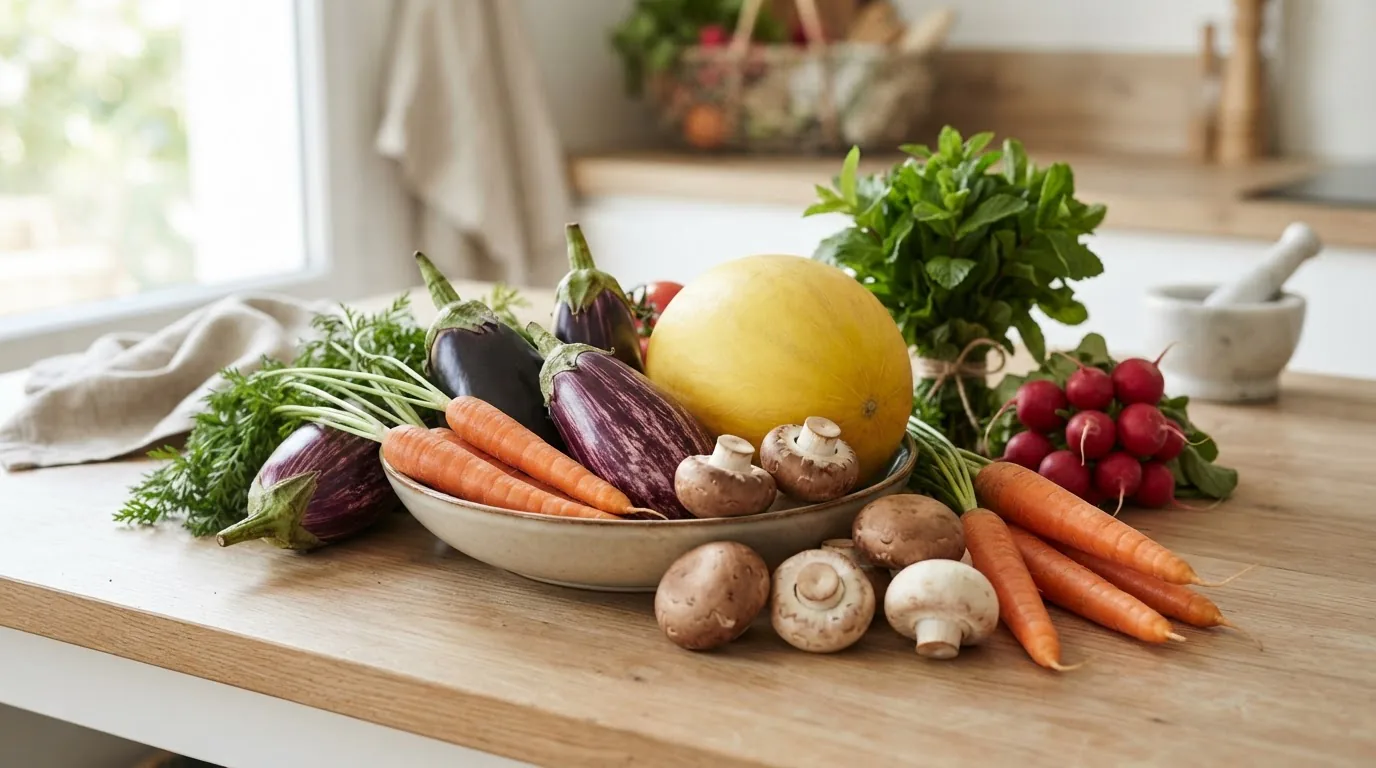
Technically fungi rather than plant vegetables, mushrooms (common white, cremini, shiitake, oyster) are valued for umami flavor and low-calorie density. Key traits: versatile texture, source of B vitamins and selenium, some varieties provide vitamin D when UV-exposed; excellent roasted, sautéed, grilled, or raw in salads.
-
Mâche (lamb’s lettuce)
Mâche is a tender, mild-flavored leafy green with a nutty finish. Key traits: delicate leaves, high in folate, vitamin A, vitamin C and vitamin K; ideal raw in salads, atop pizzas after cooking, or lightly dressed as a micro-green-style side.
-
Melon (vegetable types — bitter melon)
While many melons are fruits, bitter melon (also called bitter gourd) is used as a vegetable in savory cooking across Asia. Key traits: intensely bitter flesh, low calories, contains bioactive compounds studied for glycemic effects; commonly stir-fried, stuffed, or simmered in curries.
-
Malabar spinach
Malabar spinach is a vining leafy green (Basella alba) used in warm-climate cooking. Key traits: succulent leaves with mucilaginous texture when cooked, high in vitamin A and iron; excellent in stews, soups, or quickly sautéed as a spinach substitute.
-
Mung beans (vegetable use context)
Mung beans are legumes; when sprouted or used as immature pods, they function as vegetables. Key traits: sprouts are crunchy and mild, cooked whole beans are starchy and protein-rich; used in salads, stir-fries, soups, and sprout-based dishes.
-
Other M entries and regional varieties
Less common items include mazurka kale varieties, mature melon (when used savory like some cuisines do), and regional greens with local names beginning with M. For cross-reference with alphabetic lists, see vegetables that start with F guide.
Transition: Next, we’ll compare the macronutrients and key vitamins and minerals across these M vegetables so you can pick the best options for your goals.
Nutrition Profiles of M Vegetables
This section compares typical nutrient values per 100 g (raw or typical prepared form noted) to highlight protein, calories, fiber, and select micronutrients. Values are rounded and referenced to the USDA FoodData Central database for methodology and measurement standards. For broader comparisons with fruits and juices, see fruits and juice health benefits and nutrition. Also consult sources of vitamins A B C D E K for deeper micronutrient context.
| Vegetable (typical form) | Calories (kcal) | Protein (g) | Fiber (g) | Vitamin C (mg) | Vitamin A / beta-carotene (µg RAE) | Vitamin K (µg) |
|---|---|---|---|---|---|---|
| Mustard greens (raw) | ~27 | ~2.7 | ~3.2 | ~70 | ~360 (RAE) | ~150–250 |
| Mushrooms (white, raw) | ~22 | ~3.1 | ~1.0 | ~2–3 | ~0–5 | ~0–1 |
| Mâche (lamb’s lettuce, raw) | ~21 | ~2.0 | ~1.8 | ~15 | ~300 (RAE) | ~70–100 |
| Bitter melon (raw) | ~17 | ~1.0 | ~2.8 | ~70–85 | ~75 (RAE) | ~20 |
| Malabar spinach (raw) | ~19 | ~3.0 | ~1.6 | ~30 | ~250 (RAE) | ~40–80 |
| Mung beans (cooked) | ~105 | ~7.0 | ~7.6 | ~1–2 | ~20 (RAE) | ~10–20 |
Notes on sources and interpretation: nutrient values are rounded approximations per 100 g from the USDA FoodData Central database; exact values vary by variety, season, and whether the item is raw, cooked, or exposed to sunlight (mushroom vitamin D). For the primary dataset, consult USDA FoodData Central.
Macro highlights
Calories: Most leafy M vegetables are low-calorie (<30 kcal/100 g). Mung beans (cooked) are higher due to starch and provide more sustained energy.
Protein: Mushrooms and cooked mung beans are relatively richer in protein for a vegetable-based item; leafy greens offer modest protein but high micronutrients and fiber.
Fiber: Mung beans and mustard greens are good fiber choices. Regular fiber intake supports digestive regularity and satiety.
Micronutrient highlights
Vitamin A and beta-carotene: Mâche, mustard greens, and Malabar spinach are strong plant sources of vitamin A precursors (beta-carotene), useful for vision and immune support.
Vitamin C: Bitter melon and mustard greens contain meaningful vitamin C amounts per 100 g, contributing to antioxidant defenses and collagen synthesis.
Vitamin K: Mustard greens and mâche are high in vitamin K, which supports blood clotting and bone metabolism. If you take blood-thinning medication, consult your provider about large or sudden increases in high-K vegetables (see caveat below).
Carbohydrates and sugars: Cooked mung beans have higher complex carbs; most leafy M vegetables are low in digestible carbs. For carbohydrate comparisons with fruits, see carbohydrates in fruit chart.
Classification by subgroup: For an overview of vegetable subgroup classifications used in government dietary frameworks (dark-green vegetables, starchy, legumes, etc.), see vegetable group guide and subgroups. Mustard greens and mâche fall in the dark-green subgroup; mung beans belong to the legumes subgroup when mature.
Transition: With nutrient context set, the next section covers practical cooking techniques to maximize flavor and nutrient retention.
Culinary Uses and Preparation Tips for M Vegetables
Each M vegetable has ideal cooking methods that maximize taste, texture, and nutrient retention. Below are practical how-to steps, pairing suggestions, and example recipes.
General preparation principles
- Wash gently: For delicate leaves like mâche, rinse in a bowl of cool water and spin or pat dry. For sturdier greens (mustard greens, Malabar spinach), rinse thoroughly to remove grit and stems.
- Trim and slice appropriately: Remove tough stems from mustard greens and Malabar spinach; slice mushrooms cleanly with a wet cloth or quick rinse and pat dry to avoid waterlogging.
- Use appropriate heat: Quick sauté or blanch preserves bright color and many water-soluble vitamins; slow braises deepen flavor but may reduce some vitamin C.
How to prepare mushrooms for maximum flavor
- Clean quickly with a damp cloth or brief rinse; pat dry.
- Use high heat in a dry pan to encourage browning; avoid overcrowding.
- Season late with salt to retain moisture control; finish with acid (lemon or vinegar) to brighten flavors.
For more cooking techniques and vegetable recipe ideas, see simple healthy vegetable recipes.
Recipe ideas and serving suggestions
- Mustard greens stir-fry: Quick sauté with garlic, ginger, a splash of soy, and finish with sesame oil to tame bitterness.
- Mâche salad: Toss mâche with citrus segments, toasted walnuts, shaved Parmesan, and a light vinaigrette for a delicate starter.
- Grilled mushrooms: Marinate creminis or portobellos in olive oil, garlic, and herbs; grill or roast for umami-rich mains or sandwich fillings.
- Bitter melon stir-fry: Slice thin and salt briefly to reduce bitterness, then stir-fry with eggs, garlic, and chilies for a classic Asian preparation.
- Malabar spinach curry: Use its succulent leaves in coconut-based curries—add late in cooking to avoid over-thickening from mucilage.
- Mung bean bowls: Use cooked mung beans as a base for grain bowls or lightly blanched mung bean sprouts tossed into fresh salads for crunch.
Pairing tips: use creamy or fatty ingredients (avocado, nuts, tahini) to balance bitter mustard greens or bitter melon. For recommended fruit pairings and costs of high-fat, creamy fruits, see avocado nutrition and cost guide.
Nutrient-retaining cooking tips
- Steam or quick-blanch to preserve water-soluble vitamins (C, many B vitamins).
- Avoid long boiling; use the cooking liquid in soups to retain leached nutrients.
- For mushrooms, brief high-heat cooking drives Maillard flavor without drastically reducing nutrient value.
Transition: Now that you have practical preparation options, learn how consistent use of M vegetables supports specific health outcomes.
Health Benefits of Vegetables That Start With M
M vegetables deliver a range of health benefits: antioxidant protection, fiber for gut health, vitamins for immune and bone support, and unique bioactive compounds. Below we break down benefits with examples and evidence where available.
Antioxidant and anti-inflammatory benefits
Many M vegetables contain antioxidants—vitamin C, carotenoids (from mustard greens, mâche, Malabar spinach), and polyphenols. Antioxidants neutralize free radicals and can reduce oxidative stress markers. According to a review of plant-based antioxidants published on the NIH database, diets rich in leafy greens and certain gourds are associated with lower systemic inflammation markers (source: NIH).
Cardiometabolic benefits (fiber, cholesterol, and blood sugar)
Fiber in mustard greens and cooked mung beans supports cholesterol management and blood-sugar stabilization via slowed carbohydrate absorption. Mung beans provide plant protein and soluble fiber, which can support satiety and glycemic control. Some clinical studies on bitter melon bioactives suggest modest glucose-lowering effects in people with elevated blood sugar; see peer-reviewed summaries on the NIH PubMed repository (source: NIH).
Bone and blood health
High vitamin K in mustard greens and mâche contributes to blood clotting and bone health pathways. Vitamin K interacts with anticoagulant medications; if you take warfarin or a similar drug, talk to your clinician before large dietary changes.
Eye and immune support
Beta-carotene (vitamin A precursor) in mâche, mustard greens, and Malabar spinach supports vision and mucosal immunity. Vitamin C in bitter melon and mustard greens supports immune cell function and collagen formation.
Unique bioactives: bitter melon and glucoregulatory compounds
Bitter melon contains charantin, polypeptide-p, and other bioactives studied for glucose metabolism. Clinical outcomes vary and effects are often modest—some trials show decreased fasting glucose while others show no significant change. When evaluating supplements or concentrated extracts, consult clinical sources; NIH PubMed entries summarize trial heterogeneity (source: NIH).
Practical intake guidance and balancing fruits and vegetables
Vegetables beginning with M are nutrient-dense additions to a varied plate. Balance intake across vegetable subgroups and pair with fruits, proteins, and whole grains for complete nutrition. For practical guidance on fruit intake and possible overconsumption risks to balance with vegetable benefits, see practical intake guide and fruit risks.
Special considerations and caveats
- Vitamin K interactions with anticoagulants: monitor intake and consult your clinician when changing green-vegetable consumption.
- Allergies and sensitivities: mushroom allergy or intolerance is possible; some people experience gastrointestinal upset from legumes like mung beans if not properly prepared.
- Bioavailability: fat-soluble nutrients (like carotenoids) are better absorbed when consumed with a small amount of dietary fat.
Transition: To get the best flavor and nutrient retention from your M vegetables, proper selection and storage matter—read on for actionable tips.
Selecting and Storing M Vegetables for Freshness
Even the most nutrient-dense M vegetables lose value when mishandled. Use these selection and storage tips to maximize shelf life and quality.
- Mustard greens — Selection: choose bright, crisp leaves without yellowing or slimy spots. Storage: wrap loosely in a damp paper towel and store in a perforated plastic bag in the crisper; use within 4–7 days.
- Mushrooms — Selection: look for dry caps and no sliminess; avoid dark spots. Storage: keep in original paper packaging or a paper bag in the fridge to allow airflow; use within 3–7 days depending on variety.
- Mâche — Selection: choose compact, fresh-looking rosettes without wilting. Storage: store lightly wrapped and slightly damp in the fridge; use within 3–5 days.
- Bitter melon — Selection: pick firm, evenly green fruit; avoid soft or pitted areas. Storage: refrigerate loosely wrapped; use within 5–7 days for best texture.
- Malabar spinach — Selection: choose bright, succulent leaves without sliminess. Storage: treat like other leafy greens; use within 3–5 days.
- Mung beans (sprouts) — Selection: look for crisp, white sprouts with no musty odor. Storage: keep refrigerated in a sealed container and rinse daily; use within 2–4 days to reduce spoilage risk.
Additional tips
- Low-temperature storage slows respiration and decay for most M vegetables—use refrigerator crisper drawers.
- Wash only when ready to eat to avoid surface moisture promoting spoilage.
- For longer-term storage, blanch leafy greens then freeze in airtight bags to preserve many nutrients and extend use by months.
- If interested in sourcing the freshest produce by growing, consult spring vegetables growing guide for planting tips and timing.
Transition: Below are quick FAQs that answer common questions about M vegetables.
Frequently Asked Questions
What vegetables start with the letter M?
Common vegetables beginning with M include mustard greens, mushrooms, mâche (lamb’s lettuce), bitter melon, Malabar spinach, and mung beans used as vegetables (sprouts or cooked). Regional or less common entries may include local greens and melon varieties used savory.
How do the nutrition profiles of vegetables beginning with M compare to other vegetables?
M vegetables range from very low-calorie leafy greens (mustard greens, mâche) to higher-energy legumes (cooked mung beans). Generally, M leafy greens are high in vitamins A, C, and K, while mushrooms provide B vitamins and selenium; mung beans offer more protein and fiber than typical greens.
What are the best ways to prepare mushrooms and other M vegetables for maximum flavor?
For mushrooms: dry-pan sear at high heat to brown, avoid overcrowding, and finish with acid. For leafy M vegetables: quick sauté, blanch, or raw in salads preserves texture and nutrients. Salt late and pair with fats for better flavor and absorption.
Why are vegetables beginning with M considered healthy?
M vegetables supply fiber, vitamins (A, C, K), minerals, and plant compounds. Leafy M greens are nutrient-dense with low calories; mung beans add plant protein; bitter melon contains bioactives researched for glucose modulation—supporting varied health benefits.
How long do fresh M vegetables typically last when stored properly?
Storage varies: mushrooms 3–7 days, mâche and Malabar spinach 3–5 days, mustard greens 4–7 days, bitter melon 5–7 days, and mung bean sprouts 2–4 days refrigerated. Proper packaging and minimal washing extend shelf life.
Can I grow vegetables beginning with M at home easily?
Yes—some M vegetables are beginner-friendly. Mâche and mustard greens grow quickly in cool seasons; mung beans sprout easily indoors; Malabar spinach thrives in warm climates. For planting timing and requirements, see the spring vegetables guide.
Are there any common allergies or side effects related to eating M vegetables?
Mushrooms can cause allergic reactions in some people; legumes like mung beans can cause digestive discomfort if undercooked. Bitter melon and high-vitamin-K greens can interact with medications—consult a clinician for specific concerns.
How do I choose the freshest mustard greens or malabar spinach at the grocery store?
Choose bright, crisp leaves without yellowing or sliminess; stems should be firm. Smell should be fresh, not musty. Store wrapped in a damp paper towel inside a perforated bag in the crisper to preserve freshness.