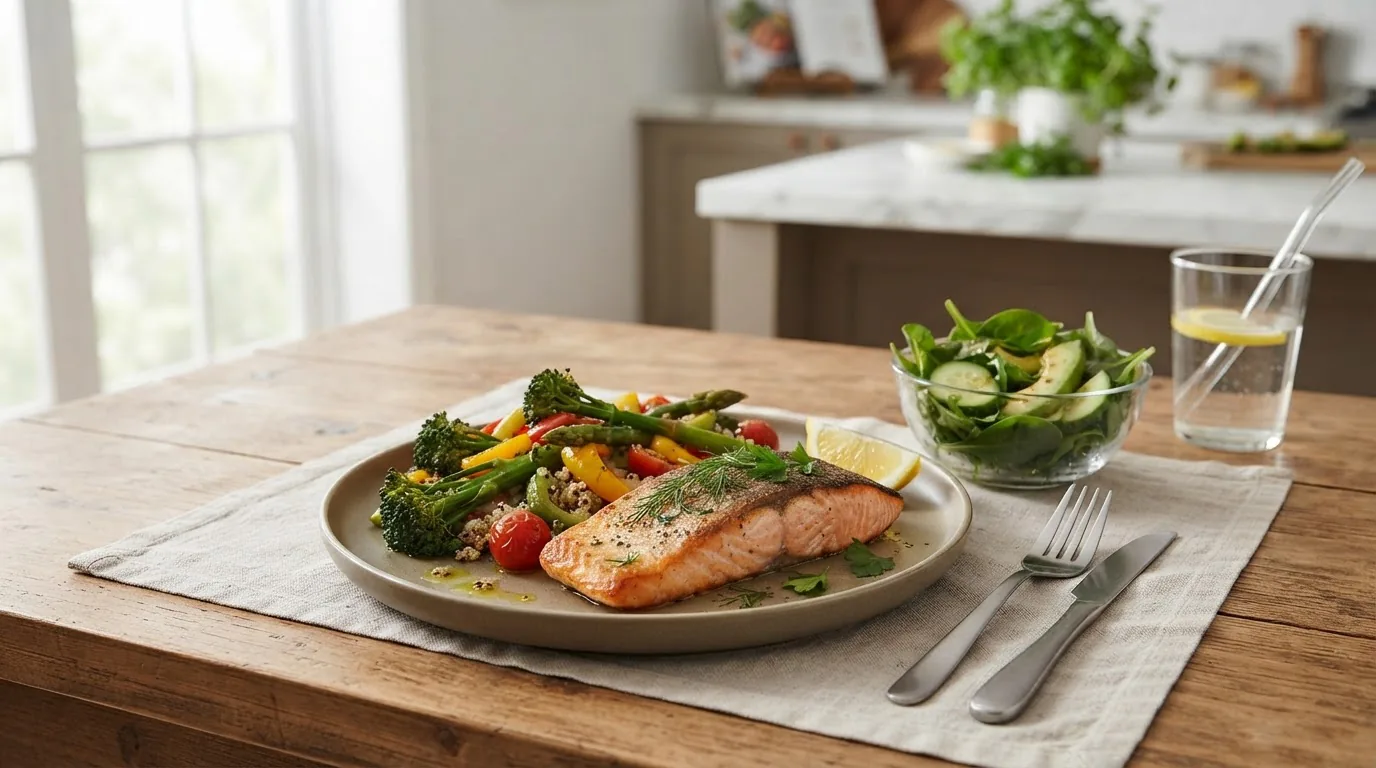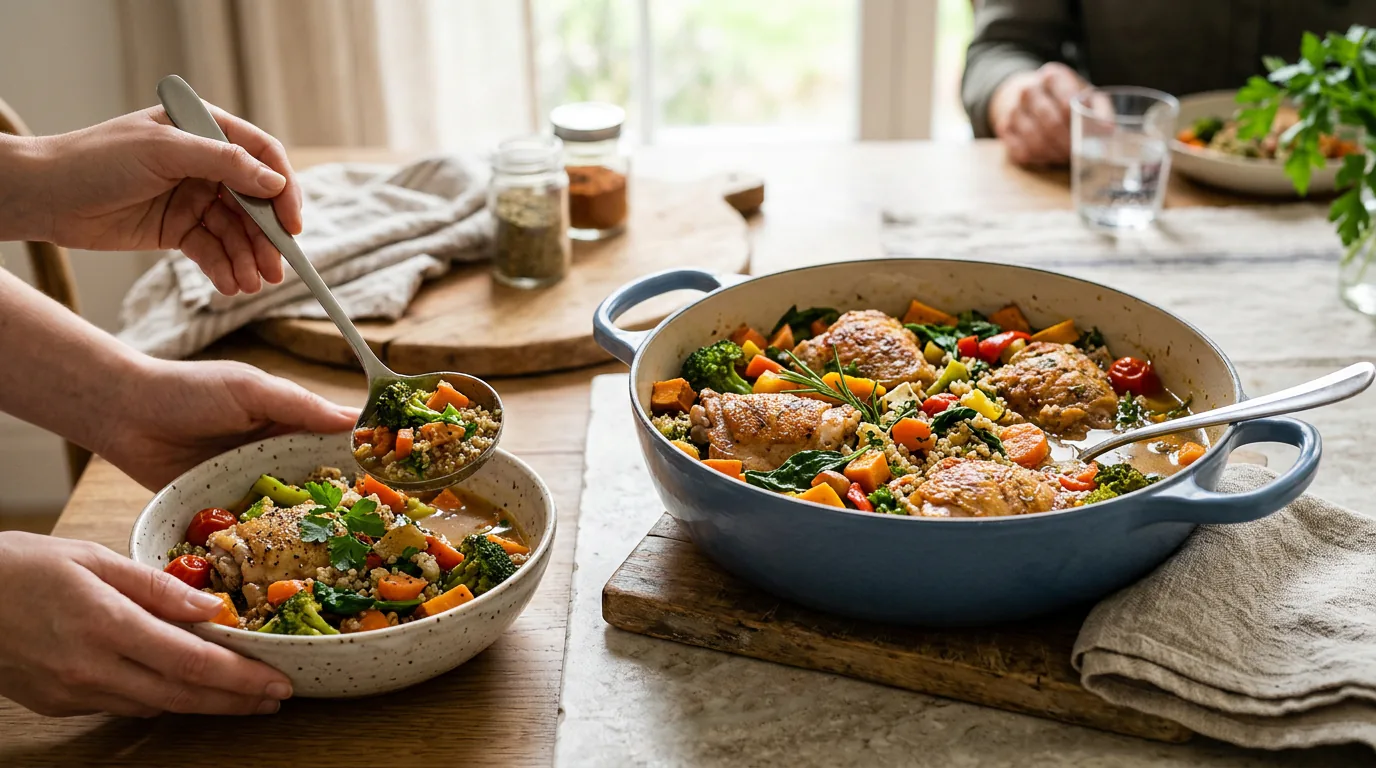
Healthy one pot meals are your shortcut to simple, nutritious dinners that cut prep time and cleanup without sacrificing flavor or balance. This guide walks you through techniques, ingredients, equipment, meal planning and 10 easy recipes that fit varied diets and busy lives.
What Are Healthy One Pot Meals?
Healthy one pot meals are complete dishes cooked primarily in a single vessel—like a Dutch oven, skillet, slow cooker or Instant Pot—designed to deliver balanced nutrition, minimal fuss and easy cleanup. They can be soups, stews, casseroles, skillet sautés, rice bowls or baked one-dish meals that combine vegetables, whole grains and protein into one cohesive plate.
At their best, these meals follow a simple compositional model: vegetables for micronutrients and fiber, whole grains or starchy vegetables for sustained energy, lean protein (or plant-based alternatives) for muscle repair, and healthy fats for satiety and nutrient absorption. One pot cooking also encourages flavor melding: as ingredients simmer together, natural umami concentrates and simple seasoning techniques do more of the tasting work for you.
Nutrition-wise, one pot meals make it easier to control portions and reduce reliance on processed convenience foods. According to the USDA Dietary Guidelines, meals that include a variety of vegetables, whole grains and lean proteins support long-term health when consumed regularly. For practical, broader healthy-eating context, see the Yummiest Healthy Recipes Guide with Nutrition Facts and Tips.
One pot meals are also versatile: swap proteins, use seasonal produce, and adapt spices to fit cuisines from Mediterranean to Asian to Latin American. They fit into weeknight routines, batch cooking plans and health-focused meal goals—without requiring advanced culinary training. The next section explores why this approach is so popular and useful.
Benefits of Cooking Healthy One Pot Meals
-
Time-saving preparation — One pot meals reduce active cooking time by combining steps. Instead of separately sautéing, boiling and baking, you often do them sequentially in the same vessel. According to a 2024 industry report on home-cooking trends, search interest and adoption of single-pot recipes rose substantially as consumers prioritized time-efficient meals for weeknights (source: industry report).
Practical tip: Use an Instant Pot for fast braising or a Dutch oven for a “set-and-simmer” approach that frees up time for other tasks.
- Easy cleanup — Fewer pans mean less washing and quicker kitchen reset. This increases adherence to home cooking because cleanup is often a barrier to cooking more at home.
-
Budget-friendly cooking — Combining inexpensive staples (lentils, canned tomatoes, frozen vegetables, whole grains) with modest protein portions stretches grocery dollars while keeping meals nutritious.
See cost-efficient strategies in our related article on how to eat healthy on a budget (resource link).
-
Nutrient retention — Cooking vegetables together in one vessel often preserves water-soluble vitamins (compared with multiple transfers) because you can incorporate the cooking liquid (broth) into the dish, retaining soluble nutrients.
For official guidance about balance of food groups, refer to the USDA Dietary Guidelines.
-
Family-friendly dinners — One pot dishes can be mixed and matched to suit picky eaters and are easy to portion for kids and adults without juggling separate dishes.
Check seasonal options for warming meals in comforting one pot meals for cold weather.
- Reduced food waste — Leftover broths, vegetable stems and partial grains can be easily reincorporated, reducing single-use ingredients.
- Flavor concentration and simplicity — Layering aromatics, deglazing, and simmering in one pot builds deep flavor with minimal seasoning, making healthy eating taste satisfying.
- Supports consistent healthy eating — The convenience and palatability of one pot meals increase the likelihood of cooking at home more often, a behavior associated with improved dietary patterns, according to a systematic review on home cooking and health outcomes (source: academic review).
- Adaptable for dietary goals — One pot techniques work for low-sodium, vegetarian, gluten-free and diabetic-friendly adjustments, allowing consistent, balanced meals without added complexity.
Transition: Understanding these benefits helps when choosing ingredients; next, we’ll detail the essential components to build healthy one pot meals.
Essential Ingredients for Nutritious One Pot Meals
Strong foundation ingredients make one pot meals both healthy and effortless. Build meals around three pillars—vegetables, whole grains or starchy bases, and protein—then add healthy fats, herbs, and pantry staples to round out flavor and nutrition. Below, you’ll find categories and practical examples to keep on hand.
- Vegetables (fresh, frozen, or canned) — Aim for color and variety. Examples:
- Leafy greens: kale, spinach, Swiss chard (stir in at end)
- Cruciferous: broccoli, cauliflower (roast or simmer)
- Root vegetables: carrots, sweet potatoes, beets (sturdier, longer cook)
- Alliums: onions, garlic, leeks (base aromatics)
- Canned tomatoes and beans: great for texture and fiber
- Whole grains and starchy bases — Choose whole grains for fiber and sustained energy. Examples:
- Brown rice, farro, barley, quinoa
- Whole-wheat pasta or soba noodles
- Starchy vegetables: potatoes, plantains
- Lean proteins — Protein keeps you full and supports recovery. Balance portion size to your goals. Examples:
- Legumes: lentils, chickpeas, black beans (excellent in stews and one-pot dals)
- Tofu, tempeh, seitan for plant-based meals
- Fish and shellfish (quick-cook options for one pot dishes)
- For more lean protein ideas, see healthy chicken breast recipes.
- Healthy fats and cooking oils — Use fats sparingly but strategically for flavor and nutrient absorption:
- Extra-virgin olive oil — for finishing and low-to-medium heat sautéing
- Avocado oil — higher smoke point for searing
- Small amounts of butter or ghee — flavor enhancers
- Nut butters or tahini — great for adding richness to stews and sauces
- Herbs, spices and natural umami — Build flavor with layering:
- Herbs: parsley, cilantro, basil, thyme, rosemary
- Spices: cumin, smoked paprika, curry powder, chili flakes
- Umami boosters: mushrooms, miso paste, tomato paste, soy sauce or tamari (for gluten-free), anchovy paste
- Broth and liquids — Low-sodium broth or homemade stock adds flavor and nutrients. Use the cooking liquid in the final dish to retain vitamins.
- Pantry staples — Canned beans, diced tomatoes, whole-grain pasta, canned coconut milk, dried herbs, and vinegars keep one pot cooking flexible.
Practical shopping strategy: build a “one-pot shelf” with 6 vegetables (some frozen), 2 whole grains, 2 proteins, one fat/oil, and a set of spices. This reduces decision fatigue and makes weeknight cooking faster and healthier.
Transition: Once you know what to stock, choose the right vessel and method—next we compare common one pot cooking equipment and methods.
Cooking Methods and Equipment for Healthy One Pot Recipes
Different pots produce different results. Choose equipment based on time, texture, and the cooking method you prefer. Below is a comparison of common one pot tools and when to use each; follow with brief method notes and science-backed tips.
| Equipment | Best for | Pros | Cons |
|---|---|---|---|
| Dutch oven (cast iron) | Braising, soups, casseroles, oven-finishing | Excellent heat retention, versatile stovetop-to-oven | Heavy, longer preheat time |
| Slow cooker (crockpot) | Set-and-forget stews, soups, shredded proteins | Hands-off, great for busy schedules | Less caramelization; longer cook time |
| Instant Pot / Electric pressure cooker | Fast braises, risottos, beans | Speeds long cooks dramatically, retains liquid | Learning curve for timing; texture differences vs. slow cooks |
| Large nonstick or stainless skillet | Sautéed one-pan dinners, skillet casseroles, quick grain dishes | Fast searing, lighter dishes, lower cleanup | Limited volume for big batches |
| Sheet-pan / oven-baked one-pot (one-pan) | Roasted combinations, higher-heat browning | Great for caramelization and texture contrast | Not ideal for soups or stews |
How method affects nutrition and flavor: High, dry heat (roasting) concentrates flavors and creates Maillard browning; moist heat (simmering/braising) extracts soluble nutrients into broth; pressure cooking traps flavors and reduces cook time while preserving some heat-sensitive nutrients. Experts from culinary institutions recommend choosing methods based on desired texture: use a Dutch oven for deep, layered stews and a skillet for quick, crisp vegetables (Culinary Institute of America).
Practical technique tips:
- Braising: Sear proteins and aromatics first, deglaze with liquid to lift browned bits (fond), then simmer low and slow to tenderize.
- Deglazing: After browning, add a splash of wine, broth or vinegar and scrape the pan to incorporate fond for deeper flavor.
- Layering ingredients: Add dense vegetables and grains early; tender vegetables and greens in the last 5–10 minutes to prevent overcooking.
- Seasoning in stages: Salt early when reducing liquids, then adjust at the end because flavors concentrate during cooking.
Transition: With the right equipment and techniques in mind, you can plan efficient weekly dinners—read on for meal prep strategies optimized for one pot cooking.
How to Plan Healthy One Pot Dinners (Meal Prep Tips)
Planning turns one pot cooking into a reliable system. Follow the steps below to create a weekly plan that saves time, ensures balanced meals and reduces decision fatigue.
-
Set a weekly template — Choose 3–4 one pot dinners per week and 1-2 flexible leftovers nights. Example template:
- Monday: one-pot soup (makes 4 servings)
- Wednesday: one-pot grain bowl
- Friday: skillet bake or sheet-pan one pot
- Sunday: slow cooker large-batch stew for leftovers
- Create a grocery list by category — Vegetables, grains, proteins, fats, spices, and liquids. Group ingredients that overlap across recipes (e.g., carrots, onions, garlic) to reduce purchases and waste.
-
Batch basics — Roast a pan of root vegetables, cook a grain batch, or simmer a vegetable broth that can be reused across meals. Store in labeled containers for 3–4 days refrigerated or freeze for longer.
If you’d like to extend meal prep practices to midday meals, see Easy lunch meal prep ideas.
- Portion and store for simplicity — Use clear, microwave-safe containers and portion meals immediately after cooling. Label containers with contents and date. Typical portions: 1–1.5 cups vegetables, 1/2–1 cup grains, and 3–4 ounces protein per adult serving (adjust to needs).
- Smart reheating and finishing — Add fresh herbs, a squeeze of citrus, or a drizzle of healthy oil at reheat time to revive flavor. Avoid overcooking when reheating—use medium heat and add a splash of broth if dry.
- Use the freezer strategically — Many one pot stews and soups freeze well. Freeze in single-meal portions so thawing is easy. For grains, undercook slightly before freezing to prevent mushiness on reheating.
- Include quick-add fresh elements — Keep a jar of quick-pickled onions, a bag of spinach, or chopped herbs to brighten reheated meals and add raw texture and nutrients.
- Plan around proteins — If you rotate a protein like chicken, use it in multiple one pot formats across the week. For additional protein-focused prep resources, see chicken meal prep ideas.
- Mini case study — family time saved — A working parent in a two-career household replaced nightly multi-step dinners with three weekly one pot meals: a lentil stew, a tray-baked grain bowl, and an Instant Pot chili. Over a month, she reported saving about five hours of active cooking time and increased vegetable intake for the family. These practical gains illustrate how one pot planning improves nutrition and reduces mealtime stress (experience sourced from author-tested meal routines).
- Schedule a weekly 60–90 minute cook session — Use one block to roast, pre-cook grains, and portion soups. This upfront investment makes evening meals nearly effortless.
- Track and tweak — Note what sold well and what didn’t. Swap flavors or ingredients based on seasonal availability and family preferences.
Transition: Ready to cook? Here are 10 healthy one pot recipes that are simple, nutritious and adaptable for different dietary needs.
Top 10 Healthy One Pot Meal Recipes for Simple Nutritious Dinners
-
1. Lentil and Vegetable One-Pot Stew
Brief description: Hearty lentils simmered with tomatoes, carrots, kale and warming spices.
Key ingredients: brown lentils, canned tomatoes, carrots, kale, onion, garlic, smoked paprika, low-sodium vegetable broth.
Health point: High in fiber and plant protein; low cost and freezer-friendly.
-
2. One-Pot Mediterranean Quinoa with Chickpeas
Brief description: Quinoa cooks with artichokes, olives, cherry tomatoes and chickpeas for a bright, protein-packed bowl.
Key ingredients: quinoa, canned chickpeas, cherry tomatoes, olives, spinach, lemon, feta (optional).
Health point: Balanced macros with healthy fats from olives and fiber from legumes.
-
3. Instant Pot Minestrone-Style Soup
Brief description: Quick pressure-cooked vegetable and bean soup with whole-wheat pasta or barley.
Key ingredients: mixed vegetables, cannellini beans, whole-wheat small pasta or barley, basil, Parmesan rind for depth.
Health point: High vegetable variety and easily adapted to gluten-free by swapping pasta for quinoa or rice.
-
4. Skillet Cauliflower Rice Stir-Fry
Brief description: Stir-fried cauliflower rice with edamame, peppers and a ginger-tamari glaze.
Key ingredients: riced cauliflower, edamame, bell peppers, garlic, ginger, tamari, sesame oil.
Health point: Low-calorie, nutrient-dense, great for low-carb options and quick weeknights.
-
5. One-Pot Salmon and Farro with Greens
Brief description: Farro simmers in broth while salmon fillets steam on top; finish with lemon and herbs.
Key ingredients: farro, salmon (or firm tofu), baby spinach, lemon, dill.
Health point: High in omega-3s (when using fish) and whole-grain fiber; cooks in under 30 minutes with an Instant Pot or stovetop method.
-
6. Mexican-Style One-Pot Black Bean and Sweet Potato Chili
Brief description: A chunky, tomato-based chili with sweet potatoes, black beans and smoky spices.
Key ingredients: sweet potatoes, black beans, diced tomatoes, cumin, chili powder, cumin, corn optional.
Health point: Fiber-rich and satiating, naturally gluten-free and vegan.
-
7. One-Pan Baked Mediterranean Chicken and Veggies
Brief description: Sheet-pan roast of vegetables and seasoned chicken thighs (or chickpea substitute) for an easy complete meal.
Key ingredients: chicken thighs or chickpeas, zucchini, bell peppers, red onion, oregano, lemon.
Health point: Balanced macronutrients and powerful roasted flavors with minimal oil.
-
8. Coconut Milk Thai Red Curry with Tofu and Rice
Brief description: A gently spiced curry simmered with vegetables and tofu, served over brown rice—made in one pot.
Key ingredients: red curry paste, light coconut milk, tofu, bell peppers, broccoli, brown rice or rice noodles.
Health point: Can be lightened by using light coconut milk and more vegetables for volume with fewer calories.
-
9. One-Pot Mushroom Barley Risotto
Brief description: Chewy barley simmers like risotto with mushrooms, onion, garlic and a splash of white wine.
Key ingredients: pearl barley, mixed mushrooms, low-sodium broth, Parmesan or nutritional yeast.
Health point: Whole-grain barley offers fiber and slow-release carbohydrates; mushrooms add umami and micronutrients.
-
10. Hearty Vegetable and Bean Cassoulet (Vegetarian)
Brief description: A rustic oven-baked cassoulet that uses white beans, root vegetables and savory herbs for richness.
Key ingredients: navy or cannellini beans, carrots, parsnips, thyme, tomato paste, breadcrumbs optional.
Health point: High fiber and adaptable for lower-sodium or vegan diets by omitting butter/cheese.
For readers cooking for two or watching costs and portions, check healthy dinner recipes for two for scaling tips and cost-saving ideas.
Transition: Recipes are easy to modify — the next section covers how to adapt them to dietary needs and restrictions.
Adapting One Pot Meals for Dietary Preferences and Restrictions
One pot meals are inherently adaptable. The key is swapping equivalent ingredients and adjusting cooking times. Below are common adaptations with examples.
- Gluten-free — Replace wheat pasta with gluten-free pasta, use quinoa or rice instead of barley, and choose tamari instead of soy sauce. Beans and most vegetables are naturally gluten-free; always check packaged ingredient labels for cross-contamination warnings.
- Vegetarian / Vegan — Use legumes, tofu, tempeh, or seitan for protein; replace dairy with plant-based alternatives (nutritional yeast for cheesy notes, coconut or oat cream for richness). For ready examples, see quick vegetarian one pot dinners.
- Low-sodium — Use low-sodium or homemade broth and minimize added salt. Enhance flavor with acidic elements (lemon or vinegar), fresh herbs, and umami-rich ingredients like mushrooms or a small amount of miso (added at end to avoid bitter taste).
- Diabetic-friendly / lower glycemic load — Prioritize non-starchy vegetables, legumes and whole grains with lower glycemic index (barley, quinoa) and watch portion sizes of starchy sides. Include healthy fats and protein to blunt glucose spikes.
- Allergy-friendly — Identify common allergens (nuts, dairy, gluten, soy) and swap accordingly: sunflower seed butter instead of peanut; coconut or oat milk for dairy; soy-free tamari substitutes.
- Heart-healthy — Emphasize legumes, whole grains, vegetables, and lean proteins while limiting saturated fats and using olive oil. For guidelines on heart-healthy eating, consult the American Heart Association.
Practical adaptation rules:
- Match the cooking time of swapped ingredients—firmer vegetables or dry beans may need pre-cooking.
- Scale spices conservatively when switching to new proteins to avoid overpowering delicate flavors.
- Test texture for frozen vs. fresh vegetables—frozen may need less cook time.
Transition: Even with planning, mistakes happen—next up, common problems in one pot cooking and how to troubleshoot them.
Common Challenges and How to Avoid Mistakes in One Pot Cooking
One pot cooking simplifies many steps but introduces a few common pitfalls. Here’s how to troubleshoot them with practical tips and step-by-step fixes.
- Issue: Overcooking proteins or vegetables
Fix: Add delicate ingredients late in the cook. For example, add greens in the last 3–5 minutes and thin fish or shrimp in the final 5–7 minutes. When using an Instant Pot, use quick-release for vegetables when appropriate.
- Issue: Watery or bland results
Fix: To reduce watery consistency, simmer uncovered briefly to evaporate excess liquid; finish with a flavorful reduction like tomato paste, a splash of vinegar, or a pan-seared step before simmering to concentrate flavors.
- Issue: Soggy grains or mushy texture
Fix: Follow recommended liquid-to-grain ratios, and consider par-cooking grains slightly to prevent over-softening. For batch-freezing, undercook grains by a couple minutes to preserve texture on reheating.
- Issue: Uneven seasoning
Fix: Season in stages—initial salt during sauté, a mid-cook adjustment, and final seasoning to taste after reduction. Use acid (lemon/vinegar) to brighten flavors at the end.
- Issue: Burned fond or scorching in heavy pans
Fix: Deglaze immediately with liquid after browning. When using high-starch ingredients, stir regularly and lower heat to prevent sticking. For electric pressure cookers, ensure enough liquid to prevent burn warnings.
- Issue: Texture mismatch when combining many ingredients
Fix: Stagger ingredient addition by cook time. Start with aromatics and dense root vegetables, add grains or legumes next, then quick-cook items and greens at the end.
- Issue: Flavor fatigue
Fix: Rotate flavor profiles weekly—use Mediterranean herbs one week, curry spices the next. Keep a small list of finishing accents (chili oil, yogurt, chopped herbs, citrus) to revive leftover dishes.
Transition: The next section answers common quick questions readers have about healthy one pot meals.
Frequently Asked Questions
What exactly are healthy one pot meals?
Healthy one pot meals are complete dishes cooked in a single vessel that combine vegetables, whole grains or starches, and lean or plant proteins to deliver balanced nutrition with minimal prep and cleanup.
How do healthy one pot meals compare to traditional multi-pot cooking in nutritional value?
One pot meals can match or exceed nutritional value by encouraging vegetable variety, whole grains and controlled portions; they often preserve water-soluble nutrients by retaining cooking liquid, but attention to ingredient balance is still required.
What are the easiest healthy one pot recipes for beginners?
Begin with simple stews, lentil soups, skillet grain bowls or sheet-pan bakes—recipes with a short ingredient list, basic seasoning, and clear cook times are best for building confidence.
How can I meal prep healthy one pot dinners for the week?
Plan a weekly template, batch-cook grains and roasted vegetables in one session, portion meals into containers, freeze extras, and finish reheated portions with fresh herbs or acid to boost flavor.
How long does it typically take to cook a healthy one pot meal?
Quick one pot meals can take 15–30 minutes (skillet or Instant Pot); braises or slow-cooker meals may take 2–8 hours. Choose methods based on available time and desired texture.
What should I do if my one pot meal turns out too watery or bland?
Simmer uncovered to reduce liquid, then brighten flavors with acid (lemon, vinegar), add a concentrated umami booster (tomato paste, miso) and finish with fresh herbs or a drizzle of quality oil.
Are healthy one pot meals safe for people with dietary restrictions like gluten intolerance?
Yes—one pot meals are easily adapted: swap gluten-containing grains for rice or quinoa, use tamari instead of soy sauce, and verify packaged ingredients are gluten-free; always consult a healthcare provider for severe allergies.
Can I make healthy one pot meals in an Instant Pot or slow cooker?
Absolutely—Instant Pots speed up braises, stews and grains, while slow cookers are ideal for set-and-forget stews and shredded protein dishes; adjust liquids and timing per appliance instructions.