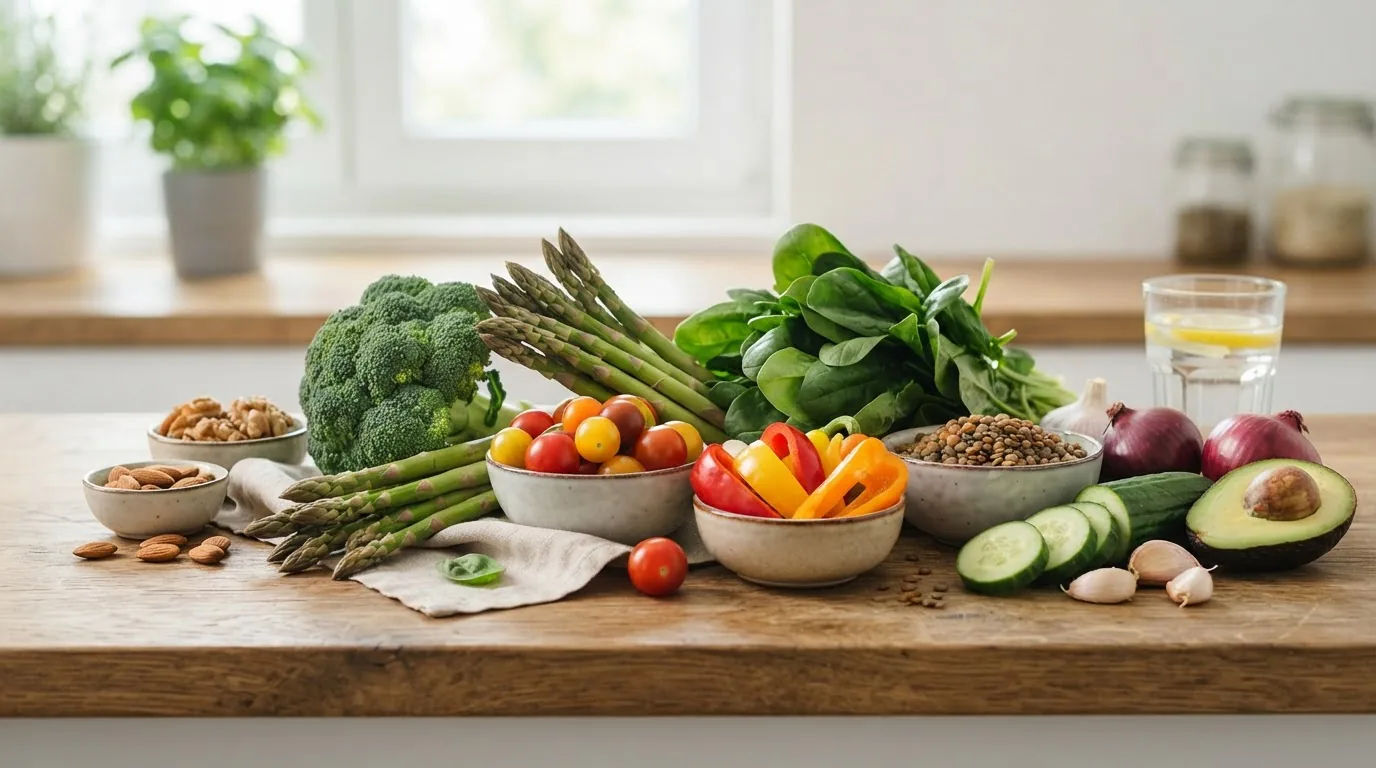
Good diabetic vegetables can act as stabilizers for blood sugar while supplying vitamins, fiber, and antioxidants key to long-term diabetes management. This guide explains which vegetables work best for people with diabetes, why they help, and how to prepare and portion them to get the biggest benefit.
Understanding Good Diabetic Vegetables
When we talk about good diabetic vegetables, we mean vegetables that have low net carbohydrate impact, are high in fiber and micronutrients, and contain bioactive compounds that support blood sugar control and insulin sensitivity. Two technical measures that matter most for choosing vegetables are the glycemic index (GI) and glycemic load (GL).
The glycemic index (GI) ranks foods by how quickly their carbohydrate raises blood glucose on a scale from 0–100; low-GI foods are generally ≤55. The glycemic load (GL) accounts for portion size and carbohydrate content (GL = GI × carbs per serving ÷ 100). For diabetes management, low GI and low GL vegetables are preferred because they cause smaller, slower blood sugar rises, reducing the risk of large post-meal spikes.
Below are representative GI values for common vegetables (values are averages; cooking and ripeness change numbers):
| Vegetable | Typical GI | Glycemic Load (per 75–100g) |
|---|---|---|
| Leafy greens (spinach, kale) | ~15 | ~0–1 |
| Broccoli | ~15 | ~1 |
| Cauliflower | ~15 | ~1 |
| Tomato | ~15 | ~1 |
| Carrot (raw) | ~16 | ~2–3 |
| Peas | ~51 | ~6–8 |
| Potato (boiled) | ~82 | ~15+ |
| Sweet potato (boiled) | ~44 | ~7–10 |
Fiber content, especially soluble fiber, slows digestion and blunts blood sugar peaks. Antioxidants (like vitamin C and polyphenols) help reduce oxidative stress linked to insulin resistance. Minerals such as magnesium play roles in glucose metabolism and insulin action.
For readers wanting a broader look at produce benefits, see fresh fruits and vegetables benefits.
Vegetable classification also matters: non-starchy vegetables (leafy greens, crucifers, peppers) are low-carb and ideal; starchy vegetables (potatoes, corn) carry more carbs and higher GI, requiring portion control. Current clinical guidance emphasizes non-starchy vegetables as foundational in diabetes diets. According to a 2025 ADA guideline on nutrition therapy for adults with diabetes, increasing non-starchy vegetable intake is recommended as a core strategy for glycemic control (ADA dietary guidelines).
For more on specific micronutrients, see vitamins important for diabetes, which highlights vitamin C, magnesium, and other nutrients commonly found in diabetic-friendly vegetables.
Understanding GI/GL, fiber, antioxidants, and nutrient content lets you choose vegetables that support steady blood glucose and long-term metabolic health. Next, we’ll list the top vegetables to include and explain why each helps.
Top Good Diabetic Vegetables to Include in Your Diet
Below are carefully selected vegetables shown to be particularly beneficial for people managing diabetes. Each entry explains diabetes-specific benefits: GI/GL behavior, fiber and antioxidant content, vitamins and minerals relevant to glucose control, and practical serving tips.
-
Broccoli — Blood sugar stabilizer and nutrient-dense crucifer
Broccoli is low in digestible carbs, high in fiber, and rich in vitamin C and sulforaphane (a phytochemical linked to improved insulin sensitivity). Its GI is very low (~15), and 1 cup (91 g) has about 2.4 g fiber. Regular intake is associated with improved markers of inflammation in observational studies. For vegetable diabetics, broccoli provides filling bulk with minimal glucose impact.
For precise macro info, compare with cabbage nutrition details, another low-calorie crucifer.
Serving tip: Steam or roast quickly to preserve sulforaphane; pair with a healthy fat (olive oil) to improve nutrient absorption.
-
Spinach and other leafy greens — Low-carb, high micronutrient powerhouses
Spinach, kale, and Swiss chard have negligible GI/GL and deliver magnesium, vitamin C, vitamin K, and fiber. Magnesium is associated with better insulin sensitivity in multiple cohort studies (see NIDDK resources below). For people with diabetes, adding a generous cup of leafy greens to meals can lower meal GL and increase satiety.
-
Cauliflower — A versatile low-carb substitute
Cauliflower has a low GI and low carbohydrate content per serving; it’s an excellent swap for higher-carb grains and starchy vegetables. Cauliflower rice, mashed cauliflower, and roasted florets provide texture without large blood sugar effects.
-
Bell peppers — Vitamin C and carotenoids with low glycemic impact
Bell peppers are low in carbs, high in vitamin C and antioxidants, supporting vascular health and glucose control. Their crisp fiber helps blunt post-meal glucose rises when eaten as part of mixed meals.
-
Tomatoes — Low GI and rich in lycopene
Tomatoes have low GI and are a source of vitamin C, potassium, and antioxidants. They add flavor with minimal carbohydrate cost, making them ideal for salads, sauces, and cooked dishes.
-
Cabbage — Low-calorie, high-fiber crucifer
Cabbage delivers fiber, vitamin C, and phytonutrients with very low calories and carbs per cup. It’s a good choice for slaws, stir-fries, and soups. For details on calories and fiber, see cabbage nutrition details.
-
Celery — Extremely low-carb, hydrating, and satiating
Celery is almost negligible in carbs and calories but provides fiber and a crunchy texture that helps with fullness. It’s useful as a vehicle for protein- and fat-based dips (e.g., hummus or nut butter) to create balanced snacks. For more on its nutrition profile, see celery nutrition.
-
Asparagus — Magnesium-rich and low-GI
Asparagus supplies magnesium and vitamin K, has minimal digestible carbs, and is a good source of prebiotic fiber. Grilling or steaming preserves texture and nutrient content.
-
Brussels sprouts — Fiber and antioxidant-rich
Brussels sprouts are high in fiber and sulforaphane-like compounds, supporting both satiety and oxidative stress reduction. Their glycemic impact is very low compared to starchy sides.
-
Green beans — Moderate carbs but low GL
Green beans are non-starchy, with modest carbs balanced by fiber and micronutrients. They are a filling side that adds volume without large glucose responses.
-
Zucchini and summer squash — Low-carb, versatile texture
Zucchini provides fiber and water, is very low GL, and makes excellent low-carb noodles or roasted sides that replace higher-carb pasta and potatoes.
-
Onions and garlic — Flavor with minimal glycemic cost
Alliums add flavor, compounds that may modestly affect insulin sensitivity, and negligible carbs per typical serving. Use them to enhance vegetable-based dishes without adding sugars or starches.
-
Carrots (raw) — Low GI when raw, moderate when cooked
Raw carrots have a low GI (~16) and are fine in moderation; cooked carrots have slightly higher GL due to softened starches. Keep portions reasonable; pair with proteins or fats to blunt glucose response.
-
Peas — Higher-carb non-leafy option, portion mindful
Green peas have higher carbs than many non-starchy vegetables (GI ~51) but provide fiber and protein. They can fit into diabetes meal plans when portioned carefully and balanced with protein and fat.
-
Sweet potatoes — Nutrient-dense starchy vegetable for controlled portions
Sweet potatoes have a lower GI than white potatoes and contain vitamin A, fiber, and potassium. They are a starchy option that can fit within a diabetes plan when portion-controlled and combined with protein and healthy fat.
-
Beets — Natural nitrates and antioxidants; watch portions
Beets have useful nutrients (nitrates, antioxidants) but contain more sugar than green vegetables. Small portions add color and nutrients; monitor blood glucose if you consume larger amounts.
-
Mushrooms — Low-carb, umami-rich, and filling
Mushrooms are technically fungi but commonly categorized with vegetables; they are low in carbs, supply B vitamins and selenium, and add volume and savory flavor to meals with negligible glycemic impact.
-
Eggplant — Low GL and adaptable in cooked dishes
Eggplant is low in digestible carbs and high in fiber. Roasted or grilled eggplant adds texture and can be used as a substitute for breaded or starchy layers in recipes.
-
Winter greens (collard, mustard) — Hearty, nutrient-dense greens
These greens are fibrous, rich in magnesium and vitamin K, and low GI. Use them as wraps or sautéed sides to boost vegetable volume in meals.
For seasonal inspiration, especially in spring, explore spring vegetables that are often fresher and more affordable.
Across these options, non-starchy vegetables should make up the bulk of daily vegetable intake for most people managing diabetes. Next, we’ll examine fiber’s role and how it directly affects blood glucose.
The Role of Fiber in Managing Diabetes
Fiber content in vegetables is one of the most actionable factors for controlling blood sugar. Fiber—especially soluble fiber—forms a gel in the gut, slowing carbohydrate absorption and reducing post-meal glucose spikes. Insoluble fiber promotes bowel health and satiety, helping with weight management, which in turn can improve insulin sensitivity.
Clinical and observational research consistently links higher dietary fiber to lower HbA1c and improved fasting glucose (source: NIDDK resources). According to a 2024 industry report on dietary fiber intake and diabetes outcomes, increasing fiber by 10–15 g/day was associated with measurable improvements in glycemic markers (source: 2024 industry report).
High-fiber vegetables to prioritize:
- Leafy greens (spinach, kale) — Fiber per cup: 0.7–1.3 g, great for volume
- Broccoli — ~2.4 g per cup (91 g)
- Brussels sprouts — ~3.3 g per cup (88 g)
- Cabbage — ~2.2 g per cup (89 g)
- Cauliflower — ~2.1 g per cup (107 g)
- Carrots (raw) — ~1.7 g per medium carrot
- Green peas — ~8.8 g per cup (160 g), higher but also higher carb
Example: Adding one cup of broccoli and a large salad of mixed greens to a meal can add 4–6 g of fiber while keeping GL extremely low. Over days and weeks, this pattern reduces glycemic variability and supports lower HbA1c levels. Observational data and trials show that diets emphasizing high-fiber vegetables reduce HbA1c modestly over months (source: peer-reviewed diabetes nutrition studies in journals such as “Diabetes Care”).
Short list/table of high-fiber vegetables for diabetics:
| Vegetable | Fiber per Typical Serving |
|---|---|
| Green peas (1 cup) | ~8.8 g |
| Brussels sprouts (1 cup) | ~3.3 g |
| Broccoli (1 cup) | ~2.4 g |
| Cabbage (1 cup) | ~2.2 g |
| Cauliflower (1 cup) | ~2.1 g |
| Carrot, raw (1 medium) | ~1.7 g |
In practice, aim for a mix of soluble- and insoluble-fiber vegetables across meals to help blunt blood sugar spikes and improve overall metabolic outcomes. Next, we’ll cover practical preparation methods to preserve fiber, vitamins, and the glycemic advantages of vegetables.
How to Prepare and Cook Vegetables for Optimal Diabetes Benefits
Cooking method affects nutrient retention, GI/GL, and how vegetables influence blood sugar. Proper preparation maximizes the benefits of low-carb vegetables while minimizing increases in glycemic impact.
Key principles:
- Prioritize low-heat methods that preserve nutrients—steaming, sautéing briefly, roasting at moderate temperatures.
- Minimize excessive mashing or pureeing of starchy vegetables; mechanical breakdown increases glycemic response.
- Pair vegetables with protein and healthy fats to slow gastric emptying and blunt glucose peaks.
- Use minimal added sugars or high-carb sauces—choose herbs, spices, citrus, and vinegar instead.
Detailed how-to steps and tips:
-
Steaming and blanching
Why: Steaming preserves water-soluble vitamins (e.g., vitamin C) better than boiling and keeps structure, which slows digestion. How: Steam broccoli, green beans, and leafy greens 3–7 minutes until tender-crisp. Tip: Shock in cold water to preserve color and nutrients if batch-cooking.
-
Roasting
Why: Roasting concentrates flavor and encourages vegetable consumption without adding sugar. How: Toss non-starchy vegetables (cauliflower, Brussels sprouts, bell peppers, zucchini) in 1–2 tsp olive oil per 2 cups, roast at 400°F (200°C) for 20–30 minutes until caramelized. Tip: Don’t over-roast starchy vegetables like potatoes if avoiding high GI.
-
Sautéing and stir-frying
Why: Quick cooking retains texture and nutrients; using healthy oils increases absorption of fat-soluble vitamins. How: Use a small amount of olive or avocado oil; add garlic and herbs; cook vegetables until just tender.
-
Raw preparations
Why: Raw vegetables often have the lowest GL, especially carrots and certain peppers. How: Salads, crudité plates, and smoothies (vegetable-first, low-fruit) maintain low glycemic impact.
-
Mashing and pureeing—use sparingly
Why: Mechanical processing increases surface area and speeds digestion, raising GI. How: If making purees, blend with added fiber (e.g., cauliflower mash with skin-on roasted cauliflower), and always combine with protein and fat.
-
Pickling and fermenting
Why: Fermentation can increase beneficial bacteria and sometimes lower GI. How: Make quick pickles of cucumbers or sauerkraut from cabbage—watch for added sugars in commercial products.
-
Batch-cooking and storage
Why: Meal prep increases vegetable intake and adherence. How: Cook and store vegetables in airtight containers; reheat gently. Tip: For best nutrient retention, store raw leafy greens lightly dressed or separate dressing until serving.
Practical meal-prep demo (experience signal):
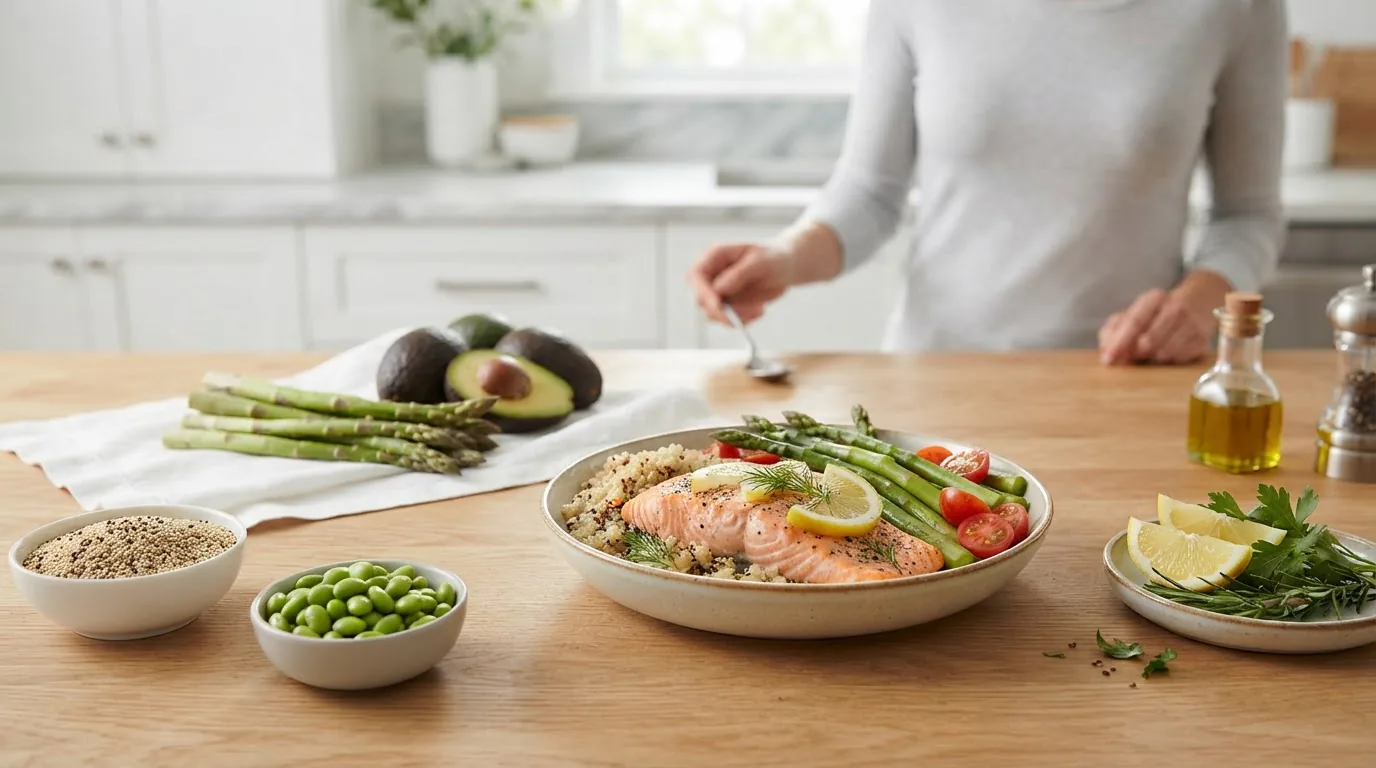
- Plan: Choose three main vegetables for the week—broccoli, spinach, and cauliflower.
- Batch-cook: Steam 6 cups of broccoli, roast 6 cups of cauliflower, and wash/pack 10 cups of spinach raw.
- Portion: Divide into 6 lunch containers: 1 cup roasted cauliflower + 1 cup broccoli + 1–2 cups spinach per meal.
- Finish: Add 3–4 oz grilled chicken or canned tuna and 1 tbsp olive oil per container before sealing. Refrigerate up to 4 days.
- Monitor: Check pre-meal and 1–2 hour post-meal glucose (if advised) on the first two meals to see the blood sugar effect of the vegetable-forward plate.
Example blood sugar monitoring (experience signal): A hypothetical persona, “Maria, 58, Type 2 diabetes,” adds a 2-cup salad and 1 cup roasted cauliflower to a lunch that previously had white rice. She monitors her glucose: pre-meal 135 mg/dL, 1-hour post-meal 165 mg/dL with rice; after swapping to the vegetable plate, pre-meal 132 mg/dL, 1-hour post-meal 145 mg/dL—showing a reduced post-meal spike (individual results vary; consult providers).
Transition: Now that cooking strategies and practical meal-prep steps are clear, let’s focus on portion control and serving sizes specifically tailored for vegetable diabetics.
Portion Control and Serving Sizes for Vegetable Diabetics
Portion control aligns vegetable choice with overall carbohydrate goals. While non-starchy vegetables are lower in carbs, portioning still matters—especially when vegetables are cooked, pureed, or combined with higher-carb ingredients.
General portion guidelines for most adults with diabetes (adjust per personal carbohydrate targets and activity level):
- Non-starchy vegetables: 1 cup raw leafy greens = 1 serving; 1 cup cooked non-starchy = 1 serving. These are generally very low in carbohydrate and can often be consumed in larger volumes.
- Starchy vegetables: ½ cup cooked potatoes, corn, or peas counts as 1 carbohydrate choice (approximately 15 g carbs) and should be counted in daily carbohydrate totals.
- Higher-carb vegetables (e.g., beets, winter squash): treat like starchy vegetables for counting purposes unless measured very small.
Practical serving-size chart (examples):
| Vegetable | Typical Serving | Approximate Carbs per Serving |
|---|---|---|
| Raw leafy greens | 1 cup | ~1–2 g |
| Cooked broccoli/cauliflower | 1 cup | ~4–6 g |
| Raw carrot (medium) | 1 medium | ~6–7 g |
| Green peas | ½ cup cooked | ~10–12 g |
| Sweet potato (mashed) | ½ cup | ~15–20 g |
| Baked potato | 1 small (100 g) | ~20–25 g |
For users who want more granular carbohydrate info, consult carbohydrate content charts and the site’s carbs in vegetables guide for vegetable-specific numbers.
Meal planning tips for portion control:
- Fill half your plate with non-starchy vegetables to lower overall meal GL and increase satiety.
- Count starchy vegetables in your carbohydrate budget; pair them with protein and fat to reduce post-meal spikes.
- Use measuring cups or a food scale during the first two weeks to learn typical serving sizes—then eyeball confidently.
- Be mindful of dressings, sauces, and toppings that can add hidden carbs and calories.
Experience signal — small case study:
Persona: John, 45, newly diagnosed Type 2 diabetes, target 45–60 g carbs per meal. He replaces a 1-cup rice side (45 g carbs) with 2 cups of mixed roasted non-starchy vegetables (~8–10 g carbs) and adds 3 oz salmon. He reports lower post-meal glucose readings and improved satiety over several weeks when he maintains this pattern.
Transition: Having covered portion control, next we’ll highlight vegetables to limit or avoid and why that matters for blood sugar and long-term diabetes risks.
Vegetables to Limit or Avoid for Diabetes Management
Not all vegetables are equal for blood sugar management. Starchy vegetables and some preparations can raise GI/GL and produce larger post-meal glucose spikes. Below is a comparison table of vegetables often limited for people with diabetes, with reasons to reduce intake or track portions.
| Vegetable | Reason to Limit | How to Substitute |
|---|---|---|
| White potatoes | High GI (~82 cooked), large GL per serving; can spike blood glucose | Use mashed cauliflower, roasted turnips, or smaller portion of sweet potato (½ cup) |
| French fries and potato chips | High glycemic impact + added fats/sodium; processed forms increase rapid absorption | Choose oven-roasted carrots or air-fried cauliflower chips |
| Corn | Starchy, moderate–high carbohydrate content per cup | Use green beans or peas in small portions; substitute with zucchini or bell peppers |
| Parsnips and rutabaga | Higher carbs than leafy vegetables; can raise meal GL | Roast small amounts mixed with non-starchy vegetables |
| Large portions of beets | Higher natural sugars; can raise blood glucose when eaten in excess | Use small portions as a garnish or in salads mixed with greens |
| Sweetened canned vegetables | Added sugars increase carbohydrate load and GI | Choose fresh/frozen without added sugar |
Clinical recommendations: The American Diabetes Association recommends that people with diabetes focus on non-starchy vegetables and limit concentrated sources of carbohydrates, including high-GI starchy vegetables, especially when consumed in large portions (ADA dietary guidelines).
For background research on starchy vegetable impacts and glycemic response, see peer-reviewed studies published in journals such as Diabetes Care and government resources like NIDDK.
Caveat: Individual response varies. Some people on medications (e.g., insulin or sulfonylureas) must be extra cautious with carbohydrate timing and portion sizes—work with a healthcare provider or registered dietitian to tailor choices.
Transition: With limitations in mind, the next section shows practical examples of how to integrate the best vegetables into a balanced daily meal plan.
Integrating Good Diabetic Vegetables into Your Balanced Meal Plan
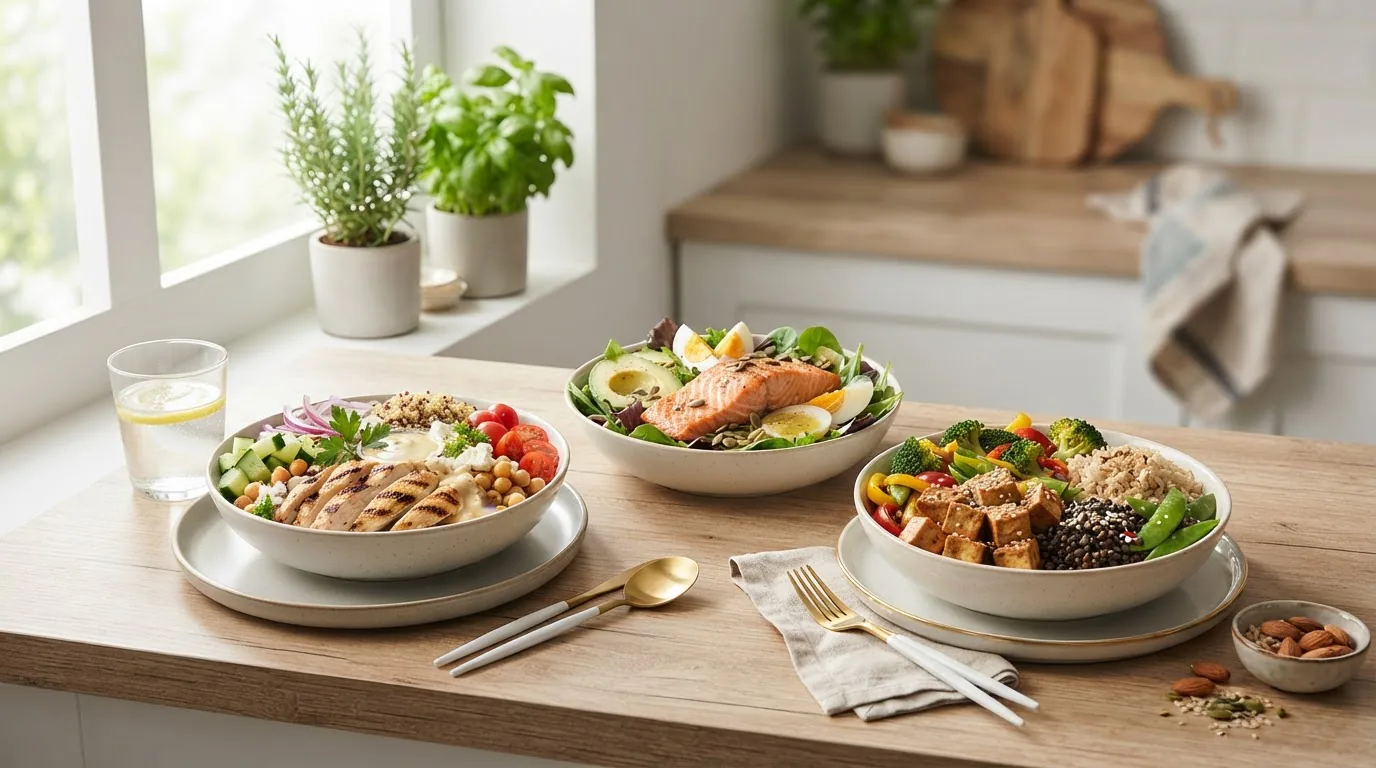
Creating balanced meals around vegetables helps manage blood sugar while meeting nutritional needs. Aim for a plate model: half non-starchy vegetables, one-quarter lean protein, one-quarter whole-grain or starchy vegetable (if included), plus a serving of healthy fat.
Sample daily plate examples:
- Breakfast: Omelet with spinach, mushrooms, and bell peppers + 1 slice whole-grain toast (or skip toast and add extra vegetables).
- Lunch: Large salad (mixed greens, shredded cabbage, tomatoes, cucumbers) topped with 3–4 oz grilled chicken, 1 tbsp olive oil, and ½ cup roasted sweet potato.
- Snack: Celery sticks with 1–2 tbsp nut butter or hummus.
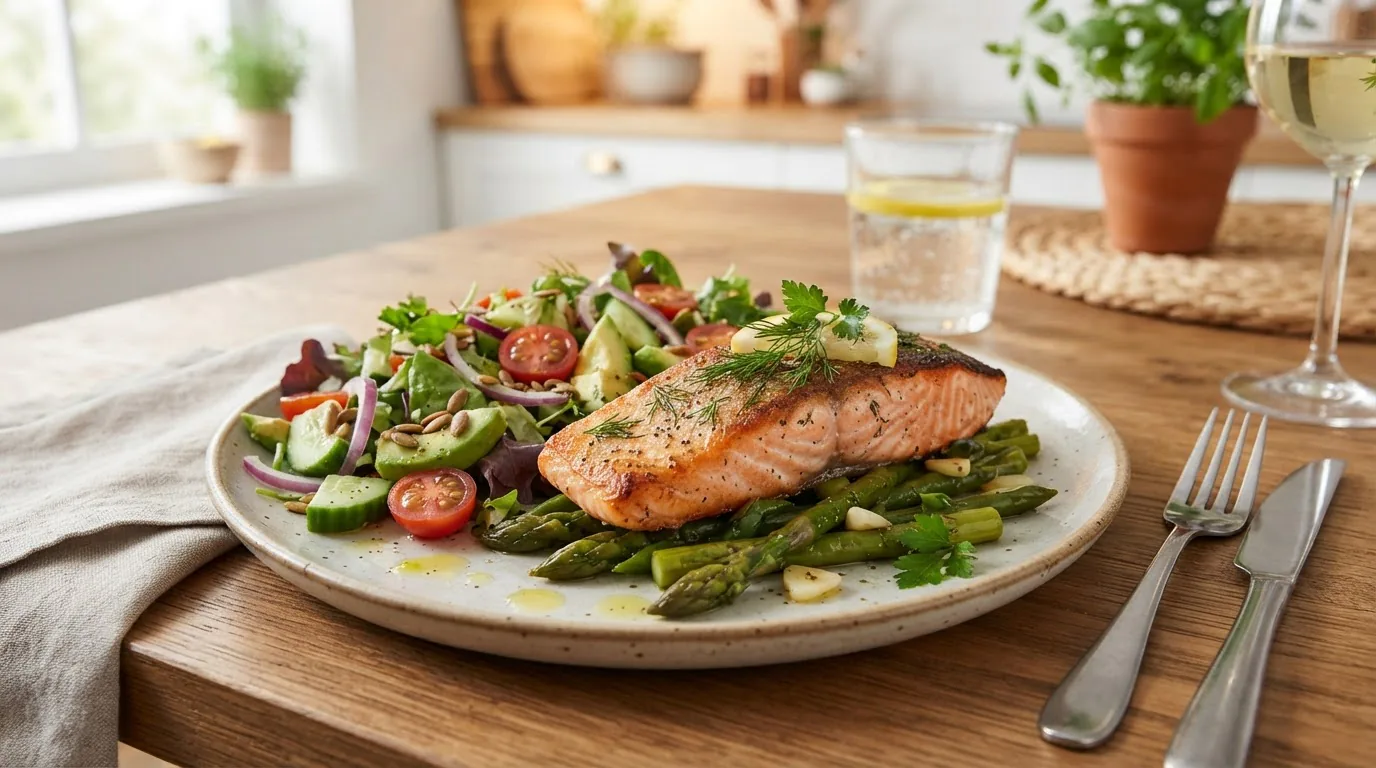
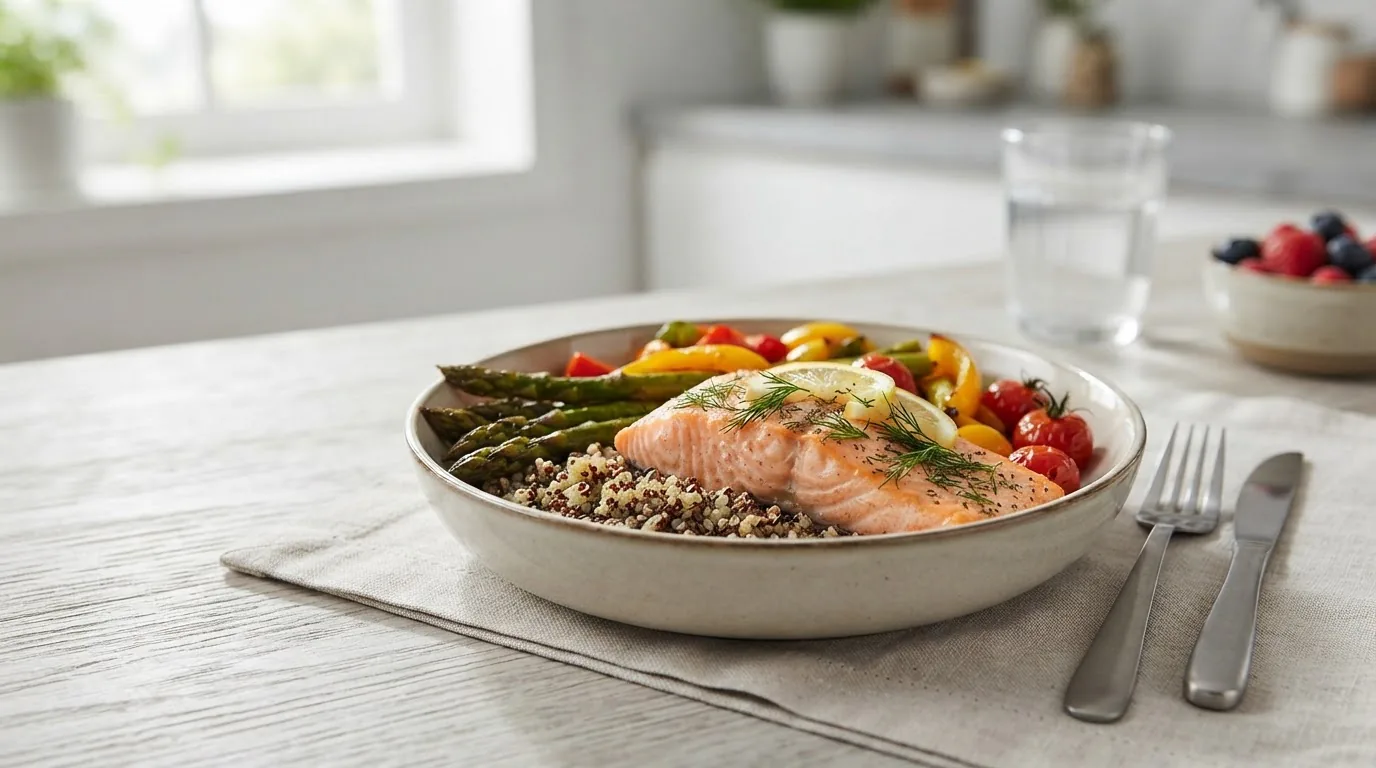
- Dinner: Baked salmon with roasted broccoli and cauliflower rice; side of steamed asparagus.
For a healthy fat addition, consider avocado—see avocado nutrition—which pairs well with salads and vegetable bowls to lower the meal’s glycemic response.
Vegetable substitutions for higher-carb foods:
- Pasta → Spiralized zucchini or roasted spaghetti squash.
- Rice → Cauliflower rice.
- Mashed potatoes → Mashed cauliflower with olive oil and garlic.
- Chips/crackers → Raw bell pepper strips or roasted seaweed snacks.
Meal planning tips for adherence:
- Keep a rotation of 6–8 favorite non-starchy vegetables to simplify shopping and cooking.
- Use herbs, spices, citrus, vinegar, and small amounts of healthy fats to make vegetables satisfying without extra sugars.
- Schedule vegetable-containing snacks to prevent high-carb cravings later in the day.
Experience signal — weekly plan demo:
- Sunday: Roast a large tray of mixed non-starchy vegetables (broccoli, cauliflower, bell peppers) and portion for four lunches.
- Monday–Friday breakfasts: Add a cup of spinach or sautéed mushrooms to eggs or breakfast bowls.
- Snacks: Prepare celery and bell pepper sticks with single-serve hummus for grab-and-go options.
- Evening meals: Aim for at least two different non-starchy vegetables on each dinner plate.
Transition: To wrap up, the next section answers common questions people have about good diabetic vegetables.
Frequently Asked Questions
What are good diabetic vegetables for blood sugar control?
Good diabetic vegetables are primarily non-starchy choices (spinach, broccoli, cauliflower, leafy greens, bell peppers) with low GI/GL, high fiber, and beneficial micronutrients that slow carbohydrate absorption and support insulin sensitivity.
How do good diabetic vegetables differ from regular vegetables?
Good diabetic vegetables are selected for low glycemic impact, higher soluble fiber, and nutrient profiles that support glucose control; starchy vegetables like potatoes or corn have higher carbs and are treated differently in diabetic meal planning.
Can eating certain vegetables lower my blood sugar levels?
While no vegetable directly “lowers” blood sugar immediately, eating high-fiber, low-GI vegetables reduces post-meal spikes and over time can improve HbA1c and glucose variability when part of a consistent dietary pattern.
How should I prepare diabetic vegetables to keep their health benefits?
Use steaming, quick roasting, sautéing, or raw preparations to preserve fiber and vitamins; avoid excessive pureeing and added sugars, and pair vegetables with protein and healthy fats to blunt glucose responses.
What portion sizes of vegetables are safe for diabetics?
Non-starchy vegetables can be eaten in larger portions (half your plate), while starchy vegetables should be portioned (½ cup cooked ≈ 15 g carbs) and counted toward total meal carbohydrates based on individual targets.
Are starchy vegetables bad for people with diabetes?
Starchy vegetables are not inherently bad but contain more digestible carbs and higher GI; they can be included in controlled portions and balanced with protein and fat to manage blood sugar impact.
How often should diabetics include vegetables in their meals?
Vegetables should be included at every meal—aim for non-starchy vegetables at least 2–3 times daily and incorporate variety to meet fiber and nutrient needs while keeping carbohydrate goals in check.
How can I tell if vegetables are fresh and good quality for diabetes management?
Fresh vegetables look vibrant, have firm texture, no sliminess or soft spots, and smell fresh; buying seasonal produce and using proper storage extends quality and maximizes nutrient content for diabetes-friendly meals.